Compare every Japan city in March →
Stay in Yokohama in March
63 hotels in the Trip.com pool for Yokohama, from US$29 a night.
Opens Trip.com on Fri 5 Mar to Sun 7 Mar 2027; change the dates there.
March in Yokohama is a month of waiting for the cherry trees, and the whole city waits on one tree in particular. The Japan Meteorological Agency's benchmark Somei Yoshino stands at the Yokohama Local Meteorological Observatory in Yamate, and when it opens, usually in the last week of the month, everything else in the city bends around that date: hotels in Minato Mirai and Kannai fill as it approaches, and picnic tarps start appearing along the Ooka River. Arrive on March 5 and you might see bare branches, late plum blossom, and a cold wind off Tokyo Bay. Arrive on March 28 and you could be eating yakitori under pink canopies in Noge.
The weather is mild but moody, with afternoons averaging 14.9°C (59°F) and nights dropping to around 6.1°C (43°F). Rain falls on roughly 13 days, and March brings well over double February's total. Spring gales, called haru ichiban when they are the season's first, can rattle the waterfront at Yamashita Park, and Japanese cedar pollen peaks this month too, so plenty of locals wear masks for reasons that have nothing to do with colds.
That said, the first three weeks tend to be the calm before the rush. School spring break starts in mid-March, and the Shunbun no Hi holiday lands around March 20. Before those dates, Yamate's Western-style houses and the streets of Motomachi are quiet, and you can walk into most restaurants in Chinatown without a queue.
Why visit in March
- Cherry blossom season usually opens in the final week of March, when the Ooka River promenade from Sakuragicho toward Gumyoji turns into a tunnel of blossom lit by paper lanterns.
- Sagami Bay's shirasu fishing ban lifts on March 11, so fresh raw whitebait bowls return to menus from Yokohama down to Kamakura.
- The first half of the month falls between Lunar New Year in Chinatown and the late-March school holidays, so Yamate and Motomachi feel noticeably emptier than they do in April.
- The Yokohama DeNA BayStars play preseason games at Yokohama Stadium in March, and the regular season normally opens in the last days of the month.
Worth knowing
- Rain falls on about 13 days of the month, and March's total runs close to April's, so any outdoor plan needs a fallback.
- Japanese cedar pollen peaks in March, and visitors with hay fever often suffer badly along the wooded hills of Nogeyama and Sankei-en.
- Evenings along the harbor fall to single digits Celsius (the low 40s Fahrenheit), and the bay wind makes night-time hanami colder than the forecast suggests.
- Blossom timing shifts by a week or more from year to year, and a trip booked for mid-March can easily miss the bloom entirely.
Best for
Think twice if
Early March still feels like late winter across Minato Mirai, with grey skies and gusty northerly winds. By the last ten days the air turns noticeably softer. Rain adds up to about 6.1 inches over the month and usually comes as steady, cold drizzle rather than tropical downpours, and the clear, dry days between fronts can be crisp and bright, with Mount Fuji sometimes visible to the west from Yokohama Landmark Tower. Humidity is moderate, and the damp mostly shows up as chill on evenings by the water.
Seasonal caution
- Japanese cedar pollen peaks in March across Kanagawa, with counts rising sharply on warm, windy, dry days, so bring antihistamines and masks if you are sensitive.
- Strong spring gales, including the first southerly gust of the season known as haru ichiban, can suspend Sea Bass waterbus sailings and close the observation decks at Yokohama Marine Tower.
Year-round climate
Averages from the last 5 years.
| Month | Avg high (°C) | Avg low (°C) | Rainfall (mm) |
|---|---|---|---|
| Jan | 10 | 1 | 38 |
| Feb | 11 | 2 | 63 |
| Mar | 15 | 6 | 155 |
| Apr | 19 | 11 | 172 |
| May | 22 | 15 | 205 |
| Jun | 26 | 19 | 185 |
| Jul | 31 | 24 | 159 |
| Aug | 32 | 25 | 143 |
| Sep | 28 | 22 | 196 |
| Oct | 22 | 15 | 147 |
| Nov | 17 | 10 | 81 |
| Dec | 12 | 4 | 54 |
Holidays and festivals in March
Public holidays
- Vernal Equinox Day(春分の日)21 March 2027
Headline events
Cherry Blossom Season (Sakura)
First bloom usually March 22-28, with full bloom about 7-10 days later, often in the first days of April
When the Somei Yoshino cherries open across Kanagawa, Yokohama's riverbanks, hill parks and temple grounds fill with hanami picnics, evening lanterns and food stalls. That pull is why so many Japanese and foreign visitors choose late March, and it drives the price and crowd curve for the whole month.
Best things to do in March
Night blossom walk along the Ooka River
hanamiWalk the riverside path from near Sakuragicho Station through Hinodecho and Koganecho toward Gumyoji, a few kilometers under roughly 500 cherry trees, with lantern lighting after dark.
The trees usually open in the final week of March, when the lanterns go up for the local sakura festival.Booking tipNo booking needed. Go after 19:00 on a weeknight, because Saturday evenings near Hinodecho can move at a shuffle.
Hanami picnic at Mitsuike Park
hanamiThis large park in Tsurumi Ward has roughly 1,000 cherry trees in dozens of varieties planted around three ponds, and it is listed among Japan's top 100 cherry blossom spots.
Early-flowering varieties bloom ahead of the Somei Yoshino, so the display here can start before the city's official opening date.Booking tipArrive before 10:00 on weekends to claim lawn space. Bring your own tarp and take all trash home.
Late plum and early cherry at Sankei-en
gardenSankei-en, a garden founded in 1906 by silk merchant Hara Sankei, holds historic buildings moved from Kyoto and Kamakura beside a pond and pagoda.
The last plum blossoms linger into early March, and the cherries around the pond follow at the end of the month, so one garden covers both ends of the season.Booking tipCheck the garden's website for evening illumination dates, which are typically announced in March.
Shirasu lunch day trip to Kamakura
foodTake the JR Yokosuka Line about 25 minutes to Kamakura, eat raw shirasu near Kamakura or Koshigoe, then walk the temples of Kita-Kamakura.
Fishing boats go back out on March 11, and restaurants chalk 'nama shirasu arimasu' on boards when the morning catch comes in.Booking tipRaw shirasu is served when boats go out, so call ahead or check on a calm morning, as rough seas cancel the catch.
BayStars preseason game at Yokohama Stadium
sportWatch the Yokohama DeNA BayStars at their home ground in Yokohama Park, a 1977 stadium a few minutes' walk from Kannai Station.
Preseason games in March are cheaper and easier to get into than regular-season games, and the season opener usually falls at the end of the month.Booking tipOpening-series tickets sell out within days of release, so buy preseason seats through the club site as soon as the schedule appears in February.
Strawberry picking in Kanagawa
foodFarms in Ebina, Atsugi and around Miura let you pick strawberries straight from greenhouse vines, usually in 30-minute timed sessions.
March is the heart of the greenhouse season, and farms often close to pickers by May.Booking tipWeekend slots in March go 1-2 weeks ahead, and many farms close for the day once the ripe fruit runs out.
Temple cherries at Shomyoji and Kanazawa Bunko
cultureKanazawa Bunko began as a samurai library in 1275, and the museum now sits beside Shomyoji, a Kamakura-era temple with a red arched bridge over its pond garden, in southern Yokohama.
The cherries over the temple pond usually bloom in the same window as the city center but draw a fraction of the crowd.Booking tipTake the Keikyu Line to Kanazawa-bunko Station, then walk about 12 minutes.
What to eat in March
In season: fruit
Kanagawa strawberries
Strawberry picking farms in Ebina, Atsugi and the Miura Peninsula hit their peak in March, before the berries soften in the May warmth.
On menus now
Nama shirasu-don
The Sagami Bay whitebait fishery reopens on March 11 after its winter closure, and raw, translucent shirasu over rice is at its sweetest in these first weeks back.
Hamaguri ushio-jiru
Clear clam broth with large hamaguri is the traditional Hinamatsuri dish on March 3, and the spring clams are plump this month.
Street food peaks
Hanami yatai snacks
Stalls along the Ooka River during blossom season sell grilled squid, yakisoba and amazake, the warm, sweet rice drink that does its work on 6°C evenings.
In markets
Nanohana
Rapeseed shoots are in season from late February through March, usually blanched and dressed with mustard, and they appear across izakaya in Noge as a bitter spring side dish.
Festival food
Sakura mochi
In the weeks before the bloom, pink rice cakes wrapped in salted cherry leaves appear in Motomachi confectioners and depachika food halls.
Regular events in March
Hinamatsuri (Doll Festival)Free
Families with daughters display tiered hina dolls, and department stores around Yokohama Station set up doll exhibits and seasonal sweets counters.
March 3Shunbun no Hi (Vernal Equinox Day)Free
A national public holiday when many families visit ancestral graves. Temples hold ohigan services, and parks and trains are busier than on a normal weekday.
March 20 or 21Ooka River Sakura FestivalFree
A neighborhood festival in Minami Ward with paper lanterns strung along the riverbank, food stalls and evening illumination.
Late March into early April, timed to the bloomNPB Preseason and Opening Day
Professional baseball exhibition games run through March, followed by the Central League opening series, and the BayStars play some of these at home.
Early March to the last weekend of MarchBest places this March
Ooka River Promenade
riverside walkThis is the city's best-known blossom corridor, and its bars and yakitori counters sit steps from the water.
Minami / NakaMitsuike Park
parkThis is the big picnic park for locals, less photographed than downtown spots and far roomier.
TsurumiSankei-en
gardenThis garden covers the plum-to-cherry changeover, with a three-story pagoda from Kyoto rising over the pond.
HonmokuNogeyama Park and Nogeyama Zoo
parkThe hilltop park has cherry trees above Sakuragicho, and the zoo inside, open since 1951, is free to enter.
NogeHarbor View Park (Minato-no-Mieru-Oka Koen)
viewpointThis clifftop park in Yamate looks over the bay bridge, and the spring tulip and pansy beds start filling in toward the end of March.
YamateYamate Western-style Houses
historic housesThis row of early-20th-century foreign residences, including the Ehrismann Residence and Berry Hall, is free to enter and makes a warm stop on a rainy day.
YamateYamashita Park
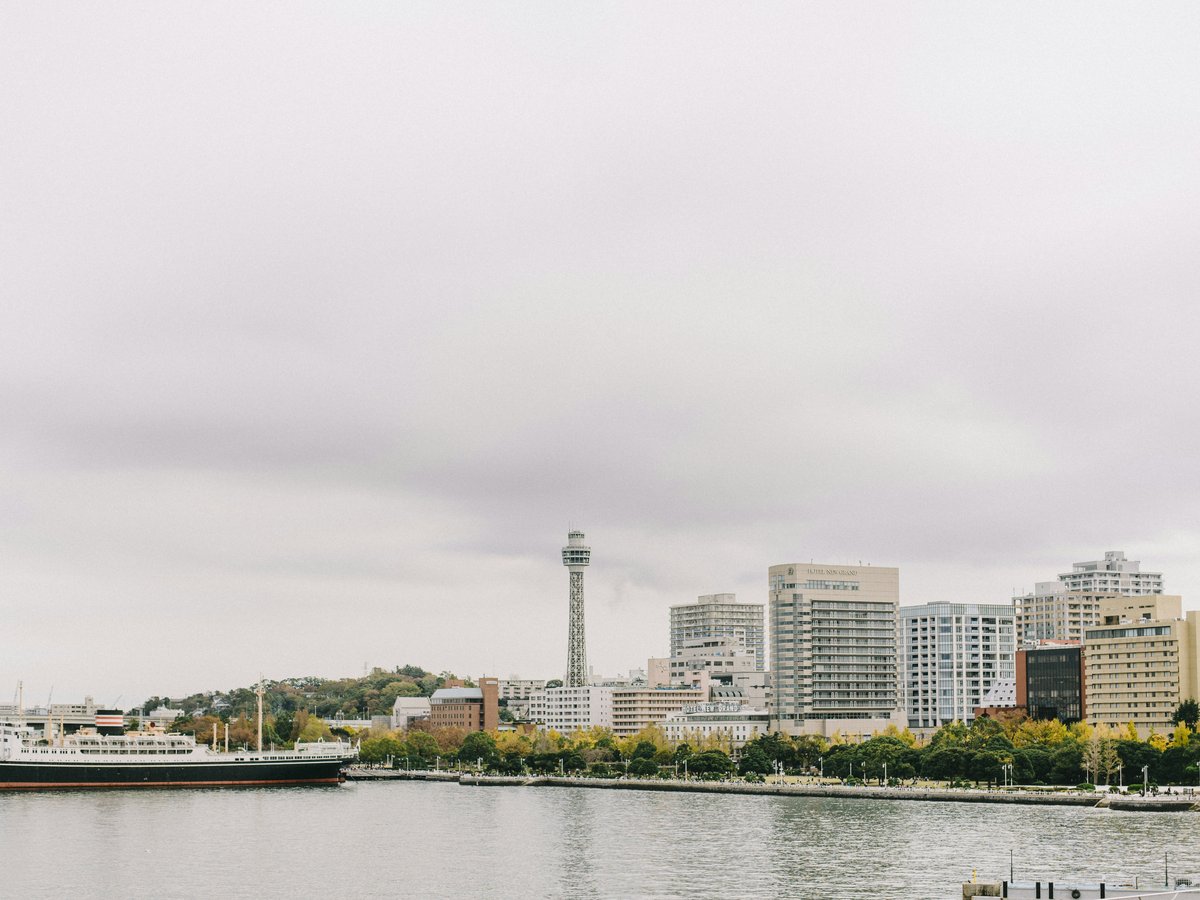
waterfront parkThe long waterfront lawn faces the moored liner Hikawa Maru, and it comes into its own on a clear, windy March afternoon.
Yamashita-choKamonyama Park
parkThis small hill park beside Sakuragicho holds a statue of Ii Naosuke and blossom views toward Minato Mirai's towers.
Sakuragicho
Your packing checklist
Tick items off as you pack. Your progress saves in this browser.
All packed — have a great trip.
Insider tips
Walk the Ooka River at Koganecho or Hinodecho rather than starting at Sakuragicho: the blossom is the same, the crowd is thinner, and the small bars under the Keikyu tracks serve drinks to take out.
Mitsuike Park has early-blooming varieties, Okame and Kawazu-zakura among them, so check it in mid-March even if the downtown Somei Yoshino are still closed.
Nogeyama Zoo costs nothing to enter and shares the same park as the Nogeyama cherries, making it a good morning stop with kids before the picnic crowd arrives.
Follow the JMA's Yokohama bloom announcement, which is based on the tree in Yamate: when it opens, most downtown spots peak about a week later, giving you time to adjust a booking.
Kanagawa shirasu boats stay in harbor on rough days, so check the sea forecast the night before a Kamakura trip. A windy morning usually leaves you with frozen or boiled shirasu only.
Avoid these mistakes
- Booking a mid-March trip only for blossoms. Somei Yoshino in Yokohama rarely flowers before the third week, and you might arrive to bare trees.
- Waiting until March to book late-March hotels in Minato Mirai, when spring break, graduation trips and fiscal year-end transfers all compete for the same rooms.
- Dressing for the daytime high at an evening hanami, because river spots lose heat fast after sunset and plenty of visitors end up buying a jacket in Motomachi.
- Assuming the harbor cruise will run, since spring gales cancel small sightseeing boats and Sea Bass waterbus trips at short notice.
Practical tips for March
Book late-March stays at least 6-8 weeks ahead, because Japanese school spring break and the blossom window overlap from about March 20. March 31 is the end of Japan's fiscal year, and offices, removal companies and some ward services are unusually busy in that final week. Many museums, including the Yokohama Archives of History, close on Mondays, and when a Monday falls on a public holiday they close the following day instead. Tipping is not practiced. Hanami etiquette asks you not to shake branches, not to tie things to trees and to take all rubbish home, and some parks limit tarps or loud music after dark. IC cards like Suica or PASMO work on JR, Keikyu, Tokyu, the Minatomirai Line and city buses, so carry one: ticket machine lines at Sakuragicho grow long on blossom weekends.
FAQ
Is March a good time to visit Yokohama?
It is a good month, especially the last week, when cherry blossoms usually open along the Ooka River and in Mitsuike Park. The first half is quieter and cheaper but still wintry, with rain on about 13 days across the month, and travelers who can shift their dates to late March or early April get the best of the season.
When do cherry blossoms bloom in Yokohama?
The JMA usually declares first bloom between about March 22 and 28, based on the benchmark tree in Yamate, with full bloom following roughly a week later and often spilling into the first days of April. Early varieties at Mitsuike Park can flower in mid-March.
What is the weather like in Yokohama in March?
It is cool and changeable: mild afternoons are good for walking, nights are chilly enough for a jacket, and grey drizzly spells alternate with crisp clear days. Strong gusty winds are common, and cedar pollen counts are at their highest of the year.
Is Yokohama crowded in March?
The first two weeks are moderate, but crowds build from around the Shunbun no Hi holiday as Japanese schools break up, and blossom weekends along the Ooka River and in Nogeyama Park turn very busy, particularly on Saturday evenings.
Things to Do in Yokohama in March
 Free cancellation
 Tokyo in 1 Day from Yokohama: Private Tour, Licensed Guide
Day trip: 8 hours, free cancellation.
via Viator Free cancellation
 Tokyo Private Tour by Car with English-Speaking Driver (Premium)
Day trip: 9 hours, free cancellation.
via Viator Free cancellation
 Yokohama ⇆ Tokyo, Narita, Haneda Airport Private Transfer
Day trip: free cancellation.
via ViatorLast verified by automated review (v1.7.2) on . What is automated review?