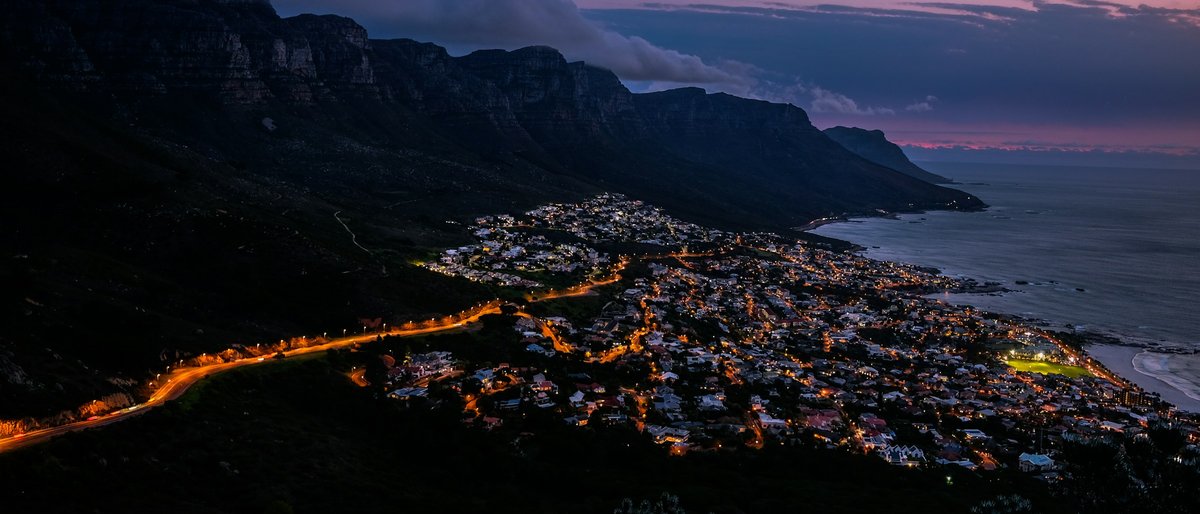
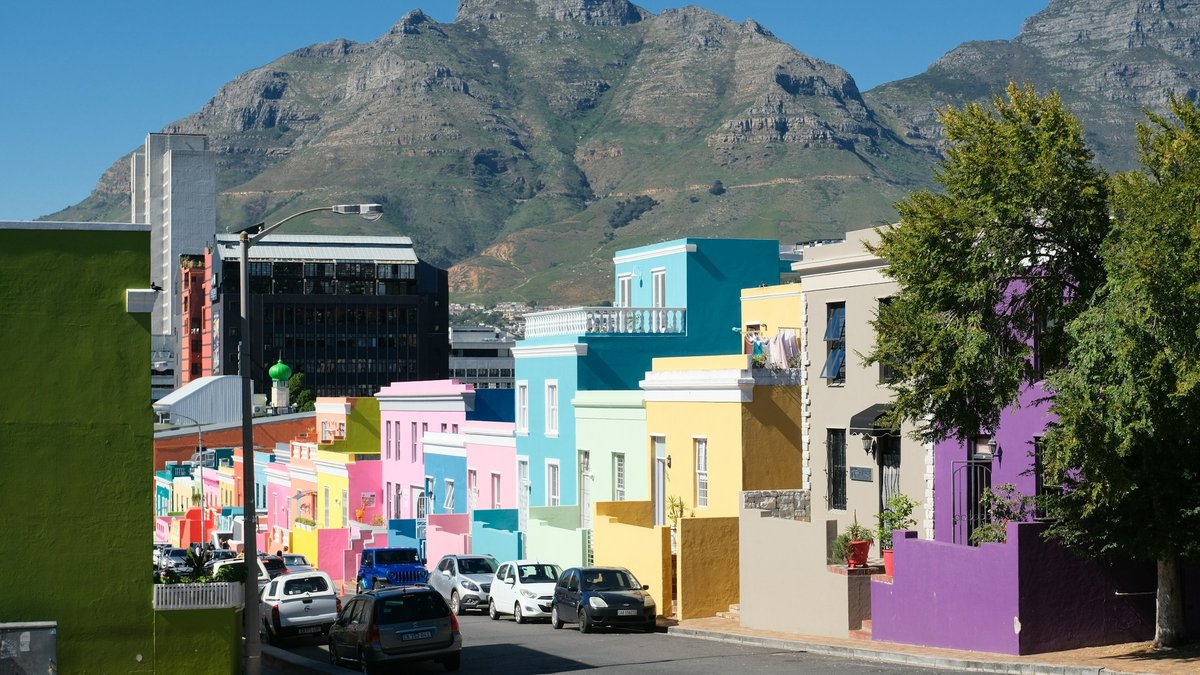
Table Mountain is not a backdrop: it is the organizing principle of the city beneath it. Cape Town wraps around the flat-topped massif and its trailing spine of peaks, compressed between the Atlantic on one side and False Bay on the other, so that a fifteen-minute drive can take you from the cold, glass-green swells at Camps Bay to the warmer, gentler water at Muizenberg where beginner surfers crowd the shallows. That geography: mountain, two coastlines, a Mediterranean climate that the locals will remind you is not tropical: shapes everything about how four and a half million people live here. The southeaster wind, called the Cape Doctor because it clears the air, drapes a white cloth of cloud over Table Mountain's flat summit on summer afternoons and sends napkins flying at every waterfront café. You feel the wind before you understand it, and understanding it is how you start to read the city. Bo-Kaap's painted row houses climb the slopes of Signal Hill in colours chosen by families whose roots trace back to Southeast Asian labourers brought here under Dutch colonial rule; the neighbourhood has held its ground through centuries of pressure and is now holding it against a newer kind, the short-term rental. Woodstock, once industrial, now runs on roasteries and design studios and galleries that spill into garment factories. Observatory stays scruffy and cheap and proud of it. Down the False Bay rail line, Kalk Bay operates as a working fishing harbour where you buy snoek off the boat in the morning and eat it grilled at a counter overlooking the water by noon. Constantia, fifteen minutes inland, produces wines on estates that have been under vine since the late seventeenth century: the oldest wine-producing region in the Southern Hemisphere. The distances are short. The contrasts are not.
Cape Town in photos
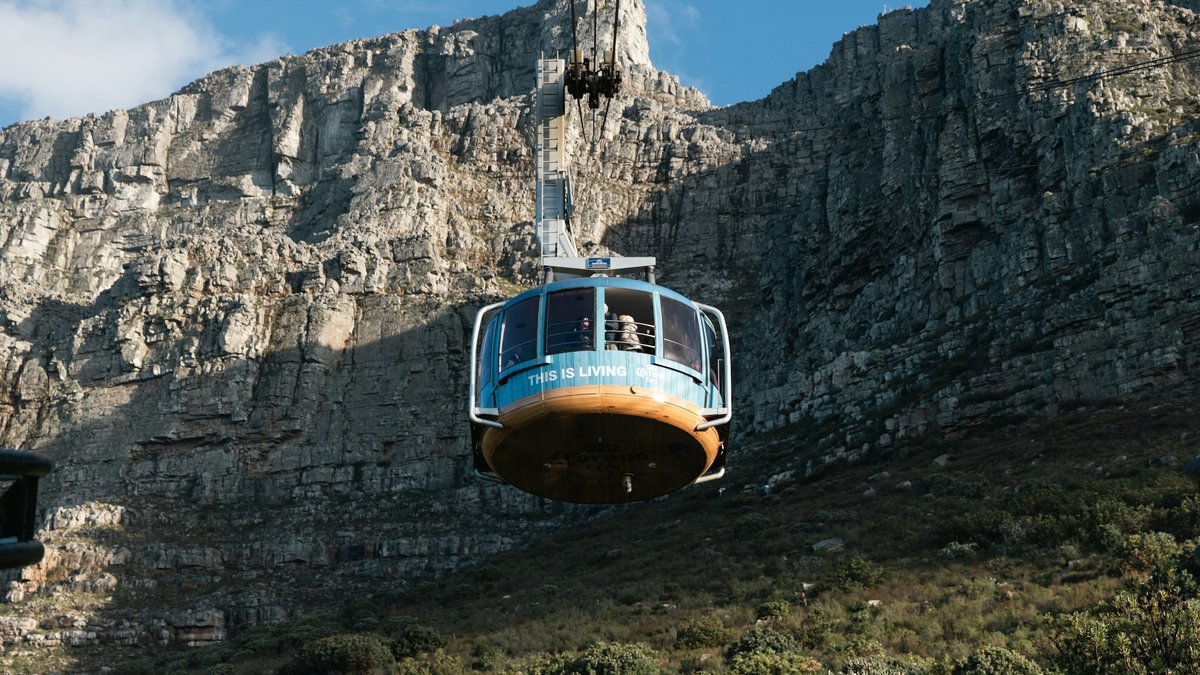

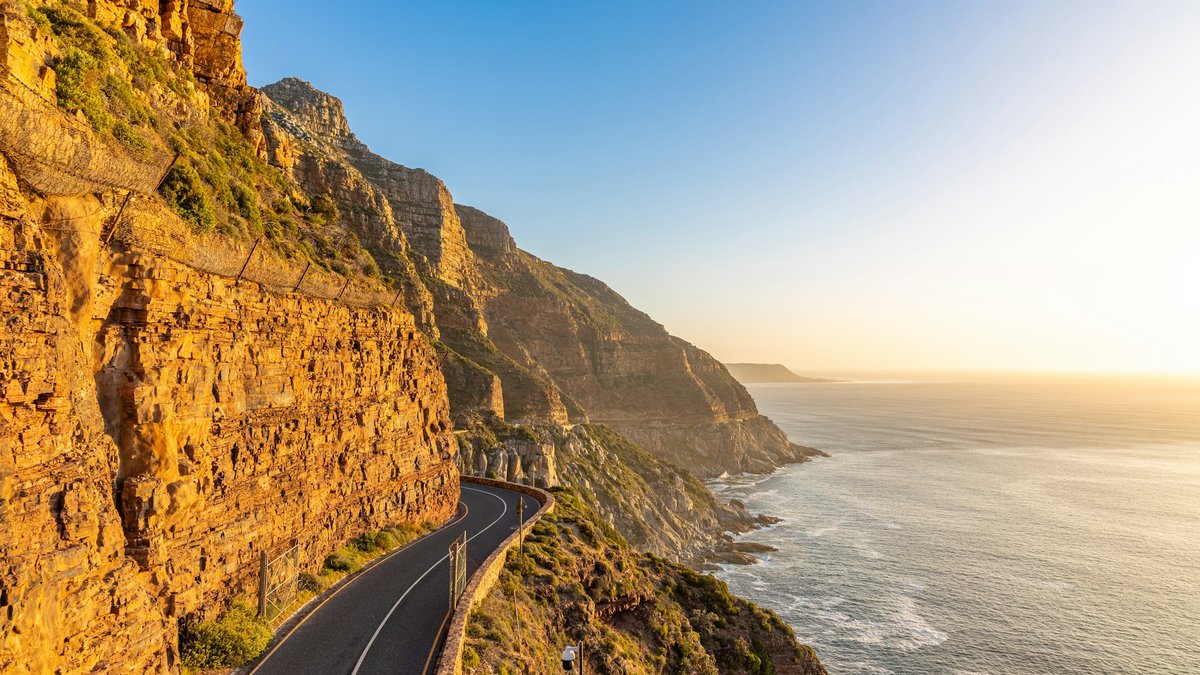
Cape Town right now
Answers about Cape Town
-
Airport to city
Cape Town International (CPT) sits 20 km east of the City Bowl. Uber or Bolt is the best default: R150-250 ($9-15) to most central neighborhoods, 20-30 minutes. The MyCiTi A01 bus runs to Civic Centre for about R110 ($7) but requires buying a myconnect card first. Skip metered taxis; they charge nearly double the app fare.
Read the full answer → -
Best time to visit
March and April are the best months for a first visit to Cape Town: the summer crowds have cleared, the southeaster that grounds the Table Mountain cableway has eased off, and daytime highs still reach the mid-20s °C. November comes second. Skip June to August unless you want whales, rain, and lower hotel rates.
Read the full answer → -
Cost per day
A frugal day in Cape Town runs about R500 ($31). Hostel dorms on Long Street or in Observatory cost R200-350 ($12-22). A Gatsby sub, Cape Town's signature budget meal, fills two people for R50 ($3). MyCiTi buses charge R15-30 ($1-2) per trip. The big trap is Table Mountain's cableway at R400 ($25) return. Hike up Platteklip Gorge for free instead.
Read the full answer → -
Cultural etiquette
Cape Town runs on casual warmth, not formality. Greet everyone: the petrol attendant, the security guard, the person behind you in the Checkers queue. Skipping a greeting before asking for something reads as rude. Tip 10-15% at restaurants, always in rand. Race and apartheid history are real daily conversations here, not academic topics: listen more than you speak.
Read the full answer → -
Best day trips
Franschhoek over Stellenbosch for couples: 75 km east, one hour by car, and the Wine Tram connects eight estates without either of you driving. The Peninsula loop from Chapman's Peak to Cape Point to Boulders Beach is the other essential single day, but you'll need a rental car. Hermanus works June through November for whale season; redirect to Stellenbosch otherwise.
Read the full answer → -
Digital nomads
Cape Town scores 6.5/10 for nomads (sourced from TTDI's editorial rubric). Fibre in Sea Point and Gardens runs 100-500 Mbps, a furnished one-bed costs R18,000-28,000 a month, and an all-in month lands near $2,300. Three things work against it: a slow visa extension process, the summer south-easter, and a router that goes dark whenever Eskom cuts the power.
Read the full answer → -
Family-friendly
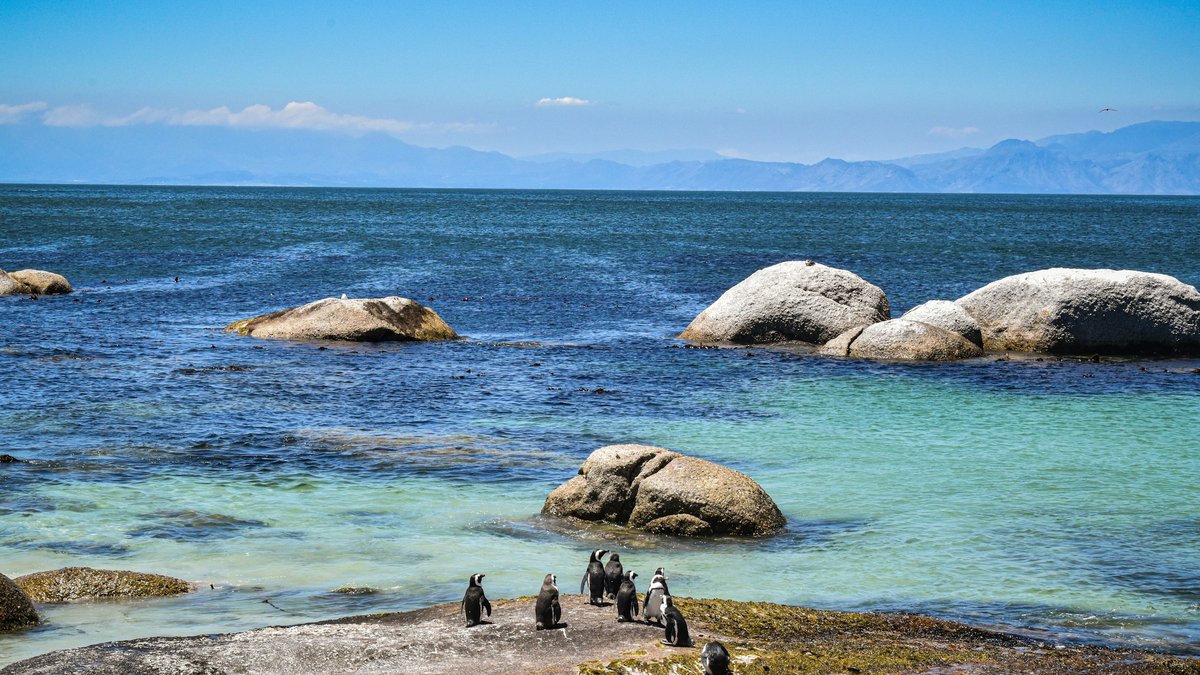
Cape Town scores 7/10 for family friendliness (see the TTDI Family-Friendliness Index). Two Oceans Aquarium and Kirstenbosch keep kids engaged for hours on flat, stroller-friendly ground with clean changing facilities. Boulders Beach penguins are the guaranteed win. The main trade-off is driving distances of 20-40 minutes between sites, and winter temperatures that dip below 10°C.
Read the full answer → -
Food culture
Cape Town's food runs on two tracks: Cape Malay spice cooking concentrated in Bo-Kaap and the broader braai-and-seafood culture along the False Bay coast. Lunch is the big meal, weekend braais start at noon and run until dark, and the best snoek you'll eat comes off a drum on Hout Bay harbour, not from a restaurant menu.
Read the full answer → -
Getting around
Uber and Bolt for everything inside the City Bowl, Sea Point, and Camps Bay corridor; rental car for Cape Point and the Winelands. MyCiTi bus from the airport if you're watching rands. Cape Town is too spread out to walk between neighborhoods, but individual pockets (the Waterfront, Sea Point promenade, Long Street) are fine on foot.
Read the full answer → -
How to get there
Cape Town International (CPT), 20 km east of the City Bowl, handles all commercial traffic, no secondary airport to sort out. Direct from London on BA or Virgin Atlantic in 11.5 hours; from the US, connect via Johannesburg, Dubai, or Addis Ababa for 18-22 hours total. Budget $900-1,500 round-trip from North America.
Read the full answer → -
Is it safe?
Cape Town is safe enough for a solo trip if you plan around its specific risks, and we rate it 5 out of 10 for people travelling alone. The real threats are phone snatching in the City Bowl after dark, muggings on lone Table Mountain trails, and smash-and-grabs on the N2 airport road, so use Uber or Bolt at night. Police are on 10111.
Read the full answer → -
Layover guide
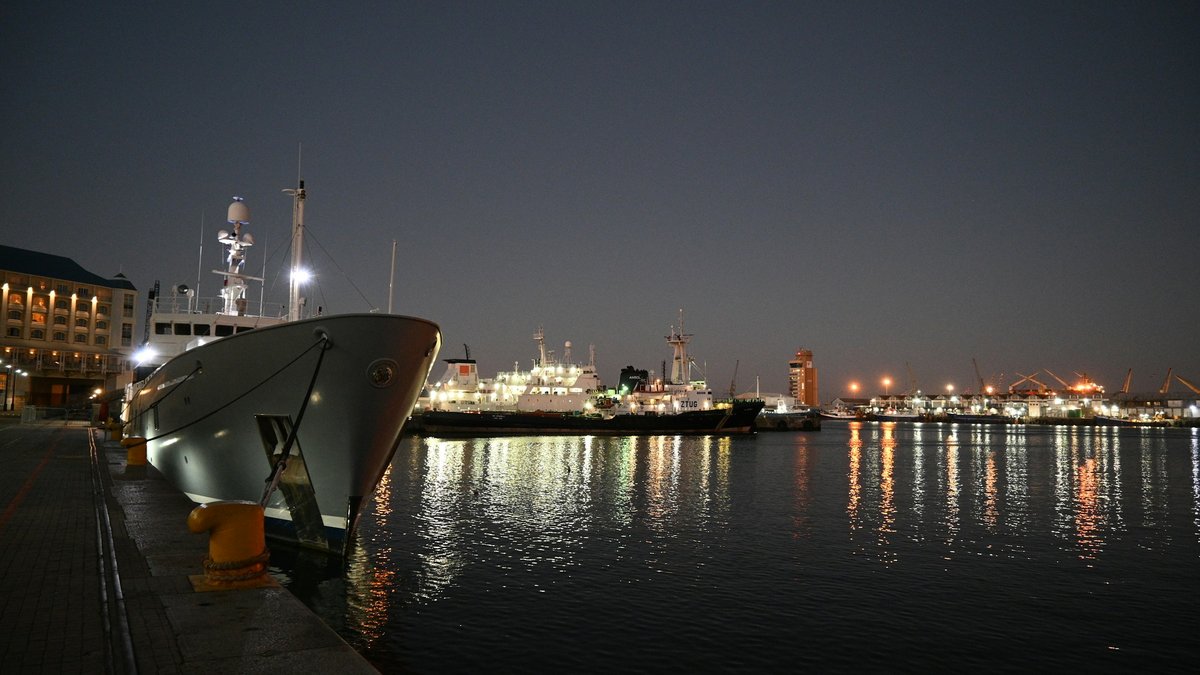
Six hours is the honest minimum for leaving Cape Town International. Immigration clears in under 30 minutes for most passports, and an Uber to the V&A Waterfront takes about 20 minutes for under R200. That gives you roughly 2 hours at the harbor. Below six hours, stay airside. Many nationalities enter visa-free for 90 days, but verify yours before committing.
Read the full answer → -
LGBTQ-friendly
Cape Town scores 8.5/10 for LGBTQ+ friendliness (sourced from TTDI's editorial rubric). South Africa's legal protections for queer citizens are the continent's strongest, and the city's queer scene has operated openly for over two decades. Same-sex couples hold hands freely along Sea Point Promenade without drawing a second look.
Read the full answer → -
Where locals go
Capetonians working remotely spend weekday mornings at the Kloof Street and Bree Street cafés and run the Sea Point Promenade at sunrise. On Saturdays before 10am they shop at Oranjezicht City Farm Market at Granger Bay, and midweek they drink on Lower Main Road in Observatory. On weekends, Muizenberg and Kalk Bay fill with surfers and locals by 7am.
Read the full answer → -
Must-see
Table Mountain by cable car, first rotation up at 8am before the southeaster pins the tablecloth cloud down and they shut the line. The flat summit gives you the Atlantic on one side, False Bay on the other, and the entire Cape Flats spreading inland: the only place the city's geography makes sense at a single glance.
Read the full answer → -
Solo travel
Cape Town scores 5/10 for solo-traveler safety (see the TTDI Solo-Safety Index), but the risk concentrates in areas most visitors never enter. Bree Street and De Waterkant have strong social scenes for meeting people on day one. MyCiTi buses connect the tourist corridor, and Gardens guesthouses tend to skip the single supplement entirely.
Read the full answer → -
This week
Cape Town's winter week runs on Saturday markets and clear-day Table Mountain windows. The Neighbourgoods Market at the Old Biscuit Mill opens Saturday from 9am in Woodstock. A rugby fixture anchors the weekend. Cold fronts pass mid-week. Tuesday through Thursday tend to have the calmest skies for the cable car.
Read the full answer → -
3-day itinerary
Cape Town in three days. Day 1 stays in the City Bowl: Table Mountain cable car at 8am, Bo-Kaap on foot, Bree Street for lunch and dinner. Day 2 drives the False Bay coast: Kalk Bay harbour, Boulders Beach penguins, Cape Point lighthouse, Chapman's Peak back. Day 3 slows down with Constantia wine estates, Kirstenbosch gardens, and a Camps Bay sunset. About 25 kilometres on foot, 170 by car.
Read the full answer → -
What to avoid
Skip Camps Bay's overpriced restaurant strip, avoid Table Mountain without a pre-booked cable car slot (it sells out by 9am in summer), and never leave anything visible in a parked car. The southeaster wind cancels outdoor plans October through March with little warning. Eat in Woodstock or Kalk Bay instead, where the food is better and costs half as much.
Read the full answer → -
What to pack
Cape Town's weather shifts by the hour: pack layers you can strip and add fast. A windproof shell matters more than a heavy coat. The southeaster can rip an umbrella inside out on a clear blue day. Bring SPF 50+, walking shoes with real grip for rocky trails, and a South African Type M plug adapter.
Read the full answer → -
Where to stay
City Bowl (specifically the Gardens end, between Kloof Street and Orange Street) for a first visit. You're ten minutes on foot from Table Mountain's lower cableway, five from Kloof Street's restaurants, and inside the MyCiTi bus network. Budget R1,300–R2,600 ($80–$160) for a solid guesthouse; R3,300–R5,700 ($200–$350) for boutique tier.
Read the full answer →
Deep guides for Cape Town
-
Best Time to Visit Cape Town, by Season
Cape Town never freezes and never scorches: January peaks at 25.9°C, July floors at 16.0°C. The real question is which month fits your priorities: beach weather, hiking comfort, budget savings, or shoulder-season calm. Built from five years of daily temperature records.
Read the guide → -
Cape Town Restaurants: What's Worth It
A tier-by-tier verdict on where Cape Town actually delivers at the table: from the counter trays on Longmarket Street to the split-service steakhouse on Hof Street, judged on conviction and hours, not views and décor.
Read the guide →
Curated lists for Cape Town
accommodation
-
Best boutique hotels
Cape Town's accommodation map splits along a line most visitors never think about: the mountain versus the coast. The City Bowl sits in the shadow of Table Mountain, wrapped by Kloof Street's cafe strip to the south and the corporate Foreshore to the north. Camps Bay and the Atlantic Seaboard pull west toward sunset beaches. Milnerton and Century City spread north along the N1 corridor, closer to the airport and further from the postcard. De Waterkant and Gardens fill the seams between these anchors, each with a distinct nightlife clock and price floor. The result is a city where a short drive reshapes the nightly rate and the street noise completely. Certain neighborhoods suit the traveler who wants a quiet base near a MyCiTi bus stop; others suit someone who will not sleep before 2 a.m. The cheapest waterfront bed and the priciest beachfront boutique belong to different Cape Towns, separated by a few kilometres of highway but by a wide gap in character. Match your rhythm to a neighborhood first, then compare rooms.
See the picks → -
Best hostels
Cape Town spreads its budget beds across neighborhoods that share a mountain but little else. The City Bowl sits in the amphitheater below Table Mountain, where colonial-era buildings hold most of the hostel and budget hotel stock. Green Point and Sea Point run along the Atlantic seaboard north of the V&A Waterfront, trading the Bowl's bar-crawl energy for ocean-promenade mornings and quieter residential streets. The Foreshore is the old reclaimed harbor land between the CBD grid and the waterfront, all wide boulevards and conference towers that empty out after dark. Matroosfontein, out near the airport on the Cape Flats, exists for the traveler catching an early flight, not the one exploring the peninsula. The budget tier across these neighborhoods ranges from $30 to $78 a night, and the gap between a backpacker lodge and an aparthotel matters more than the gap between neighborhoods. Pick the area by how you spend your evenings: the Bowl for bars, Green Point for walks, Sea Point for surf-adjacent quiet, the Foreshore for nothing in particular once the offices close.
See the picks → -
Best luxury hotels
Cape Town's luxury hotels split along a geographic seam. The Waterfront zone clusters several of the city's highest-rated properties beside the harbor. Bantry Bay and Clifton sit along the Atlantic coast, trading proximity for longer views and a quieter register. Sea Point and Mouille Point hold a middle ground: still coastal, accessible, a different rhythm. The CBD keeps its own small set. Nightly rates across this guide span from USD 259 to USD 5,525, and the spread is not decoration: what each price buys changes from property to property, from intimate boutiques with spas and massage rooms to full-compound estates with golf, diving, and horse riding. The twelve below are ranked by editorial conviction, not by nightly rate, and each one earns its position with a specific combination of zone, amenity depth, and guest-verified quality.
See the picks → -
Where to stay
Cape Town sorts itself by altitude and coastline. The City Bowl sits in the shadow of Table Mountain, where the densest hotel inventory stacks from budget dorms up to full-service towers within a few blocks of Long Street and Kloof Street. Move northwest and the Waterfront trades residential grit for mall-adjacent luxury at rates that reflect it. Camps Bay and Bantry Bay hug the Atlantic seaboard: granite boulders, sunset views, and prices that climb with every block closer to the surf. Inland, Century City and Matroosfontein serve a different traveler entirely: the one with an early flight or a conference badge, not a beach towel. Green Point and the Foreshore fill the gaps between the Bowl and the harbor, each with their own transit lines and noise profiles. This guide walks each neighborhood at street level: what you hear at midnight, what is open by seven, and which tier of hotel earns its rate in each postcode. The right area depends on whether you want the mountain, the ocean, or the airport road.
See the picks →
attractions
-
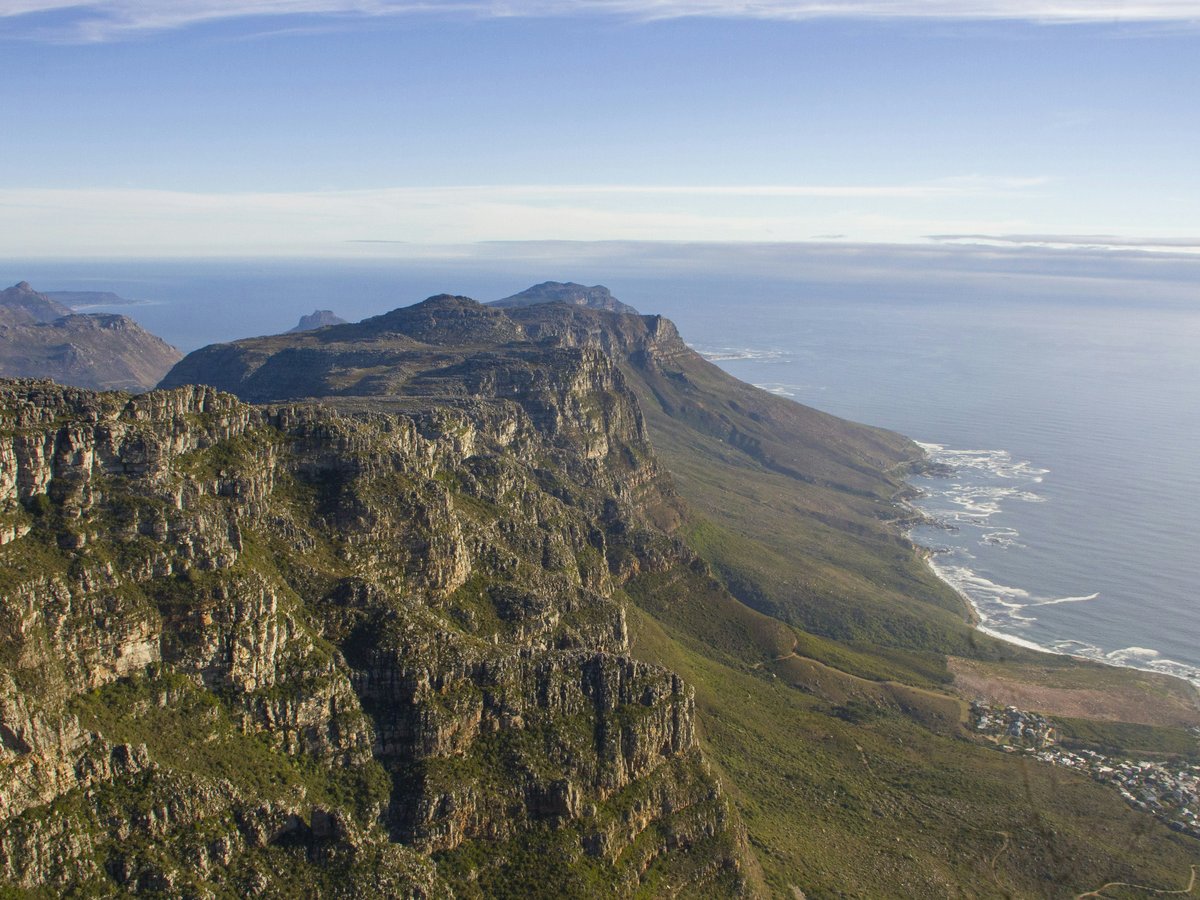
Best free attractions
Cape Town's best free things to do rest on the same geography that made the city famous: the mountain and the sea. Between these two anchors sit a dozen public squares and gardens where an outsider spends nothing and still leaves with something worth carrying home. This list favours the places that hold up on a slow visit: a mountain park, a botanical garden, a working town square, an old arboretum in a leafy suburb. Some are civic and stately; others are green and quiet; a couple are noisy in the honest way that markets are noisy. All are open without a ticket, which changes what you owe them. The order runs from the mountain outward: rank one is the peak, and the rest of the list radiates through the city bowl, Green Point, and Claremont. Bring water, bring time, and bring the willingness to sit still. That is the currency.
See the picks → -
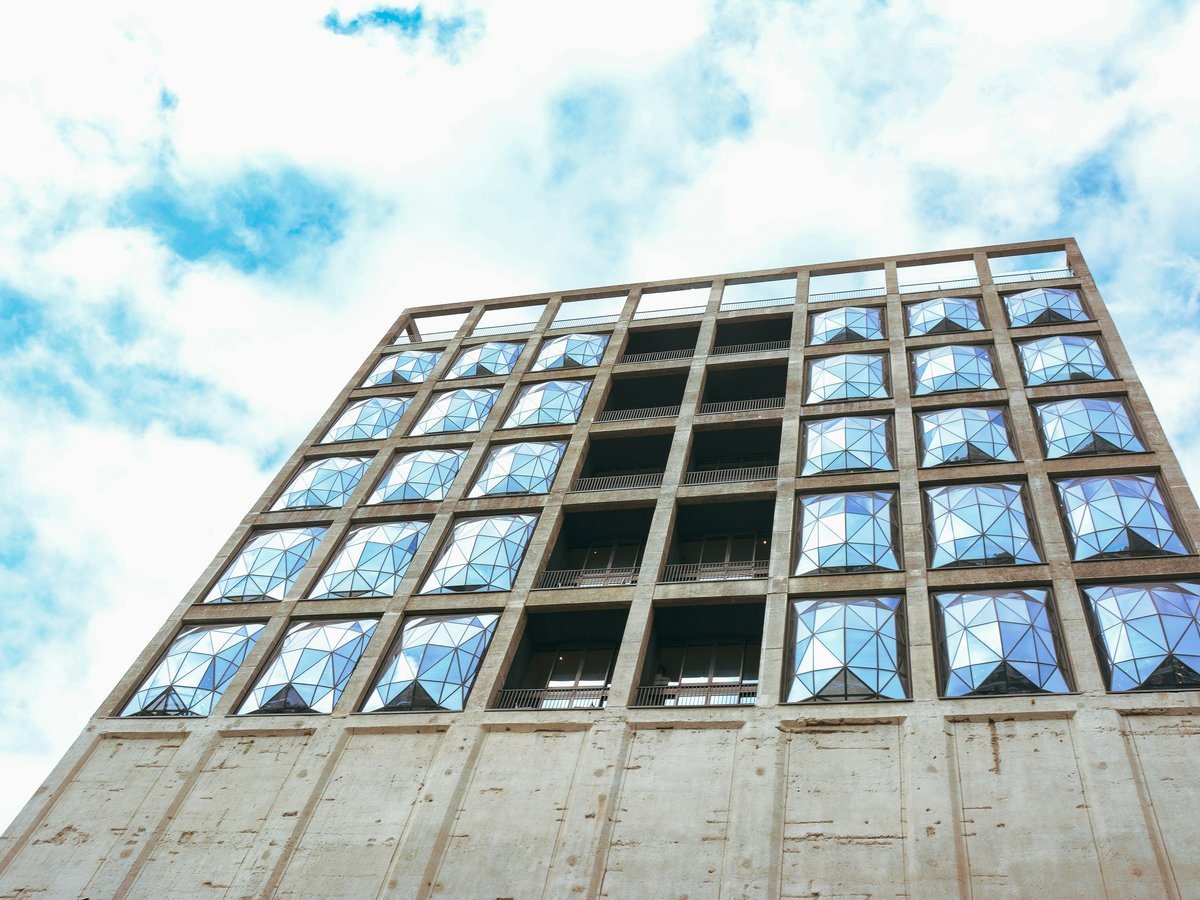
Best museums
Cape Town's museums tell the city's story in its own buildings. The dates alone span close to two centuries: the Iziko South African Museum goes back to 1825, the South African National Gallery to 1930, the District Six Museum to 1994, and the Zeitz Museum of Contemporary Art Africa to 2017. The houses and estates here count too. Groote Schuur went from a Dutch East India Company granary to a presidential residence and then to a museum, Irma Stern's home and studio is now open to visitors, and a church on Long Street now holds a museum. This list is for visitors who want the rooms where things happened as well as the objects on show. Opening hours vary widely: one house opens Thursdays and Fridays, and another closes early on Fridays, so read the hours before you plan a day around any of these places.
See the picks → -
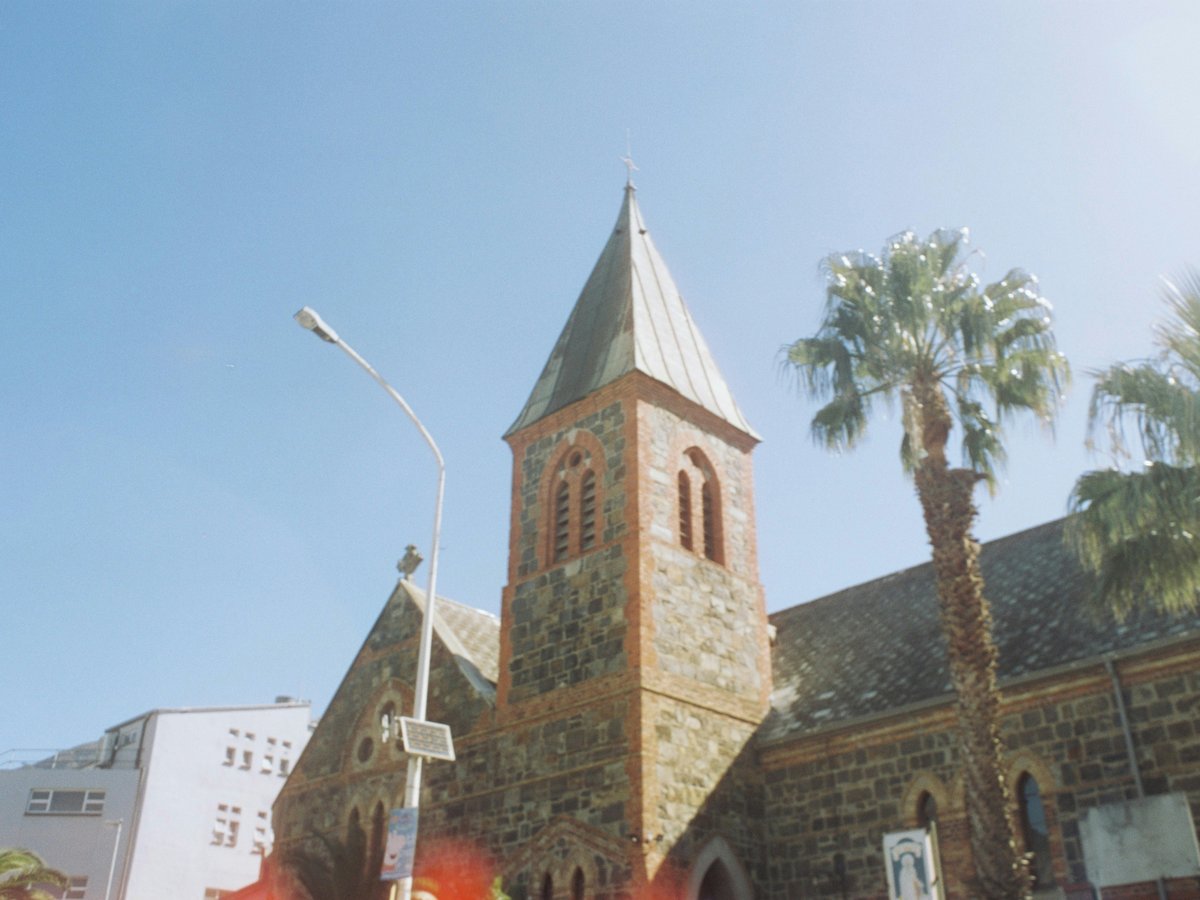
Must-see attractions
Cape Town's essential sights are mostly buildings that record who held power in the city and who simply kept going. The oldest on this list is a bastion fort with a Wikidata inception of 1666, and the newest is a theatre in District Six dated 2010. Between them sit mosques with dates of 1794, 1820 and 1844, an Anglican cathedral dated 1901, a Greek Orthodox cathedral dated 1904, the Houses of Parliament of South Africa, and a memorial to Cecil John Rhodes. This is a list for people who would rather read a city through its walls, prayer halls and stages than through a viewpoint queue. Most of these are working places of worship or performance, not attractions built for visitors, so plan around services and show nights and dress for the room you are entering. If you have one day, put the fort first and walk the mosques after it; if you have three days, add a night at the theatre.
See the picks →
food
-
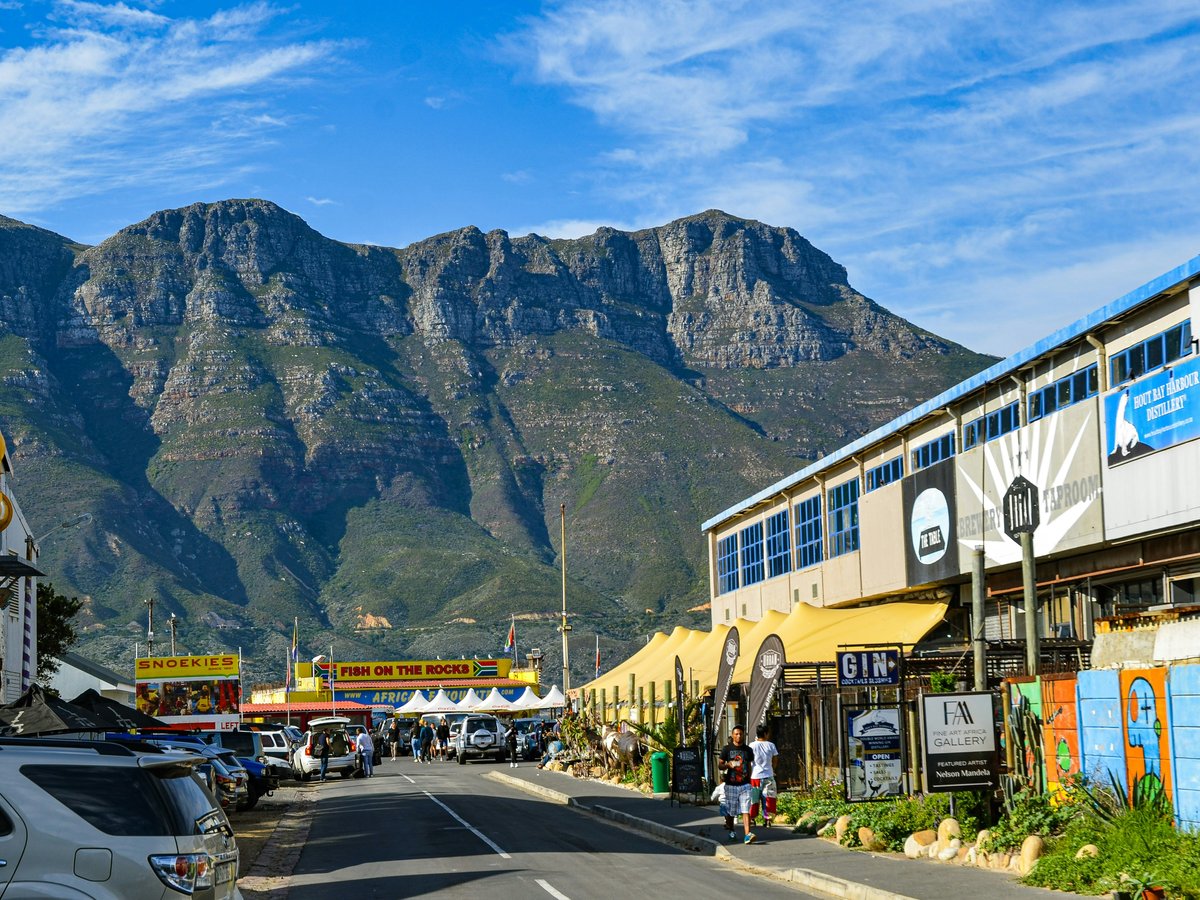
Best cafes
Cape Town's cafe scene is a working city's scene, not a set piece for visitors. It clusters hardest along Breë Street in the CBD, where three of the addresses below sit within a few hundred metres of each other, and then thins out honestly as you move through Gardens, Oranjezicht, Green Point, and out toward Hout Bay, Durbanville, Kuils River, Khayelitsha, Strand, and Gordon's Bay. What ties the list together is not a single house style but a shared discipline about hours: most of these rooms open by 07:00 or 08:00 and close by mid-afternoon, because their regulars are commuters and neighbours, not brunch tourists. The 12 cafes below were chosen because each one earns its address, whether that address is a corner shopfront on Breë Street or a shop unit on the Strand pavilion. Skip the harbour-front chains selling the postcard; the coffee people in this city drink is served in rooms like these, and often before you have finished your first meeting of the day.
See the picks → -

Best restaurants
Cape Town's restaurant scene is a compressed geography lesson: a food-court curry counter on Longmarket Street, a bistro on Bree, a steakhouse behind a wooden door in a Gardens side-street, and a whole cluster of kitchens crowded onto Dock Road at the V&A. What holds them together is not a single cuisine but a habit of trading on address: the mountain at your back, the harbour in front, and a walkable CBD in between. This list rank-orders 12 restaurants that earn their slot in that geography: some are cheap, several are on the water, one keeps a strict Tuesday-to-Saturday rhythm, and several are open before 09:00 for the breakfast crowd. It is written for a visitor with one week and twelve meals to plan, who would rather eat where the room fills with people who came to eat than where the menu is printed in four languages. Every phone number, hour, and street number below traces back to a verifiable source; the opinions are the editor's.
See the picks →
Browse by traveler type
- For foodies
Cape Town for foodies
- For families with kids
Cape Town for families
- For digital nomads
Cape Town for digital nomads
- For solo travelers
Cape Town for solo travelers
- For couples
Cape Town for couples
- For budget travelers
Cape Town on a budget
- For luxury travelers
Cape Town for luxury travelers
- For first-timers
Cape Town for first-time visitors
Book experiences in Cape Town
 Free cancellation
 Wine Tour: Paarl, Franschhoek & Stellenbosch incl 3 wineries
Day trip: 8 hours, free cancellation.
via Viator Free cancellation
 Cape Point and Boulder's Penguins Full Day Tour
Day trip: 8 hours, free cancellation.
via Viator Free cancellation
 Cape of Good Hope and Boulders Penguins Day Tour from Cape Town
Day trip: free cancellation.
via Viator Free cancellation
 Table Mountain, Penguins & Cape Point Group Tour from Cape Town
Day trip: 10 hours, free cancellation.
via Viator Free cancellation
 Cape Town: Lion's Head Sunrise/Sunset Hike
Outdoor experience: 3.5 hours, free cancellation.
via Viator Free cancellation
 5-Star Small-Group: Cape of Good Hope, Penguins & Bo-Kaap Tour
Day trip: 10 hours, free cancellation.
via Viator Free cancellation
 #1 Boulders Penguins & Cape Point Full Day Tour with Pickup
Day trip: 9 hours, free cancellation.
via Viator Free cancellation
 Table Mountain, Boulders Penguins and Cape point Day Tour
Day trip: free cancellation.
via Viator Free cancellation
 Cape Town Wine Tour: Stellenbosch & Franschhoek +Tastings & Lunch
Day trip: 8.5 hours, free cancellation.
via Viator Free cancellation
 African Story Wine Tours in the Cape Winelands
Day trip: 8 hours, free cancellation.
via Viator Free cancellation
 Private Wine Tour with Wine Expert to Stellenbosch-Franschhoek Wine Regions
Day trip: 8 hours, free cancellation.
via Viator Free cancellation
 Vintage Train to Elgin Railway Market
Outdoor experience: 10 hours, free cancellation.
via ViatorBrowse by interest
Find a flight to Cape Town
Live fares to Cape Town appear here once cookies are accepted.
Last verified by automated review (v1.7.1) on . What is automated review?