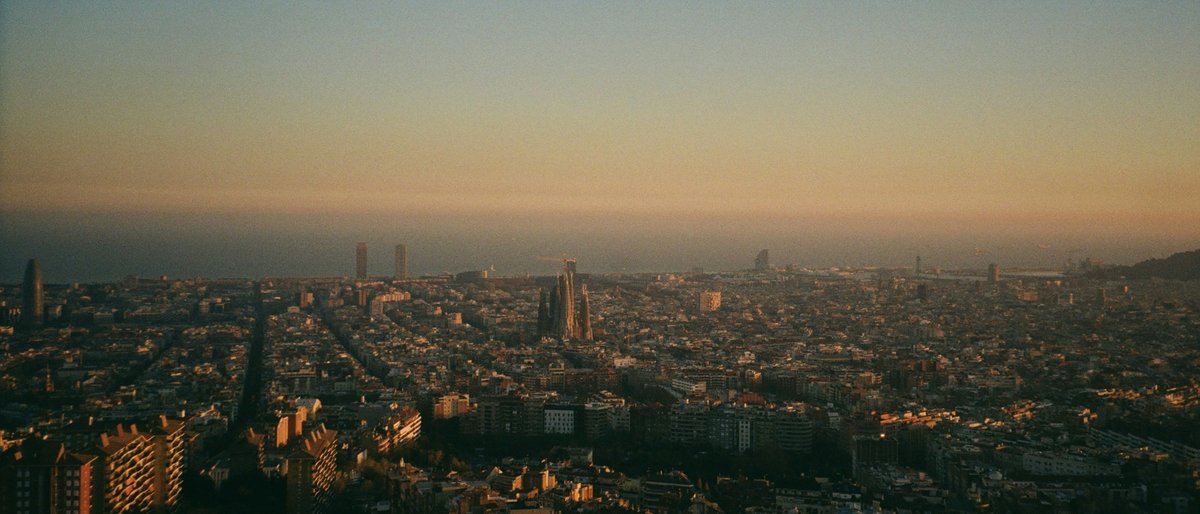
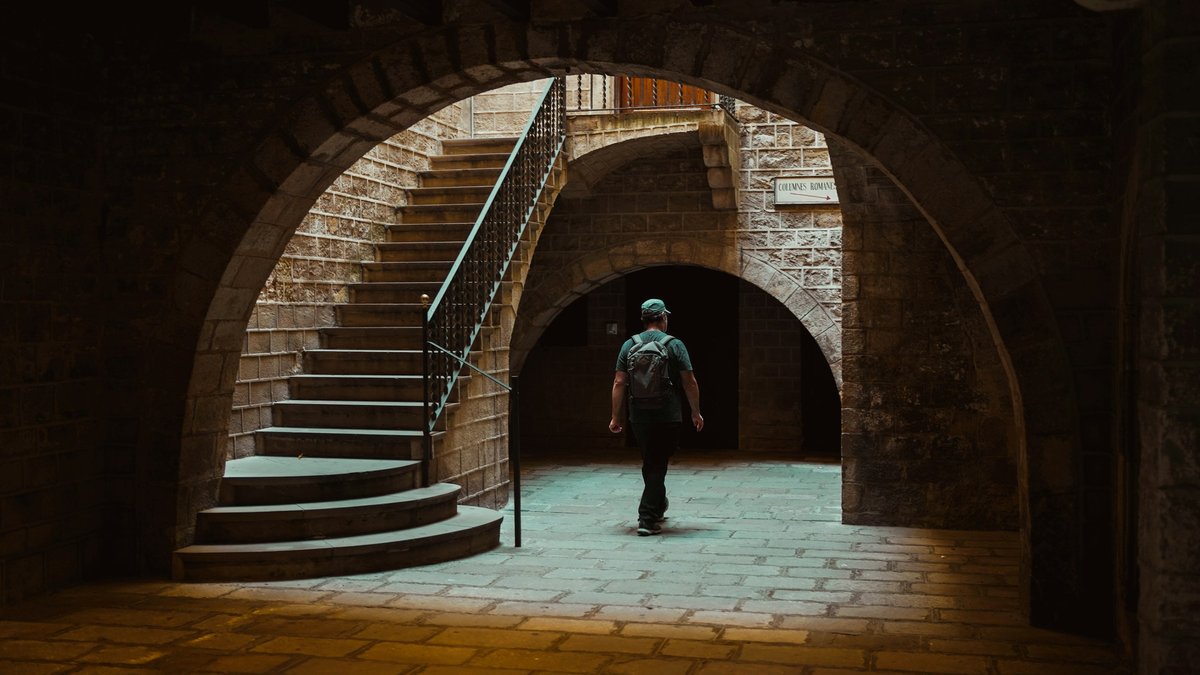
Barcelona sits between the Serra de Collserola ridge and the Mediterranean, a city whose street grid tells you exactly when it was built. The medieval quarter, the Barri Gòtic, folds in on itself in alleys narrow enough to touch both walls, while the Eixample (the nineteenth-century expansion designed by Ildefons Cerdà) stretches in precise octagonal blocks toward the hills. That contrast sets the rhythm of a first visit: mornings in the Gothic Quarter's irregular stone corridors, afternoons on the wide boulevards where Gaudí's apartment buildings warp the grid into something organic and strange. The city runs on its own clock, with lunch rarely before two and dinner often after nine, and the hours between feel less like waiting and more like the actual life of the place: a vermouth at a bar in Poble-sec, a walk through the Mercat de Sant Antoni, the slow transition from afternoon heat to cooler air off the water. Barceloneta, the old fishermen's neighbourhood pressed against the harbour, still operates with a village density despite the tourist pressure, its narrow streets lined with laundry and the smell of grilled sardines from restaurants that have held the same family leases for decades. What catches most first-time visitors off guard is the bilingual reality: Catalan is the co-official language alongside Spanish, street signs and metro announcements run in both, and the political weight of that distinction shapes the city's identity in ways that become visible almost immediately. With roughly 1.6 million residents in the municipality and several million more across the metropolitan area, Barcelona operates at a genuine capital scale: it has the infrastructure, the transit network, the cultural institutions, and the professional intensity of a major European city, but compressed into a geography that remains walkable in a way that places of similar ambition rarely are.
Barcelona in photos
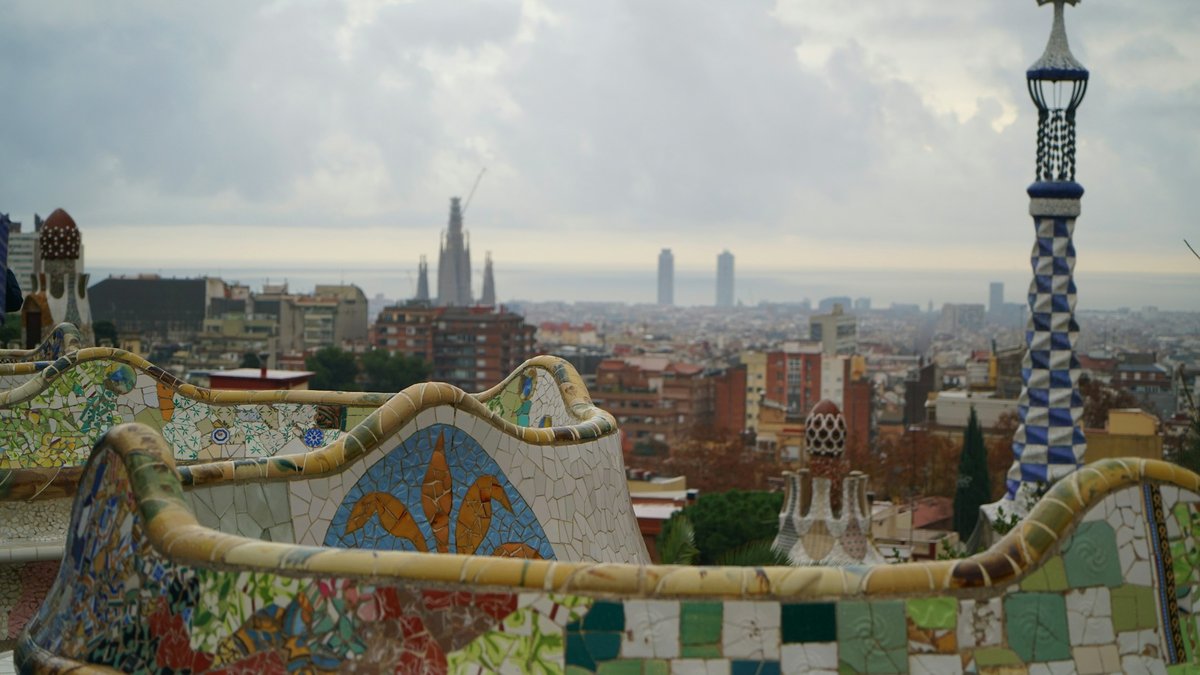
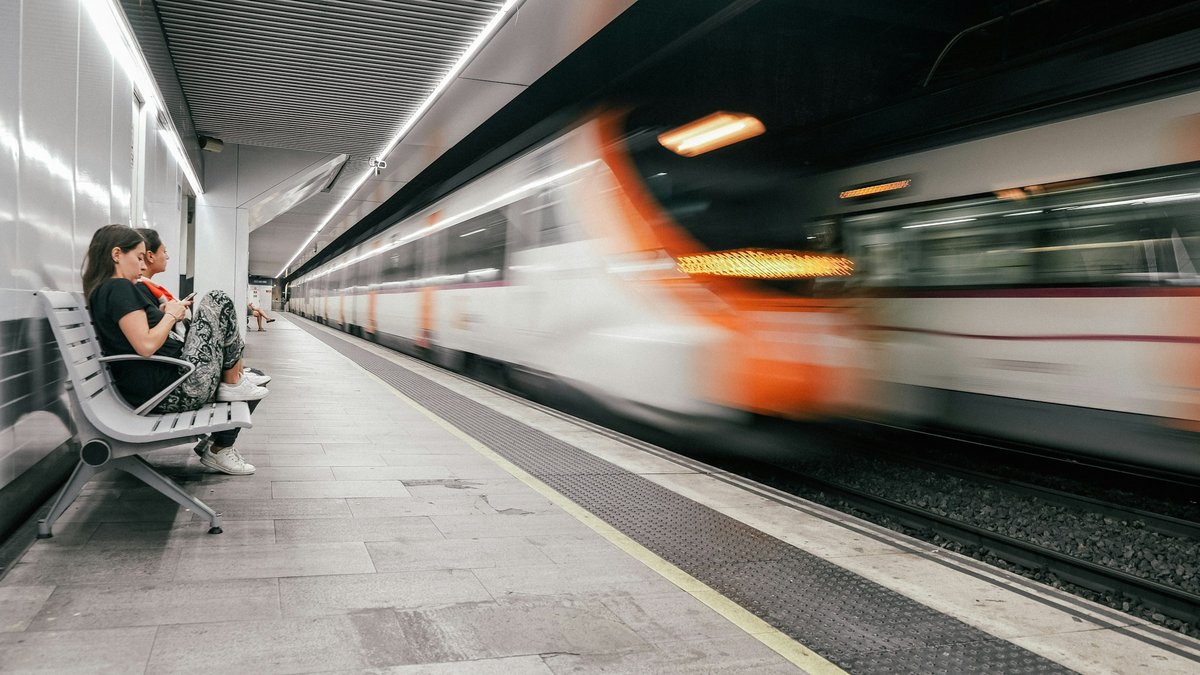
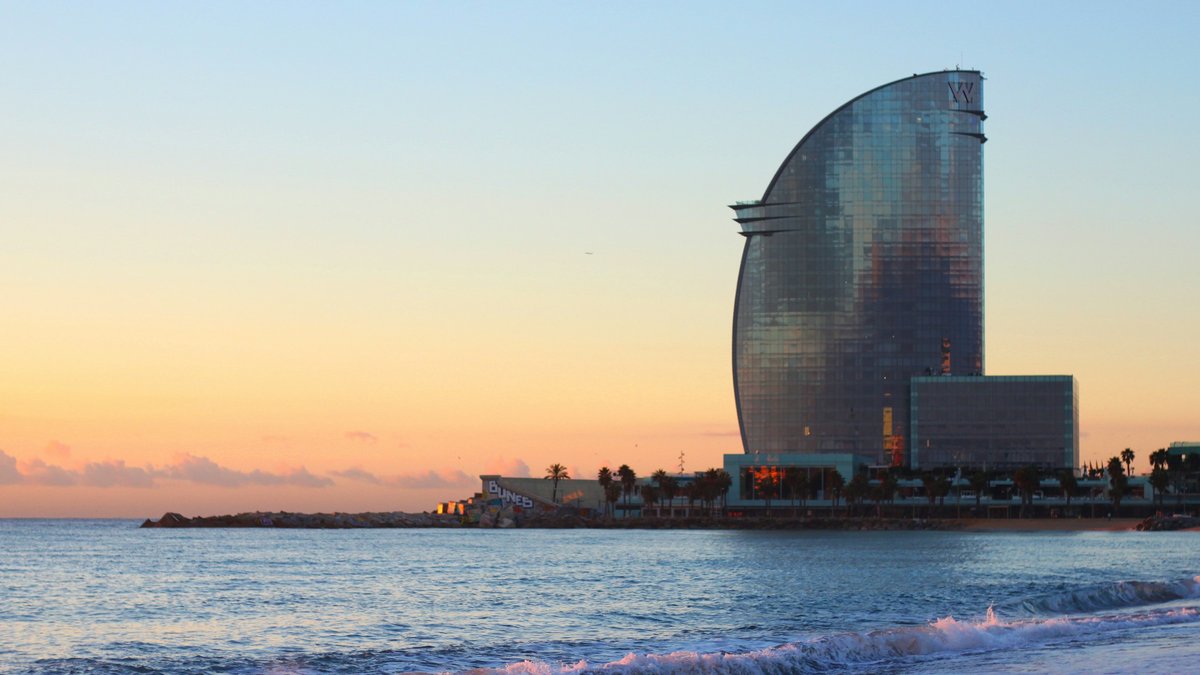
Barcelona right now
Answers about Barcelona
-
Airport to city
Take the Aerobus from El Prat (BCN) to Plaça Catalunya: €7.75 ($9), 35 minutes, every 5 to 10 minutes until 1am. Drops you at the top of La Rambla, walking distance to the Barri Gòtic and L'Eixample. After 1am, taxis run a fixed €39 ($46) to anywhere in the city center.
Read the full answer → -
Best time to visit
Book late May through June, or mid-September to the end of October. Those windows give you Barcelona warm enough to swim off Barceloneta and cool enough to walk the Eixample grid at noon, and you pay less than in July or August, when humid heat, cruise-ship crowds and shuttered family bars in Gràcia make a first visit harder.
Read the full answer → -
Cost per day
Barcelona costs €45-55/day ($52-63) at the hostel-and-market-food tier, €120/day ($138) midrange, €350+/day ($404+) luxury. The biggest savings lever is location. Restaurants within 2 blocks of La Rambla charge 40-60% more than the same plate in neighborhoods like Poble-sec or Gràcia. Buy a T-Casual 10-trip metro card for €11.35 and skip the unlimited pass unless you ride 7+ times daily.
Read the full answer → -
Cultural etiquette
Barcelona runs on a few unwritten rules visitors miss. Greet shopkeepers before asking for anything: a bare "hola" works. Lunch is at 2pm, dinner after 9pm. Tipping is minimal; service is included. Cover shoulders and knees in churches. Speaking Catalan matters here more than most visitors realise, and locals notice the effort.
Read the full answer → -
Best day trips
Montserrat is the default pick: 60 km north-west, under an hour by FGC rack railway from Plaça Espanya, round trip about €22. Girona works better for couples who want to linger over lunch: 38 minutes on the AVE, €12–24 return, and the old Jewish quarter is worth the walk. Sitges is 35 minutes south for a beach day.
Read the full answer → -
Digital nomads
Barcelona scores 8.5/10 for digital-nomad suitability (sourced from TTDI's editorial rubric). Symmetric fibre at 300-600 Mbps is standard in Eixample and Gràcia apartments for €1,000-1,400 a month. Spain's Digital Nomad Visa (January 2023) requires roughly €2,520 monthly income proof. All-in budget sits around $2,500. Coworking is plentiful but overpriced on walk-in day rates. Negotiate quarterly.
Read the full answer → -
Family-friendly
Barcelona tends to work well for families: the beach-plus-city layout means mornings at CosmoCaixa science museum (free under 16), afternoons cooling off at Barceloneta, and the Eixample grid's wide sidewalks handle strollers without drama. The catch: summer heat peaks above 33°C by noon, and the Barri Gòtic's medieval lanes defeat anything with wheels.
Read the full answer → -
Food culture
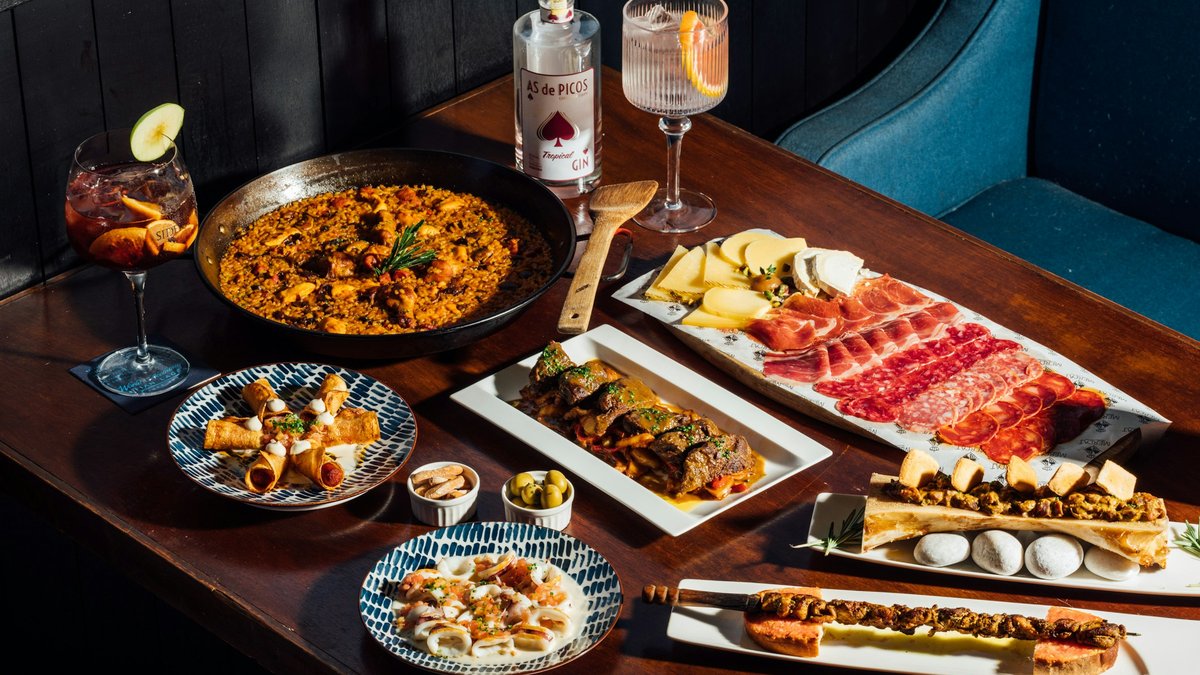
Barcelona runs on a late clock: lunch lands between 2 and 3:30pm, dinner rarely before 9:30. The foundation is Catalan, not generically Spanish: pa amb tomàquet on everything, bombes in Barceloneta, fideuà instead of paella along the coast. Sunday vermouth hour in Sant Antoni is the meal most visitors never find. Eat where the menu is only in Catalan and you're on the right track.
Read the full answer → -
Getting around
Walk and metro. Barcelona's centre is flat and compact: most first-time destinations sit within a 20-minute walk or one metro transfer. Buy a T-Casual card (11.35€ for 10 rides) at any station machine; it works on metro, bus, tram, and commuter rail in Zone 1. Taxis fill the gaps after midnight.
Read the full answer → -
How to get there
Barcelona-El Prat (BCN), 18 km southwest of the city, handles nearly all international traffic. Direct flights run from New York (8 hours, $500–900 round-trip), London (2.5 hours, £60–200 on BA/Vueling/easyJet), and most European capitals via Vueling, which uses BCN as its home base. Girona-Costa Brava (GRO), 103 km north, picks up overflow Ryanair routes.
Read the full answer → -
Is it safe?
Barcelona has a clean record on violent crime, but it is often called Europe's pickpocketing capital. Our solo-traveller safety score for the city is 6/10 (see the TTDI Solo-Safety Index). The real risks are phone theft on La Rambla, Metro line L3, and Barceloneta beach, plus bag snatching in El Raval after midnight. Dial 112 in an emergency.
Read the full answer → -
Language basics
Spanish and Catalan, used side by side: street signs and metro announcements default to Catalan first, but every local speaks both. English proficiency in tourist districts like the Barri Gòtic and Eixample runs about 6 out of 10: restaurant staff and hotel desks handle it fine, but market vendors and taxi drivers mostly don't. A few words of Spanish go further than fluent English.
Read the full answer → -
Layover guide
Yes, with at least 6 hours between flights. El Prat's Aerobus reaches Plaça de Catalunya in about 35 minutes, putting the Barri Gòtic, La Boqueria, and La Barceloneta within a comfortable half-day. Non-Schengen passengers need to clear immigration both ways. Under 6 hours, stay airside.
Read the full answer → -
LGBTQ-friendly
Barcelona scores 9/10 for LGBTQ+ friendliness (sourced from TTDI's editorial rubric). Spain's marriage-equality law and Catalonia's regional anti-discrimination protections make it one of southern Europe's strongest legal environments for queer visitors. The Gaixample district in Eixample anchors the nightlife scene, and same-sex couples hold hands across the city without drawing attention.
Read the full answer → -
Where locals go
Barcelona locals spend Sunday mornings at the book market around Mercat de Sant Antoni and take their weekend vermouth on Plaça de la Virreina in Gràcia before a 14:00 lunch. On weeknights they claim the terraces on Carrer del Parlament. Remote workers will find Biblioteca Gabriel García Márquez in Sant Martí a better desk than any Eixample cafe. Families fill Rambla del Poblenou after 18:00.
Read the full answer → -
Must-see
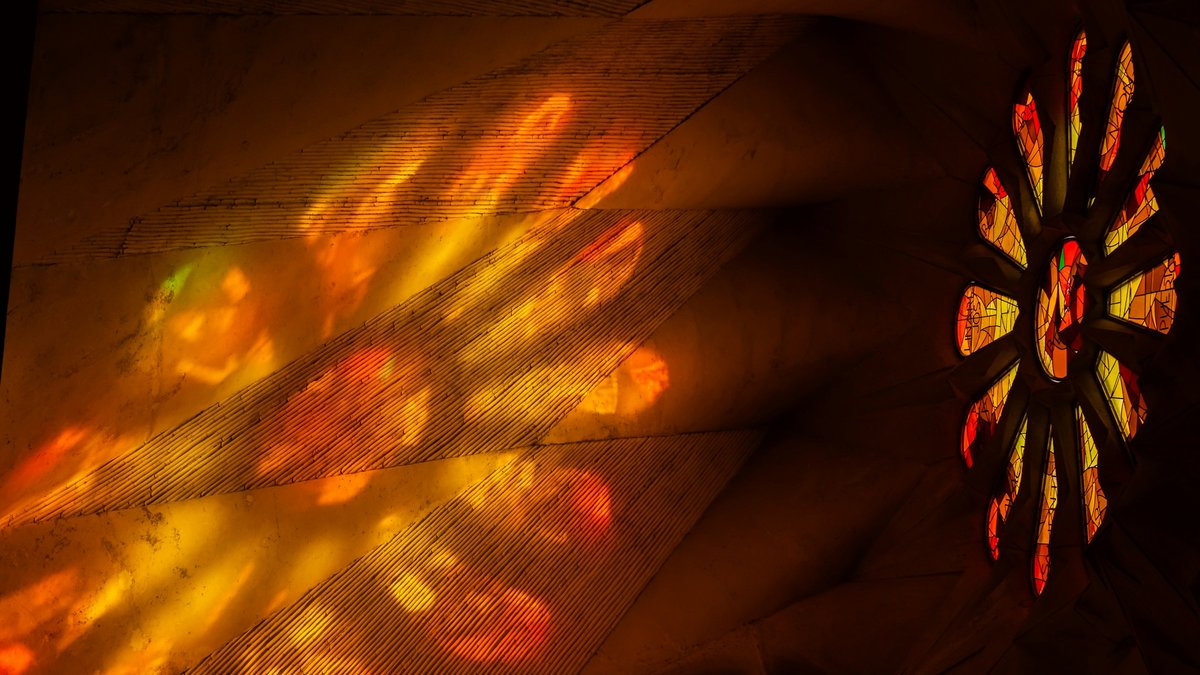
Sagrada Família, and it's not close. Book the 9am entry online: morning sun fires through the east nave's stained glass and throws shifting blues and greens across the stone floor in a way no photograph prepares you for. Tickets run €26, sell out days ahead. No other building on earth looks like this.
Read the full answer → -
Solo travel
Barcelona's solo-safety score sits at 6/10, driven by professional pickpocketing teams on La Rambla rather than violent crime. The metro runs until 2am on weekends, restaurants seat solo diners at the bar without fuss, and the Eixample, Gràcia, and Sant Antoni all feel safe after midnight.
Read the full answer → -
This week
Barcelona this week is governed by afternoon heat that clears the streets by 2pm. Mornings are for sightseeing, one major sight at 9am, not three. Siesta runs until 5pm. The city's real life starts after dark, with locals eating at 9:30pm and the waterfront breeze making evenings the best hours of the day.
Read the full answer → -
3-day itinerary
Day 1 covers the Barri Gòtic and El Born on foot: Cathedral early, Santa Maria del Mar by noon, Barceloneta beach by late afternoon. Day 2 heads north to Sagrada Família, Casa Batlló, and dinner in Gràcia. Day 3 takes the funicular up Montjuïc for Fundació Miró and the castle, finishing in El Raval.
Read the full answer → -
What to avoid
Skip Las Ramblas restaurants, where €18 paella costs €9 in Gràcia. Avoid the rosemary-sprig scam near the Cathedral and any bar with a sangria-pitcher photo menu on the sidewalk. Pickpockets work La Rambla and Metro L3 in teams. Book Sagrada Família tickets 3-4 weeks ahead or you'll pay scalper prices at the door.
Read the full answer → -
What to pack
Walking shoes with rubber soles: Barcelona's Gothic Quarter cobblestones are polished limestone that turns slick in rain. A crossbody bag you can press against your chest on the L3 metro, where pickpockets work in pairs. Shoulder-covering layers for Sagrada Família's enforced dress code. Light rain shell October through April. Skip the umbrella; any farmàcia sells one for €3.
Read the full answer → -
Where to stay
Eixample Dret for first-timers: you're on L2/L3/L4 metro lines, ten minutes from Sagrada Família on foot, and the grid of wide streets stays quieter than the old town after dark. Budget €90–150 for a solid three- or four-star. El Born if you want narrow streets and better restaurants. Avoid booking directly on Las Ramblas: the noise and the markup aren't worth the address.
Read the full answer →
Deep guides for Barcelona
-
Barcelona Restaurants: What's Worth It
Barcelona does not lack for places to eat. It lacks for kitchens with conviction. Twelve restaurants across two tiers: each one named, timed, and judged on who it is right for and what the meal will cost you in time and money.
Read the guide → -
Best Time to Visit Barcelona, by Season
A data-driven verdict on Barcelona's twelve months: the real trade-off between weather, crowds, and price, with one best window named for budget travellers, beach seekers, architecture lovers, food obsessives, and everyone in between.
Read the guide →
Curated lists for Barcelona
accommodation
-
Best boutique hotels
Barcelona divides neatly for visitors who know what to look for. The medieval core around the Barri Gotic and El Raval packs narrow lanes, late restaurants, and walkable density into a few square blocks. The Eixample grid fans north with wider sidewalks, Modernista facades, and reliable metro connections from Passeig de Gràcia and Diagonal. Sants-Montjuic and the two Fira zones serve conference travelers and early risers catching AVE trains or airport buses, trading old-town atmosphere for lower nightly rates and quieter streets. The waterfront strip from Sant Marti through Diagonal Mar and El Poblenou has changed faster than any guidebook tracks: former industrial blocks now hold design hotels, beach access, and the Tram Besòs line. Barcelona City Centre, the label Trip.com uses for the blocks straddling Plaça Catalunya, sits at the hinge between the old town and the grid. All ten neighborhoods connect to the Metro inside a few minutes on foot, so the choice is less about access and more about what you want outside the hotel door: market noise or residential quiet, medieval stone or glass towers, late-night tapas bars or an early-morning run along the Bogatell boardwalk. These areas cover the realistic range, from $81 a night by the Fira to $191 on the beachfront at Diagonal Mar.
See the picks → -
Best hostels
Barcelona sorts itself into tight, walkable pockets, each with its own rhythm and price floor. The Gothic Quarter and Eixample grid draw the heaviest foot traffic and the densest hostel inventory, but the budget beds worth booking sit in quieter seams: the residential slopes of Gracia, the market-hall blocks around Sant Antoni, the rail-connected streets near Sants station. Hostels here range from party-circuit dorms near La Rambla to calm, design-conscious rooms in neighborhoods where the morning sounds are shutters opening, not suitcase wheels. Price floors start near $30 a night in the old city and climb past $65 where the hostel doubles as a boutique stay. Ratings across the board sit above 8.0, which says more about Barcelona's hostel stock than about any single property. The real question is not quality; it is character. A hostel near Placa Catalunya puts you in the stream of the Eixample and its Modernista facades. A bed near Sants station puts you on the airport rail line and away from the noise. The tradeoff in each neighborhood is between access and quiet, and the right answer depends on whether you came to walk the city or to sleep between day trips.
See the picks → -
Best luxury hotels
Barcelona's luxury hotels cluster in two zones across this list: Barcelona City Centre and the Barri Gotic. Nightly rates range from USD 225 to USD 1030, and Trip.com guest ratings span from 8.1 to 9.6. That spread is wide enough that the classification alone tells you nothing useful. The two zones produce different properties with different amenity depths, different guest feedback patterns, and different ideas about what a luxury stay should include. What follows is 12 hotels, each carrying luxury-tier status on Trip.com, ranked and grounded in verified data. Every factual claim traces to a cited source. The list runs from full-service operations with dual pools, spas, and airport transfers down to a hostal with a shared kitchen that earns its tier classification in a different way entirely. Each slot is paid for in specifics: what this property offers, what it charges, and why it earns the recommendation over its neighbors.
See the picks → -
Where to stay
Barcelona splits into neighborhoods that feel like separate cities, and the right one depends on whether you want Gothic stone underfoot or sand between your toes. The dense grid of Eixample runs on a different clock than the portside blocks of Barceloneta; Gracia's village squares close down earlier than the Raval's late-night tangle of streets south of Plaça de Catalunya. Price tiers overlap more than most guides admit: a $30 dorm bed in the center and a $589 suite on the waterfront share the same L4 metro line, and a mid-range room in Sants costs what a budget bed costs in the Gothic Quarter. The 10 areas below move from the highest hotel density outward, so the first clusters are where inventory is deepest and walk-in options most competitive. Each area editorial names the specific picks that anchor its tier range, orients you to the nearest metro or rail interchange, and tells you which traveler the neighborhood rewards and which one it will frustrate. Use the vibe, not the star count, to shortlist your area first; the hotel follows.
See the picks →
attractions
-
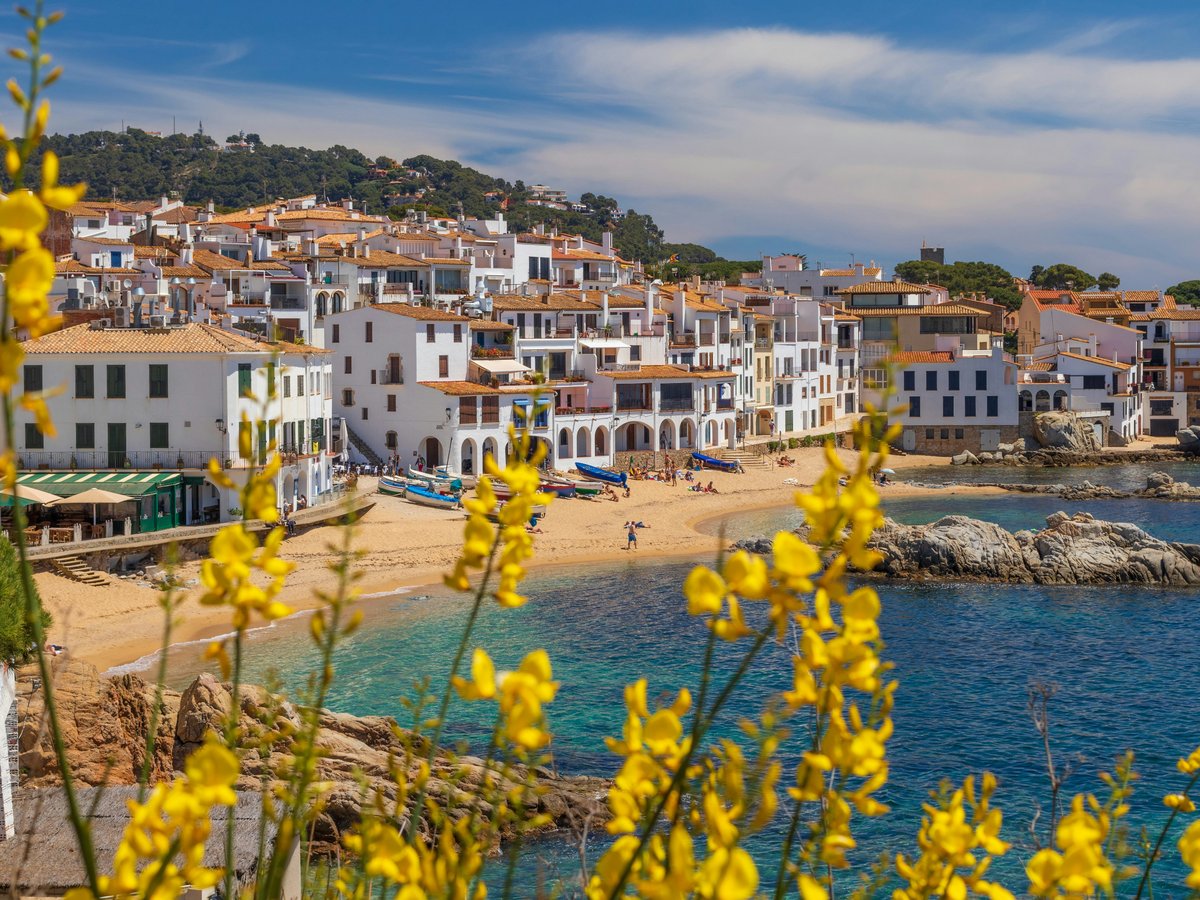
Best free attractions
Barcelona's best free hours happen outdoors, on paving stones and gravel paths, and this list leans that way on purpose. Most entries are open squares and parks, running from a historical public square to a park and maze that dates from 1791, and several carry formal heritage status. Royal Square is a Cultural Asset of Local Interest, and Parc de Joan Miró is a Cultural Asset that is part of the cultural heritage of Catalonia. One pick sits outside the city in Torrelles de Llobregat. Some green spaces keep seasonal hours that change with the months, so check the times we cite before you set out. This list is for the walker who would rather spend an afternoon on a bench than in a queue, and for anyone who suspects a city shows more of itself in its public spaces than in its ticketed halls. Where the record is silent we say nothing, so what you read here is what the sources support.
See the picks → -
Best museums
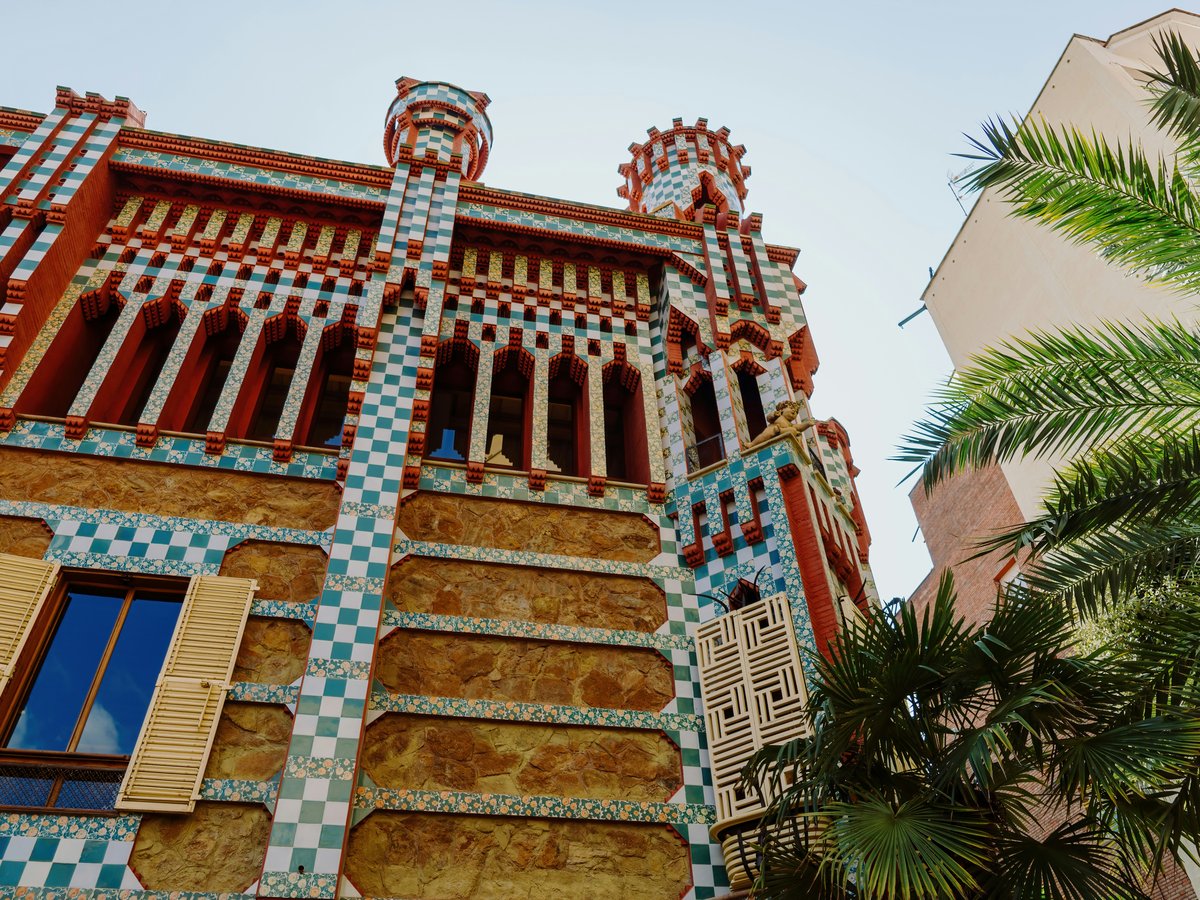
Barcelona's museum list does not stay indoors. Two of these twelve entries are a public park system and a family residence, both counted as part of UNESCO World Heritage Sites; one is a castle dating from 1641, and another is a museum dedicated to the culture of cannabis. The serious art collections sit between them: a modern-art museum about Joan Miró dating from 1975, a contemporary art museum from 1995, the Museu Picasso from 1963, and the national art museum of Catalonia from 1934. The city's own story has rooms too: a history museum, a maritime museum, and a football club's museum inside Camp Nou. This list is for visitors who want more than one kind of afternoon. Pair a painter with a fortress, or a Gaudí house with a harbour collection, and you will learn more about the place than a week of queueing at the obvious photo stops would teach you. Opening hours vary a lot by season, so read each entry's times before you set out.
See the picks → -
Must-see attractions
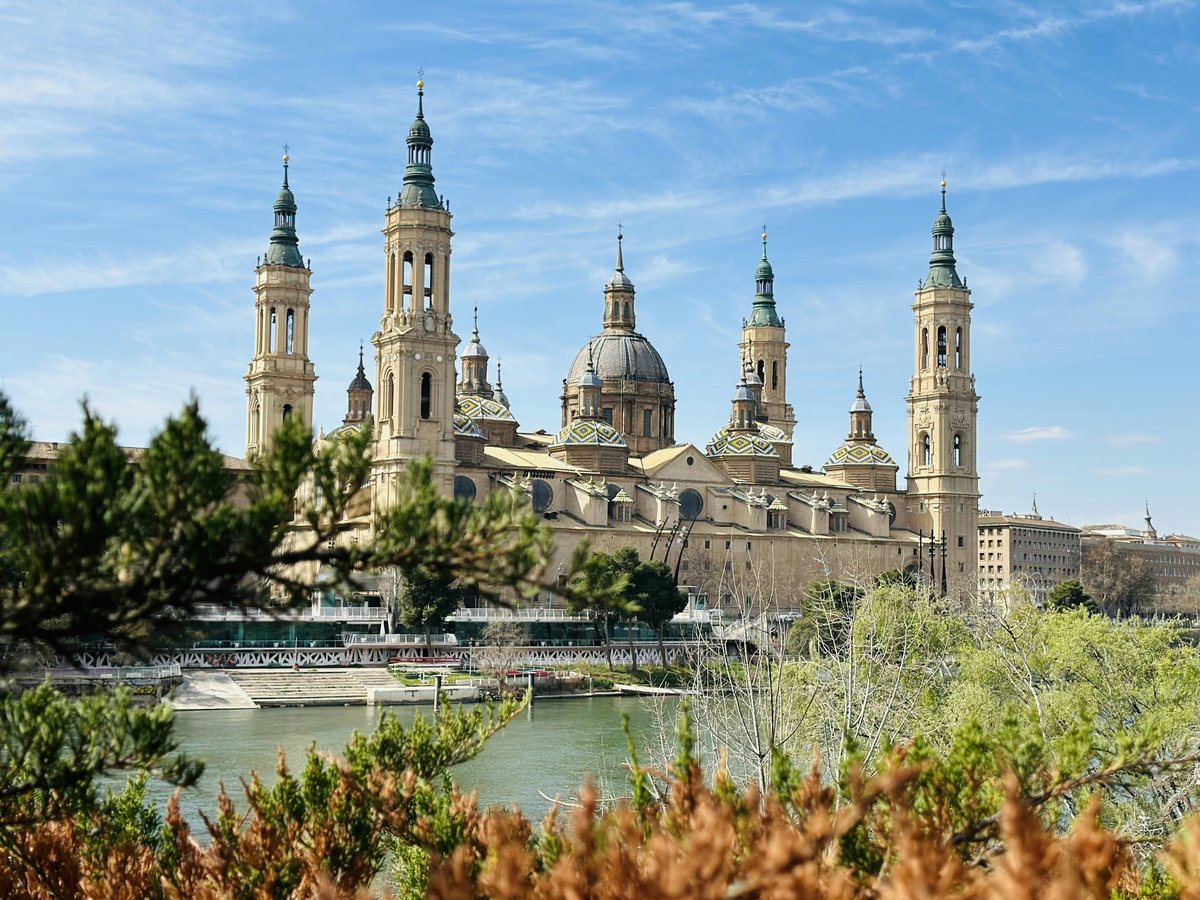
Barcelona's must-see list stretches across several centuries, from the cathedral dated to 1298 to a basilica that has been under construction since 1882 and has never stopped. Between those two endpoints are a church dated to 1320, a seafront-named basilica from 1359, a castle dated to 1641, and a mansion Antoni Gaudi designed in 1890. Some of these places carry UNESCO World Heritage status, either as a full site or as part of one, and others are protected at national or local level. This list is for the visitor who wants to understand how the city was built over time, not just collect photos. Use the hours, because they shape the day: a park that stays open to 22:30, a church that opens for barely two hours on most weekday evenings, a cathedral that keeps short Sunday afternoons. Where a venue gave us no verified hours, we say so plainly instead of guessing.
See the picks →
food
-
Best cafes
Barcelona's cafe map is not a single genre. It runs from the marble-and-espresso boxes of the Eixample grid to the tea rooms and pastry counters tucked into the Gothic Quarter's narrow carrers, and up into Gràcia, where the plaças keep their own rhythm and the coffee comes with a bicycle parked out front. The twelve rooms below are picked for that spread: a Rambla de Catalunya coffee stop that opens before most of the neighbourhood is awake, a brunch counter on Roger de Llúria, a monastery-sweet shop on Carrer de la Palla, a teahouse behind the cathedral, an all-day salad-and-coffee bar on Passeig de Gràcia, a Lebanese cultural cafe on Valldonzella, and a cluster of Gràcia spots where cake, coffee-shop obradors and long-hours chocolate counters take over from mid-morning to late evening. Skip the terraces on the Rambla proper that live off the cruise crowd; the rooms below are chosen for the coffee, the hour they keep, and the address you can walk to.
See the picks → -
Best restaurants
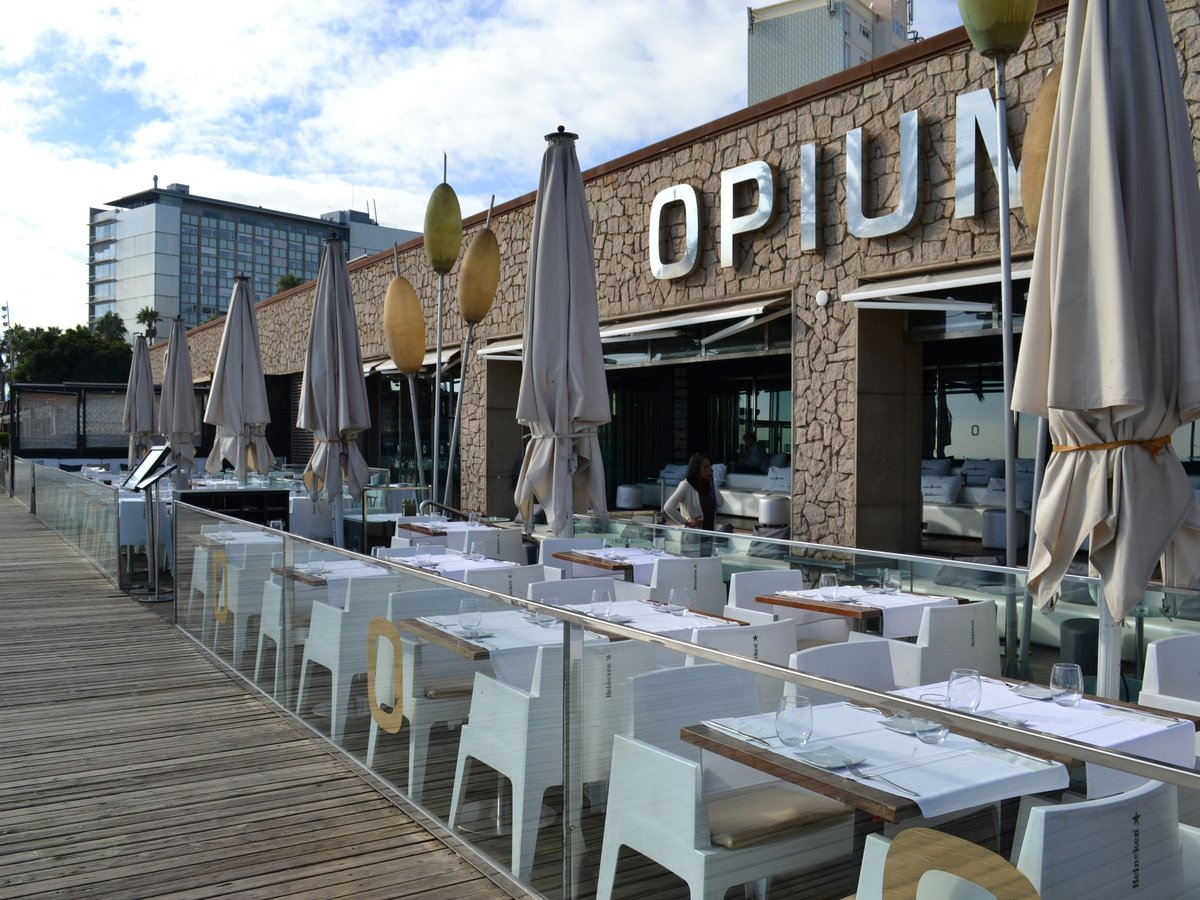
Barcelona's restaurant map is dominated by two clichés (the Ramblas paella joint and the Passeig de Gràcia chef's table) and neither reflects how the city eats. Between the Rambla de Catalunya and the tighter streets around Plaça Catalunya sits a pragmatic middle layer of rooms that feed lunch traders, catch office overspill, and stay open long enough for the last table of the night. Twelve of them are below. The list is deliberately Catalan-and-imported: a Spanish tapas counter with a chef's name on the door, an Indian lunch spot that keeps weekday hours from 12:00 to 16:00, a ramen bar running a split service through 23:30, a Balmes brunch room that closes at 15:30. Together they cover breakfast from 08:00 and last-call kitchens past midnight. Read it as an eating diary of the streets north of Plaça Catalunya, not a ranking; addresses are as mapped, and the opinions are the editor's.
See the picks →
Browse by traveler type
- For foodies
Barcelona for foodies
- For families with kids
Barcelona for families
- For digital nomads
Barcelona for digital nomads
- For solo travelers
Barcelona for solo travelers
- For couples
Barcelona for couples
- For budget travelers
Barcelona on a budget
- For luxury travelers
Barcelona for luxury travelers
- For first-timers
Barcelona for first-time visitors
Book experiences in Barcelona
 Free cancellation
 Sagrada Familia Guided Tour with Skip the Line Ticket
City tour: 1.5 hours, free cancellation.
via Viator Free cancellation
 Park Guell Skip-the-Line Guided Tour in Barcelona
City tour: 1 hour, free cancellation.
via Viator Free cancellation
 From Barcelona: Half-Day Montserrat, Tapas & Wine Tour
Day trip: free cancellation.
via Viator Free cancellation
 Montserrat & Cogwheel Train, Gourmet Wine Tasting & Tapas/Lunch
Day trip: free cancellation.
via Viator Free cancellation
 Montserrat, Girona & Costa Brava Guided Day Trip from Barcelona
Day trip: 11.5 hours, free cancellation.
via Viator Free cancellation
 Park Guell and Sagrada Familia Tour with Skip the Line Tickets
Day trip: 4 hours, free cancellation.
via Viator Free cancellation
 Half-Day Montserrat Small Group Guided Tour from Barcelona
Day trip: 5.2 hours, free cancellation.
via Viator Free cancellation
 From Barcelona: 3 Countries in One Day — Spain, France & Andorra
Day trip: 12.5 hours, free cancellation.
via Viator Free cancellation
 Sagrada Familia Guided Tour with Skip the Line Ticket
City tour: 1.2 hours, free cancellation.
via Viator Free cancellation
 Montserrat with Cog-Wheel Train & Black Madonna Priority Access
Day trip: free cancellation.
via Viator Free cancellation
 Barcelona Paella Cooking Class with Market Visit, Tapas & Sangria
Cooking class: 3 hours, free cancellation.
via Viator Free cancellation
 Highlights & Hidden Spots of Barcelona Bike Tour w/ Local Guide
City tour: 3 hours, free cancellation.
via ViatorBrowse by interest
Compare Barcelona with
Find a flight to Barcelona
Live fares to Barcelona appear here once cookies are accepted.
Last verified by automated review (v1.7.1) on . What is automated review?