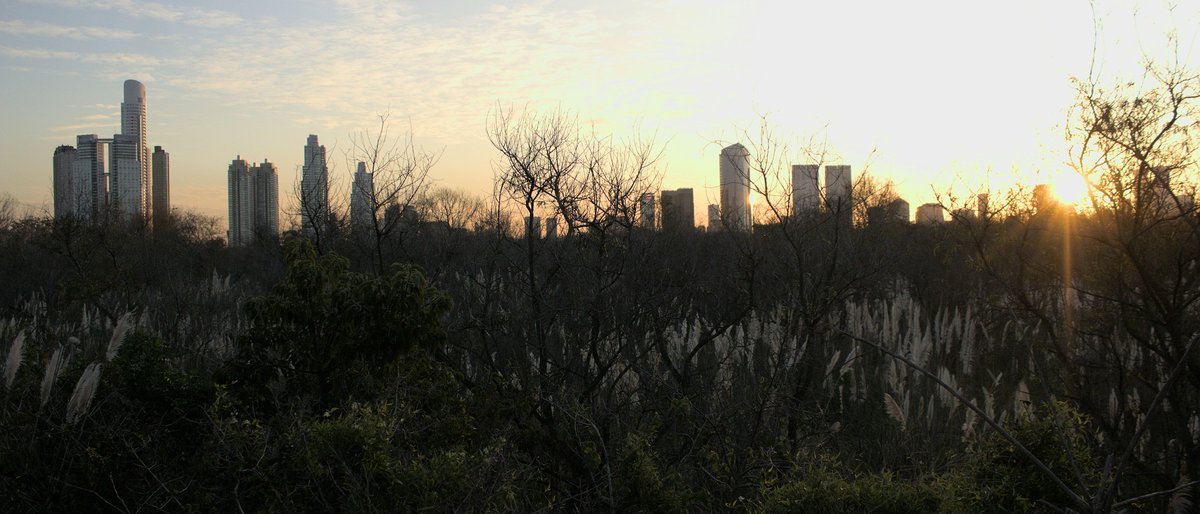
Buenos Aires sits on the flat western bank of the Río de la Plata, a brown estuary so wide that the opposite shore in Uruguay vanishes below the horizon. The city has no hills to speak of; its texture comes instead from the architectural layers deposited by a century of immigration: Genoese, Andalusian, Ashkenazi, Syrian: pressed onto the original Spanish colonial grid until every block carries two or three eras on its façade. Three million people live within the federal capital boundary, another ten million in the surrounding conurbano, but a first visit will circle a handful of barrios with distinct and readable personalities. San Telmo runs south from Plaza de Mayo along cobblestoned Defensa, its Sunday antiques market spilling out of doorways; Recoleta sits northwest with its Haussmann-style apartment blocks, its cemetery where visitors queue at Evita's tomb, and its old confiterías serving a cortado on a silver tray beside a small glass of soda water. Palermo sprawls north through sub-barrios that locals named themselves: Soho for the boutiques, Hollywood for the bars and production studios, all of it built on what were still horse pastures within living memory. The rhythm of the day runs late: lunch at half past one, dinner after nine, the city still loud at two in the morning, and eating is woven so deeply into this timing that neighbourhood parrillas, medialunas from the corner bakery, and empanadas passed through a window counter function less as meals than as punctuation. The peso's chronic instability means that prices shift between the month you plan and the week you arrive, and the gap between the official and parallel exchange rates remains something every visitor must navigate on day one. Adjust to the city's clock and you will settle in quickly; resist it and you will eat alone.
Buenos Aires in photos
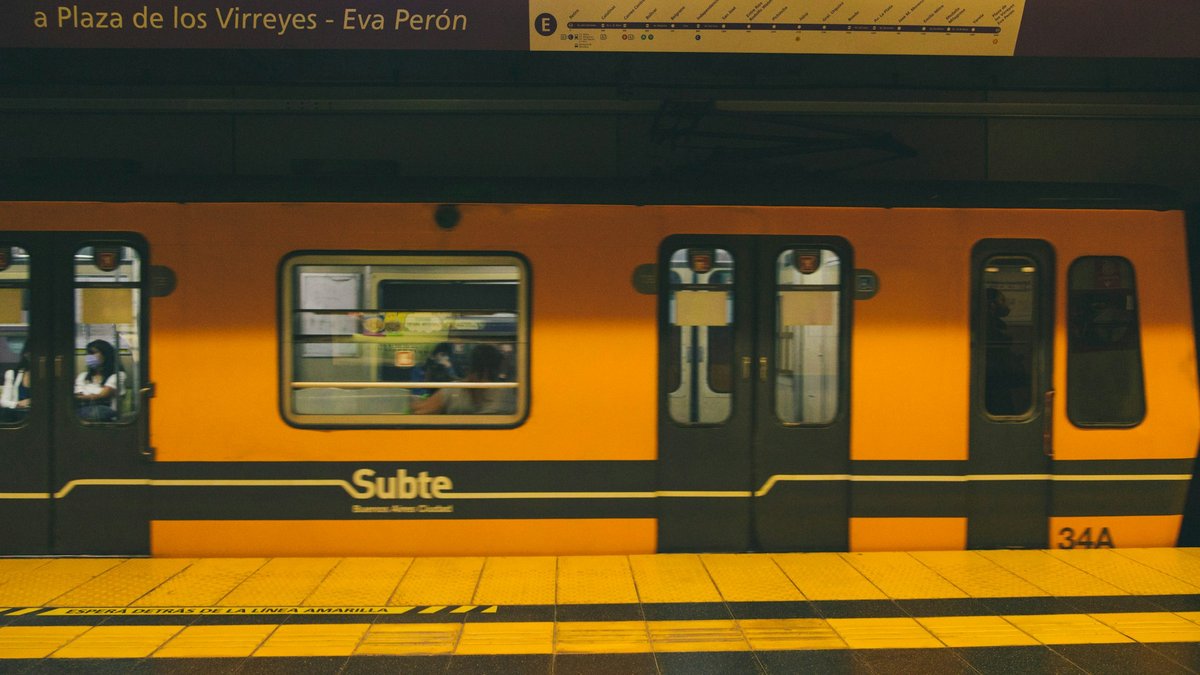
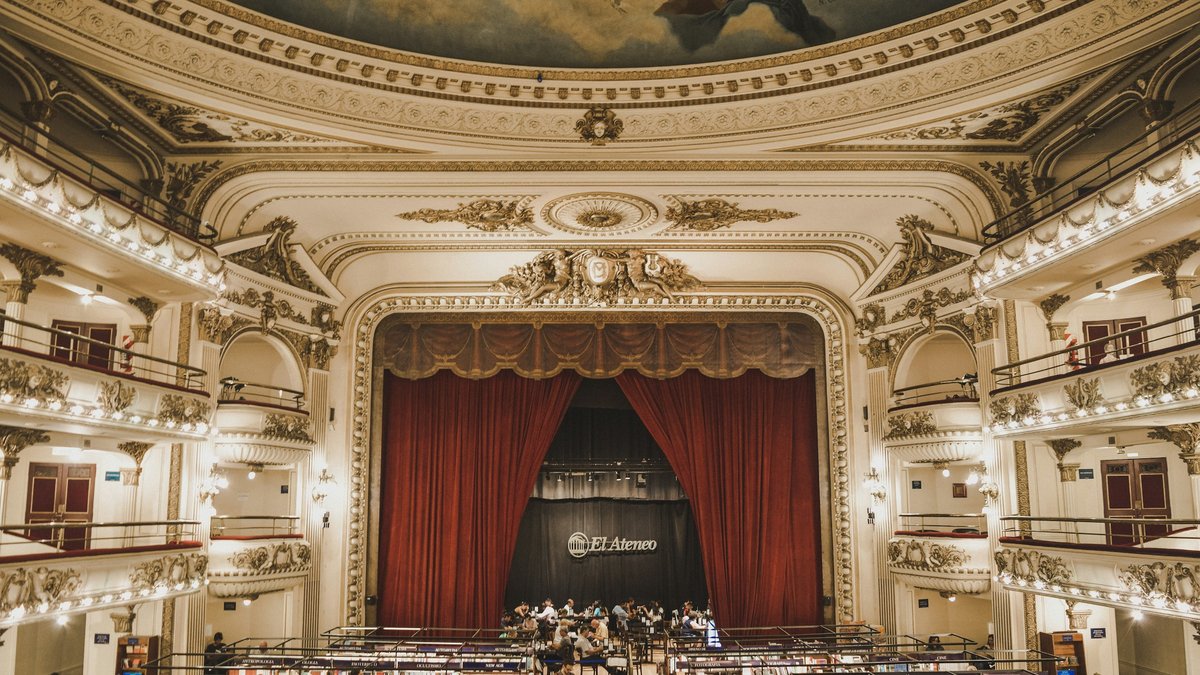
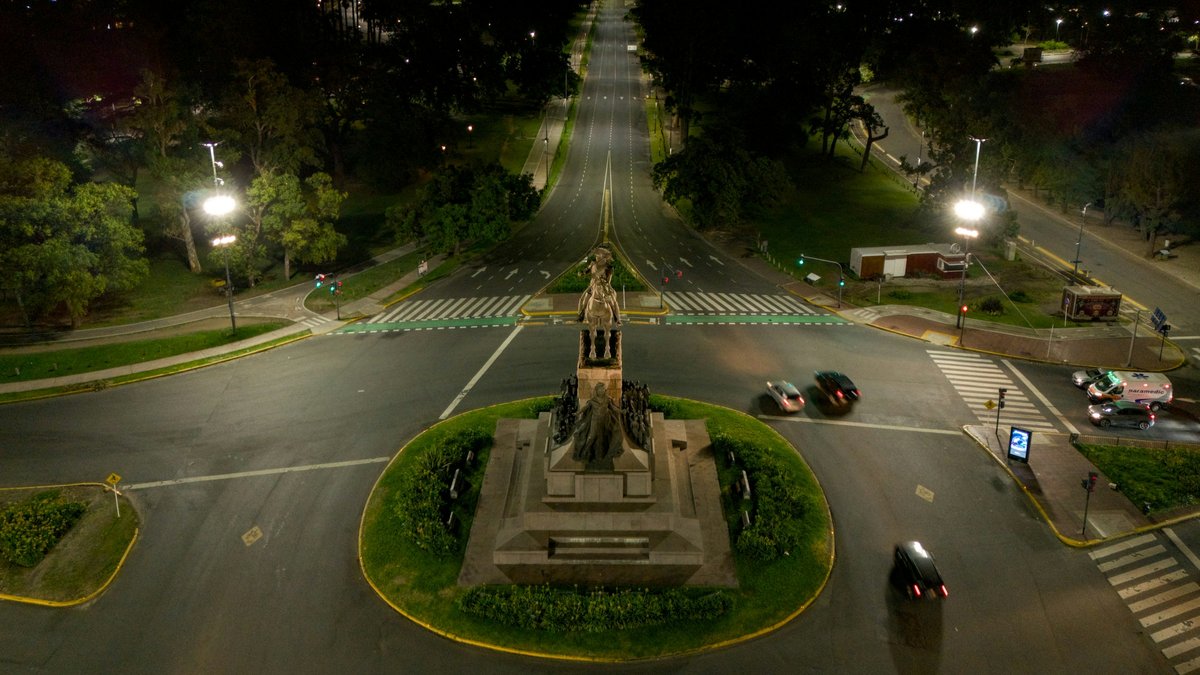
Buenos Aires right now
Answers about Buenos Aires
-
Airport to city
From Ezeiza (EZE), take the Tienda León shuttle bus to Terminal Madero: around $20-25 USD, roughly 50 minutes, every 30 minutes until late evening. From there, grab a taxi or rideshare to your hotel. For door-to-door comfort, pre-book a remis at the counters inside arrivals. Never follow anyone offering rides in the hall.
Read the full answer → -
Best time to visit
Come between mid-October and late November, or in March and April. Spring highs run 22 to 26°C, and in November the jacarandas turn Plaza San Martín and Parque Tres de Febrero purple. Autumn evenings in Buenos Aires stay warm enough to eat outside well into April. Skip January: the hottest and stickiest month of the porteño year.
Read the full answer → -
Cost per day
Buenos Aires costs about $30/day on a budget. That covers a Palermo hostel dorm, empanadas, and subte rides. Midrange lands at $80 with a San Telmo three-star and sit-down parrilla meals. Luxury runs $220+ at properties like the Alvear Palace. The peso trades at roughly 1,497 ARS per dollar.
Read the full answer → -
Cultural etiquette
Porteños greet everyone (strangers included) with a single kiss on the right cheek. Refusing feels cold. Dinner rarely starts before 9:30pm, tipping runs around 10% in cash, and bringing up the Malvinas (Falklands) as a casual conversation topic is the fastest way to kill the mood at any asado.
Read the full answer → -
Best day trips
Colonia del Sacramento is the best single-day trip from Buenos Aires: one hour by fast ferry across the Río de la Plata to a UNESCO-listed Portuguese colonial town where the cobblestones predate the city itself and the riverfront sunsets face back toward Buenos Aires. Tigre's Paraná Delta and the gaucho town of San Antonio de Areco round out the top three.
Read the full answer → -
Digital nomads
Buenos Aires is a 7.0/10 for nomads. Fiber runs 100-300 Mbps in Palermo and Villa Crespo apartments for $500-800/month, coworking at AreaTres ($80/mo hot-desk) or La Maquinita ($120/mo dedicated desk), and the peso makes your dollar stretch. Monthly all-in sits around $1,400. Summer power cuts and a hard 180-day visa ceiling are the trade-offs.
Read the full answer → -
Family-friendly
Buenos Aires scores 7.5/10 for family friendliness (see the TTDI Family-Friendliness Index). Porteño culture includes children everywhere by default. Restaurants seat kids at 10 pm without fuss. Palermo's parks are flat and stroller-friendly, and the food (milanesas, empanadas, pizza) reads like a picky-eater wish list. The Subte has almost no elevators, so budget for taxis.
Read the full answer → -
Food culture
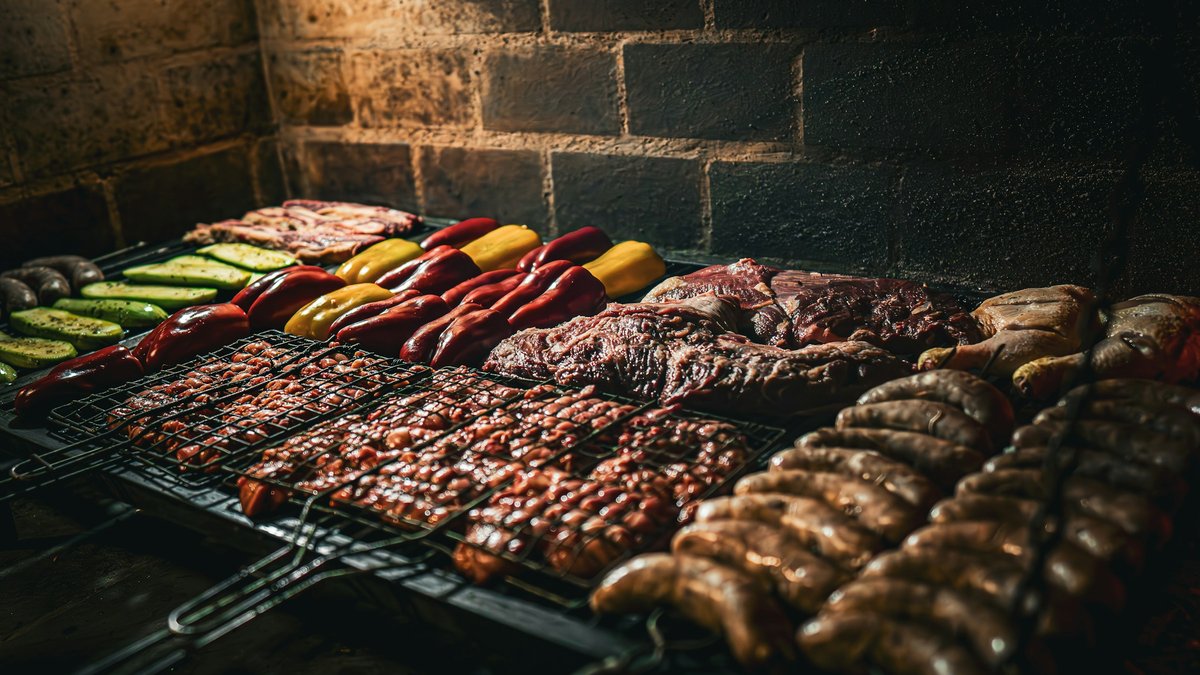
Buenos Aires runs on beef, late dinners, and a café ritual that treats 4pm as sacred. Parrillas slow-grill asado over wood embers for hours. Pizza here is thick, doughy, and nothing like Italy's: order it with fainá on top. Dinner rarely starts before 10pm. The best eating happens in neighborhood bodegones where the menu hasn't changed since the 1970s.
Read the full answer → -
Getting around
SUBE card on the Subte for the centre, colectivos for everything else, and Uber or Cabify when the buses confuse you. Buy a SUBE at any kiosko for around 3,000 ARS, load it with cash, and you cover buses, trains, and the six-line metro. Taxis work fine but ride-hail apps run cheaper and skip the meter negotiation.
Read the full answer → -
How to get there
Ezeiza International (EZE), 35 km southwest of Buenos Aires, handles all long-haul flights. Aeroparque (AEP), just 2 km from downtown on the river, covers domestic and regional routes to Santiago, São Paulo, and Montevideo. From the US, nonstop options run through Miami, Houston, and JFK at $700-1,200 round-trip. European connections route mainly through Madrid.
Read the full answer → -
Is it safe?
Buenos Aires is manageable as a solo destination if you keep one thing in mind: your phone is what thieves are after. Violent crime against visitors is uncommon, but snatch theft is not, and in Palermo and Microcentro the daily hazard is motorbike thieves and café-table grabs. Call 911 for police and 107 for an ambulance. After midnight, take Uber or Cabify rather than walking.
Read the full answer → -
Language basics
Rioplatense Spanish: the Argentine dialect with its Italian-inflected cadence and the distinctive 'sh' sound where other Spanish speakers say 'y.' English proficiency in Palermo, Recoleta, and Puerto Madero sits around 5/10: enough for hotels and upscale restaurants, unreliable in taxis, kioscos, and anywhere outside the tourist corridor.
Read the full answer → -
Layover guide
Yes, with 7 or more hours between flights. Ezeiza airport sits 35 km from downtown Buenos Aires, and one-way transit runs close to an hour by taxi or shuttle bus. Immigration both ways and a 90-minute return buffer consume most of a short connection. With 8 hours, you get 2-3 usable hours in San Telmo or Puerto Madero.
Read the full answer → -
LGBTQ-friendly
Buenos Aires rates 9/10. Argentina legalized same-sex marriage in 2010 (first in Latin America) and the capital has had fifteen years to normalize it. Same-sex couples hold hands freely in Palermo Soho, San Telmo, and Recoleta. The queer scene runs from tango milongas with same-sex pairs to Palermo's sidewalk bars. November's Marcha del Orgullo draws 200,000+.
Read the full answer → -
Where locals go
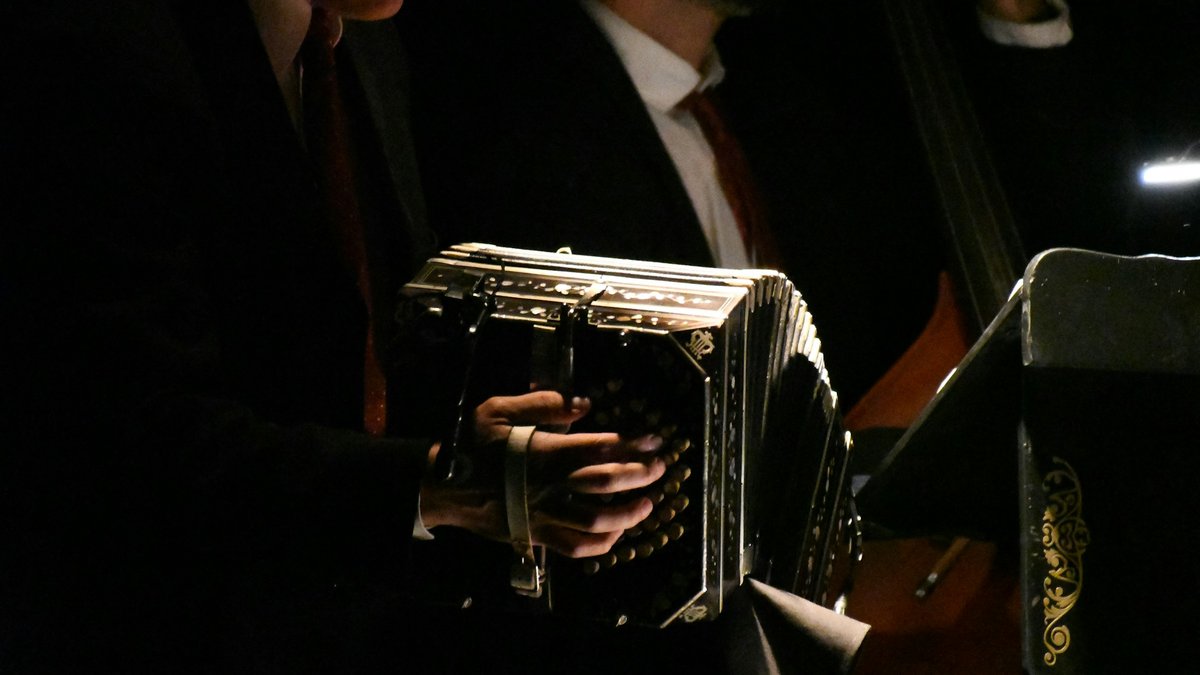
In Buenos Aires, the gap between porteño life and tourist life comes down to timing, not geography: merienda at Las Violetas around 5pm, Tuesday-night tango at La Catedral Club in Almagro, Saturday mornings at Colegiales' Mercado de Pulgas. On Sunday afternoons locals queue at the Costanera Sur choripán carts, and nobody sits down to dinner before 9:30pm.
Read the full answer → -
Must-see
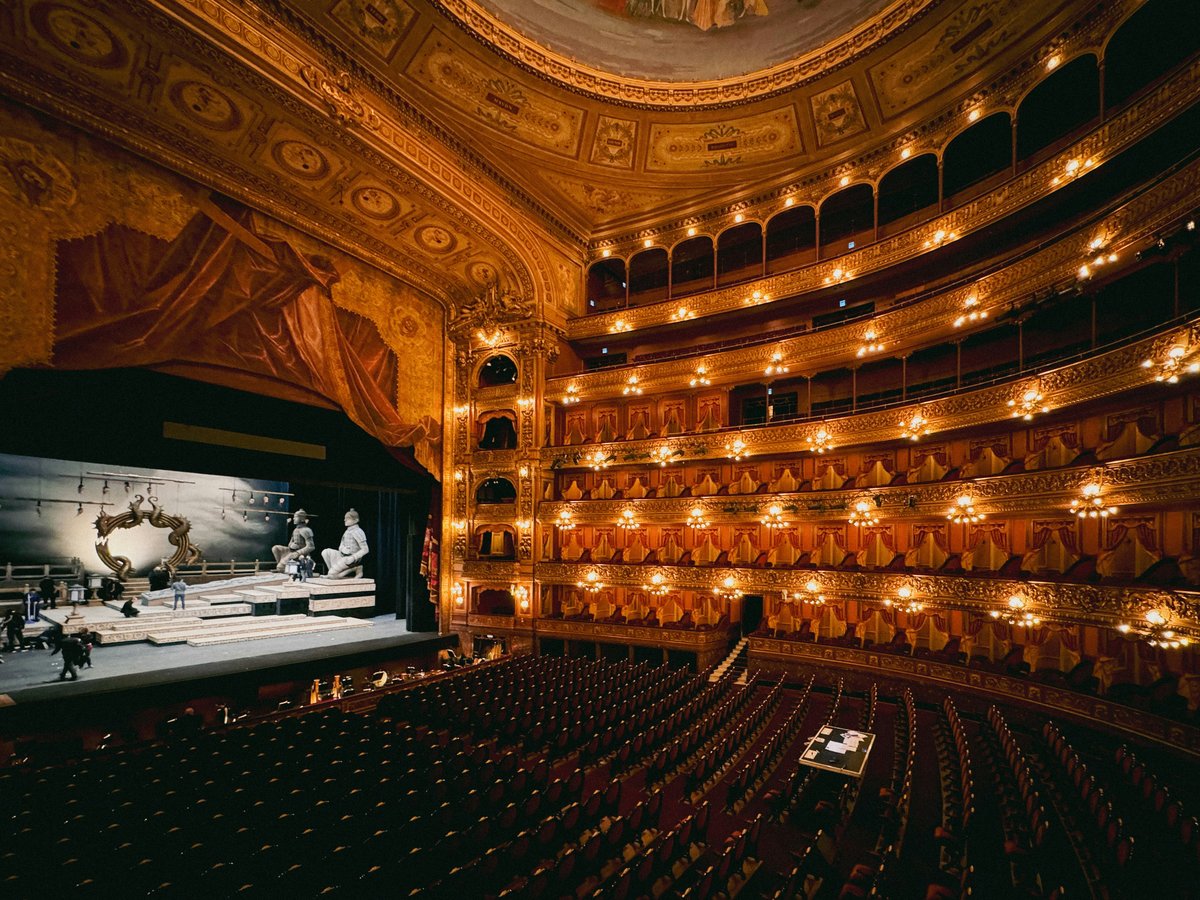
Teatro Colón. Not the Casa Rosada, not La Boca: the opera house that took 18 years and outlived two of its three architects. Take the guided tour any weekday morning for about 3,000 ARS. The seven-story horseshoe auditorium, its painted dome, the acoustics that engineers still fly here to record: this is why Buenos Aires calls itself the Paris of South America.
Read the full answer → -
Solo travel
Buenos Aires scores 5.5/10 for solo-traveler safety (see the TTDI Solo-Safety Index), but the late-night dining culture, cheap Subte metro, and dense hostel scene in Palermo and San Telmo make the city surprisingly manageable alone. Expect dinner at 10pm and new friends over a shared bottle of Malbec while waiting for your table.
Read the full answer → -
This week
Buenos Aires runs on a late-night weekly clock. Sunday belongs to the San Telmo antiques fair on Calle Defensa from 10am. Monday most museums close. Midweek nights belong to the milongas. Dance floors fill past midnight. Friday and Saturday, porteños eat dinner at 10pm and head out past 1am. It is mid-winter now, with clear skies and temperatures near 17°C.
Read the full answer → -
3-day itinerary
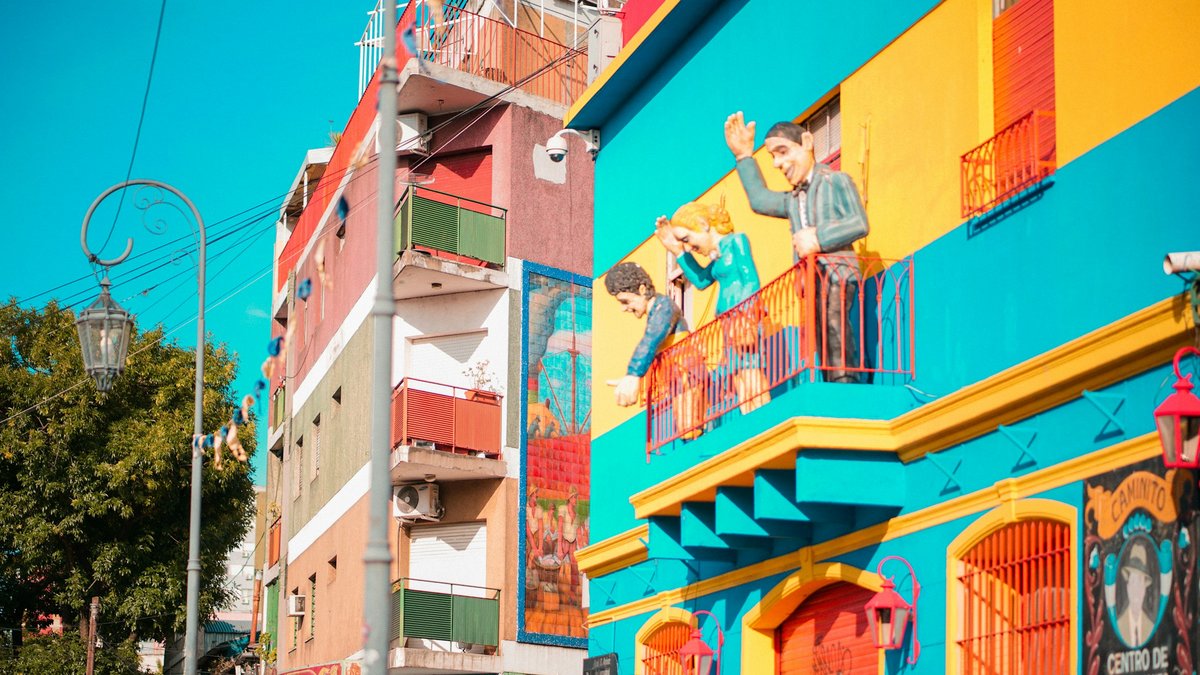
Day 1 covers San Telmo and La Boca on foot: the 1897 market hall, Caminito's painted houses, steak at La Brigada. Day 2 heads north to Recoleta Cemetery and Palermo's parks and parrillas. Day 3 is the civic centre: Plaza de Mayo, Teatro Colón, choripán near the Obelisco, and a milonga after dark. About 26 kilometres total.
Read the full answer → -
What to avoid
Skip unlicensed taxis from Ezeiza, La Boca beyond the Caminito pedestrian strip, and any restaurant on Calle Florida with a laminated English menu. Counterfeit 1000 ARS bills circulate widely. Puerto Madero charges 2-3x Palermo prices for worse food. The mustard-spill scam still runs daily near Plaza de Mayo and Recoleta Cemetery.
Read the full answer → -
What to pack
Pack layers for Buenos Aires: temperatures swing 10°C between morning and afternoon, and porteños dress sharper than most South American cities. Bring a light jacket, comfortable walking shoes that handle cobblestones, a Type I plug adapter for 220V outlets, and one outfit decent enough for a Palermo steakhouse. Skip the umbrella; buy one at any kiosco for 2,000 pesos.
Read the full answer → -
Where to stay
Palermo Soho for first-timers: it's walkable, safe at night, and within fifteen minutes of most things you'll want to see. Budget $80–140 for a well-located apartment, $150–250 for a boutique hotel. Recoleta if you want quieter streets and proximity to the cemetery and MALBA. San Telmo for repeat visitors who like cobblestones and don't mind rougher edges.
Read the full answer →
Deep guides for Buenos Aires
-
Best Time to Visit Buenos Aires, by Season
Buenos Aires never fully shuts down, but the spread between a sweltering January afternoon at 28.9°C and a foggy July morning at 7.5°C changes everything: what you eat, where you walk, what you pay. Here is when to book, month by month, for every kind of traveller.
Read the guide → -
Buenos Aires Restaurants: What's Worth It
Buenos Aires eats late, argues loudly about where to eat, and changes its mind every season. This guide sorts twelve kitchens into two tiers: five destination restaurants worth rearranging your evening for and five everyday anchors that earn loyalty through schedule and consistency: then delivers a verdict on the six that reward the closest attention.
Read the guide →
Curated lists for Buenos Aires
accommodation
-
Best boutique hotels
Buenos Aires sorts itself into neighborhoods that differ by more than name. The centro districts, San Nicolás and Microcentro, put you within walking distance of the Obelisco, the Colón theater, and the pedestrian stretch of Calle Florida, but they trade quiet for convenience. South of Avenida de Mayo, Monserrat slows down around Plaza de Mayo and the Casa Rosada; it is older, cheaper, and quieter after business hours. Palermo spreads north and west with tree-lined blocks, restaurant rows, and the city's densest boutique inventory, while Recoleta stacks French-influenced facades and museum entrances along Avenida Alvear. Puerto Madero lines the old docks with glass towers and a waterfront promenade that feels more like a separate development than a barrio. Belgrano is residential and removed from the tourist circuit; Barrio Norte bridges the gap between Recoleta polish and centro price. Retiro sits at the transit crossroads, useful for trains and buses north, less useful for atmosphere. The price spread across these ten areas runs from about $82 a night in San Nicolás to $182 in Puerto Madero, and the rating floor holds above 8.7 everywhere on this list. The neighborhood you choose determines whether you walk to steak houses or take a cab, whether the street noise fades by ten or runs past two, and whether you are surrounded by porteños or other visitors.
See the picks → -
Best hostels
Buenos Aires spreads its hostel inventory across a wide arc, from the gridded commercial blocks around the Obelisco to the tree-lined residential streets of Palermo and the converted warehouses of Puerto Madero. The city's Subte network ties these neighborhoods together cheaply, but each one trades a different mix of price, noise, and walking-radius convenience. The densest hostel clusters sit in the downtown core where Avenida Corrientes and Avenida 9 de Julio cross, and thin out as you move west into quieter barrios like Almagro or north into Palermo's restaurant grid. For budget travelers the price range is unusually wide: beds run from $9 a night in Microcentro to $77 along the Puerto Madero waterfront, so the neighborhood you choose shapes your daily spend as much as the property itself. The practical question is not which hostel scores highest on a booking site but which part of the city you want outside your door at midnight and again at breakfast.
See the picks → -
Where to stay
Buenos Aires spreads its hotel inventory across neighborhoods that differ more in rhythm than in distance. The city center clusters the densest options around Avenida 9 de Julio and the Obelisco, where budget beds and mid-range towers stack up within blocks of the Subte's main interchange. Walk in any direction and the character shifts: Palermo trades downtown grit for tree-lined restaurant blocks, Puerto Madero lines the old docks with glass towers and waterfront prices, and Recoleta leans on its cemetery-adjacent calm and European facades. Monserrat and San Nicolás blur into the center but carry their own pace; Belgrano, further north, feels residential in a way the tourist core never does. Price tiers overlap across most neighborhoods. A budget room in the center and a budget room in Palermo can cost the same, and the experience at each is entirely different. The deciding question is not how much to spend but what you want outside the hotel door: theater marquees or park benches, late-night parrilla smoke or morning runners along the Costanera Sur. The neighborhoods below are ordered by hotel density, starting where the inventory is thickest.
See the picks →
attractions
-
Best free attractions
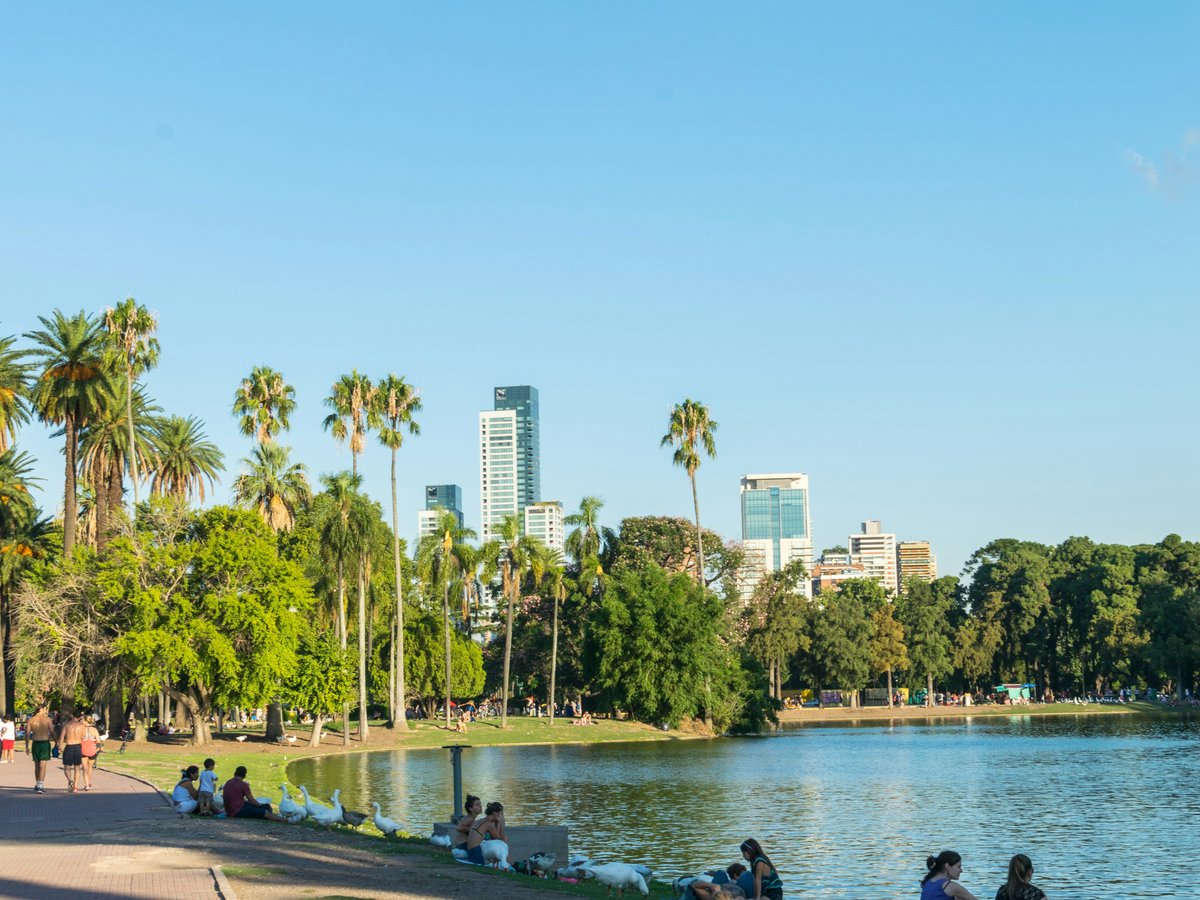
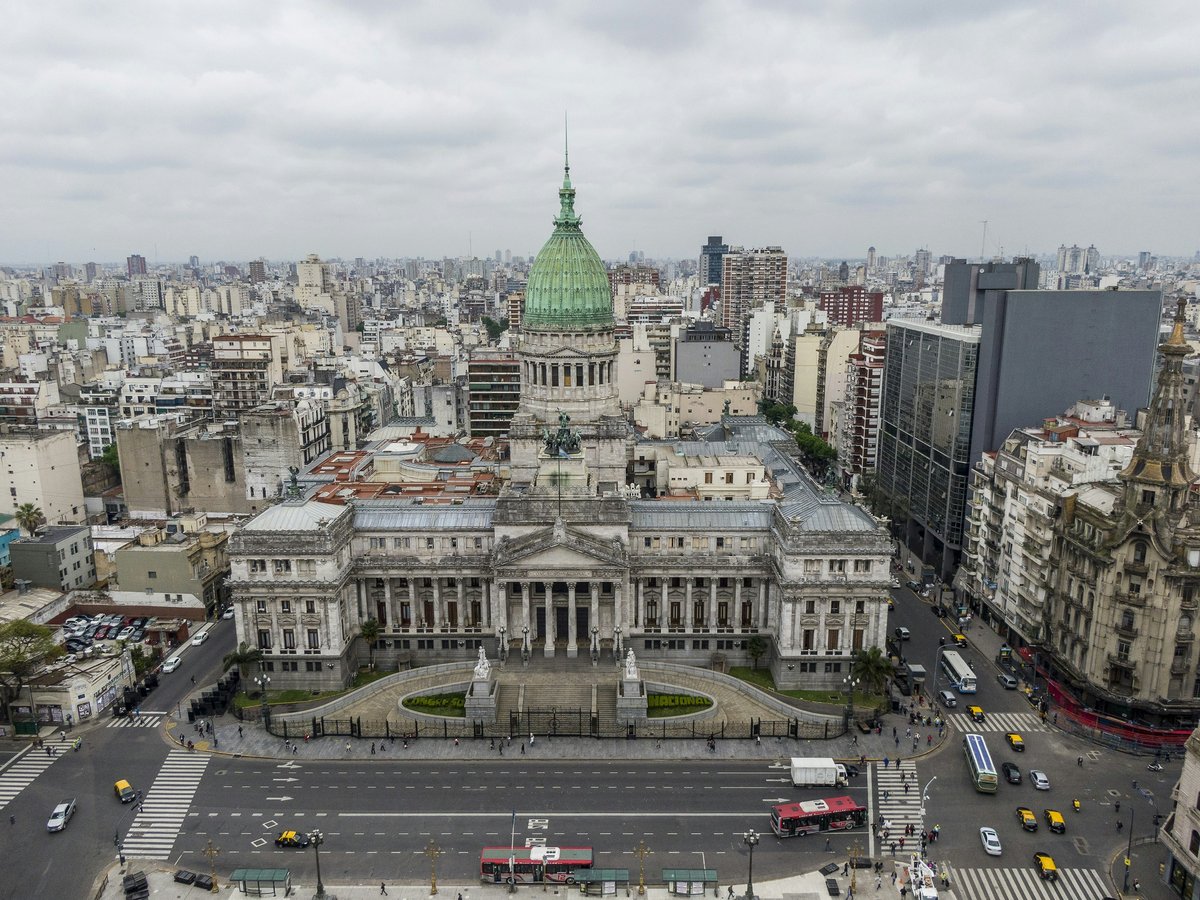
Buenos Aires is a walking city, and a walking city rewards you most when the door is already open. The free registry here is not filler between paid attractions; it is the grid the city was built around. Nineteenth-century squares that still host the arguments they were designed for, a botanical garden and a Japanese garden set inside the same great parkland, plazas whose benches double as the city's living room. This list is for the traveller who has one afternoon and no ticket, and for the resident-in-training who wants to learn Buenos Aires by its addresses rather than its brochures. The candidates below are drawn from Palermo's green belt through the Microcentro and down into San Telmo, so the twelve stops trace a legible route rather than a scattered dozen. Each entry cites the address or the coordinates it claims; nothing is invented, and nothing has been rounded up to sound better than it is.
See the picks → -
Best museums
Buenos Aires holds its museums the way it holds its neighbourhoods, unevenly and stubbornly, with the national collections clustered along Avenida del Libertador and the historical ones anchored where colonial power once sat. The 12 here are a working editor's cross-section: two national art houses on the Recoleta axis, a Cabildo that still faces the Plaza de Mayo it once governed, a natural sciences hall in Caballito, a decommissioned gunboat moored at Puerto Madero, and a Latin American collection that reset the city's expectations for private-museum ambition. None of them ask for a full day; several reward two hours and a coffee afterward. Skip the pressure to see them all in a single trip. The city's museum culture is public, mostly free or cheap, and generous with time, which means the honest itinerary picks four, walks between them, and comes back for the rest.
See the picks → -
Must-see attractions
Buenos Aires keeps its essentials in plain sight, and this list covers more than four centuries of them. The oldest is a cathedral dating from 1593, and from there the list moves through a monument from 1811 and an opera house from 1908 to a pedestrian bridge from 2001. Three faiths are here: the cathedral, a synagogue and an Islamic cultural center, alongside two cemeteries, two working theatres and a former theatre now used as a bookshop. Two of those theatres carry the designation of National Historical Monument of Argentina. The list is for a first-timer with three days who wants the city's record, not its souvenir stalls, and for a returning visitor who has seen the postcard sights and wants a reason to go back. Hours matter more than usual: cemetery gates close in the late afternoon, and the bookshop opens late on Sundays, so plan the day around them.
See the picks →
food
-
Best cafes
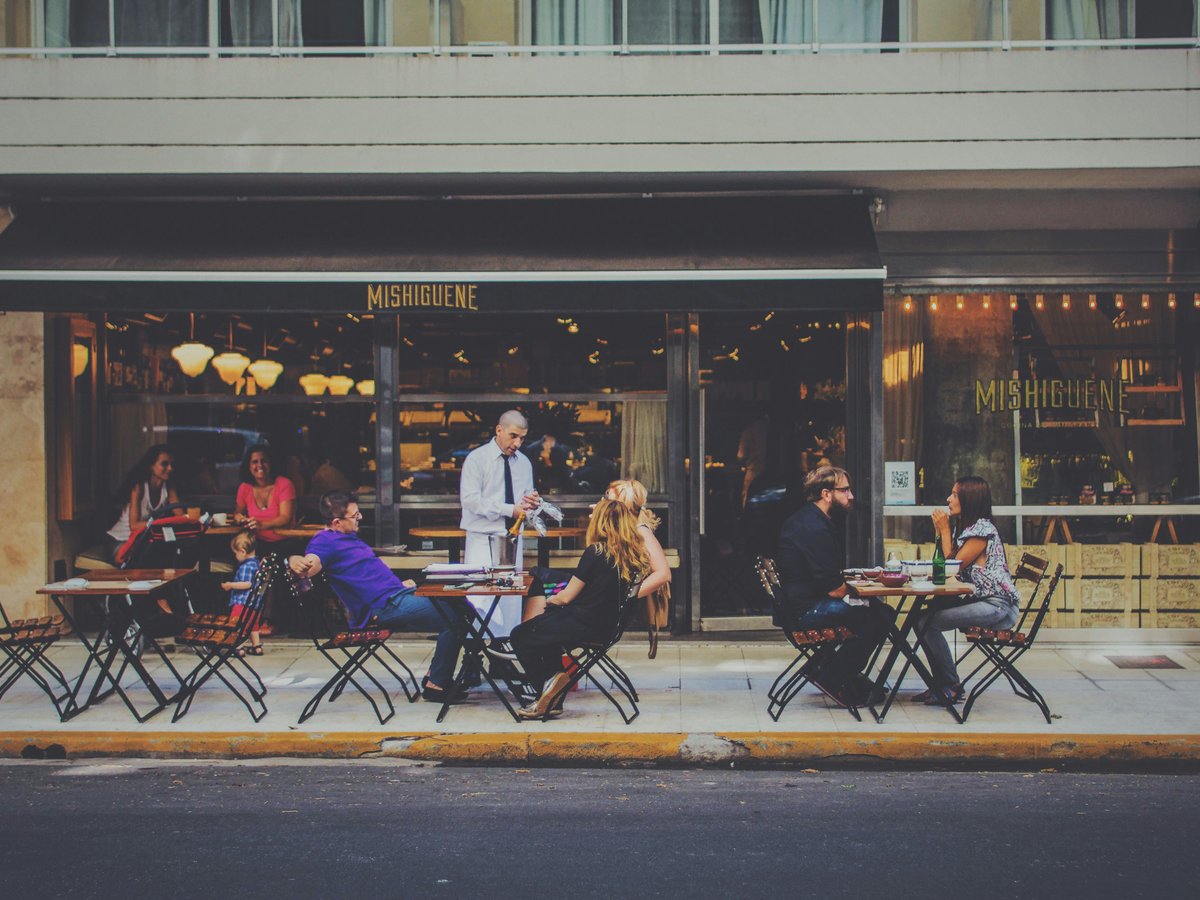
Buenos Aires does not have a single kind of cafe, and any list that pretends otherwise is lying to you. The city runs on coffee the way other capitals run on subways: the porteño morning is a cortado at a marble counter, the porteño afternoon is a medialuna and a notebook, and the porteño night ends, more often than not, back at a table under the same brass lamp. The twelve rooms below cover the working spectrum: a wood-panelled institution on Avenida de Mayo, a specialty bar in Monserrat, a Puerto Madero brunch room facing the docks, a Palermo teahouse that keeps serving past midnight, and the neighbourhood counters where the locals drink their coffee. They are ranked, but the ranking is a suggestion, not a verdict; the right cafe in this city is the one you can walk to from where you already are. Every address, phone number and service hour below is drawn from OpenStreetMap and each venue's own site, cited in line so you can verify before you go.
See the picks → -
Best restaurants
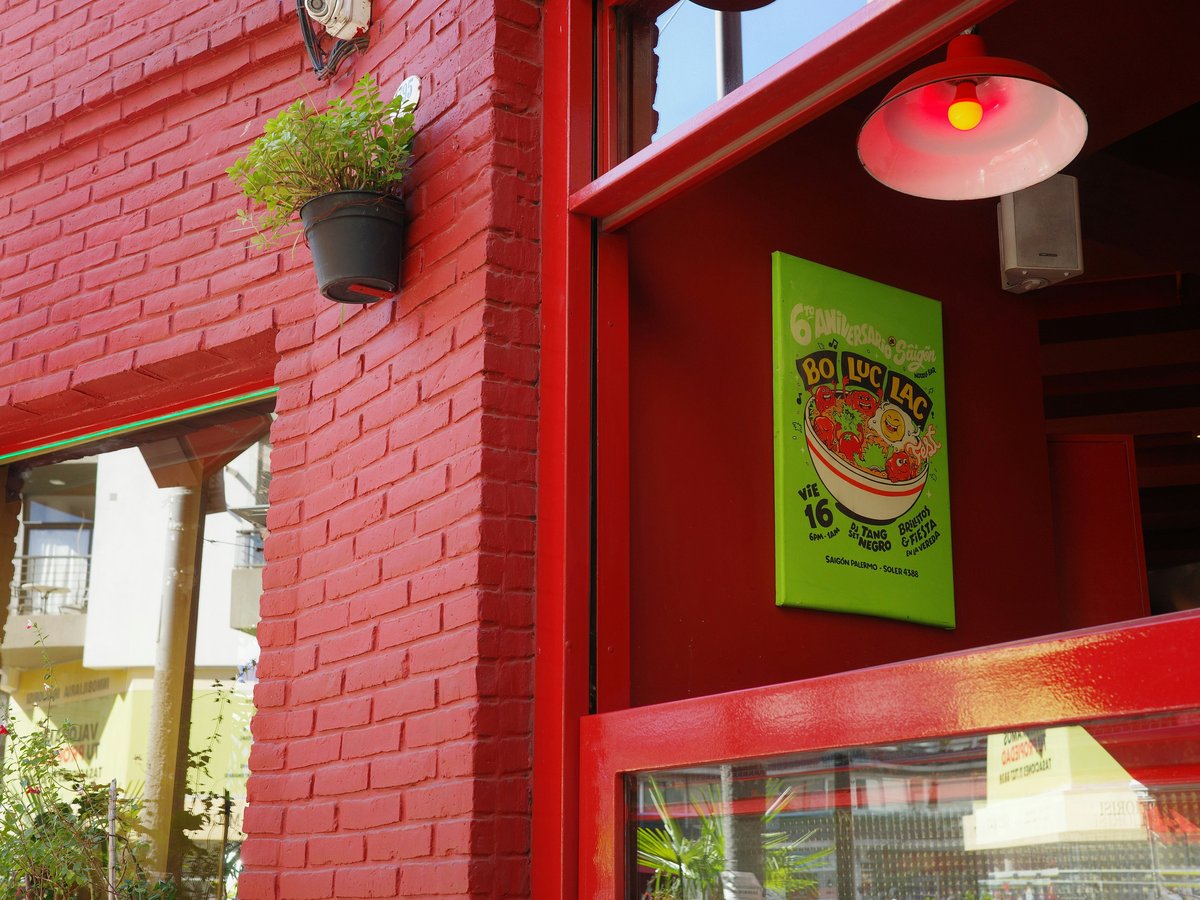
Buenos Aires eats late, argues about beef, and treats a corner pizzeria on Avenida Corrientes with the same seriousness a Parisian reserves for a bistro. The city's restaurant map is layered: century-old immigrant clubs where Spanish and Catalan communities still cook for their own; steakhouses that treat provolone and chimichurri as load-bearing; a small, disciplined Japanese and Korean scene clustered in the Retiro and Microcentro grid; French rooms in San Telmo that read like transplants and behave like porteños. This list is arranged for a visitor who has one week and no interest in a hotel concierge's shortlist. It leans on places that publish their hours, answer their phones, and cook a specific thing well: pizza by the slice, jamón carved to order, a milanesa the size of the plate, a proper omakase counter: rather than places that lean on a view. Expect long lunches, later dinners, and menus that assume you know what you came for. Each entry below cites its own coordinates on the map so you can walk to the door without a guess.
See the picks →
Browse by traveler type
- For foodies
Buenos Aires for foodies
- For families with kids
Buenos Aires for families
- For digital nomads
Buenos Aires for digital nomads
- For solo travelers
Buenos Aires for solo travelers
- For couples
Buenos Aires for couples
- For budget travelers
Buenos Aires on a budget
- For first-timers
Buenos Aires for first-time visitors
Book experiences in Buenos Aires
 Free cancellation
 Buenos Aires City Private Tour with Local Guide
Day trip: 4 hours, free cancellation.
via Viator Free cancellation
 Buenos Aires Small-Group City Tour
Day trip: free cancellation.
via Viator Free cancellation
 Argentine Cooking, Wine & Beef Tasting at Argentine Experience
Cooking class: 3 hours, free cancellation.
via Viator Free cancellation
 Cooking Class with Empanadas Steak & Flan by Argentine Experience
Cooking class: 3 hours, free cancellation.
via Viator Free cancellation
 Bike Tour: Half-Day City Highlights of Buenos Aires
City tour: 4 hours, free cancellation.
via Viator Free cancellation
 Gaucho Small-Group Full Day at a Farm in Buenos Aires
Day trip: 9 hours, free cancellation.
via Viator Free cancellation
 Gaucho Day Tour Ranch at an Estancia from Buenos Aires
Day trip: 9 hours, free cancellation.
via Viator Free cancellation
 Tigre Delta Premium Tour: Northern Buenos Aires Overview
Day trip: 5 hours, free cancellation.
via Viator Free cancellation
 Private Airport Transfer In or Out : Ezeiza (EZE) – Buenos Aires
Day trip: free cancellation.
via Viator Free cancellation
 Group City Tour of Buenos Aires (MISSABLE)
Day trip: 5 hours, free cancellation.
via Viator Free cancellation
 Buenos Aires Private City Tour with Local Guide
Day trip: 4 hours, free cancellation.
via Viator Free cancellation
 Polo Match, BBQ and Lesson Day-Trip from Buenos Aires
Outdoor experience: 9 hours, free cancellation.
via ViatorBrowse by interest
Find a flight to Buenos Aires
Live fares to Buenos Aires appear here once cookies are accepted.
Last verified by automated review (v1.7.1) on . What is automated review?