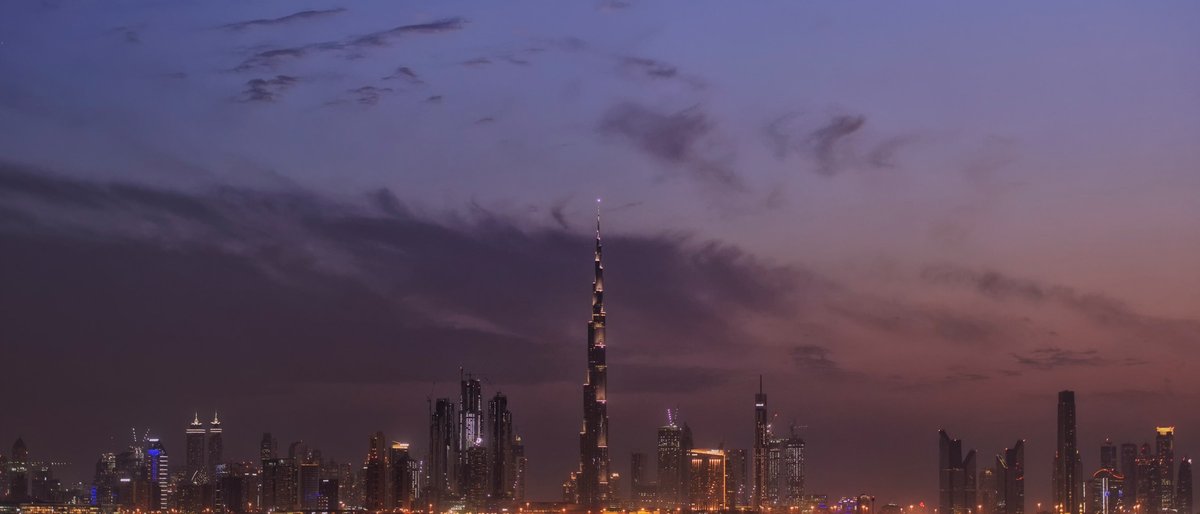
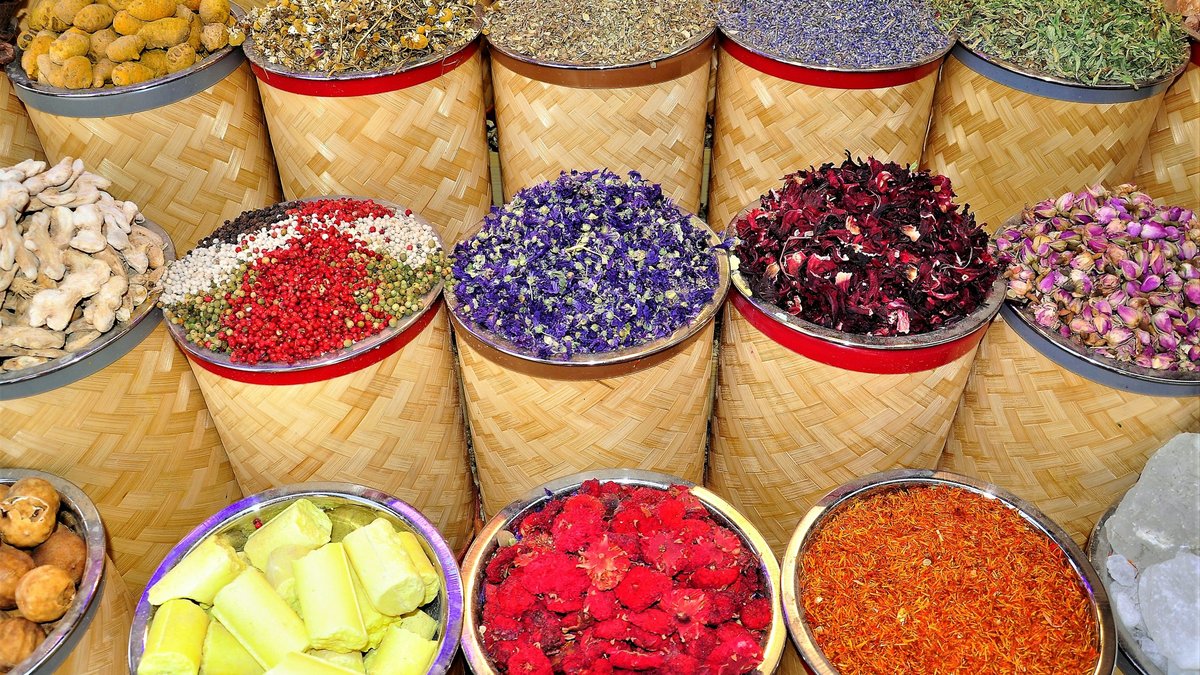
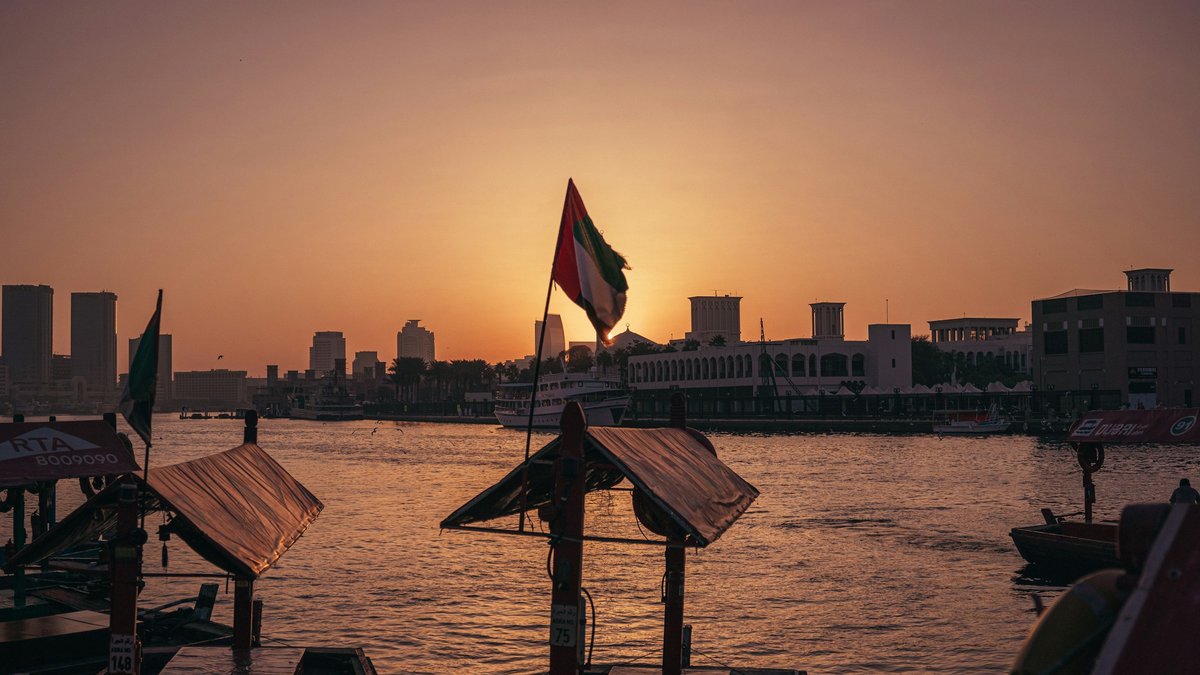
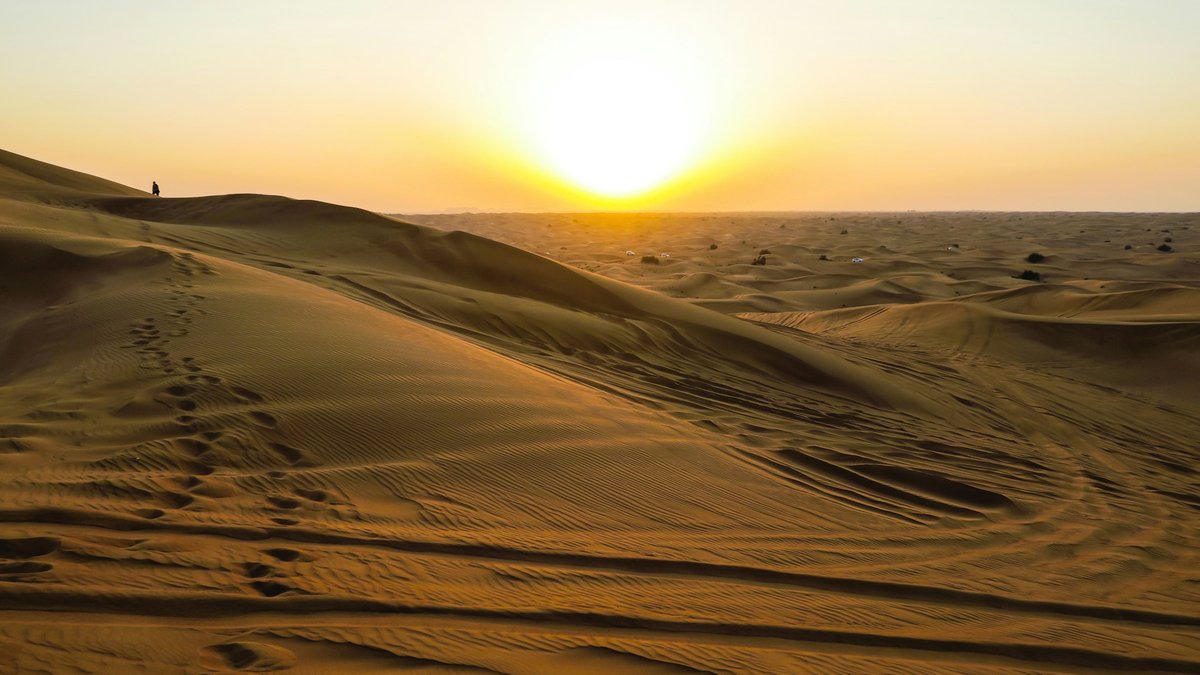
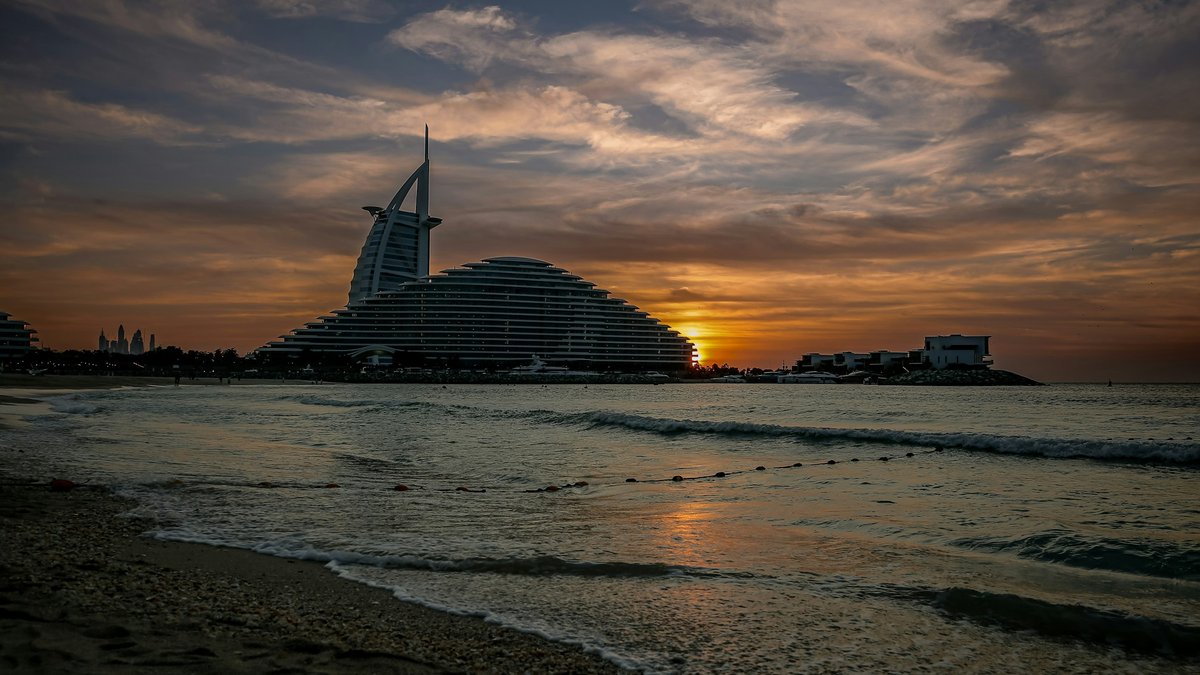
Dubai's creek (Khor Dubai) still cuts the city in two, and for a single dirham you can cross it on a wooden abra the same way traders did when this was a modest pearl-diving port on the Trucial Coast. That was barely sixty years ago. The speed of the transformation is the first thing that registers: the Burj Khalifa's 828 metres of steel and glass rise from land that was open desert within living memory, and entire neighbourhoods like Dubai Marina exist on reclaimed seabed. But the city is less monolithic than its skyline suggests. Deira, on the creek's north bank, still operates at the tempo of its gold and spice souks: narrow lanes, stacked saffron tins, shopkeepers who remember when the souk was the economy. Across the water, Al Fahidi's wind-tower houses stand as the oldest surviving residential architecture, their cooling shafts a pre-electric answer to summers that routinely exceed forty-five degrees. South and west, the city stretches into newer districts with distinct characters: Al Quoz's converted warehouses host galleries and independent coffee roasters; DIFC's pedestrian Gate Village fills with after-work crowds once the sun drops; Jumeirah's coastal road offers the rare sight of low-rise neighbourhood life pressed between towers. A first visit tends to split naturally between the old creek districts in the morning (when light is good and heat is manageable) and the air-conditioned vertical city of Downtown and the Marina after noon. Friday brunch is a genuine local institution, not a tourist invention: the city's enormous expatriate majority, drawn from South Asia, the Philippines, Europe, and the Levant, adopted it as the social anchor of the weekend decades ago. Dubai rewards visitors who look past the postcard skyline and choose to spend time in the quieter spaces between the towers, where the city's actual texture lives.
Dubai in photos
Dubai right now
Answers about Dubai
-
Airport to city
Take the Dubai Metro Red Line from DXB Terminal 1 or 3–6 AED ($1.63), about 40 minutes to Burj Khalifa/Dubai Mall station. Runs 5am to midnight most days. After midnight or with heavy luggage, a metered taxi costs 75-100 AED ($20-27) to Downtown Dubai, 15-25 minutes. Skip the flat-rate limo counter inside arrivals.
Read the full answer → -
Best time to visit
Go between mid-November and mid-March, when Dubai's daytime highs stay in the 20s °C and you can walk Al Fahidi and Dubai Creek at midday. Book Christmas and New Year dates by September, when Downtown rates are at their lowest. June through September is a different matter: afternoons pass 40°C, and the city moves indoors.
Read the full answer → -
Cost per day
Budget 220 AED ($60/day) covers a hostel dorm in Bur Dubai, three cafeteria meals, and a Metro card. Midrange lands at 590 AED ($160) with a three-star in Deira and one paid attraction. Luxury runs 1,650+ AED ($450+) for a five-star on the Palm and fine dining. The Tourism Dirham fee adds 7-20 AED per night to every tier.
Read the full answer → -
Cultural etiquette
Dubai's social rules are law, not suggestion. Public displays of affection beyond hand-holding risk detention. Loud swearing is a criminal offence. During Ramadan, eating or drinking in any public space before sunset is illegal. Photograph Emirati women without permission and expect confrontation. The city is warm and welcoming, but the legal framework has teeth.
Read the full answer → -
Best day trips
Abu Dhabi and Hatta are the two strongest single-day options from Dubai. Abu Dhabi (90 minutes on the E11) puts the Louvre and Sheikh Zayed Grand Mosque in one split-interest day for couples. Hatta, 130 km east into the Hajar Mountains, gives you kayaking, cool air, and mountain quiet when the coast feels unbearable.
Read the full answer → -
Digital nomads
Dubai scores 7/10 for digital nomads (sourced from TTDI's editorial rubric). Home fibre from du and e& usually runs 500 Mbps to 1 Gbps, the Mohammed Bin Rashid Library on Dubai Creek is free, and a one-year remote-work visa exists. Budget about USD 3,800 a month. Skip June to September: afternoons pass 45°C.
Read the full answer → -
Family-friendly
Dubai is family-friendly: 8/10, with summer heat as the hard ceiling. Malls are air-conditioned playgrounds (KidZania in Dubai Mall, 185 AED ages 4-16), beaches at JBR have lifeguards and shallow wading, and the metro is stroller-accessible with dedicated women-and-children cars. Kid food runs from hummus plates to chicken nuggets on every hotel menu. November through March is when families should visit.
Read the full answer → -
Food culture
Dubai's food identity isn't Emirati: it's the cooking of 200 nationalities compressed into a desert city-state. The best meals happen in Pakistani cafeterias in Satwa, Yemeni rice houses in Deira, and Iranian kebab shops in Bur Dubai, not the hotel restaurants tourists default to. Karak chai from a window counter at 11pm ties it all together.
Read the full answer → -
Getting around
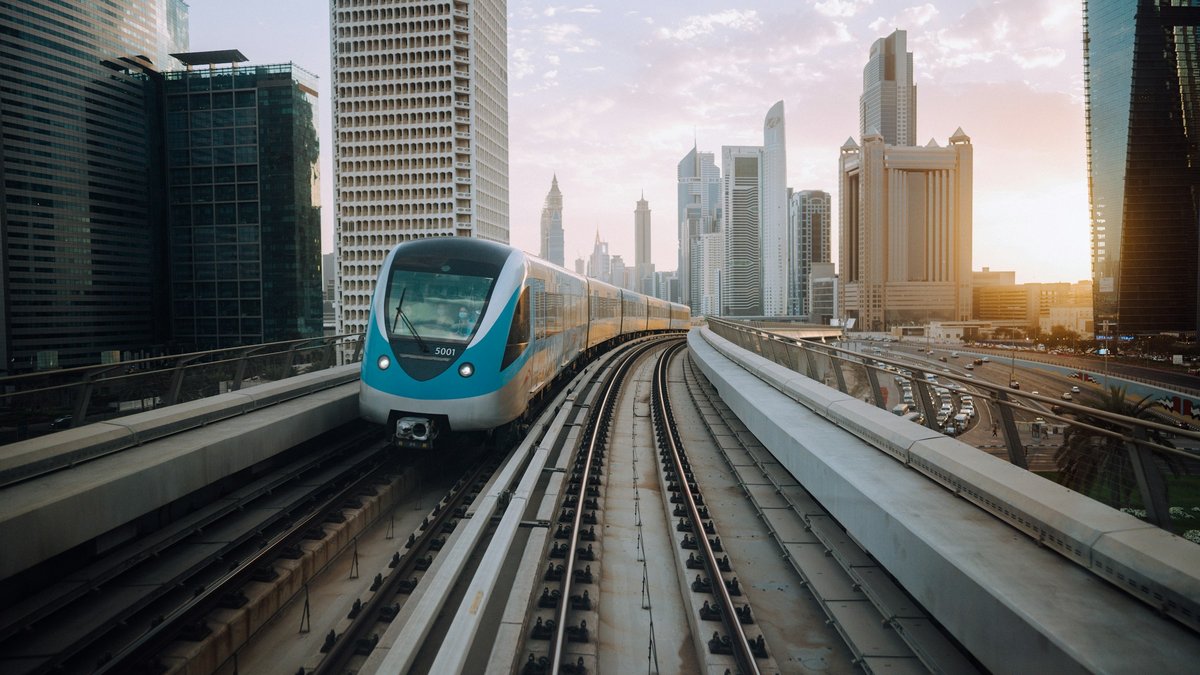
Metro Red Line covers most tourist stops: Mall of the Emirates, Dubai Mall, Burj Khalifa station. Load a silver Nol card (25 AED, ~$7) at any station. Uber and Careem fill the gaps. The city was built for cars, not walking: distances are enormous and summer heat makes even two blocks punishing.
Read the full answer → -
How to get there
Dubai International (DXB), 5 km from Downtown, is Emirates' home base with nonstop service to over 130 cities. From the US East Coast, expect 13-14 hours direct at $650-1,200 round-trip; from London, 7 hours nonstop on Emirates or BA at £350-700. Al Maktoum (DWC), 37 km south, handles limited passenger flights and cargo.
Read the full answer → -
Is it safe?
Dubai scores 8.5/10 for solo safety (see the TTDI Solo-Safety Index), placing it among the safest large cities a solo traveller can choose. Street crime against visitors is rare, even well after midnight. The real hazards are UAE law, summer heat, and fast multi-lane roads. LGBTQ+ travellers face criminal law, and we rate the city 0.5/10 for LGBTQ+ friendliness (sourced from TTDI's editorial rubric). Police are on 999.
Read the full answer → -
Language basics
Arabic (Gulf Arabic specifically) but English runs Dubai more than Arabic does in practice. Roughly 85% of residents are expats, so you'll hear Hindi, Urdu, and Tagalog on the Metro as much as Arabic. English proficiency in tourist zones sits around 8/10. Most signage is bilingual. You can navigate this city entirely in English without a single awkward moment.
Read the full answer → -
Layover guide
Yes, if your connection is six hours or longer. The Dubai Metro Red Line runs from DXB Terminals 1 and 3 to Downtown Dubai in about 35 minutes. Most nationalities enter visa-free for 30 days. The window is tight, so pick one zone. The Burj Khalifa district delivers air-conditioned comfort, while Deira's Gold Souk has more texture.
Read the full answer → -
LGBTQ-friendly
Dubai scores 0.5/10 for LGBTQ+ friendliness (sourced from TTDI's editorial rubric). UAE federal law criminalizes same-sex relations, and the legal environment extends to visitors regardless of nationality. There is no visible queer scene. Same-sex couples must maintain complete discretion in all public and semi-public settings.
Read the full answer → -
Where locals go
Dubai residents eat late-night karahi at Ravi Restaurant in Al Satwa, queue for Friday biryani in Al Karama, and spend Saturday mornings at Alserkal Avenue in Al Quoz. The Mohammed Bin Rashid Library in Al Jaddaf is free and quiet, worth knowing for work blocks. Kite Beach fills at dawn. JBR Walk and Downtown draw mostly tourists.
Read the full answer → -
Must-see
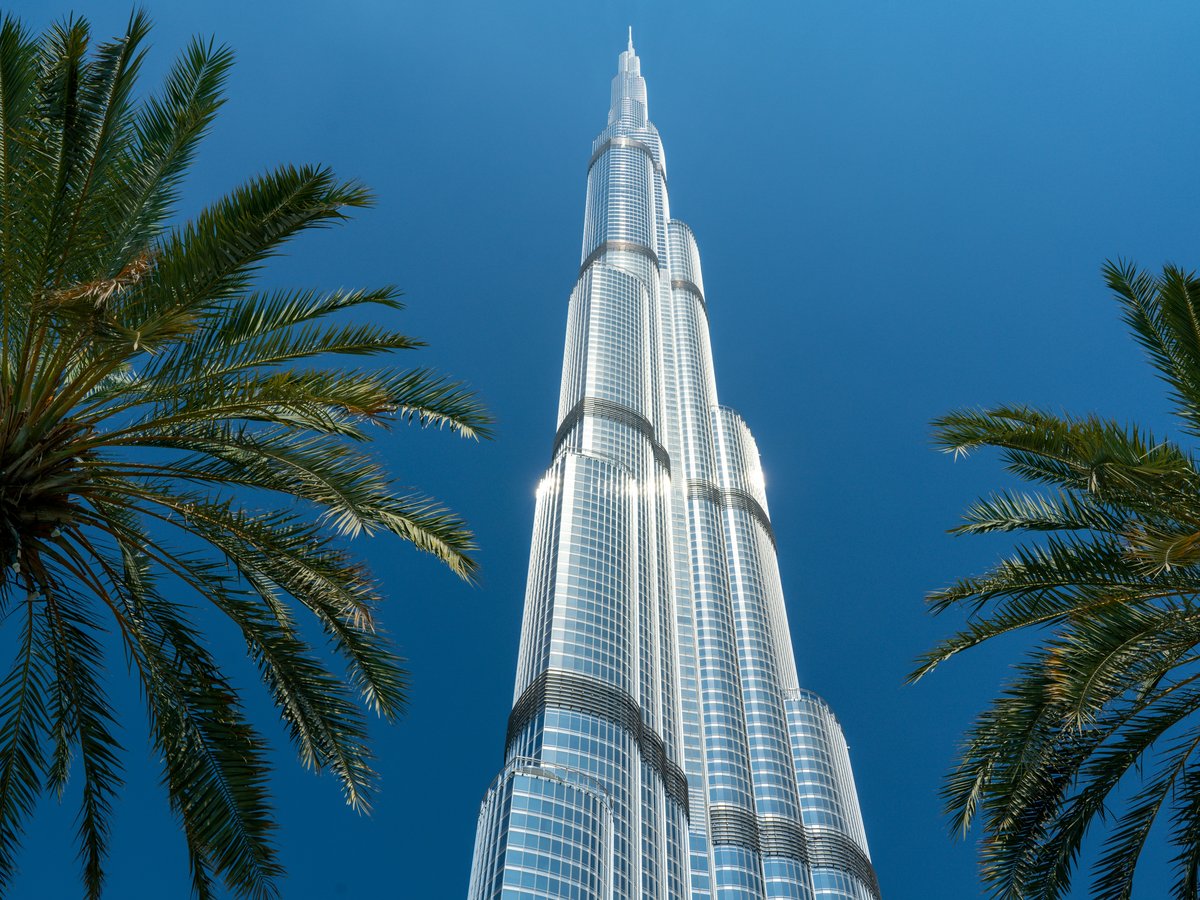
The Burj Khalifa observation deck at sunset. Book the 124th-floor At the Top slot for roughly 5:30pm in winter or 6:30pm in summer; you watch the desert horizon go copper while the city switches on 452 metres below your feet. Online tickets run 149 AED (about $41). Book two days ahead; walk-ups sell out by noon.
Read the full answer → -
Solo travel
Dubai ranks well for solo travel: extremely safe, well-connected by metro, and solo dining is normal at food halls across the city. The challenge is social: Dubai's car-centric layout and mall culture make spontaneous encounters harder than in walkable cities. Budget travelers will find fewer hostel options than Southeast Asia.
Read the full answer → -
This week
Dubai's weekend falls on Saturday and Sunday, with Friday nights filling bars across Dubai Marina and DIFC. The weekly ritual is Friday brunch, a 3-to-4-hour hotel affair that locals plan around. In peak summer, 34°C with 65% humidity feels closer to 42°C, so outdoor plans work before 8am or after 8pm only. The rest of the day belongs to air conditioning.
Read the full answer → -
3-day itinerary
Day 1 walks Old Dubai: Al Fahidi at dawn, abra across the Creek, Deira's spice and gold souks. Day 2 goes vertical in Downtown: Dubai Frame, Burj Khalifa, the fountain show at dusk. Day 3 heads west to JBR Beach and Palm Jumeirah by monorail. About 60 kilometres total, mostly taxi and metro between outdoor stops.
Read the full answer → -
What to avoid
Skip budget desert safaris, the Gold Souk's perfume-stall hard sell, and photo-menu restaurants near JBR Walk. Dubai's legal code punishes swearing, public affection, and unconsented photography with steep fines or detention. June through September brings 45°C heat with suffocating humidity that limits outdoor plans to early morning. Same-sex relations remain criminalized under UAE federal law.
Read the full answer → -
What to pack
Lightweight, loose clothes covering shoulders and knees: Dubai Mall, the metro, and every mosque enforce dress codes, and staff will turn you away. Pack a jacket for indoor AC that runs at 18-20°C year-round. Closed-toe shoes for mosque visits, thick-soled sandals otherwise. Wide-brimmed hat and SPF 50: UV index stays above 10 most months. Leave the umbrella; buy sunscreen locally at LuLu for half the US price.
Read the full answer → -
Where to stay
Downtown Dubai between the Burj Khalifa and Dubai Mall for first-timers: you're on the Red Metro line, inside walking distance of the fountain show, and mid-range hotels run $130–220. Dubai Marina if you want beach and restaurants without resort prices ($100–170). Deira for budget stays near the Creek and the gold souk ($40–80).
Read the full answer →
Deep guides for Dubai
-
Best Time to Visit Dubai, by Season
Dubai's calendar splits into two realities: a four-month winter where 24°C days make outdoor life possible, and an eight-month arc where the mercury climbs toward 41°C and the city turns inward. This is the month-by-month case for when to book, and when to stay away.
Read the guide → -
Dubai Restaurants: What's Worth It
A tier-by-tier verdict on twelve Dubai restaurants: five destination kitchens worth planning the visit for and five neighbourhood spots that feed you without ceremony, each named with who they suit and when to go.
Read the guide →
Curated lists for Dubai
accommodation
-
Best boutique hotels
Dubai splits into neighborhoods that read nothing alike depending on which side of Sheikh Zayed Road you book. The Marina and its surrounding districts stack hotels above a waterfront promenade where beach access and nightlife share the same block. The Palm is an island unto itself, resort-locked and separated from the city by a monorail. Al Barsha sits behind Mall of the Emirates, quiet and practical on the Red Line. Media City and Al Thanyah 5 bracket the JBR beachfront from the inland side, mixing work-district calm with sand proximity and lower rates. Al Twar 1, near Deira City Centre, belongs to old Dubai: closer to the Creek, cheaper, and rooted in the city's commercial spine rather than its resort corridor. Al Wasl, Burj Khalifa, Business Bay, and Downtown Dubai form a dense central cluster around the canal and the tower, each with a different price floor and a different relationship to the Dubai Mall corridor. These 10 neighborhoods cover the full range, from $82 budget beds in Downtown to $162 mall-adjacent mid-range rooms in Al Barsha.
See the picks → -
Best hostels
Dubai spreads along a coastline where old creek neighborhoods and glass-tower corridors sit within the same metro system but feel like different cities. For hostel travelers, the distinction matters: Deira and Bur Dubai keep prices low and put you near souks, abra crossings, and street food that costs less than a metro ticket. The Sheikh Zayed Road corridor runs higher per night but drops you beside the Museum of the Future and the DIFC galleries. Al Barsha trades waterfront character for proximity to Mall of the Emirates, and the airport district works for short layovers when you need a bed more than a neighborhood. Budget beds start around $25 a night in Bur Dubai's textile quarter and climb past $68 near the creek's newer towers at Port Saeed. The gap between those figures buys you location, not luxury; the difference is whether you wake up to souk noise or highway hum. Pick a neighborhood first, then a room; in Dubai the area shapes the trip more than the thread count.
See the picks → -
Best luxury hotels
Dubai's luxury hotel market runs deep, from downtown towers to resort compounds and beachfront addresses along the coast. The city trades in scale and finish; the question for a visitor is not whether the hotel will be polished but which version of polished suits the trip. A family booking windsurfing and kids' club access is shopping in a different aisle from a solo traveler after a design-led suite with a fountain view. Rates span from USD 218 to USD 1464, and the spread reflects genuine differences in format: city hotels threaded through shopping districts, self-contained resorts with private beaches and water parks, and villa compounds with private pools and butler service. The 12 hotels below were selected from Trip.com's luxury-tier listings and ranked by a combination of guest rating, amenity depth, and editorial judgment about which properties earn their rate. Every factual claim is sourced from the booking platform's own data.
See the picks → -
Where to stay
Dubai spreads its hotel inventory across a wider geography than most visitors expect. The older trading quarters along Dubai Creek, Deira and Bur Dubai, stack budget beds within walking distance of gold souks and abra crossings. South and west, the Al Barsha corridor sits near Mall of the Emirates, offering mid-range rates with metro access for travelers who navigate the city by rail. The Marina towers and Palm Jumeirah occupy the coastline, where nightly rates climb with proximity to private beach access. Between these poles sit quieter residential pockets like Al Hudaiba, where rates stay low and the walk to La Mer beach is short. The airport zone serves a single purpose and does it without pretense. This is not a city that rewards staying in one neighborhood for a week; the metro and taxis connect these clusters fast enough that location is less about what you can walk to and more about which version of Dubai you want outside your window: creek boats or marina yachts, gold souk haggling or beachfront lounging. The ten neighborhoods below are ordered by hotel density, and each one carries a different answer to that question.
See the picks →
attractions
-
Best free attractions
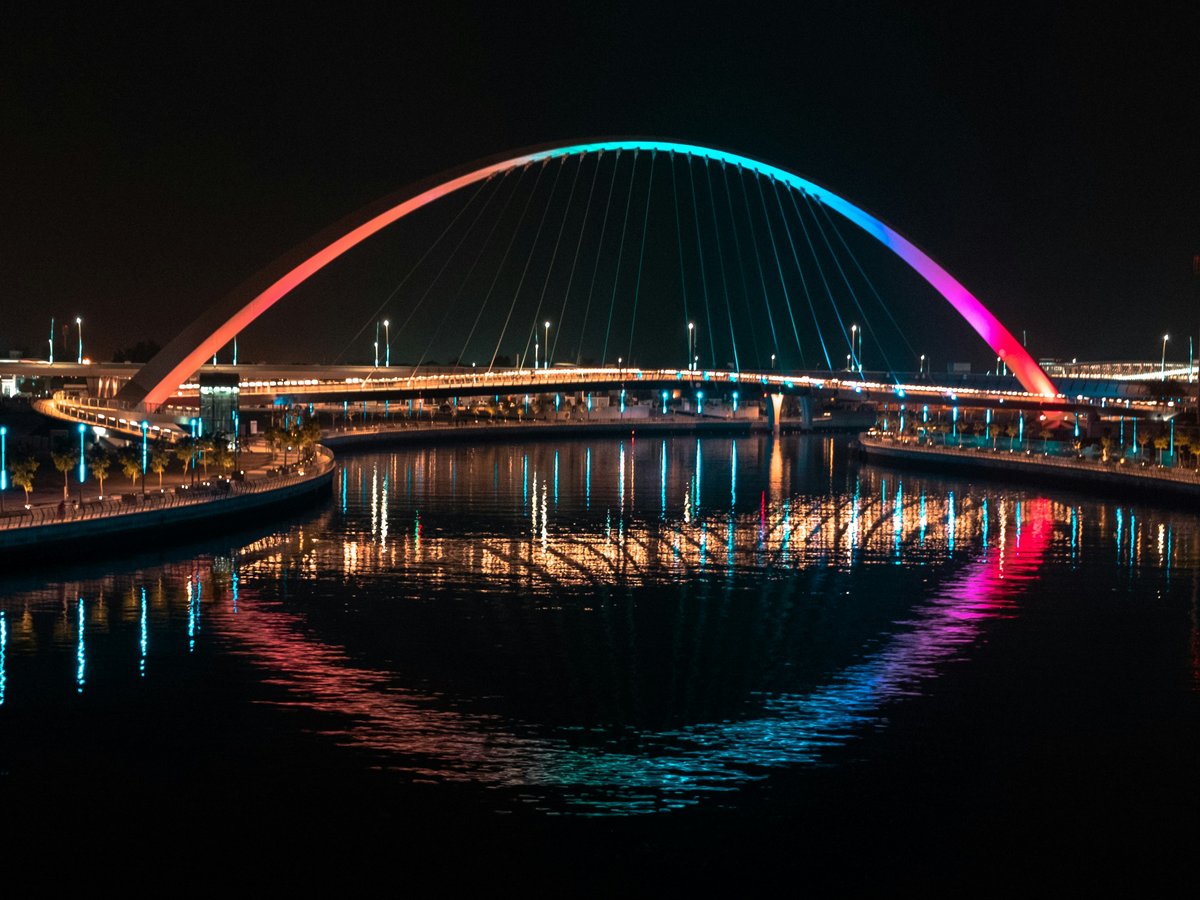
The price tags in Dubai are part of the experience, which is why a list of free or low-commitment outings ends up being, mostly, a list of green space. Eleven of these twelve entries are parks or gardens, ranging from a neighbourhood park dated to 1975 to a downtown park dated to 2010, and the twelfth is a roundabout you will probably pass whether you mean to or not. This list is for the visitor with an unplanned afternoon, the family that needs somewhere for the children to run, and anyone who has had enough of air-conditioned atriums. One caution first: our sources confirm where these places are and, for some, when the gates open, but they do not confirm what each one charges at the door, so check before you go, especially at the two big attractions ranked first and third. Two entries are listed in their own records as parks in Sharjah Emirate, which is worth knowing before you hail a taxi. Go early or go late, because no park waives the midday sun.
See the picks → -
Best museums
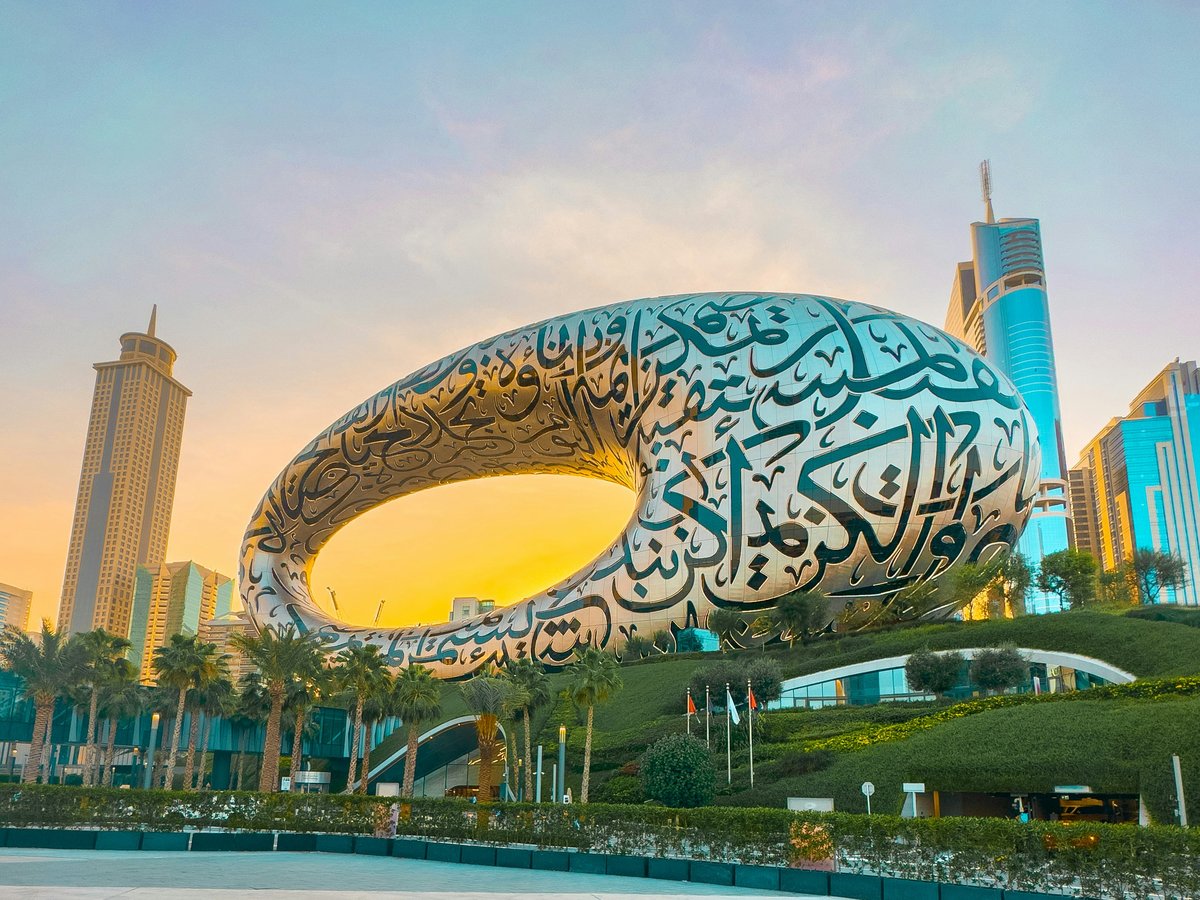
Most of Dubai's museums are younger than you might expect: the one Wikidata calls the main museum of Dubai dates from 1971, and the Museum of the Future dates from 2022. This list runs between those two points and does not keep to one template. One entry is a neighbourhood in Dubai and not a single building, one is a wax-work museum, one is a museum given to a single poet, and another is an art museum whose own name places it in Sharjah. Read it as a set of choices for different kinds of visitor: if you are a first-timer who wants the city's story, start at the top; if you are a repeat visitor who wants one narrow subject done properly, look further down. Where we could verify opening hours, we give them; where we could not, we say so and point you to the museum's own website, because opening hours change and a wasted taxi ride in the afternoon heat is a poor way to spend a day.
See the picks → -
Must-see attractions
Dubai's must-see list is a young one, and not all of it is glass. The Burj Khalifa dates from 2004 and the Dubai Frame from 2018; the off-road centre in Dubai Design District dates from 2025, and one tower on this list is still under construction. Between the landmarks are the places that keep the city running day to day: a fish, vegetable and meat market in Deira, a Catholic church, a mosque in Al Safa 1, and a Russian Orthodox church just over the line in Sharjah Emirate. We put this together for two kinds of visitor: the first-timer who wants the famous skyline and something beyond it, and the returning visitor who has seen the towers and wants to know what else is here. Read it as a route through the city rather than a ranking of wonders: a famous sight, then a working one, then another famous one.
See the picks →
food
-
Best cafes
Dubai's cafe map is not one story. It is a specialty-espresso scene grafted onto a late-night-lounge tradition, then wrapped around design campuses, mall boutiques, canal walks, showrooms and residential blocks where the cafe is the closest thing to a public living room. The twelve rooms below span that whole range: one is a coffee-only counter that shuts at midnight on weekdays, another runs a strict Monday-to-Friday shift for commuters, several stay open past 22:00 to catch the walk-home crowd, and two never close at all. None of them are trying to be quiet European cafes and it is a mistake to judge them on that measure. A few serve espresso and nothing else; others hand you a menu that starts at breakfast pastry and finishes at burgers, kebabs and sandwiches at 23:59. Read each entry for the room the address opens onto and the hours that decide when the visit belongs in your day.
See the picks → -
Best restaurants
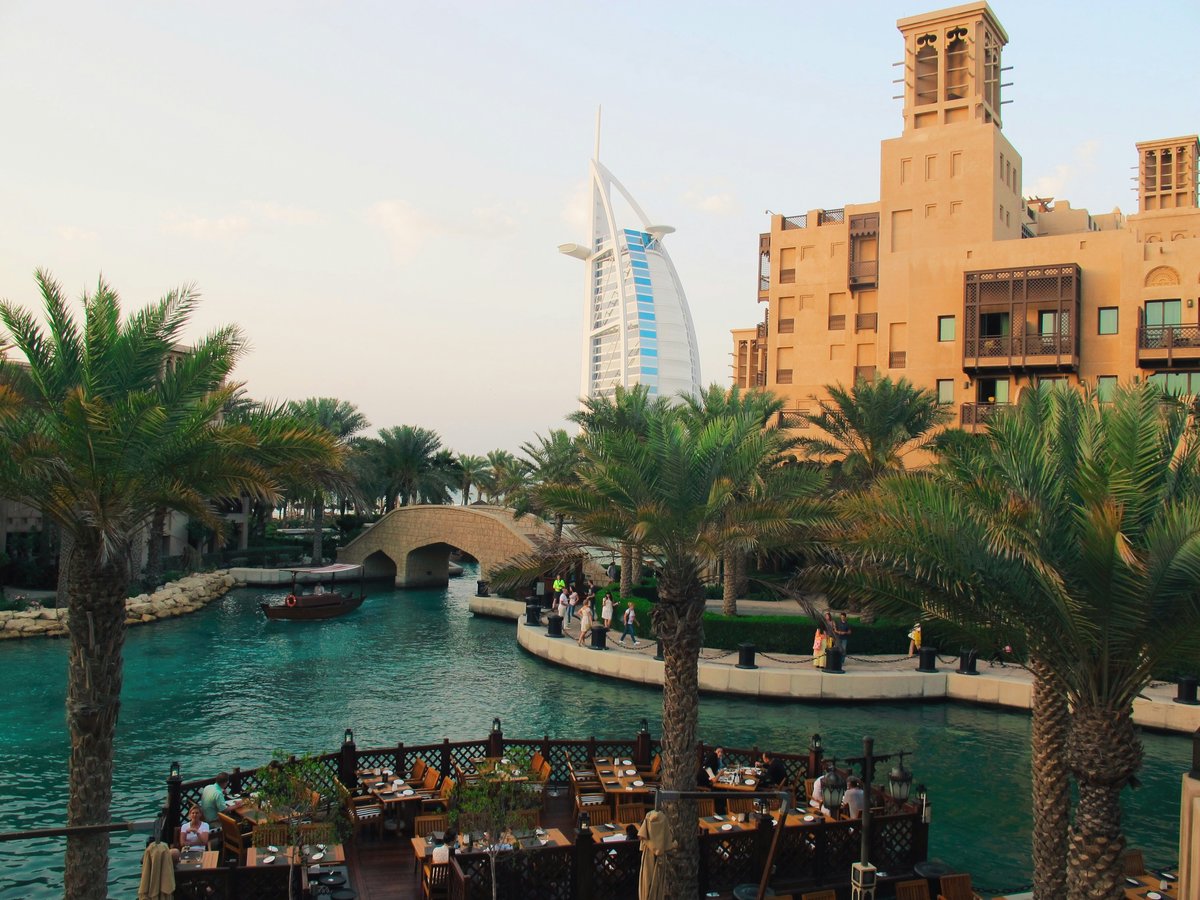
Dubai eats across every register at once: a French dining room in DIFC, a South Indian tiffin counter in Karama, a pizza window on the edge of Zabeel Park, a wings joint on Al Heeba Street, and the honest editor's job is not to pretend one style is more Dubai than another. The list below is twelve addresses drawn from the map itself, verified to real coordinates and real phone numbers, spread across DIFC, Design District, Al Hudaiba, Jumeirah 3, JBR, and the residential blocks off Sheikh Zayed Road. What ties them together is not a scene or a hashtag; it is that each one is where a specific hunger goes at a specific hour, from a fine-dining African kitchen open until 01:00 to a biryani counter that keeps a bucket on the pass until 23:30. Read for the address, the hour, and the cuisine: then go.
See the picks →
Browse by traveler type
- For foodies
Dubai for foodies
- For families with kids
Dubai for families
- For digital nomads
Dubai for digital nomads
- For solo travelers
Dubai for solo travelers
- For couples
Dubai for couples
- For budget travelers
Dubai on a budget
- For luxury travelers
Dubai for luxury travelers
- For first-timers
Dubai for first-time visitors
Book experiences in Dubai
 Free cancellation
 Dubai Self-Drive Quad Bike, Camels, Stargazing & 5* BBQ Al Khayma
Outdoor experience: 6 hours, free cancellation.
via Viator Free cancellation
 Dubai Premium Red Dunes Safari, Camels & 5* BBQ at Al Khayma Camp
Outdoor experience: 7 hours, free cancellation.
via Viator Free cancellation
 Dubai Desert Safari Dune Bashing, 60min ATV Quad, Camel Ride, BBQ
Outdoor experience: 7.5 hours, free cancellation.
via Viator Free cancellation
 Dubai To Abu Dhabi: Grand Mosque, Royal Palace & Etihad Tower
Day trip: free cancellation.
via Viator Free cancellation
 Dubai Marina Luxury Yacht Tour with Optional Breakfast or BBQ
Cruise: free cancellation.
via Viator Free cancellation
 Dubai Desert Safari - Sandboarding, Quad Bike & BBQ Options
Outdoor experience: free cancellation.
via Viator Free cancellation
 Dubai Evening Red Dunes Safari, Quad Bike, BBQ & Premium Camp
Outdoor experience: free cancellation.
via Viator Free cancellation
 Dubai Evening Desert Safari BBQ Dinner & Transfer to Noble Camp
Outdoor experience: free cancellation.
via Viator Free cancellation
 Dubai Old and Modern City Tour with Blue Mosque Visit
Day trip: free cancellation.
via Viator Free cancellation
 Dubai Aladdin Tour: Souks, Creek, Old Dubai and Tastings
Day trip: 3 hours, free cancellation.
via Viator Free cancellation
 Abu Dhabi Full-Day Sightseeing Tour from Dubai with Mosque Visit
Day trip: 9 hours, free cancellation.
via Viator Free cancellation
 Dubai Desert Safari, Dune Bashing, Camel Ride, Sandboarding & BBQ
Outdoor experience: 6 hours, free cancellation.
via ViatorBrowse by interest
Compare Dubai with
Find a flight to Dubai
Live fares to Dubai appear here once cookies are accepted.
Last verified by automated review (v1.7.1) on . What is automated review?