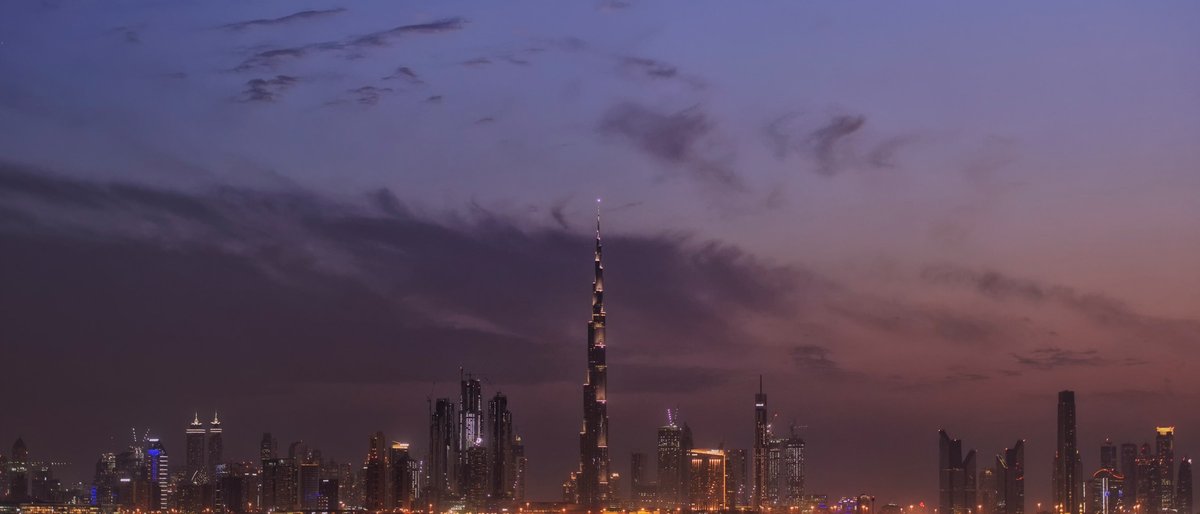
Dubai sits where the Arabian Desert meets the warm, shallow waters of the Arabian Gulf, and that tension between sand and sea defines the outdoor experience here. Most people picture the skyline, the malls, the artificial islands. Fair enough. But spend a morning cycling the Al Qudra desert tracks at dawn, or paddle through the mangrove channels near Ras Al Khor with flamingos picking through the mudflats thirty meters away, and the city starts to feel different. The outdoors here is seasonal in a way that catches newcomers off guard. From roughly November through March, the weather is pleasant: mid-20s Celsius, dry air, light wind off the Gulf. You can hike, cycle, camp in the desert, spend whole days outside without thinking much about it. Then May arrives and the temperature crosses 40°C with humidity that can sit above 80 percent near the coast. Outdoor activity shifts to pre-dawn or after sunset, and even then you're sweating through your shirt in minutes. The Hajar Mountains, about ninety minutes east toward Hatta and the Ras Al Khaimah border, offer the closest thing to proper hiking terrain: rocky wadis, elevation, and temperatures that run a few degrees cooler than the coast. The desert interior has its own appeal, the dune fields around Al Qudra and Lahbab, where the sand turns that deep orange-red color in late afternoon light. It's not a place that hands you its outdoor character immediately. You have to work around the climate, pick your windows, and know where to look.
Outdoor activities
-
Desert Fat Biking at Al Qudra
The Al Qudra cycling track is a roughly 86-kilometer loop through flat desert terrain southwest of the city, and it's become the default weekend ride for Dubai's cycling community. The paved track is popular, but the real draw for adventure types is going off-road on fat bikes into the surrounding dune fields. The sand is firm enough in the cooler months that wide tires handle it well, and you'll ride past the Al Qudra Lakes where migratory birds gather. Early morning rides (starting before 6am) give you the best light and the coolest temperatures. There are no facilities once you leave the main track, so carry everything you need.
- Difficulty
- Moderate (off-road dunes require fitness and bike handling)
- Duration
- 2-4 hours depending on route
- Best season
- November through March
-
Sandboarding in the Lahbab Desert
The red dunes near Lahbab, about 45 minutes south of the city, are some of the tallest accessible dunes in the Dubai emirate. Sandboarding here is less polished than snowboarding: the sand is slower, the falls are softer, and you spend a lot of time hiking back up. But the dunes reach heights of around 100 meters in places, and sliding down a steep face with nothing but open desert in every direction has its own particular satisfaction. You can rent boards from operators in the area or bring your own. Go in the late afternoon when the sand cools slightly and the light turns golden.
- Difficulty
- Easy to moderate (the hiking up is the hard part)
- Duration
- 2-3 hours
- Best season
- October through March
-
Dune Bashing and Desert Driving
This is Dubai's signature adrenaline activity, and it's exactly what it sounds like: driving a 4x4 at speed over dune ridges. The Lahbab and Al Faya desert areas south of the city are the main spots. You can book guided experiences or, if you have a proper 4WD with deflated tires and actual off-road experience, go independently. The sensation of cresting a dune blind and dropping into the trough on the other side is thrilling, if slightly terrifying. Worth noting that getting stuck is part of the experience: carry a recovery kit, travel in convoy, and tell someone where you're going.
- Difficulty
- Moderate to difficult (requires proper vehicle and skill if self-driving)
- Duration
- Half day
- Best season
- October through April
-
Skydiving Over the Palm Jumeirah
Tandem skydiving over the Palm is one of those activities that sounds like pure tourist spectacle, and honestly, it partly is. But dropping from 13,000 feet with the entire Dubai coastline laid out below you, the Palm's fronds spreading against the turquoise Gulf water, is a perspective you cannot get any other way. Skydive Dubai operates from two drop zones: the Palm and the desert campus near Dubai South. The desert drop zone tends to be less expensive and the views are surprisingly stark and beautiful in their own way, all dune patterns and empty quarter stretching south.
- Difficulty
- Easy (tandem jump, no experience needed)
- Duration
- About 30 minutes total, 60 seconds freefall
- Best season
- Year-round, though summer jumps happen very early morning
-
Rock Climbing at Hatta
The Hajar Mountains around Hatta offer the only real rock in the Dubai emirate. The terrain is mostly sedimentary and volcanic (limestone and ophiolite) with some bolted sport routes and plenty of bouldering problems on the roadside crags along the road to Hatta Dam. The climbing community is still relatively small compared to European destinations, but it's growing. The rock quality varies: some of it is solid and featured, some crumbles under your fingers. Test your holds. A few operators run guided climbing days that include the approach and gear, which is worth considering if you don't know the area.
- Difficulty
- Moderate to difficult depending on route grade
- Duration
- Full day trip from Dubai
- Best season
- November through February
-
Kite Beach Kite Surfing
Kite Beach, just south of the Burj Al Arab along Jumeirah's coast, lives up to its name. The wind patterns here are surprisingly consistent from January through April, with the shamal wind blowing cross-onshore in the afternoon. The water stays warm year-round (even in January it rarely drops below 22°C) so you don't need a thick wetsuit, just something light to prevent rash. Several schools operate right on the beach with gear rental and instruction. The learning curve is steep for the first few sessions, but once you're up and riding, the flat, warm water makes Dubai one of the more forgiving places to practice.
- Difficulty
- Moderate to difficult (steep initial learning curve)
- Duration
- 2-3 hour sessions
- Best season
- January through April for consistent wind
Day hikes
-
Hatta Mountain Trails
Hatta is Dubai's mountain escape, roughly 130 km east of the city center in the Hajar foothills. The area now has several marked hiking trails graded by difficulty, maintained as part of the Hatta tourism development. The terrain is rocky, dry, and surprisingly rugged: exposed ophiolite and limestone with loose scree on steeper sections. Trails wind through wadis and along ridgelines with views over Hatta Dam's blue-green reservoir. The shortest loops take an hour or so, while longer routes push toward half a day. Bring more water than you think you need: there's no shade on most sections and the reflected heat off the rock adds up quickly. Trail markers are generally reliable but carry a GPS track as backup.
- Difficulty
- Easy to difficult depending on trail choice
- Duration
- 1-5 hours depending on the route selected
- Best season
- November through March
-
Wadi Shawka Trail
Technically in Ras Al Khaimah emirate, but about 90 minutes from Dubai, Wadi Shawka is one of the more accessible wadi hikes in the northern UAE. You follow the wadi bed upstream over smooth river-polished rock, through narrow sections where the walls close in, past occasional pools that hold water well into the dry season. The pools range from ankle-deep puddles to waist-deep plunge pools depending on recent rainfall. The rock underfoot can be slippery when wet. After rain the wadi comes alive briefly (small waterfalls, running water, green moss on the rocks) but this is rare and unpredictable. Most of the time it's dry and hot, which has its own austere appeal.
- Difficulty
- Moderate (rocky terrain, some scrambling, route-finding in upper sections)
- Duration
- 3-5 hours round trip
- Best season
- November through February
-
Jebel Jais Viewing Deck Trail
Jebel Jais is the UAE's highest peak at 1,934 meters, located in Ras Al Khaimah about two hours from Dubai. The road up is paved and dramatic: switchbacks climbing through bare mountain terrain with views that open up as you gain elevation. Several marked trails start near the upper parking areas and viewing platforms. The air up here is noticeably cooler than the coast, sometimes by 10-15 degrees, and on clear winter mornings you can see both the Gulf of Oman and the Arabian Gulf. The terrain is rugged limestone and the trails are rocky but well enough marked. Mind you, the altitude difference from sea-level Dubai means even fit hikers notice the change on steeper sections.
- Difficulty
- Moderate (elevation, rocky terrain, some exposure)
- Duration
- 2-4 hours for the main trails
- Best season
- October through March
-
Hatta Wadi Hub to Dam Walk
A more accessible option in the Hatta area, this walk connects the Hatta Wadi Hub activity center to Hatta Dam along a marked route. The terrain is relatively gentle compared to the mountain trails: packed earth and gravel through low scrub with the dam reservoir coming into view as you approach. It's a good warm-up hike if you're not sure about the longer mountain routes, or a pleasant walk to combine with kayaking at the dam afterward. The Wadi Hub itself has mountain biking trails, a rope course, and gear rental, so you can make a full day of it.
- Difficulty
- Easy
- Duration
- 1-2 hours one way
- Best season
- October through April
Water activities
-
Kayaking at Hatta Dam
Hatta Dam sits in a narrow valley between barren mountain walls, and paddling across its still, blue-green water is one of the more visually striking outdoor experiences near Dubai. You can rent single or double kayaks and pedal boats at the dam. The water is calm (no current to speak of) so it's suitable for beginners. The appeal is the setting: sheer rock walls rising directly from the water, the sound carrying across the surface, and a quiet that feels very far from the city despite being part of the same emirate. Go on a weekday morning if you can: weekends get busy, in the cooler months.
- Difficulty
- Easy
- Duration
- 1-2 hours
- Best season
- October through April
-
Mangrove Kayaking at Al Jubail Island (Abu Dhabi border area)
Several operators run kayaking tours through the mangrove channels that fringe parts of the coast between Dubai and Abu Dhabi. The mangroves form dense, low canopies over tidal channels: you paddle through tunnels of green with the water slapping against the roots and small fish darting below the hull. It's surprisingly peaceful and feels almost tropical despite the desert just beyond the tree line. You might spot herons, kingfishers, and the occasional small shark in the shallows. The tides matter here: at low tide some channels become too shallow to navigate, so timing your trip is important.
- Difficulty
- Easy to moderate (tidal navigation)
- Duration
- 2-3 hours guided
- Best season
- October through April
-
Stand-Up Paddleboarding on the Gulf Coast
The Arabian Gulf along Dubai's coast is warm, calm, and generally flat: ideal paddleboarding water for most of the year. Kite Beach, JBR beach, and the Palm Jumeirah's inner crescent all have SUP rental spots. Early mornings are best: the water is glassy before the wind picks up, and in winter months the sunrise over the skyline from the water is worth the early alarm. The water stays above 20°C even in January. Watch for jet skis and boat traffic near the marina areas: the calmer stretches along Jumeirah's open beach give you more room to find your balance.
- Difficulty
- Easy (calm, warm water)
- Duration
- 1-2 hours
- Best season
- Year-round, early mornings best in summer
-
Open Water Swimming at Jumeirah Beach
Dubai's public beaches along the Jumeirah coast offer warm, generally calm open water swimming. The beach at JBR and the stretch near Kite Beach are the most popular spots, with lifeguards on duty and buoyed swim zones. The water is shallow for a long way out: you can wade chest-deep for 50 meters before it drops off. Visibility is decent but not crystal clear, more a greenish-blue. In summer the water temperature can hit 35°C, which feels more like a warm bath than a refreshing swim. The cooler months are more pleasant for distance swimming, and a few informal open-water swimming groups meet at sunrise along this coast.
- Difficulty
- Easy (sheltered, warm, lifeguarded beaches)
- Duration
- As long as you like
- Best season
- October through May for comfortable temperatures
-
Fishing Charters from Dubai Marina
Deep sea fishing charters run out of Dubai Marina and Jumeirah harbour year-round, heading into the Gulf for kingfish, barracuda, sailfish, and hammour (the local grouper that shows up on every Emirati restaurant menu). Half-day trips typically head 15-30 km offshore to fishing grounds over reef structures. The motion of the Gulf is generally mild (nothing like open ocean swells) but it can get choppy when the shamal wind blows from the northwest. The catch-and-release ethic varies by operator, so ask before you book if that matters to you. The best fishing is reportedly during the cooler months when water temperatures drop and fish are more active.
- Difficulty
- Easy (crew handles the technical aspects)
- Duration
- 4-8 hours
- Best season
- November through April for best catches
Parks & gardens
-
Ras Al Khor Wildlife Sanctuary
FreeThis protected wetland sits at the inland end of Dubai Creek, and it's surprising: a pocket of mangroves, mudflats, and shallow lagoons surrounded by highways and construction. The draw is the flamingos. Hundreds of greater flamingos winter here, picking through the shallows in improbable pink clusters while traffic rumbles past on Sheikh Zayed Road. Three free hides provide viewing points with binoculars mounted on posts. The smell of salt marsh and warm mud hits you as you approach, and the bird calls carry surprisingly well over the ambient city noise. You might also spot grey herons, black-winged stilts, and reef herons if you're patient.
Highlights: Free flamingo hides, migratory bird watching, mangrove ecosystem within the city
-
Mushrif Park
One of Dubai's older parks, out in the Mirdif area, and it feels different from the manicured downtown green spaces. There's actual rough terrain here: walking trails through ghaf tree woodland, the native desert tree that used to cover this whole region. The park covers about 125 hectares, and the further you walk from the entrance, the quieter it gets. The international village section with model houses from different countries is a bit dated, but kids tend to like it. The equestrian center on the grounds hosts riding sessions. The ghaf woodland has a particular dry, resinous smell that's quite specific to the Gulf region.
Highlights: Ghaf tree woodland trails, equestrian center, swimming pool, model international village
-
Safa Park
Safa Park has been a neighborhood fixture in Jumeirah since the 1970s, and it still feels like a genuine community space rather than a tourist attraction. The 64-hectare grounds have mature trees that provide real shade: unusual for Dubai. There's a running track around the perimeter that the local fitness crowd uses at dawn and dusk, a lake with pedal boats, and basketball courts that get competitive on weekend evenings. The grass areas fill up with families on Friday afternoons, barbecues going, kids running everywhere. It's the kind of park where regulars know each other.
Highlights: Jogging track, boating lake, mature tree canopy, barbecue areas, sports courts
-
Al Qudra Lakes
FreeTechnically these are man-made lakes fed by treated water in the desert near Al Marmoom, but the ecosystem that's developed around them is real enough. The lakes attract migratory birds (swans, flamingos, various wading species) and the surrounding desert scrub has drawn oryx and gazelle back to the area as part of a conservation reserve. Cycling or driving out here at sunrise, with the dunes catching the first light and birds moving across the still water, feels remote despite being maybe 40 minutes from Downtown. There are designated camping spots nearby, and the Love Lake (two connected heart-shaped pools) has become something of an Instagram fixture, for better or worse.
Highlights: Bird watching, desert cycling access, sunrise photography, designated camping areas nearby
-
Zabeel Park
Zabeel Park sits between Sheikh Zayed Road and the old neighborhoods around Karama, and it's one of the more interesting green spaces for what's there. The park covers around 47 hectares with a mix of open lawns, a boating lake, and the Dubai Frame (that enormous picture-frame structure) standing at the northern end. The jogging paths are well maintained and shaded in sections, and there's a cricket pitch that sees regular use. The park connects to the Dubai Garden Glow installation in the evenings during cooler months, which adds a strange nighttime dimension with illuminated structures.
Highlights: Dubai Frame views, jogging paths, boating lake, cricket pitch, garden glow evening installations
-
Quranic Park
FreeOut in Al Khawaneej, this is a unusual park built around plants mentioned in the Quran. The glass house contains desert species (olive trees, pomegranates, figs, date palms) in a climate-controlled environment, and the outdoor areas have interpretive gardens with labeled specimens. The cave exhibit uses light projections to illustrate stories. It's educational without being heavy-handed, and the landscaping is notably well done. The park tends to be quieter than the big-name spaces closer to downtown, which is part of its appeal. A splash park keeps younger visitors occupied.
Highlights: Botanical glass house, interpretive cave exhibit, splash park, themed gardens with labeled species
Practical tips
- Sun protection
- The UV index in Dubai regularly hits extreme levels (10 or 11 on the scale) even in winter months. This is not the kind of sun you can tough out. Wear SPF 50 minimum, reapply every 90 minutes, and consider UPF-rated clothing for extended outdoor time. A wide-brimmed hat is more useful than a baseball cap because it covers your neck and ears. Sunglasses with proper UV protection are essential, not optional. Sunburn can happen in as little as 15 minutes of direct exposure during midday, even if there's cloud cover.
- Hydration
- You lose water faster than you realize in Gulf humidity. Even on a mild 25°C winter day, you might go through 2-3 liters on a moderate hike. In warmer months, double that estimate. Carry more water than you think you need and start drinking before you feel thirsty: by the time thirst hits, you're already behind. Electrolyte tablets or powder are worth adding to your kit. Dehydration here creeps up because the sweat evaporates so fast you may not realize how much you're losing, when there's a breeze.
- Timing your outdoor activities
- Between May and September, outdoor activities need to happen before 8am or after 5pm. That's not a suggestion: it's a safety issue. Midday temperatures above 45°C with high humidity create genuine heat stroke risk. Even in the cooler months, starting early gives you better light, fewer crowds, and more comfortable conditions. Desert activities and hikes should begin at dawn whenever possible. The golden hour light in Dubai's desert is around 5:30-6:30pm in winter, which is worth planning around for photography.
- Desert and off-road driving
- If you're heading into the desert independently, deflate your tires to around 15 PSI for sand driving and carry a portable compressor to re-inflate before hitting tarmac again. Travel in a convoy of at least two vehicles, carry a tow rope and recovery boards, and share your location with someone who isn't in the convoy. Mobile phone coverage drops out quickly once you leave main roads. A full tank of fuel, a first aid kit, and extra water in the vehicle are basics, not extras. The desert looks similar in every direction once you're off-road: GPS navigation is essential.
- Hiking gear for Hajar Mountains
- The rock in the Hajar range is sharp and loose in places: proper hiking boots with ankle support and good grip are a real necessity, not a nice-to-have. Trail runners won't cut it on the steeper, scrabbly sections around Hatta and Wadi Shawka. Bring a basic first aid kit with blister treatment, and trekking poles help on the descents where loose gravel makes footing uncertain. The mountains have limited to no mobile coverage, so download offline maps before you set out and let someone know your planned route and expected return time.
- Cultural considerations for outdoor activities
- The UAE is relatively relaxed about outdoor clothing compared to some Gulf countries, but use common sense. At public beaches, standard swimwear is fine within the designated beach areas, but cover up when walking to and from the beach through public areas. During Ramadan, which moves through the calendar year, avoid eating, drinking, or smoking in public during daylight hours out of respect: this applies on trails and in parks too. Some outdoor areas near mosques or residential neighborhoods may have modest dress expectations posted at the entrance.
FAQ
What is the best time of year for outdoor activities in Dubai?
The sweet spot runs from November through March, when daytime temperatures sit between 20-28°C and humidity is manageable. October and April are shoulder months: still workable but noticeably warmer, in the afternoons. From May through September, serious outdoor activity is essentially limited to the pre-dawn hours or after sunset. That said, water sports in the Gulf are technically year-round since the sea stays warm, and some operators run very early morning summer sessions for activities like paddleboarding and kayaking.
Can you hike in Dubai, or do you need to leave the city?
For proper hiking with elevation and rocky terrain, you need to head to the Hajar Mountains: Hatta is the closest option at about 90 minutes by car, and Ras Al Khaimah's trails around Wadi Shawka and Jebel Jais are roughly two hours away. Within the city itself, you're limited to flat walking trails in parks and along the corniche. The Al Qudra cycling track offers long-distance walking on paved paths through desert terrain, but it's flat and exposed. The real hiking is in the mountains, and the drive is part of the day trip experience.
Is it safe to swim in the sea at Dubai's beaches?
Generally yes: the Gulf coast at Dubai has warm, calm water with a gentle slope and lifeguards at the main public beaches like JBR, Kite Beach, and La Mer. Rip currents are uncommon but not unheard of after storms. Jellyfish appear occasionally, more commonly in the warmer months between June and September. The bigger practical concern is the water temperature in summer: at 33-35°C it's not refreshing and offers little cooling benefit. Stick to the flagged and lifeguarded areas, and check posted conditions before swimming.
Do I need a permit to camp in the Dubai desert?
Casual camping in designated areas like the Al Qudra desert area near the Love Lakes is generally tolerated and popular with residents, on weekends during the cooler months. You don't currently need a formal permit for these spots, but you do need to follow leave-no-trace principles: pack out all rubbish, don't light fires directly on the sand, and use designated fire pits where they exist. For camping in protected conservation areas around Al Marmoom, specific rules apply and access may be restricted. Regulations can change, so check current guidance from Dubai Municipality before heading out.
How much water should I carry for a day hike near Dubai?
A minimum of 3 liters per person for a half-day hike in the cooler months, and that's a conservative starting point. For full-day mountain hikes in the Hatta or Ras Al Khaimah area, carry 4-5 liters minimum. There are no reliable water sources on the trails, no streams, no springs, no refill points. In the transitional months of October and April, increase these amounts by at least a liter. If you find yourself rationing water on a hike, turn around. Dehydration in this climate escalates from uncomfortable to dangerous faster than most people expect.
What outdoor activities can I do in Dubai during the summer months?
Your options narrow considerably but don't disappear entirely. Indoor climbing walls and gyms are the obvious fallback, but if you want to stay outside, early morning paddleboarding or kayaking before 7am works: the Gulf water is warm and the air is still relatively bearable at dawn. Some cycling groups run pre-dawn rides starting at 4:30am on the Al Qudra track. Night desert camping is also an option, though temperatures may still hover around 35°C after dark. Scuba diving continues year-round since water temperature at depth is more stable. Realistically, most outdoor enthusiasts in Dubai treat summer as the off-season and save the big adventures for October onward.
Outdoor experiences in Dubai
 Free cancellation
 Dubai Red Dunes ATV, Camels, Stargazing & 5* BBQ Al Khayma Camp
Outdoor experience: 6 hours, free cancellation.
via Viator Free cancellation
 Dubai Premium Red Dunes Safari, Camels & 5* BBQ at Al Khayma Camp
Outdoor experience: 7 hours, free cancellation.
via Viator Free cancellation
 Dubai Desert Safari Dune Bashing, 60min ATV Quad, Camel Ride, BBQ
Outdoor experience: 7.5 hours, free cancellation.
via Viator Free cancellation
 Dubai Desert Safari - Sandboarding, Quad Bike & BBQ Options
Outdoor experience: free cancellation.
via Viator Free cancellation
 Dubai Evening Red Dunes Safari, Quad Bike, BBQ & Premium Camp
Outdoor experience: free cancellation.
via Viator Free cancellation
 Dubai Evening Desert Safari BBQ Dinner & Transfer to Noble Camp
Outdoor experience: free cancellation.
via Viator Free cancellation
 Dubai Desert Safari, Dune Bashing, Camel Ride, Sandboarding & BBQ
Outdoor experience: 6 hours, free cancellation.
via Viator Free cancellation
 Dubai Morning Desert Safari with Quad Biking & More Activities
Outdoor experience: free cancellation.
via Viator Free cancellation
 Premium Desert Safari with BBQ Dinner - Dubai
Outdoor experience: 6 hours, free cancellation.
via Viator Free cancellation
 Premium Dubai Desert Safari with BBQ Dinner in the Red Dunes
Outdoor experience: 6 hours, free cancellation.
via Viator Free cancellation
 Dubai Evening Desert Safari BBQ Premium Camp & optional Quad Bike
Outdoor experience: 7 hours, free cancellation.
via Viator Free cancellation
 Dubai Self-Drive Dune Buggy 2-Hour Private Can-Am X3
Outdoor experience: free cancellation.
via ViatorLast verified by automated review (v1.7.1) on . What is automated review?