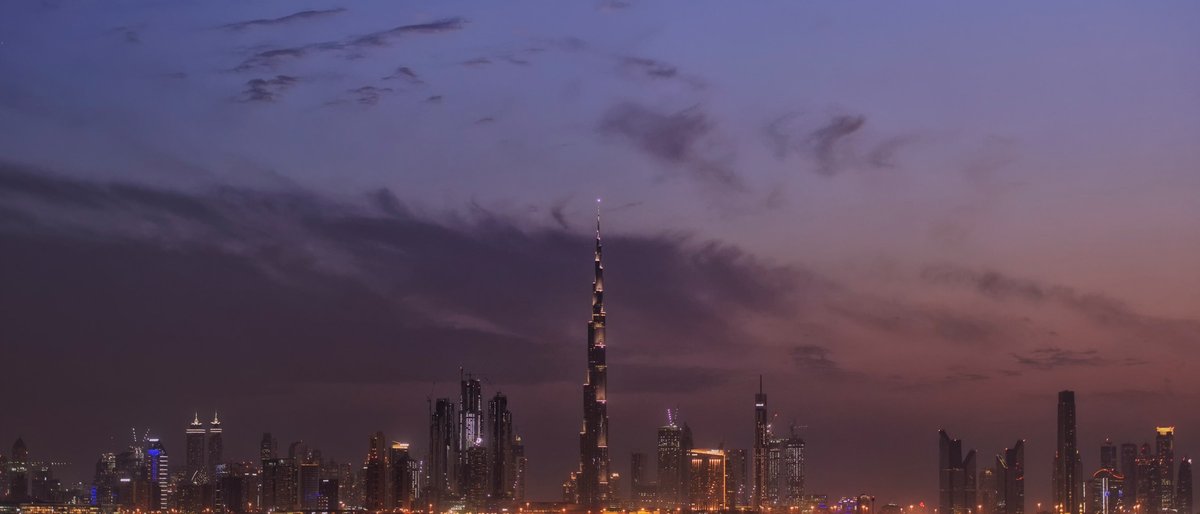
Is Dubai safe?
Dubai scores 8.5 out of 10 for solo-traveler safety (see the TTDI Solo-Safety Index). Violent crime against visitors is near zero. The real risks are legal, not criminal. Strict laws on alcohol, public behavior, drugs, and LGBTQ+ identity carry penalties from fines to imprisonment. Heat is the other hazard, with temperatures above 40°C from May through October. Dial 999 for police, 998 for ambulance.
Dubai reports violent-crime rates in line with Tokyo and Singapore, which makes it one of the safest large cities on earth for walking alone. Pickpocketing is rare. Bag-snatching is almost unheard of. I'd walk the Marina Walk promenade or JBR Beach at 2am without a second thought, and solo women report the same. The metro (Red and Green lines) runs until midnight on weekdays, 1am on Fridays, and every station has CCTV and security staff on the platforms. After metro hours, the RTA taxi app works reliably, and hailing from the street is fine too. Meters are mandatory and the starting fare is 12 AED, about 3.25 USD. You'll hear the call to prayer five times a day, smell shisha smoke drifting from cafes along Al Rigga Road in Deira, and feel the blast of air conditioning every time you step through a mall entrance. That thermal shock, from the outdoor heat to maybe 22°C inside, becomes the rhythm of your day.
The risks that matter in Dubai are legal, not physical. UAE federal law restricts alcohol to licensed hotel bars and restaurants. A beer at a hotel bar in Downtown Dubai runs 50-70 AED (14-19 USD). Visible intoxication in public, even while walking back to your hotel, can technically result in a fine or detention. Drug laws carry a mandatory minimum of 4 years for possession of any quantity, including trace amounts on clothing or in bloodwork. Prescription medications containing codeine, tramadol, or certain anti-anxiety compounds need a translated prescription and prior approval from the Ministry of Health. Cohabitation outside marriage was decriminalized in 2022, but public displays of affection beyond hand-holding still draw fines. The cybercrime law (Federal Decree-Law No. 34 of 2021) makes it an offense to photograph people without consent or to post content deemed offensive to public morals on social media. Dubai's LGBTQ+ friendliness scores 0.5 out of 10 (sourced from TTDI's editorial rubric). Same-sex relations carry criminal penalties under UAE federal law, and LGBTQ+ travelers face real legal risk that no amount of discretion fully mitigates.
Right now in August, the temperature sits at 38.9°C with a feels-like of 42°C and 36% humidity. Heat is the most common medical issue for visitors during the summer months. The air feels thick even after sunset, and the concrete radiates stored warmth well past midnight. Carry water everywhere. The malls become your daytime refuge. Ibn Battuta Mall, Mall of the Emirates, and Dubai Mall (beside the Burj Khalifa) all have reliable AC and free entry. Solo women traveling in Dubai report feeling safer than in most major Western cities. Modest dress is expected in public spaces outside beach areas and hotel pools. Cover shoulders and knees at the older souks in Deira, the Gold Souk and Spice Souk, and in residential neighborhoods like Al Barsha. The Dubai Metro has a designated women-and-children cabin at the front of each train. Women-only taxis (pink-roofed) are bookable through the RTA app. Mind you, some harassment does get reported around the Naif area in Deira after dark, and solo women mention unwanted attention near the bus stations at Al Ghubaiba.
Solo travelers meet people here more easily than the city's car-dependent layout suggests. Dubai is roughly 85% expatriates, which means most people arrived without a social network and built one from scratch. Check Meetup.com for weekly groups in JLT (Jumeirah Lakes Towers), Barsha Heights, and DIFC. The Dubai Marina and JBR promenade have a walkable, sociable energy in the cooler evening hours. Cafes stay open late. You'll find yourself at shawarma counters in Karama where the smell of grilled lamb and garlic paste hangs in the warm air, and nobody cares that you're eating alone. The Museum of the Future (opened 2022) and the Dubai Frame (opened 2018) draw solo visitors who linger and talk. Viator's small-group desert safaris and dhow-cruise dinners run with 8-12 people, not the 40-person bus tours that leave you feeling more isolated than before. Most restaurants in Dubai have no minimum-party-size policy. A table for one raises zero eyebrows, from a 400 AED tasting menu in DIFC to a 15 AED karak chai and paratha in Karama.
Emergency number: 999
Official travel advisories
Reconsider non-essential travel the most cautious of 3 government assessments
- Government of CanadaLevel 3Avoid non-essential travel View advisory
- UK Foreign OfficeLevel 1No FCDO travel restriction View advisory
- US State DepartmentLevel 3Reconsider Travel View advisory
Verified from the issuing governments' own feeds.
Areas to avoid
- Naif district in Deira after dark
- Al Ghubaiba bus station area at night
- Industrial zones of Al Quoz (not the Alserkal Avenue arts quarter)
- International City late at night
Common concerns
- Extreme heat from May through October with daily highs above 40°C
- Zero-tolerance drug laws with a 4-year mandatory minimum for any quantity
- Alcohol restricted to licensed hotel venues only
- Photographing people without consent violates the cybercrime law
- LGBTQ+ identity criminalized under UAE federal law
- Public displays of affection beyond hand-holding can result in fines
- Certain prescription medications require Ministry of Health pre-approval
- Social media posts can violate public-morals provisions of the cybercrime law
Last verified by automated review (v1.7.2) on . What is automated review?