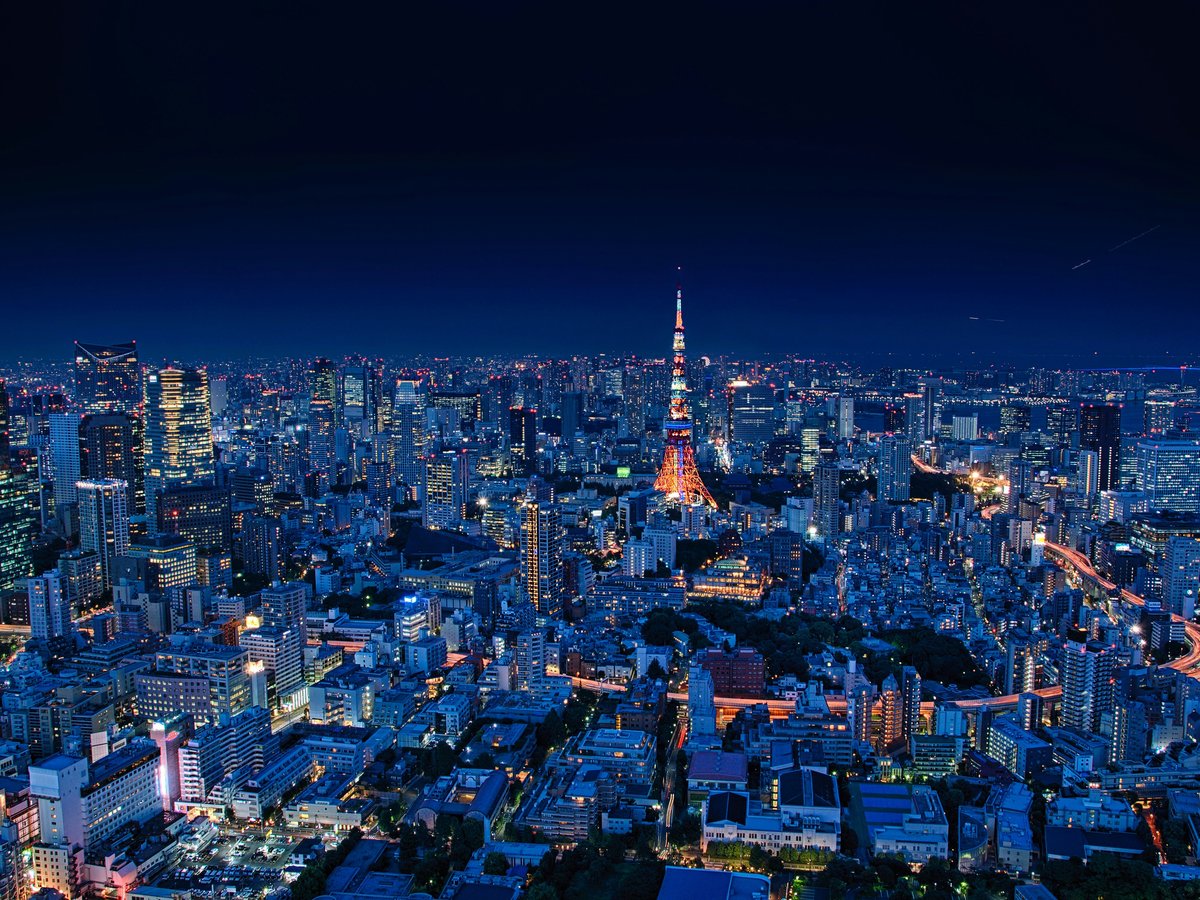
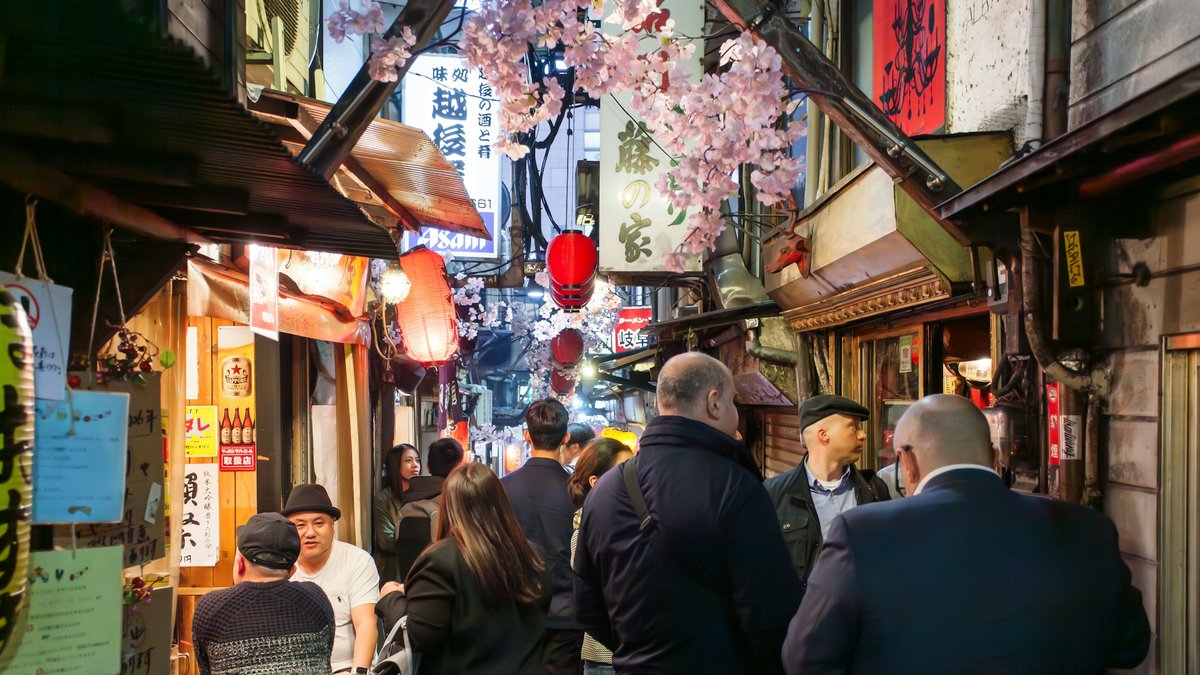
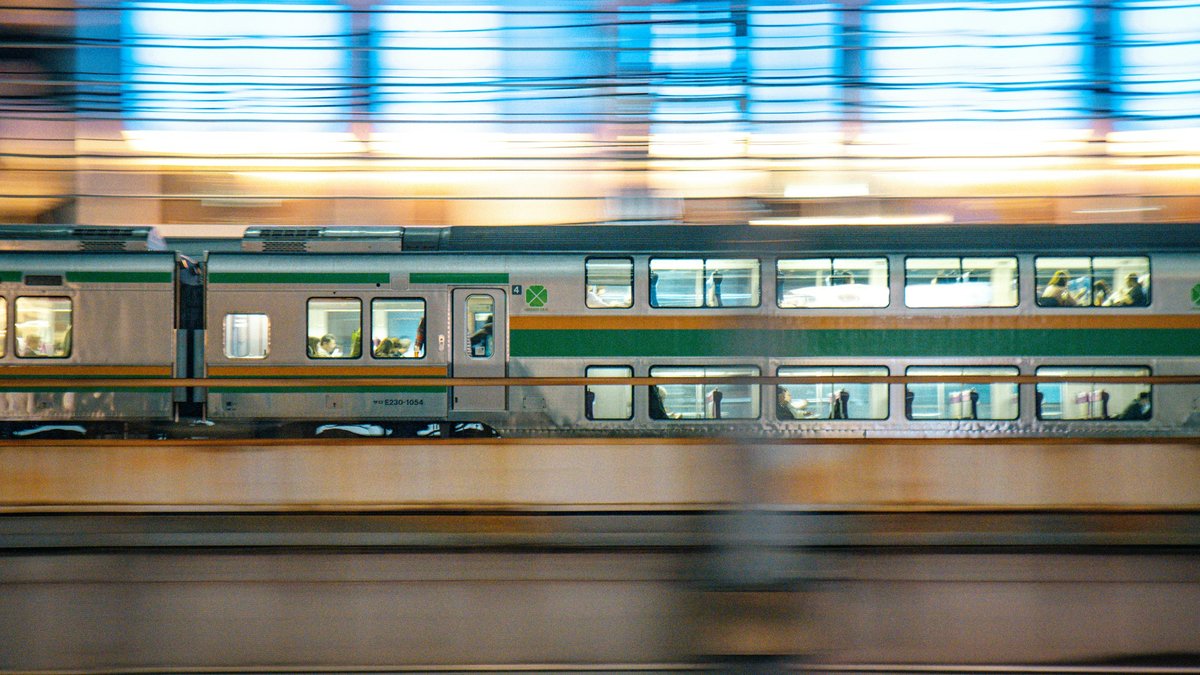
Tokyo sits where the Sumida River opens into Tokyo Bay, a city of nearly fourteen million people built on reclaimed marshland that Tokugawa Ieyasu chose as his seat of power in 1603 precisely because it was nothing: a fishing village he could shape without the weight of Kyoto's imperial court looking over his shoulder. That origin story still reads in the city's bones: Tokyo has no single centre, no grand boulevard radiating from a palace square, but rather a constellation of distinct neighbourhoods each orbiting its own train station. Shinjuku's west side is corporate towers and the metropolitan government building's free observation deck; its east side is smoky yakitori alleys under the tracks at Omoide Yokocho. Shimokitazawa is vintage clothing and small-venue live music. Yanaka kept its pre-war wooden houses because the firebombing missed it, and now its cemetery path and shotengai shopping street feel like a Tokyo that elsewhere only exists in photographs. Your first morning will likely start with the timezone working in your favour: jet lag from Europe or North America puts you awake at five, which is exactly when Tsukiji's outer market stalls begin grilling tamago and serving standing-counter sushi to the wholesale workers finishing their shifts. The city runs on its rail network with a punctuality that makes planning almost too easy: twenty-three special wards, twenty-six subsidiary cities, and all of it threaded together so that a forty-minute train ride moves you from the neon-dense canyon of Shibuya's centre crossing to the cedar-lined approach of Meiji Shrine without ever needing a car. What surprises most first-time visitors is the quiet: between the station plazas, residential streets are narrow and hushed, lined with potted plants and vending machines humming in the dark, a counterpoint that makes the dense commercial pockets feel like theatre rather than chaos.
Tokyo in photos
Tokyo right now
Answers about Tokyo
-
Airport to city
From Narita, take the Narita Express (N'EX) to Tokyo Station or Shinjuku: 3,250 JPY ($20), about 55 minutes, reserved seats, luggage racks, zero confusion. Runs 7am to 9:45pm. From Haneda, the Keikyu Line to Shinagawa costs 300 JPY ($2) and takes 11 minutes. Both airports have clear English signage throughout.
Read the full answer → -
Best time to visit
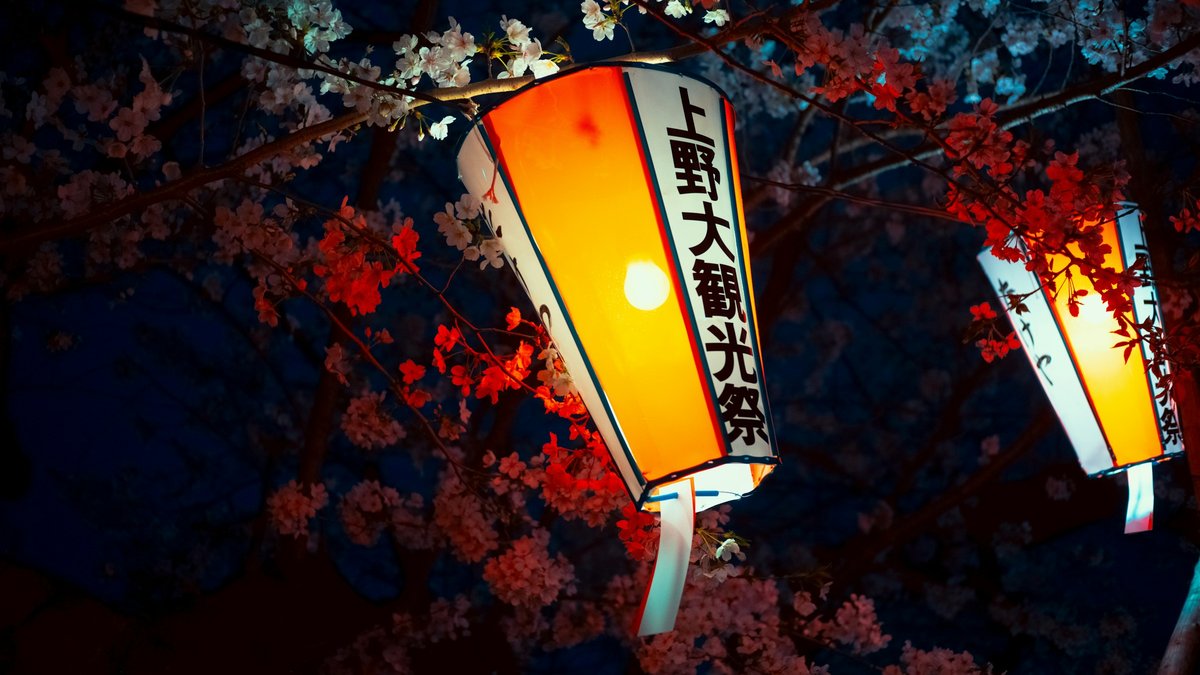
Go between late October and late November: afternoon highs drop from about 22°C to 14°C, the typhoon risk fades by late October, and the ginkgo avenues turn gold in November's final week. Late-March cherry blossom is prettier for about ten days, but it costs more and fills every park. Skip July and August, when the humidity makes walking hard work.
Read the full answer → -
Cost per day
Tokyo costs ¥8,000-10,000 ($50-60) per day on a strict budget. A hostel dorm in Asakusa runs ¥2,500-3,500, three meals from gyudon chains and konbini total ¥1,500-2,000, and the 24-hour Metro pass is ¥600. Midrange sits around ¥21,000 ($130) with a business hotel and sit-down dinners. Luxury starts at ¥57,000 ($350) with five-star properties in Shinjuku or Otemachi.
Read the full answer → -
Cultural etiquette
The single rule Tokyo visitors break most: sticking chopsticks upright in rice. It mimics a Buddhist funeral offering and will freeze the room. Beyond that, don't tip (staff find it confusing), bow instead of shaking hands, keep your phone on silent on trains, and remove shoes whenever you see a genkan entryway.
Read the full answer → -
Best day trips
Kamakura is the best single-day trip from Tokyo for two: 50 km south, under an hour by JR, with bamboo temples, coastal hiking, and beach-terrace dinners. Hakone adds private outdoor onsen baths, 85 minutes by Romance Car from Shinjuku. Nikko's gold-leaf shrines are worth it but honestly need an overnight.
Read the full answer → -
Digital nomads
Tokyo rates 7/10 for digital nomads (sourced from TTDI's editorial rubric). NTT fiber delivers 500 Mbps to 1 Gbps in most apartments, coworking runs ¥15,000-45,000 a month, and the weak yen (¥162 to $1 as of July 2026) drops monthly all-in costs to around $2,800. Japan's Digital Nomad Visa (launched April 2024) grants 6 months but requires ¥10 million annual income.
Read the full answer → -
Family-friendly
Tokyo is family-friendly: 9/10. The city is absurdly safe, trains run on time, and convenience stores solve picky-eater emergencies at any hour. Stroller navigation works on flat sidewalks and in malls, but subway station elevators require detective work. Summer heat from June through September is the main downside: humid enough that toddlers wilt by noon.
Read the full answer → -
Food culture
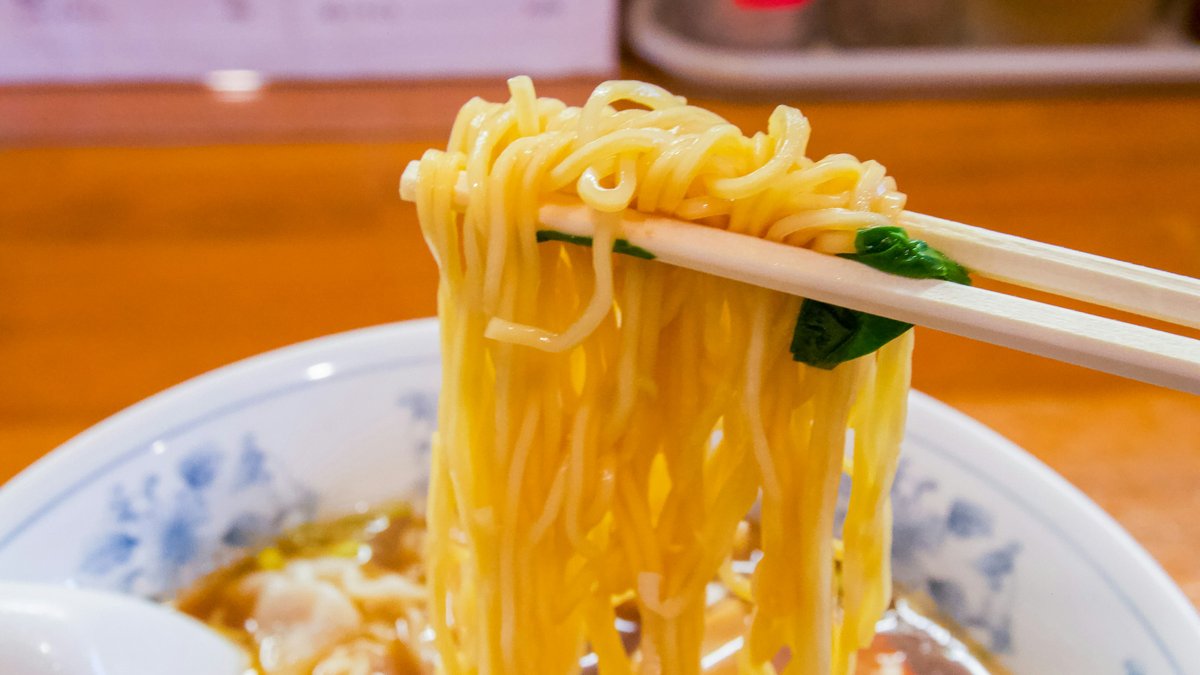
Tokyo's food culture runs on precision and timing. Lunch sets between 11:30 and 1:30 deliver ¥1,000 meals from kitchens that charge triple at dinner. Ramen, sushi, yakitori, and tonkatsu each have dedicated specialists: single-dish restaurants where the cook has done one thing for decades. Convenience stores serve better grab-and-go food than most sit-down restaurants elsewhere. Skip the tourist zones; eat where the train lines end.
Read the full answer → -
Getting around
Load a Suica IC card at any JR station machine (500-yen deposit, 3,000 yen covers three days) and tap through every subway, JR line, and city bus without thinking about tickets. The Yamanote loop connects major hubs. After midnight when trains stop, the GO taxi app replaces Uber entirely.
Read the full answer → -
How to get there
Tokyo has two international airports: Haneda (HND), 15 km south and the better arrival point, and Narita (NRT), 65 km east. Direct flights run from most major cities: 11 hours from LA, 12 from London, 7 from Seoul. Round-trip fares from the US typically land between $800 and $1,400.
Read the full answer → -
Is it safe?
We score Tokyo 9.5 out of 10 for solo travellers (see the TTDI Solo-Safety Index), about as high as any major city reaches. Violent crime against visitors is rare. The risks worth knowing are touts and spiked drinks in Kabukicho and Roppongi, groping on rush-hour trains, and earthquakes. Dial 110 for police, 119 for an ambulance.
Read the full answer → -
Language basics
Japanese: written in three scripts (hiragana, katakana, kanji) that you won't learn to read before your flight lands. English proficiency in Tokyo's main tourist zones (Shinjuku, Shibuya, Asakusa) sits around 5/10: train station signage is bilingual, but the ramen counter two blocks away likely isn't. Learn "sumimasen" (excuse me): it opens every interaction.
Read the full answer → -
Layover guide
Yes. Haneda sits on Tokyo Bay with trains reaching central neighborhoods in under 30 minutes. Six hours from Haneda is the working floor for a city run. Narita, 60 km east, needs eight. Most Western and ASEAN passports enter Japan visa-free. From Haneda, Asakusa's Senso-ji, Shinjuku's Golden Gai, and Tsukiji Outer Market all fit a solo layover.
Read the full answer → -
LGBTQ-friendly
Tokyo is physically one of the safest cities on earth for queer couples, but Japan still lacks national marriage equality. Shinjuku Ni-chōme packs roughly 300 queer bars into a few blocks. Outside that district, the city runs on polite discretion rather than open celebration. Couples who know where to go will have no issues.
Read the full answer → -
Where locals go
Tokyo locals drink, bathe and shop along the Chuo and Odakyu lines, far from Shibuya Crossing. A month-long stay starts to feel like living here at four places: Koenji's Kosugiyu bathhouse and the yakitori bars under the JR tracks, Sangenjaya's Sankaku Chitai after 8pm, Shimokitazawa's Bonus Track on weekday afternoons, and Togoshi Ginza's 1.3 km shopping street for groceries.
Read the full answer → -
Must-see
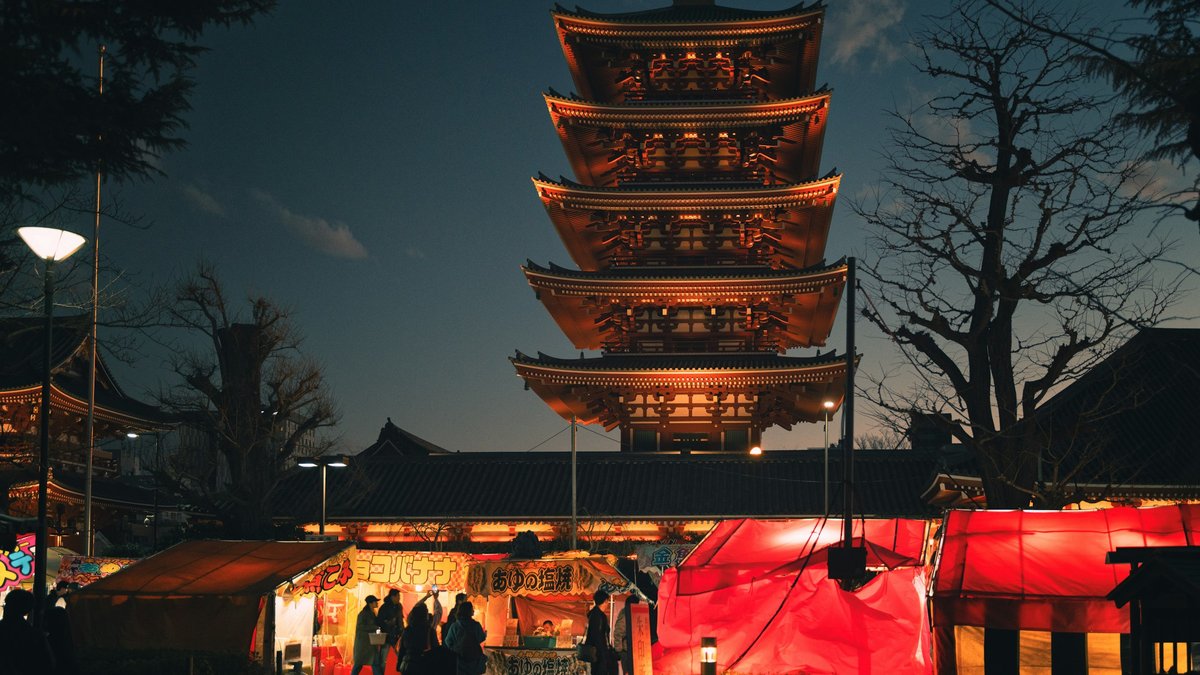
Senso-ji in Asakusa, before 7am. Tokyo's oldest temple, founded in 645 AD, opens at dawn with no ticket and no reservation. At that hour, sandalwood incense drifts across near-empty courtyards and the only sound is pigeons settling on wet flagstones. The compound is a 3-minute walk from Asakusa Station on the Ginza Line.
Read the full answer → -
Solo travel
Tokyo might be the easiest city on earth to travel alone. The metro runs until midnight, convenience stores sell hot meals at 3am, and counter seating at ramen shops means solo diners are the norm. Women walk residential neighborhoods well after dark without concern. Single-occupancy rooms start around ¥5,000 ($31) in Asakusa.
Read the full answer → -
This week
Tokyo's week turns on a Monday-closed museum cycle and a Sunday pedestrian-street rhythm. Midsummer humidity brings afternoon rain cells most days. Weekday mornings at Tsukiji Outer Market run before the weekend crowds arrive. Akihabara's Chuo-dori goes car-free on Sundays. Golden Gai's bars are best on weeknights when the regulars come in.
Read the full answer → -
3-day itinerary
Day 1 east: Senso-ji at dawn, Ueno Park, Yanaka's old lanes. Day 2 west: Meiji Shrine, Harajuku, Shibuya Sky, yakitori in Shinjuku's Omoide Yokocho. Day 3 central: Tsukiji Outer Market at 7 AM, Hama-rikyu Gardens, Ginza depachika, Tokyo Station Ramen Street. Each day clusters in one zone: two train rides, not ten. About 28 kilometres of walking total; bring broken-in shoes.
Read the full answer → -
What to avoid
Skip the Roppongi bar touts after midnight, where bills reach ¥300,000 with bouncers blocking the exit. Avoid Tsukiji Outer Market's tourist sushi stalls, marked up 3× over conveyor-belt chains like Sushiro. The 7-day JR Pass at ¥50,000 does not pay for itself inside central Tokyo. Take the ¥2,520 Keisei Skyliner from Narita, not a ¥25,000 taxi.
Read the full answer → -
What to pack
Slip-on shoes: you'll remove them at temples, izakaya, and fitting rooms dozens of times. A hand towel, since Japanese restrooms rarely have paper towels. Layers for aggressive indoor AC even in summer. A coin purse for 500-yen coins worth about $3 each. Skip the umbrella; any konbini sells better ones for 500 yen.
Read the full answer → -
Where to stay
Shinjuku west side for a first trip: you're on top of the busiest train station in the world, which means every line in Tokyo connects here with one transfer or fewer. Budget ¥12,000–25,000 ($75–157) for a clean business hotel. Asakusa if you want temple bells at dawn and ¥6,000 ($38) guesthouses, but the last subway leaves around midnight.
Read the full answer →
Deep guides for Tokyo
-
Best Time to Visit Tokyo, by Season
Cherry blossom hysteria sends everyone in April. The data suggests October might serve you better, or even January, if your budget matters more than the thermometer. A month-by-month breakdown of the honest trade-off between weather, crowds, and price.
Read the guide → -
Tokyo Restaurants: What's Worth It
Twelve restaurants across Tokyo's residential wards, sorted into two tiers and six verdicts: from the midnight curry counter that rewards regulars to the ten-seat sushi bar worth reserving a week ahead. Each named, timed, and placed so you eat well without eating blind.
Read the guide →
Curated lists for Tokyo
accommodation
-
Best boutique hotels
Tokyo's hotel map splits into zones that barely resemble each other after dark. The neon corridors around Shinjuku and Ikebukuro run loud past midnight; the institutional blocks near Suidobashi empty by nine. Between them, Ginza's department-store grid, Ueno's temple precincts, and Odaiba's waterfront mall district each pull a different kind of traveler. Price gaps track geography more than quality: a 9.3-rated room near Tokyo Dome asks about $91 a night, while a comparable score in Shinjuku costs $189. The Yamanote Line ties most of these neighborhoods together within half an hour, so the real question is not how far you are from any particular sight but what surrounds you when you step outside at eleven at night or seven in the morning. Shinagawa and Kawasaki skew toward Haneda arrivals. Central Tokyo's old grand-hotel tier around Akasaka still holds a 9.4 at the New Otani. Ueno and Asakusa offer the strongest value per rating point in the city. These ten neighborhoods, ranked by hotel density, each carry a mid-range pick that earned its score from verified guest stays.
See the picks → -
Best hostels
Tokyo's hostel map splits along rail lines, not postcards. The cheapest beds cluster in two shapes: airport-adjacent hotels built for transit layovers, and downtown budget rooms wedged between train stations and convenience stores. Narita and Haneda each anchor an airport corridor where the point is proximity to a terminal, not the city itself. Shinjuku and Ikebukuro draw backpackers who want late-night foot traffic and dense rail connectivity. Ueno and Asakusa hold the old-city hostels, quieter after dark but closer to temples and market streets. Ginza and Tsukiji offer a surprise budget pocket in Tokyo's most expensive retail district. Edogawa Ward and Kanda sit on the Tozai and Chuo lines respectively, trading location glamour for the lowest rates in the city. The full range runs from $15 to $79 per night, and Trip.com ratings sit between 8.4 and 9.3; the floor is high because Tokyo's budget tier enforces a cleanliness standard that most cities reserve for mid-range rooms. Picking a neighborhood here is less about finding a safe bed and more about choosing your commute, your evening walk, and whether you want to wake up near a runway or a shrine.
See the picks → -
Best luxury hotels
Tokyo distributes its luxury hotels across zones that share little besides a metro connection: the Shinjuku Area, Shibuya, Roppongi, Akasaka, and central Tokyo. Nightly rates among the 12 properties range from USD 292 to USD 977, and the gap between the cheapest and the most expensive does not predict which earns the higher guest score. Several properties carry executive lounges and indoor pools; others rely on spa programs, butler service, or a restaurant count that makes the hotel its own dining quarter. Guest ratings span 8.5 to 9.8 on Trip.com. That range is narrow enough to reward close reading. The paragraphs below add what the scores leave out: which room to book, which amenity justifies the rate, and where the trade-offs hide.
See the picks → -
Where to stay
Tokyo spreads its accommodation across neighborhoods that differ more by transit logic than by distance; the Yamanote Line loop connects most of them, but what sits within walking range of each station defines the stay. The central wards between the Imperial Palace and Tokyo Tower hold the city's diplomatic-district hotels, quiet after dark and priced for guests who want space over scene. Shinjuku and its surrounding blocks run later, louder, and cheaper per square meter. Ginza gives you department-store polish and Tsukiji's morning market proximity. The eastern bank (Asakusa, Ryogoku, Ueno) trades neon for temple grounds and sumo-hall crowds, with budget rates that reflect the older building stock. Out on the waterfront, Odaiba offers convention-center proximity and bay views at mid-range prices. The airport corridors, Narita and Haneda, exist for the traveler who needs a bed near a runway, nothing more. What follows maps each neighborhood by what is walkable from the hotel door, not by the postcard version of Tokyo that the booking engines sell.
See the picks →
attractions
-
Best free attractions
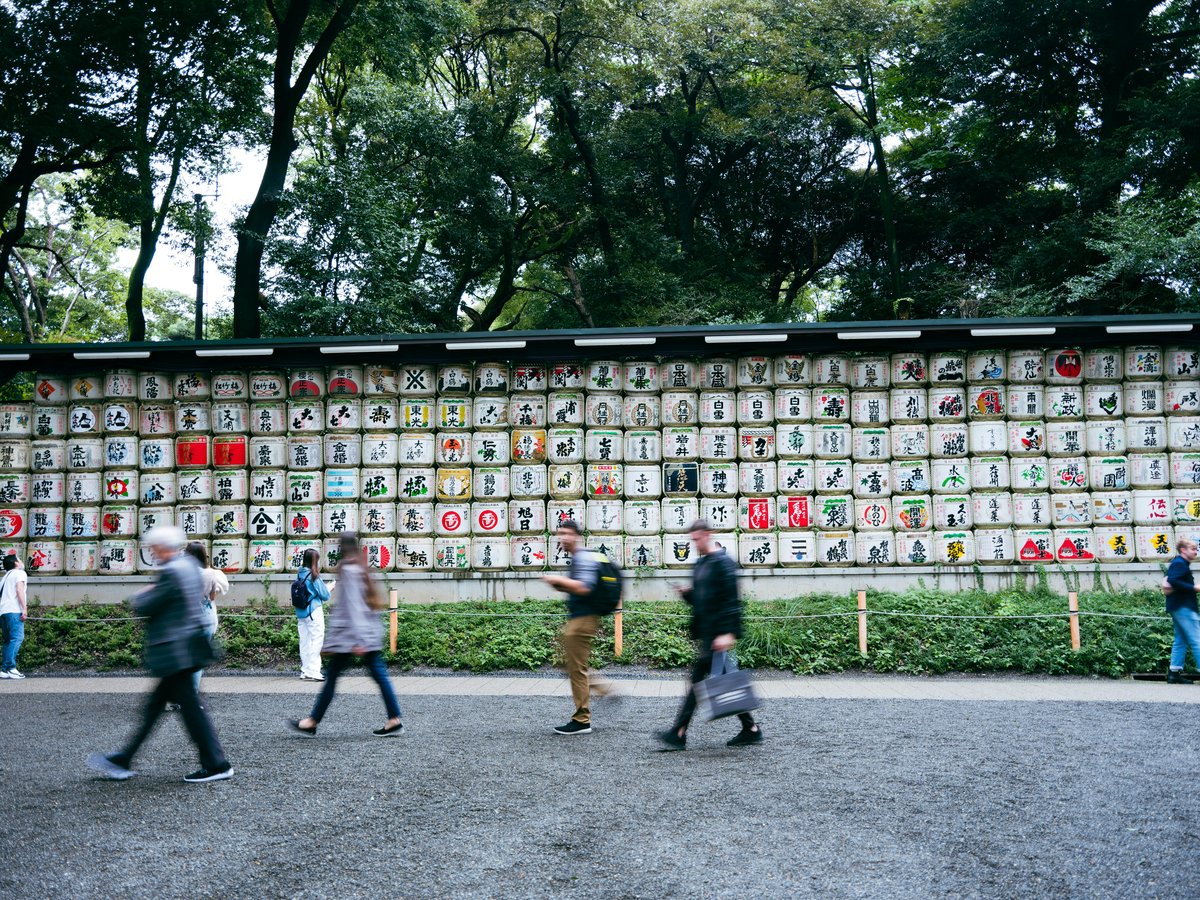
Tokyo is at its most generous outdoors. This list covers twelve parks and gardens, and the dates alone tell you how long the city has been setting land aside: Koishikawa Kōrakuen Garden from 1629, Koishikawa Botanical Garden from 1684, and Rikugi Garden from 1702, right through to Kasai Rinkai Park in 1989. Between those poles sit the big civic parks, Ueno from 1873 and Hibiya from 1893, and the green spaces further out, from Inokashira Park in Musashino and Mitaka to Jindai Botanical Garden in Chofu. This list is for the traveler who has had enough of queues and screens and wants a few hours that cost nothing but time and shoe leather. Opening hours vary considerably, and since some places close on Mondays while one shifts its closing time with the season, read the hours in each entry before you set out. Entry terms also differ between the open public parks and the walled gardens, so check the official site linked in each entry before you go.
See the picks → -
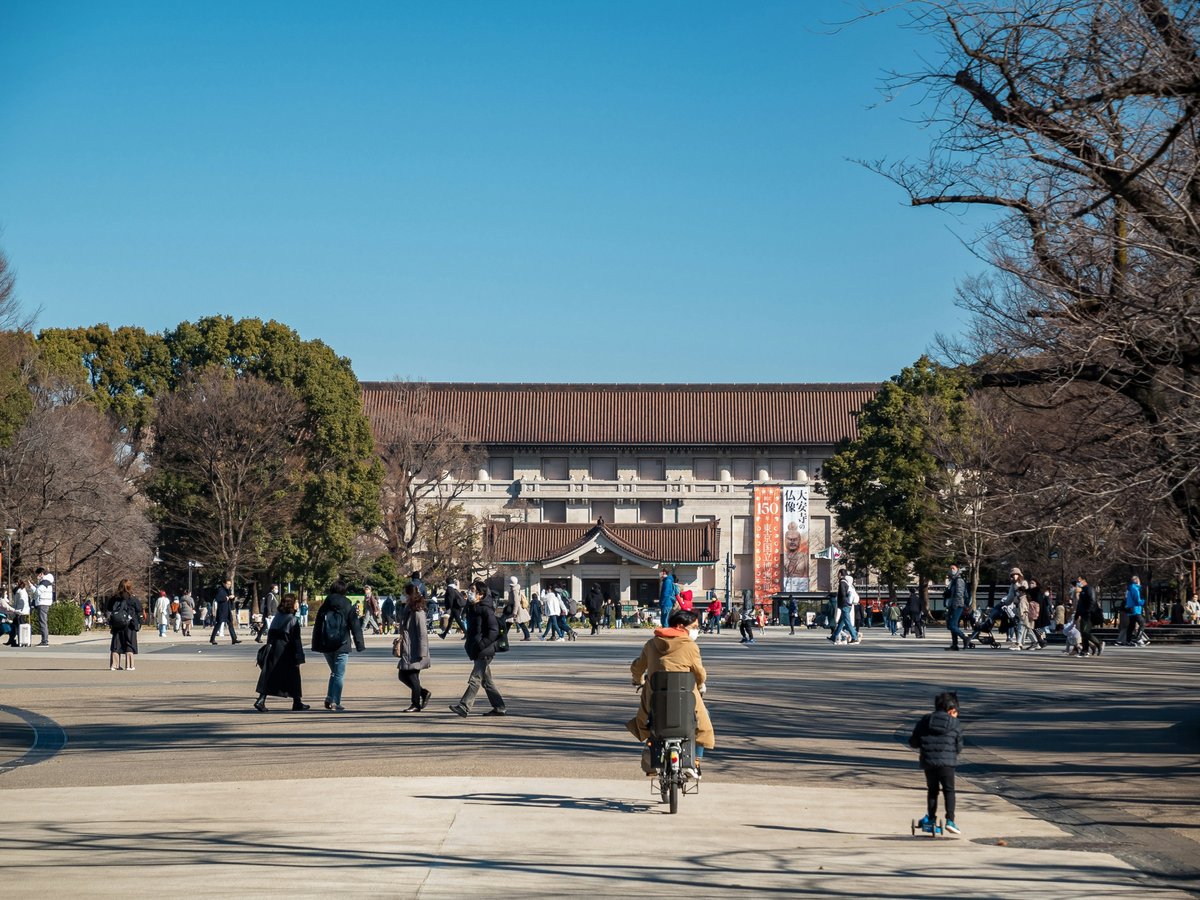
Best museums
Tokyo's museum scene is built around national institutions with real depth. The Tokyo National Museum dates from 1872 and the National Museum of Nature and Science from 1877, and both are designated Important Cultural Properties of Japan. The National Museum of Western Art stands at 7-7 Ueno-koen and is part of a UNESCO World Heritage Site; the science museum's postal address is also in Ueno-koen, so a single day in that park can cover Japanese art, Western art and natural history. The list then moves out from that core. The Ghibli Museum is an art museum in Mitaka, the Tokyo Metro Museum is a railway museum in Edogawa, and the Edo-Tokyo Open Air Architectural Museum sits inside a metropolitan park in Koganei. These twelve are for visitors who would rather plan around opening hours than queue at whatever is trending this week. Several stay open until 20:00 on chosen evenings, and for anyone with a few days in the city, that is the single most useful fact to take from this list.
See the picks → -
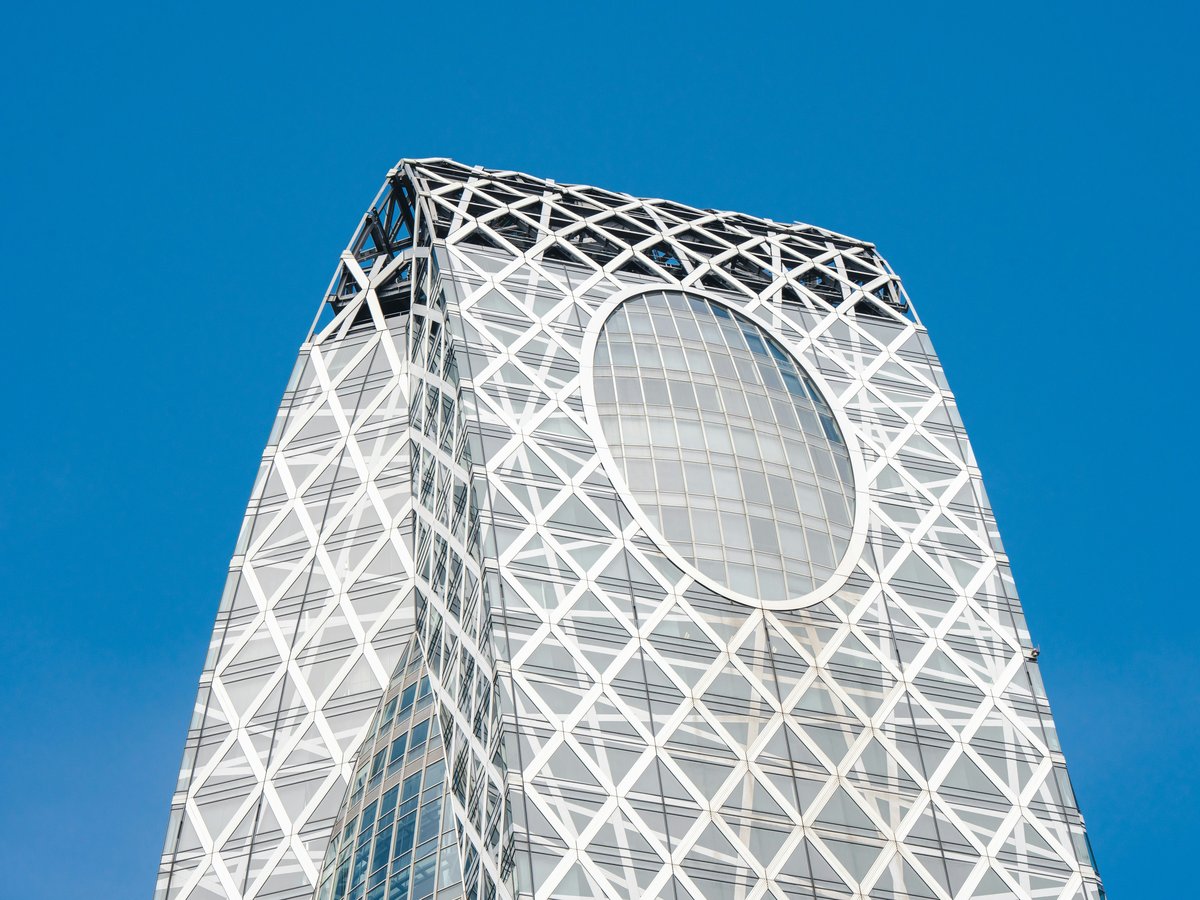
Must-see attractions
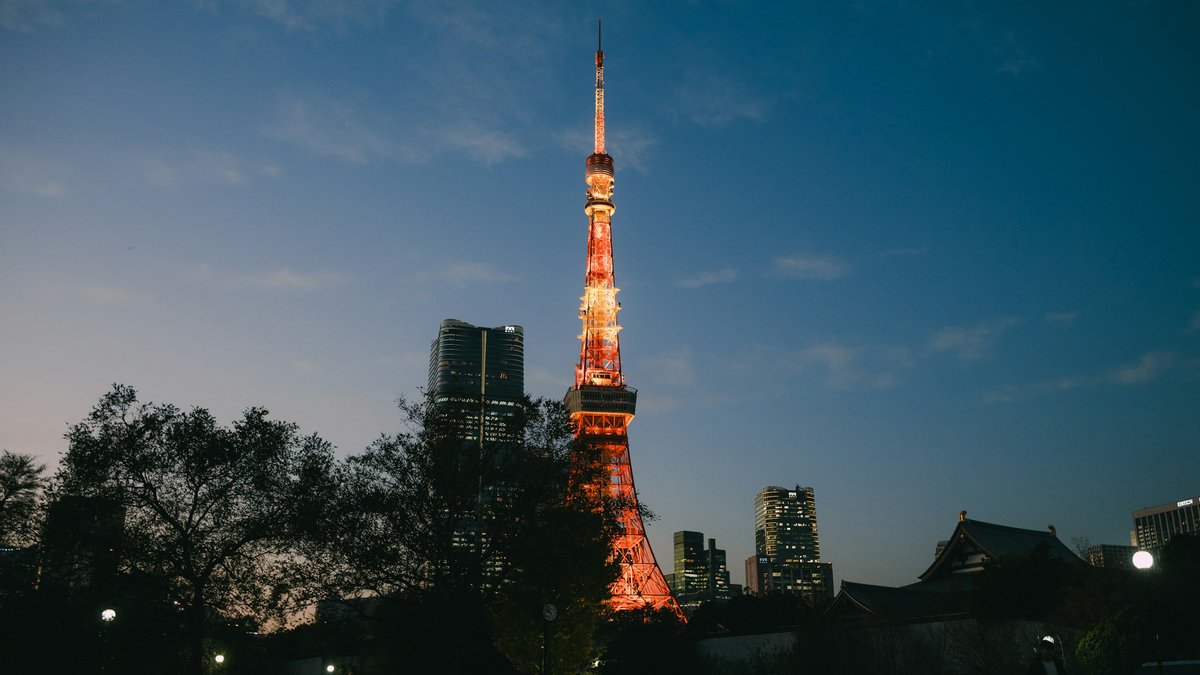
Tokyo's essential sights do not cluster in one old quarter; they scatter across a city that keeps rebuilding itself around a few fixed points. The oldest on this list, Sensō-ji Temple, dates from AD 645; the newest tower, Tokyo Skytree, from 2012. Between them sit two Shinto shrines, two Buddhist temples, a state guest house, the main residence of the Emperor of Japan, a mosque and the seat of the Roman Catholic Archdiocese of Tokyo. Several carry national heritage designations, from Tokyo Tower's registration as a Tangible Cultural Property to Hamarikyu Gardens' listing as a Historic Site. This list is for the visitor who wants the city's spine before its side streets: the places that show how Tokyo sees itself, as religious, imperial and modern all at once. Opening hours vary considerably: Sensō-ji closes at 17:00 and Meiji Jingū at 16:00 in winter, while Tokyo Tower stays open to 23:00. Do the shrines and temples in the morning and keep the towers for after dark.
See the picks →
food
-
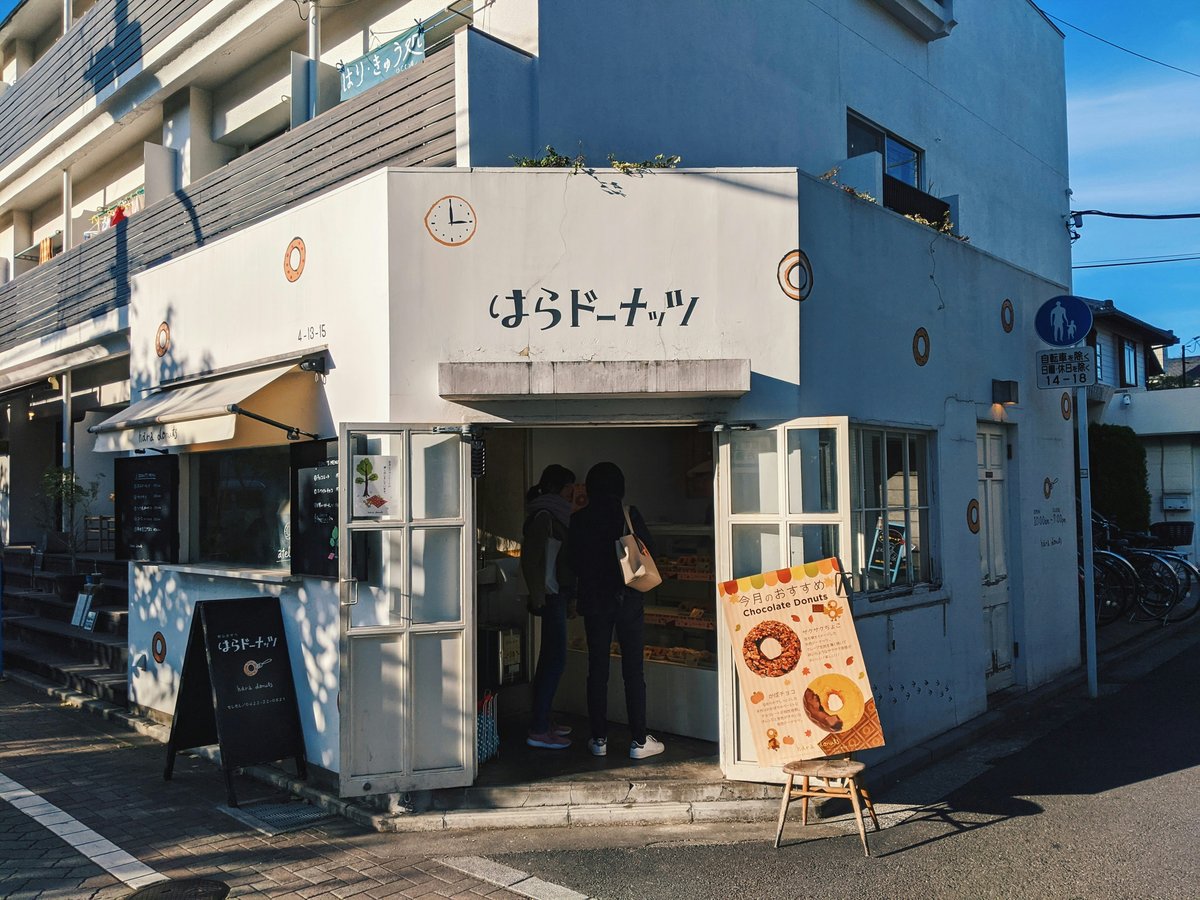
Best cafes
Tokyo drinks coffee at every price and pace. The city keeps a stubbornly Japanese kissaten alongside American third-wave counters, and both survive because the customer decides what a cafe is for: a quick espresso before the train, a long afternoon with a manga on a rainy Tuesday, a slow pour over a book. This list moves from the rooms that stay open past midnight to the tea room that closes in the afternoon, from the chains that quietly outnumber the independents to the single-owner rooms defended by a website with one page and no photograph of the barista. Order the second thing on the menu; the first has a queue. Twelve rooms chosen because each address does something specific that the category alone would not predict: a coffee shop that reads all night, a griddle that makes only pancakes, a bookshop that sells sandwiches, a Japanese kissashitsu that serves tea and sweets instead of espresso.
See the picks → -
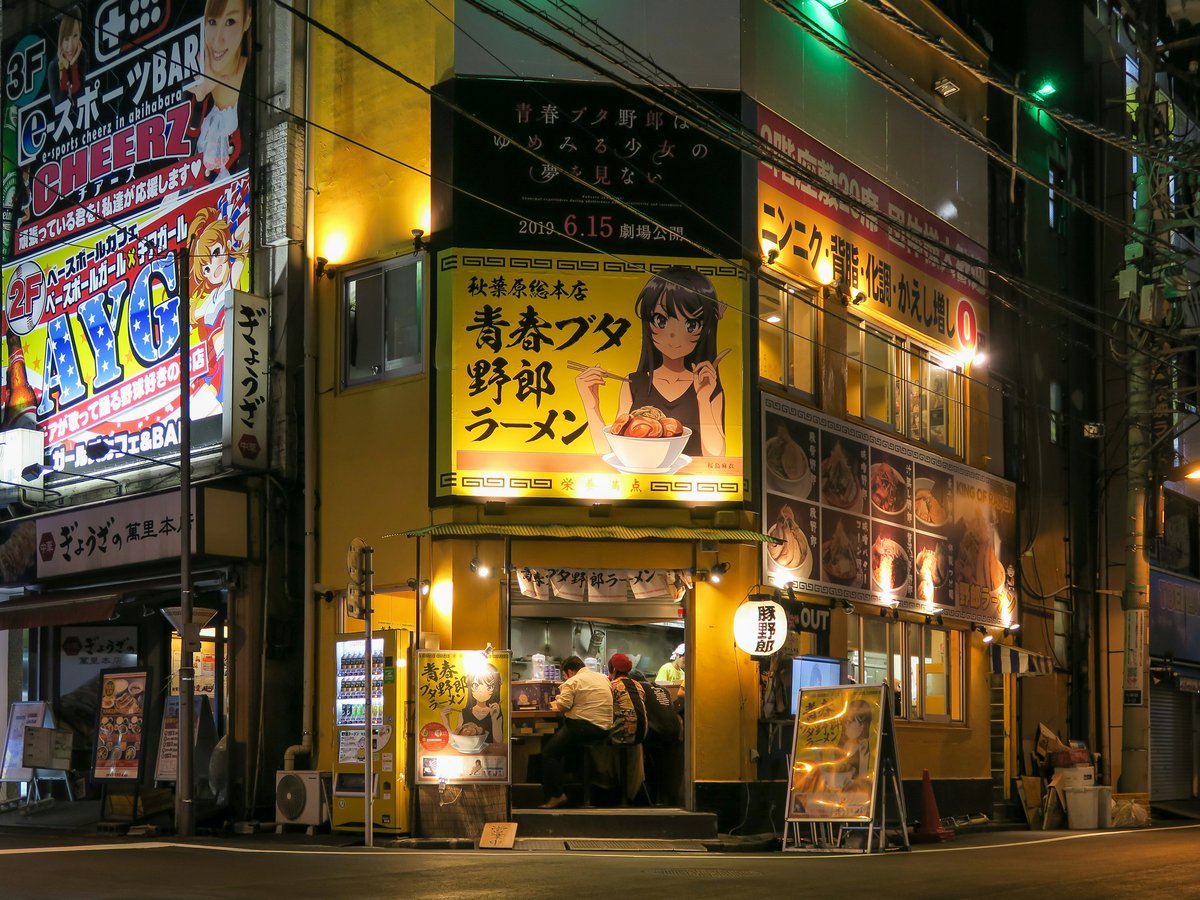
Best restaurants
Tokyo eats on every axis at once: a soup-curry counter in Shimokitazawa opens the same hour as a Ginza-adjacent sushi room, and both are ten minutes from an all-night family restaurant on a suburban corner. This list stays out of the Michelin-tasting-menu conversation on purpose. It is twelve rooms across Setagaya, Suginami, Nakano, Shibuya, Meguro and Shinjuku: soup curry, ramen, yakiniku, sushi, Genghis-Khan mutton, dining-labo lunch, a 24-hour Italian chain, a 15:00-cutoff donburi window; where the useful question is not what a critic scored but when the door opens, what neighborhood you are standing in, and whether you eat before the next train. Read it as a working map of dinner: pick the ward you are in, check the hours, and go. The cuisines and postcodes are drawn from OpenStreetMap records for each address; everything else is a local editor's read on when and why to walk in.
See the picks →
Browse by traveler type
- For foodies
Tokyo for foodies
- For families with kids
Tokyo for families
- For digital nomads
Tokyo for digital nomads
- For solo travelers
Tokyo for solo travelers
- For couples
Tokyo for couples
- For budget travelers
Tokyo on a budget
- For luxury travelers
Tokyo for luxury travelers
- For first-timers
Tokyo for first-time visitors
Book experiences in Tokyo
 Free cancellation
 1-Day Tokyo Bus Tour
Day trip: free cancellation.
via Viator Free cancellation
 Sushi Making Tokyo Roll and Authentic Japanese Sushi Class
Cooking class: 1.7 hours, free cancellation.
via Viator Free cancellation
 Tokyo Customized Private Tour in 1 Day with Licensed Guide
Day trip: free cancellation.
via Viator Free cancellation
 Private Tour to Mt. Fuji/or hakone (Fully Licensed Operator)
Day trip: 10 hours, free cancellation.
via Viator Free cancellation
 Nikko, Kegon Waterfall & Chuzenji Lake from Tokyo
Day trip: 11 hours, free cancellation.
via Viator Free cancellation
 Mount Fuji Full Day Sightseeing Tour from Tokyo
Day trip: 10 hours, free cancellation.
via Viator Free cancellation
 Spectacular Mt. Fuji and Lake Cruise, Noodles Making Experience
Day trip: free cancellation.
via Viator Free cancellation
 Tokyo Customized Half-Day Tour with Licensed Local Guide
Day trip: free cancellation.
via Viator Free cancellation
 Mount Fuji, Kamakura, Big Buddha, & Lake Ashi Day Trip
Day trip: 11 hours, free cancellation.
via Viator Free cancellation
 Tokyo Sushi Making Class in Tsukiji with Professional Chef
Cooking class: 1.5 hours, free cancellation.
via Viator Free cancellation
 Best of Tokyo Private Custom Tour: Tsukiji, Asakusa & Meiji-jingu
Day trip: 8 hours, free cancellation.
via Viator Free cancellation
 Make Sushi and Create Unforgettable Memories in Tokyo
Cooking class: 1.7 hours, free cancellation.
via ViatorBrowse by interest
Compare Tokyo with
Find a flight to Tokyo
Live fares to Tokyo appear here once cookies are accepted.
Last verified by automated review (v1.7.1) on . What is automated review?