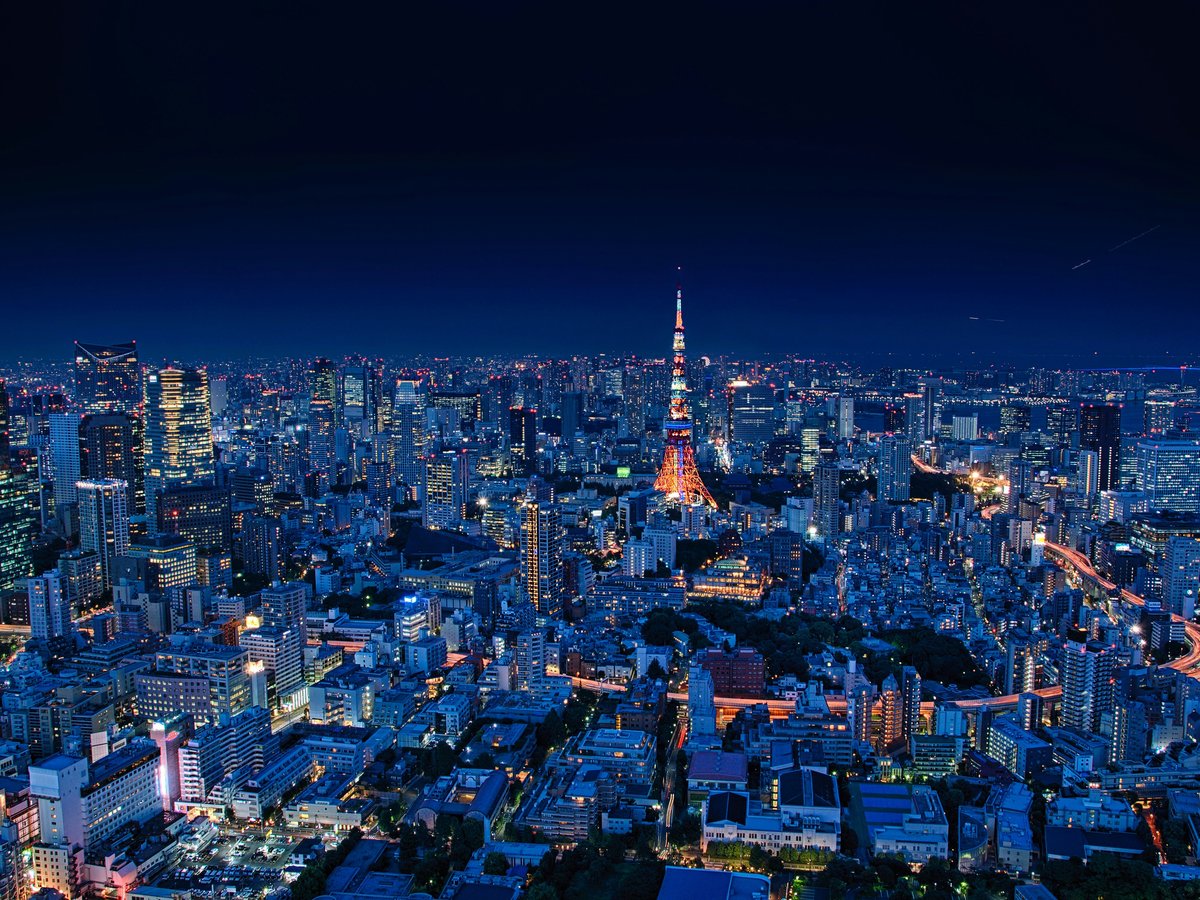
Tokyo doesn't really do shopping the way most cities do. There's no single high street, no one district that defines the experience. Instead, you get entire neighborhoods that have evolved around specific aesthetics, subcultures, or price points: each with its own rhythm. Ginza smells like perfume counters and fresh leather. Shimokitazawa smells like incense and old vinyl. They're both Tokyo, and they're nothing alike.
What strikes you first is the sheer specificity of it all. There are stores that sell only buttons. Shops dedicated entirely to Japanese kitchen knives. Entire floors of department stores given over to wagashi: traditional sweets almost too pretty to eat. The culture here tends to reward deep expertise over broad selection, and you'll find shopkeepers who've spent decades mastering one craft.
Tokyo is currently one of the more affordable luxury shopping destinations for visitors, partly because the yen has been relatively weak against most major currencies. That said, this shifts constantly, so check rates before you get too excited. The city is also still very much a cash culture in smaller shops and markets, though credit cards and IC cards like Suica have been gaining ground steadily. Mind you, the tax-free shopping system for tourists is useful here: it's not a gimmick.
Shopping districts
-
Ginza
luxuryGinza still carries the weight of old Tokyo money. The main Chuo-dori avenue gets closed to cars on weekend afternoons, and you can walk down the middle of the street past flagship stores from every major Japanese and international brand. The department stores here (Mitsukoshi, Matsuya, Wako) have basement food halls that are worth the trip alone. The air is cool and perfumed inside, almost hushed. You'll notice a formality to the service that feels like a different era. Side streets hide smaller galleries and craft shops that have been around for generations.
Best for: High-end fashion, Japanese department store culture, premium beauty products, and the best depachika food halls in the city
-
Shibuya
mid-rangeShibuya has shifted a lot over the past several years. The area around the station got a massive overhaul with Shibuya Scramble Square, Miyashita Park, and other developments that pulled the neighborhood's center of gravity upward. It's loud, dense, full of bass-heavy music leaking from storefronts. The younger crowd gravitates here for streetwear, sneakers, and trend-forward fashion. Center-gai still has that chaotic energy it's always had: neon signs stacked vertically, narrow lanes packed shoulder to shoulder on weekend evenings.
Best for: Streetwear, sneaker culture, teen and twenty-something fashion, music, and electronics
-
Harajuku and Omotesando
mixedThese two sit right next to each other but feel like different planets. Takeshita-dori in Harajuku is narrow, packed, and overwhelming: cotton candy the size of your head, crepe stands, and shops selling platform boots and wild accessories. Walk five minutes south to Omotesando and suddenly you're on a tree-lined boulevard with architectural showpiece buildings housing Comme des Garçons, Issey Miyake, and other high-end Japanese designers. The backstreets between them (Cat Street) tend to be where the more interesting independent shops hide. Worth noting: Harajuku's fashion scene has been evolving away from the extreme Lolita and decora styles into something more eclectic lately.
Best for: Japanese fashion from avant-garde to youth culture, independent designers, vintage clothing, and people-watching
-
Akihabara
budget to mid-rangeAkihabara's reputation as an electronics district is still somewhat accurate, but it's really become more of an otaku culture hub. Multi-story buildings packed with anime figures, manga, trading cards, retro video games, and hobby supplies. The smell of solder and new plastic. If you're after actual electronics, Yodobashi Camera's massive store near the station likely has what you need, and the smaller component shops on the back streets still cater to hobbyists building their own gear. Maid cafes and themed restaurants add a surreal layer to the whole experience.
Best for: Anime and manga merchandise, retro games, electronics components, hobby models, and Japanese pop culture collectibles
-
Shimokitazawa
budgetShimokita feels like it belongs to a smaller city. Narrow lanes, low buildings, a certain scruffiness that Tokyo's bigger districts have polished away. This is where you come for vintage and secondhand clothing: there are dozens of shops packed into a few blocks, ranging from carefully curated designer resale to bins-of-stuff-for-a-few-hundred-yen territory. The neighborhood also has a strong independent music and theater scene, so you'll find record shops, small bookstores, and craft vendors mixed in. It recently got some development around the station that's brought in newer shops, though the old character seems to be holding on.
Best for: Vintage and secondhand clothing, vinyl records, independent bookshops, and a laid-back alternative to the big shopping districts
-
Nakameguro
mid-range to highNakameguro runs along a canal lined with cherry trees, and the shopping matches the setting: quiet, curated, a bit precious. Independent boutiques, lifestyle shops, specialty coffee roasters, and small galleries. This is where Tokyo's creative class tends to browse on a Saturday afternoon. The pace is slower here. You might wander into a ceramics shop and spend twenty minutes talking to the owner about glazing techniques. It's not the place for deals, but it's the place for things you won't find anywhere else.
Best for: Curated lifestyle goods, Japanese ceramics, independent fashion labels, artisan coffee gear, and design books
-
Ameyoko (Ueno)
budgetAmeyoko (short for Ameya Yokocho) is the closest thing Tokyo has to a proper street market atmosphere. It runs along the train tracks near Ueno Station, and the energy is completely different from the rest of the city. Vendors shout prices, seafood sits on ice in the open air, and you can haggle a bit: something that's rare in Japan. The street food stalls sell everything from fresh-cut fruit to grilled squid. There's a mix of discount clothing, dried goods, spices, cosmetics, and imported foods. It can feel a little overwhelming at first. Total chaos. Worth it.
Best for: Street food, fresh seafood, imported spices and dried goods, discount cosmetics, and the closest thing to a bazaar atmosphere in Tokyo
-
Kappabashi-dori (Asakusa area)
mid-rangeIf you cook, Kappabashi might be the most exciting street in Tokyo. About a kilometer of shops selling nothing but kitchen equipment and restaurant supplies. Japanese knives (the real ones, hand-forged carbon steel from places like Sakai or Seki) are the headliner, but you'll also find ceramic dishes, lacquerware, bamboo tools, plastic food samples (yes, the ones from restaurant windows, and yes, you can buy them), noren curtains, and industrial-grade cookware. The shopkeepers here tend to know their products and will happily help you pick the right knife for your cutting style.
Best for: Japanese kitchen knives, cookware, restaurant supplies, plastic food replicas, ceramics, and lacquerware
Markets
-
Oedo Antique Market at Tokyo International Forum
flea and antiqueThis is likely the largest regular outdoor antique market in Japan, and it draws both serious collectors and casual browsers. Hundreds of vendors spread across the open plaza, selling everything from Meiji-era ceramics and old kimono fabric to vintage toys, woodblock prints, and mid-century furniture. The quality varies (you'll need to dig) but the prices tend to be reasonable compared to permanent antique shops. Arrive early for the best selection. The sellers are often the collectors themselves, so conversations about provenance can be interesting.
Typically first and third Sunday of each month, though dates can shift: check beforehand
-
Tsukiji Outer Market
foodThe inner wholesale market moved to Toyosu, but the outer market at Tsukiji is still very much alive. Narrow lanes packed with vendors selling fresh seafood, tamagoyaki, pickles, dried bonito, matcha, and kitchen tools. The smell of grilled seafood hits you from a block away. It gets crowded by mid-morning, on weekends, and some of the more popular stalls have queues. To be fair, parts of it have become quite tourist-oriented, but the quality of the food remains high. The trick is to explore the side alleys where the older shops still cater to restaurant buyers.
Most stalls open early morning to early afternoon, roughly 5am to 2pm. Many vendors close on Sundays and Wednesdays, though this varies by shop
-
Togo Shrine Flea Market
fleaHeld in the grounds of Togo Shrine near Harajuku, this flea market has a neighborhood feel that the bigger antique fairs sometimes lack. You'll find old kimono, ceramics, secondhand clothes, vintage cameras, and random household items spread out on blankets. Prices are generally low. It's the sort of place where you might pick up a beautiful old tea bowl for next to nothing because the seller is clearing out a relative's house. The shrine setting adds a certain calm: stone lanterns, gravel paths, big trees overhead.
Typically held on the first and fourth Sunday of each month
-
Setagaya Boroichi
flea and artisanThis one only happens twice a year, in December and January, but it's been running since the late 1500s: making it one of the oldest markets in Tokyo. 'Boro' refers to old rags and textiles, and while the market has expanded well beyond that, you'll still find vendors selling vintage indigo-dyed fabrics, old tools, antique furniture, and handmade crafts. The atmosphere is festive: steaming food stalls, crowds bundled against the cold, the smell of yakisoba and oden drifting through. It stretches along Boroichi-dori in Setagaya.
December 15-16 and January 15-16 each year
-
Toyosu Market Visitor Area
foodToyosu replaced the legendary inner Tsukiji market, and while it lacks some of the old-world atmosphere (it's a modern facility, all glass and concrete) the tuna auctions are still happening here. Visitors can watch from a gallery above. The market's restaurant row has some of the freshest sushi you'll eat anywhere, period. The fish is being cut downstairs. It's worth the early start, though the viewing areas and restaurants can fill up quickly.
Open most weekdays and some Saturdays from early morning. Closed Sundays, holidays, and some Wednesdays. The tuna auction viewing starts around 5:30am
-
Akagi Shrine Sunday Market (Kagurazaka)
artisanA small, curated artisan market held at Akagi Shrine in the Kagurazaka neighborhood. Local craftspeople and food producers set up stalls selling handmade pottery, woodwork, baked goods, organic vegetables, and small-batch preserves. It's low-key and local: you'll see more neighborhood residents than tourists here. The shrine itself was redesigned by Kengo Kuma, so even the setting is interesting. Kagurazaka's French-Japanese character (narrow cobblestone alleys, patisseries next to soba shops) makes for good wandering afterward.
Select Sundays: dates vary, so check the shrine's schedule in advance
Souvenirs worth bringing home
Skip the generic souvenir shops near temples. The things worth bringing home from Tokyo are the things the city excels at making.
Japanese kitchen knives from Kappabashi are probably the single best souvenir if you cook. A good gyuto or petty knife from a reputable maker will last decades with proper care. Expect to spend somewhere in the range of several thousand yen for an entry-level carbon steel blade, more for premium steel or custom handles. The shopkeepers can engrave your name in kanji if you'd like.
Tenugui (thin cotton hand towels with woodblock-printed designs) are light, packable, and useful. Shops in Asakusa and Nihonbashi carry traditional patterns, while places in Harajuku stock more contemporary designs. They cost very little and make excellent gifts.
Wagashi (traditional sweets) are beautiful and delicious, though they don't keep long. For something more shelf-stable, look at matcha from Nihonbashi or Ginza tea shops: proper ceremonial grade, not the commodity stuff. Dried seaweed, furikake rice seasonings, and high-quality dashi packets from Tsukiji are practical gifts that people use.
Furoshiki wrapping cloths are another smart pick: they're functional, artistic, and fold flat in a suitcase. Japanese stationery is excellent: fountain pens, notebooks, washi tape, brush pens. Itoya in Ginza has something like twelve floors of the stuff.
For clothing, look at Japanese denim from shops in Harajuku or Shibuya if you're into raw selvedge. Vintage kimono and obi sashes from flea markets can be surprisingly affordable: some vendors sell beautiful silk pieces for just a few thousand yen.
Plastic food samples from Kappabashi are a bit kitschy but honestly kind of irresistible. A tiny perfect replica of a plate of sushi or a bowl of ramen. They make people smile.
One thing to avoid: anything labeled as a 'Tokyo exclusive' snack at the airport or train station gift shops tends to be overpriced and underwhelming. The exception might be Tokyo Banana, which has become such an institution that it's almost worth buying ironically.
Practical tips
- Bargaining
- Japan is largely a fixed-price culture, and attempting to haggle in regular shops will likely get you polite but firm refusal. The exceptions are flea markets, Ameyoko, and some electronics stores in Akihabara where asking about a better price (politely, without pressure) is acceptable. Even then, it's more of a gentle inquiry than aggressive negotiation. A slight bow and a smile go much further than tough bargaining tactics.
- Tax-Free Shopping
- Foreign visitors can get the 10% consumption tax waived on purchases over a certain threshold at shops displaying the 'Tax Free' sign. You'll need your passport: carry it when you shop. Some stores process tax-free at the register, others have a dedicated counter. Department stores in Ginza and Shinjuku handle this routinely and efficiently. Keep in mind that tax-free items are technically supposed to leave Japan unopened, consumables, though enforcement at departure seems to vary.
- Opening Hours
- Tokyo shops generally open between 10am and 11am and close around 8pm or 9pm. Department stores tend to open at 10am sharp and close at 8pm. Smaller independent shops might not open until noon or later, in neighborhoods like Shimokitazawa and Nakameguro. Markets and food halls start early (sometimes 5am) and wind down by early afternoon. Many shops close on irregular weekdays rather than weekends, so check before making a special trip.
- Payment Methods
- Cash is still important in Tokyo, at smaller shops, markets, and older establishments. Larger stores, department stores, and chain shops widely accept credit cards: Visa and Mastercard most reliably. IC transit cards like Suica and Pasmo work at convenience stores, vending machines, and many chain retailers. QR code payments have been expanding but remain inconsistent for visitors. Keep at least ten thousand yen in cash on you when shopping outside major commercial areas.
- Navigating Department Stores
- Japanese department stores follow a fairly consistent layout that's worth understanding. The basement floors (called 'depachika') house food halls with prepared foods, sweets, and fresh produce. Ground floors are cosmetics and accessories. Upper floors progress through women's fashion, men's fashion, homewares, and often a restaurant floor near the top. Many department stores also have a rooftop with gardens or shrines. The depachika floors alone are worth visiting even if you're not buying clothes: the quality of prepared foods is notable.
- Shipping Purchases Home
- If you buy something large or fragile (ceramics, a full knife set, artwork) most reputable shops can arrange international shipping via Japan Post or Yamato Transport (Kuroneko). Department stores are good at this. It's typically reliable and reasonably priced, and they'll pack items with the kind of care that borders on ceremonial. For smaller items, the post office offers EMS and surface mail options. Keep your receipts for customs declarations.
FAQ
What are the best days of the week to go shopping in Tokyo?
Weekdays are generally less crowded, Tuesday through Thursday. Weekend shopping in popular areas like Shibuya, Harajuku, and Ginza can be intensely crowded, in the afternoon. That said, some markets and events only happen on weekends: the flea markets at shrines typically run on Sundays. If you're hitting department stores, weekday mornings right at opening tend to be the calmest.
Is it worth visiting Tsukiji now that the fish market moved to Toyosu?
The inner wholesale market did move to Toyosu, but the outer market at Tsukiji is still very much operational and worth visiting. The food stalls, small restaurants, and specialty shops remain, and the atmosphere (while more tourist-aware than it used to be) still has genuine character. Toyosu is worth a visit too if you want to see the tuna auctions, but for casual eating and browsing, Tsukiji's outer market is more accessible and enjoyable for most visitors.
Where should I buy Japanese knives in Tokyo?
Kappabashi-dori near Asakusa is the primary destination. There are several dedicated knife shops along the street where the staff can walk you through different steel types, blade shapes, and handle styles. The advantage of buying here rather than online is that you can hold the knife, feel the balance, and get expert advice on which blade suits your cutting habits. Some shops will sharpen and engrave on the spot. Bring your passport for tax-free purchases.
Can I ship my purchases home instead of carrying them?
Yes, and Japan is remarkably good at this. Department stores, knife shops, and many specialty retailers offer international shipping. Japan Post's EMS service is reliable and trackable, typically arriving within a week. Yamato Transport is another solid option. The packaging tends to be meticulous: items arrive in better condition than you'd expect. Just keep receipts and be aware of your home country's customs thresholds for duty-free imports.
Are credit cards widely accepted for shopping in Tokyo?
In larger stores, department stores, and chain shops: yes, Visa and Mastercard are widely accepted. However, smaller independent shops, flea market vendors, and some older establishments in places like Shimokitazawa or Kappabashi may be cash-only. IC cards like Suica work at many retailers and all convenience stores. A good rule of thumb: carry cash for market visits and small shops, and you'll be fine with cards for everything else.
What time do shops typically open and close in Tokyo?
Most retail shops open between 10am and 11am and close between 8pm and 9pm. Department stores are quite consistent at 10am to 8pm. Independent and vintage shops in neighborhoods like Shimokitazawa often don't open until noon. Food markets are the opposite: Tsukiji's outer market starts around 5am and many stalls close by early afternoon. Restaurant floors in department stores sometimes stay open until 10pm or 11pm. Convenience stores, of course, are 24 hours.
Last verified by automated review (v1.7.1) on . What is automated review?