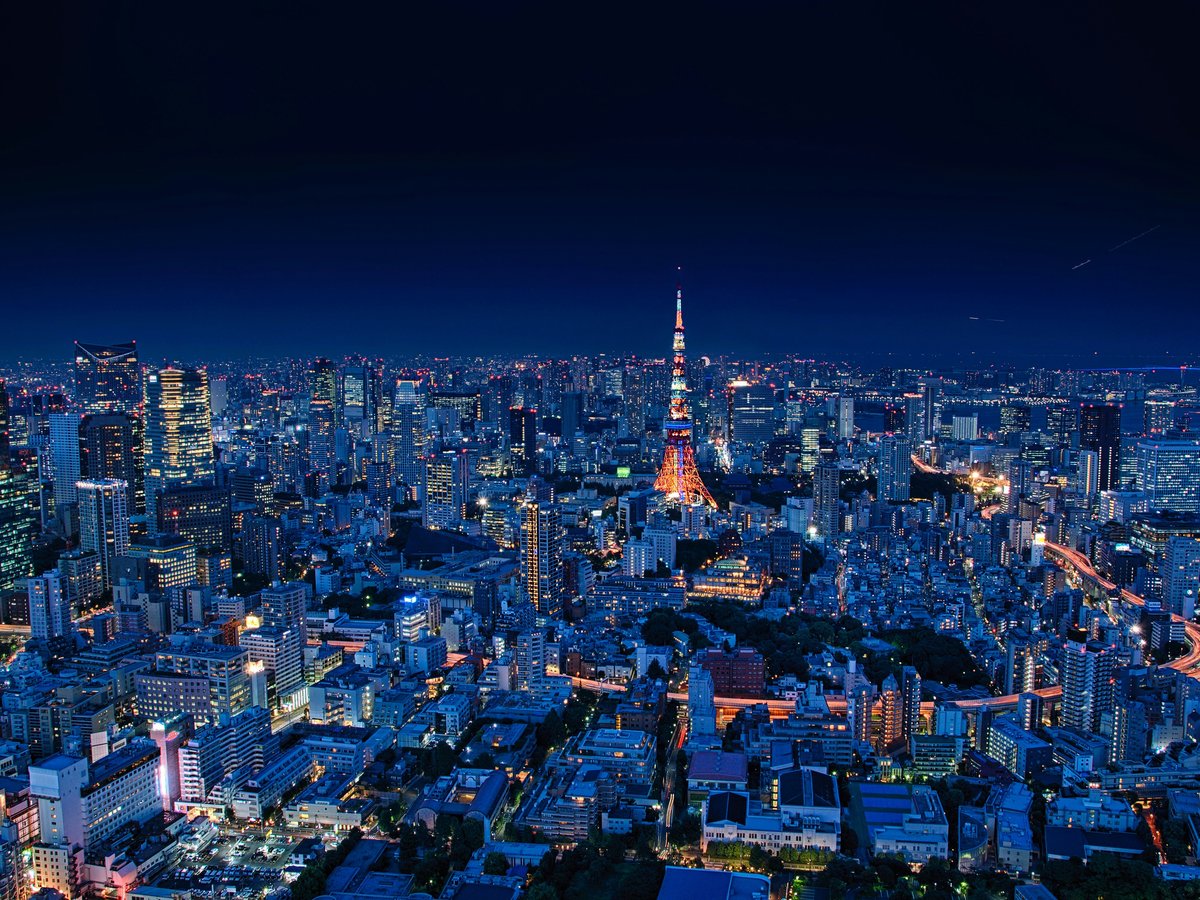
Tokyo for first-time visitors
Tokyo Skytree is the high observation deck over Sumida, at coordinates 35.7101, 139.8107. The earliest of the picks for first-time visitors in Tokyo opens at 08:00 and the latest closes at midnight.
Tokyo for first-timers, in numbers
- Picks on this page
- 24 places across 2 lists, led by Tokyo Skytree, Tokyo Tower, Mode Gakuen Cocoon Tower
- Posted hours
- 8 picks post hours earliest 08:00, latest 24:00; 1 open by 09:00, 7 past 21:00
Questions first-timers ask about Tokyo
-
Must-see
Senso-ji in Asakusa, before 7am. Tokyo's oldest temple, founded in 645 AD, opens at dawn with no ticket and no reservation. At that hour, sandalwood incense drifts across near-empty courtyards and the only sound is pigeons settling on wet flagstones. The compound is a 3-minute walk from Asakusa Station on the Ginza Line.
Read the full answer → -
Best time to visit
Go between late October and late November: afternoon highs drop from about 22°C to 14°C, the typhoon risk fades by late October, and the ginkgo avenues turn gold in November's final week. Late-March cherry blossom is prettier for about ten days, but it costs more and fills every park. Skip July and August, when the humidity makes walking hard work.
Read the full answer → -
Airport to city
From Narita, take the Narita Express (N'EX) to Tokyo Station or Shinjuku: 3,250 JPY ($20), about 55 minutes, reserved seats, luggage racks, zero confusion. Runs 7am to 9:45pm. From Haneda, the Keikyu Line to Shinagawa costs 300 JPY ($2) and takes 11 minutes. Both airports have clear English signage throughout.
Read the full answer → -
How to get there
Tokyo has two international airports: Haneda (HND), 15 km south and the better arrival point, and Narita (NRT), 65 km east. Direct flights run from most major cities: 11 hours from LA, 12 from London, 7 from Seoul. Round-trip fares from the US typically land between $800 and $1,400.
Read the full answer → -
Getting around
Load a Suica IC card at any JR station machine (500-yen deposit, 3,000 yen covers three days) and tap through every subway, JR line, and city bus without thinking about tickets. The Yamanote loop connects major hubs. After midnight when trains stop, the GO taxi app replaces Uber entirely.
Read the full answer →
Curated for first-timers
-
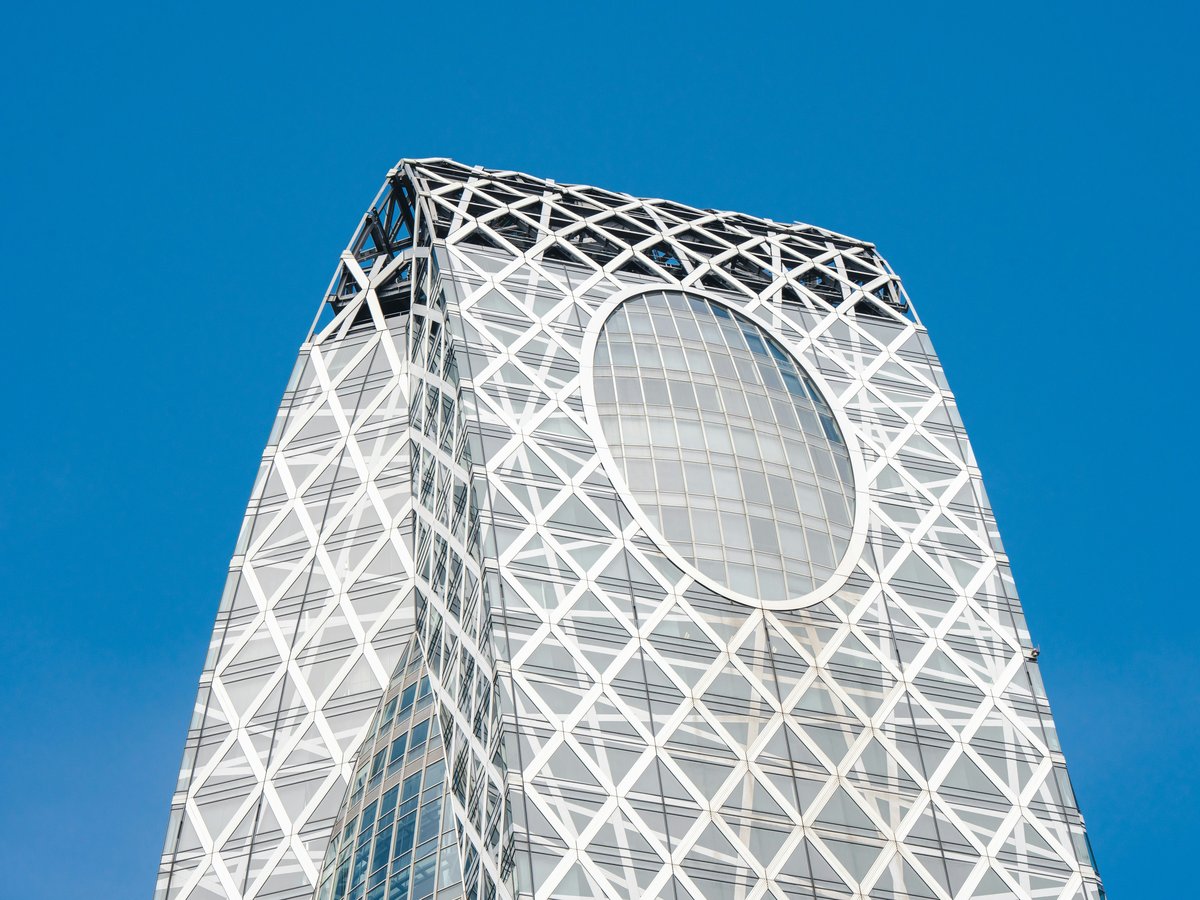
Must-see attractions
Tokyo's essential sights do not cluster in one old quarter; they scatter across a city that keeps rebuilding itself around a few fixed points. The oldest on this list, Sensō-ji Temple, dates from AD 645; the newest tower, Tokyo Skytree, from 2012. Between them sit two Shinto shrines, two Buddhist temples, a state guest house, the main residence of the Emperor of Japan, a mosque and the seat of the Roman Catholic Archdiocese of Tokyo. Several carry national heritage designations, from Tokyo Tower's registration as a Tangible Cultural Property to Hamarikyu Gardens' listing as a Historic Site. This list is for the visitor who wants the city's spine before its side streets: the places that show how Tokyo sees itself, as religious, imperial and modern all at once. Opening hours vary considerably: Sensō-ji closes at 17:00 and Meiji Jingū at 16:00 in winter, while Tokyo Tower stays open to 23:00. Do the shrines and temples in the morning and keep the towers for after dark.
See the picks → -
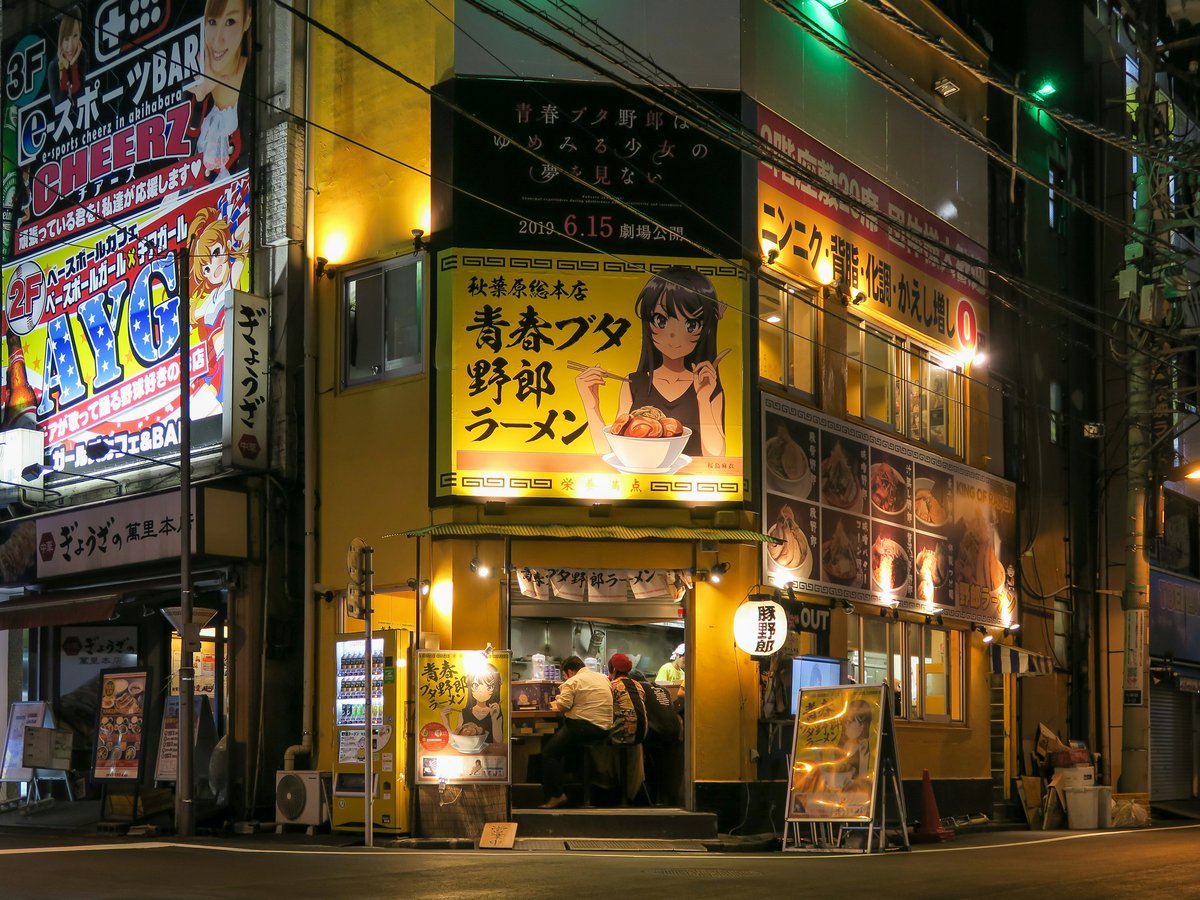
Best restaurants
Tokyo eats on every axis at once: a soup-curry counter in Shimokitazawa opens the same hour as a Ginza-adjacent sushi room, and both are ten minutes from an all-night family restaurant on a suburban corner. This list stays out of the Michelin-tasting-menu conversation on purpose. It is twelve rooms across Setagaya, Suginami, Nakano, Shibuya, Meguro and Shinjuku: soup curry, ramen, yakiniku, sushi, Genghis-Khan mutton, dining-labo lunch, a 24-hour Italian chain, a 15:00-cutoff donburi window; where the useful question is not what a critic scored but when the door opens, what neighborhood you are standing in, and whether you eat before the next train. Read it as a working map of dinner: pick the ward you are in, check the hours, and go. The cuisines and postcodes are drawn from OpenStreetMap records for each address; everything else is a local editor's read on when and why to walk in.
See the picks →