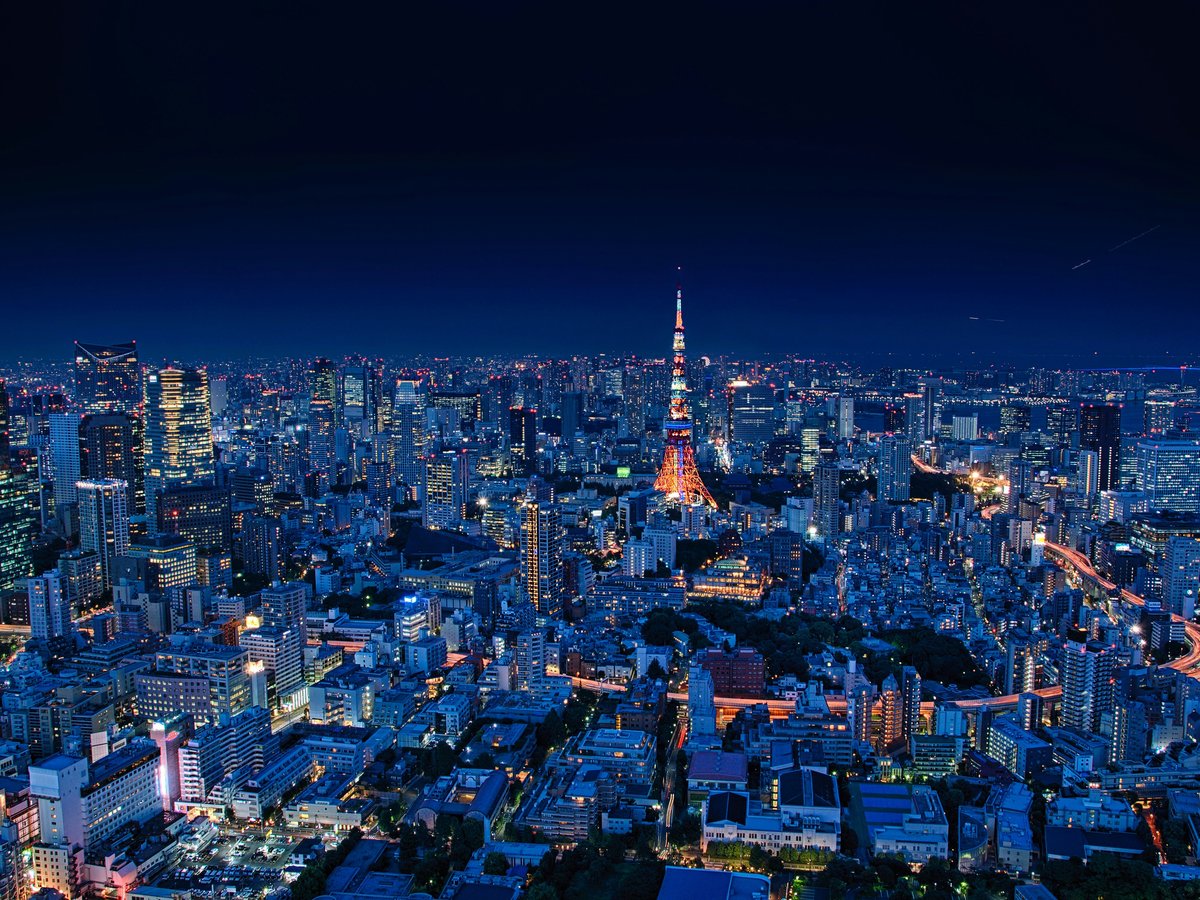
Tokyo for families
Tokyo Skytree is the high observation deck over Sumida, at coordinates 35.7101, 139.8107. Tokyo Tower is the orange lattice above Shiba Park, at 35.6586, 139.7456. Mode Gakuen Cocoon Tower is a cocoon-shaped design-school building west of Shinjuku Station.
Tokyo for families with kids, in numbers
- Score for families
- 9.0 out of 10
- Picks on this page
- 36 places across 3 lists, led by Tokyo Skytree, Tokyo Tower, Mode Gakuen Cocoon Tower
Questions families with kids ask about Tokyo
-
Family-friendly
Tokyo is family-friendly: 9/10. The city is absurdly safe, trains run on time, and convenience stores solve picky-eater emergencies at any hour. Stroller navigation works on flat sidewalks and in malls, but subway station elevators require detective work. Summer heat from June through September is the main downside: humid enough that toddlers wilt by noon.
Read the full answer → -
Is it safe?
We score Tokyo 9.5 out of 10 for solo travellers (see the TTDI Solo-Safety Index), about as high as any major city reaches. Violent crime against visitors is rare. The risks worth knowing are touts and spiked drinks in Kabukicho and Roppongi, groping on rush-hour trains, and earthquakes. Dial 110 for police, 119 for an ambulance.
Read the full answer → -
What to pack
Slip-on shoes: you'll remove them at temples, izakaya, and fitting rooms dozens of times. A hand towel, since Japanese restrooms rarely have paper towels. Layers for aggressive indoor AC even in summer. A coin purse for 500-yen coins worth about $3 each. Skip the umbrella; any konbini sells better ones for 500 yen.
Read the full answer → -
Getting around
Load a Suica IC card at any JR station machine (500-yen deposit, 3,000 yen covers three days) and tap through every subway, JR line, and city bus without thinking about tickets. The Yamanote loop connects major hubs. After midnight when trains stop, the GO taxi app replaces Uber entirely.
Read the full answer → -
Best time to visit
Go between late October and late November: afternoon highs drop from about 22°C to 14°C, the typhoon risk fades by late October, and the ginkgo avenues turn gold in November's final week. Late-March cherry blossom is prettier for about ten days, but it costs more and fills every park. Skip July and August, when the humidity makes walking hard work.
Read the full answer →
Curated for families with kids
-
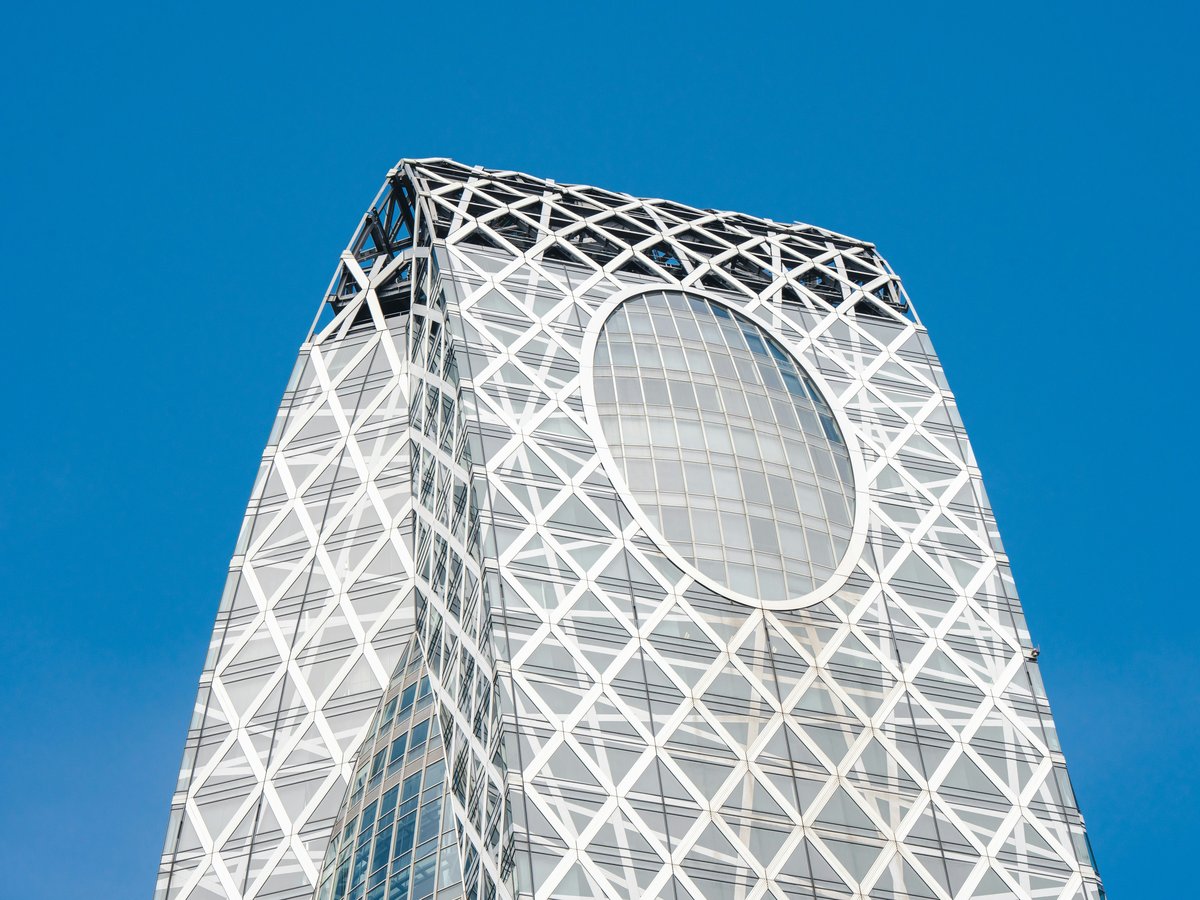
Must-see attractions
Tokyo's essential sights do not cluster in one old quarter; they scatter across a city that keeps rebuilding itself around a few fixed points. The oldest on this list, Sensō-ji Temple, dates from AD 645; the newest tower, Tokyo Skytree, from 2012. Between them sit two Shinto shrines, two Buddhist temples, a state guest house, the main residence of the Emperor of Japan, a mosque and the seat of the Roman Catholic Archdiocese of Tokyo. Several carry national heritage designations, from Tokyo Tower's registration as a Tangible Cultural Property to Hamarikyu Gardens' listing as a Historic Site. This list is for the visitor who wants the city's spine before its side streets: the places that show how Tokyo sees itself, as religious, imperial and modern all at once. Opening hours vary considerably: Sensō-ji closes at 17:00 and Meiji Jingū at 16:00 in winter, while Tokyo Tower stays open to 23:00. Do the shrines and temples in the morning and keep the towers for after dark.
See the picks → -
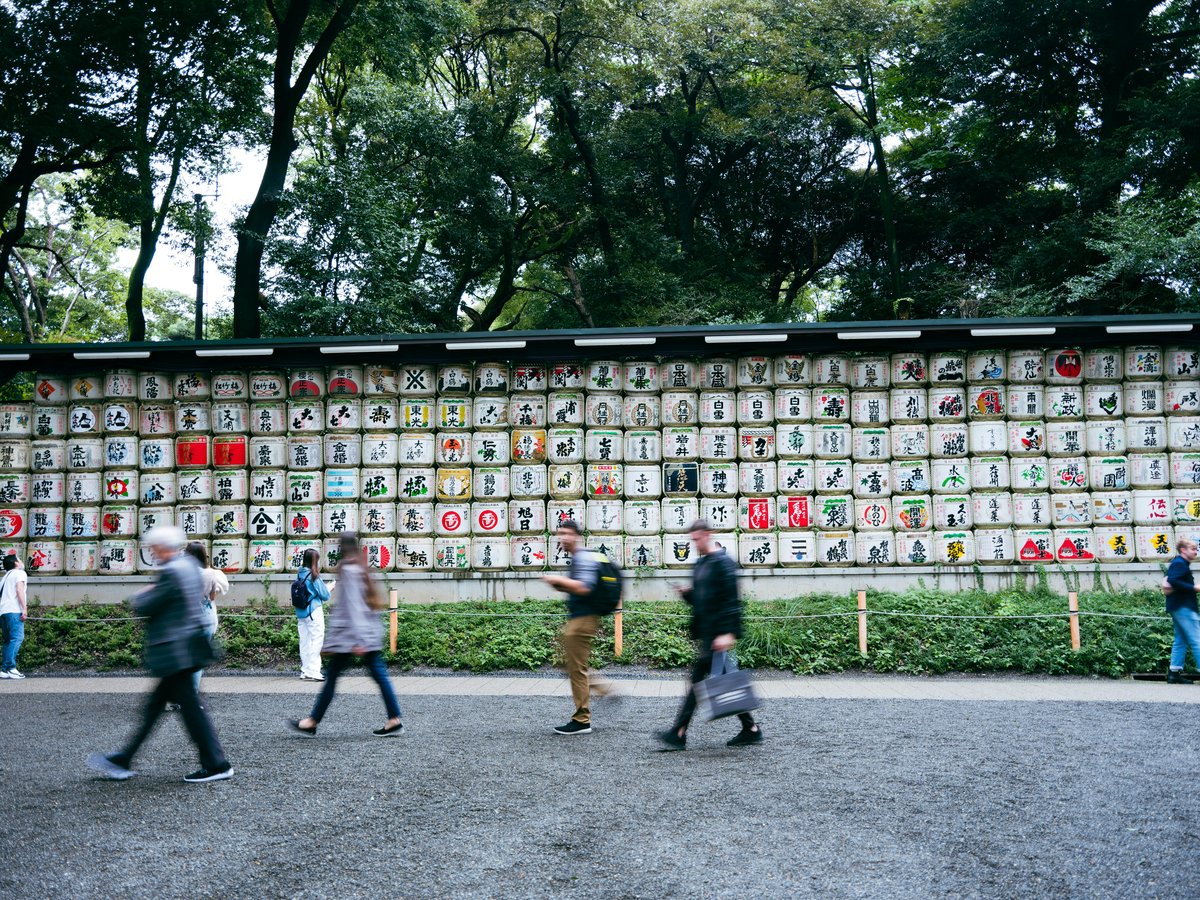
Best free attractions
Tokyo is at its most generous outdoors. This list covers twelve parks and gardens, and the dates alone tell you how long the city has been setting land aside: Koishikawa Kōrakuen Garden from 1629, Koishikawa Botanical Garden from 1684, and Rikugi Garden from 1702, right through to Kasai Rinkai Park in 1989. Between those poles sit the big civic parks, Ueno from 1873 and Hibiya from 1893, and the green spaces further out, from Inokashira Park in Musashino and Mitaka to Jindai Botanical Garden in Chofu. This list is for the traveler who has had enough of queues and screens and wants a few hours that cost nothing but time and shoe leather. Opening hours vary considerably, and since some places close on Mondays while one shifts its closing time with the season, read the hours in each entry before you set out. Entry terms also differ between the open public parks and the walled gardens, so check the official site linked in each entry before you go.
See the picks → -
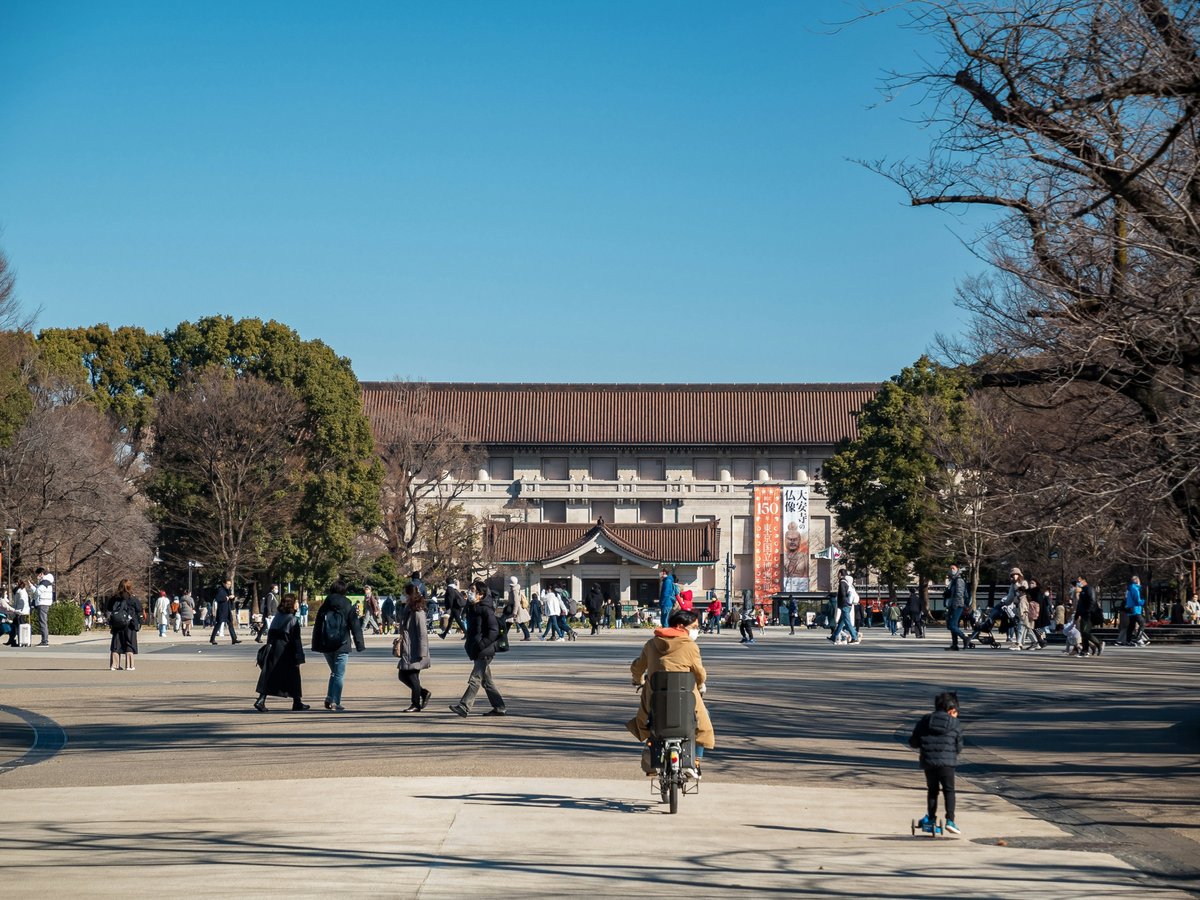
Best museums
Tokyo's museum scene is built around national institutions with real depth. The Tokyo National Museum dates from 1872 and the National Museum of Nature and Science from 1877, and both are designated Important Cultural Properties of Japan. The National Museum of Western Art stands at 7-7 Ueno-koen and is part of a UNESCO World Heritage Site; the science museum's postal address is also in Ueno-koen, so a single day in that park can cover Japanese art, Western art and natural history. The list then moves out from that core. The Ghibli Museum is an art museum in Mitaka, the Tokyo Metro Museum is a railway museum in Edogawa, and the Edo-Tokyo Open Air Architectural Museum sits inside a metropolitan park in Koganei. These twelve are for visitors who would rather plan around opening hours than queue at whatever is trending this week. Several stay open until 20:00 on chosen evenings, and for anyone with a few days in the city, that is the single most useful fact to take from this list.
See the picks →