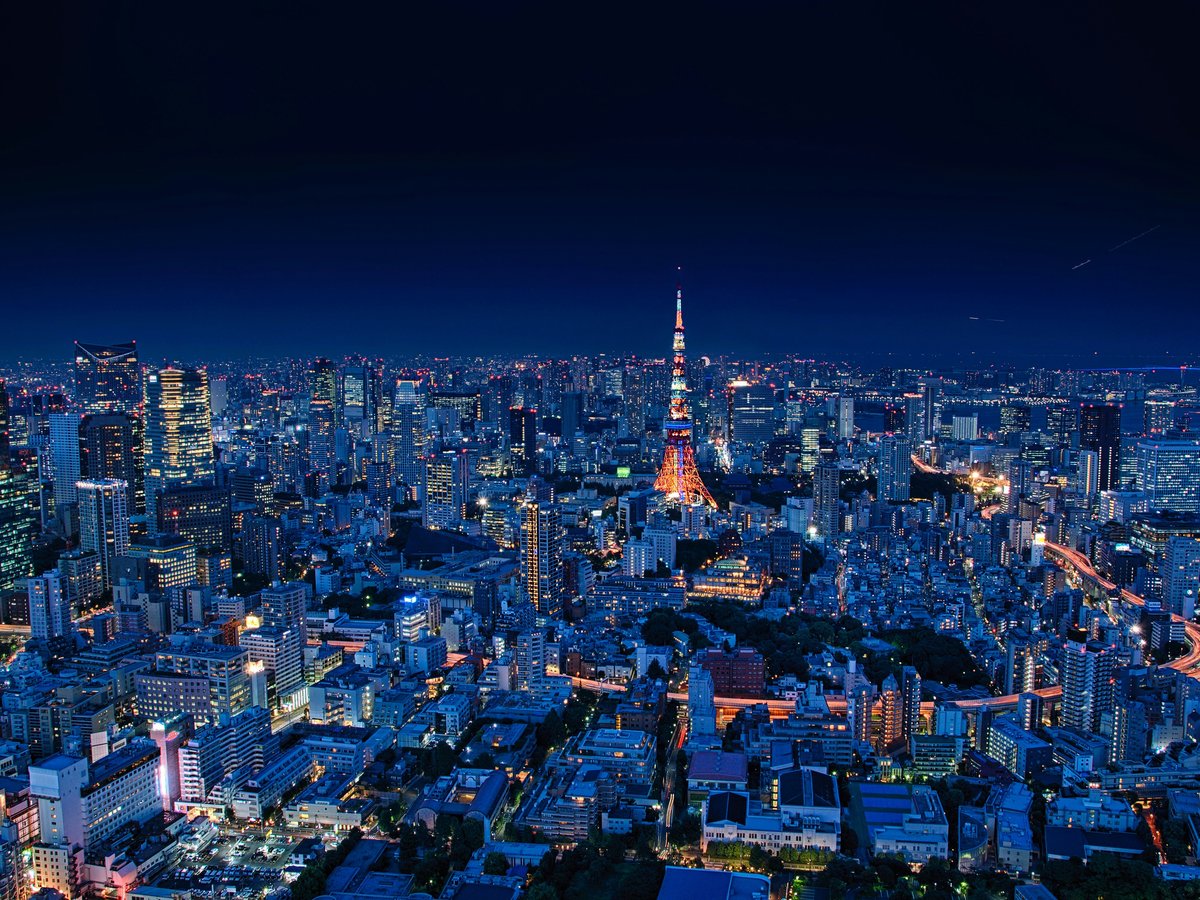
When's the best time to visit Tokyo in 2026?
Go between late October and late November: afternoon highs drop from about 22°C to 14°C, the typhoon risk fades by late October, and the ginkgo avenues turn gold in November's final week. Late-March cherry blossom is prettier for about ten days, but it costs more and fills every park. Skip July and August, when the humidity makes walking hard work.
Book late October through November, and aim for the second half if you can: the air dries out once the September typhoons pass. A first trip built around walking Asakusa, Ueno and Shibuya stays comfortable from breakfast to dinner, and on clear mornings you can sometimes see Mount Fuji from the free observatory in the Tokyo Metropolitan Government Building in Shinjuku. In the last days of November the 146 ginkgo trees on Icho Namiki in Meiji Jingu Gaien go yellow almost all at once; the pavement turns slick with leaves and smells sour and cheesy from crushed ginkgo nuts. Autumn in Tokyo has its own crowds, though. The Culture Day holiday on November 3 fills Rikugien in Komagome, and from late November its maples are lit after dark, so go on a weekday evening.
Cherry blossom season is the obvious rival, and for a first visit it is overrated. The Japan Meteorological Agency usually declares Tokyo's bloom around March 20 to 25, with full bloom about a week later, and Ueno Park turns into a picnic ground of blue tarps laid out from 6am, with a queue at every toilet. Hotel rates in Shinjuku and Ginza tend to run 30 to 50 percent above autumn levels, and one rain front can strip the trees overnight. If spring is the one time you can go, walk the Meguro River between Ikejiri-Ohashi and Naka-Meguro on a weekday before 8am. Then avoid Golden Week, April 29 to May 5: half of Japan travels that week, and Shinkansen seats out of Tokyo sell out weeks ahead.
July and August are the months to skip. Highs sit at 31 to 35°C with humidity near 80 percent, the cicadas in Yoyogi Park drone loud enough to drown out conversation, and a 15-minute walk from Harajuku Station down Omotesando will soak your shirt. The rainy season before that, usually early June to mid-July, brings more grey drizzle than storms, though the hydrangeas at Hakusan Shrine in Bunkyo make up for it. Typhoons peak in August and September and can stop JR lines for a day. For a budget trip, winter is the sleeper pick: December to February is cold and almost dry, with sharp blue skies, lights along Marunouchi Naka-dori, and yaki-imo trucks selling hot sweet potatoes that smell of caramel. Avoid December 29 to January 3, though. Many museums and restaurants close for New Year, and Meiji Jingu takes around three million visitors in the first three days of January.
The autumn window is open right now. In the early hours of October 17, Tokyo read 17.7°C under a clear sky with 74 percent humidity, which translates to a light jacket at night and a T-shirt by lunch. The yen is at about 158 to the US dollar, so a ¥15,000 business-hotel room in Shinjuku costs roughly $95. Pack a compact umbrella anyway: October can still bring a late storm, as Typhoon Hagibis did on October 12, 2019. On day one, take the Narita Express or Keisei Skyliner into the city, check in, and keep the afternoon light. A gentle first outing for jet-lagged legs is a loop of Ueno Park and the Tokyo National Museum, which closes on most Mondays.
Month-by-month outlook
- Jan Shoulder
- Feb Shoulder
- Mar Shoulder
- Apr Shoulder
- May Shoulder
- Jun Avoid
- Jul Avoid
- Aug Avoid
- Sep Avoid
- Oct Ideal
- Nov Ideal
- Dec Shoulder
Year-round climate
Averages from the last 5 years.
| Month | Avg high (°C) | Avg low (°C) | Rainfall (mm) |
|---|---|---|---|
| Jan | 9 | 0 | 35 |
| Feb | 11 | 1 | 54 |
| Mar | 15 | 6 | 156 |
| Apr | 20 | 10 | 152 |
| May | 23 | 15 | 193 |
| Jun | 27 | 19 | 189 |
| Jul | 32 | 24 | 168 |
| Aug | 33 | 25 | 144 |
| Sep | 29 | 22 | 202 |
| Oct | 22 | 14 | 143 |
| Nov | 17 | 9 | 79 |
| Dec | 12 | 3 | 56 |
Summer highs reach 31 to 35°C, with rain from June to mid-July and typhoons in August and September. Winter runs 2 to 10°C and stays dry. Spring and autumn sit between 12 and 22°C, and October and November are the most settled.
Go deeper into Tokyo
Last verified by automated review (v1.7.2) on . What is automated review?