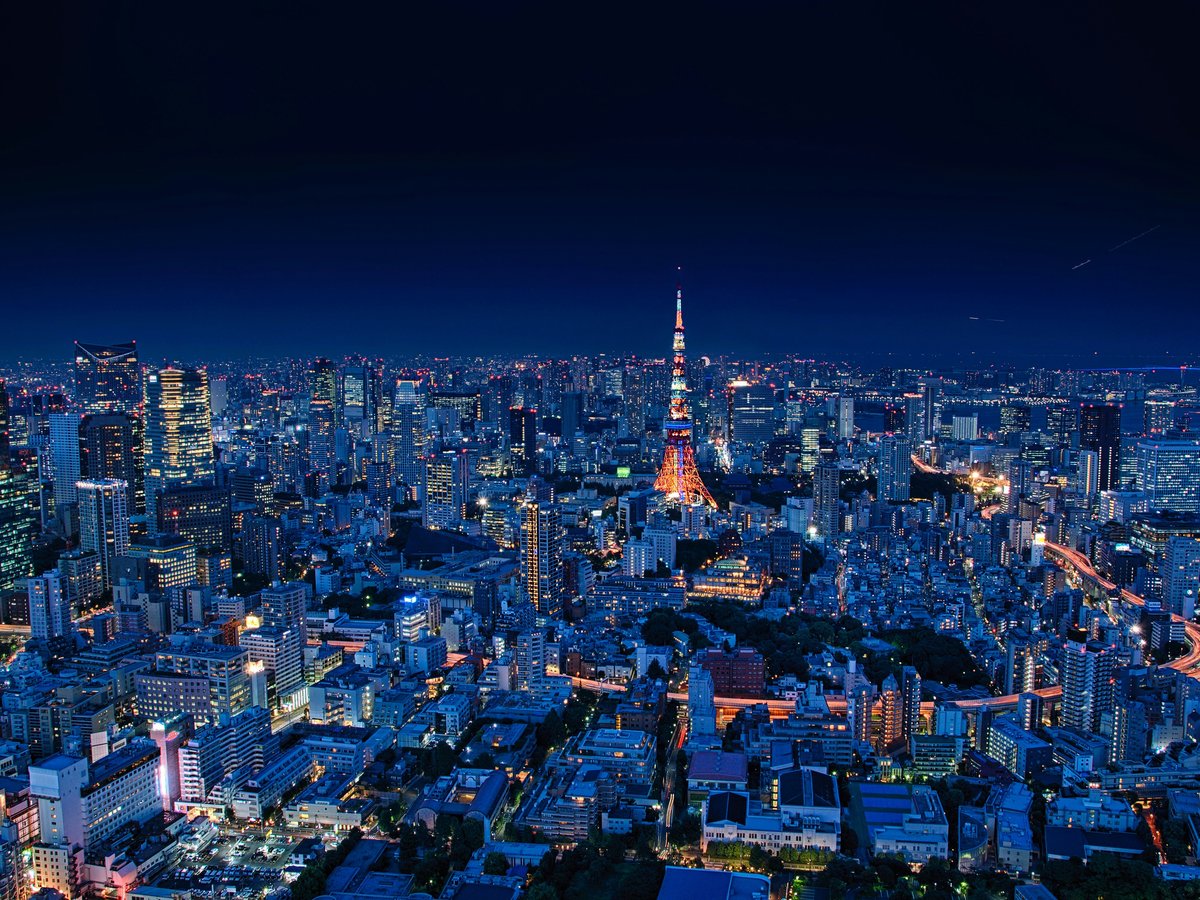
Tokyo is at its most generous outdoors. This list covers twelve parks and gardens, and the dates alone tell you how long the city has been setting land aside: Koishikawa Kōrakuen Garden from 1629, Koishikawa Botanical Garden from 1684, and Rikugi Garden from 1702, right through to Kasai Rinkai Park in 1989. Between those poles sit the big civic parks, Ueno from 1873 and Hibiya from 1893, and the green spaces further out, from Inokashira Park in Musashino and Mitaka to Jindai Botanical Garden in Chofu. This list is for the traveler who has had enough of queues and screens and wants a few hours that cost nothing but time and shoe leather. Opening hours vary considerably, and since some places close on Mondays while one shifts its closing time with the season, read the hours in each entry before you set out. Entry terms also differ between the open public parks and the walled gardens, so check the official site linked in each entry before you go.
-
1 Ueno Imperial Grant Park
東京都台東区上野公園・池之端三丁目A park that dates from 1873, open 09:30 to 17:00
Ueno Imperial Grant Park keeps something close to office hours, 09:30 to 17:00, so factor that in before you build a day around it. The grounds are at 東京都台東区上野公園・池之端三丁目, and the park dates from 1873. Skip the ticketed attractions that cost you a morning in a queue. The best use of Ueno is to walk it with no plan, a coffee in hand, and let the paths choose the route. Come soon after opening for the quieter hour, and leave time for an unhurried loop before the 17:00 close. If you need to check anything on the day, the listed number is +81-3-3828-5644.
Dates from 1873
Hours: 09:30-17:00
-
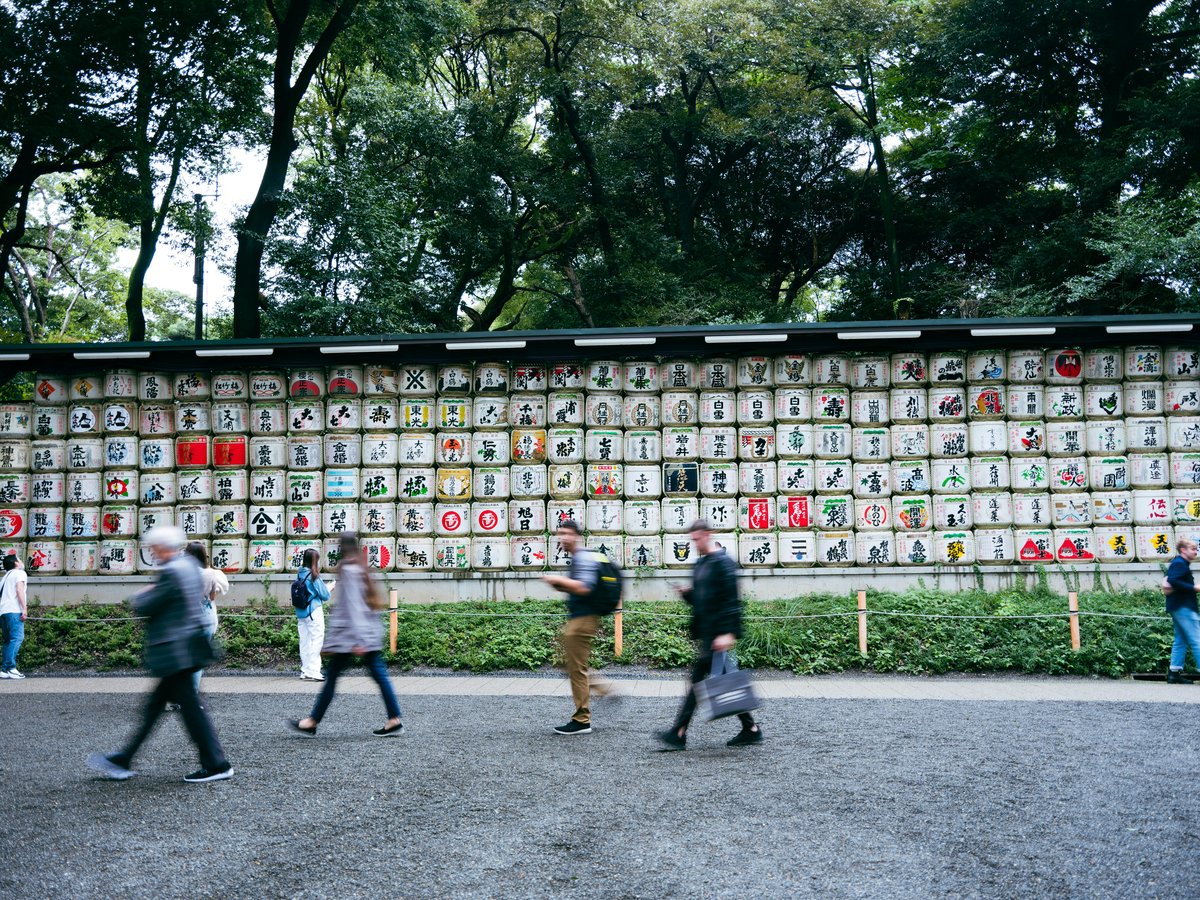
2 Yoyogi Park
渋谷区代々木神園町2-1A park from 1967 at 渋谷区代々木神園町2-1, made for doing nothing
Among the city's big green spaces, Yoyogi Park is on the newer side, dating from 1967, and you will find it at 渋谷区代々木神園町2-1. The locals use a park like this as a backyard, not a sight, so take the same approach: bring something to sit on, pick a patch of ground, and stay put for an hour without worrying about routes or checklists. The pleasure is having no agenda in a city that usually hands you one. Look at the official park page at https://www.tokyo-park.or.jp/park/format/index039.html before you go, and if you have a question on the day, call +81-3-3469-6081.
Dates from 1967
-
3 Shinjuku Gyoen
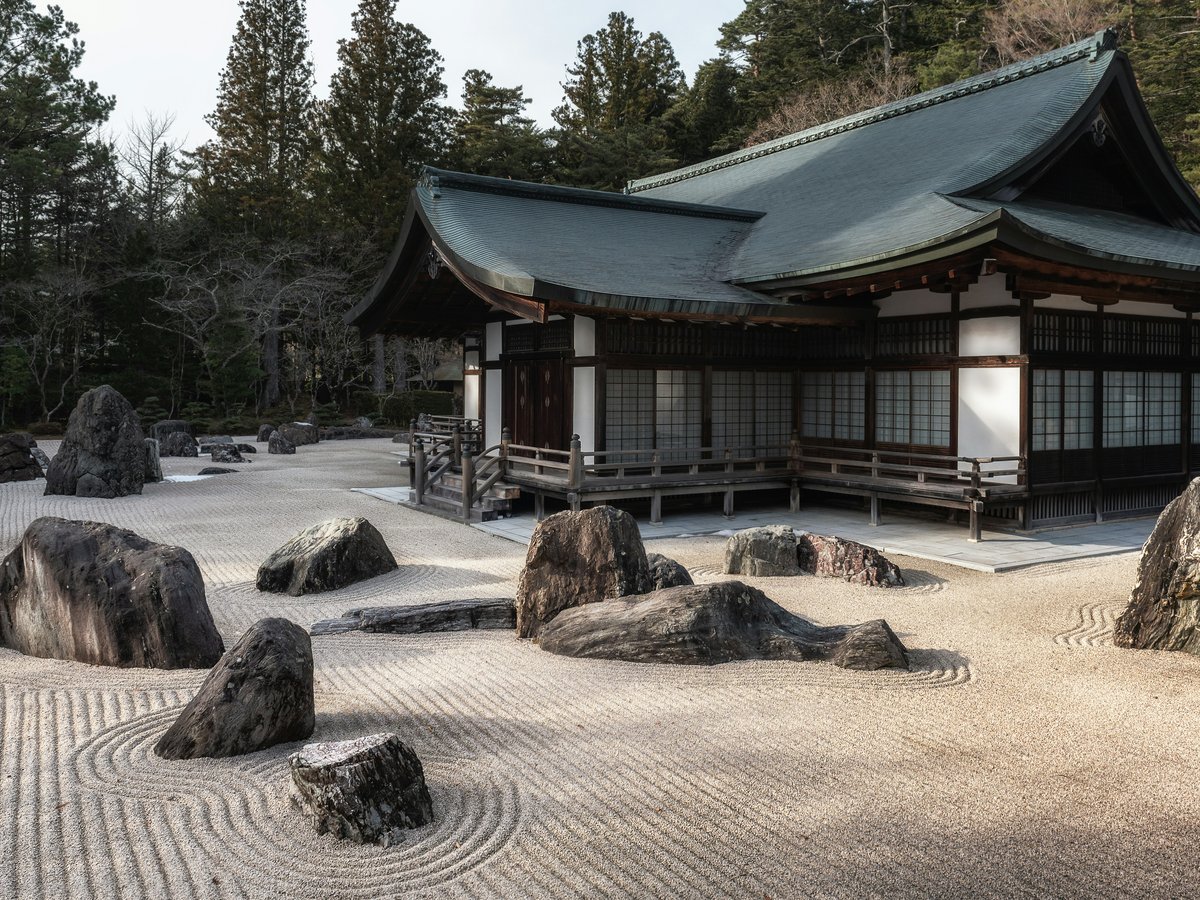
A park and garden from 1892 whose closing hour moves with the season
Shinjuku Gyoen opens at 09:00, Tuesday to Sunday, though the closing hour shifts with the season. From 1 October to 14 March the park closes at 16:30; from 15 March to 30 June at 18:00; from 1 July to 20 August at 19:00; and at 18:00 again until 30 September. It is shut on Mondays and from 29 December to 3 January. The garden spans Shinjuku and Shibuya and dates from 1892. We'd skip a late-afternoon visit in winter: with a 16:30 close, you are leaving before you have found a bench. A summer evening, when the gates stay open until 19:00, is the better bet. Confirm the details at the official site, https://www.env.go.jp/garden/shinjukugyoen/, or by phone on +81-3-3350-0151.
Dates from 1892
-
4 Kasai Rinkai Park
東京都江戸川区臨海町六丁目Space and distance from the centre in Edogawa, in a park from 1989
Kasai Rinkai Park sits out at 東京都江戸川区臨海町六丁目 in Edogawa, well away from the central sights, and in our view it is better for it. It dates from 1989, which makes it one of the newer places on this list. Skip the crowded inner-city lawns on a weekend: the locals who want room to spread out are the ones willing to make the trip, and so should you if you have a free afternoon and nothing to prove. Treat it as a half-day, not a stopover, because it is too far to dash in and out. Check the official page at https://www.tokyo-park.or.jp/park/format/index026.html before you set off, since no opening hours are listed here for this 1989 addition to the city's parks.
Dates from 1989
-
5 Inokashira Park
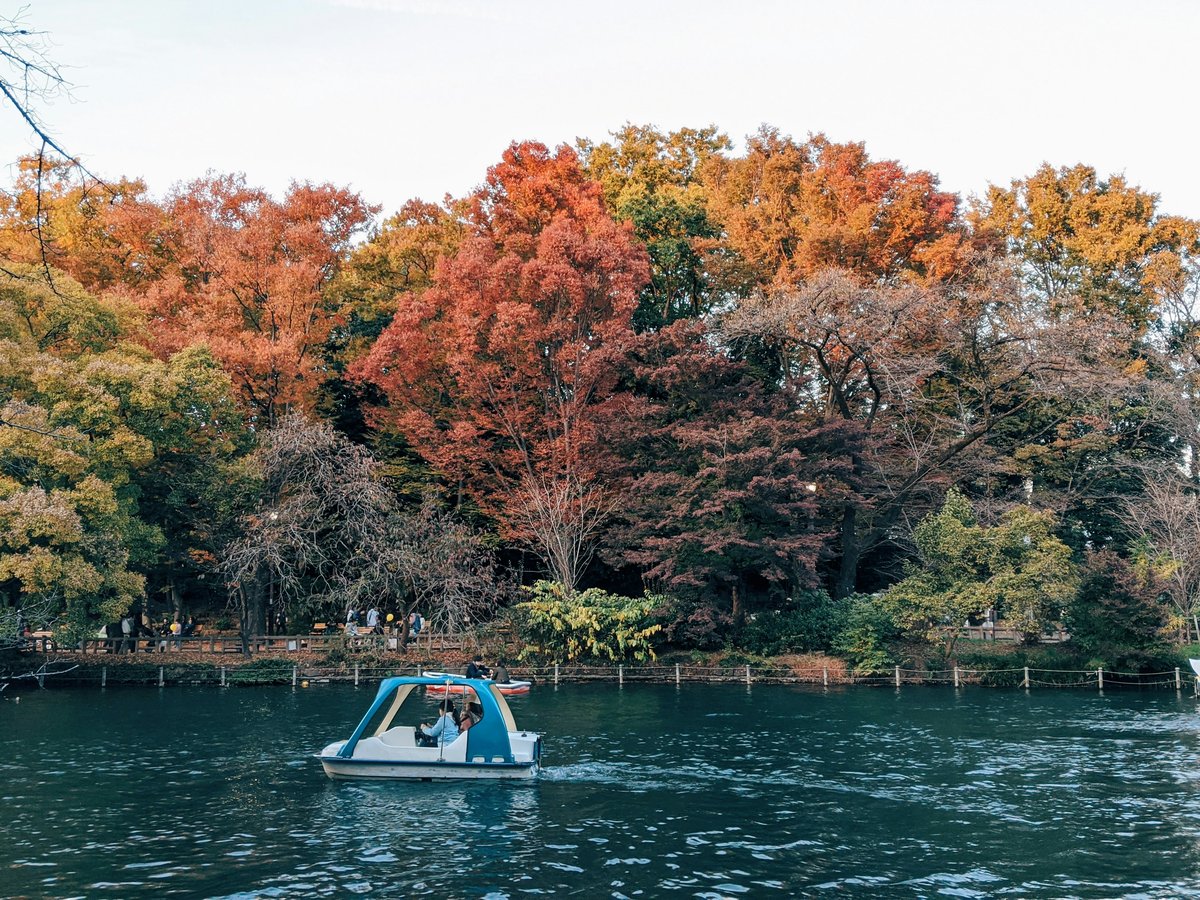
A park from 1917, open every day 09:30 to 17:00
Inokashira Park sits across Musashino and Mitaka and keeps daily hours of 09:30 to 17:00, seven days a week. It dates from 1917, so it has had more than a lifetime to become part of everyday life on the city's western edge. Don't treat it as a rushed add-on to a day in the centre. The locals prefer it as a destination in its own right: go on a weekday morning, walk slowly and let the day get away from you. It opens every day, so a Monday works here when several of the gardens on this list are shut. Check the official page at https://www.kensetsu.metro.tokyo.lg.jp/jimusho/seibuk/inokashira/ for any notices before you travel out.
Dates from 1917
Hours: Mo-Su 09:30-17:00
-
6 Yumenoshima Park
A park from 1978, for an unscripted afternoon
Dating from 1978, Yumenoshima Park is one of the city's newer public parks, and few visitors put it on their itinerary, so if you want a few hours clear of tour groups, skip the famous ones and come here instead. The appeal is an afternoon without a script. No opening hours are listed for it here, so check the official site at https://www.yumenoshima.jp/park/ before you set out and plan around what it says. Bring water, comfortable shoes, and no particular ambition. A 1978 start means the park carries none of the centuries of story that the older gardens on this list hold, but it makes up for that with space, and space is what you are least likely to find in central Tokyo.
Dates from 1978
-
7 Rikugi Garden
東京都文京区本駒込六丁目16番3号A garden from 1702 designated a Place of Scenic Beauty
Rikugi Garden has held a Place of Scenic Beauty designation since its founding in 1702, and that history puts it in a different category from an ordinary city park. You will find it at 東京都文京区本駒込六丁目16番3号, open daily from 09:00 to 17:00, which means a Monday visit is possible. Resist the photo-stop pace that marks most garden visits. A place with this designation repays a slow lap, then a second one the other way, because the views change depending on which direction you walk. Come in the first hour after 09:00, when it is quietest, and allow at least ninety unhurried minutes. Check the official page at https://www.tokyo-park.or.jp/park/rikugien/ for seasonal notices and entry details.
Dates from 1702 · Place of Scenic Beauty
Hours: Mo-Su 09:00-17:00
-
8 Koishikawa Botanical Garden
東京都文京区白山三丁目7番1号A botanical garden from 1684 designated a Historic Site of Japan
Koishikawa Botanical Garden sits at 東京都文京区白山三丁目7番1号 and opens Tuesday to Sunday from 09:00 to 16:30. Its 1684 founding and its designation as a Historic Site of Japan put it in a different class from the city's newer parks. Do not turn up on a Monday, when it is closed, and do not arrive late in the afternoon expecting a long visit before the 16:30 close. Come with an interest in plants rather than a camera. A botanical garden repays attention more than speed, and the visitors who get the most from it are the ones who read the labels. Check the official site at https://www.bg.s.u-tokyo.ac.jp/koishikawa/ for entry details before you go.
Dates from 1684 · Historic Site of Japan
-
9 Shiba Park
A park in Minato that dates from 1873
Shiba Park in Minato dates from 1873. Wikidata gives Ueno Imperial Grant Park the same founding year, 1873, so both belong to the city's earliest generation of public green space. We'd resist the habit of using it as a shortcut between appointments. Give it a proper half-hour, bring a picnic lunch picked up on the way, and sit with it. No opening hours or official site are listed here, so treat it as a flexible stop and check the current details on the day. Pair it with whatever else you have in Minato rather than making a separate trip.
Dates from 1873
-
10 Hibiya Park
A central Tokyo park from 1893
If you have an hour between appointments, Hibiya Park is where we'd go rather than killing time in a hotel lobby or a chain coffee shop: it dates from 1893, and a bench here costs nothing. Bring lunch, eat it slowly, and watch the city's working day move along the paths. A park that has been part of its city since 1893 has nothing to prove and nowhere you need to be. No opening hours are listed here, so check the official page at https://www.tokyo-park.or.jp/park/hibiya/ for events or closures before you build a plan around it.
Dates from 1893
-
11 Jindai Botanical Garden
〒182-0017 東京都調布市深大寺元町5-31-10A botanical garden from 1961, open Tuesday to Sunday 09:30 to 17:00
Postcode 182-0017 puts Jindai Botanical Garden at 東京都調布市深大寺元町5-31-10, well out from the central wards. It opens Tuesday to Sunday, 09:30 to 17:00, and closes on Mondays and from 29 December to 1 January. The garden dates from 1961. If you have a spare hour, skip it. The trip out deserves most of a day, so give it one, and a weekday is worth choosing if you can manage it. A botanical garden rewards people who come back across the seasons, though even a single slow walk pays off. Check entry details on the official site at https://www.tokyo-park.or.jp/jindai/, or call +81-42-483-2300.
Dates from 1961
-
12 Koishikawa Kōrakuen Garden
東京都文京区後楽一丁目6番6号A garden from 1629 designated a Historic Site of Japan
Koishikawa Kōrakuen Garden dates to 1629, giving it the deepest roots of any place on this list, and it carries the designation of Historic Site of Japan. You'll find it at 東京都文京区後楽一丁目6番6号, in Bunkyo. The listed hours run Monday to Friday, 09:00 to 17:00, with a closure from 29 December to 1 January; since those hours cover weekdays alone, we'd confirm weekend access on the official page at https://www.tokyo-park.or.jp/park/format/index030.html or by phone on +81-3-3811-3015. Skip the quick photo circuit. A garden this old deserves a slow walk and a long stop wherever the view holds you.
Dates from 1629 · Historic Site of Japan
Last verified by automated review (v1.7.2_fame1017d-1015-190-20261017134646) on . What is automated review?