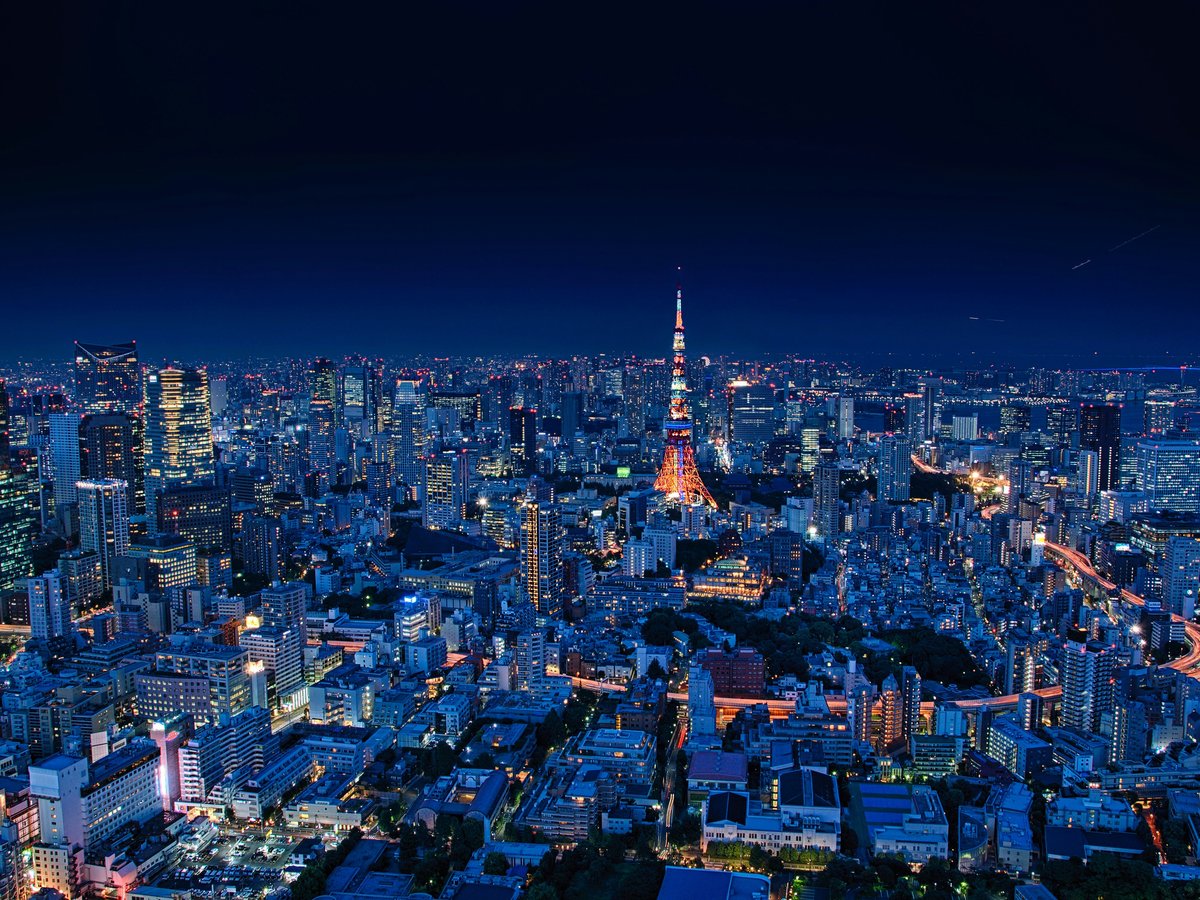
Is Tokyo good for digital nomads in 2026?
Tokyo rates 7/10 for digital nomads (sourced from TTDI's editorial rubric). NTT fiber delivers 500 Mbps to 1 Gbps in most apartments, coworking runs ¥15,000-45,000 a month, and the weak yen (¥162 to $1 as of July 2026) drops monthly all-in costs to around $2,800. Japan's Digital Nomad Visa (launched April 2024) grants 6 months but requires ¥10 million annual income.
Tokyo's residential fiber from NTT Flets Hikari and au Hikari delivers 1 Gbps symmetric to most apartments across the 23 wards, with real-world speeds of 500-800 Mbps on a wired connection. Monthly mansions on Sakura House and OAK House often advertise 'free WiFi' that turns out to be a pocket router pulling 15 Mbps off a shared SoftBank mobile line. Before signing, ask for a speed test. Both 15 Mbps pocket WiFi and 500 Mbps dedicated fiber get sold as 'internet included.' Starbucks Japan caps WiFi sessions at 60 minutes. Tully's Coffee gives you 3 hours, but the Shibuya branches fill by 10 AM and the tables sit elbow-width apart. Doutor, the chain with over 1,100 Tokyo locations, still has no WiFi in most branches. Your best free workspace might be Chiyoda City Library in Kanda, which has power outlets at every seat and a quiet reading room that stays cool even in August when the humidity outside hits 85%.
For coworking, the main options sit in Shibuya, Roppongi, and Shinjuku. WeWork's Shibuya location runs about ¥45,000 a month for a hot desk with 24/7 access. The 45th-floor view over Shibuya Crossing is admittedly hard to focus through. Impact Hub Tokyo in Meguro costs ¥28,000 monthly and has the best natural light of any workspace in the city, tall windows facing a quiet residential street lined with zelkova trees. The Meguro crowd tends to skew social-enterprise rather than tech. BasisPoint in Shinjuku does drop-in for ¥500 per hour or ¥2,200 per day, with free drip coffee and power at every seat. For quick sessions between meetings, Coin Space runs pay-by-the-minute booths at ¥5 per minute, capped at ¥1,980 per day, inside JR stations including Shinjuku and Ikebukuro. That said, the booths fit one person and a 13-inch laptop. If your screen is 16 inches, your elbows will know it.
Skip Shibuya and Shinjuku for a month-long stay. Loud past midnight, groceries 30% more expensive at the convenience-store-sized supermarkets. Shimokitazawa, two stops from Shibuya on the Keio Inokashira Line, is where nomads staying longer than 3 weeks tend to settle. Rent for a 1K apartment (one room plus kitchen) runs ¥85,000-120,000 a month. The shotengai has a coin laundry open until 23:00, three supermarkets including an Ozeki past midnight, and enough kissaten (old-school coffee shops) that you might never need coworking. The south exit alley smells like roasting coffee beans and yakitori smoke from 8 AM onward, and most of the smaller cafes don't mind if you sit for 3 hours with a laptop. Koenji, one more stop west on the Chuo Line, is cheaper still. Studios there drop to ¥70,000. The trade-off is a 20-minute train ride to central Tokyo and Saturday nights when bass from the south-side live houses rattles the windows.
Japan launched the Digital Nomad Visa in April 2024. It grants 6 months, prohibits local employment, and requires proof of ¥10 million annual income (about $62,000 at current rates), nationality from one of 55 tax-treaty countries including the US, UK, Germany, and Australia, plus private health insurance. If you earn under that threshold, 90-day visa-free entry still works for citizens of 71 countries, though immigration at Narita might ask questions if your luggage includes a monitor stand and an ergonomic keyboard. Monthly budget for a nomad in Shimokitazawa or Koenji with a coworking membership, eating 2 meals a day out, and taking the train daily comes to roughly $2,800. That breaks down to about $750 rent, $175 coworking, $900 food (lunch sets run ¥800-1,200, dinner at a local izakaya ¥1,500-2,500), $65 transit on a Suica commuter pass, and $300-400 for weekend trips. At ¥162 to the dollar as of July 2026, Tokyo is currently cheaper for USD earners than it has been in three decades.
The language barrier is steeper than in Bangkok or Lisbon. Landlords, utility companies, and ward offices operate almost entirely in Japanese, and Google Translate struggles with keigo (formal Japanese). A Jetogo eSIM takes 15 minutes to activate at Narita or Haneda. Activating a local Rakuten Mobile plan without a residence card tends to take 3 visits. Productivity drops in July and August when temperatures hit 33°C with 80-90% humidity, and air conditioning in older apartments adds ¥8,000-12,000 a month to your electricity bill. The Yamanote Line makes up for a lot. It runs every 2-3 minutes until midnight, and you can cross the entire city in 40 minutes for ¥200. Live in Koenji at ¥70,000 rent, work at BasisPoint in Shinjuku for ¥2,200 a day. The ¥170 Chuo Line fare between them buys a 12-minute commute with air conditioning and phone signal the whole way.
Composite of cafe + coworking download speeds and reliability.
Apartment, coworking membership, food, and transit at a comfortable level.
Coworking spaces
- WeWork Shibuya
- Impact Hub Tokyo (Meguro)
- BasisPoint Shinjuku
- Coin Space (JR Shinjuku, JR Ikebukuro)
- Regus Roppongi
Visa options
Digital Nomad Visa (launched April 2024) grants 6 months, requires ¥10 million annual income (~$62,000), tax-treaty nationality (55 countries qualify), and private health insurance. 90-day visa-free entry covers 71 nationalities, no extension without leaving Japan.
Last verified by automated review (v1.7.2) on . What is automated review?