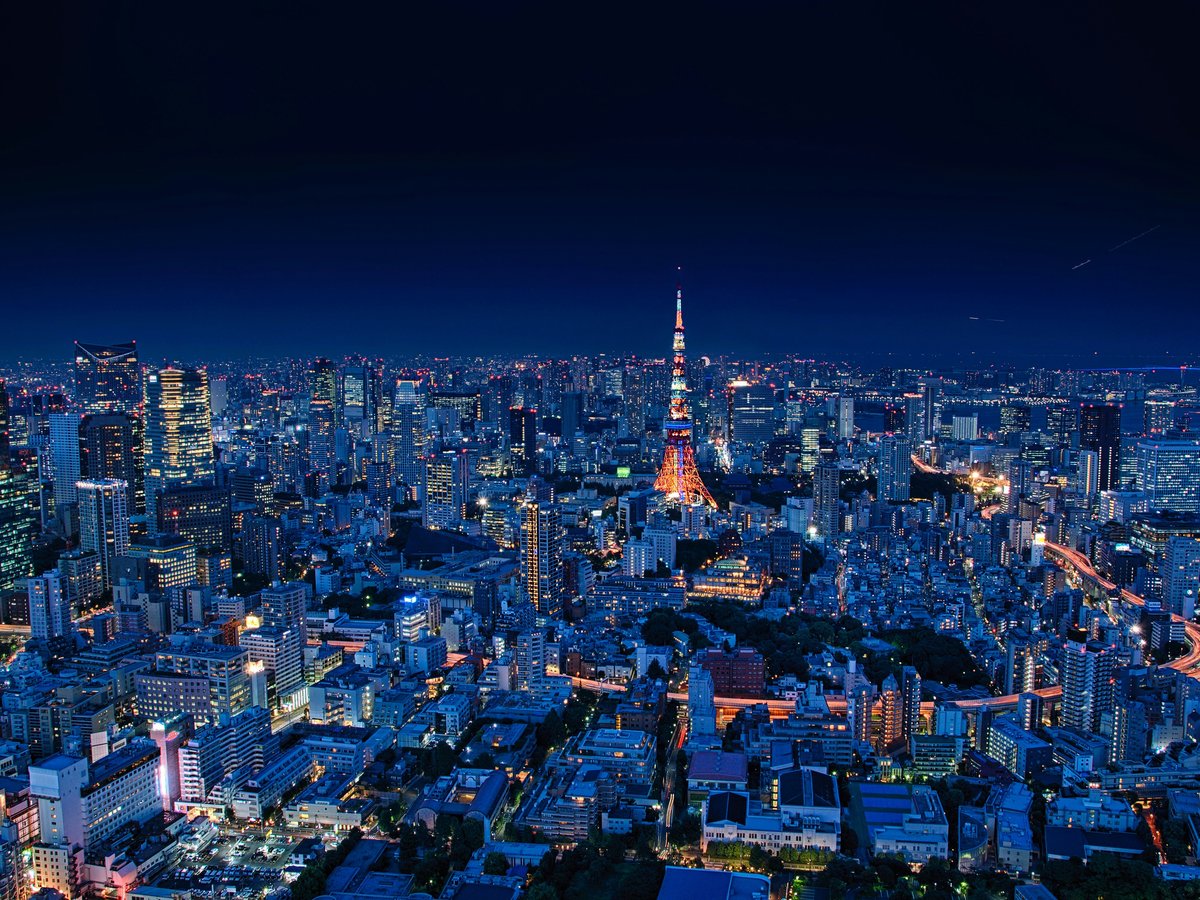
Tokyo on a budget
Shinjuku Gyoen is the most fully realised park-and-garden in central Tokyo, run by the national environment ministry. Most of the picks for budget travelers in Tokyo sit in Narita and Haneda Airport/Kamata. Tokyo has 35 budget-tier hotels in the Trip.com pool from US$13 a night.
Tokyo for budget travelers, in numbers
- Picks on this page
- 22 places across 2 lists, led by Hotel Nikko Narita, Keikyu EX Inn Haneda, Premier Hotel Cabin Shinjuku
- budget-tier hotels
- 35 in the Trip.com poolfrom US$13 a night
Questions budget travelers ask about Tokyo
-
Cost per day
Tokyo costs ¥8,000-10,000 ($50-60) per day on a strict budget. A hostel dorm in Asakusa runs ¥2,500-3,500, three meals from gyudon chains and konbini total ¥1,500-2,000, and the 24-hour Metro pass is ¥600. Midrange sits around ¥21,000 ($130) with a business hotel and sit-down dinners. Luxury starts at ¥57,000 ($350) with five-star properties in Shinjuku or Otemachi.
Read the full answer → -
What to avoid
Skip the Roppongi bar touts after midnight, where bills reach ¥300,000 with bouncers blocking the exit. Avoid Tsukiji Outer Market's tourist sushi stalls, marked up 3× over conveyor-belt chains like Sushiro. The 7-day JR Pass at ¥50,000 does not pay for itself inside central Tokyo. Take the ¥2,520 Keisei Skyliner from Narita, not a ¥25,000 taxi.
Read the full answer → -
Getting around
Load a Suica IC card at any JR station machine (500-yen deposit, 3,000 yen covers three days) and tap through every subway, JR line, and city bus without thinking about tickets. The Yamanote loop connects major hubs. After midnight when trains stop, the GO taxi app replaces Uber entirely.
Read the full answer → -
Airport to city
From Narita, take the Narita Express (N'EX) to Tokyo Station or Shinjuku: 3,250 JPY ($20), about 55 minutes, reserved seats, luggage racks, zero confusion. Runs 7am to 9:45pm. From Haneda, the Keikyu Line to Shinagawa costs 300 JPY ($2) and takes 11 minutes. Both airports have clear English signage throughout.
Read the full answer → -
Food culture
Tokyo's food culture runs on precision and timing. Lunch sets between 11:30 and 1:30 deliver ¥1,000 meals from kitchens that charge triple at dinner. Ramen, sushi, yakitori, and tonkatsu each have dedicated specialists: single-dish restaurants where the cook has done one thing for decades. Convenience stores serve better grab-and-go food than most sit-down restaurants elsewhere. Skip the tourist zones; eat where the train lines end.
Read the full answer →
Curated for budget travelers
-
Best hostels
Tokyo's hostel map splits along rail lines, not postcards. The cheapest beds cluster in two shapes: airport-adjacent hotels built for transit layovers, and downtown budget rooms wedged between train stations and convenience stores. Narita and Haneda each anchor an airport corridor where the point is proximity to a terminal, not the city itself. Shinjuku and Ikebukuro draw backpackers who want late-night foot traffic and dense rail connectivity. Ueno and Asakusa hold the old-city hostels, quieter after dark but closer to temples and market streets. Ginza and Tsukiji offer a surprise budget pocket in Tokyo's most expensive retail district. Edogawa Ward and Kanda sit on the Tozai and Chuo lines respectively, trading location glamour for the lowest rates in the city. The full range runs from $15 to $79 per night, and Trip.com ratings sit between 8.4 and 9.3; the floor is high because Tokyo's budget tier enforces a cleanliness standard that most cities reserve for mid-range rooms. Picking a neighborhood here is less about finding a safe bed and more about choosing your commute, your evening walk, and whether you want to wake up near a runway or a shrine.
See the picks → -
Best free attractions
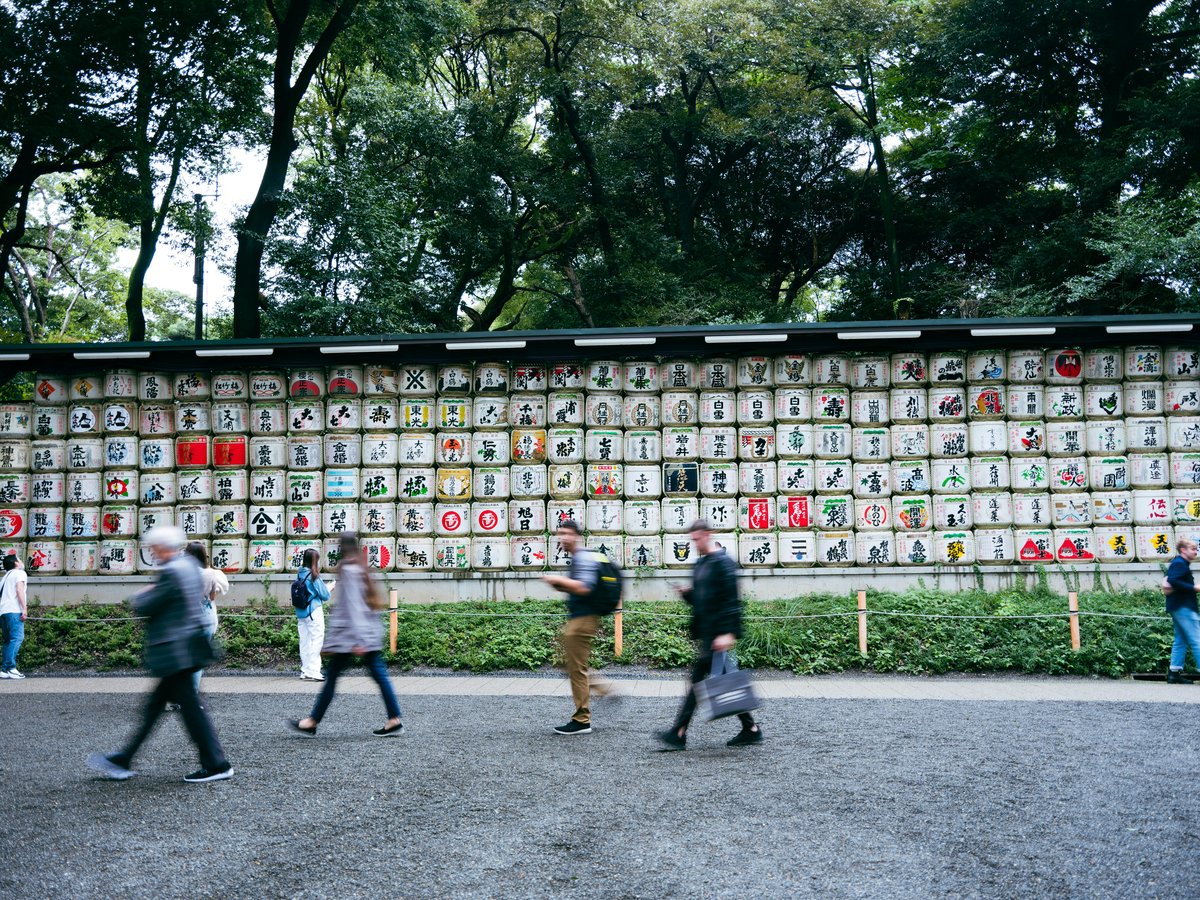
Tokyo is at its most generous outdoors. This list covers twelve parks and gardens, and the dates alone tell you how long the city has been setting land aside: Koishikawa Kōrakuen Garden from 1629, Koishikawa Botanical Garden from 1684, and Rikugi Garden from 1702, right through to Kasai Rinkai Park in 1989. Between those poles sit the big civic parks, Ueno from 1873 and Hibiya from 1893, and the green spaces further out, from Inokashira Park in Musashino and Mitaka to Jindai Botanical Garden in Chofu. This list is for the traveler who has had enough of queues and screens and wants a few hours that cost nothing but time and shoe leather. Opening hours vary considerably, and since some places close on Mondays while one shifts its closing time with the season, read the hours in each entry before you set out. Entry terms also differ between the open public parks and the walled gardens, so check the official site linked in each entry before you go.
See the picks →