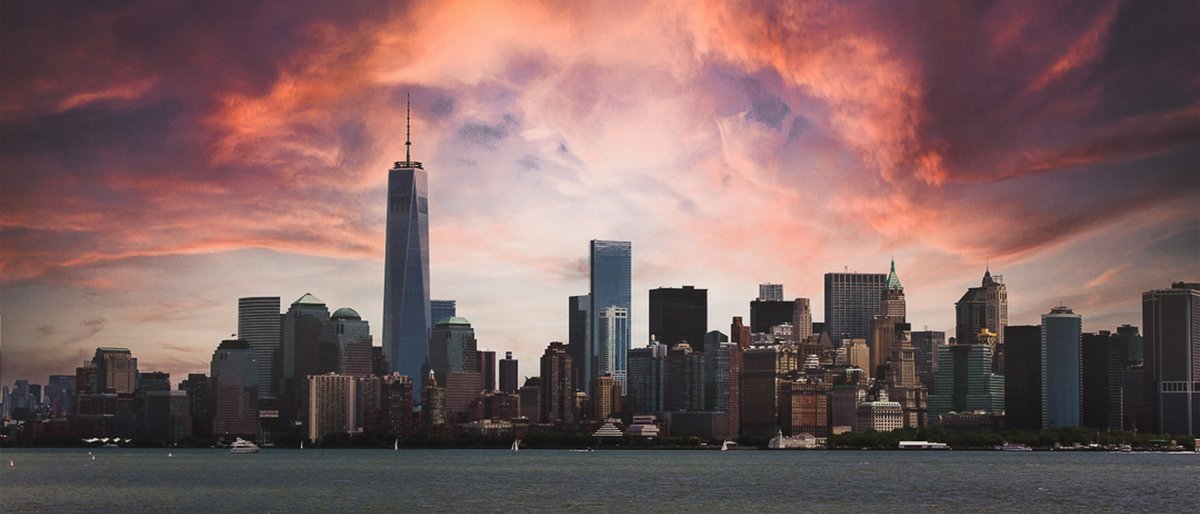
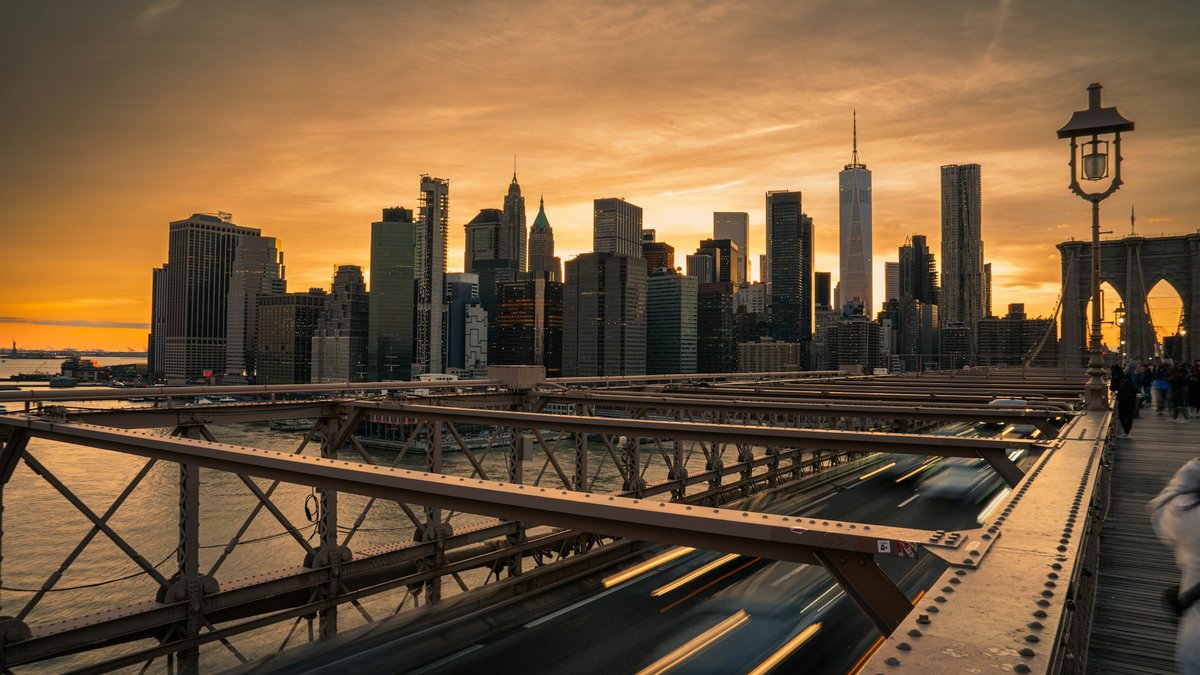
New York sits on a series of islands and peninsulas at the mouth of the Hudson River, a geography that forced the city upward rather than outward and gave it a skyline recognizable from thirty miles away. The grid that the Commissioners' Plan imposed on Manhattan in 1811 still organizes daily life above Houston Street, but below it the older Dutch street pattern survives in the angled lanes of the Financial District and the crooked blocks of the West Village, where you can lose your bearings in three turns. A first visit usually begins in Midtown, where the density of tall buildings creates its own microclimate: wind tunnels on Sixth Avenue, unexpected sunlight pooling at certain intersections in late afternoon, but the city only starts to make sense once you leave that concentrated spectacle. Cross into the Lower East Side and the scale drops to five-story tenements with fire escapes that have functioned as informal balconies since the 1880s. Take the subway to Jackson Heights in Queens and the signs switch to Spanish, Bengali, Tibetan within a few blocks. Ride the Staten Island Ferry for the harbor view most photographs capture. The city runs on its own schedule: restaurants that would be considered late-night anywhere else serve dinner at a perfectly normal nine o'clock, bodegas sell coffee at any hour, and the subway operates around the clock, which almost no other system in the world does. Eight million people sharing roughly three hundred square miles produces a particular social negotiation: strangers stand close, conversations happen at volume, and the local definition of personal space would alarm most other Americans. The weather swings hard: humid summers above ninety degrees, winters that drop below freezing, and two weeks in October when the light turns golden and the whole city seems to exhale.
New York in photos
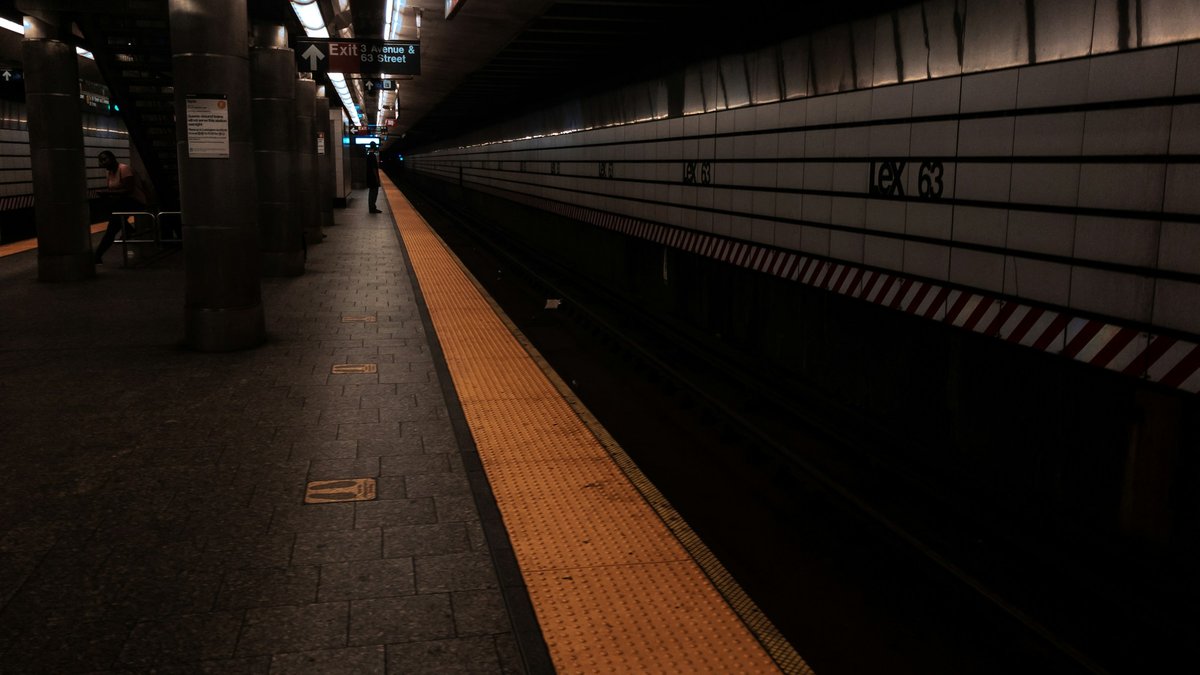
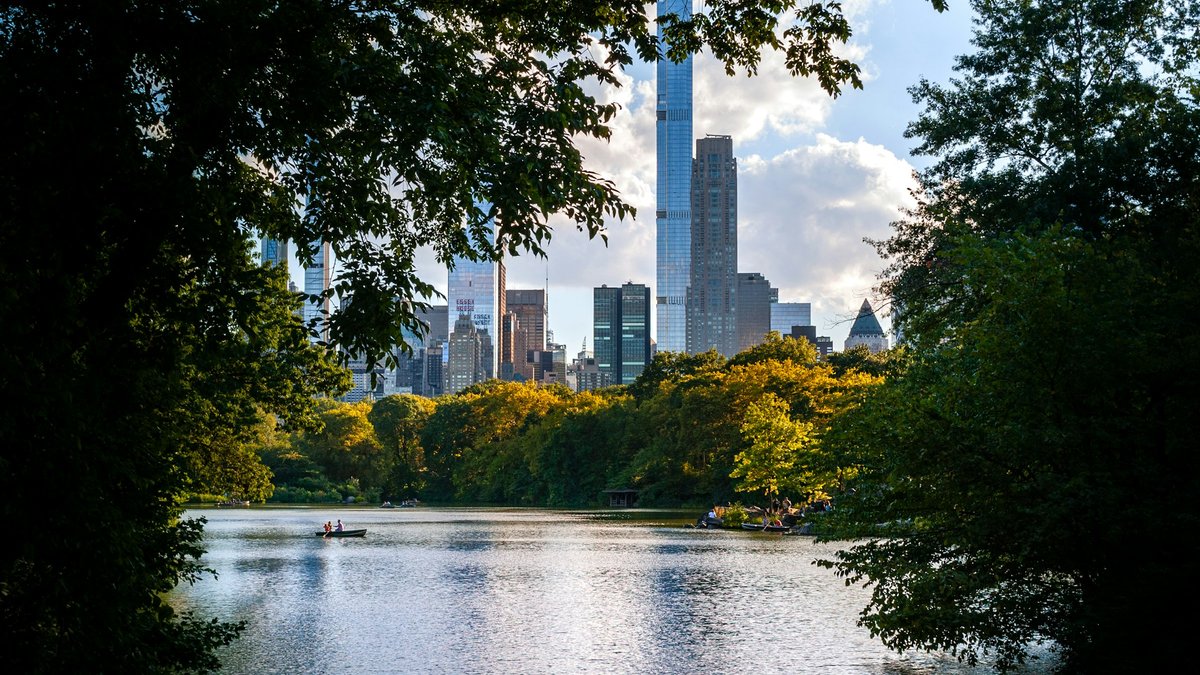
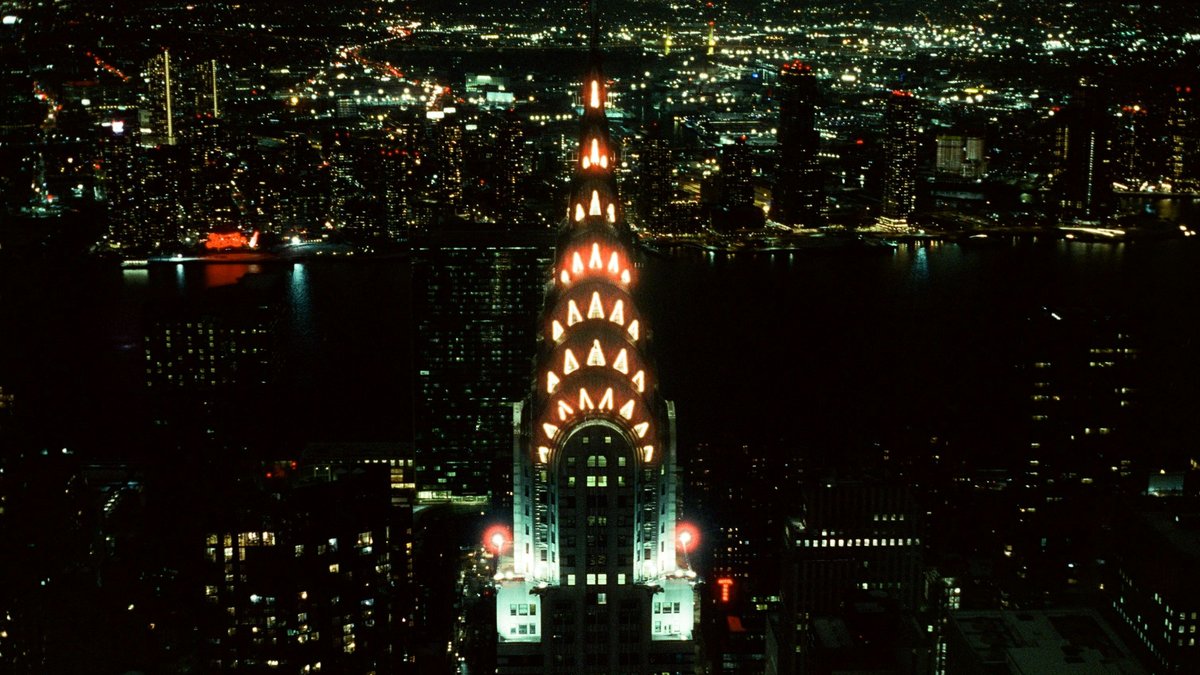
New York right now
Answers about New York
-
Airport to city
From JFK, take the AirTrain to Jamaica Station then the Long Island Rail Road to Penn Station: $16 total off-peak, about 50 minutes into New York. The flat-rate taxi to Manhattan is $70 plus tolls and tip, closer to $90 all in. LaGuardia has no rail link; Newark connects via NJ Transit to Penn Station.
Read the full answer → -
Best time to visit
Plan your New York trip for mid-September through early November, with October the safest single choice: daytime highs sit around 18°C (64°F), summer humidity has gone, and Central Park turns copper by the first week of November. Steer clear of the last week of September, when the UN General Assembly pushes up Midtown hotel rates, and give the late-December holiday peak an equally wide berth.
Read the full answer → -
Cost per day
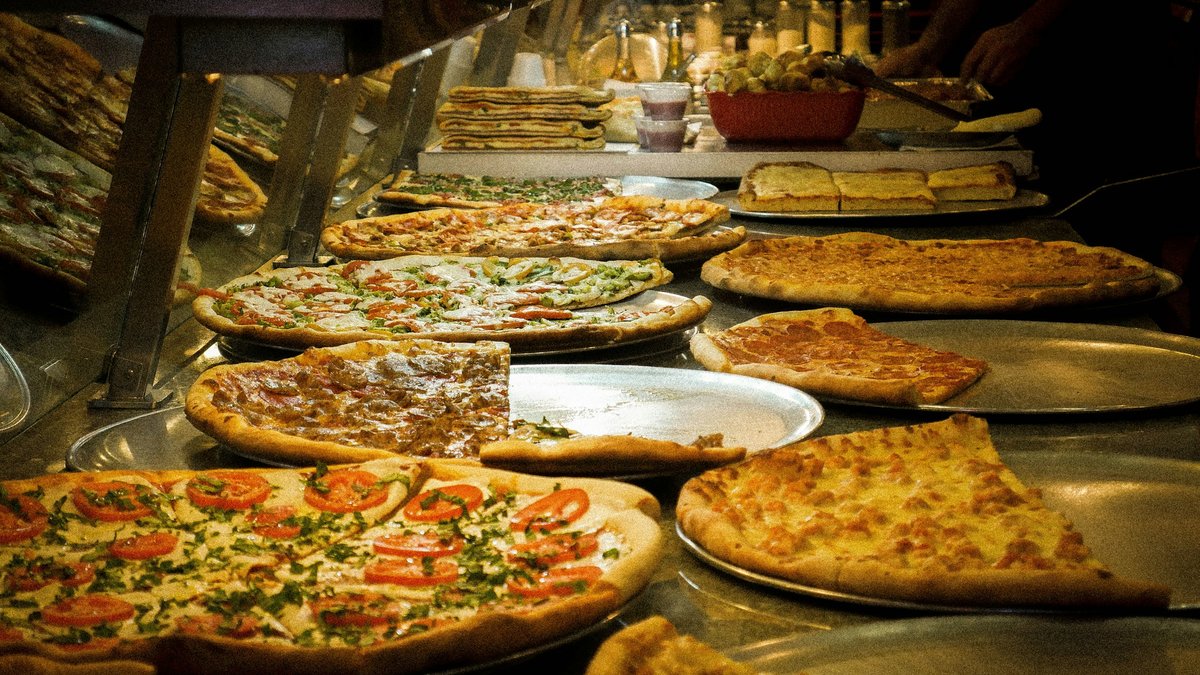
A frugal day in New York runs about $75, covering a hostel dorm on the Upper West Side ($50-65), $1.50 pizza slices and $7 halal-cart plates, and subway rides that cap at $34 per week through OMNY. The 8.875% sales tax and 18-20% expected tip push every sit-down meal about 30% above the listed price.
Read the full answer → -
Cultural etiquette
New Yorkers tip 20% at restaurants, not 15%, not 'whatever feels right.' Walk fast, stay right on sidewalks, never stop mid-crosswalk to check your phone. Skip the small talk with cashiers and baristas; a quick 'hey, thanks' is the whole interaction. Politeness here means not wasting anyone's time.
Read the full answer → -
Best day trips
Cold Spring tops the list: 80 minutes on Metro-North's Hudson Line from New York's Grand Central, about $23 round trip on weekends. One of you hikes Breakneck Ridge while the other browses Main Street's antique shops, then meet for dinner overlooking the river. Beacon's Dia art museum and Fire Island's quiet beaches are strong alternatives for different moods.
Read the full answer → -
Digital nomads
New York scores 7.5/10 for digital nomads (sourced from TTDI's editorial rubric). Verizon Fios and Spectrum deliver 300-940 Mbps fiber across Manhattan and Brooklyn. Coworking hot desks start at $250/month at The Farm SoHo. Realistic monthly budgets land around $4,800-5,500, making it the priciest nomad base outside Singapore or Zurich. No US digital nomad visa exists, but ESTA grants 90-day stays.
Read the full answer → -
Family-friendly
New York is solidly family-friendly, with subway stairs and cost as the main caveats. Central Park, the American Museum of Natural History, and the Brooklyn Children's Museum keep kids occupied for hours. Stroller access on sidewalks is fine; subway stations are a different story: only about 28% have elevators. Pizza by the slice solves most picky-eater emergencies.
Read the full answer → -
Food culture
New York eats by borough, not by restaurant list. Manhattan has the names; Flushing, Jackson Heights, Sunset Park, and Astoria have the food (hand-pulled noodles, Ecuadorian hornado, Cantonese roast duck, Greek borek) at prices the communities who cook it pay. Breakfast is a bodega bacon-egg-and-cheese by 7:30am; dinner runs past midnight; dollar pizza closes out the night.
Read the full answer → -
Getting around
New York's subway covers Manhattan, Brooklyn, Queens, and the Bronx for $2.90 a ride: tap your phone or bank card at the OMNY reader and skip the MetroCard line entirely. Walk in Manhattan below 60th Street. Uber and Lyft for late nights and outer-borough gaps. The system runs 24 hours.
Read the full answer → -
How to get there
Three airports serve New York City: JFK handles international long-haul, Newark Liberty (EWR) is United's hub and often $30-80 cheaper on transatlantic routes, and LaGuardia (LGA) covers domestic flights. Nonstop from London runs 7-8 hours at £400-750; from the US West Coast, 5-6 hours at $250-500. Amtrak also connects Boston, Philadelphia, and DC directly into Midtown's Penn Station.
Read the full answer → -
Is it safe?
New York City scores 7 out of 10 from us for solo safety, with risk concentrated in a few places and hours. Expect pickpockets and costumed hustlers in Midtown, phone snatches by e-bike riders, and emptier subway platforms after midnight. Violent crime against visitors to Manhattan is rare. Call 911 for emergencies and 311 for non-urgent problems.
Read the full answer → -
Layover guide
Yes, with 7 or more hours between flights at JFK. The AirTrain plus E train reaches Midtown Manhattan in 60-75 minutes for about $11 total. US Customs takes 30-60 minutes on arrival. Budget 90 minutes back before your departure gate closes. Solo travelers benefit from the subway running 24 hours, keeping late layovers viable.
Read the full answer → -
LGBTQ-friendly
New York is a 10/10 for LGBTQ travellers. Same-sex marriage has been legal statewide since 2011, four years before the rest of the country caught up. The queer scene runs deep across multiple boroughs: Greenwich Village started the modern movement at Stonewall, Hell's Kitchen carries the late-night torch now, and Jackson Heights in Queens might be the most genuinely queer-diverse neighborhood in the Western Hemisphere.
Read the full answer → -
Where locals go
Locals cluster outside Midtown: Saturday mornings bring the McCarren Park and Grand Army Plaza Greenmarkets, weekday laptop sessions settle at the Stavros Niarchos Foundation Library, and weeknight drinks run to Bohemian Hall in Astoria and Sunny's in Red Hook. Jackson Heights fills with Queens families after dark. Book your heavy work for Tuesday to Thursday, because Brooklyn cafes tighten laptop rules at weekends.
Read the full answer → -
Must-see
The Metropolitan Museum of Art on Fifth Avenue at 82nd Street. Not the Statue of Liberty: you'll see her from the Staten Island Ferry for free anyway. The Met holds 5,000 years of human making in one building, costs $30 for out-of-towners, and you need maybe two hours if you know which wings to hit. Book a timed slot online.
Read the full answer → -
Solo travel
New York is a 7/10 for solo travel. The MTA subway runs 24 hours, bar-seating dining removes the stigma of eating alone, and most Manhattan blocks stay populated well past midnight. Pod-style hotel rooms start around $150/night with no single supplement. Cost, not safety, is what limits longer solo stays.
Read the full answer → -
This week
This week in New York means afternoon heat near 32°C with thick humidity. Most Broadway theaters go dark Monday. Open-air markets at Union Square rotate by weekday. Mornings before 9am are the only comfortable window for outdoor sightseeing, so plan parks at sunrise and save the Metropolitan Museum of Art for the midday heat.
Read the full answer → -
3-day itinerary
Day 1 anchors in Midtown (Central Park, Top of the Rock, Grand Central) before dinner in Hell's Kitchen. Day 2 heads south for the Statue of Liberty at 8:30am, the Brooklyn Bridge walk, and pizza in DUMBO. Day 3 covers the West Village, Chelsea Market, the High Line, and SoHo on foot. About 35 kilometres total.
Read the full answer → -
What to avoid
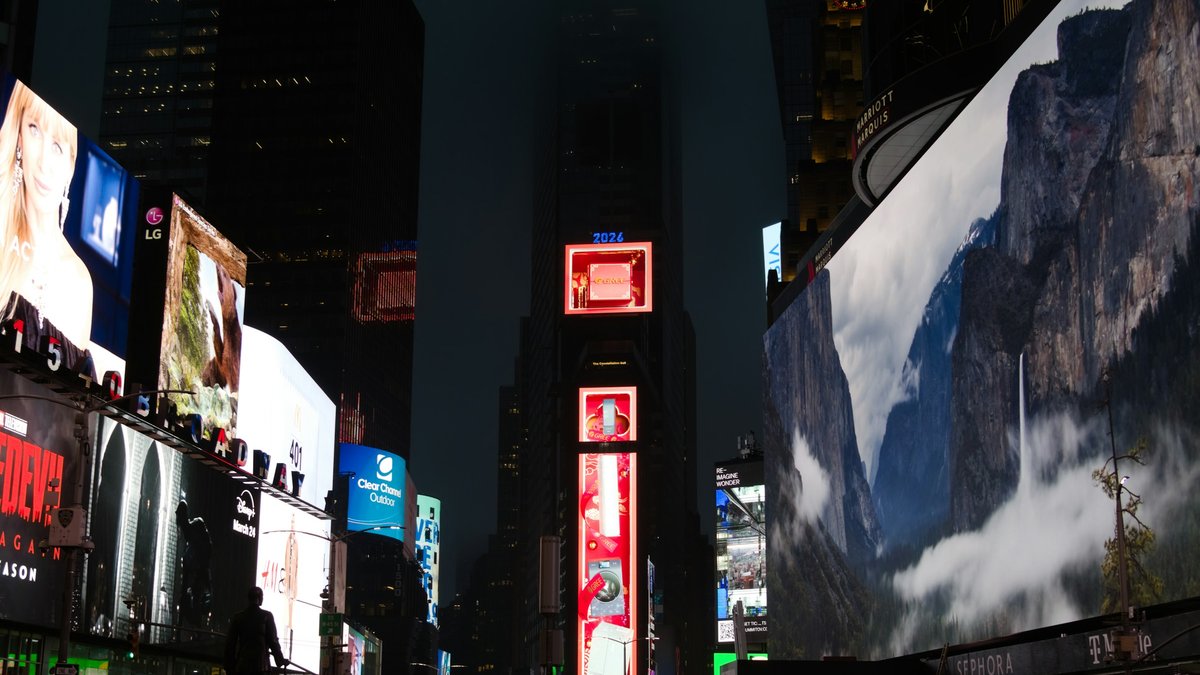
In New York City, skip Times Square restaurants, Mulberry Street's tourist-facing Little Italy, and any Midtown spot where a host waves you in from the sidewalk. Refuse anything a stranger puts into your hand, from CDs to gold bracelets. At JFK, use the official taxi line or the AirTrain-LIRR to Penn Station, never a stranger's ride offer inside the terminal.
Read the full answer → -
What to pack
Broken-in walking shoes that can handle 10-15 miles a day on concrete and subway stairs. Layers for buildings blasting AC in summer or heat in winter. A compact daypack for water bottle and jacket. Skip the umbrella: street vendors sell them for $5 the moment it rains.
Read the full answer → -
Where to stay
Midtown West between 8th and 10th Avenues (the stretch locals call Hell's Kitchen) for first-timers. You're two blocks from the A/C/E at 42nd Street, ten minutes from Times Square without sleeping in it. Budget $180–280 for a mid-range room; $350+ for a view. Greenwich Village for quieter streets at $250–400.
Read the full answer →
Deep guides for New York
-
Best Time to Visit New York, by Season
New York's calendar swings from January's -3.0°C lows to July's 30.4°C highs. The right month depends on what you're willing to trade: here is the honest breakdown for every kind of traveller, built from five years of daily weather observations.
Read the guide → -
New York Restaurants: What's Worth It
Twelve restaurants in lower Manhattan: from a four-night-a-week American dinner room on Chambers Street to a pizza counter still serving at 03:00 on Nassau; sorted into two tiers and judged one by one on who they feed, when they open, and whether the regulars still come back.
Read the guide →
Curated lists for New York
accommodation
-
Best boutique hotels
New York's hotel inventory clusters in patterns that reward the informed traveler. The obvious play is Times Square, where neon and foot traffic guarantee convenience at the cost of sleep. The city's best accommodation neighborhoods stretch from Lower Manhattan's stone canyons to the Bronx's residential blocks, with airport-adjacent options in Queens and New Jersey for anyone arriving late or leaving early. Chelsea and the blocks around Columbus Circle offer Midtown reach without Midtown pricing, while Flushing and Greenwood Heights reward travelers willing to trade a longer subway ride for authenticity and lower rates. Wall Street goes quiet after the closing bell, which is either a problem or the whole point. The right approach is to match your itinerary to a neighborhood before comparing rooms: a traveler bound for the Met and Central Park has no business booking near JFK, and a red-eye departure has no business on the Upper West Side. This list groups the city's mid-range inventory by walkable neighborhood, ranked by hotel density, so the decision starts with the street outside the lobby, not the thread count inside the room.
See the picks → -
Best luxury hotels
New York's luxury hotel landscape runs dense below Midtown, where the neighborhoods compete as hard as the properties themselves. The 12 hotels on this list sit across that band. Some stack spas, indoor pools, and full dining programs into a single address. Others put the budget into the block, trusting a strong neighborhood to carry what the lobby does not. Rates range from the accessible to the four-figure; guest scores, measured on Trip.com, run consistently high across the set. This is not a prestige ranking. It is a list of properties that earn their rate in neighborhoods where the street outside does as much work as the room inside, for the visitor who books on specifics and sleeps where the choice was deliberate.
See the picks → -
Where to stay
Manhattan splits into walking neighborhoods that feel nothing alike once you step off the subway. The spread runs from the permanent neon of Times Square south through the garment racks and theater marquees of the West 30s and 40s, east to the corporate quiet of Park Avenue, and downtown to the narrow streets of the Financial District and Little Italy. Price tiers overlap in ways that reward research: a mid-range room near Wall Street can cost $102 a night while a luxury suite overlooking Central Park reaches $1894, and both addresses connect through the same subway system. The real decision is not budget versus luxury; it is which version of the city you want outside your door at six in the morning. Times Square hands you tourist density and transit access. Chelsea gives you gallery walks and the High Line. The Upper East Side offers museum corridors and park frontage. The neighborhood sets the trip; the hotel fills in the details.
See the picks →
attractions
-
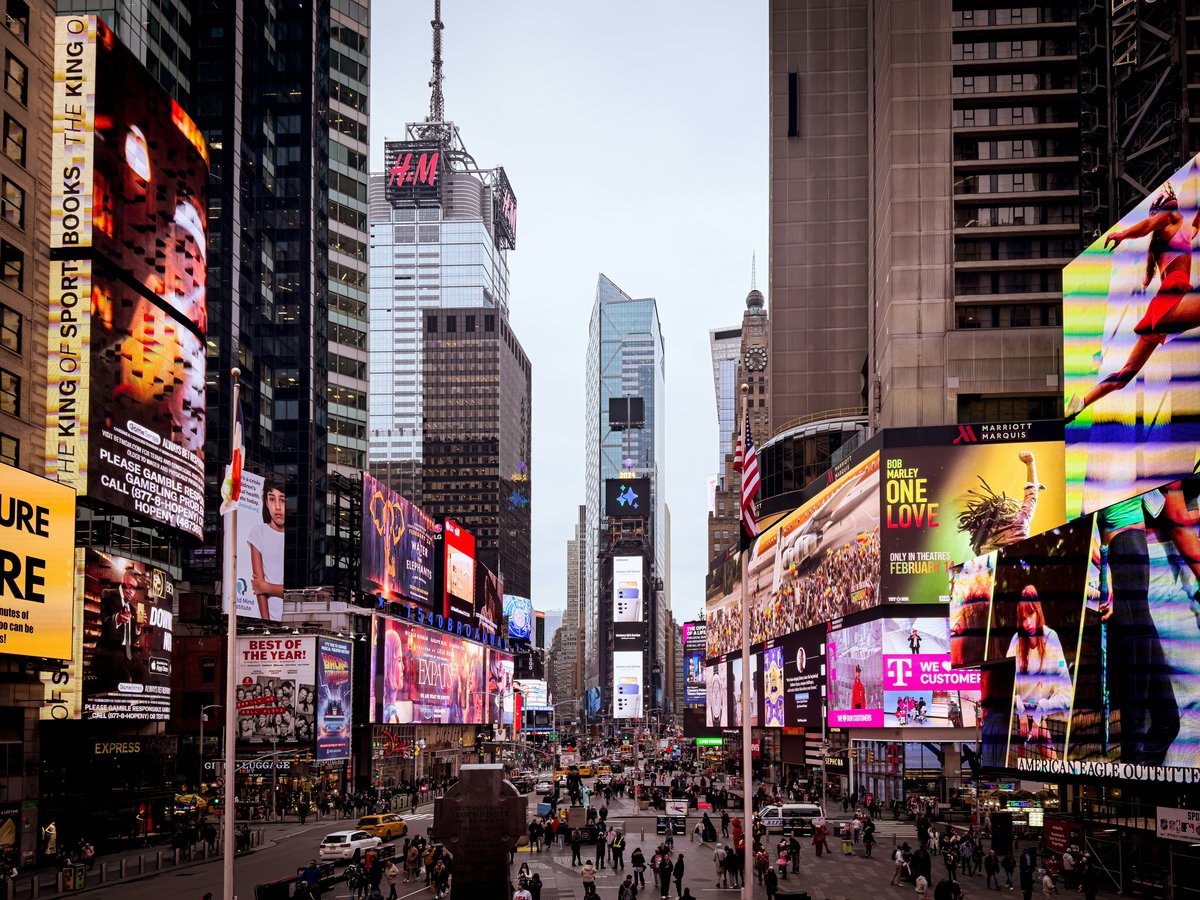
Best free attractions
New York's public squares and parks do more for a visitor's day than most ticketed attractions, and this list is built from them. Three of the twelve are National Historic Landmarks: Central Park, Union Square and the New York Botanical Garden, with dates running from Bryant Park's 1842 to the High Line's 2009, so a single walking day can cover most of the city's public history. The list covers four boroughs: most entries are Manhattan squares, with Flushing Meadows–Corona Park in Queens, Prospect Park in Brooklyn and the botanical garden in the Bronx making up the rest. It is for visitors who would rather walk than queue, and who think a bench in the right square counts as an itinerary. Two entries are gardens with their own gates and calendars, so check their official sites before you set out. Comfortable shoes and a tolerance for crowds are all the rest require.
See the picks → -
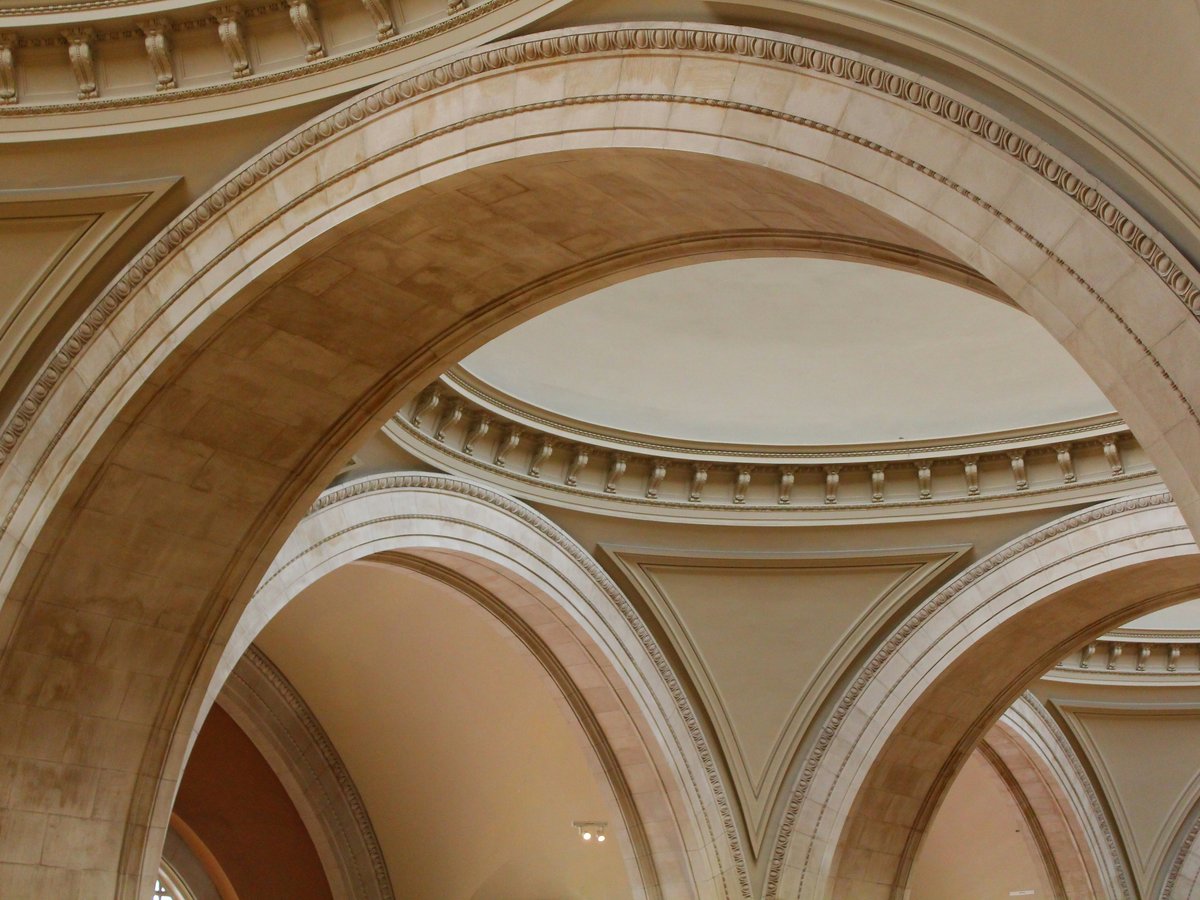
Best museums
New York's museums are not a single collection but a long argument about what a museum should even be for. On one Manhattan mile you can walk from an encyclopedic vault of world civilizations to a spiral ramp built to make you look at paintings the architect's way; cross a bridge and the conversation restarts in Brooklyn, older and less impressed with itself. The twelve venues below cover the useful spread: the two encyclopedic giants everyone names, the modernist and contemporary anchors that set the terms for the last century of art, a natural-history cathedral, two private collections that stayed intimate on purpose, a memorial that refuses to be tidy, and a decommissioned aircraft carrier tied up on the Hudson. Coordinates and phone numbers come from Wikidata; the editorial judgments are the writer's. This is a list for people who want to spend their hours well, not tick a box.
See the picks → -
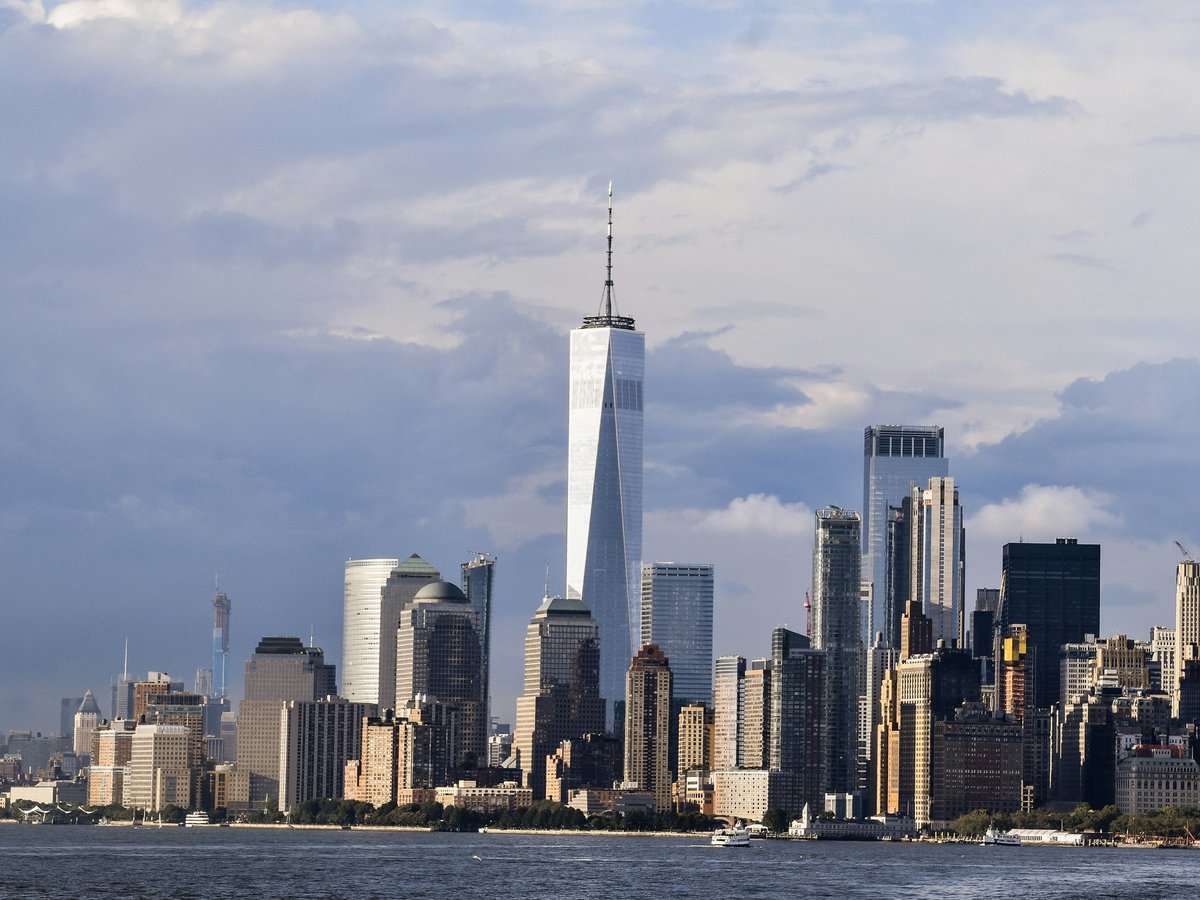
Must-see attractions
New York's must-see roster is not a single skyline shot; it is a working city that happens to hold, within a few subway stops of one another, the tower that answered 2001, the copper woman in the harbor, and the terminal that still moves half a million people a day. The twelve entries below are the ones a local editor will not talk you out of, even when you have only three days. They lean south, toward Lower Manhattan, because the city's oldest arguments about itself, about immigration, faith, commerce, and rebuilding, are still being had within a ten-minute walk of Wall Street. They lean up, too, because Midtown's set-piece towers earn their place on any first visit. Read this as a spine, not a checklist: pair Ellis Island with Trinity, the Empire State Building with Grand Central, Fifth Avenue with St. Patrick's, and you will have seen how the city's grand gestures connect on the ground. Every claim below is anchored to a verified source; the opinions are ours, and the walking is on you.
See the picks →
food
-
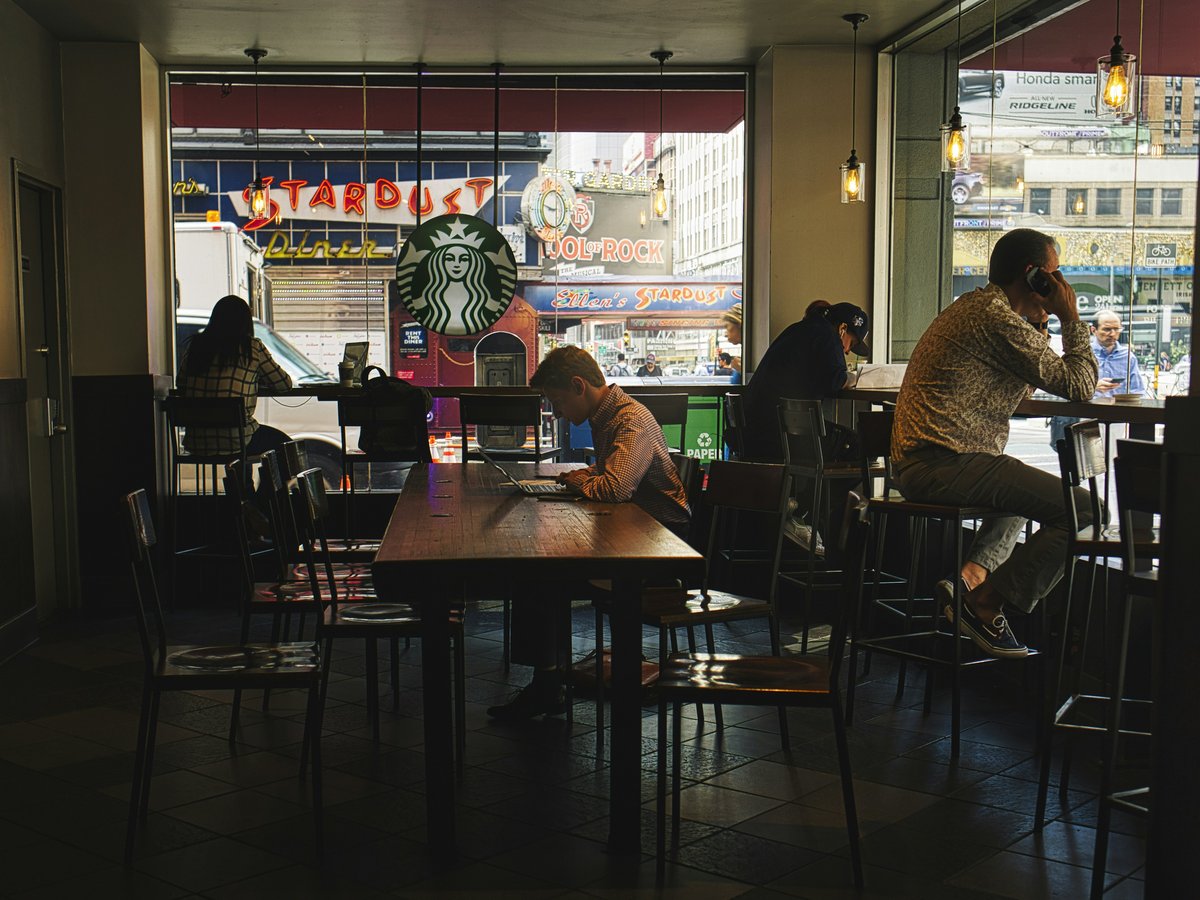
Best cafes
New York's coffee bar is a working room, not a lifestyle set. A downtown cluster of cafes reads that way clearly, mostly wedged into the 10038 and 10013 postal areas of Lower Manhattan and Tribeca, where the morning crowd is on the clock and the counter is expected to keep up. The 12 rooms below range from a Park Row corporate anchor open by 05:30 on weekdays to a Bayard Street bubble-tea counter that keeps pouring until 21:30, with Brazilian pastry, third-wave espresso, sandwich bars, and a couple of dessert rooms in between. Skip the Midtown chain grid built for photographs; the addresses here answer to office workers, jurors on break, and Chinatown regulars who know what time the doors open. Treat the list as a working map of the neighbourhoods around City Hall, the Financial District, the Seaport, and the Canal Street edge, not a ranking of trophies. Every hour, phone, and street number below is cited from the underlying record so you can dial ahead, walk in, and spend the visit drinking coffee rather than triangulating it.
See the picks → -
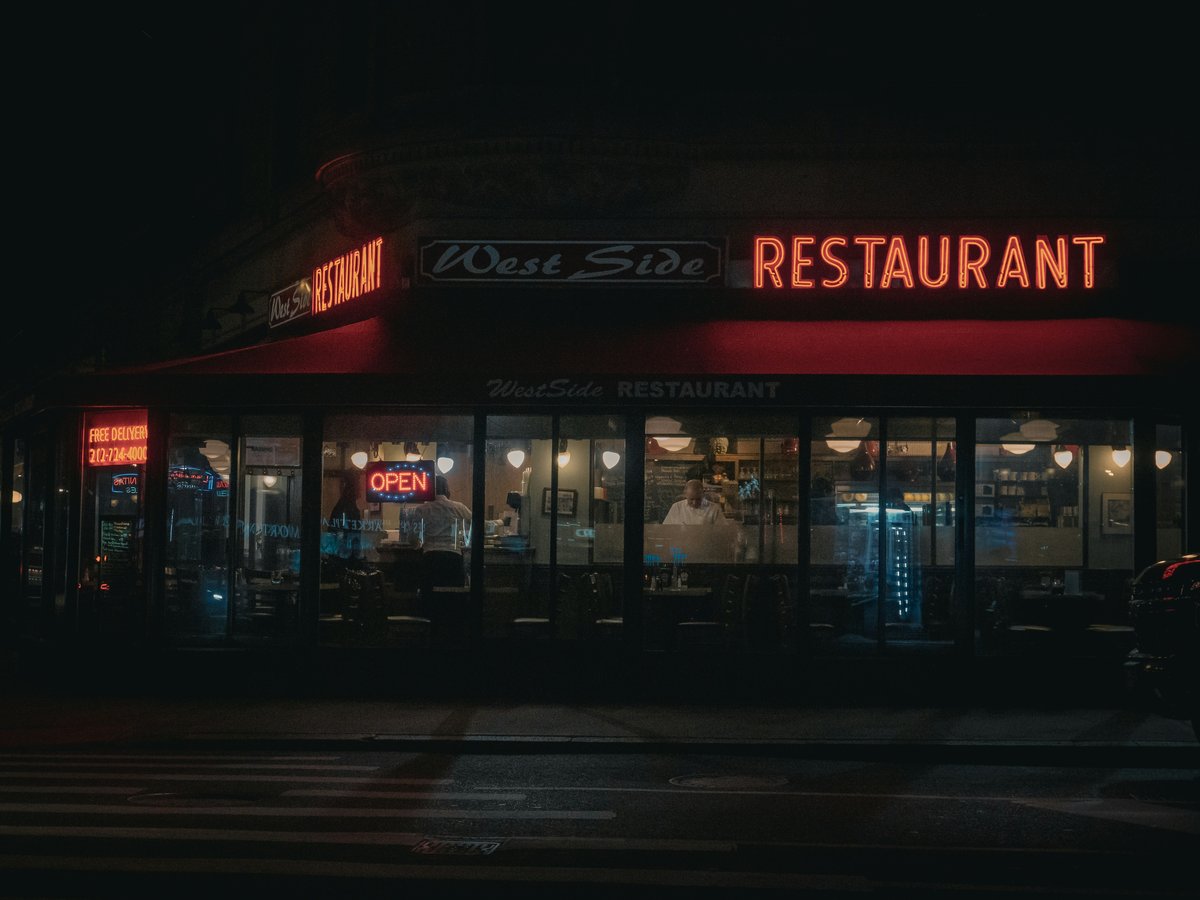
Best restaurants
New York's restaurant map is less a scene than a stack of overlapping neighbourhoods, and this list stays inside a tight radius of Lower Manhattan: Chambers Street down through the Financial District, William and Fulton and Beekman, with a walk east to Chinatown for the dumpling house that never really closed. These are twelve places you can get into on a weeknight, chosen because each one does a specific thing well: a room, a cuisine, an hour of the day the block belongs to. There is a broker-district Italian, a Cuban counter that has fed lunch to the same office towers for years, a diner open from 06:00, a Russian dining room attached to a Wall Street bathhouse, and a Japanese kitchen from a chef whose website still lives at davidbouley.com. If you want the tasting-menu circuit, look elsewhere; if you want to eat well within a fifteen-minute walk of the Brooklyn Bridge, start here.
See the picks →
Browse by traveler type
- For foodies
New York for foodies
- For families with kids
New York for families
- For digital nomads
New York for digital nomads
- For couples
New York for couples
- For budget travelers
New York on a budget
- For luxury travelers
New York for luxury travelers
- For first-timers
New York for first-time visitors
Book experiences in New York
 Free cancellation
 Statue of Liberty & Ellis Island Tour with Reserved Ferry Entry
Day trip: free cancellation.
via Viator Free cancellation
 New York in One Day Guided Sightseeing Tour
Day trip: 6 hours, free cancellation.
via Viator Free cancellation
 Central Park Pedicab Guided Tours
City tour: free cancellation.
via Viator Free cancellation
 Private Central Park Pedicab Tour
Day trip: free cancellation.
via Viator Free cancellation
 9/11 Ground Zero & Memorial Tour with Optional 9/11 Museum
Day trip: free cancellation.
via Viator Free cancellation
 SUMMIT One Vanderbilt Experience Ticket
Outdoor experience: free cancellation.
via Viator Free cancellation
 Circle Line: 2.5hr - Complete Manhattan Island Cruise
Cruise: 2.5 hours, free cancellation.
via Viator Free cancellation
 SoHo, Little Italy, and Chinatown Walking Tour in New York
City tour: 2 hours, free cancellation.
via Viator Free cancellation
 NYC Highlights Tour: Bronx, Brooklyn, Harlem, Queens & Coney
Day trip: 7 hours, free cancellation.
via Viator Free cancellation
 New York Night Tour Open Top Bus Tour
City tour: 1.5 hours, free cancellation.
via Viator Free cancellation
 Circle Line: 2hr - New York City Harbor Lights Cruise
Cruise: 2 hours, free cancellation.
via Viator Free cancellation
 New York Catacombs by Candlelight
City tour: 1.5 hours, free cancellation.
via ViatorBrowse by interest
Compare New York with
Find a flight to New York
Live fares to New York appear here once cookies are accepted.
Last verified by automated review (v1.7.1) on . What is automated review?