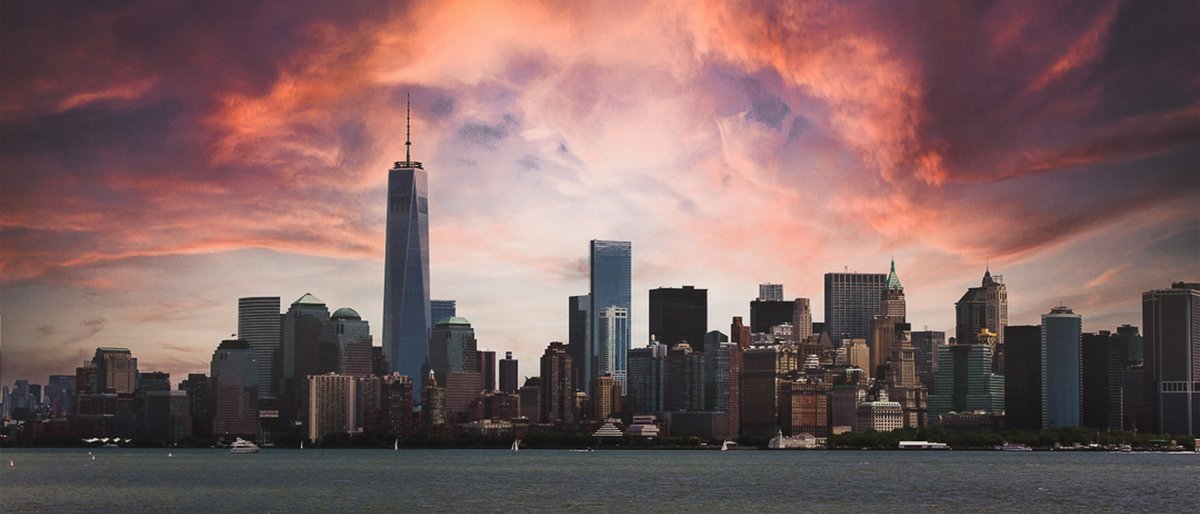
New York's must-see roster is not a single skyline shot; it is a working city that happens to hold, within a few subway stops of one another, the tower that answered 2001, the copper woman in the harbor, and the terminal that still moves half a million people a day. The twelve entries below are the ones a local editor will not talk you out of, even when you have only three days. They lean south, toward Lower Manhattan, because the city's oldest arguments about itself, about immigration, faith, commerce, and rebuilding, are still being had within a ten-minute walk of Wall Street. They lean up, too, because Midtown's set-piece towers earn their place on any first visit. Read this as a spine, not a checklist: pair Ellis Island with Trinity, the Empire State Building with Grand Central, Fifth Avenue with St. Patrick's, and you will have seen how the city's grand gestures connect on the ground. Every claim below is anchored to a verified source; the opinions are ours, and the walking is on you.
-
1 One World Trade Center
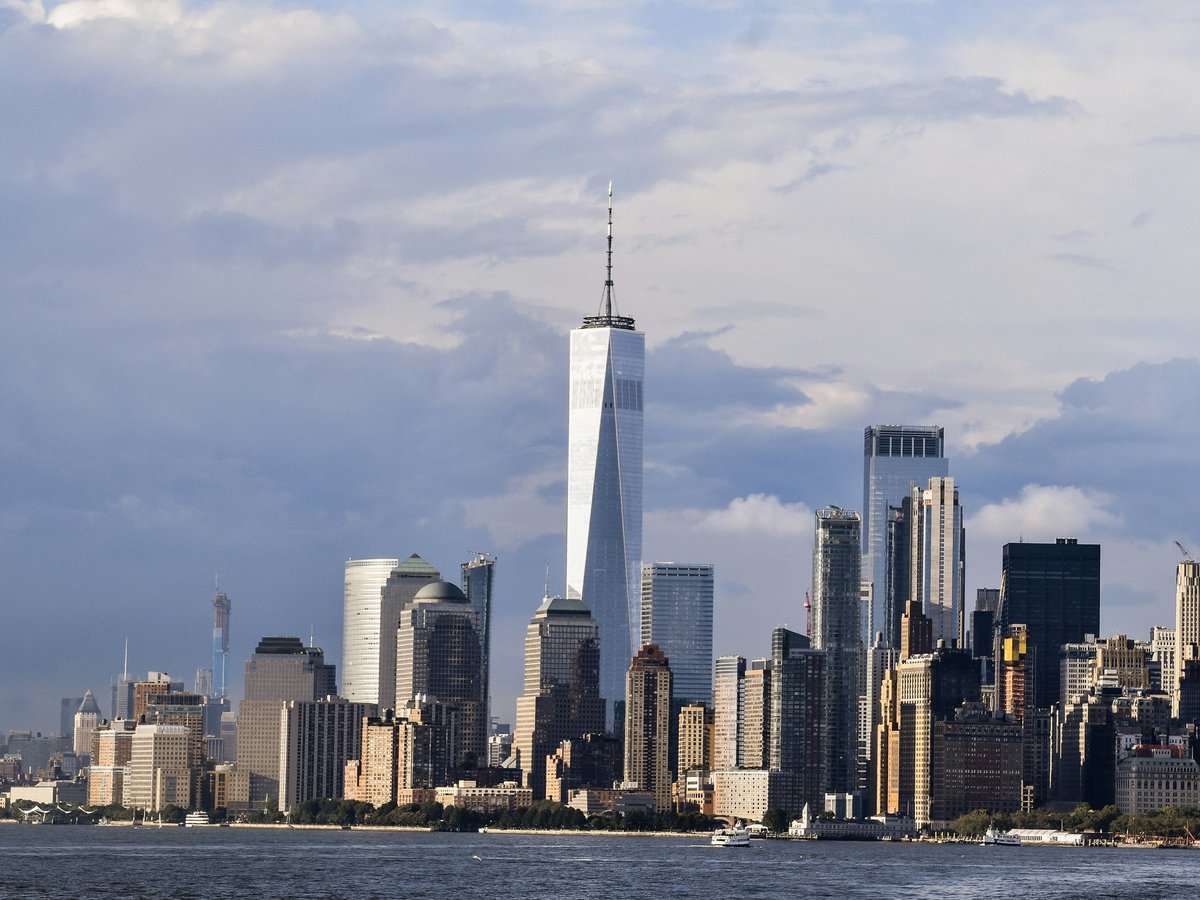
285 Fulton Street, Manhattan, New York City, U.S.The main tower of the rebuilt World Trade Center complex, at the southern tip of Manhattan.
At 285 Fulton Street in Lower Manhattan, One World Trade Center is the main building of the rebuilt World Trade Center complex, and the address matters more than the height ever will. Skip the argument about which observation deck in the city is best; this is the one whose ground floor is the reason the tower exists. Sit with that for a minute before you go up. The site sits at 40.7130, -74.0135, hard on the Hudson side of the island, so the western views open cleanly toward the harbor and the Statue of Liberty. The official site at onewtc.com handles timed tickets; book ahead, because turning up cold on a clear afternoon is not a plan. Wikidata records the tower as Q11245, which is the kind of detail that matters only when you want to check that a claim about this building is anchored to the real one.
Dates from 2014
-
2 Statue of Liberty
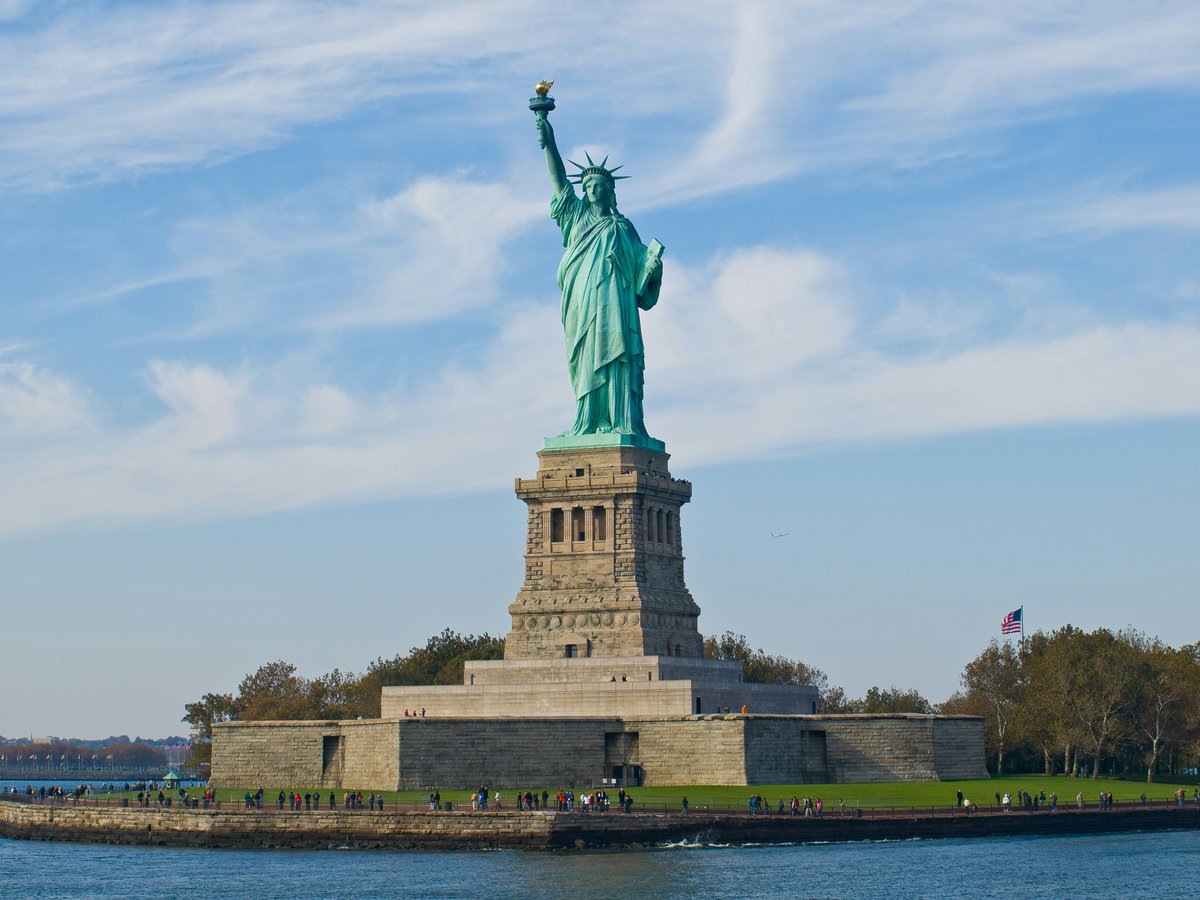
The copper monument in the harbor, reached by ferry from Battery Park.
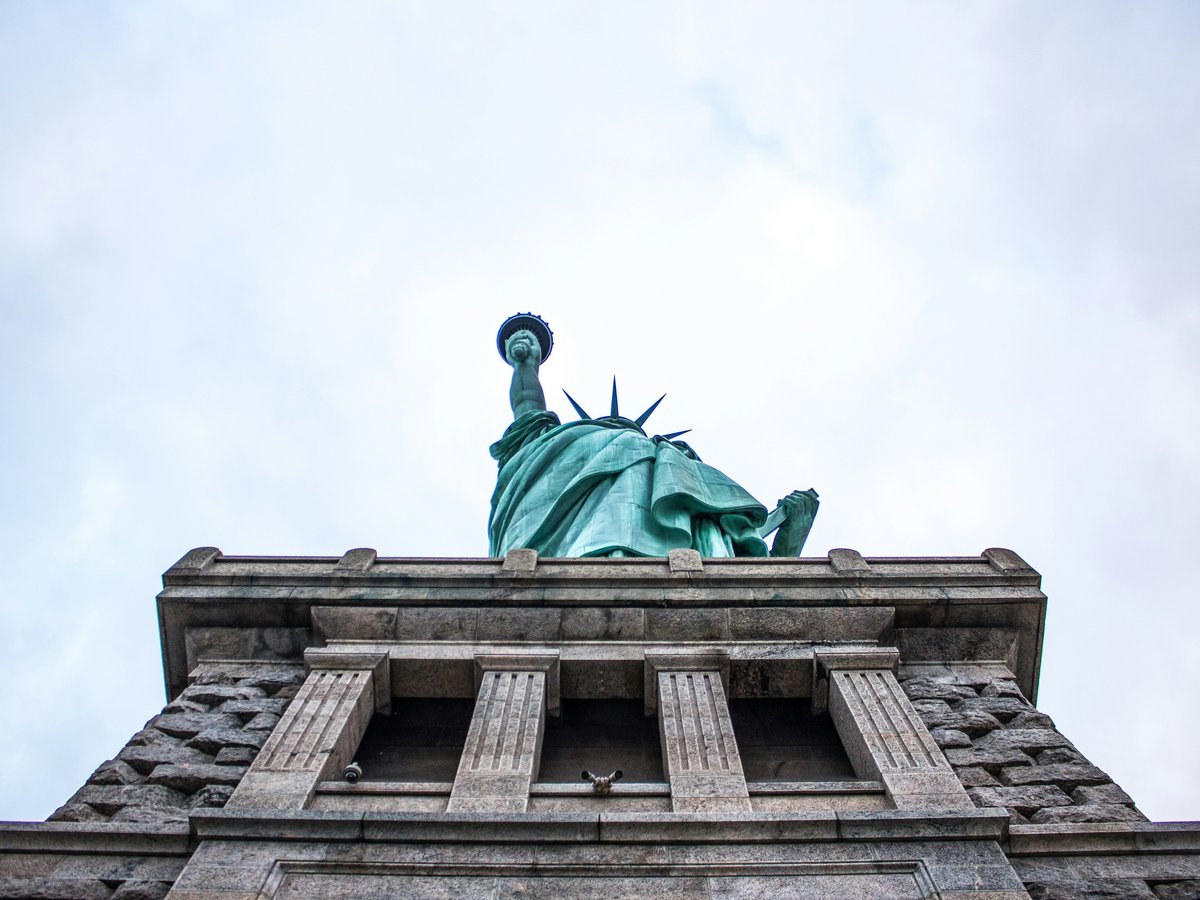
Set at 40.6892, -74.0444 in New York Harbor, the Statue of Liberty is the monument every first-time visitor thinks they already know, and then does not. Don't bother with the private harbor cruises that just circle the island for a photo; the National Park Service ferry lands you on Liberty Island, which is the only way to see the pedestal and the crown up close. The official page at nps.gov/stli is where you book the crown tickets, which sell out weeks ahead in summer and are the difference between a visit and a queue. Wikidata files the statue under Q9202; the number is dry, but it is the reason a claim about this monument can be checked against the same entity a museum catalog uses. Give it a morning, not an hour. The wind off the harbor is part of the point.
Dates from 1886 · UNESCO World Heritage Site
-
3 Empire State Building
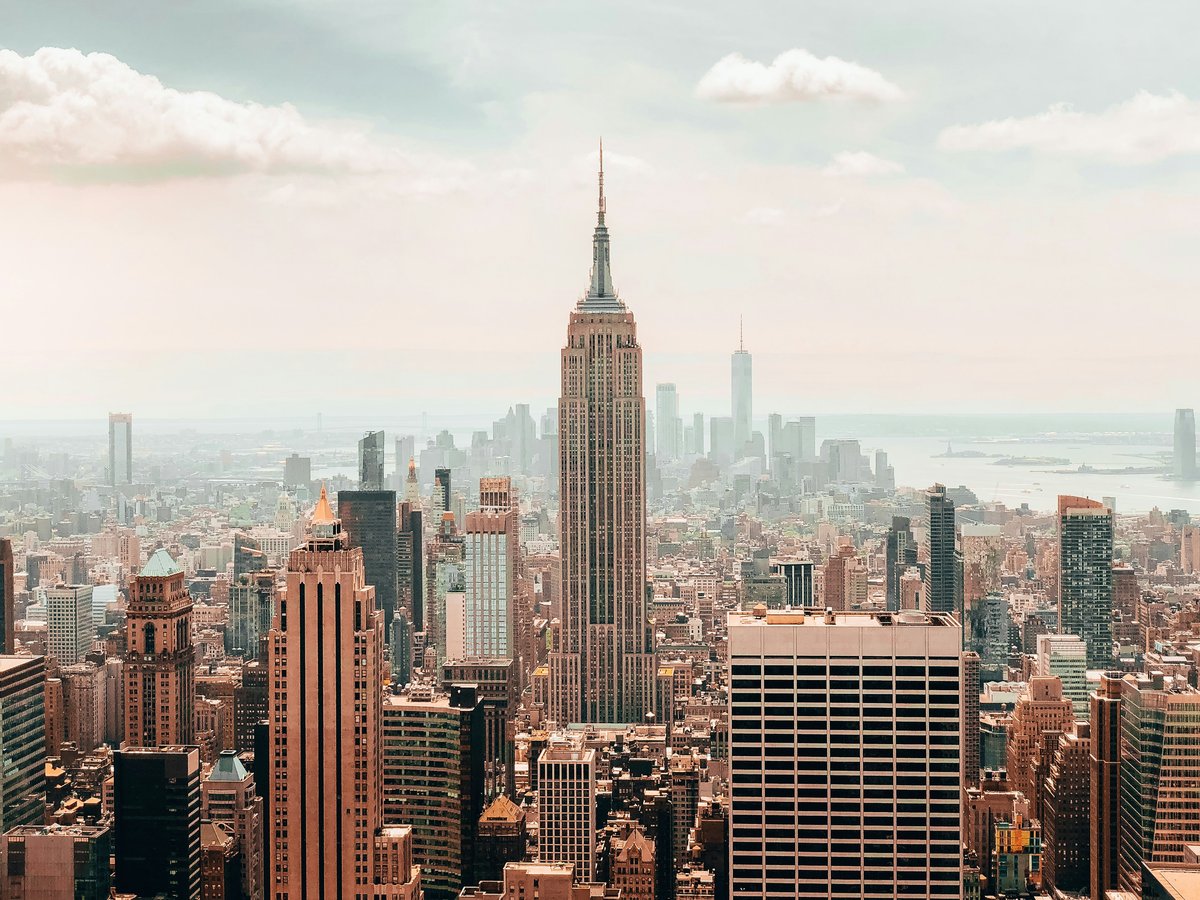
350 5th Avenue, New York, NY 10016The Midtown Manhattan skyscraper whose observation decks still define the New York skyline photograph.
Anchored at 40.7483, -73.9856 in Midtown Manhattan, the Empire State Building is the skyscraper that most postcards of the city are quietly copying. The locals prefer it after dark, when the crowds on the deck thin and the grid below turns into the picture you came for. Skip the walk-up ticket if you can; the official site at esbnyc.com sells timed entries that shave a genuine hour off the wait on a busy afternoon. Wikidata's Q9188 is the anchor if you want to check a claim about this tower against the historical record rather than the marketing copy. Pair the visit with something at street level, a walk down Fifth Avenue, a coffee in Koreatown, so you are not just moving from one deck to another. The building is worth the elevator; the neighborhood is worth the walk.
Dates from 1931 · National Historic Landmark
Hours: Mo-Su 09:00-24:00
-
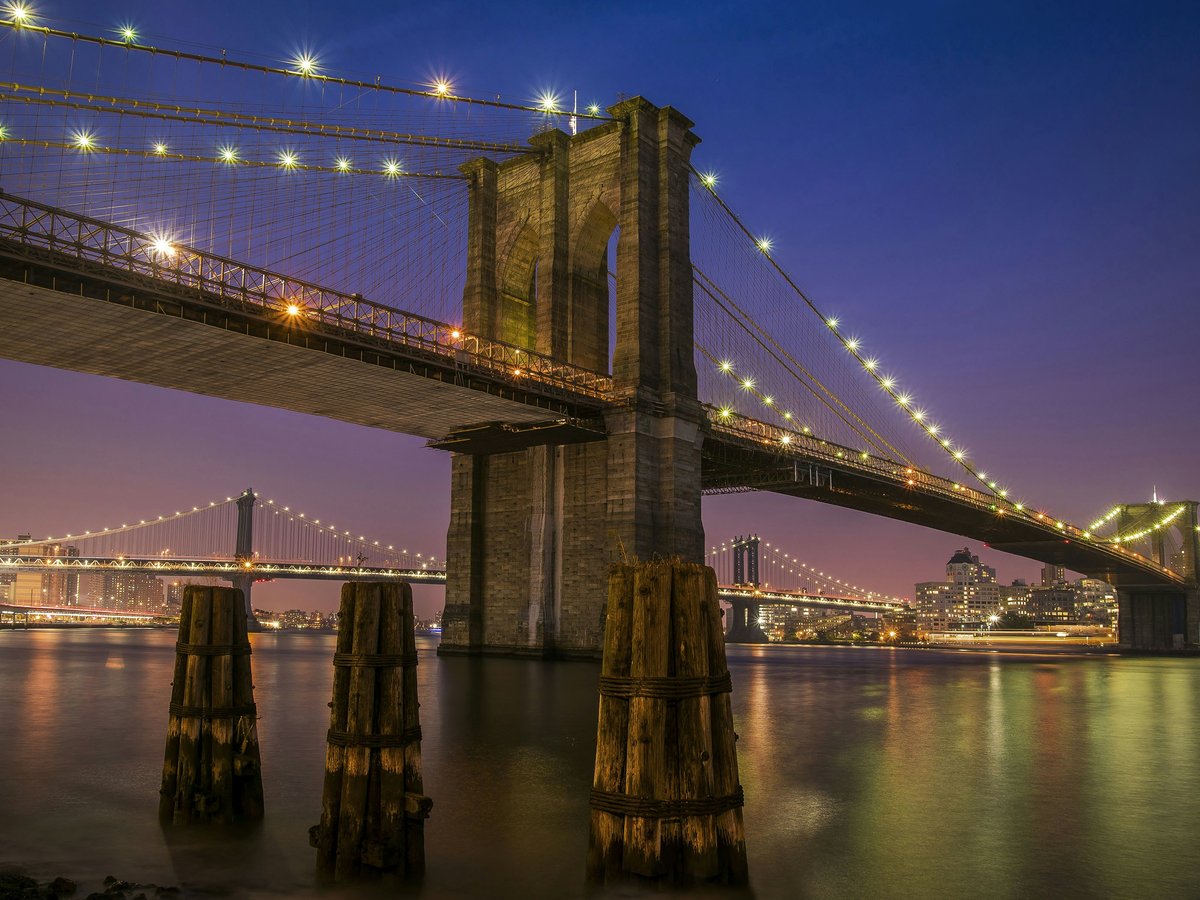
4 Brooklyn Bridge
The pedestrian walk across the East River between Manhattan and Brooklyn.
From 40.7057, -73.9963, the Brooklyn Bridge crosses the East River between Manhattan and Brooklyn, and the walk across it is the cheapest great thing you can do in this city. Skip the ride-share back; you walk it in one direction, ideally starting on the Manhattan side in the late afternoon and finishing in Brooklyn as the lights come up. The elevated pedestrian promenade puts you above the traffic, which is the whole trick, and the cable geometry is the reason the photograph works whether you are any good with a camera or not. Wikidata records the bridge as Q125006, which matters only when you want to make sure a fact about this bridge is not being confused with the Manhattan or Williamsburg spans a few blocks north. Wear shoes you can walk in, and do not try it on a bicycle in July unless you enjoy being shouted at.
Historic Civil Engineering Landmark
-
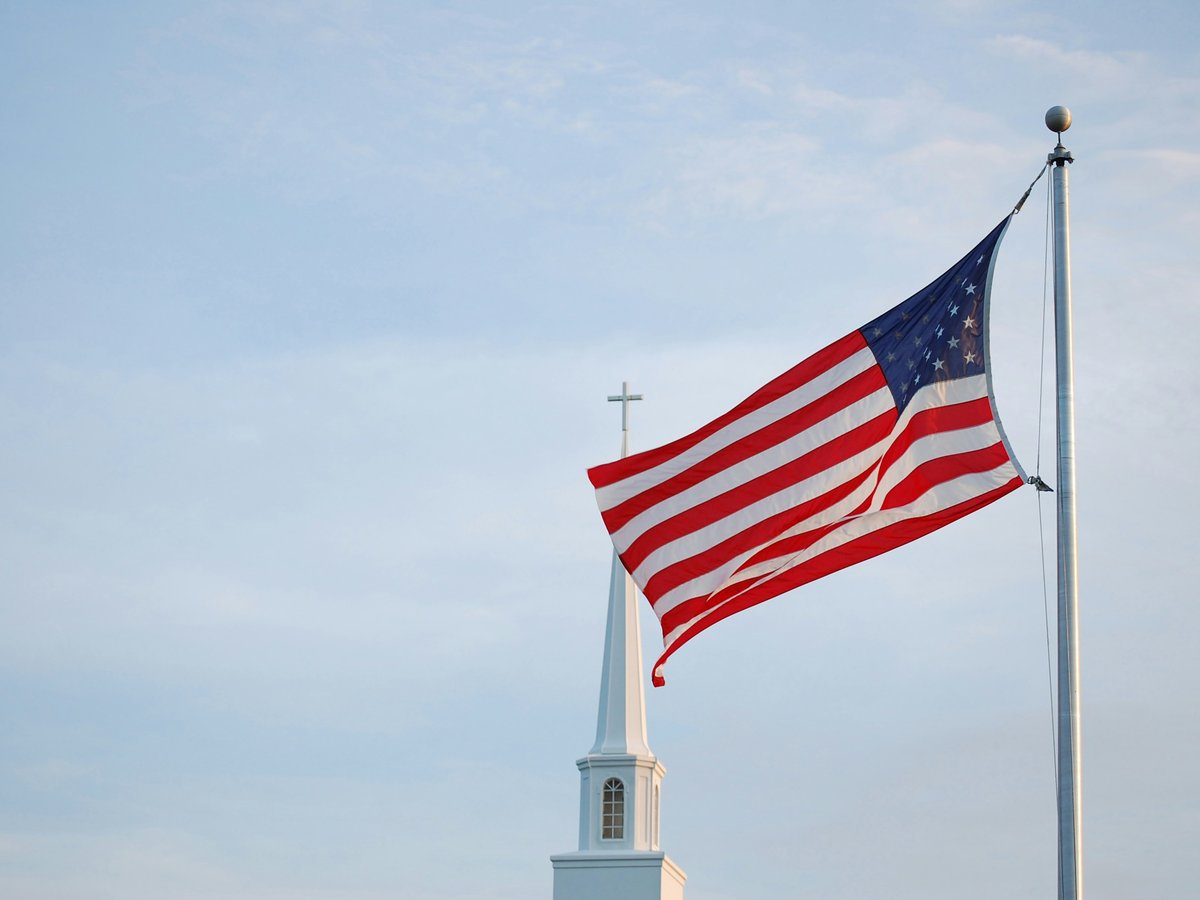
5 Trinity Church
75 BroadwayThe Episcopal parish church at the head of Wall Street.
At 75 Broadway, sitting at 40.7080, -74.0122, Trinity Church is the Episcopal parish church that closes the western end of Wall Street, and the contrast is the point. Don't bother with a rushed drive-by; give it fifteen quiet minutes inside and another ten in the churchyard, which is one of the few places in the Financial District where the ground level has been left more or less alone. The official site at trinitywallstreet.org posts service and music times, and the choral programme is a serious one, not a tourist convenience. Wikidata anchors the parish as Q866896, useful when a guidebook conflates it with the chapel of the same denomination a few blocks north. Pair it with Federal Hall around the corner and you have the whole argument about faith and commerce that this end of the island keeps having with itself.
Dates from 1698 · National Historic Landmark
-
6 Ellis Island
The immigration station in New York Harbor, now a museum reached by the same ferry that serves Liberty Island.
Reached from 40.6994, -74.0397 in New York Harbor, Ellis Island is the one museum on this list that changes the way a first-time visitor reads the rest of the city. The locals go early, on the first ferry, before the school groups arrive and the great hall stops feeling like a room and starts feeling like a queue. The official page at nps.gov/elis shares its ticketing with the Statue of Liberty run, which is the sensible way to see both in a single morning rather than splitting them across two boats. Wikidata files the island as Q202175; the entity is the anchor a researcher would use to trace a family record through the museum's archives without confusing it with any other harbor site. Bring a name you want to look up, and the room stops being a museum and starts being a very quiet conversation.
-
7 Studio 54
254 West 54th Street, New-YorkThe Broadway theater in the room that used to be the most famous nightclub in the country.
At 254 West 54th Street, sitting at 40.7644, -73.9838, Studio 54 is now a Broadway theater in the room that used to be the most famous nightclub in the country, which is the reason to go rather than a reason to be disappointed. Skip the nostalgic bus tours that stop outside for a photograph; the interesting move is to book a play here and sit in the room. The Roundabout Theatre's programme at roundabouttheatre.org/ot_54.htm posts the current season, and the building's second life as a serious repertory house is a better story than the disco-era one that gets retold on cable. Wikidata anchors the venue as Q607212, which is worth mentioning only because half the internet still confuses the theater with a bar of the same name in another city. Come for a performance; the ghost stories come free.
-
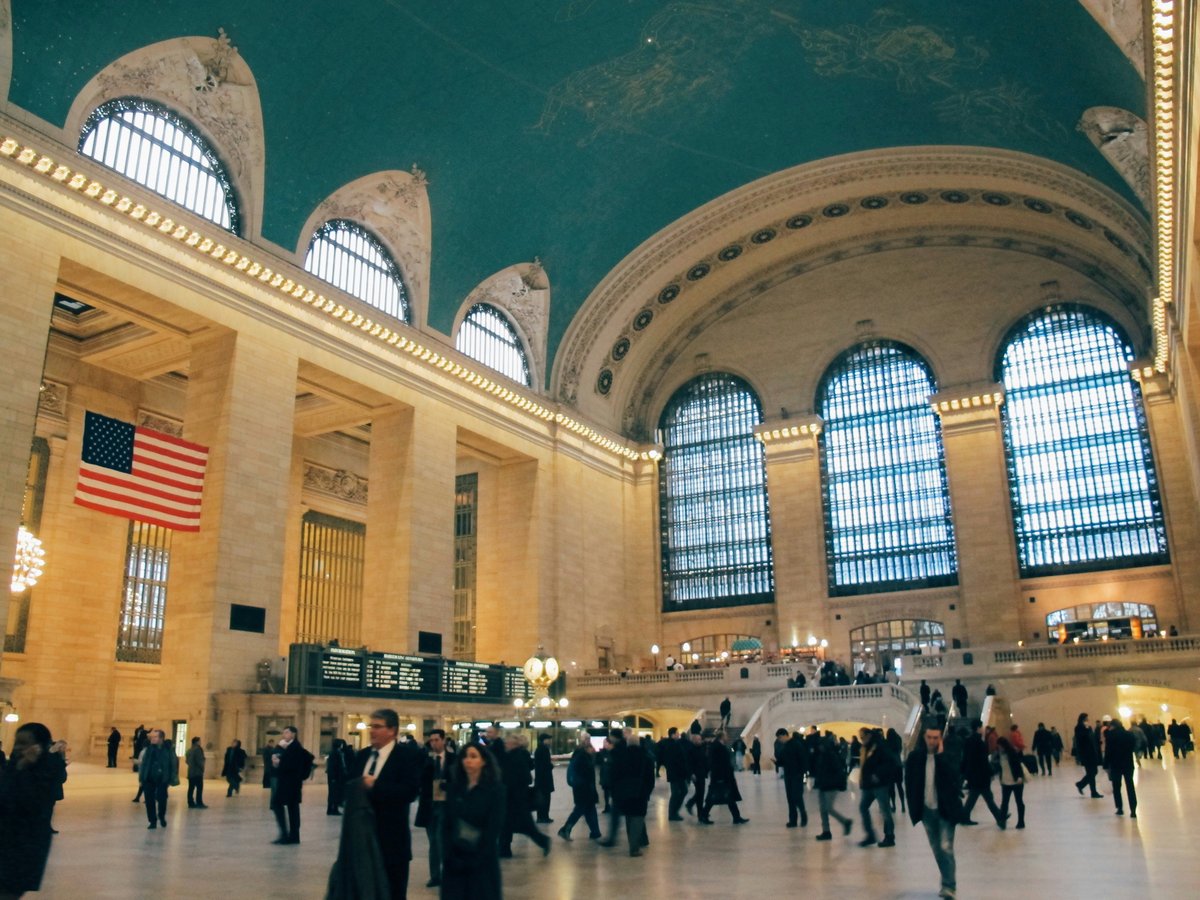
8 Grand Central Terminal
89 East 42nd Street, New York, NYThe Midtown railway terminal that doubles as a public room the city forgot to charge admission for.
Sited at 40.7528, -73.9772, Grand Central Terminal is the railway terminal in New York City that quietly functions as the best free public room on the island. Don't bother with a paid tour on your first visit; walk in from the ramp, stand in the middle of the main concourse for five minutes, and let the commuter flow do the explaining. The locals eat downstairs, in the market and the oyster bar, not in the main hall. The official site at grandcentralterminal.com lists the current tenants and any track work you will want to know about before assuming a platform is where it was last time. Wikidata's Q11290 is the anchor a transit historian would use, and it is the reason a claim about this terminal cannot be quietly swapped with a claim about Penn Station a few blocks west. Come at rush hour; the room is the show.
Dates from 1913 · Historic Civil Engineering Landmark
Hours: Mo-Su 05:30-02:00
-
9 Rockefeller Center
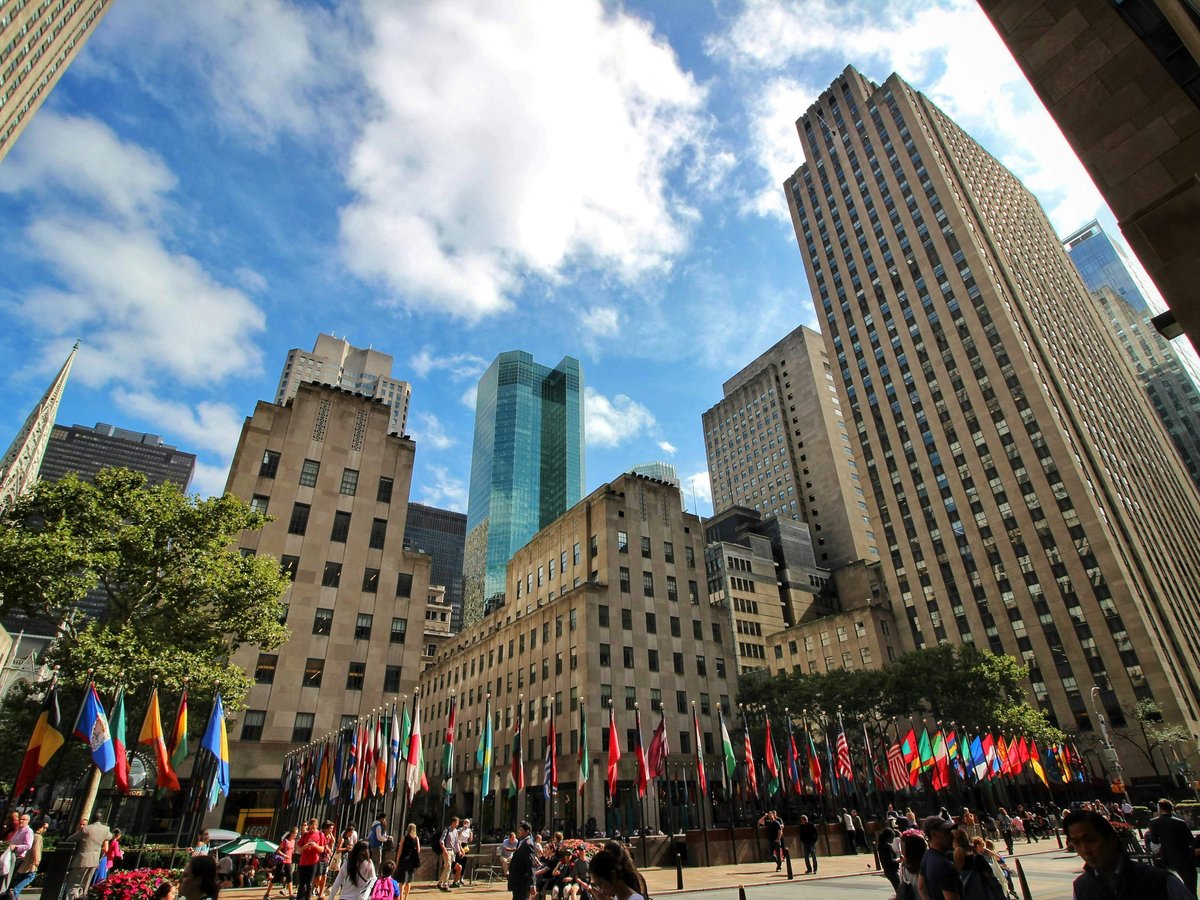
Rockefeller Plaza, New York, 10111The mixed-use complex around the plaza and the skating rink in Midtown.
Anchored at 40.7586, -73.9792, Rockefeller Center is the mixed-use building complex that most visitors reduce to a skating rink and a Christmas tree, which is a shame in every other month. Skip the December crowds if you can; the plaza is a better room in September, when the tourists thin and the sunken rink shows up as a plain public space rather than a photograph. The official site at rockefellercenter.com is where you check the current programming, including the observation deck up top, which the locals rate against the Empire State on a different set of criteria. Wikidata records the complex as Q11277, useful because the name gets applied loosely to several adjacent buildings that are not, strictly, part of it. Do the plaza, do one of the towers, then walk two blocks east to St. Patrick's and let the sequence tell you what Midtown was trying to be.
National Historic Landmark
-
10 St. Patrick's Cathedral
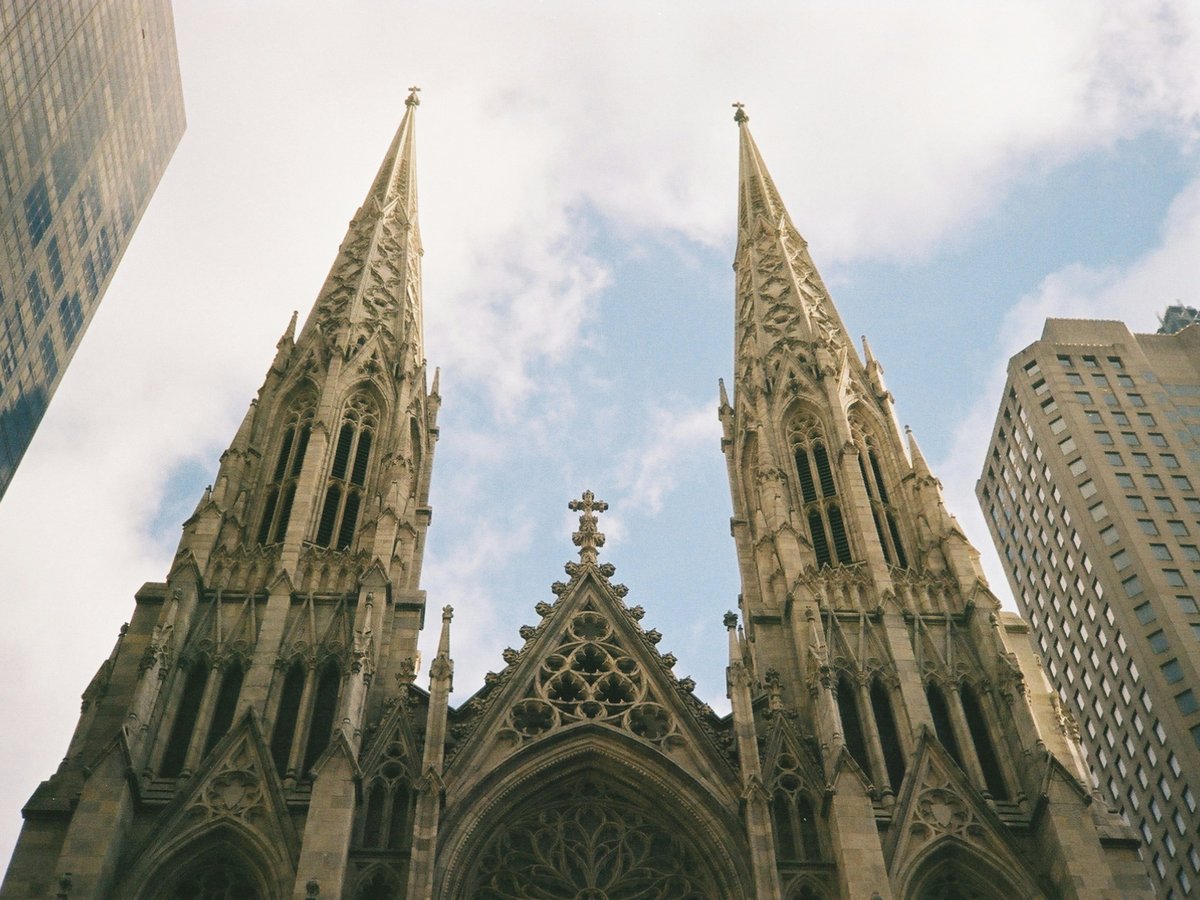
625 5th Avenue, New York, 10022The cathedral of the Catholic Archdiocese of New York, facing Rockefeller Center across Fifth Avenue.
Sitting at 40.7586, -73.9764, St. Patrick's Cathedral is the cathedral of the Catholic Archdiocese of New York, and the reason to enter is not the front photograph. Skip the queue for the doors at noon on a Saturday and come in on a weekday morning instead; the light is different and the room stops being a tourist stop and returns to being a working church. The official site at saintpatrickscathedral.org posts the Mass schedule and the music programme, both of which are worth planning around rather than stumbling into. Wikidata anchors the cathedral as Q624556, which is what a researcher would use to distinguish it from the older, smaller St. Patrick's downtown that shares the dedication. Pair the visit with the Rockefeller plaza opposite: the two buildings are a conversation about what Fifth Avenue was for, and both sides of it are still speaking.
Dates from 1858 · National Historic Landmark
-
11 Federal Hall
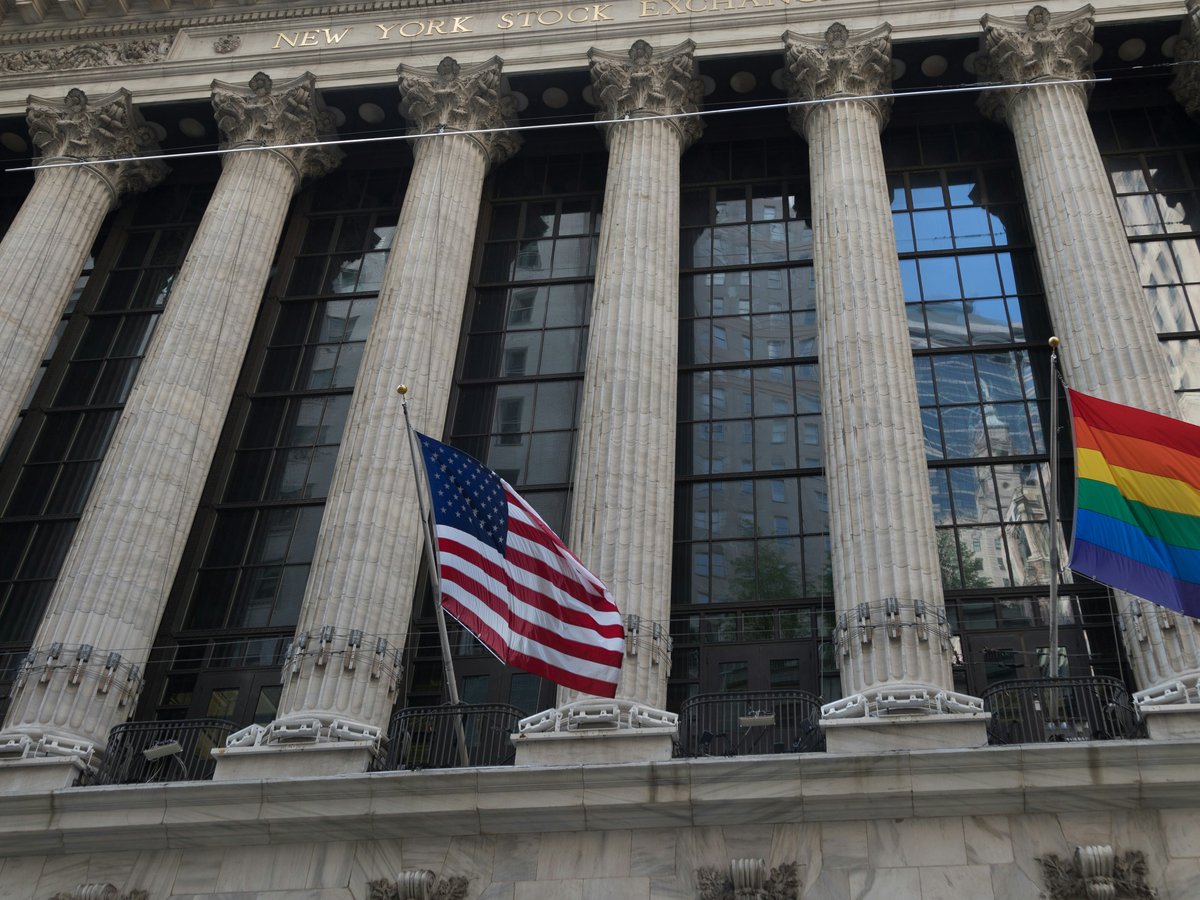
Wall Street, New York, NY 10005The historic site on Wall Street built on the ground where George Washington took the first presidential oath.
At 40.7072, -74.0103, Federal Hall is the building and historic site in New York City that most visitors walk past on the way to a photograph of the exchange across the street. Don't bother with the exchange from the outside; it is closed to the public. Federal Hall is not, and the interior rotunda is one of the quietest twenty minutes you can spend in the Financial District. The National Park Service page at nps.gov/feha posts opening hours and the schedule of talks, which are short, free, and worth arriving in time for. Wikidata anchors the site as Q858689, the identifier a historian would use so a claim about this building is not confused with the original that stood on the same ground and no longer exists. Pair it with Trinity, one block west, and Lower Manhattan finally reads as the argument it was designed to be.
Dates from 1842 · National Register of Historic Places contributing property
-
12 Fifth Avenue
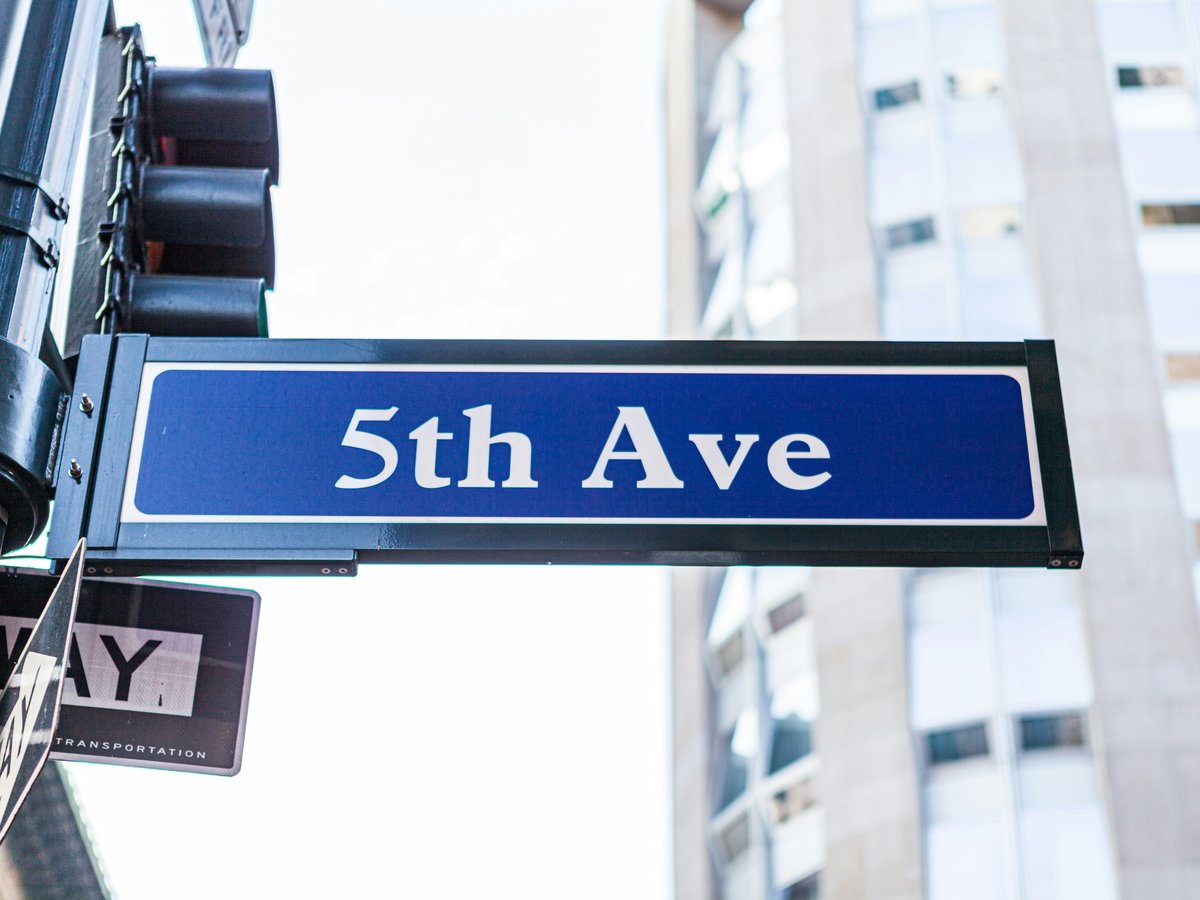
5th AvenueThe north-south avenue in Manhattan that connects the Midtown set pieces to the museum mile.
Anchored at 40.7741, -73.9659, Fifth Avenue is the north-south avenue in Manhattan that most guidebooks reduce to a shopping list, which is the mistake. The locals prefer the walk to the shops. Skip the flagship stores unless you need something specific; the interesting move is to treat the avenue as a spine, joining the Midtown set pieces to the museum stretch further uptown, and to do it on foot in an afternoon. Wikidata files the avenue as Q109858, which matters mainly because the name gets applied to any street a marketer wants to sound expensive, and this is the real one. Pair the walk with the St. Patrick's and Rockefeller stop mid-route, and Fifth Avenue stops being a brand and returns to being a street, which is what it was, and, for a few blocks at a time, still is.
Dates from 1811
Last verified by automated review (v1.7.2_accom-wave-208-20260903064833) on . What is automated review?