
New York for families
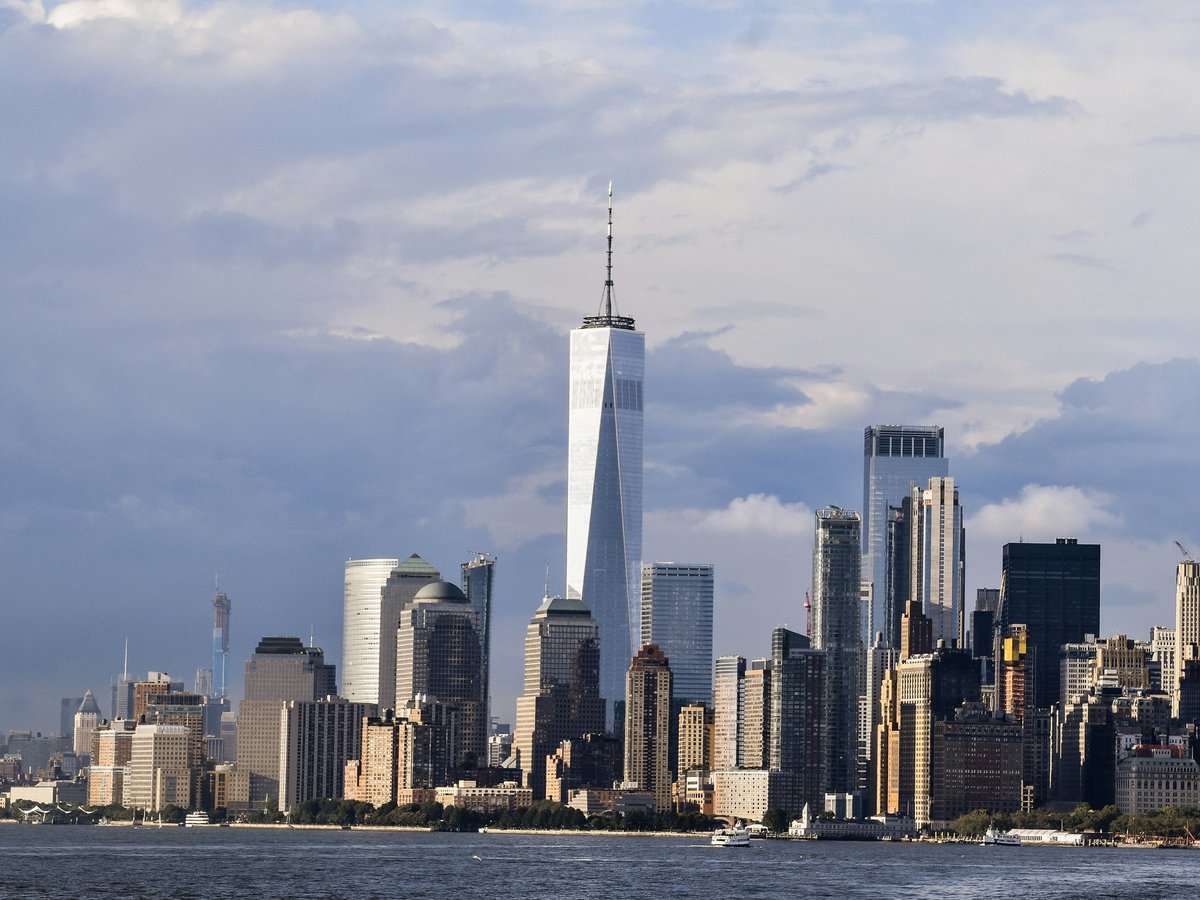
One World Trade Center is the main tower of the rebuilt World Trade Center complex, at the southern tip of Manhattan. Statue of Liberty is the copper monument in the harbor, reached by ferry from Battery Park.
New York for families with kids, in numbers
- Score for families
- 6.5 out of 10
- Picks on this page
- 36 places across 3 lists, led by One World Trade Center, Statue of Liberty, Empire State Building
Questions families with kids ask about New York
-
Family-friendly
New York is solidly family-friendly, with subway stairs and cost as the main caveats. Central Park, the American Museum of Natural History, and the Brooklyn Children's Museum keep kids occupied for hours. Stroller access on sidewalks is fine; subway stations are a different story: only about 28% have elevators. Pizza by the slice solves most picky-eater emergencies.
Read the full answer → -
Is it safe?
New York City scores 7 out of 10 from us for solo safety, with risk concentrated in a few places and hours. Expect pickpockets and costumed hustlers in Midtown, phone snatches by e-bike riders, and emptier subway platforms after midnight. Violent crime against visitors to Manhattan is rare. Call 911 for emergencies and 311 for non-urgent problems.
Read the full answer → -
What to pack
Broken-in walking shoes that can handle 10-15 miles a day on concrete and subway stairs. Layers for buildings blasting AC in summer or heat in winter. A compact daypack for water bottle and jacket. Skip the umbrella: street vendors sell them for $5 the moment it rains.
Read the full answer → -
Getting around
New York's subway covers Manhattan, Brooklyn, Queens, and the Bronx for $2.90 a ride: tap your phone or bank card at the OMNY reader and skip the MetroCard line entirely. Walk in Manhattan below 60th Street. Uber and Lyft for late nights and outer-borough gaps. The system runs 24 hours.
Read the full answer → -
Best time to visit
Plan your New York trip for mid-September through early November, with October the safest single choice: daytime highs sit around 18°C (64°F), summer humidity has gone, and Central Park turns copper by the first week of November. Steer clear of the last week of September, when the UN General Assembly pushes up Midtown hotel rates, and give the late-December holiday peak an equally wide berth.
Read the full answer →
Curated for families with kids
-
Must-see attractions
New York's must-see roster is not a single skyline shot; it is a working city that happens to hold, within a few subway stops of one another, the tower that answered 2001, the copper woman in the harbor, and the terminal that still moves half a million people a day. The twelve entries below are the ones a local editor will not talk you out of, even when you have only three days. They lean south, toward Lower Manhattan, because the city's oldest arguments about itself, about immigration, faith, commerce, and rebuilding, are still being had within a ten-minute walk of Wall Street. They lean up, too, because Midtown's set-piece towers earn their place on any first visit. Read this as a spine, not a checklist: pair Ellis Island with Trinity, the Empire State Building with Grand Central, Fifth Avenue with St. Patrick's, and you will have seen how the city's grand gestures connect on the ground. Every claim below is anchored to a verified source; the opinions are ours, and the walking is on you.
See the picks → -
Best free attractions
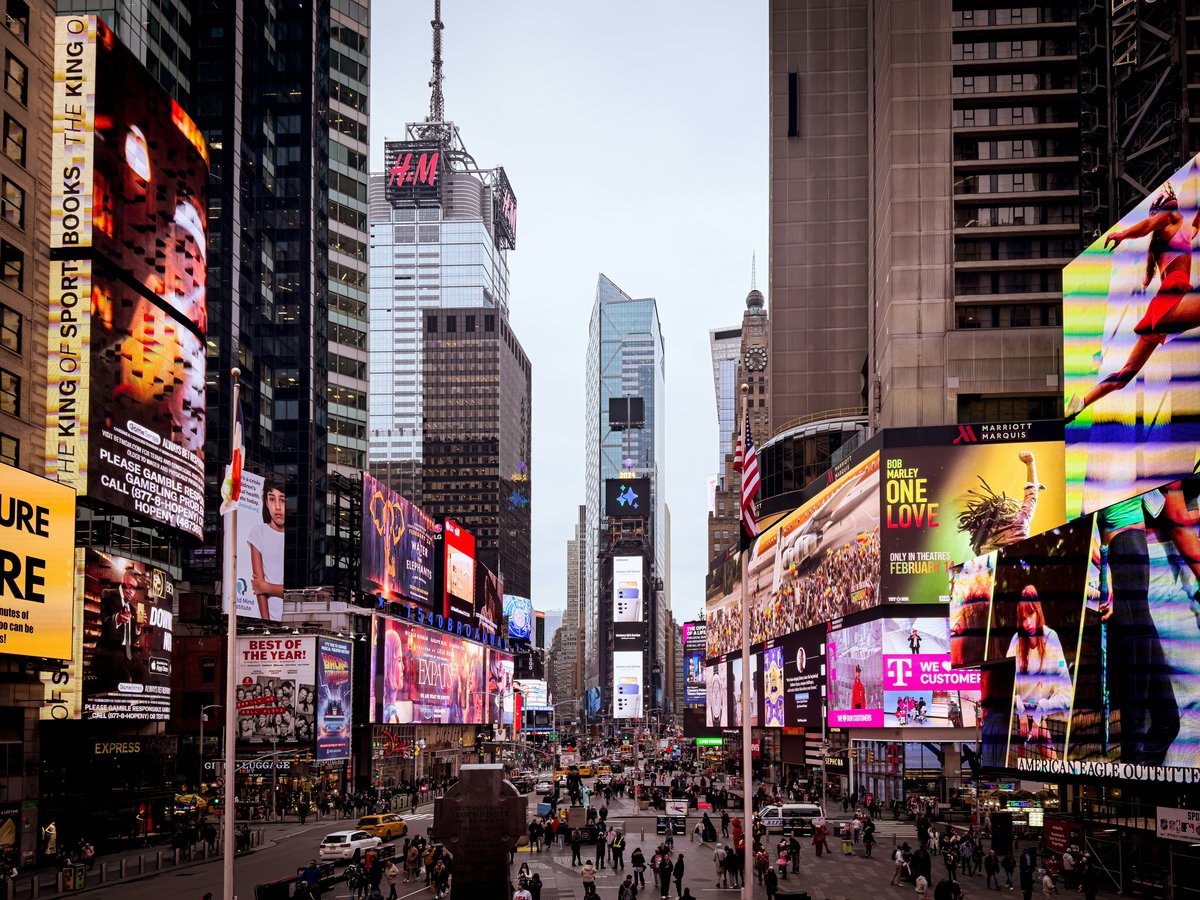
New York's public squares and parks do more for a visitor's day than most ticketed attractions, and this list is built from them. Three of the twelve are National Historic Landmarks: Central Park, Union Square and the New York Botanical Garden, with dates running from Bryant Park's 1842 to the High Line's 2009, so a single walking day can cover most of the city's public history. The list covers four boroughs: most entries are Manhattan squares, with Flushing Meadows–Corona Park in Queens, Prospect Park in Brooklyn and the botanical garden in the Bronx making up the rest. It is for visitors who would rather walk than queue, and who think a bench in the right square counts as an itinerary. Two entries are gardens with their own gates and calendars, so check their official sites before you set out. Comfortable shoes and a tolerance for crowds are all the rest require.
See the picks → -

Best museums
New York's museums are not a single collection but a long argument about what a museum should even be for. On one Manhattan mile you can walk from an encyclopedic vault of world civilizations to a spiral ramp built to make you look at paintings the architect's way; cross a bridge and the conversation restarts in Brooklyn, older and less impressed with itself. The twelve venues below cover the useful spread: the two encyclopedic giants everyone names, the modernist and contemporary anchors that set the terms for the last century of art, a natural-history cathedral, two private collections that stayed intimate on purpose, a memorial that refuses to be tidy, and a decommissioned aircraft carrier tied up on the Hudson. Coordinates and phone numbers come from Wikidata; the editorial judgments are the writer's. This is a list for people who want to spend their hours well, not tick a box.
See the picks →