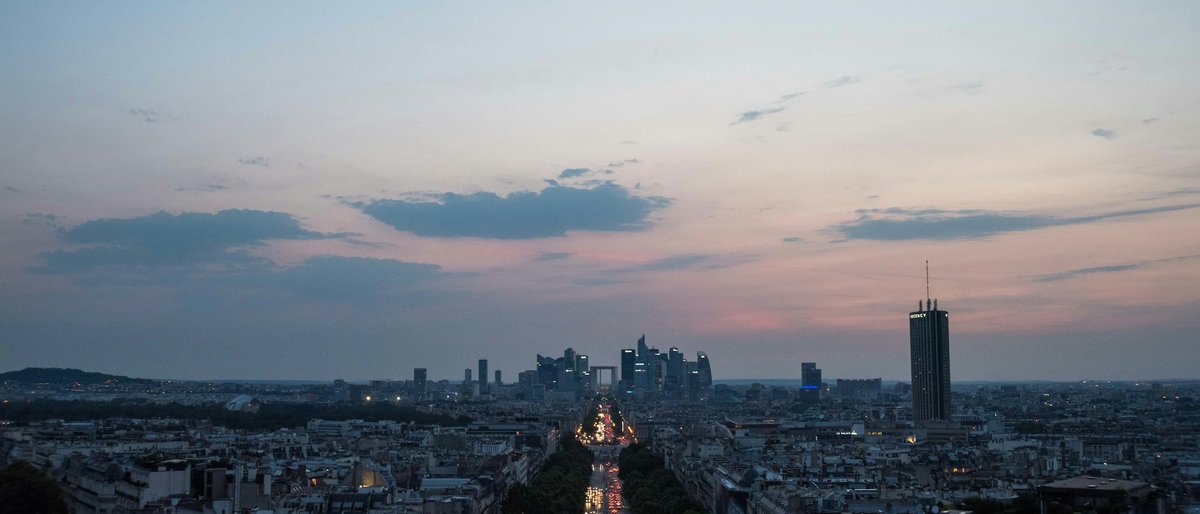
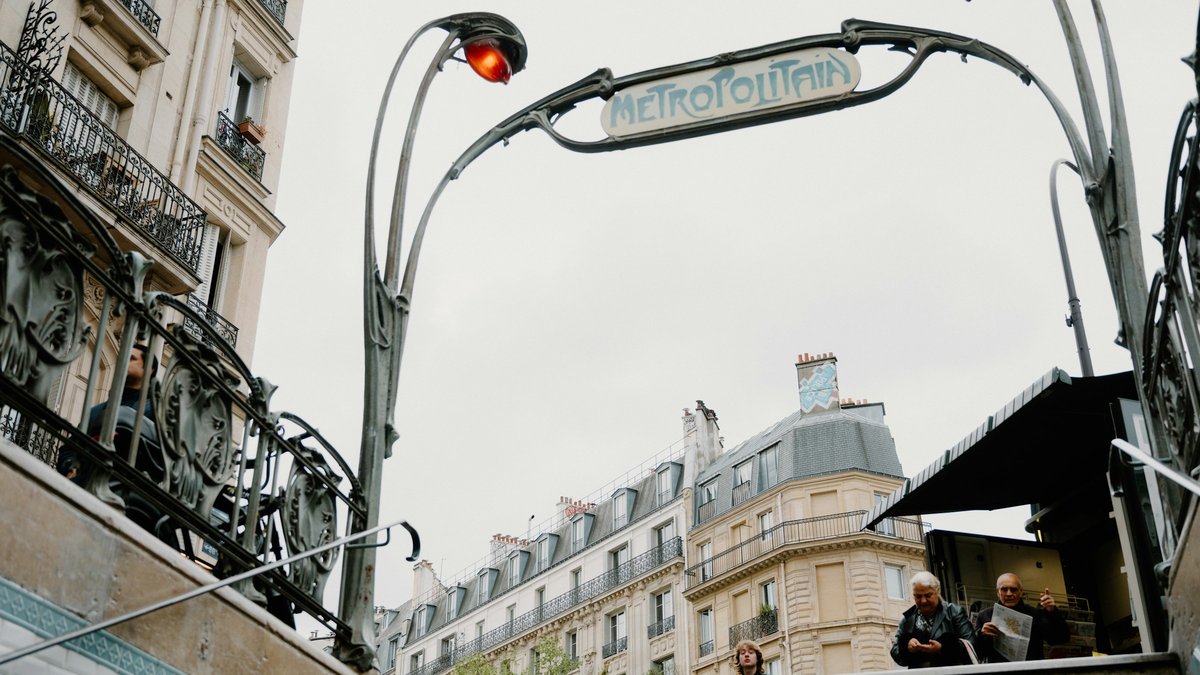
Paris sits on a broad loop of the Seine roughly 170 kilometres from the English Channel, a position that made it a river-crossing settlement before the Romans arrived and a continental capital long before most European cities had paved roads. The city's 20 arrondissements spiral outward from the Île de la Cité like a snail shell, a numbering system Parisians actually use in conversation: you'll hear "I live in the onzième" more often than any street name. That spiral matters because it encodes the city's growth: the medieval core around Notre-Dame, the Haussmann-era boulevards of the seventh and eighth, the working-class quarters of the nineteenth and twentieth that still feel like separate villages with their own markets and café rhythms. A first visit tends to anchor around a few fixed points: the Eiffel Tower on the Champ de Mars, the Louvre along the Right Bank, Sacré-Cœur crowning Montmartre, but the actual texture of a day here is defined by what falls between them. Morning means a counter espresso and a tartine at a zinc-topped bar, not a sit-down breakfast; lunch is the meal Parisians take seriously, often a two-course formule at a neighbourhood bistrot where the chalkboard menu changes daily. The Métro is efficient and ugly, and learning to navigate its numbered lines is more useful than memorising arrondissement boundaries. Afternoons open up depending on the season: the Tuileries and Luxembourg gardens fill with readers and runners when daylight stretches past nine in summer, while winter sends everyone indoors to the covered passages of the second arrondissement, glass-roofed arcades that predate shopping malls by a century. The city runs on its own logic: shops close on Sundays, dinner rarely starts before eight-thirty, and the pharmacie with its green neon cross is the answer to more daily problems than you'd expect.
Paris in photos
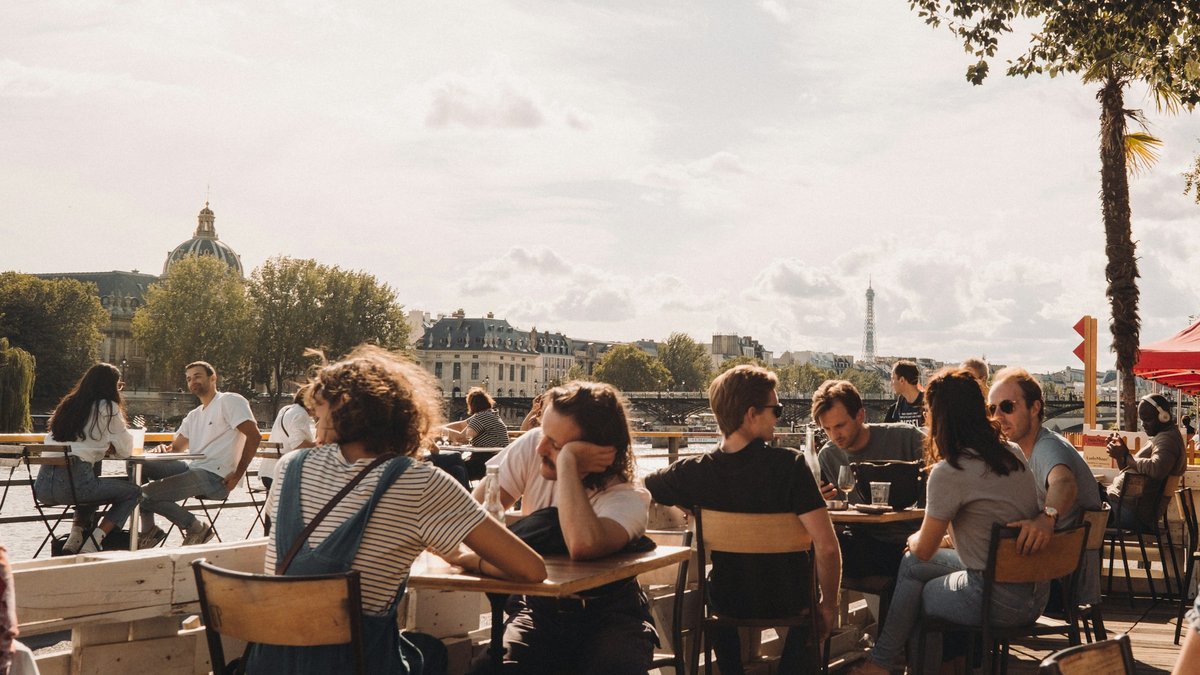
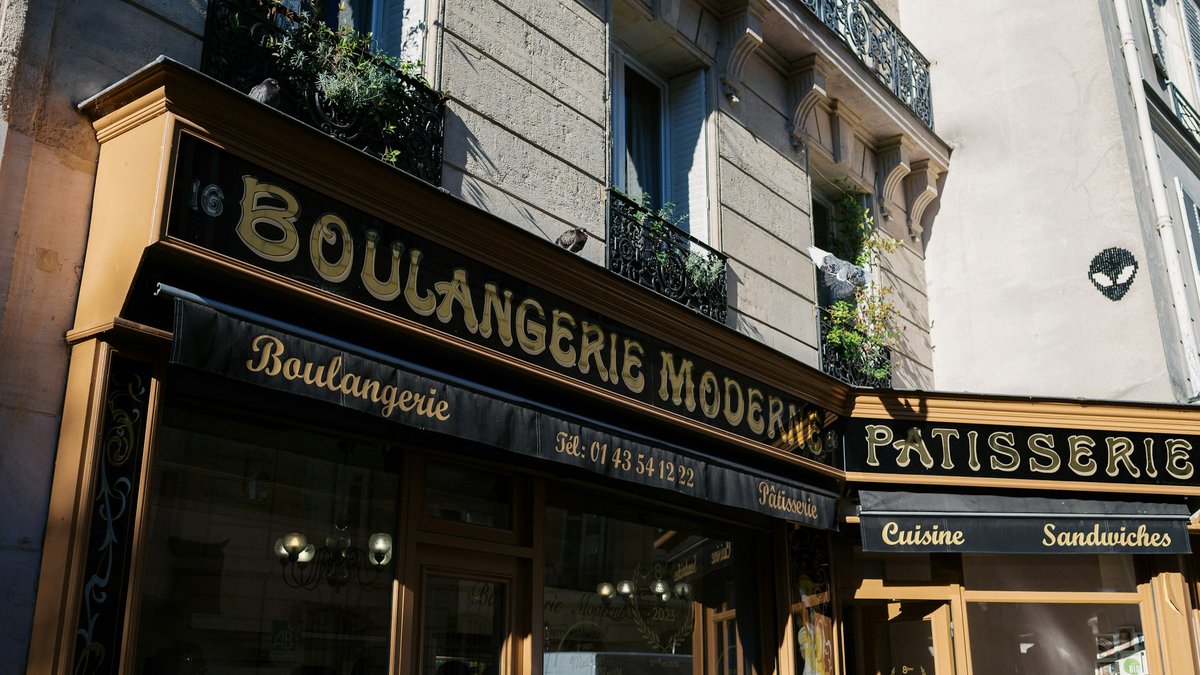
Paris right now
Answers about Paris
-
Airport to city
From Charles de Gaulle (CDG), take the RER B train: roughly €11.80 ($14), 35 minutes to Châtelet-Les Halles, runs 4:50am to midnight. After hours, taxis have a fixed €55 fare to the Right Bank, €62 to the Left Bank: set by prefectural decree, non-negotiable. From Orly, the Orlybus to Denfert-Rochereau runs €11.50, 30 minutes.
Read the full answer → -
Best time to visit
Go in late May, June, or September, when Paris gives you long, mild afternoons for the Seine quays and the Jardin du Luxembourg, café terraces staying full well into the evening. Skip August for the heat and summer closures, and skip January and February for the grey. For a first trip, June edges out September because its evening light lasts longest.
Read the full answer → -
Cost per day
Budget Paris runs about €50/day ($58) on a hostel dorm, boulangerie meals, and t+ metro tickets. Midrange lands near €150/day ($173) with a 3-star hotel and one sit-down dinner. Luxury starts around €390/day ($450) at a Left Bank hotel with tasting menus. The gap between budget and midrange is mostly museum admission and restaurant seating.
Read the full answer → -
Cultural etiquette
Say "bonjour" the moment you walk into any shop, café, or elevator: skipping it is the single rudest thing a visitor can do in Paris. Service is already included on every restaurant bill, so tipping is a rounding-up gesture, not an obligation. Cover shoulders and knees in churches. Keep your voice down on the Métro.
Read the full answer → -
Best day trips
Giverny tops the list for couples: Monet's gardens plus lunch at the Hôtel Baudy make a full day without rushing. Reims gives you champagne cellars and a Gothic cathedral on a 45-minute TGV. Chantilly beats Versailles for a quieter day. Chartres and Auvers-sur-Oise work well as split-interest flex picks.
Read the full answer → -
Digital nomads
Paris scores 6.5/10 for digital nomads (sourced from TTDI's editorial rubric), and fibre in rented flats often tests above 500 Mbps while a Morning hot desk costs about €300 to €400 a month. The weak points are rent, which pushes a month near $3,600, cafés that turn laptops away, and France having no visa built for nomads.
Read the full answer → -
Family-friendly
Paris scores an 8/10 for families: parks are superb, national museums are free for under-18s, and kid menus show up at most brasseries without asking. The catch: Métro stations rarely have elevators, cobblestone streets punish lightweight strollers, and Parisian apartments labeled 'family-friendly' often mean a pullout sofa in the living room. Bring a carrier for kids under 3.
Read the full answer → -
Food culture
Paris eats on a strict schedule: coffee and a croissant by 8, a proper sit-down lunch from noon to 2, and dinner never before 8pm. The city runs on butter, bread crust, and seasonal produce treated with near-religious seriousness. Skip the Champs-Élysées and eat where the waiters are indifferent to everyone equally.
Read the full answer → -
Getting around
The Métro does the heavy lifting. Sixteen lines reach every neighborhood worth visiting, and a Navigo Easy card loaded with t+ tickets at €2.15 each keeps you moving without fumbling for cash. Walk between sights in the same arrondissement: Paris is only about 10 km across. Uber works but costs four times the fare.
Read the full answer → -
How to get there
Paris has two main airports: Charles de Gaulle (CDG, 25 km northeast) for international flights and Orly (ORY, 14 km south) for European and domestic routes. Direct from the US East Coast runs 7-8 hours at $650-1,100 round-trip on Delta, United, or Air France. From London, the Eurostar train (2h15, £80-200) beats flying.
Read the full answer → -
Is it safe?
Paris is reasonably safe for a solo visitor, though not without its hazards, and we score its solo-traveler safety at 6.5/10 (see the TTDI Solo-Safety Index). Violent crime against tourists in central Paris is rare. The real risks are pickpocket teams working Metro Line 1, the RER B, and Gare du Nord, plus bracelet and petition scams at Sacré-Coeur and the Louvre. Dial 112 in any emergency.
Read the full answer → -
Language basics
French: Parisian French specifically, spoken faster and with more clipped vowels than what you learned in school. English proficiency in tourist zones sits around 6/10: hotel desks and museum staff handle it fine, but the waiter at your corner bistro in the 11th and most taxi drivers won't. Two phrases ('bonjour' on entry and 'l'addition, s'il vous plaît' at meal's end) shift every interaction.
Read the full answer → -
Layover guide
Yes, with seven or more hours between flights at Charles de Gaulle. The RER B reaches central Paris in about 35 minutes, and most Western passports enter the Schengen zone visa-free. Budget 15-30 minutes for immigration each way and 90 minutes for CDG's return security. Under seven hours, stay airside.
Read the full answer → -
LGBTQ-friendly
Paris scores 9/10. France legalized same-sex marriage in 2013, and the Marais has been the queer center of Europe for decades. Same-sex couples walk arm-in-arm along the Seine without drawing a second glance. The scene runs deep, from leather bars on Rue des Archives to Rosa Bonheur's Sunday dance floor in Buttes-Chaumont.
Read the full answer → -
Where locals go
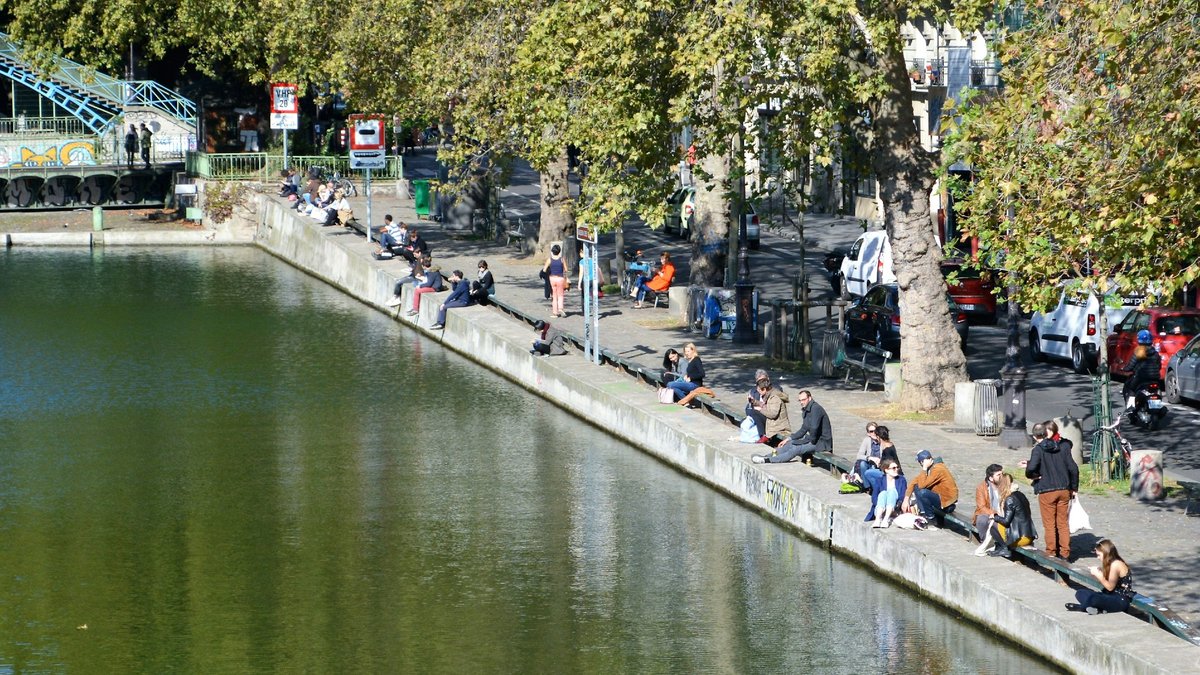
Parisians do their weekday shopping at Marché d'Aligre in the 12th, spend mild evenings on the Quai de Valmy edge of Canal Saint-Martin, and drink on weekends at Rosa Bonheur in Parc des Buttes-Chaumont. For a month-long stay, the 10th, 11th, 12th, and 20th arrondissements put groceries, laundromats, and these hangouts on the same streets.
Read the full answer → -
Must-see
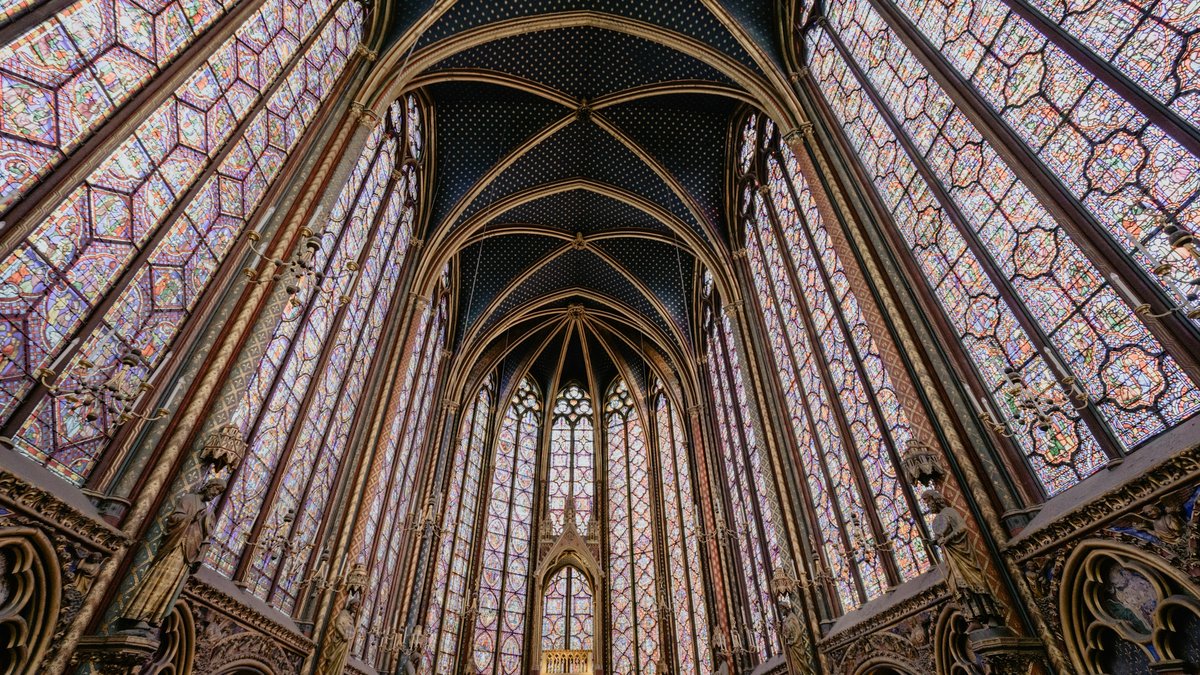
Sainte-Chapelle on Île de la Cité. Louis IX's 1240s royal chapel replaced its walls with 15 metres of stained glass, floor to vaulted ceiling. On a sunny afternoon the upper room fills with colored light so saturated it tints your skin. Allow twenty minutes. Book a timed slot online.
Read the full answer → -
Running routes
Run in the Bois de Vincennes, on Paris's eastern edge, where 5K loop A stays inside the park with no street running and no major-road crossing, making it the best first run for a newcomer. For 10K, loop A is still the right choice. If you are staying in the west, the Bois de Boulogne's 5K loop C has the longest car-free run of the set.
Read the full answer → -
Solo travel
Paris scores 6.5/10 for solo-traveler safety (see the TTDI Solo-Safety Index) but works better alone than that number suggests. Bistro counters welcome singles without reservations, the 11e and 5e have reliable social infrastructure, and night buses run past midnight. Solo-friendly private rooms start at 50 EUR per night in the 10e and 11e arrondissements.
Read the full answer → -
This week
Paris this week runs on two calendars. Museums split closures between Monday and Tuesday, so the wrong choice wastes a morning. Outdoor markets set the food rhythm mid-week and Sunday mornings. Evenings cool to the low 20s by 8pm, and sunset holds past 9:30, turning the terrasses into the city's living room.
Read the full answer → -
3-day itinerary
Day 1 is the Left Bank on foot: Sainte-Chapelle at 9am, Notre-Dame, Latin Quarter lunch at Bouillon Racine for €20. Day 2 runs the Louvre-to-Eiffel Tower corridor via the Orangerie and Pont Alexandre III. Day 3 splits between the Marais in the morning and Montmartre by afternoon, with falafel on Rue des Rosiers in between. About 27 kilometres total across mostly flat ground.
Read the full answer → -
What to avoid
Skip the restaurants on Rue de la Huchette. Laminated menus, microwaved food, men pulling you inside. Avoid Champs-Élysées dining; it's chain stores at double the price. Watch for the gold ring scam near the Louvre and bracelet-tying at Sacré-Cœur. Métro Line 1 is pickpocket territory during rush hours. Keep bags zipped, phone in a front pocket. For emergencies, dial 112.
Read the full answer → -
What to pack
Layers and broken-in walking shoes: that's the core of a Paris packing list. Mornings near the Seine run 5–8°C even in April, warming to 16°C by afternoon. Pack a compact rain jacket, a crossbody bag with zip closure for Métro pickpocket zones, and a light scarf for church dress codes and windy bridge crossings.
Read the full answer → -
Where to stay
Le Marais in the 3rd and 4th arrondissements for a first visit: you're on Métro lines 1 and 11, ten minutes' walk from Notre-Dame, and surrounded by the best falafel-and-wine-bar density in the city. Budget €130–220 per night for a decent three-star. Saint-Germain-des-Prés if you want quieter streets and bookshop mornings, at €180–300.
Read the full answer →
Deep guides for Paris
-
Best Time to Visit Paris, by Season
Paris spans 17.4 degrees between its coldest and warmest months: from January's 7.2°C highs to August's 25.2°C peak. Each month demands a different trade-off between comfort, cost, and crowds. This is the month-by-month case, built from climate normals, for the single best window for every kind of traveller.
Read the guide → -
Paris Restaurants: What's Worth It
Paris has thousands of restaurants and a reputation it earned decades ago. This guide names twelve worth your time: five sit-down kitchens where the cooking is serious, five fast-and-honest counters that charge fairly, and delivers the verdict on each, with hours, addresses, and who each one is actually for.
Read the guide →
Curated lists for Paris
accommodation
-
Best boutique hotels
Paris organizes itself by arrondissement, but the neighborhoods that matter for accommodation rarely follow the administrative lines. The central districts along the Seine charge a premium for proximity to Notre-Dame and the Louvre, while the outer arrondissements trade monument views for residential quiet and rates that leave room in the budget for a proper dinner. The Métro knits it all together: any hotel within two blocks of a station puts the whole city in reach, which makes the neighborhood outside the door more important than the address on a map. Certain quarters sit in the tourist current; others sit deliberately outside it. Choose by what you want at walking distance: bakeries and bookshops, canal-side bars, Haussmann grandeur, or residential quiet at rates the center cannot match.
See the picks → -
Best hostels
Paris hostel beds scatter across neighborhoods from the canal-side 10th to suburban Issy-les-Moulineaux, and the address matters more than the bunk. Nightly prices in this set run from $21 at a converted rail warehouse near La Chapelle to $80 at a polished budget hotel beside the Gare du Nord, with ratings spanning 6.8 to 8.9. The Marais puts you in the dense medieval core where everything is on foot; Montmartre trades convenience for a northern hillside above the tourist belt; the 15th and Issy ask you to trust the Métro and gain quiet residential blocks in return. Most of these neighborhoods sit on two or more Métro lines and reach the Seine in a short ride, but the walking radius from each bed defines a different Paris. Certain corridors keep bar noise going past midnight; others fold into residential silence after dinner. The question is not whether Paris has budget beds: it does in nearly every quarter below: but which version of the city you want outside the door when you walk out in the morning.
See the picks → -
Best luxury hotels
Paris has always treated the hotel as a public institution, not a private retreat. The best addresses here sit on squares, behind courtyard gates, along boulevards where the city's social life presses close to the lobby. The breakfast room opens onto a market street; the concierge is a local who lives three blocks away. What separates Paris from other luxury-hotel cities is density of competition in a walkable core: a dozen serious properties stand within twenty minutes of each other on foot, each pitching a different version of the same promise. Some trade on their address. Some trade on their spa. A few trade on a personality so specific it borders on eccentricity. This list prices 12 of them honestly: nightly rates here span from USD 235 to USD 1537, and what you get for the spread varies more than you might expect. The useful question is not which hotel is best; it is which hotel is best for the version of Paris you came to see.
See the picks → -
Where to stay
Paris sorts itself into neighborhoods that feel like different cities sharing the same river. The grand boulevards near the Opéra run on department-store energy and late dinners; the 15th arrondissement trades spectacle for residential quiet and metro access to everywhere. Budget beds cluster along the Canal Saint-Martin in the 10th, where a hostel bunk costs less than a cocktail on the Champs-Élysées. The Left Bank splits into the academic density of the Quartier Latin and the ministerial calm of the 7th, two neighborhoods separated by a few blocks and an entire temperament. Luxury concentrates where you would expect, around the 1st and the 8th, but mid-range rooms with strong ratings surface in less obvious pockets: near the Porte de Versailles convention grounds, behind the Arc de Triomphe in Les Ternes, along the residential avenues of Vaugirard. The Métro connects all of it, so the real question is never how to get across town; it is what you want outside the hotel door. Stay near the Gare du Nord for cheap beds and canal-side coffee, or book a courtyard suite behind the Madeleine. Paris rewards the traveler who picks a neighborhood by walking radius, not by name recognition.
See the picks →
attractions
-
Best free attractions
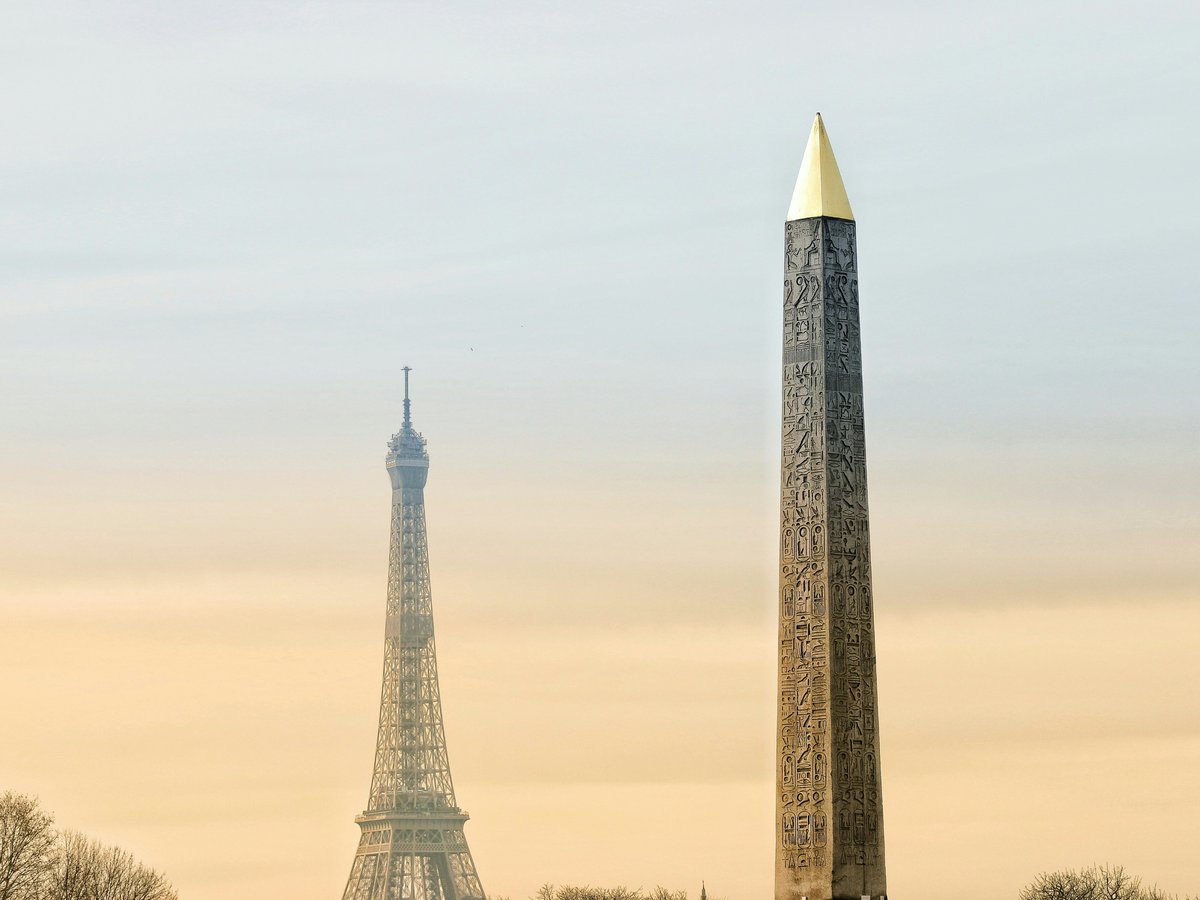
Paris hands its best hours out for free. Not the queue-at-dawn free of the big museums on their first-Sunday morning, but the older, sturdier kind: the squares, gardens, and public greens that the city itself keeps open, most of them administered by the Ville de Paris or the Sénat and mapped on every visitor's phone. This list is 12 of them, ranked by how much of Paris each one delivers for the price of walking in. Some are formal parterres you photograph from a bench; others are working parks with joggers, playgrounds, and rowing lakes that locals treat as their back garden. A few are squares whose importance is political and architectural rather than green. What they share is that they cost nothing, they are accessible without a ticket window, and they reward a slow hour more than a fast one. Bring a book, a coffee, or a hunger, and let the city do the rest.
See the picks → -
Best museums
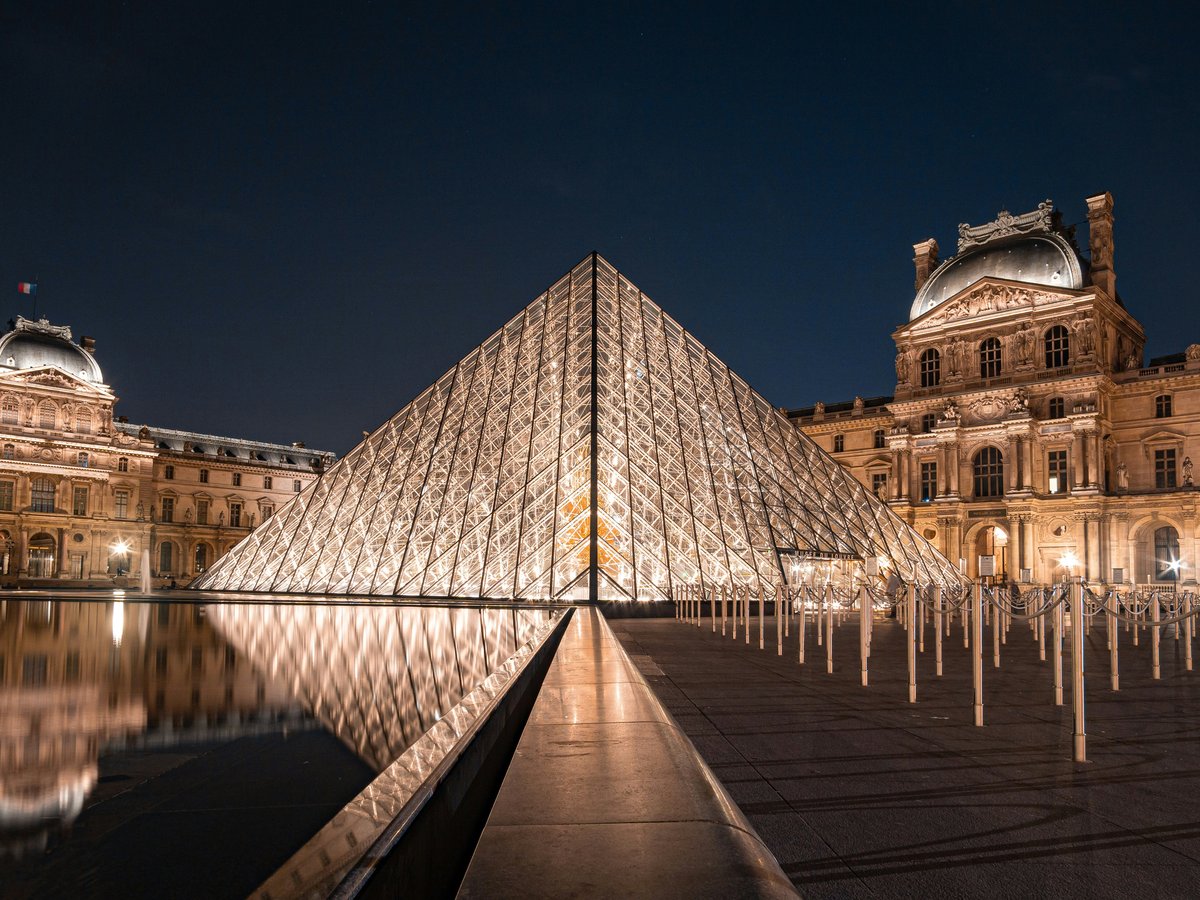
Paris does not have museums so much as it has arguments made in stone, canvas, and cast iron, arranged across the city so that a single day can move from a royal palace to a national contemporary art centre without ever quite leaving the same conversation. The list below is 12 collections that reward a visitor who has more than one afternoon and more than one interest: the encyclopaedic giants on the Rive Droite, the science and natural-history houses that Paris runs with the same seriousness it brings to painting, a royal seat outside the city walls, and a handful of smaller houses where a single artist or a single idea is treated with the depth it deserves. Skip the impulse to hit only the marquee two; the city rewards a wider net. Wear shoes you can walk 08:00 to 18:00 in, book the entry slots that let you, and let the addresses do the routing. Every claim below traces to the venue's own record; the opinions are the editor's.
See the picks → -
Must-see attractions
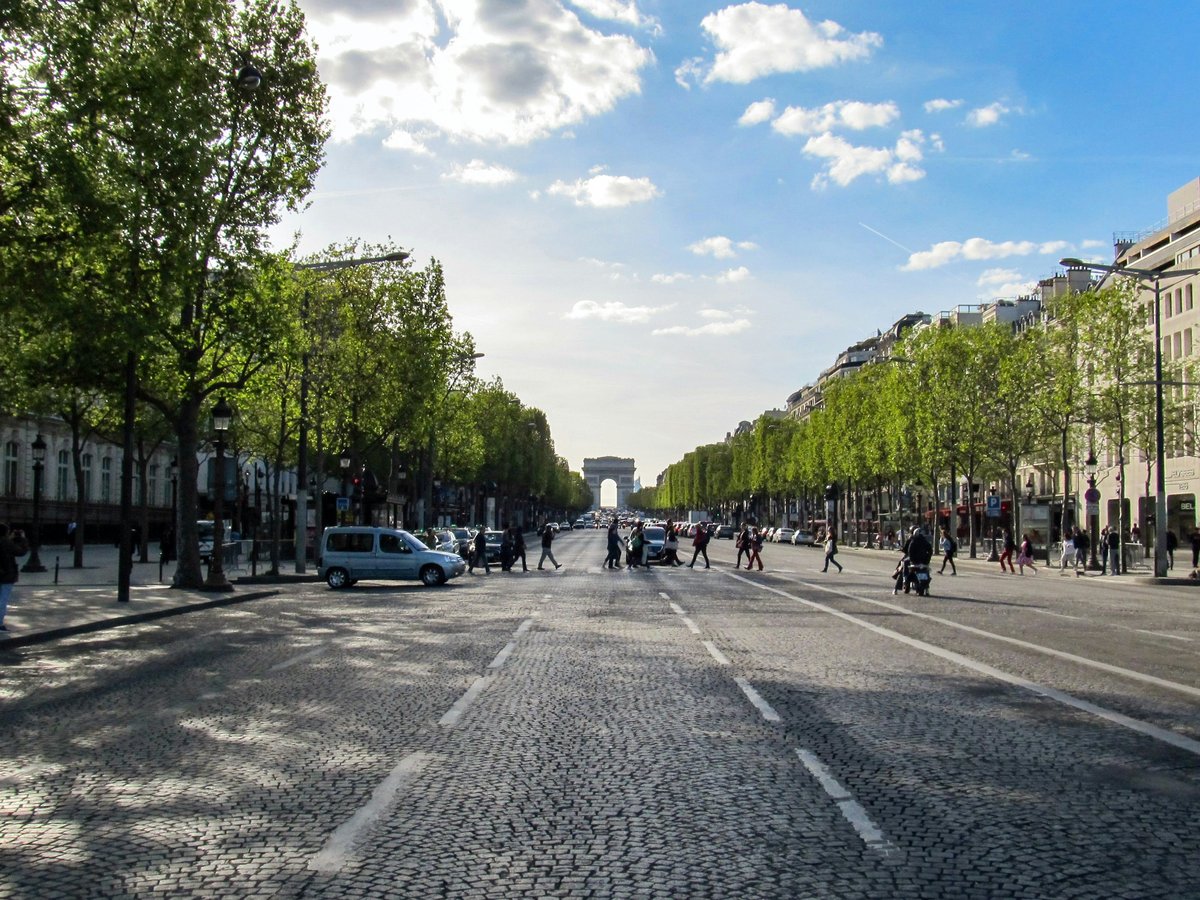
Paris does not do small must-sees. This list runs from a cathedral whose history begins in 1163 to a cabaret that has traded on spectacle since 1889, taking in a palace with UNESCO World Heritage Site status, a tower that forms part of another, and a mausoleum for the most distinguished French people. Most of these places are famous enough that visiting them badly is easy: wrong hour, wrong day, half an hour of queueing for a photograph. The point of this list is timing and judgement as much as selection. Several keep late hours worth planning around, a few close on days you might not expect, and one sits outside the city in Versailles. We've written it for a first or second visit, for travellers who want the landmarks without the dutiful box-ticking. Read the hours before you build the day, and give each place the slot it deserves.
See the picks →
food
-
Best cafes
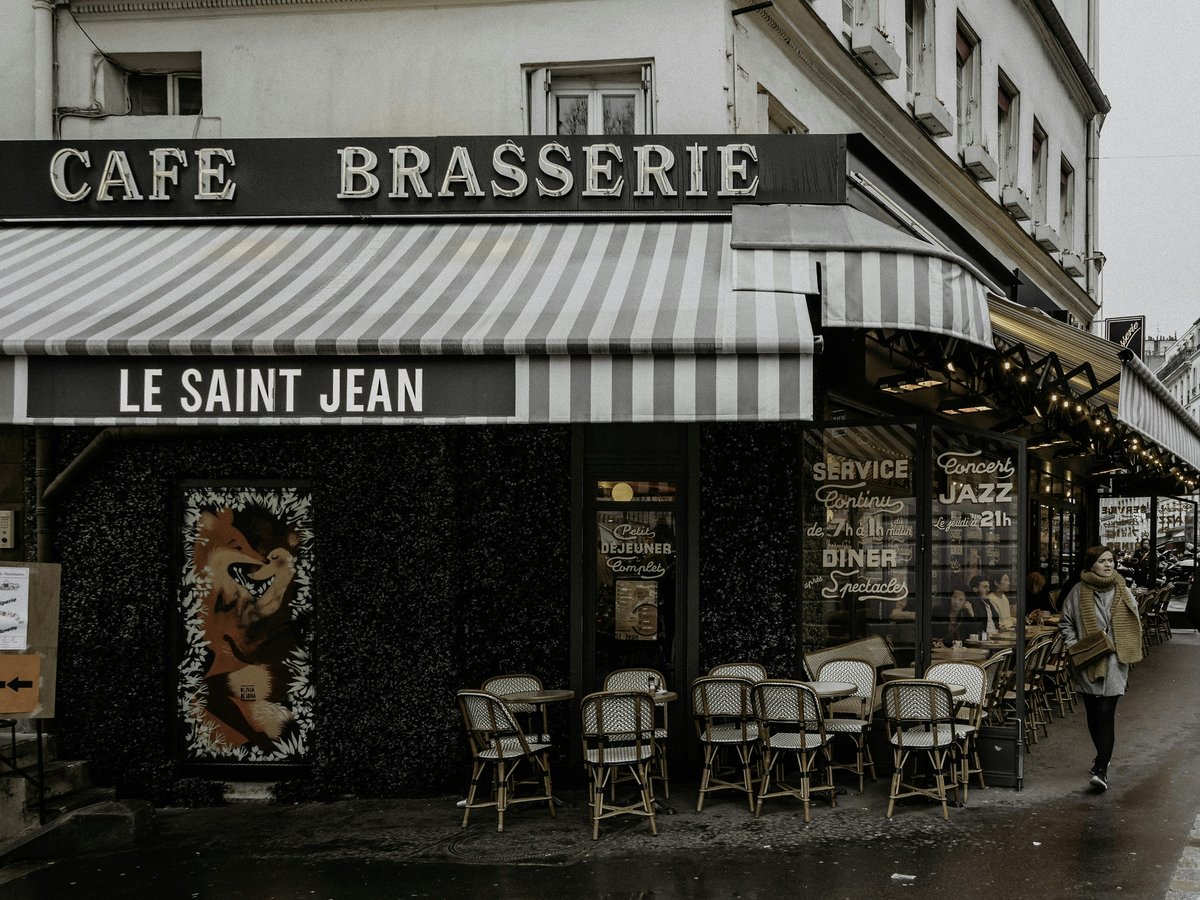
Paris does not lack for cafes, and that is precisely the problem. The tourist streets are lined with places that exist to sell an idea of Paris rather than a decent cup of coffee, and the difference between a wasted hour and a memorable one comes down to which door you push. The twelve rooms below are chosen because each of them earns the address it occupies: some by roasting their own beans, some by holding a corner of the Marais or the Île Saint-Louis for two or three generations of regulars, some by importing a tea ritual that Paris did not previously have. A few keep late hours, which matters more than it should in a city that closes early. A few keep unusual ones, which is its own kind of honesty. None of them are on this list because they photograph well. They are here because when you sit down and order, the room and the cup argue for themselves.
See the picks → -
Best restaurants
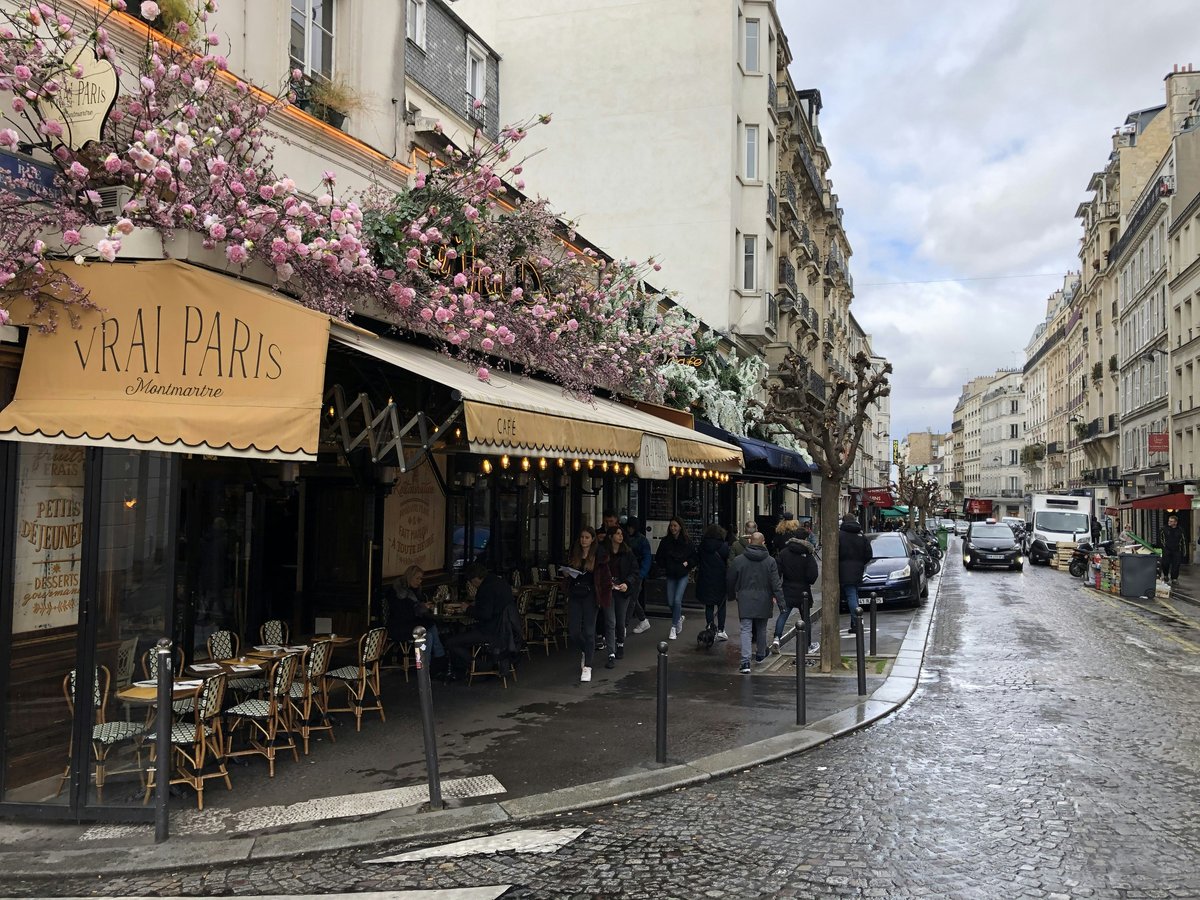
Paris does not lack for restaurants, and that is precisely the problem. Within a ten-minute walk of the Hôtel de Ville you can eat badly at fifty places and remembered-for-years at a dozen, and the twelve below are the dozen. They cluster across the 75001, 75003, and 75004 postal codes: the streets around Rue des Archives, Rue des Lombards, and Rue Saint-Martin, where the Marais meets Châtelet and the kitchens run late. This is a list for a visitor who has one week, is tired of guessing, and wants to eat like the people who live upstairs. There is Italian cooked by people who mean it, Breton crêpes made to order, a Portuguese counter that never lets its custard cool, Vietnamese from a proper cantine, and a Lebanese kitchen that stays open past 23:00. No stars are chased here; no reservations are impossible. What each of these places has is a specific reason to be at its address: a cuisine done stubbornly well, an hour the neighbourhood keeps, a door that has been open longer than most bistros stay in business.
See the picks →
Browse by traveler type
- For foodies
Paris for foodies
- For families with kids
Paris for families
- For digital nomads
Paris for digital nomads
- For solo travelers
Paris for solo travelers
- For couples
Paris for couples
- For budget travelers
Paris on a budget
- For luxury travelers
Paris for luxury travelers
- For first-timers
Paris for first-time visitors
Book experiences in Paris
 Free cancellation
 Normandy D-Day Sites & Cemetery Day Trip from Paris with Lunch
Day trip: 14 hours, free cancellation.
via Viator Free cancellation
 Bateaux Parisiens Seine River Gourmet Dinner & Sightseeing Cruise
Cruise: 2.5 hours, free cancellation.
via Viator Free cancellation
 Bateaux Mouches® Dinner Cruise on the Seine River in Paris
Cruise: 3 hours, free cancellation.
via Viator Free cancellation
 Loire Valley Castles Day Trip from Paris with Complementary Wine
Day trip: 13 hours, free cancellation.
via Viator Free cancellation
 Paris Half-Day: 30+ Sights, Eiffel Tower, Montmartre & Notre-Dame
City tour: free cancellation.
via Viator Free cancellation
 Normandy D-Day Small-Group Day Trip with Omaha Beach, Cemetery & Cider Tasting
Day trip: free cancellation.
via Viator Free cancellation
 Bateaux Parisiens Seine River Gourmet Lunch & Sightseeing Cruise
Cruise: 2 hours, free cancellation.
via Viator Free cancellation
 Normandy D-Day Beaches and American Cemetery Day Trip from Paris
Day trip: 13 hours, free cancellation.
via Viator Free cancellation
 Paris in A Day Louvre Eiffel Tower Notre Dame and Seine Cruise
Cruise: free cancellation.
via Viator Free cancellation
 Paris Gourmet Dinner Seine River Cruise with Singer and DJ Set
Cruise: 3.5 hours, free cancellation.
via Viator Free cancellation
 Top Private Cruises in Paris with French Champagne and surprises
Cruise: 1.5 hours, free cancellation.
via Viator Free cancellation
 Golf Cart in Paris - Private Guided City Tour - Pickup Included
City tour: free cancellation.
via ViatorBrowse by interest
Compare Paris with
Find a flight to Paris
Live fares to Paris appear here once cookies are accepted.
Last verified by automated review (v1.7.1) on . What is automated review?