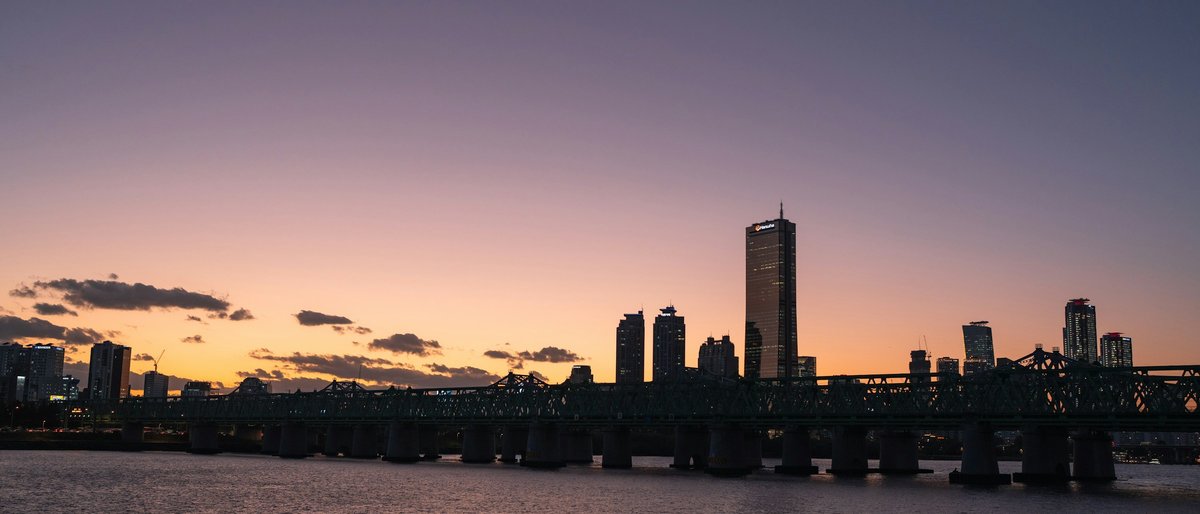
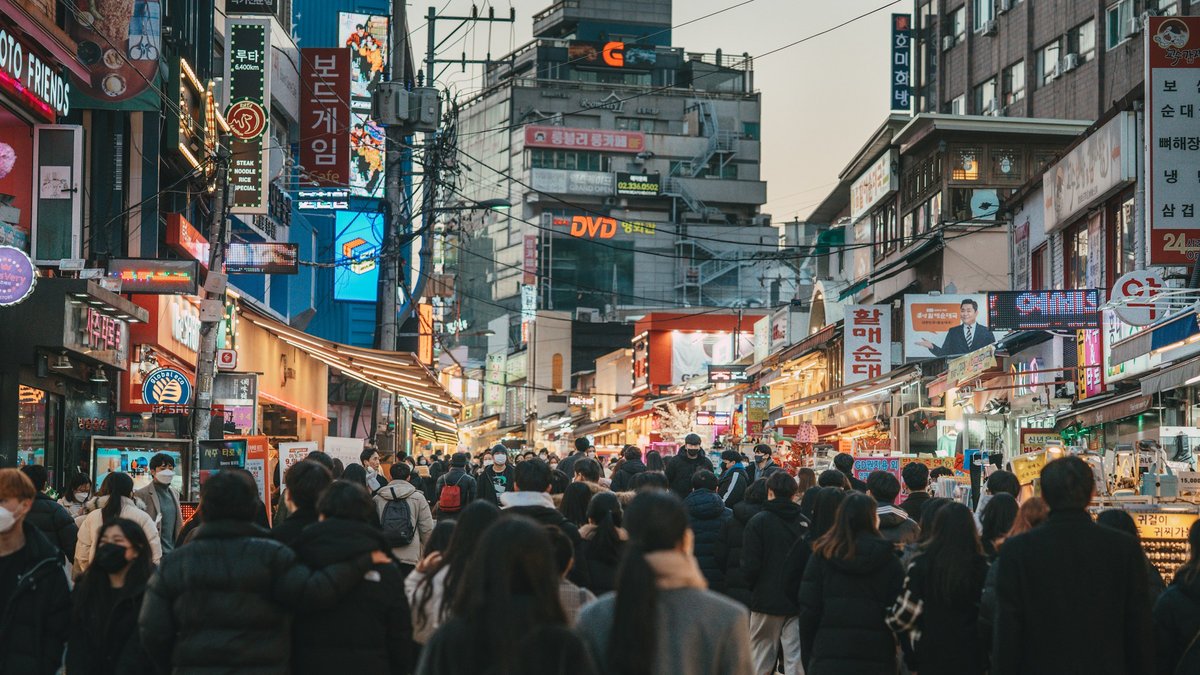
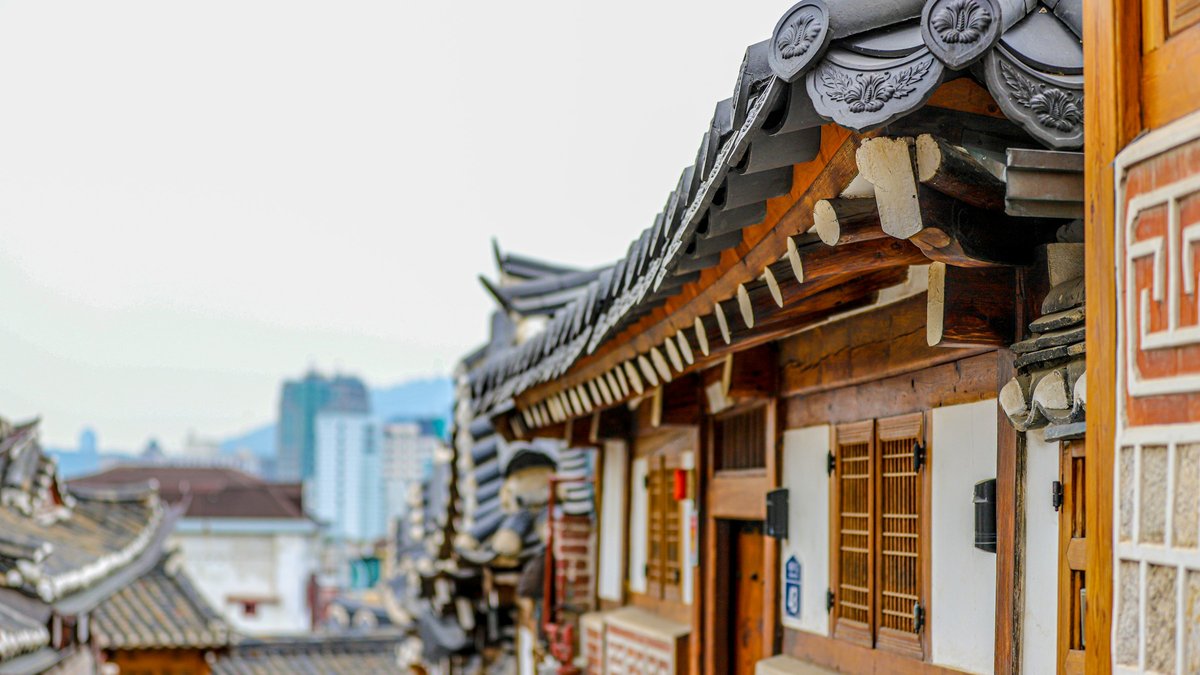
Seoul sits in a basin ringed by low granite mountains, the Han River cutting it roughly in half: north of the river is where five centuries of Joseon dynasty history left its mark, south is where the economic miracle of the 1960s onward built a second city on top of rice paddies. The scale registers immediately: nearly ten million people packed into 605 square kilometres, making it denser than New York and more vertical, with apartment towers rising thirty floors across every district. A first-time visitor's day tends to start later than expected: breakfast places open around nine, the city runs a full hour behind Tokyo despite sharing a time zone, and extends deep past midnight, when the fried chicken shops and pojangmacha tent bars along Euljiro are still filling up. The neighbourhoods that matter are not the ones the airport brochures push. Ikseon-dong is a grid of ninety-year-old hanok houses converted into wine bars and ceramics studios, two blocks from the tourist crush of Insadong but a different atmosphere entirely. Mangwon, west of Hongdae, is where the city's young cooks open their first restaurants and where the weekend flea market runs along the park. Seongsu-dong, a former shoe-factory district east of the river, now operates as Seoul's answer to Brooklyn: repurposed warehouses, roasteries, independent publishers. The geography shapes the experience more than most visitors anticipate: Bukhansan National Park's granite ridgelines are twenty minutes by subway from city centre, and on clear days the peaks are visible from rooftop bars in Yongsan. Winter is genuinely cold, minus ten in January, and summer monsoon season from late June through July makes the city feel subtropical. Seoul rewards anyone willing to eat late, walk uphill, and leave Gangnam for the older quarters where the city's actual character lives.
Seoul in photos
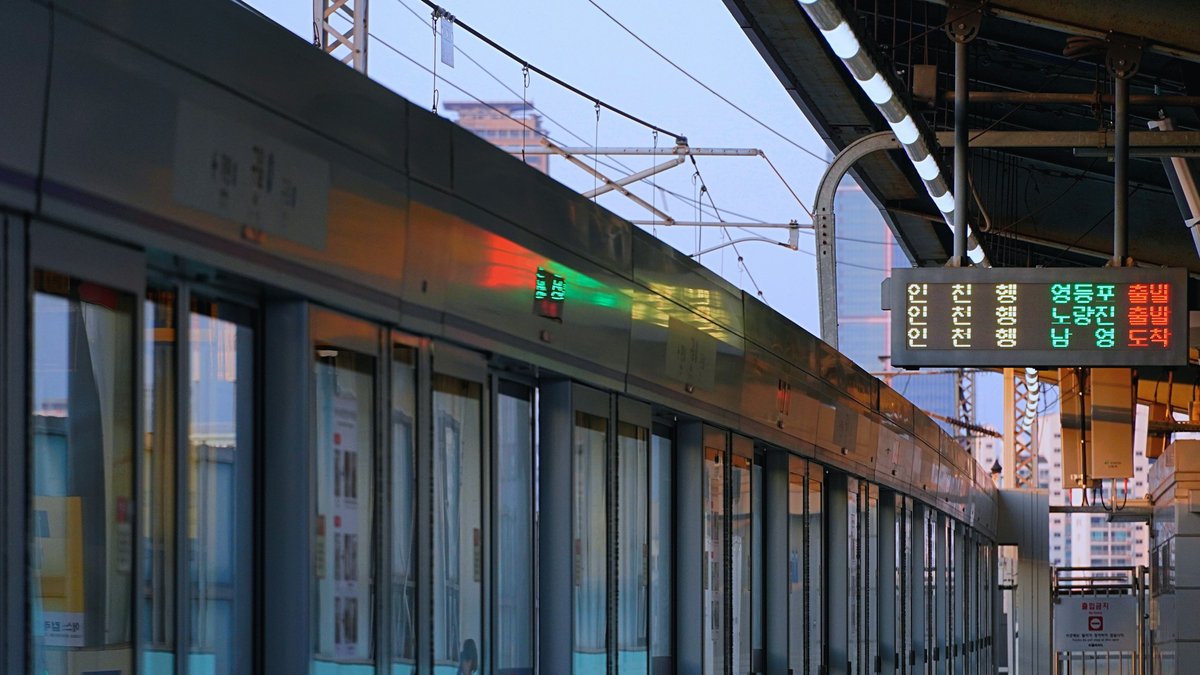
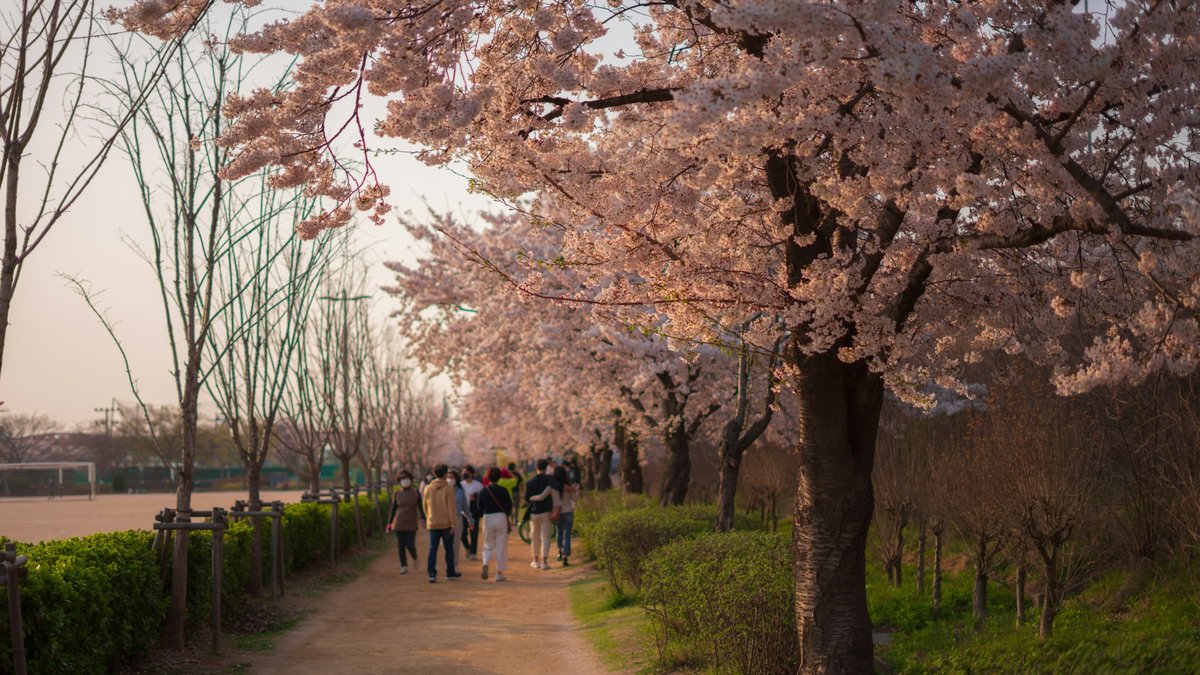
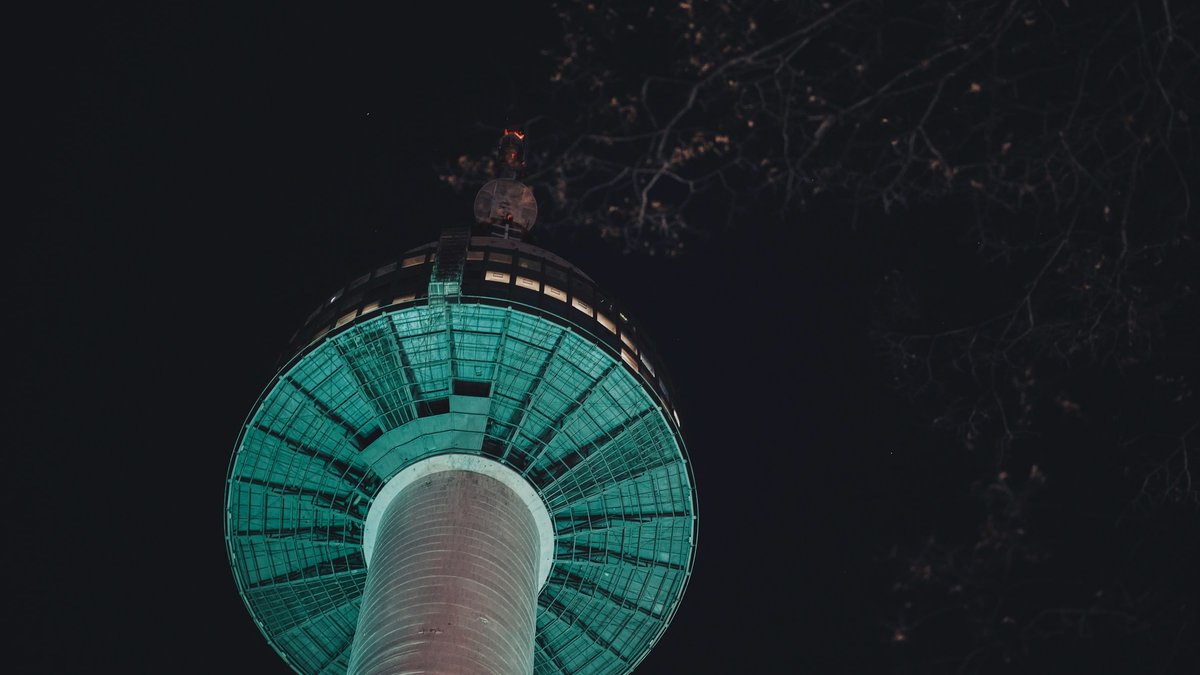
Seoul right now
Answers about Seoul
-
Airport to city
Take the AREX Express from Incheon (ICN) to Seoul Station: 9,500 won ($6.40), 43 minutes, departing every 30 to 40 minutes from 5:15am to 10:50pm. Transfer to Seoul Metro lines 1 or 4 for your final stop. After the last train, KakaoTaxi to most central neighborhoods runs 55,000 to 75,000 won ($37–51) including tolls.
Read the full answer → -
Best time to visit
Go in October. Daytime highs sit near 20°C, the July monsoon is long over, and from late October the maples on Namsan and in the Changdeokgung Secret Garden turn red. Late April into May comes a close second, with mild days but more yellow dust from the Gobi. Skip July and August, when Seoul's heat and rain both peak.
Read the full answer → -
Cost per day
Seoul runs about ₩63,000 ($45) per day on a tight budget. That covers a hostel dorm in Jongno-gu, three meals from convenience stores and market stalls, and subway rides on a T-money card. The National Museum of Korea costs nothing. Midrange sits near ₩155,000 ($110), and hotels around Myeongdong eat most of the difference.
Read the full answer → -
Cultural etiquette
Bow slightly when greeting, deeper for elders or formal situations. Never write a name in red ink. Receive objects from older people with both hands. Tipping is uncommon and will likely confuse your server. Remove shoes before entering homes, temple halls, and traditional restaurants with floor seating. Seoul's subway priority seats stay empty even on packed rush-hour trains.
Read the full answer → -
Best day trips
Nami Island for the couples' cliché that still works: ITX train from Yongsan to Gapyeong, 70 minutes, ₩6,900. Suwon for the history-meets-food compromise: walk the fortress walls, eat galbi at Yeonpo Galbi. The DMZ needs a tour operator but the JSA is unlike anything else you'll do together. Ganghwa Island if you want quiet.
Read the full answer → -
Digital nomads
Seoul scores 7.5/10 for digital-nomad suitability (sourced from TTDI's editorial rubric). Fiber runs 500 Mbps to 1 Gbps in most apartments, coworking starts at 150,000 KRW ($100) per month at FAST FIVE, and the F-1-D Digital Nomad Visa (January 2025) allows 2-year stays on $65,000 annual income. Monthly all-in budget sits at $1,800-2,200. The 7.5 not higher because short-term housing fights Korea's deposit-heavy rental culture.
Read the full answer → -
Family-friendly
Seoul is family-friendly: 8/10. The subway has elevators at nearly every station, kid cafes are a local institution, and Korean comfort food (kimbap, mild jjajangmyeon) solves most picky-eater standoffs. Summer humidity is the main challenge with small children, and older hanok neighborhoods involve steep stair climbs that defeat strollers. The infrastructure here is built with kids in mind.
Read the full answer → -
Food culture
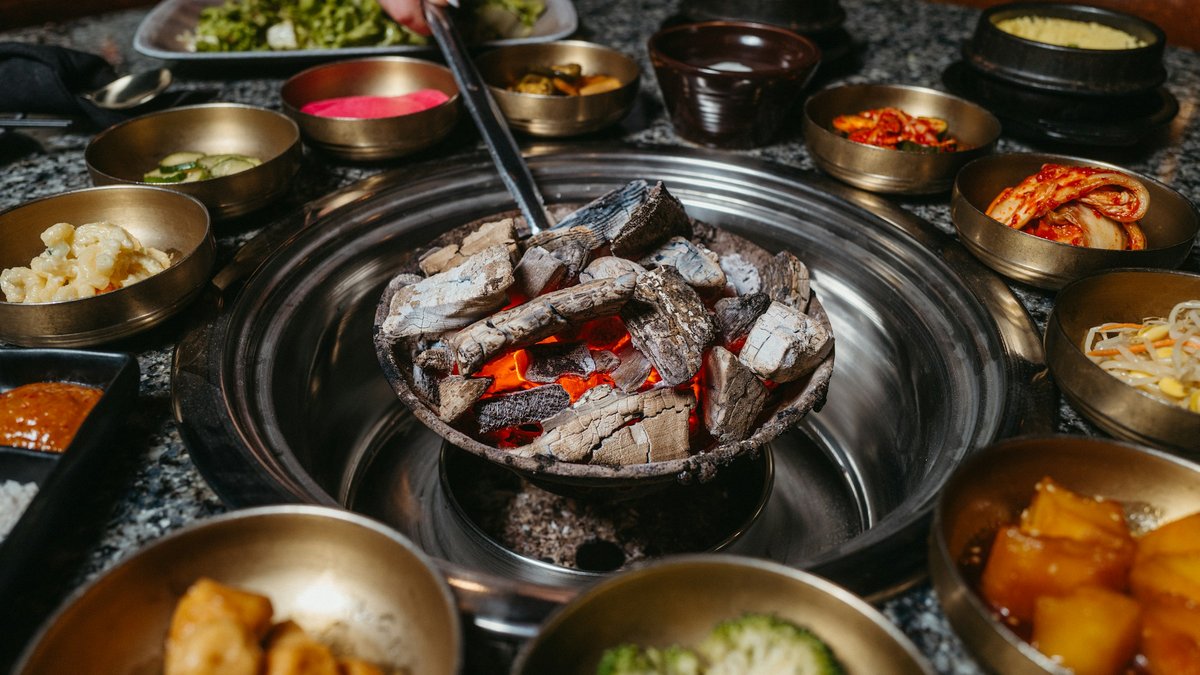
Seoul eats on a schedule built around shared tables and banchan that never stop coming. Breakfast is a bowl of sullungtang from a counter open since 4am. Lunch is fast: office workers clear kimchi-jjigae in twelve minutes. Dinner stretches past midnight, wrapped around soju and grilled pork belly where exhaust fans roar overhead.
Read the full answer → -
Getting around
Seoul's subway does 90% of the work: nine numbered lines plus several extensions reach every neighborhood a visitor needs. Buy a T-money card at any convenience store (2,500 KRW deposit, load 20,000 for three days), tap in and out, and use Kakao T for late-night taxi gaps when the metro stops at midnight.
Read the full answer → -
How to get there
Incheon International (ICN), 52 km west of Seoul, handles nearly all international flights; Gimpo (GMP), 15 km out, covers domestic and short-haul routes to Tokyo Haneda and Shanghai. Direct nonstops run from LAX (11 hours), JFK (14 hours), and London (11 hours). Round-trips range $800-1,400 from North America, £500-850 from the UK.
Read the full answer → -
Is it safe?
We score Seoul's solo-traveler safety at 9/10 (see the TTDI Solo-Safety Index). Violent crime against visitors is rare, and women walk Hongdae and Jongno alone at 2am. The real risks are hidden cameras in restrooms, drink-spiking in Itaewon and Hongdae clubs, delivery scooters on pavements, and Halloween crowds in Itaewon. Dial 112 for police, 1330 for English help.
Read the full answer → -
Language basics
Korean: written in Hangul, a phonetic alphabet you can learn to sound out in roughly two hours. English proficiency in Seoul's tourist zones runs about 6/10: solid around Itaewon and the Gangnam station corridor, thin at traditional markets like Gwangjang and with most taxi drivers. Learn "annyeonghaseyo" (hello) and "kamsahamnida" (thank you): politeness registers here matter more than fluency.
Read the full answer → -
Layover guide
Yes. Incheon sits 43 minutes from Seoul Station on the AREX express (9,500 KRW, about $6.90). Immigration takes 20-40 minutes each way, and you need 90 minutes back for security. Six hours is the honest floor. Below that, stay airside. Most Western and ASEAN passports enter visa-free for 30-90 days.
Read the full answer → -
LGBTQ-friendly
Seoul rates 4.5 out of 10. South Korea has no marriage equality, no anti-discrimination law covering sexual orientation, and same-sex affection still draws stares outside Itaewon. The scene concentrates around Itaewon's Homo Hill and the older Jongno 3-ga district. Couples are unlikely to face hostility in Seoul's tourist zones, but discretion remains the prevailing social norm.
Read the full answer → -
Where locals go
In Seoul, locals shop at Mangwon Market on weekday mornings, drink in Euljiro's Nogari Alley after 7pm on weeknights, and on warm evenings spread out across the Gyeongui Line Forest Park in Yeonnam-dong. On Saturdays they're on the Bukhansan trails by 8am and drinking makgeolli at the bottom by lunch. Sindang-dong and Mullae-dong draw the same crowd, with lower prices and fewer phones out.
Read the full answer → -
Must-see
Gyeongbokgung Palace, first thing in the morning. The 3,000-won admission (roughly two dollars) gets you into the largest Joseon-era royal complex, with Bugaksan mountain filling the frame behind the throne hall. The changing of the guard at 10am is worth timing your arrival around. Get there by 9am to walk the grounds in relative quiet first.
Read the full answer → -
Solo travel
Seoul is a 9/10 for solo travel: possibly the best city in East Asia for it. The honbap (eating alone) culture means restaurants actively design for single diners, the subway runs clean and safe until midnight with full English signage, and Korean social norms around solo activities have shifted so far that honsul (drinking alone) bars are now a recognized business category.
Read the full answer → -
This week
Seoul runs on a Tuesday closure cycle for its main palace. Gyeongbokgung closes Tuesday, not Monday, so plan your first full day around that. This week falls deep in changma monsoon season with afternoon rain most days. Namdaemun Market stays open seven days a week. Hongdae's nightlife district peaks Friday and Saturday past 4am.
Read the full answer → -
3-day itinerary
Day 1 is Jongno on foot: Gyeongbokgung at 9am, Bukchon Hanok Village, Changdeokgung's Secret Garden, dinner at Gwangjang Market. Day 2 moves south: National Museum of Korea, the Namsan Tower hike, Itaewon and Haebangchon for dinner. Day 3 heads west to Mangwon Market and Hongdae, ending with fried chicken and beer by the Han River at sunset. About 35 kilometres total, subway included.
Read the full answer → -
What to avoid
Skip the flat-fare taxi pitch at Incheon, Myeongdong's overpriced cosmetics strip, and the tourist-priced restaurants flanking Gyeongbokgung's main gate. Take the AREX Express to Seoul Station instead of a cab. Eat deeper inside Gwangjang Market, past the entrance stalls. Bukchon Hanok Village enforces quiet hours in its residential lanes, so time your visit accordingly.
Read the full answer → -
What to pack
Pack slip-on shoes: you'll remove them at temples, hanok guesthouses, and most barbecue restaurants. Seoul's spring swings between 8°C and 24°C with occasional fine-dust days, so bring layers and a KF94 mask. Leave skincare and umbrellas behind; Korean drugstores sell better products for less. Bring a portable charger: your phone dies fast here.
Read the full answer → -
Where to stay
Myeongdong for your first Seoul trip: Line 4 puts you one stop from the Euljiro subway junction, ten minutes' walk from Namdaemun Market, and fifteen from Deoksugung Palace. Budget ₩80,000–150,000 per night ($54–101) for a clean mid-range hotel. Repeat visitors should look at Euljiro's converted print-shop blocks at ₩50,000–90,000 ($34–61).
Read the full answer →
Deep guides for Seoul
-
Seoul Restaurants: What's Worth It
Twelve restaurants, two tiers, six verdicts. A tier-by-tier argument for where to eat in Seoul, built from the curated food list and tested against the only question that matters: would you send a friend here today, with no caveats?
Read the guide → -
Best Time to Visit Seoul, by Season
Seoul swings from January lows of -6.8°C to July highs of 29.9°C: a nearly 37-degree range that makes timing everything. Here is the honest case for each month, the trade-offs nobody mentions, and the single best window for every kind of traveller.
Read the guide →
Curated lists for Seoul
accommodation
-
Best boutique hotels
Seoul splits into neighborhoods that reward different walking speeds. Some streets compress shopping, street food, and subway entrances into blocks so dense you never need a taxi; others spread across parks and residential lanes where the evening quiet is the draw. The areas below cover that spectrum, from the cosmetics-counter corridors of Myeong-dong to the hillside calm of Gangbuk-gu, with mid-range nightly rates running from $85 near Olympic Park to $188 beside Dongdaemun's wholesale floors. Price alone does not predict the experience: a $109 room backing onto Insadong's instrument arcades can feel more rooted in the city than a $177 room on a shopping strip, because Seoul's accommodation character is set by what sits at street level, not by lobby marble. The subway network means any neighborhood connects to the center, so the real question is not access but atmosphere. Choose the walking radius first; match the pick to your budget second.
See the picks → -
Best hostels
Seoul's hostel map follows the same subway lines that divide the city. The budget corridor runs from Dongdaemun's market blocks through Myeong-dong's shopping grid and up into the hanok lanes of Insadong and Bukchon, where nightly rates hold between $17 and $58 depending on how far you walk from the nearest Line 4 exit. East of the center, Sungin-dong and Jungnang-gu trade foot traffic for quieter streets and lower prices; west, Daerim-dong sits on the Line 2 loop with Korean-Chinese grocers and late-night lamb skewer joints replacing the tourist-facing cafes. The Incheon airport corridor serves the transit-night crowd exclusively. University Road, near Sungshin Women's University station, gives access to student-priced restaurants and a direct airport bus that skips the transfer at Seoul Station. Most travelers default to Myeong-dong because the name appears first in every guidebook, but the hostel inventory there is thin and the rooms sell out fast. The ten neighborhoods below cover the full range, from capsule pods in the market to a 9.1-rated hotel on a quiet residential block. Pick by proximity to what you came to do, not by the neighborhood name you recognize.
See the picks → -
Best luxury hotels
Seoul's luxury hotels scatter across neighborhoods that share a metro system but little else. The shopping corridor around Myeong-dong holds the densest cluster; other properties anchor to Gangnam's commercial spine, Yeouido's financial district, and quieter residential zones where the amenity lists stretch toward resort territory. The top-tier properties here divide into two camps: grand flagships with pools, executive lounges, and full-service spas; and smaller residence-style suites that trade lobby scale for living-room square footage and extra bathrooms. What separates these twelve is not quality, which runs consistently high, but positioning: which part of the city they root you in, which facilities they prioritize, and which kind of traveler they reward. A spa-first guest and a retail-corridor guest will both find excellent service at this tier; they will not find it at the same address.
See the picks → -
Where to stay
Seoul splits into neighborhoods that serve different travelers, and the station you sleep near matters more than the star rating on the door. The historic core north of the Han River clusters around palace walls and market lanes, where budget beds sit within walking distance of Joseon-era gates. South of the river, Gangnam and Samseong-dong trade heritage for glass towers and convention halls. Between them, the subway network connects every neighborhood within a single transfer, so the real question is not access but atmosphere: do you want to fall asleep hearing market vendors or office-district silence? Price tiers overlap across neighborhoods more than most booking sites suggest. A mid-range room near Dongdaemun costs roughly what a budget room costs in Insadong, and the luxury tier ranges from $220 in Gangnam to $492 near Itaewon. The neighborhoods below run from the densest hotel clusters to the thinnest, each one grounded in what surrounds the lobby door, not what a taxi can reach.
See the picks →
attractions
-
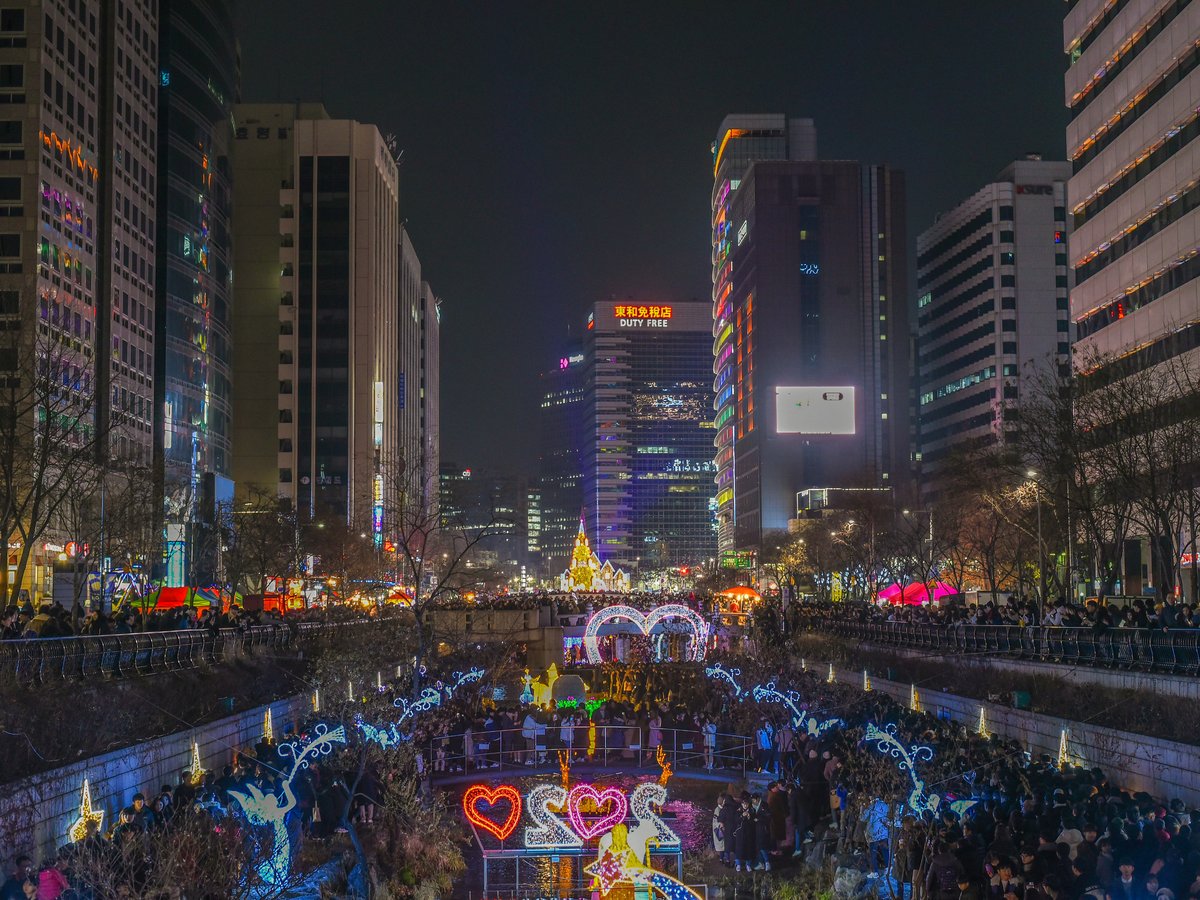
Best free attractions
Seoul will charge you for most things worth doing, but the best of its open ground asks nothing beyond your time and your legs. What follows leans on a stream, plazas, city parks, and one national park: the kind of places that suit a visitor who would rather walk than queue. Two entries carry history on paper, since Cheonggyecheon and Tapgol Park are both listed among the Historic sites of South Korea. Others are newer civic projects, from Seoul Plaza in 2004 to Gwanghwamun Plaza in 2009, and at the wilder end, Bukhansan National Park has been a national park of South Korea since 1983. Bring water and comfortable shoes, leave the ticket budget at the hotel, and judge the city by how it shares its space; go slowly, because none of these places reward a rush.
See the picks → -
Best museums
Seoul runs its museums at two scales. The national institutions do the heavy lifting, holding the long story of the country under one roof, and they suit a first visit when you need context before the streets make sense. The smaller houses each take one subject and go deep: one is given over to Korean cutlery and tteok rice pastry, another to the history of education. We've put both kinds on this list deliberately. The national names come first because they set up everything else; the specialists follow because they repay a second afternoon with something a summary cannot give you. Founding dates here run from 1908 to 2005. Hours vary, and some of these museums close one day a week, so check before you set out. Group your visits by neighbourhood rather than by fame, give the big institutions a full morning, and save room for at least one of the single-subject rooms, because that is where the city is most candid about itself.
See the picks → -
Must-see attractions
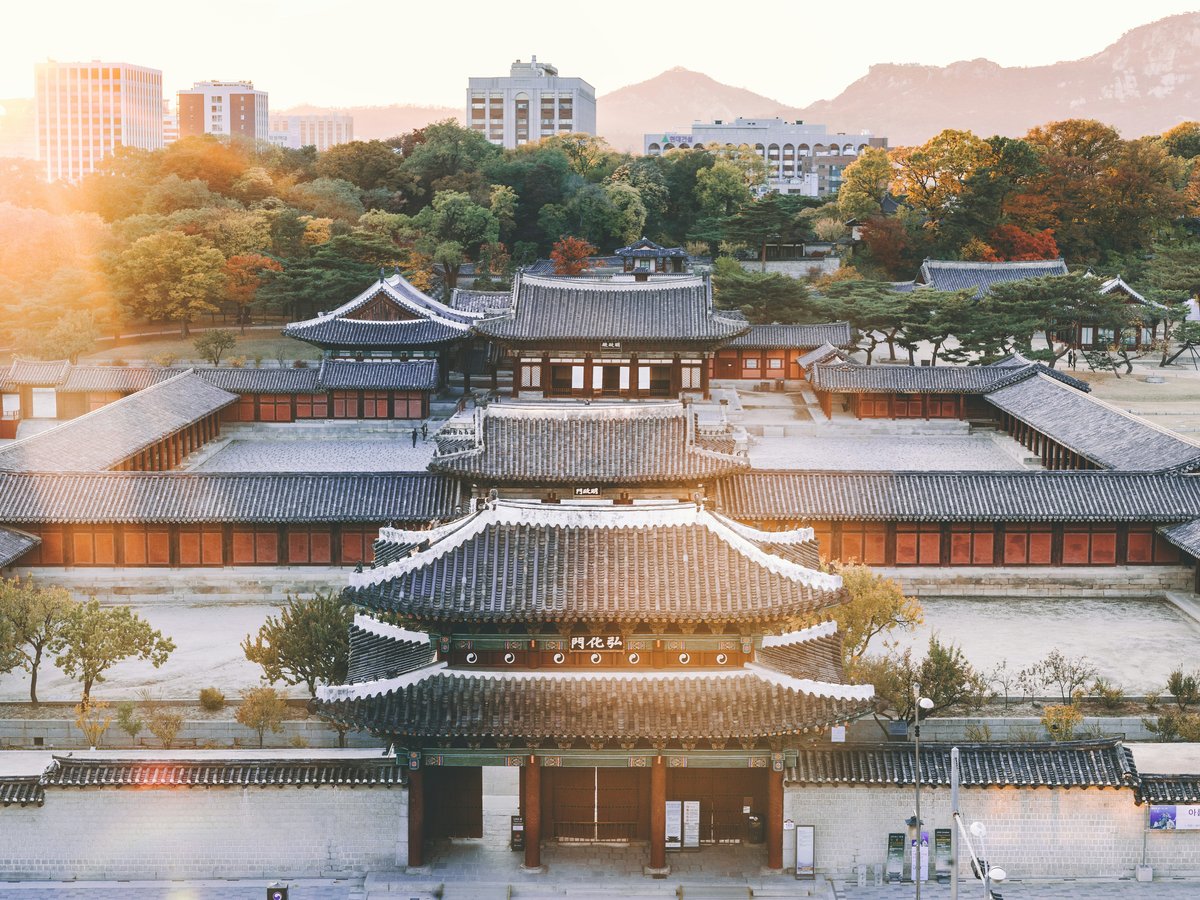
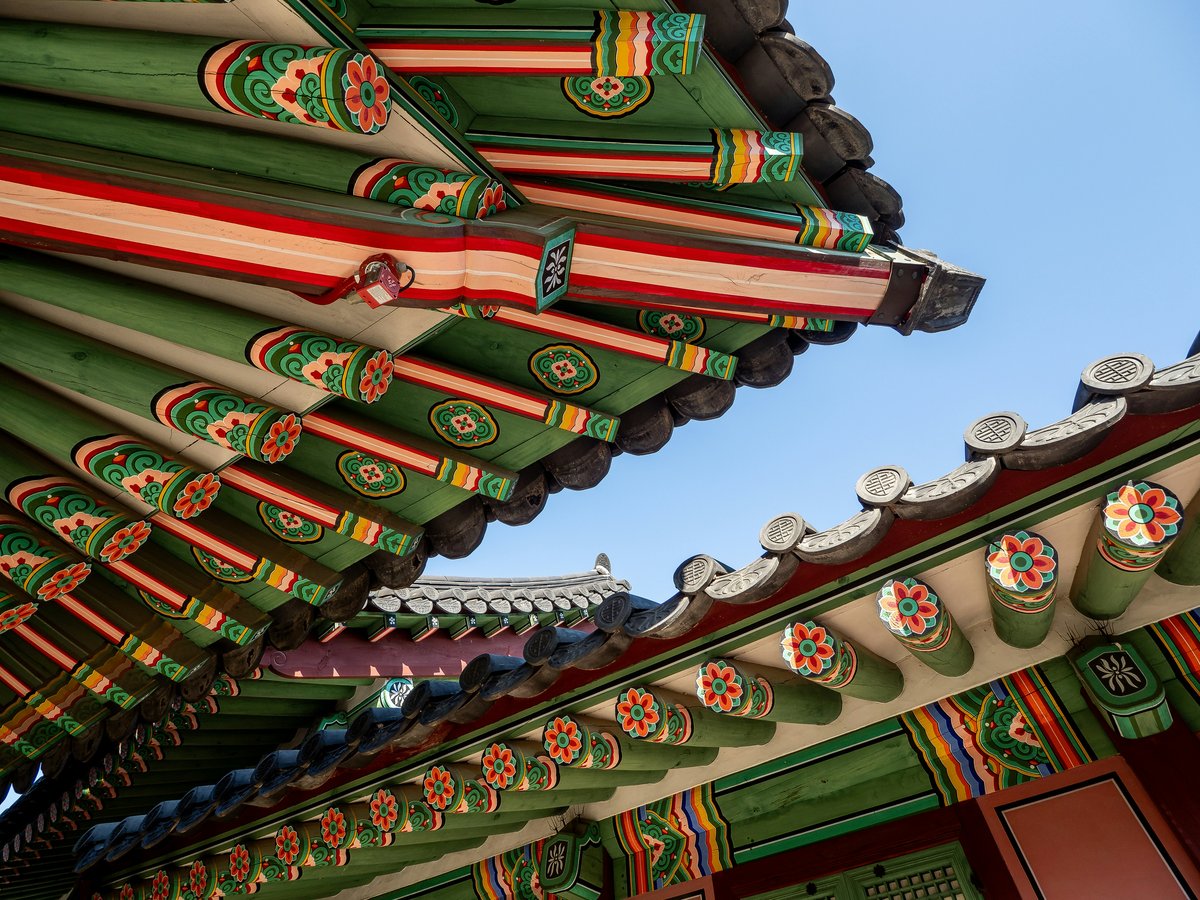
Seoul's essential sights are mostly royal, and older than the skyline suggests. Gyeongbokgung dates from 1395, and three places on this list carry UNESCO World Heritage status: Changdeokgung, the Jongmyo shrine, and the Namhansanseong fortress. Five of the twelve are palaces, so the real question is which ones deserve your feet, and in what order. The list also covers Namdaemun, the main gate of the old fortress wall, and the Blue House, the former official residence of South Korea's president. The modern city comes through Namsan Seoul Tower, a communications tower dating from 1975, and two churches: Myeongdong Cathedral, dating from 1898, and the Pentecostal Yoido Full Gospel Church. We put this list together for first-timers who want the sites that explain the city, and for return visitors ready to trade the famous queue for the quieter courtyard. Each entry gives you an address, a clock where we have one, and an honest view of how to spend the hour.
See the picks →
food
-
Best cafes
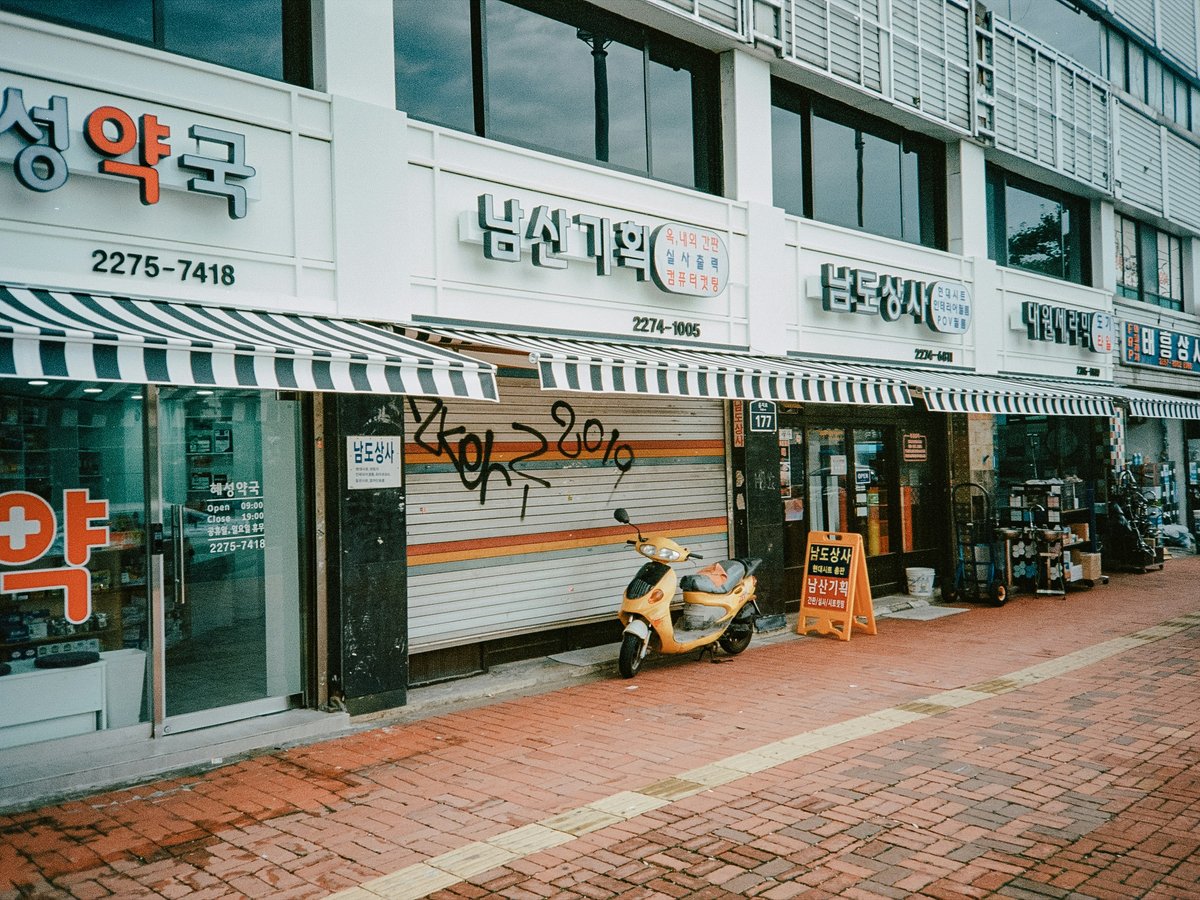
Seoul's cafe culture is not a scene; it is a civic infrastructure. The city runs on coffee the way other capitals run on transit, and the twelve rooms below are chosen because each earns its slot on a specific street at a specific hour, not because they photograph well. You will find a converted hanok courtyard on 우정국로, a 24-hour counter on 종로 that will pour you an Americano at 03:00, a purple-hued sweet-potato specialist off 율곡로3길, and a tiramisu showroom in the 04382 postal area that treats a single dessert as a discipline. The map moves you across neighbourhoods deliberately: from the old palace grid around 종로, west along 마포대로 toward Hongdae's late-opening bars, then north to the university edges of 성균관로. Skip the airport-chain espresso and the Insta-bait rooftops chasing the same tourist won; these twelve are the ones locals put their laptops down in. Hours are cited so you can plan a morning cortado or a 01:00 last order, and every address is here because a taxi driver needs the street number, not a mood.
See the picks → -
Best restaurants
Seoul does not eat like one city. It eats like a stack of them: the palace kitchens of Jongno, the market counters of Namdaemun, the office-lunch pasta rooms of Jung-gu, the smoke-blackened grills that hollow out old houses in Yongsan and Mapo. This list is not a survey of trends. It is twelve addresses where the cooking is specific to the room it is served in, spread from the alleys off Myeong-dong to the hillside pavilions above Seongbuk-dong. A few are single-dish specialists that have refused to widen their menus in decades; a few belong to larger restaurant families whose Seoul branches have earned their own reputations; one is a court-cuisine house set inside a former state guesthouse. What ties them together is a bias toward one thing done seriously (jokbal, ganjang gejang, hanwoo, kalguksu, temple food, gungjung cuisine) rather than a wide menu done adequately. Read the hours before you go; several close between lunch and dinner, and one takes a day off midweek. Every address, phone number, and service window below is drawn from the mapped record for that venue.
See the picks →
Browse by traveler type
- For foodies
Seoul for foodies
- For families with kids
Seoul for families
- For digital nomads
Seoul for digital nomads
- For solo travelers
Seoul for solo travelers
- For couples
Seoul for couples
- For budget travelers
Seoul on a budget
- For luxury travelers
Seoul for luxury travelers
- For first-timers
Seoul for first-time visitors
Book experiences in Seoul
 Free cancellation
 Best DMZ Tour Korea from Seoul (Suspension Bridge & JSA Museum)
Day trip: free cancellation.
via Viator Free cancellation
 Best DMZ Tour Seoul: Defector Q&A, 3rd Tunnel & Suspension Bridge
Day trip: free cancellation.
via Viator Free cancellation
 DMZ Tour: Defector Q&A, Tunnel & Suspension Bridge /Hotel pick up
Day trip: 7 hours, free cancellation.
via Viator Free cancellation
 DMZ: NK Defector, 3rd Tunnel, Suspension Bridge, Hotel Pick-up
Day trip: 7 hours, free cancellation.
via Viator Free cancellation
 DMZ tour from Seoul; North Korean Defector Meet up & 3rd Tunnel
Day trip: 6.5 hours, free cancellation.
via Viator Free cancellation
 DMZ Tour from Seoul: 3rd Tunnel, Dora Observatory & Defector Talk
Day trip: free cancellation.
via Viator Free cancellation
 2026 Travelers’ Choice Best of the Best: DMZ Tour from Seoul
Day trip: free cancellation.
via Viator Free cancellation
 Seoul: DMZ with Retired Military Officer & North Korean Defector
Day trip: free cancellation.
via Viator Free cancellation
 South Korea Demilitarized Zone, DMZ Tour from Seoul
Day trip: free cancellation.
via Viator Free cancellation
 North Korean Defector Live Talk & DMZ 3rd Tunnel Tour from Seoul
Day trip: 7.5 hours, free cancellation.
via Viator Free cancellation
 Ultimate Korea DMZ Tour from Seoul (JSA Museum & Bridge Crossing)
Outdoor experience: 7.5 hours, free cancellation.
via Viator Free cancellation
 Small Group DMZ Tour with Hotel pickup : 3rd tunnel&Susp. Bridge
Day trip: free cancellation.
via ViatorBrowse by interest
Compare Seoul with
Find a flight to Seoul
Live fares to Seoul appear here once cookies are accepted.
Last verified by automated review (v1.7.1) on . What is automated review?