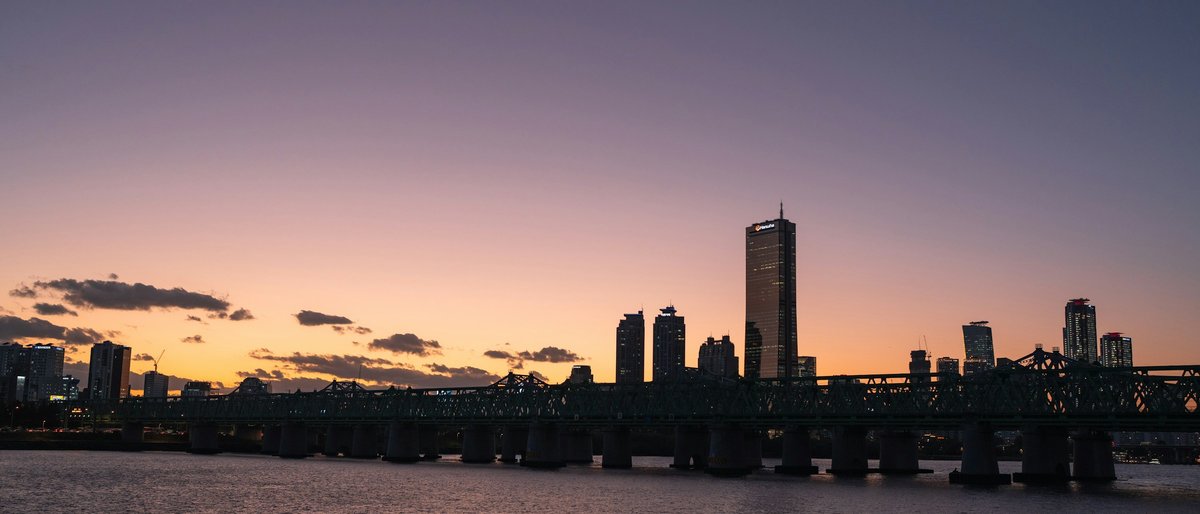
Seoul for first-time visitors
Of the 24 places on the 2 lists picked for first-time visitors in Seoul, 9 post opening hours, the earliest opening at 06:30 and the latest closing at 23:00. Gyeongbokgung, Changgyeonggung and Changdeokgung lead the picks.
Seoul for first-timers, in numbers
- Picks on this page
- 24 places across 2 lists, led by Gyeongbokgung, Changgyeonggung, Changdeokgung
- Posted hours
- 9 picks post hours earliest 06:30, latest 23:00; 2 open by 09:00, 7 past 21:00
Questions first-timers ask about Seoul
-
Must-see
Gyeongbokgung Palace, first thing in the morning. The 3,000-won admission (roughly two dollars) gets you into the largest Joseon-era royal complex, with Bugaksan mountain filling the frame behind the throne hall. The changing of the guard at 10am is worth timing your arrival around. Get there by 9am to walk the grounds in relative quiet first.
Read the full answer → -
Best time to visit
Mid-October through early November, or late April into May. Autumn gives you three to four weeks of dry, crisp air and maple color across Bukhansan and the palace grounds: a longer, more reliable window than cherry-blossom season. Spring is warmer but shorter, with yellow-dust days. Skip July and August: monsoon heat is suffocating.
Read the full answer → -
Airport to city
Take the AREX Express from Incheon (ICN) to Seoul Station: 9,500 won ($6.40), 43 minutes, departing every 30 to 40 minutes from 5:15am to 10:50pm. Transfer to Seoul Metro lines 1 or 4 for your final stop. After the last train, KakaoTaxi to most central neighborhoods runs 55,000 to 75,000 won ($37–51) including tolls.
Read the full answer → -
How to get there
Incheon International (ICN), 52 km west of Seoul, handles nearly all international flights; Gimpo (GMP), 15 km out, covers domestic and short-haul routes to Tokyo Haneda and Shanghai. Direct nonstops run from LAX (11 hours), JFK (14 hours), and London (11 hours). Round-trips range $800-1,400 from North America, £500-850 from the UK.
Read the full answer → -
Getting around
Seoul's subway does 90% of the work: nine numbered lines plus several extensions reach every neighborhood a visitor needs. Buy a T-money card at any convenience store (2,500 KRW deposit, load 20,000 for three days), tap in and out, and use Kakao T for late-night taxi gaps when the metro stops at midnight.
Read the full answer →
Curated for first-timers
-
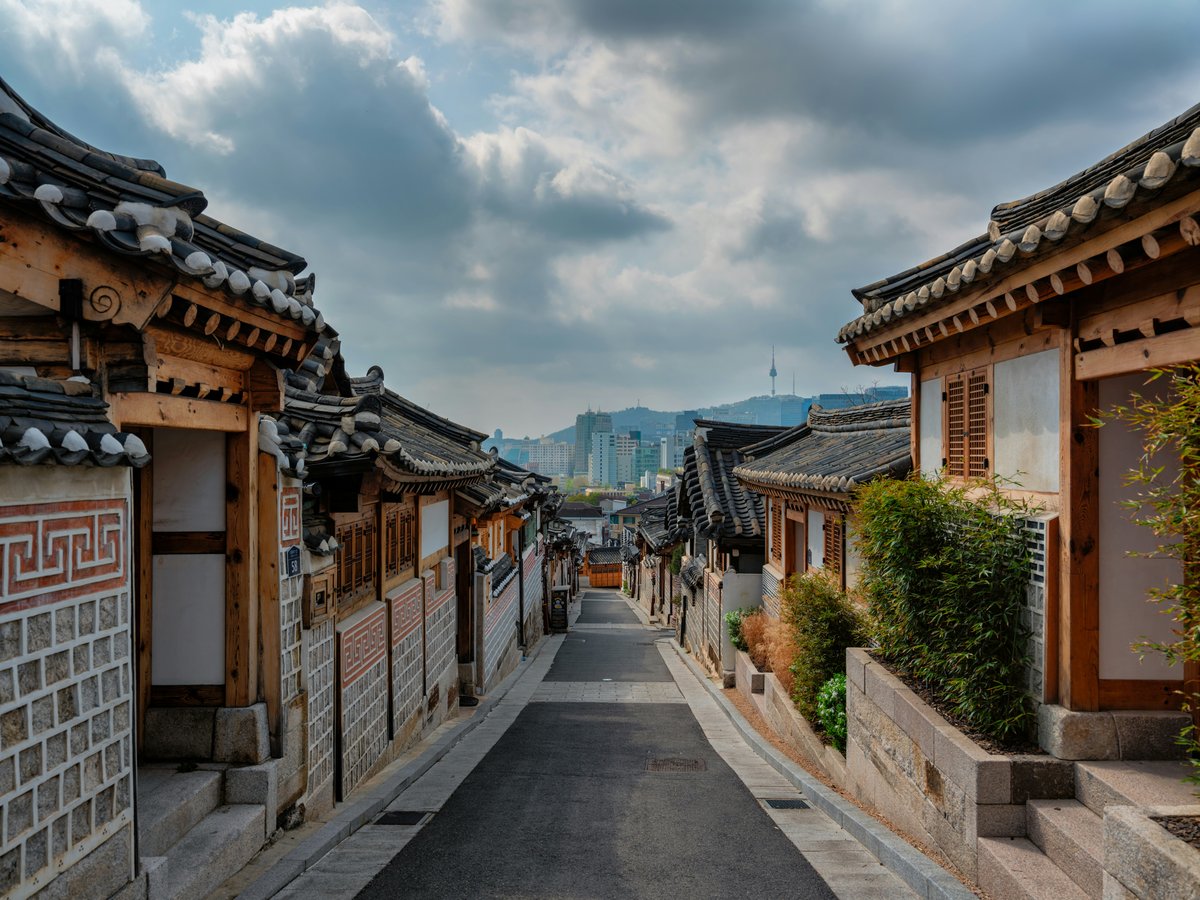
Must-see attractions
Seoul's must-see list is dominated by the Joseon dynasty's built inheritance, and that shapes how a visitor should read the city. Five palaces sit within a walkable ring in central Seoul, alongside the former presidential residence at 청와대로 1, the surviving south gate of the old fortress wall, and a Buddhist pagoda that predates most of what surrounds it. The list is not a highlight reel of unrelated attractions; it is a compact argument about how a capital layered court, wall, and worship into a single grid, then draped a communications tower, a design plaza, and an arts centre over the top. It is for the visitor who wants to understand Seoul as a system, not tick a skyline photo. Read in rank order, walk in geographic clusters. The palaces reward a slow morning; the tower and the plaza reward an evening; the church and the pagoda ask a quieter kind of attention. Every claim below is grounded in a verified source, and the addresses are given in Korean because that is what a taxi driver reads.
See the picks → -
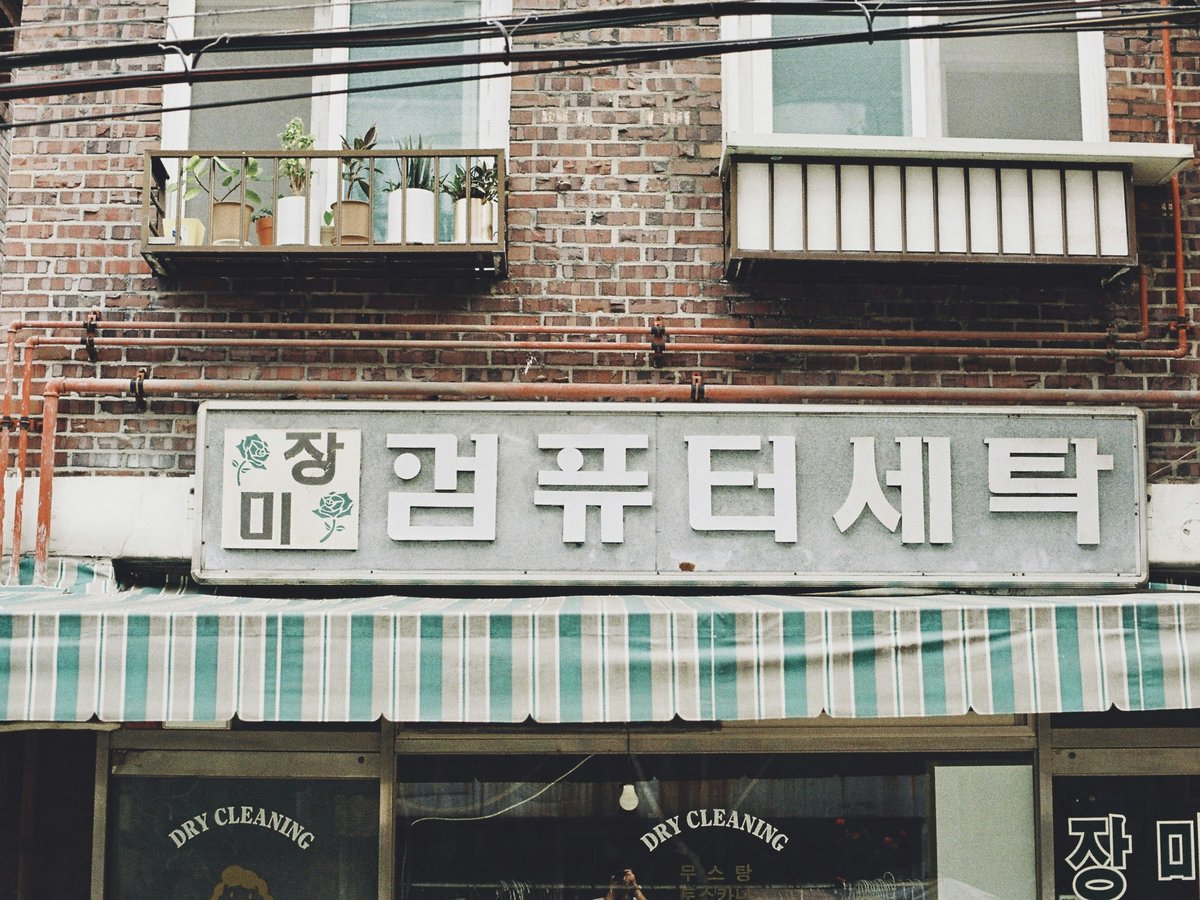
Best restaurants
Seoul does not eat like one city. It eats like a stack of them: the palace kitchens of Jongno, the market counters of Namdaemun, the office-lunch pasta rooms of Jung-gu, the smoke-blackened grills that hollow out old houses in Yongsan and Mapo. This list is not a survey of trends. It is twelve addresses where the cooking is specific to the room it is served in, spread from the alleys off Myeong-dong to the hillside pavilions above Seongbuk-dong. A few are single-dish specialists that have refused to widen their menus in decades; a few belong to larger restaurant families whose Seoul branches have earned their own reputations; one is a court-cuisine house set inside a former state guesthouse. What ties them together is a bias toward one thing done seriously (jokbal, ganjang gejang, hanwoo, kalguksu, temple food, gungjung cuisine) rather than a wide menu done adequately. Read the hours before you go; several close between lunch and dinner, and one takes a day off midweek. Every address, phone number, and service window below is drawn from the mapped record for that venue.
See the picks →