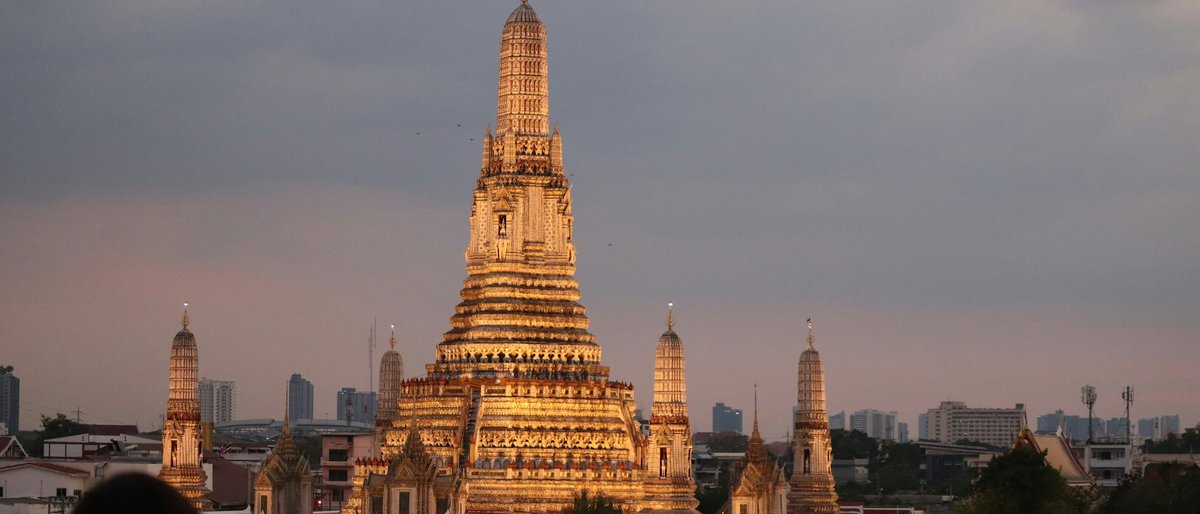
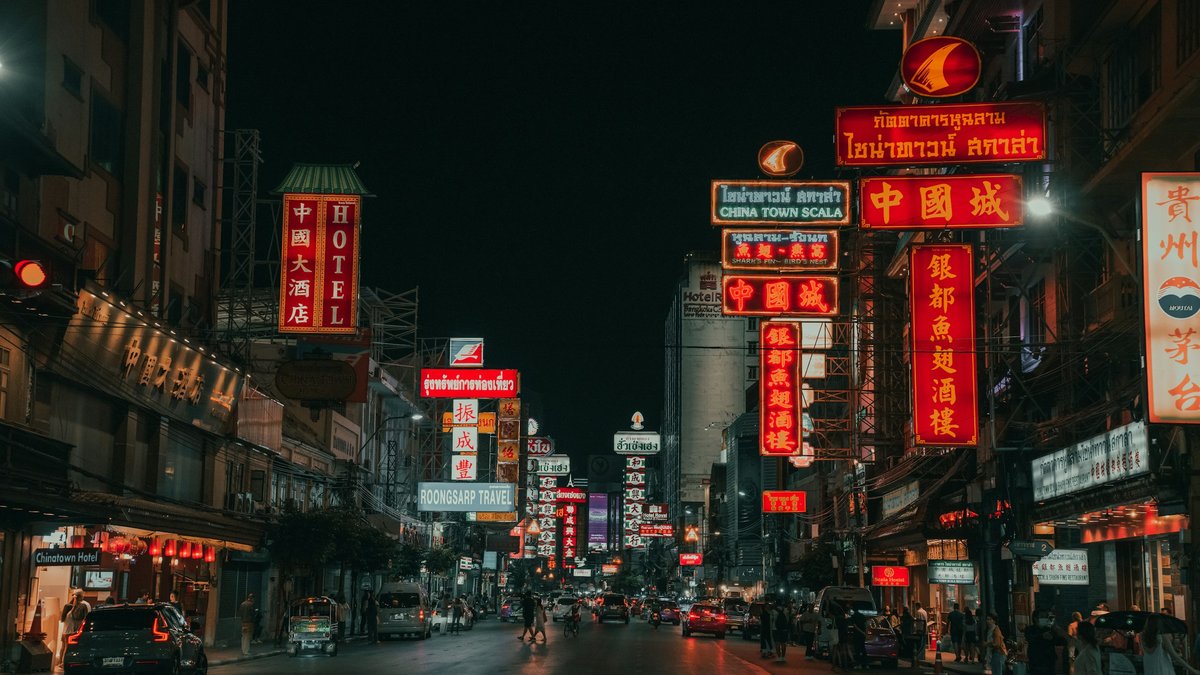
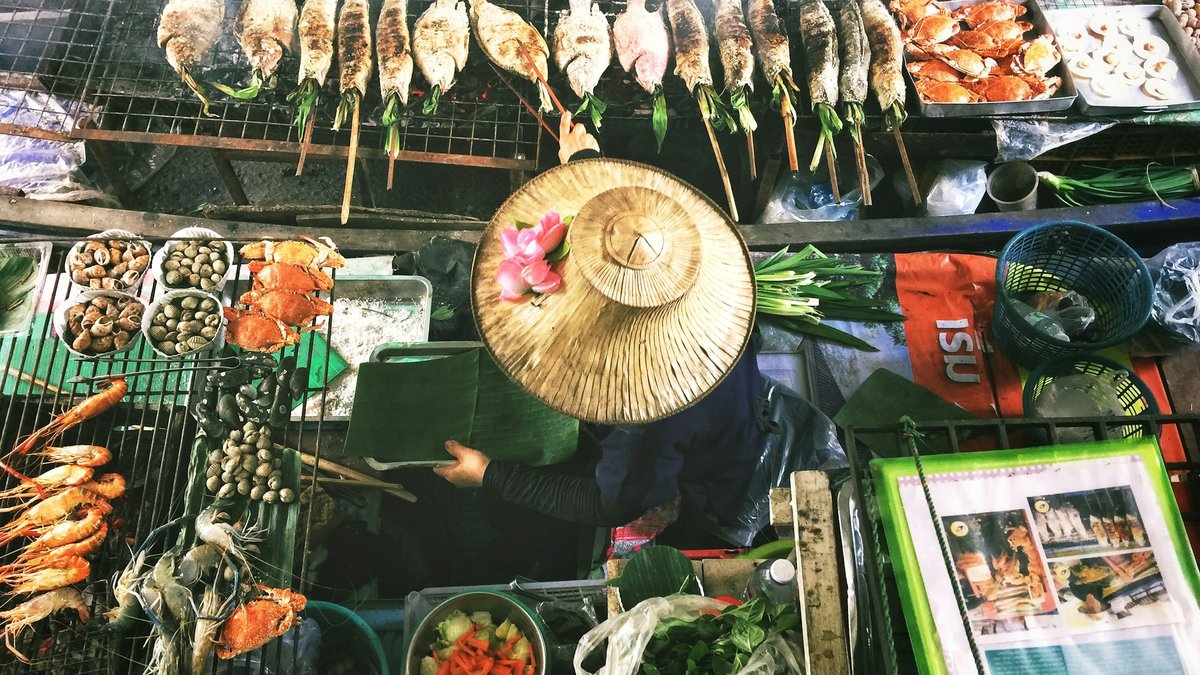
Bangkok sits on a flat alluvial plain barely two metres above sea level, threaded by the Chao Phraya River and a network of canals (called khlongs) that once earned it comparisons to Venice before most were paved over for roads in the twentieth century. Founded in 1782 when King Rama I moved the capital across the river from Thonburi, the city's full ceremonial name runs to 168 characters in romanised Thai, making it the longest place name in the world. That grandiosity still shows in the Grand Palace compound and the spired rooflines of Wat Pho and Wat Arun, clustered along the river in the old royal district of Rattanakosin. But the city that ten and a half million residents inhabit sprawls far beyond those monuments, from the backpacker sois of Khao San Road through the shophouse-lined streets of Chinatown (locals call it Yaowarat) and eastward into the commercial towers of Silom and Sukhumvit, where the BTS Skytrain hums above six lanes of traffic that barely moves at rush hour. A first visit tends to settle into a rhythm dictated by heat: mornings at a canal-side market or temple before the air thickens, an afternoon retreat to air-conditioned malls or a cheap foot massage on a side street, then a late resurgence as night markets and open-air restaurants fill with workers eating pad kra pao from steel plates at plastic tables. The food is the constant, not restaurant food arranged for presentation, but street-stall food sold from carts on nearly every block, priced at forty or fifty baht a plate and served fast. Bangkok does not ease you in; it is loud, dense, occasionally overwhelming, and organised according to a logic that reveals itself only after you stop expecting the grid-pattern legibility of cities planned for cars rather than rivers.
Bangkok in photos
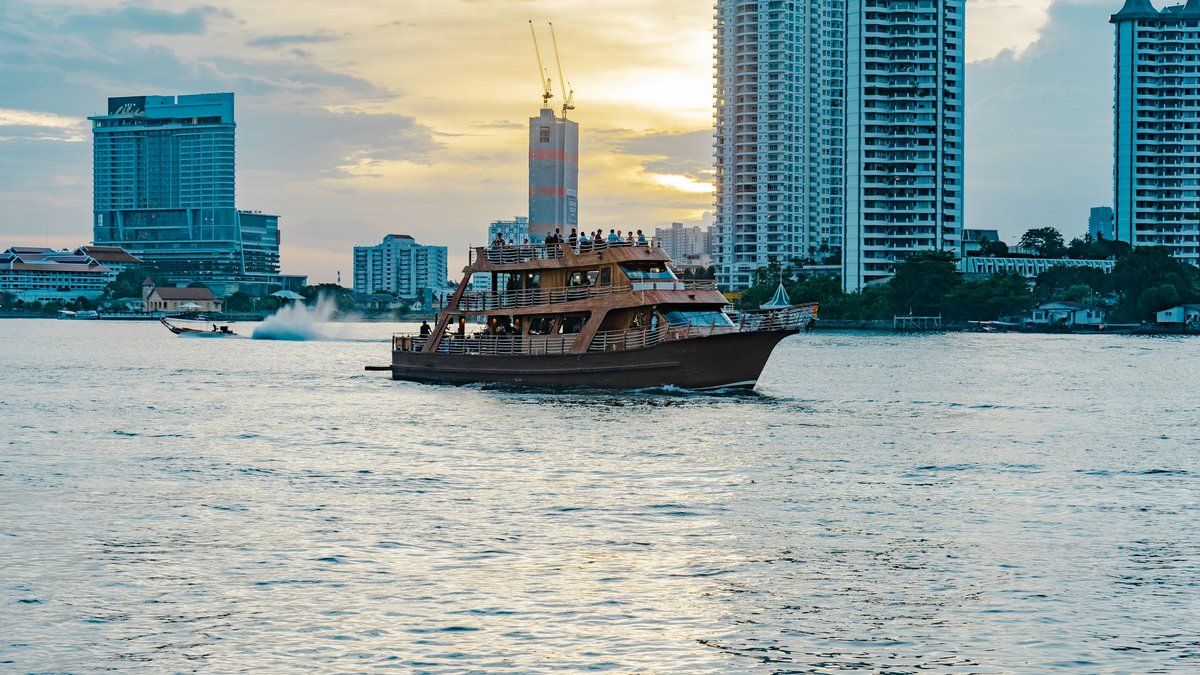
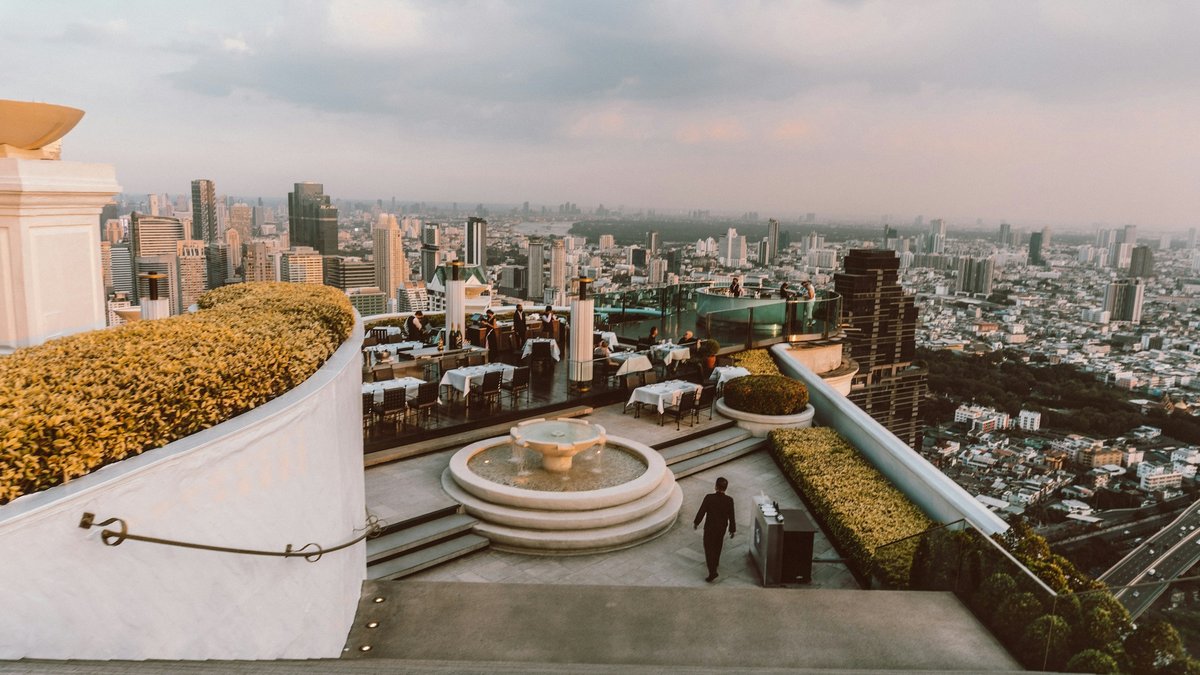
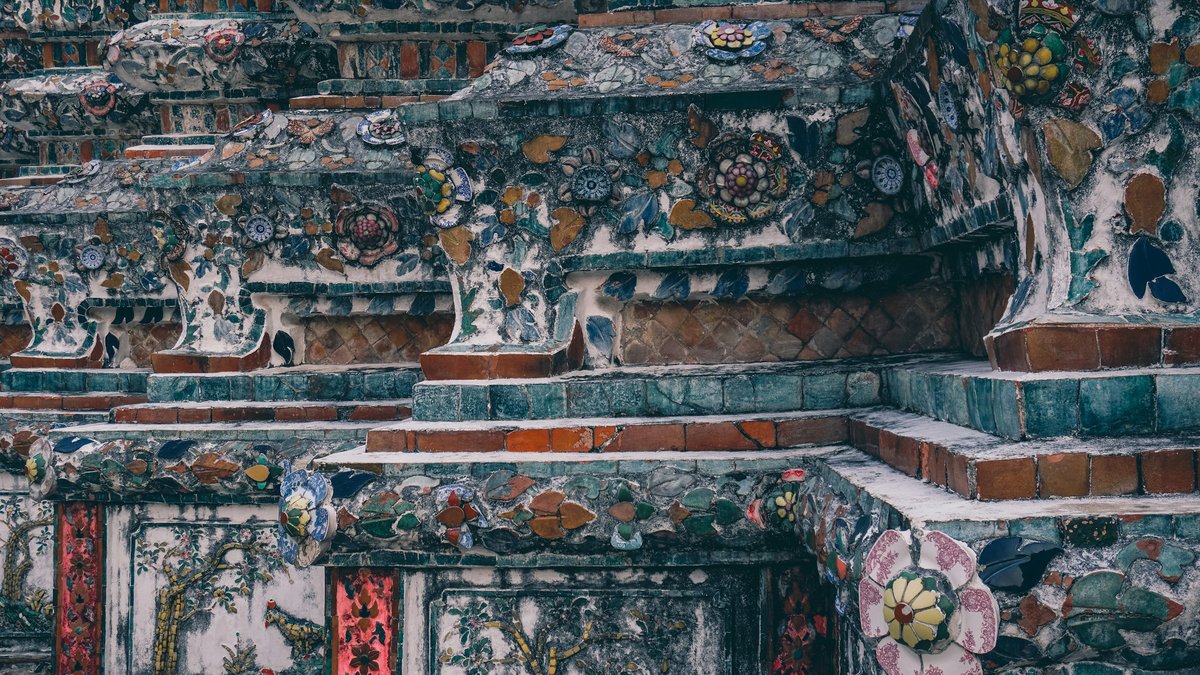
Bangkok right now
Answers about Bangkok
-
Airport to city
Take the Airport Rail Link from Suvarnabhumi (BKK): 45 baht ($1.40), 26 minutes to Phaya Thai, then transfer to BTS Skytrain. Runs 6am to midnight. After hours, book a Grab from the arrivals curb; expect 450–550 baht ($14–17) to Sukhumvit. From Don Mueang (DMK), the A1 bus to BTS Mo Chit costs 30 baht and takes about 45 minutes.
Read the full answer → -
Best time to visit
Go between November and February: daytime highs sit near 31°C, rain falls on few days, and the Rattanakosin Island temple circuit is walkable before noon. December and January are the driest and busiest months, and hotel rates reach their yearly high around New Year. Avoid April's 35°C heat and September, Bangkok's wettest month.
Read the full answer → -
Cost per day
Bangkok runs ฿850-1,000 per day ($25-30) on a hostel-dorm, street-food, BTS-and-boat budget. Midrange lands around ฿2,850 ($85) with a Sukhumvit hotel room and Grab rides. The $25 floor is real but requires discipline around temple admissions and evening drinks. Street pad krapao costs 50-60 THB ($1.50-1.80), the Airport Rail Link runs 45 THB ($1.35), and 7-Eleven beer is 40 THB ($1.20).
Read the full answer → -
Cultural etiquette
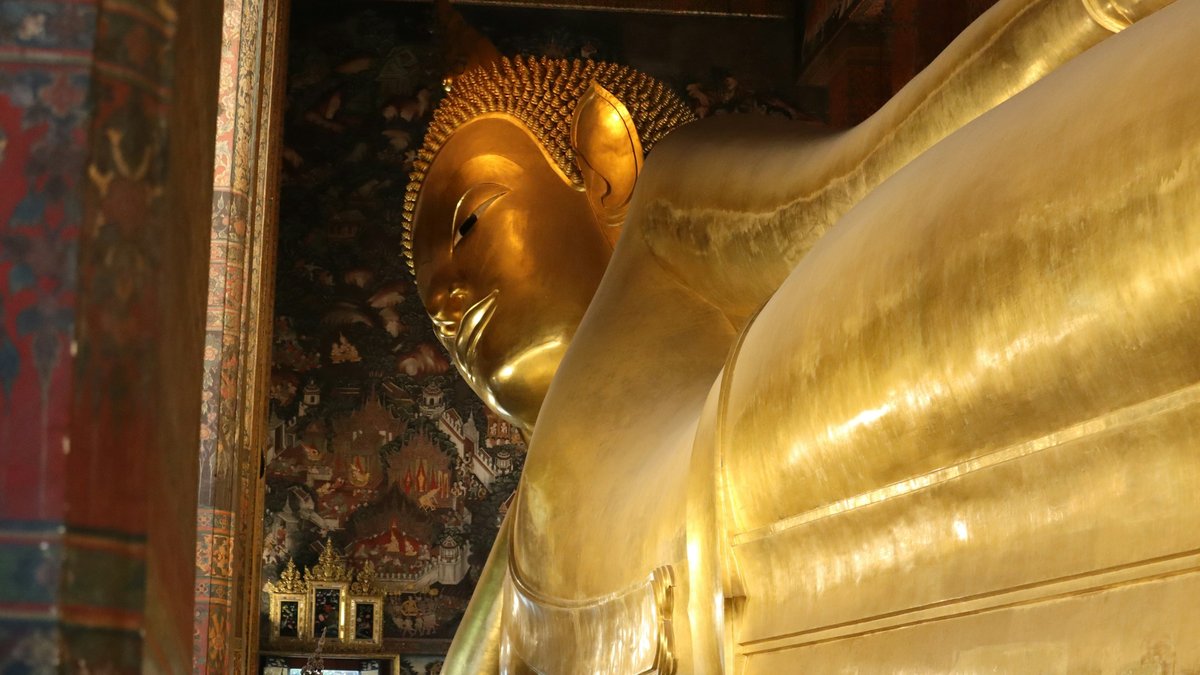
Never point your feet at anyone or at a Buddha image: it's the single cultural mistake Bangkok visitors make most. Greet with a wai (palms together, slight bow) but only reciprocate, don't initiate with service staff. Temples require covered knees and shoulders. Lese-majeste is a criminal offence; jokes about the monarchy are off limits.
Read the full answer → -
Best day trips
Ayutthaya is the strongest single-day trip from Bangkok for couples: 80 km north, about 90 minutes by train, 20 baht third-class. Rent bikes at the ferry landing and ride the temple ruins together. On weekends, Amphawa's evening floating market and firefly boat tours beat Damnoen Saduak for pairs.
Read the full answer → -
Digital nomads
Bangkok scores 9/10 for nomads. 500-Mbps fiber runs through most Sukhumvit and Ari condos at 12,000–22,000 baht a month. Coworking from 7,500 baht/month at Glowfish to 9,500 at The Great Room Gaysorn. The Destination Thailand Visa (DTV, launched July 2024) gives 180 days per stamp on a 5-year multi-entry. All-in monthly budget sits around $1,700 for a single nomad.
Read the full answer → -
Family-friendly
Bangkok scores a 7 out of 10 for families: the malls are air-conditioned playgrounds, street food keeps even picky eaters fed for under 100 baht, and Thai strangers will fuss over your kids in restaurants and on trains. The asterisk is heat: at 37°C with a feels-like past 42°C, outdoor sightseeing needs strict time limits for anyone under 10.
Read the full answer → -
Food culture
Bangkok's food culture runs on a street-level clock: breakfast by 6:30am from curbside wok stations, lunch from market stalls by 11, dinner after 9pm in noodle-soup alleys. The city eats in shifts, not courses, and most of the best cooking happens on sidewalks for 40-80 baht a plate.
Read the full answer → -
Getting around
BTS and MRT for anything on the east bank; Grab for the gaps and late nights; Chao Phraya Express orange-flag boat for riverside temples. Load a Rabbit card with 500 baht at any BTS station. Taxis are cheap if the meter runs: Grab removes the negotiation. Tuk-tuks are for the photo, not the commute.
Read the full answer → -
How to get there
Suvarnabhumi (BKK), 32 km east of central Bangkok, handles nearly all international flights. Don Mueang (DMK), 29 km north, serves regional low-cost carriers like AirAsia and Nok Air. Nonstop from London runs 11 hours at £550–800; from the US west coast, 15–17 hours at $900–1,400 round-trip. May through June delivers the cheapest fares.
Read the full answer → -
Is it safe?
Bangkok scores 7/10 for solo travel (see the TTDI Solo-Safety Index), and violent crime against visitors is rare. What catches people out is traffic on Sukhumvit Road, the 'Grand Palace is closed' tuk-tuk scam, taxis that refuse the meter after midnight, and spiked buckets on Khao San Road. For the English-speaking Tourist Police, call 1155.
Read the full answer → -
Language basics
Central Thai, written in its own script that most visitors never learn to parse. Five tones mean the same syllable said at a different pitch becomes a different word: this is the real barrier, not vocabulary. English works well along Sukhumvit, Silom, and around the Grand Palace, but drops off sharply at local markets, bus stops, and neighborhood soi stalls past the BTS line.
Read the full answer → -
Layover guide
Yes, if your Suvarnabhumi layover is six hours or longer. The Airport Rail Link puts you in central Bangkok quickly and cheaply, and many nationalities qualify for visa-free entry to Thailand. After immigration and transit both ways, expect roughly two free hours on the ground. Enough for Wat Pho and a proper pad kra pao. Under six hours, stay airside.
Read the full answer → -
LGBTQ-friendly
Bangkok scores 7.5/10 for LGBTQ+ friendliness (sourced from TTDI's editorial rubric). Thailand legalized same-sex marriage on 22 January 2025, and the capital's queer scene on Silom Soi 2 and Soi 4 has been openly active for over 30 years. Same-sex couples hold hands freely in tourist districts. Skip the Nana area after dark.
Read the full answer → -
Where locals go
Bangkok locals plan their day around the heat: Lumphini Park fills from 5am and again after 5pm, Samyan Co-Op in Samyan Mitrtown draws Chulalongkorn students late into the night, and the office crowd in Ari eats Isan food at Lay Lao on Phahonyothin Soi 7. Weekends go to Bang Krachao by longtail boat and Or Tor Kor Market beside Chatuchak.
Read the full answer → -
Must-see
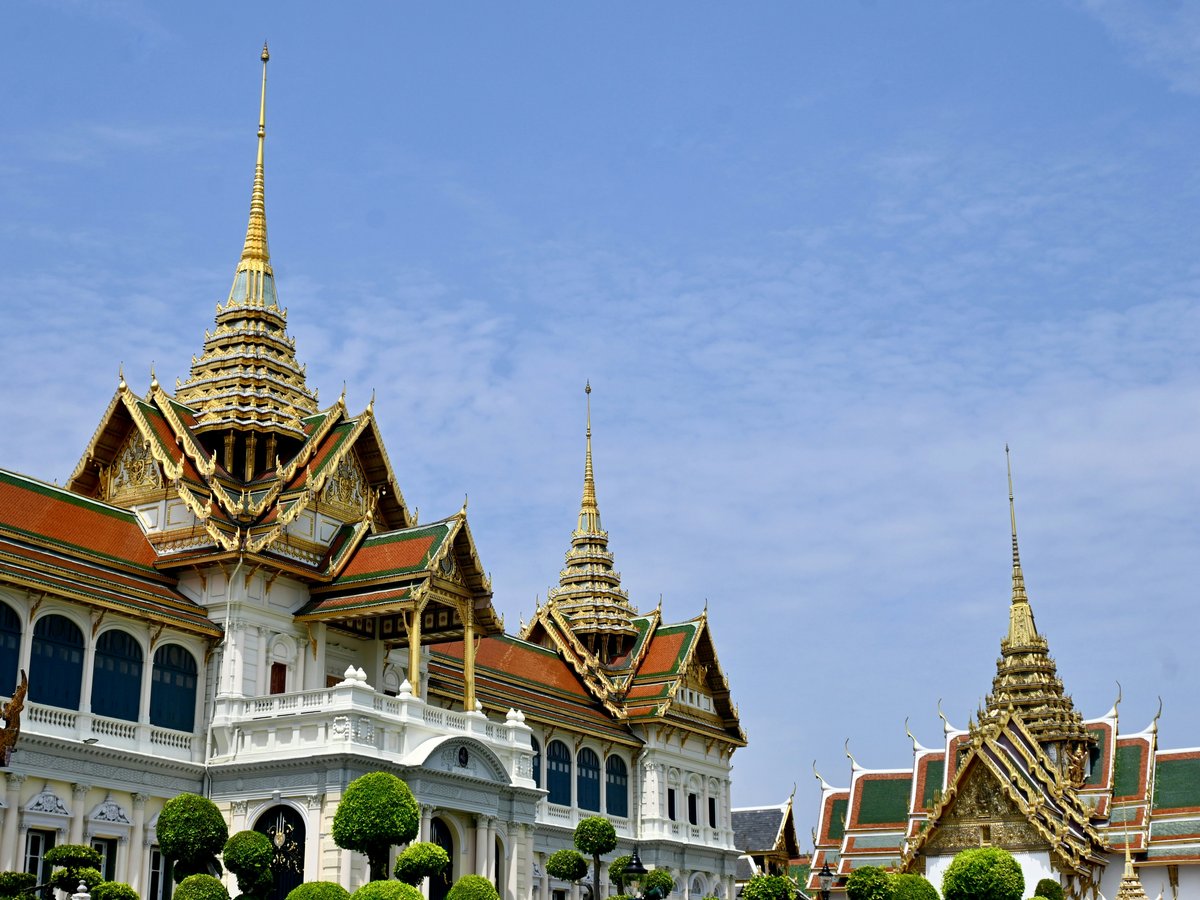
The Grand Palace. Go at 8:30am when the gates open; by mid-morning the marble courtyard radiates heat you can feel through the paper shoe covers they hand you, and tour buses have filled the Emerald Buddha temple shoulder-to-shoulder. The gilded rooflines glow copper in early light. 500 baht, no reservation. Do this first on day one.
Read the full answer → -
Running routes
Benjasiri Park anchors three 5K loops in Sukhumvit, the tightest covering 5.18 km with 22% footway share and no major-road crossings. Two 10K loops leave from Chaloem Phra Kiat 80th year Park and Nagaraphirom Park with car-free stretches over 2.9 km. Start before 06:00 in September when heat and humidity turn punishing by mid-morning.
Read the full answer → -
Solo travel
Bangkok scores 7 out of 10 for solo safety. The BTS and MRT run until midnight, street food eliminates the table-for-one problem entirely, and hostels in Phra Nakhon run daily walking tours that give you dinner companions by noon. Four-star hotels on Sukhumvit rarely charge a single supplement, which is unusual for Southeast Asia.
Read the full answer → -
This week
Bangkok runs on weekly rhythms, not weekly events. Chatuchak Weekend Market opens Friday nights for wholesale, Saturday and Sunday for retail. Most museums close Monday, including the Jim Thompson House and BACC. Thursday evenings fill Thonglor's bars until 2am. Wet-season afternoons bring a predictable 30-minute rain cell around 3pm. Plan temples before 10am, street food after 6pm.
Read the full answer → -
3-day itinerary
Day 1 covers Rattanakosin on foot: Wat Pho by 7:30 AM, Grand Palace at 9:30, Chinatown lunch at Tang Jai Yoo, Wat Arun by late afternoon. Day 2 shifts east to Sukhumvit and Thonglor for Jim Thompson House, Benjakitti Park, and Isan dinner at Supanniga. Day 3 takes the Thonburi canals by longtail boat. About 27 kilometres total across three days.
Read the full answer → -
What to avoid
Skip tuk-tuks, the 'Grand Palace is closed' gem-shop circuit, and Patpong's second-floor bars. Avoid Khao San Road past midnight and the Pattaya day-trip drivers pitch at Don Mueang. Use Grab and the BTS Skytrain for transport. September monsoon rains flood low-lying sidewalks, so pack waterproof shoes and skip tap water for sealed bottles.
Read the full answer → -
What to pack
Pack lightweight, quick-dry clothing that covers knees and shoulders: the Grand Palace and Wat Pho turn away visitors in shorts, and the 200-baht sarong rental at the gate is a forced upsell. Bring closed-toe shoes for Bangkok's uneven sidewalks, a light layer for frigid AC, and leave the umbrella: 7-Eleven sells them for 80 baht.
Read the full answer → -
Where to stay
Stay on Sukhumvit between sois 1 and 31 for your first trip: BTS stations at Nana, Asok, and Phrom Phong put the whole city within reach, and four-star hotels run $70–110. Budget travelers should look at Phra Nakhon near Phra Athit Road ($40–70), though you'll rely on taxis after dark since there's no skytrain.
Read the full answer →
Deep guides for Bangkok
-
Best Time to Visit Bangkok, by Season
Bangkok's daytime highs swing just 3.4°C across the year: from September's 30.8°C floor to April's 34.2°C ceiling. When the thermometer barely moves, timing your trip around crowds and pricing becomes the real decision.
Read the guide → -
Bangkok Restaurants: What's Worth It
A tier-by-tier verdict on twelve curated Bangkok restaurants: five worth adjusting your schedule for, five that reward you for showing up any day: each named, timed, and judged by what makes it worth crossing the city.
Read the guide →
Curated lists for Bangkok
accommodation
-
Best boutique hotels
Bangkok's hotel market organizes itself along BTS Skytrain and MRT corridors, and the neighborhood you choose determines whether street food is a two-minute walk or a cab ride. The five areas below run from the shopping-and-transit hub at Siam to the quieter residential blocks south of Lumphini Park. Price tiers overlap considerably: a mid-range room near Pratunam Market costs roughly the same as one in Siam, but the street outside the lobby is a different city. The question is not budget; it is whether you want neon and late-night noodle carts or tree-lined sidewalks and an early bedtime. Every area here sits on a rail line, so none will strand you, but the texture of the blocks between station and hotel is what separates a neighborhood that fits from one that merely functions.
See the picks → -
Best hostels
Bangkok's hostel and budget-hotel scene scatters across a city that rewards knowing which neighborhood to sleep in before you pick the bed. The difference between a $20 room near Don Mueang and a $77 room in Pratunam is not just price; it is whether you wake up to market noise or runway quiet, whether the nearest MRT is across the street or a taxi ride away. Ten neighborhoods carry real budget inventory, each with a transit anchor and a walking radius that defines the stay. Sukhumvit runs the longest, a soi-by-soi grid of bars and malls served by BTS and MRT. The airport districts handle layovers and early flights without the cost of a city-center transfer. Silom and Sathon sit over the business core, quieter after dark than the tourist strips, while Pratunam and Siam put you in the wholesale and retail heart where the tuk-tuks never stop. Riverside trades urban density for river breezes and long-tail boat commutes. Ratchadaphisek, listed twice because the strip runs long enough to split into distinct zones, gives you the night-market end and the Ladprao end, and the two feel like different cities. The picks below are chosen for value, location, and a Trip.com rating above 8.0, the floor where a budget room stays comfortable.
See the picks → -
Best luxury hotels
Bangkok's luxury hotel corridor runs across four distinct zones. The Siam strip anchors the largest cluster of grand properties in this set. Chidlom passes through the embassy quarter. Silom/Sathon sits apart from the northern commercial districts. Sukhumvit stretches east to the city center's most convenient access point. That geographic spread matters: Bangkok distributes its best hotels across neighborhoods that feel nothing alike, and the decision of where to stay is a decision about which version of the city you want outside your window. The 12 properties below all carry luxury-tier classification, but their personalities diverge. Some build around spa compounds and outdoor pools; others lead with butler service or executive lounges. Nightly rates in this set range from USD 212 to USD 362, a band narrow enough that the choice rests on location, amenity mix, and the specific room you book. Every factual claim here traces to a verified source; where we take a position, it is editorial opinion, stated as such.
See the picks → -
Where to stay
Bangkok splits into neighborhoods that run on different clocks, different price floors, and different assumptions about what visitors want. The Sukhumvit corridor and the Siam interchange anchor the tourist spine, where BTS stations every few hundred meters keep the whole city reachable; Silom and Sathon trade that retail energy for embassy-district quiet and park proximity. Chidlom sits between them, a single BTS stop from Siam but calmer on the sidewalks. Pratunam is the wholesale-market quarter where budget beds stack above fabric stalls, and Ratchadaphisek runs a parallel night economy along the MRT Blue Line, cheaper and less translated. The two airports bracket the city: Suvarnabhumi to the southeast on the Rail Link, Don Mueang to the north near the IMPACT convention halls. The Riverside trades transit convenience for river-barge quiet and balcony views of Wat Arun across the water. Each neighborhood below is ranked by hotel density, with tier-balanced picks that show where the price floor and ceiling sit. Use the area editorials to match the neighborhood to your trip, then use the picks to narrow the booking.
See the picks →
attractions
-
Best free attractions
Bangkok's best free hours happen outdoors, and the city's public green spaces run longer than most visitors expect: Lumphini Park opens at 04:30 and closes at 22:00. This list gathers twelve places where you can walk in, sit down, and watch the city go about its day: eleven are parks, and the twelfth is Sanam Luang, a square in Bangkok and a registered Thai historic site. Ages vary: Chatuchak Park dates from 1980, while Benjakitti Park dates from 2004. Closing times differ more than the word 'park' implies, so check each entry before planning an evening, because Queen Sirikit Park shuts at 19:00. The list is for runners, early risers, families who need room to move, and anyone whose budget is already spoken for by dinner. Skip the paid viewing decks for one morning. The parks are where Bangkok shows its own face, and the hours below tell you when to catch it.
See the picks → -
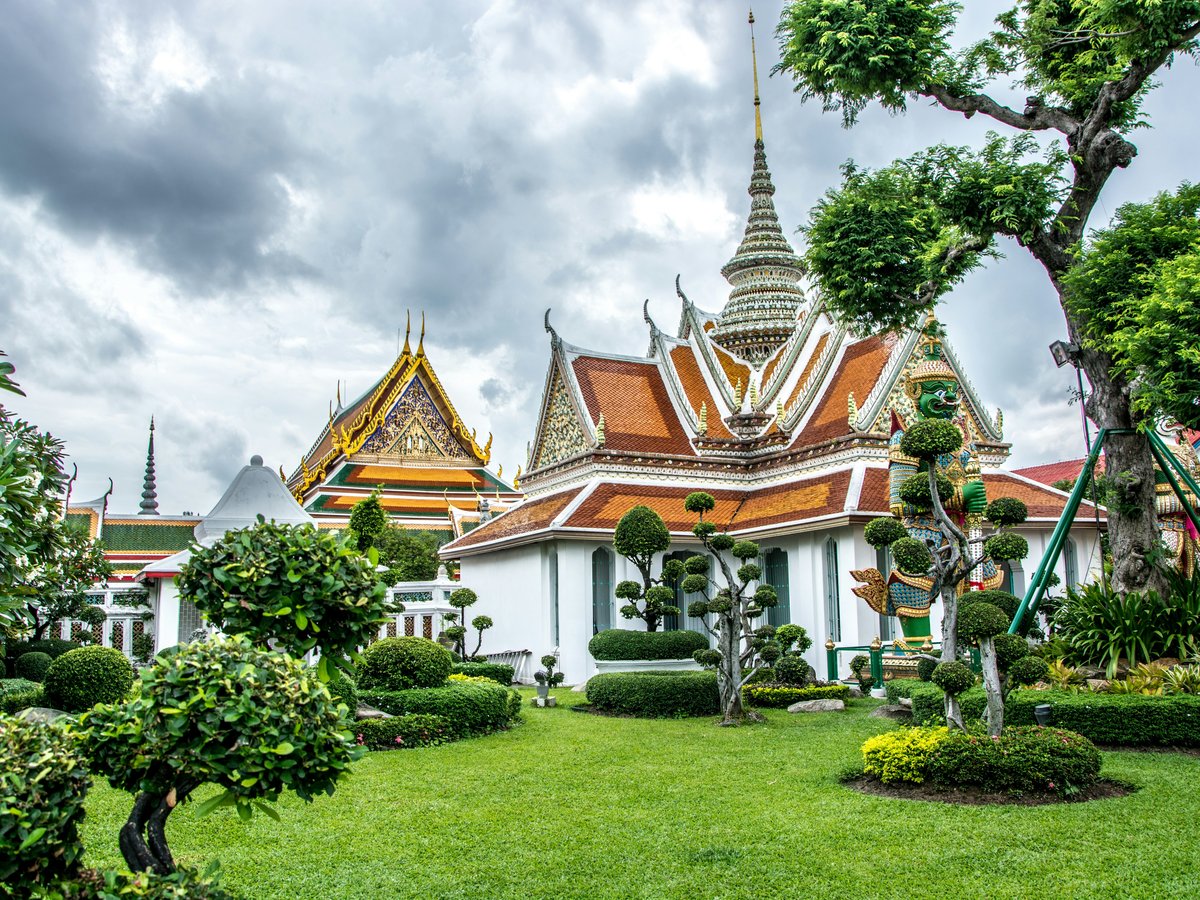
Best museums
Bangkok's museums span from a royal seat that has held the crown since 1782 to Dib Bangkok, a contemporary art museum that opened in 2025, and the best of them reward whoever plans around their hours. The national museum dates from 1874, there is a discovery museum in Phra Nakhon District, and an art and culture centre that stays open until 20:00. Specialists worth a detour include the Museum of Counterfeit Goods and the Thai Bank Museum. The Erawan Museum sits out in Samut Prakan, so treat it as its own outing rather than part of a longer day. Hours vary widely, and several of these places close on a weekday or two, so read each entry before you head out. This list is for travellers who want depth more than a checklist: people who would rather see four places properly than rush through ten.
See the picks → -
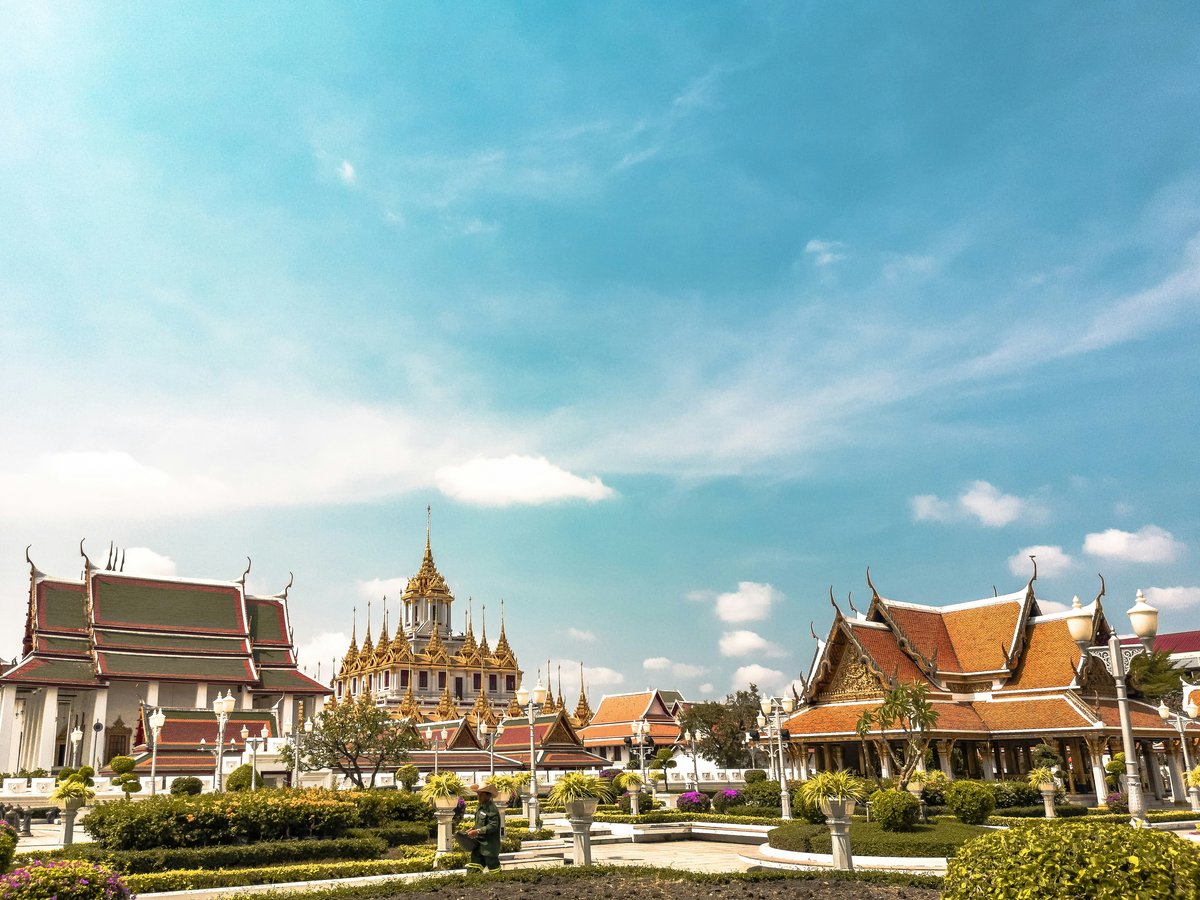
Must-see attractions
Bangkok's short list of essential sights is mostly a timeline of royal and religious building, and the dates make the case. Wat Arun dates from 1656, the Grand Palace has been the official residence of the King of Thailand since 1782, Wat Pho follows in 1788, and Wat Benchamabophit arrives in 1911. Around them sit the city's other characters: Khaosan Road, a road dating from 1892; Chatuchak, the largest market in Thailand; the principal Roman Catholic church of Thailand; and a bridge that dates only from 2002. This list is for a visitor with three or four days who wants the places that explain the city, not the ones where a photograph is the whole point. Opening hours matter more than people expect here, and the Grand Palace closes at 15:30, so read the times before you plan the day and start early.
See the picks →
food
-
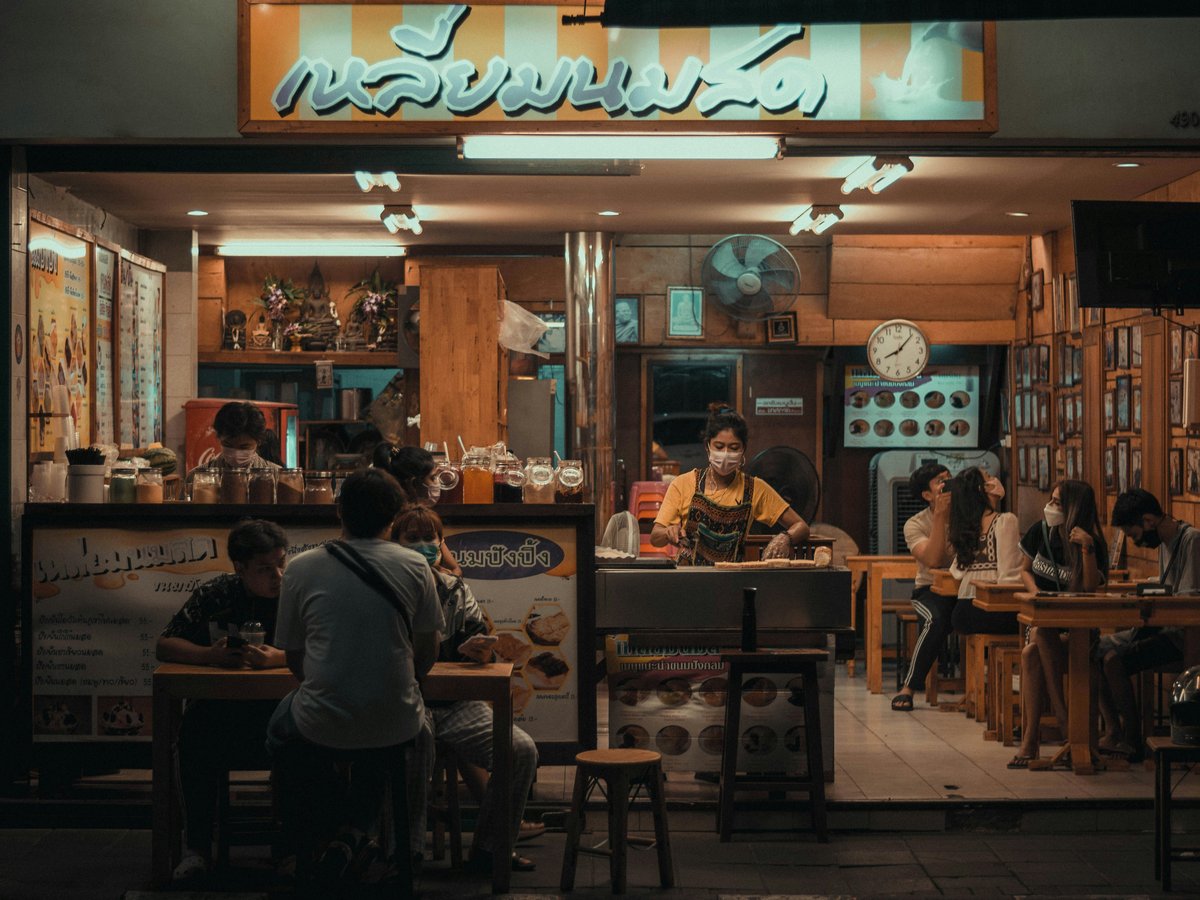
Best cafes
Bangkok's cafe map is a jumble of contradictions, and that is the point. A slowbar coffee counter sits a five-minute walk from a hotel lobby pouring afternoon tea; a vegan kitchen shares a postcode with a Starbucks on Phayathai; a mall ice-cream counter shares a floor with a fashion arcade. This list picks 12 addresses that answer specific questions a visitor asks in this city: where do I go early for a proper coffee near Rattanakosin, where can I sit late on a Friday night in Thonburi, where do I take a friend who wants tea instead of coffee, where does the office crowd near Ratchawat go for lunch. Every venue below is verified against OpenStreetMap for address, coordinates, and posted hours, and cross-checked to a working website or phone number. None of it is guesswork. Read it as a working shortlist, not a top ten, and pick by neighbourhood and hour, not by rank.
See the picks → -
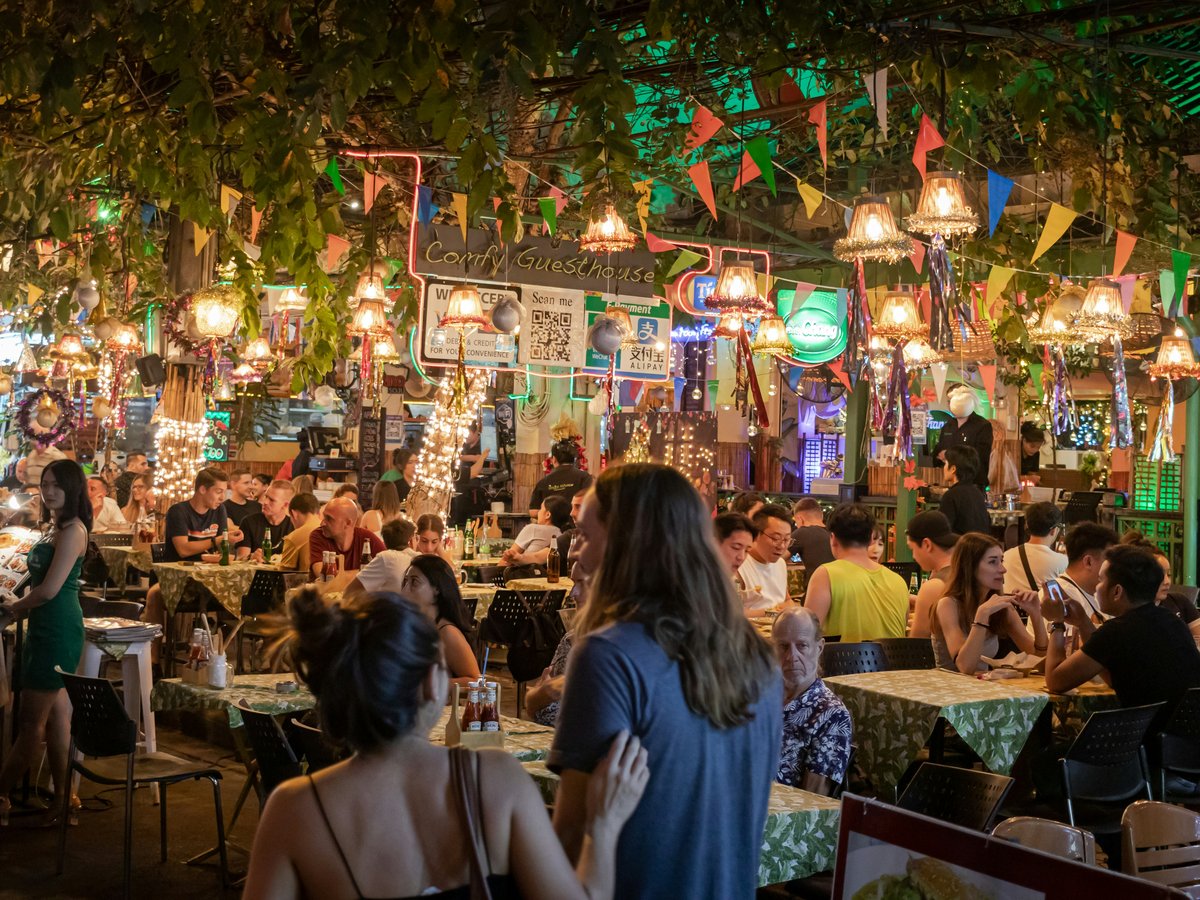
Best restaurants
Bangkok's restaurant map is not organised the way a guidebook wants it to be. The rooms worth eating in are scattered across the old royal quarter around Phra Nakhon, the shophouse alleys behind Charoen Krung, the student-and-office grid of Pathum Wan, and the Thonburi bank where the tourist tide never really reaches. This list follows that geography rather than fighting it. Twelve rooms, twelve postal codes, twelve reasons to cross a canal or a bridge: a pasta counter in a heritage lane, a Thai kitchen inside a boutique hotel, a riverside dining room on Song Wat, Korean and Japanese specialists in the Chulalongkorn belt, a hotpot address on Charansanitwong, wonton noodles near Maha Phruettharam temple, and a late-closing steakhouse inside MBK. The bundle is honest about what it can prove (a coordinate, a postcode, a set of opening hours, a phone number) and the prose below does not go a step further than that. Read it as a shortlist of rooms that reward the trip across town, not as a ranking of the city.
See the picks →
Browse by traveler type
- For foodies
Bangkok for foodies
- For families with kids
Bangkok for families
- For digital nomads
Bangkok for digital nomads
- For solo travelers
Bangkok for solo travelers
- For couples
Bangkok for couples
- For budget travelers
Bangkok on a budget
- For luxury travelers
Bangkok for luxury travelers
- For first-timers
Bangkok for first-time visitors
Book experiences in Bangkok

Bangkok Private Highlights Tour with Local Guide
City tour: 8 hours.
via Viator Free cancellation
 Half-Day Floating Market and Railway Market Tour from Bangkok
Day trip: free cancellation.
via Viator Free cancellation
 Bangkok: Floating Market and Train Market Experience
Day trip: 8.5 hours, free cancellation.
via Viator Free cancellation
 Hidden Bangkok Longtail Boat Tour to Big Buddha&Canal Life 2hrs
Cruise: 2 hours, free cancellation.
via Viator Free cancellation
 Experience Real Bangkok by Bike
City tour: 3 hours, free cancellation.
via Viator Free cancellation
 UNESCO's Ayutthaya Historical Park: Full-Day Tour from Bangkok
Day trip: 11.5 hours, free cancellation.
via Viator Free cancellation
 Damnoen Saduak Floating Market and Maeklong Railway Market Tour
Day trip: free cancellation.
via Viator Free cancellation
 Day Trip to Bangkok Floating Market & Maeklong Railway
Day trip: 9 hours, free cancellation.
via Viator Free cancellation
 Ayutthaya UNESCO Temples Small Group : Full Day Tour From Bangkok
Day trip: 9 hours, free cancellation.
via Viator Free cancellation
 The Newest Luxury 5-Star Bangkok Chao Phraya Dinner Cruise
Cruise: 2 hours, free cancellation.
via Viator
Hands-on Thai Cooking Class & Market Tour in Sukhumvit
Cooking class: 3.5 hours.
via Viator
Private Excursion to Maeklong Railway and Floating Markets
Day trip.
via ViatorBrowse by interest
Compare Bangkok with
Find a flight to Bangkok
Live fares to Bangkok appear here once cookies are accepted.
Last verified by automated review (v1.7.1) on . What is automated review?