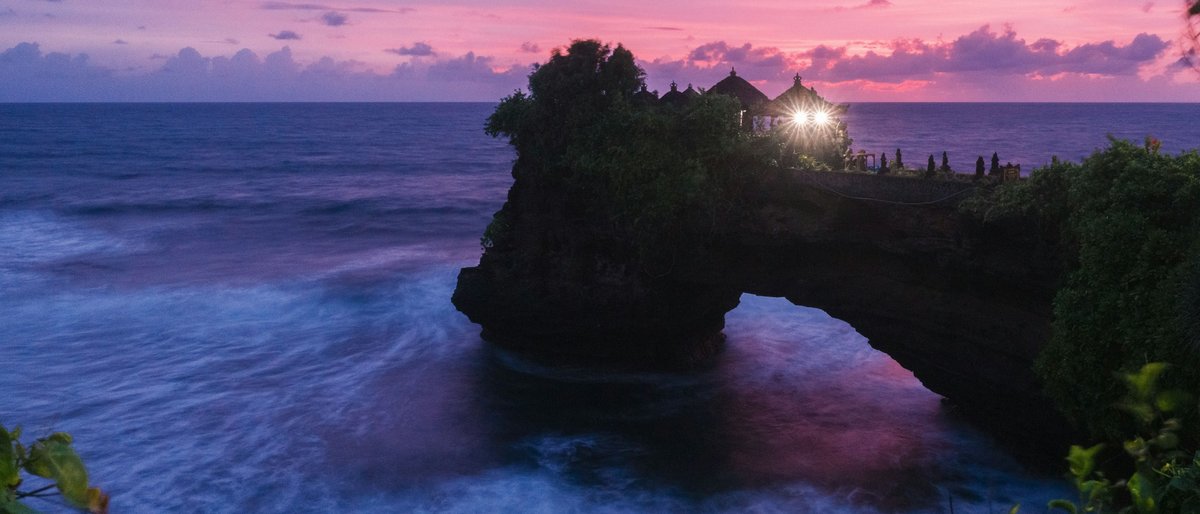
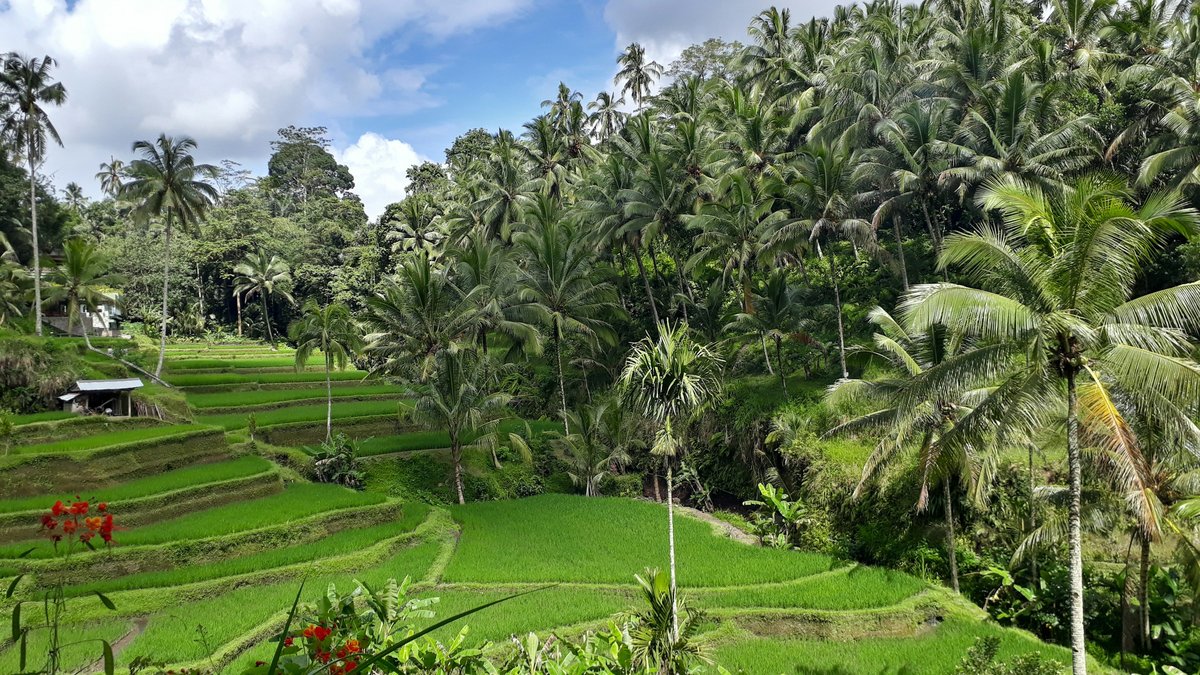
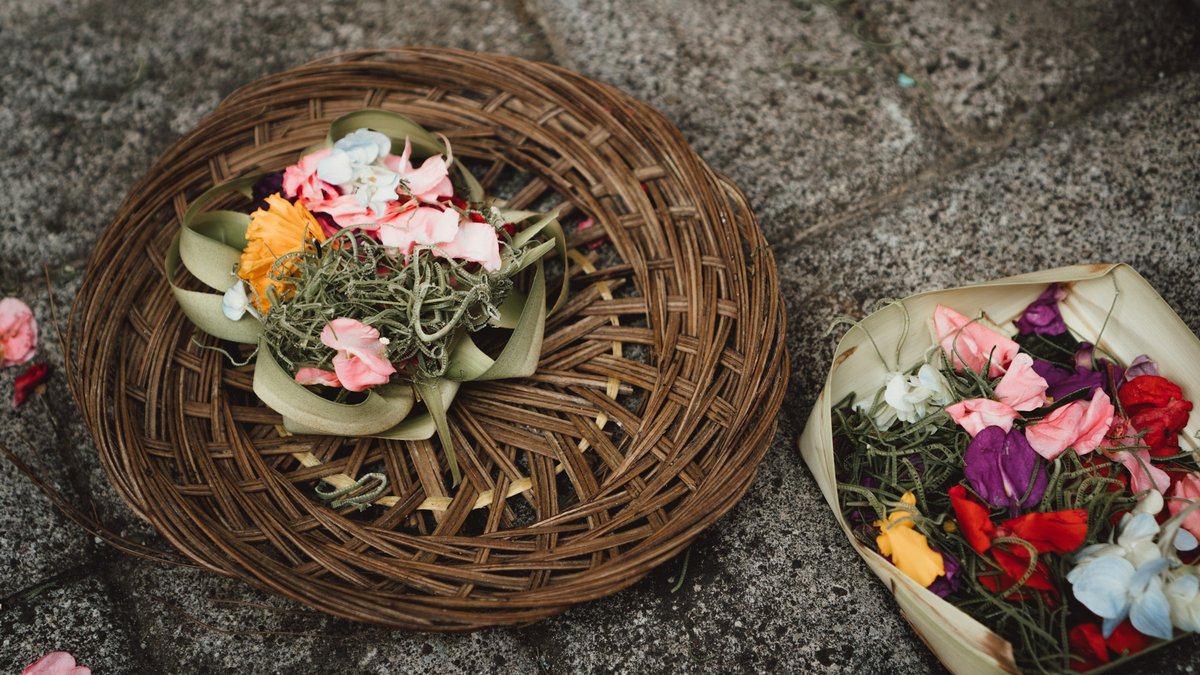
Bali sits eight degrees south of the equator, a volcanic island roughly the size of Delaware where rice terraces cascade down the flanks of Mount Agung: an active stratovolcano that last erupted in 2017 and still defines the island's spiritual axis, since every Balinese temple orients itself toward its summit. The island's four million residents practice a form of Hinduism found almost nowhere else in the world's largest Muslim-majority country, and this religious singularity shapes everything a visitor encounters: the daily canang sari offerings placed on sidewalks and dashboards, the temple ceremonies that close roads without warning, the calendar of Nyepi; a day of absolute silence when the airport shuts down and no one, tourist included, is permitted outdoors. Most first-time visitors land at Ngurah Rai International near the southern tip and gravitate toward Kuta, Seminyak, and Canggu, each progressively quieter and more expensive as you move northwest along the coast. Ubud, an hour inland and several degrees cooler, centres itself around the monkey forest and a concentration of art galleries dating to the 1930s, when European painters Walter Spies and Rudolf Bonnet collaborated with local artists to create what became the Ubud school of painting. The eastern coast around Amed remains comparatively undeveloped, with black volcanic sand beaches and coral reefs accessible directly from shore. Bali runs on WITA (Central Indonesian Time, eight hours ahead of UTC) and the equatorial light disappears fast: sunset lasts minutes, not the long twilights Northern Hemisphere visitors expect. A practical note that catches arrivals off guard: the island's roads were built for a fraction of current traffic, and a distance that looks like twenty minutes on a map regularly takes an hour, particularly around Denpasar, the administrative capital, where roughly 725,000 people navigate a grid of narrow streets that predate the motorcycle era.
Bali in photos
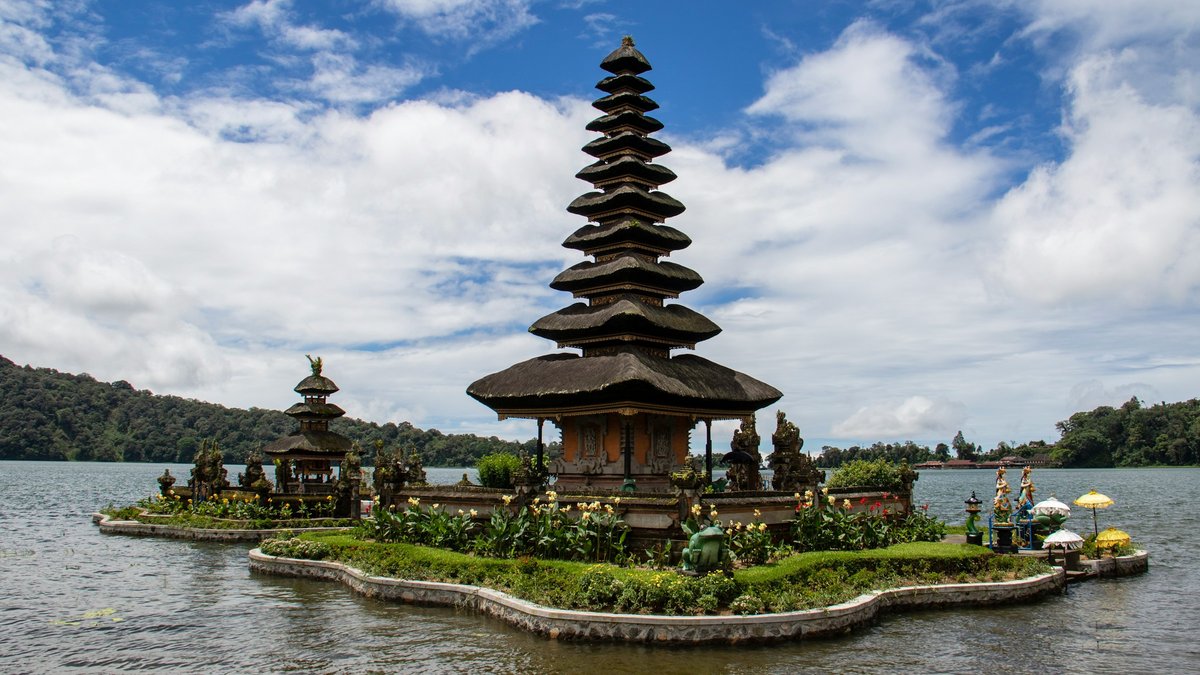
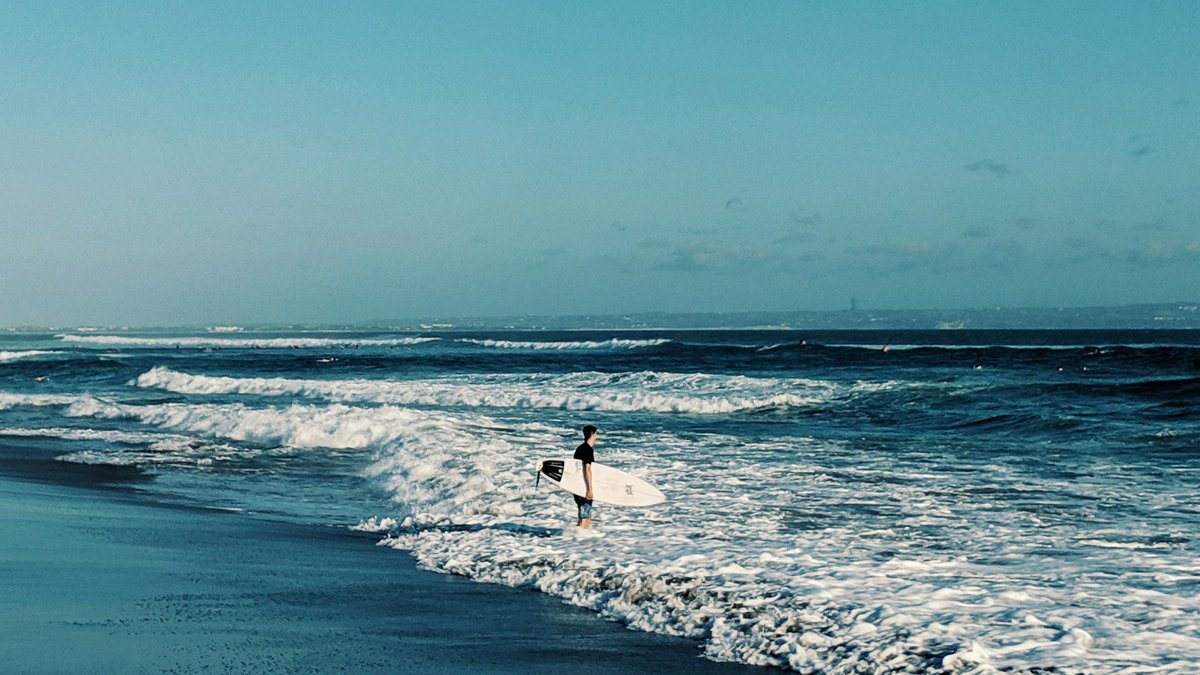
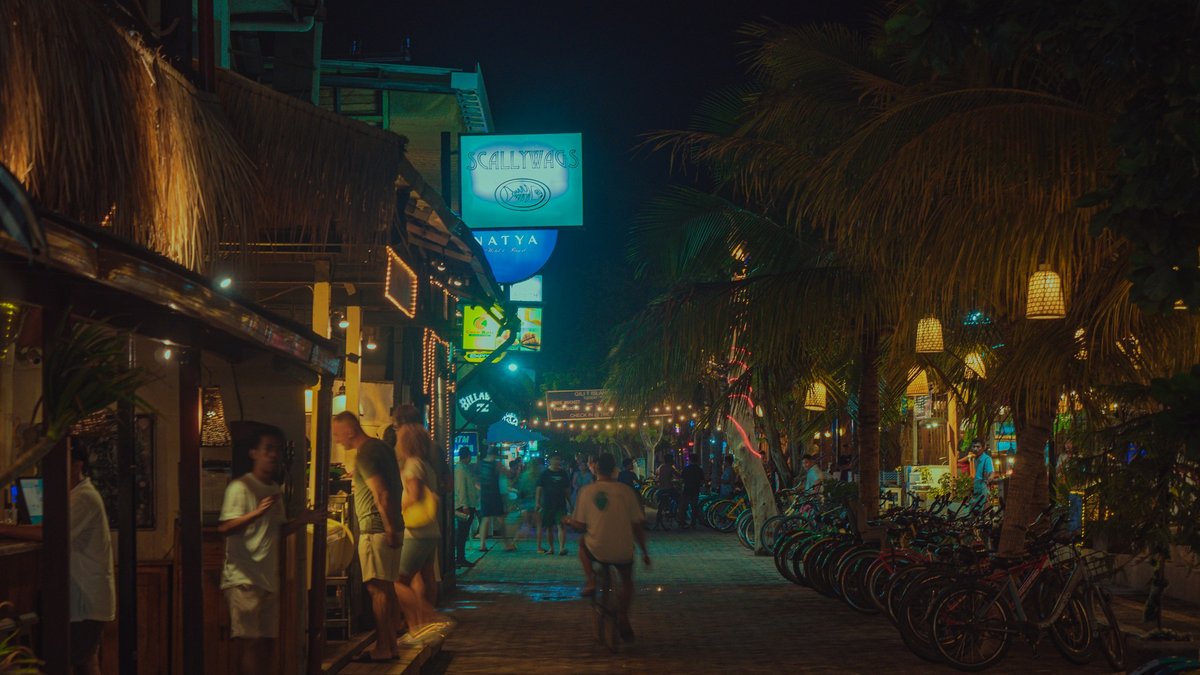
Bali right now
Answers about Bali
-
Airport to city
Pre-book a private transfer through your hotel or Klook: your driver meets you with a name sign past customs, and fares to Seminyak run around 200,000 IDR ($12). The airport taxi counter is the reliable backup with fixed zone-based pricing. Grab works but requires walking to a designated pickup zone outside the terminal.
Read the full answer → -
Best time to visit
Go in May, June or September. Bali's dry season runs roughly April to October, and these three months give you clear mornings without the July-August and Christmas crowds that push villa rates up in Seminyak and Ubud. Skip January and February: afternoon storms flood the lanes of Kuta, and boat crossings to Nusa Penida turn rough.
Read the full answer → -
Cost per day
A frugal day in Bali costs about IDR 450,000 ($25), covering a hostel dorm in Canggu or Ubud, three warung meals, scooter rental, and one temple entry. Midrange lands around $75 with a private guesthouse and sit-down dinners. Every international arrival also pays a 150,000 IDR ($8) provincial levy on top.
Read the full answer → -
Cultural etiquette
Temple etiquette trips up most first-timers in Bali, never enter a temple during menstruation (signs are posted and enforced), always wear a sarong and sash past the split gate, and don't stand higher than a priest or shrine. Offerings on the ground are not litter; step around them, never over them.
Read the full answer → -
Best day trips
Nusa Lembongan over Nusa Penida for couples: same turquoise water, half the physical toll. From south Bali, Sidemen's rice terraces (75 minutes east by private driver, 700,000 IDR for the car) give you a quiet morning hike plus a long lunch overlooking the valley without the three-hour return slog that Munduk demands.
Read the full answer → -
Digital nomads
Bali scores 9.5/10 for digital nomads (sourced from TTDI's editorial rubric). Canggu and Ubud offer 50-100 Mbps coworking from $130-175/month, villas from $275-660/month, and a full month costs $1,400-1,800. The B211A visa gives 60 days extendable to 180. Residential wifi tends to be the weak spot, rarely topping 20 Mbps on IndiHome.
Read the full answer → -
Family-friendly
Bali is family-friendly, 7.5/10 (see the TTDI Family-Friendliness Index). South coast resorts in Nusa Dua and Sanur have shallow reef-protected water, kids' clubs, and poolside changing rooms. Sidewalks outside resort compounds are narrow or nonexistent, so ditch the stroller for a soft carrier. Warung kitchens will make plain nasi putih and fried eggs for 15,000 IDR without blinking.
Read the full answer → -
Food culture
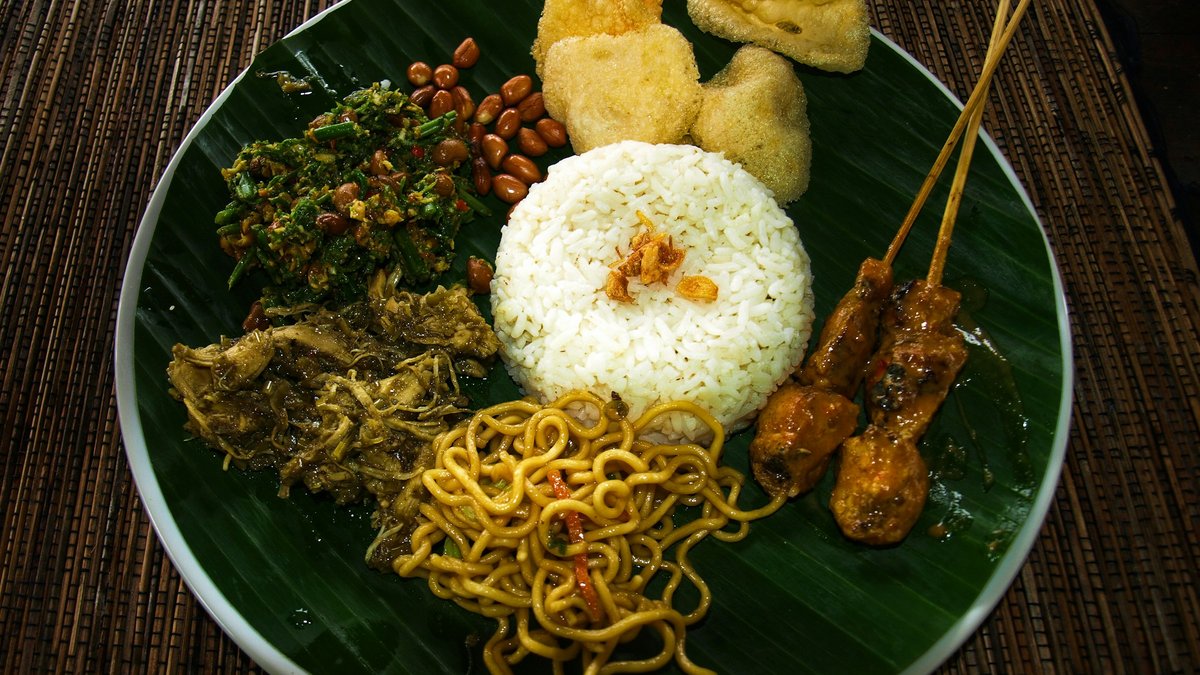
Bali is the one place in Indonesia where pork is king: babi guling (spit-roasted suckling pig) defines the island's Hindu food identity. Warungs serve nasi campur for 25,000-40,000 IDR and close by 2pm. The best eating happens in Denpasar and Gianyar, not the tourist south.
Read the full answer → -
Getting around
Grab and Gojek handle most short trips: download both before landing at Ngurah Rai. For day trips to Ubud or the north coast, hire a private driver through your hotel at 500,000–700,000 IDR (roughly $30–40 USD) for eight hours. Bali has no metro, no functioning bus network, and almost no sidewalks outside central Ubud.
Read the full answer → -
How to get there
Ngurah Rai International (DPS), 13 km south of Kuta on Bali's narrow southern peninsula, is the island's only commercial airport. No nonstop service from North America or Europe: connections via Singapore, Doha, or Tokyo run 18-24 hours at $800-1,500 round-trip. From Australia, direct Jetstar and Qantas flights take 2.5-6.5 hours for $200-500 USD.
Read the full answer → -
Is it safe?
Bali rates 7/10 on solo safety (see the TTDI Solo-Safety Index), and the threats that matter are roads, not crime. Scooter crashes, methanol-laced arak, rabid dogs, and rip currents off Kuta put more visitors in trouble than thieves do, with bag-snatching from passing scooters in Seminyak and Canggu the main crime risk. Dial 112 for any emergency.
Read the full answer → -
Language basics
Bahasa Indonesia (the national language) with Balinese spoken among locals at home and during ceremonies. English proficiency in the southern tourist corridor (Seminyak, Kuta, Ubud, Nusa Dua) sits around 6 out of 10: hotel staff and restaurant servers handle it fine, but taxi drivers outside apps, warung cooks, and market vendors beyond Ubud's central strip often don't. Latin script throughout, no reading barrier.
Read the full answer → -
Layover guide
Yes, with at least 6 hours at Ngurah Rai (DPS). Immigration takes 20-60 minutes depending on the queue, and the closest stops on the Bukit Peninsula sit 15-20 minutes from the terminal by Grab. Jimbaran's beachfront seafood warungs and Garuda Wisnu Kencana Cultural Park both fit a tight window. Most passports qualify for visa-free or visa-on-arrival entry.
Read the full answer → -
LGBTQ-friendly
Bali rates 5/10. Indonesia doesn't criminalize homosexuality nationally, but offers zero legal protections, and the 2022 Criminal Code's cohabitation clauses add new risk. Bali's Hindu culture and tourism economy create a pocket of relative tolerance (Seminyak has a small open queer scene) but this is social acceptance within a bubble, not legal safety.
Read the full answer → -
Where locals go
Denpasar, not Canggu. Balinese residents shop Pasar Badung before 8am, eat at the Pasar Kreneng night market after dark, and on Sunday mornings fill the Renon Car Free Day around the Bajra Sandhi Monument. Sanur's Pantai Matahari Terbit draws Denpasar families at sunrise on weekends, and Gianyar's night market pulls Ubud residents in for babi guling.
Read the full answer → -
Must-see
Pura Luhur Uluwatu at sunset. The temple perches on a 70-metre cliff above the Indian Ocean, and every evening at 6pm a kecak fire dance begins in an open amphitheatre carved into the rock. The sun drops behind the dancers straight into the water. Arrive by 5pm for left-side seats. Ticket: 50,000 IDR, about $3 USD.
Read the full answer → -
Solo travel
Bali scores 7/10 for solo travelers (see the TTDI Solo-Safety Index). Canggu and Ubud provide strong solo infrastructure through coworking spaces, communal hostel dinners, and small-group tours without single supplements. Women report both neighborhoods as comfortable after dark. The main friction is motorbike-dependent transport and limited night walkability outside Seminyak.
Read the full answer → -
This week
Bali runs on two calendars. The Balinese 210-day Pawukon cycle triggers temple ceremonies at different villages each week. Nightly Kecak fire dances at Pura Luhur Uluwatu start around 6pm. Ubud Art Market opens daily from 8am, with the quietest browsing on Tuesday through Thursday mornings. During dry season weeks, plan around heat, not rain.
Read the full answer → -
3-day itinerary
Day 1 stays in southern Bali: Seminyak warungs, black-sand beach walks, Tanah Lot temple at sunset. Day 2 drives north to Ubud for Tegallalang rice terraces, Tirta Empul spring temple, and the Sacred Monkey Forest. Day 3 heads to the Bukit Peninsula for Padang Padang beach and Uluwatu's clifftop Kecak fire dance at dusk. About 165 km by car and 12 km on foot across the three days.
Read the full answer → -
What to avoid
Skip Kuta Beach after dark, the money-changers on Jalan Legian, and any 'free transport' to silver workshops in Celuk. Bali's biggest traps are commission-based. Use Grab or GoJek instead of airport taxi touts at Ngurah Rai, confirm temple entry fees at ticket windows rather than from self-appointed guides, and never drink arak-based cocktails from Kuta's bar strip.
Read the full answer → -
What to pack
Pack a sarong: every temple in Bali requires one, and the 50,000 IDR rental at Tirta Empul's gate is a tourist tax. Beyond that: quick-dry clothes for 30°C heat and 70% humidity, reef-safe sunscreen, closed-toe shoes if you're riding a scooter, and a light rain shell. Skip the umbrella: buy one at Indomaret for 25,000 IDR.
Read the full answer → -
Where to stay
Seminyak for a first trip: ten minutes from Petitenget Beach, walking distance to restaurants worth eating at, and close enough to Ubud or Uluwatu for day trips without relocating. Budget $50–90 for a pool villa, $150–300 for a design hotel. Ubud if you want rice terraces and temples over beach days. Skip Kuta.
Read the full answer →
Deep guides for Bali
-
Best Time to Visit Bali, by Season
Bali's temperature moves less than 2.5 degrees across the whole year, yet those degrees (and the rain that follows them) reshape the island month to month. Here is the data-driven case for every season, and the single best window for each kind of traveller.
Read the guide → -
Bali Restaurants: What's Worth It
Twelve kitchens across two tiers: the conviction-driven Denpasar five that open before the tourist economy wakes up, and the after-dark Kerobokan corridor that keeps grilling until 02:00; with a named verdict on each, the runner-up, and who it suits.
Read the guide →
Curated lists for Bali
accommodation
-
Best boutique hotels
Bali splits into accommodation clusters that serve different travelers, and the distance between them matters more than the brochures suggest. The southern peninsula, from Kuta's airport-adjacent strip to Nusa Dua's gated resort corridor, runs along a coastline where traffic can trap you for an hour between neighborhoods. Head north into the rice-terrace interior and the mood shifts: Ubud and its satellite villages trade surf noise for river-gorge quiet, though the roads narrow and the ride from Ngurah Rai airport stretches past ninety minutes. Between these poles sit transitional zones like Sanur on the east coast, slower-paced and walkable, or Kerobokan Kelod on the western flank, where villa compounds line lanes that dead-end in rice paddies. Jimbaran and Kedongan share a bay but differ in polish; Kutuh perches on the Bukit limestone plateau above both. The ten neighborhoods below are ordered by how much bookable inventory each one holds. Price tiers overlap heavily: a mid-range room in Ubud and a mid-range room in Kuta can cost within $20 of each other, but the $89 room in Sanur and the $89 room in Kuta deliver entirely different mornings. Read the area editorials to match your pace and your radius, then let the picks confirm the tier.
See the picks → -
Best hostels
Bali's hostel and budget accommodation scene stretches across a coastal strip from the airport northward through Kuta and Seminyak, then climbs inland to Ubud's rice terrace country. The island does not have a single backpacker district; it has ten, each with its own noise level, beach proximity, and price floor. Kuta's southern stretch packs the densest inventory, where beds start around $13 a night and the surf break is a short walk from most lobbies. Seminyak trades density for boutique-village lanes and a slightly higher floor. Ubud replaces the ocean with jungle ravines and morning birdsong at rates that undercut most Southeast Asian resort towns. Nusa Dua sits behind resort gates on a quieter coast, and Tuban clusters near the airport for travelers who land late or leave early. The picks below anchor each neighborhood with a concrete price and rating so you can match your budget to a street, not just an island.
See the picks → -
Best luxury hotels
Bali's luxury hotel market stretches from the surf-town boutiques of Canggu to the beachfront compounds of Nusa Dua, with Seminyak's restaurant strip and Ubud's valleys filling the ground between. The range is wide enough to confuse a first-time visitor: beachfront resorts and villa compounds occupy the same tier at very different price points, and a strong guest rating can belong to a large convention property or a small adults-only retreat. What separates a reliable pick from a forgettable one is position, not prestige. The right room faces the right direction on the right stretch of coast or river valley; the wrong one faces a car park at the same nightly rate. This list selects 12 properties across Bali's luxury tier, each grounded in verified Trip.com data: guest ratings, nightly rates, zone placement, and on-site amenities. The goal is to name the specific property and tell you why, not to celebrate the category.
See the picks → -
Where to stay
Bali's hotel inventory splits along a fault line that most booking sites flatten: the southern beach corridor from Kuta through Seminyak to Nusa Dua, and the inland valley anchored by Ubud. These two zones share an island but almost nothing else. The beach strip runs on surf shops, sunset bars, and airport proximity; Ubud trades all of that for rice terraces, morning mist, and roads too narrow for tour buses. Between them, smaller pockets like Kedongan beach and Pantai Seminyak carve out quieter stretches of coastline where the resort density drops and the seafood warungs outnumber the cocktail lounges. Price tiers overlap more than the map implies: a $13 budget room in central Kuta and a $433 suite in Nusa Dua share the same southern coastline. The neighborhoods below are ranked by hotel count, not by preference; the right one depends on whether you want the Jalan Legian crowd or the sound of a river gorge at sunrise. Each area names its tier-balanced picks so you can see the price floor and ceiling before scrolling a listing page.
See the picks →
attractions
-
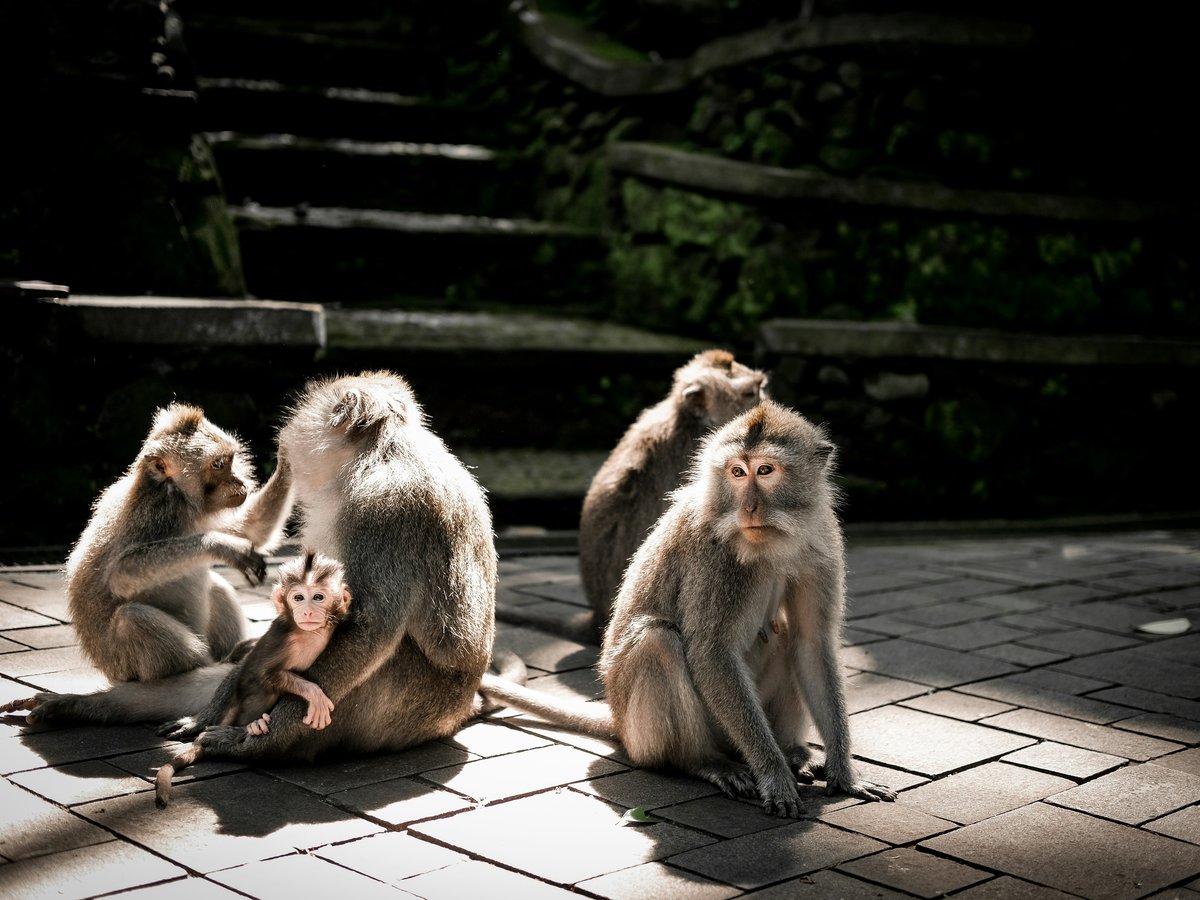
Best free attractions
Free in Bali does not mean quiet corners of a temple with a donation box at the gate. The island's most honest free experiences are the forests where long-tailed macaques run the show, and Bali has more than one worth the drive. What follows is four sites, in rank order, where the entrance fee is the only line item you can skip, and where the animal, not the architecture, is the point. Two sit within striking distance of Ubud, one anchors the Bukit Peninsula in the south, and one hides in the rice country west of the capital. None of them is a secret; all of them reward a visitor who arrives early, keeps sunglasses in a zipped pocket, and treats the resident troop as the local it is. Skip the paid cultural shows that promise a curated Bali in ninety minutes; the forests below hand you the island on its own terms, and they do it before lunch.
See the picks → -
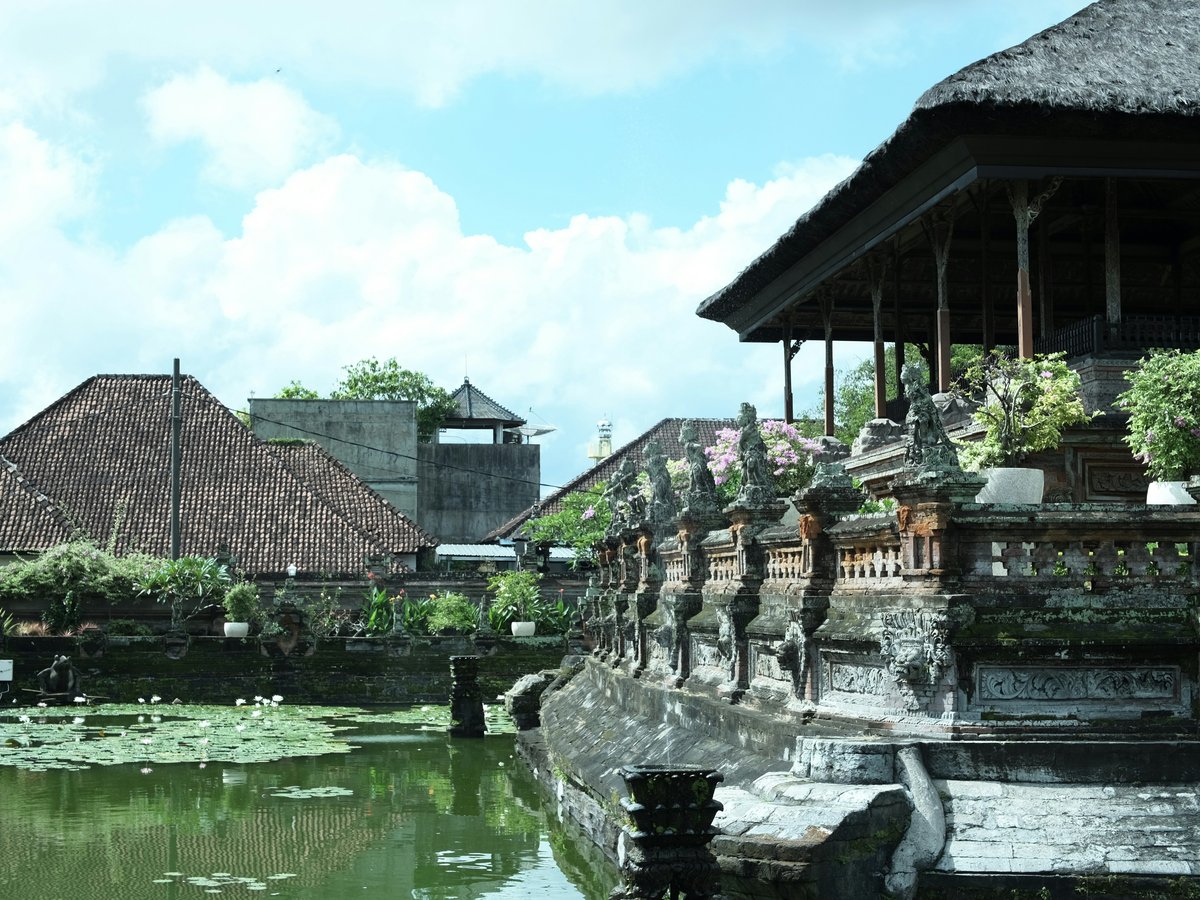
Best museums
Bali's museums are not concentrated in a single museum district; they sit in four quite different places, and planning around that is most of the work. Denpasar holds the oldest, the Bali Museum, which dates from 1910, as well as the Bajra Sandhi Monument, a monument that doubles as a museum. The Ubud area has the densest cluster: Puri Lukisan on Jalan Raya Ubud, the Agung Rai Museum of Art on Jalan Raya Pengosekan, Neka in Kedewatan, and Rudana in Peliatan. Beyond those, Sanur has an artist's house museum, Nusa Dua has Museum Pasifika in the BTDC complex, Klungkung Regency has Semarajaya, and Bedulu has an archaeology museum. The founding dates run from 1910 to 2006, so the list spans colonial-era institutions and private collections opened within living memory. We wrote this for visitors who want an hour indoors that tells them something about the island, and who should check the opening hours before hiring a driver, because several of these places close early on Fridays.
See the picks → -
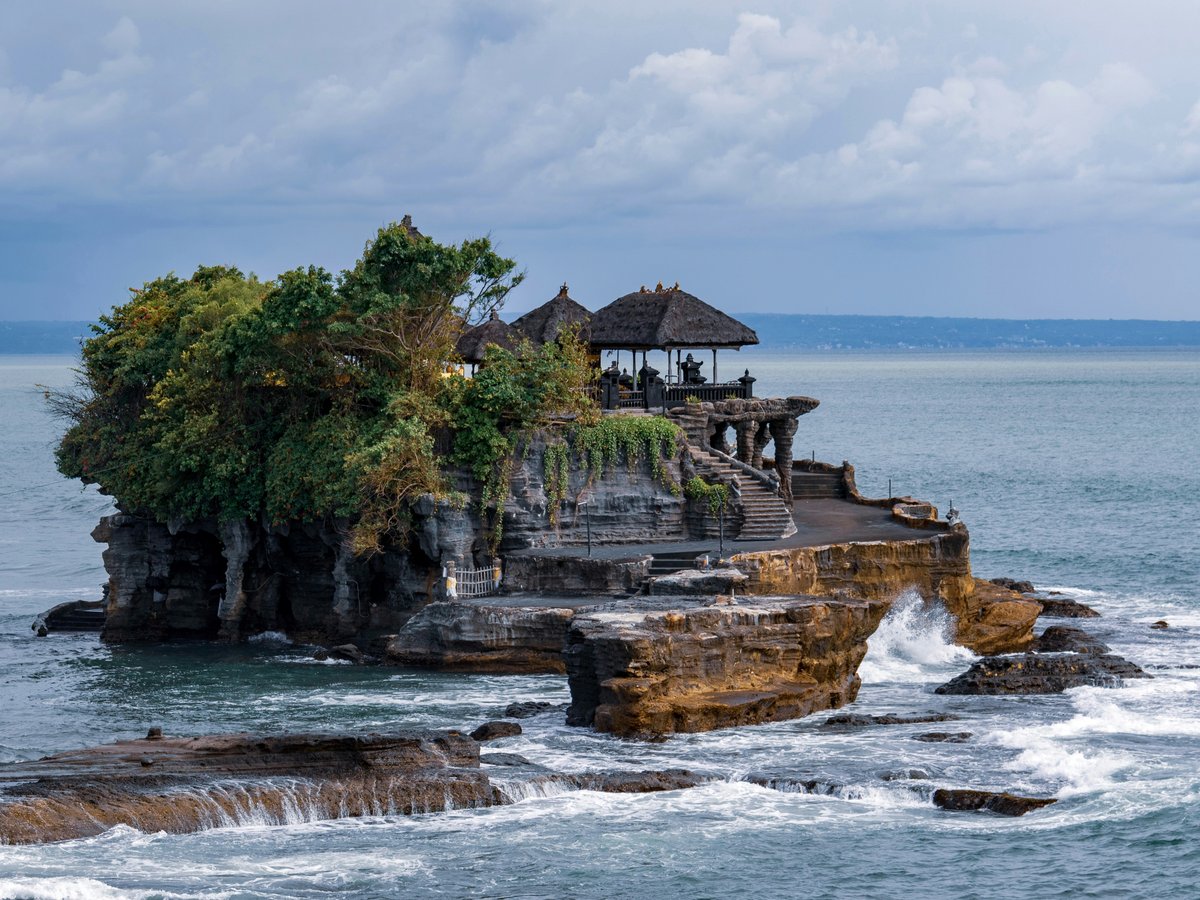
Must-see attractions
Bali's must-see list is mostly a list of sacred places, and this one makes no pretense otherwise. It runs from a rock formation off the island's shore to a temple that is part of a UNESCO World Heritage Site in Mengwi, and also takes in a cathedral in Denpasar and two palaces, one in Semarapura and one in Ubud. The rest are Balinese Hindu temples, some famous and some you will need a map pin to find. Read it as a guide to how the island worships and governs itself, not as a photo checklist. It is for travellers willing to dress modestly, keep their voices down, and plan around opening times, which vary widely: one gate opens at 07:00, another closes at 16:00, and one simply follows the sun. Several smaller temples here publish no hours in our sources, so go in daylight and accept a closed gate as part of visiting a living place.
See the picks →
food
-
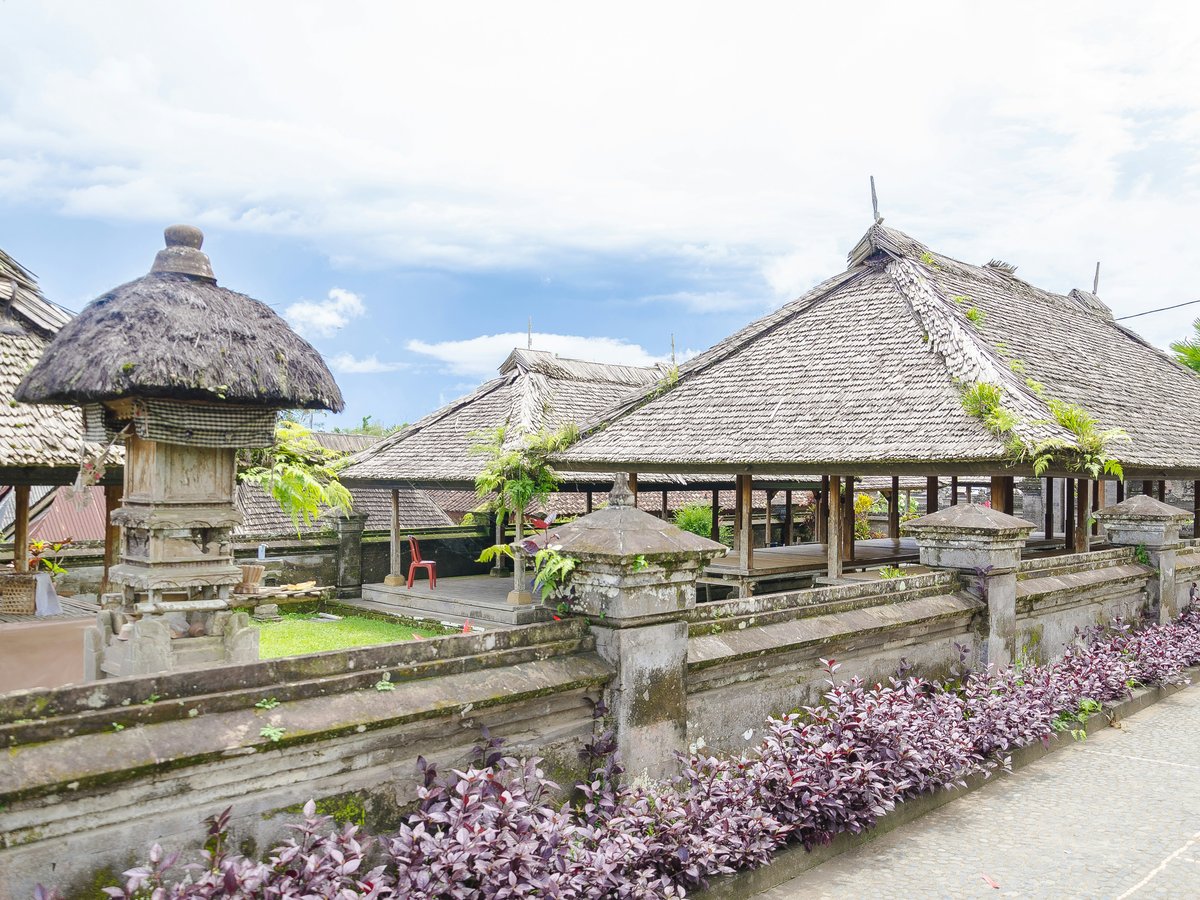
Best cafes
Bali's cafe culture is a mongrel thing, and the better for it. A single island lets you drink a flat white pulled by a barista who trained in Melbourne, then walk a block and order kopi tubruk from a warung that has done it the same way for a generation. The twelve rooms below sit across the Badung and Denpasar coasts, from the temple-quiet lanes of Sanur to the surf-loud back streets of Canggu and the gelato counters of Kuta. None of them are resort lobbies. Most are single addresses with a phone number that a person answers. Some open at 07:00 for the breakfast crowd, some do not switch on the espresso machine until 10:00 or 11:00, and one keeps its door open until midnight for the after-surf shift. Read this as a shortlist for travellers who want the actual island rather than a hotel's polished version of it: cafes that anchor a neighbourhood, keep honest hours, and answer to their own address rather than a corporate playbook.
See the picks → -
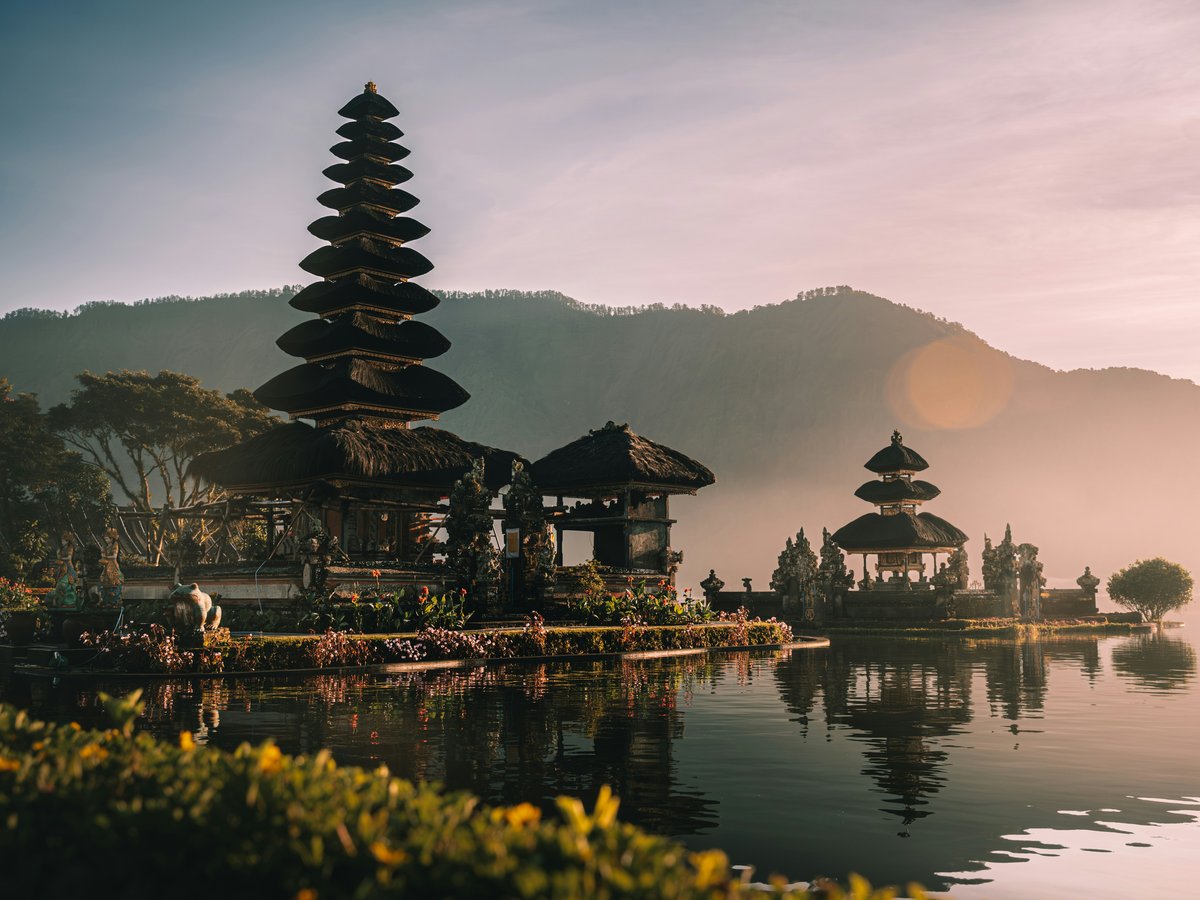
Best restaurants
Bali's restaurant map is not a single scene but several overlapping ones, and Denpasar and the Kerobokan–Seminyak strip are where most of them collide. In the capital you find long-running Indonesian warungs that open before dawn and close before dusk, feeding office workers and families on plant-based plates that never announce themselves as trendy. Ten kilometres west along Jalan Mertanadi in Kerobokan, the room changes: French kitchens, Moroccan tagines, Australian pie shops and a sports bar share a single soi, serving a rotating expat and traveller crowd that eats past 22:00. This list moves deliberately across both: six addresses in Denpasar's Panjer, Renon and Setiabudi quarters, then six clustered around Kerobokan Kelod's 80361 postcode, so that a visitor can build a day around one and an evening around the other. It leaves out the resort-hotel dining rooms and the Ubud-review circuit on purpose; those are covered elsewhere, and the point of a curated twelve is to name places that reward a specific detour, verified to a specific address, on a specific street, at a specific hour.
See the picks →
Browse by traveler type
- For foodies
Bali for foodies
- For families with kids
Bali for families
- For digital nomads
Bali for digital nomads
- For solo travelers
Bali for solo travelers
- For couples
Bali for couples
- For budget travelers
Bali on a budget
- For luxury travelers
Bali for luxury travelers
- For first-timers
Bali for first-time visitors
Book experiences in Bali
 Free cancellation
 Ubud Private Tour Rice Terraces Temples Waterfalls.
Day trip: free cancellation.
via Viator Free cancellation
 Nusa Penida Premium Day from Bali: Manta Rays, Yacht & Land Tour
Day trip: free cancellation.
via Viator Free cancellation
 Best of Ubud Full-Day Tour with Jungle Swing
Day trip: 10 hours, free cancellation.
via Viator Free cancellation
 Ubud: Monkey Forest, Jungle Swing, Rice Terrace and Water Temple
Day trip: free cancellation.
via Viator Free cancellation
 Private Uluwatu Sunset Tour with Kecak Dance and Dinner
Day trip: 7 hours, free cancellation.
via Viator Free cancellation
 Tanah Lot and North Bali Tour: Scenic Journey
Day trip: free cancellation.
via Viator Free cancellation
 Nusa Penida All-Inclusive Day Trip
Day trip: 12 hours, free cancellation.
via Viator Free cancellation
 ️ Bali Instagram Tour: The Most Famous Spots (Private & All-Inclusive)
Day trip: free cancellation.
via Viator Free cancellation
 Bali Snorkeling Tour at Blue Lagoon Beach - All-Inclusive
Day trip: 6 hours, free cancellation.
via Viator Free cancellation
 Best of Bali Waterfalls: Tibumana, Tukad Cepung and Tegenungan
Day trip: 8 hours, free cancellation.
via Viator Free cancellation
 Bali Highlights and Ubud Volcano Tour with Lunch
Outdoor experience: 10 hours, free cancellation.
via Viator Free cancellation
 Nusa Penida Manta Snorkeling & Land Tour from Bali
Outdoor experience: 8 hours, free cancellation.
via ViatorBrowse by interest
Compare Bali with
Find a flight to Bali
Live fares to Bali appear here once cookies are accepted.
Last verified by automated review (v1.7.1) on . What is automated review?