What should I avoid in Bali?
Skip Kuta Beach (dirty sand, aggressive hawkers), the Tegallalang rice terrace entrance fee circus, and any taxi without a meter. Money changers on Legian Street short-change tourists with rigged calculators. Bali's real problems are overtourism corridors and transport scams — stay out of the southern Kuta-Seminyak gridlock and you dodge most of them.
Skip Kuta Beach entirely. The sand is grey-brown and littered with plastic wrappers, the surf breaks close to shore in a way that's more washing machine than wave, and every thirty seconds someone tries to sell you a sarong, a massage, or a surfboard rental at triple the going rate. The whole strip smells like sunscreen and two-stroke exhaust from the motorbikes parked on the sidewalk. Kuta was the backpacker hub in the 1990s; it never evolved. If you want a south Bali beach, Padang Padang is twenty minutes further on a scooter and the water is actually clear. Seminyak's beach is marginally better but the traffic getting there — a 2km crawl on Jalan Raya Seminyak that can take forty-five minutes at sunset — might not be worth it.
The Tegallalang rice terraces north of Ubud have become a photo-op factory. You'll pay IDR 25,000 at the entrance, then get hit with three more 'donation' requests as you walk down the steps, each manned by someone in a high-vis vest pointing at a laminated sign. The terraces themselves are genuinely beautiful — the bright green tiers catch the morning mist in a way that justifies the fuss — but the Instagram swing operators, the drink sellers, and the sheer crowd density by 10am turn it into a theme park. Go at 7am or skip it for Jatiluwih, which is a UNESCO site an hour west, wider, quieter, and costs IDR 40,000 with no secondary shakedowns. The rice paddies at Jatiluwih stretch far enough that you can hear the irrigation channels trickling without a selfie stick in your peripheral vision.
Money changers on Jalan Legian and around Kuta Square are the single most common scam in Bali. The routine: a calculator shows the correct amount, the clerk counts your rupiah out slowly, then palms two 100,000 notes during a quick recount while chatting you up. Some shops use rigged calculators that subtract a hidden percentage. Change money at Bank Central Asia (BCA) ATMs or official exchange counters inside Circle K or Indomaret — the rate is within 1% of the interbank rate and nobody handles your cash. Taxi scams run a close second. Bluebird is the only metered taxi company worth trusting; their cars are a specific shade of light blue with a bird logo on the door. Everything else at the airport arrivals curb quotes a 'fixed price' that's two to four times the meter fare. Grab works everywhere except inside the airport terminal compound, where the taxi mafia has territorial rights — walk past the parking garage to the main road and order from there.
The temple dress code catches people off guard. Pura Besakih, Tirta Empul, Uluwatu — all require a sarong and sash. Rental sarongs at the entrance are damp, smell like mildew, and cost IDR 50,000 that you won't get back despite what the attendant says. Buy one at any Ubud market for IDR 30,000 and carry it in your bag. Worth noting: Uluwatu's monkeys are not cute photo props. They'll grab your sunglasses, phone, or water bottle and a handler will appear to 'negotiate' its return for IDR 100,000. Wear nothing dangling and keep your phone in a zipped pocket. The monkeys at Sacred Monkey Forest in Ubud are slightly less aggressive but the same rule applies — food in your hand means scratches on your arm.
Bali's wet season runs roughly November through March, and 'wet' means two-hour downpours that flood the roads in Denpasar and turn the beach drain-offs at Canggu a muddy brown. The heat sits around 30–33°C with humidity that makes your clothes stick to your skin within ten minutes of stepping outside. That said, wet season also means fewer crowds and hotel rates drop 30–40%. The real weather hazard is the undertow at beaches without lifeguards — Echo Beach in Canggu and parts of Nusa Dua have rip currents that pull hard, and drownings happen every season. If the red flag is up, stay out. No sunset photo is worth it.
Tourist traps to skip
- Kuta Beach — dirty sand, plastic litter, aggressive hawkers every thirty seconds
- Tegallalang Rice Terraces after 10am — triple-donation shakedown and Instagram swing circus
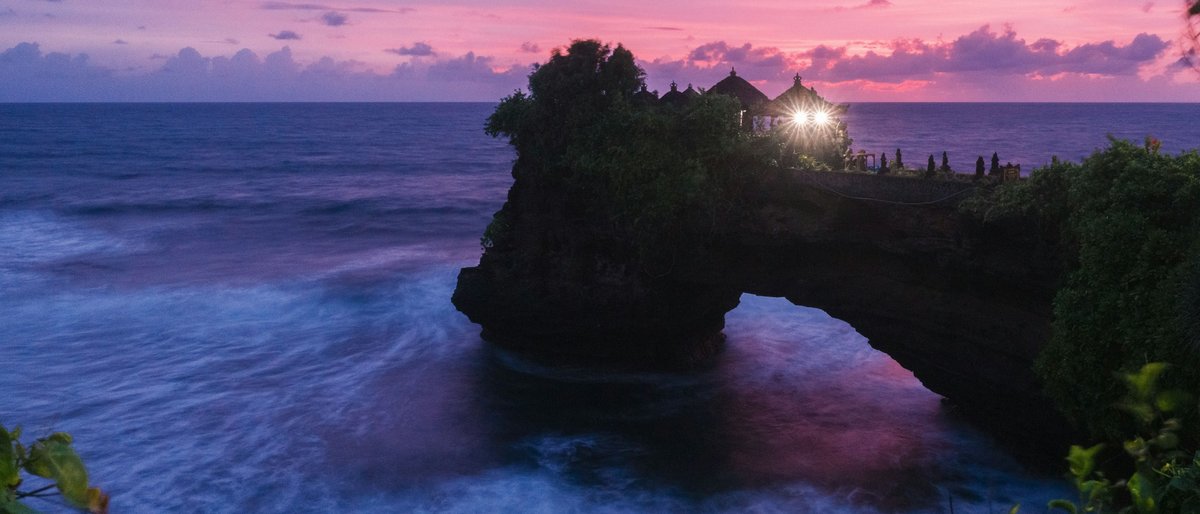
- Tanah Lot at sunset — the temple is real but the approach is a 500-meter gauntlet of identical souvenir stalls selling the same carved cat statues
- Bali Safari and Marine Park — overpriced at IDR 900,000 and the animal enclosures are small and hot
- Hard Rock Cafe Kuta — you did not fly to Bali to eat a USD 18 burger you can get in Tampa
- Waterfall entrance fee stacking at Tegenungan — IDR 20,000 entry plus IDR 10,000 parking plus IDR 15,000 locker rental for a falls that's waist-deep in other visitors by noon
- GWK Cultural Park — a massive unfinished statue complex that charges IDR 150,000 for what amounts to a concrete plaza with one good view
Common scams
- Legian Street money changers palming 100,000 IDR notes during the recount — use BCA ATMs or Circle K exchange counters instead
- Airport taxi fixed-price quotes at 2-4× the metered fare — walk to the main road and use Grab or insist on Bluebird
- Uluwatu monkey handlers who let monkeys grab your belongings then charge IDR 100,000 to retrieve them
- Fake tour guides at Besakih temple claiming the temple is closed unless you hire them for IDR 500,000 — it is not closed, walk past them
- Jet ski operators at Tanjung Benoa who claim you damaged the equipment and demand USD 300-500 in 'repairs' — photograph the jet ski before and after, or skip jet skis entirely
- Motorbike rental shops in Canggu charging for pre-existing scratches on return — photograph every angle at pickup with a timestamp
Seasonal hazards
- Wet season (November–March) brings 2-hour downpours that flood Denpasar roads and turn Canggu beach runoff brown
- Humidity stays above 65% year-round; at 30–33°C the heat index regularly hits 34–36°C — drink water constantly, not just Bintang
- Rip currents at Echo Beach (Canggu) and unguarded stretches of Nusa Dua pull hard — red flag means stay out, drownings happen every season
- Mount Agung remains volcanically active; eruptions in 2017-2019 closed the airport for days — check PVMBG alerts if visiting east Bali
- Mosquito-borne dengue peaks in wet season; standing water in rice paddies near Ubud accommodations means dawn and dusk are bite hours
Last verified by automated review (v1.5.J.2) on May 11, 2026. What is automated review?