Bali's nightlife doesn't really fit into a single box. The island sprawls across dozens of distinct neighborhoods, each pulling in a different crowd and running on its own clock. Kuta still thumps with backpacker energy and cheap Bintang towers. Seminyak has gone upscale — cocktail bars with house-made syrups, DJs flown in from Berlin, and door policies that actually care what shoes you're wearing. Canggu, which was rice paddies not that long ago, has become this strange collision of surf culture, digital nomad co-working spaces, and late-night bars where the playlist swings from reggae to techno depending on who's behind the decks.
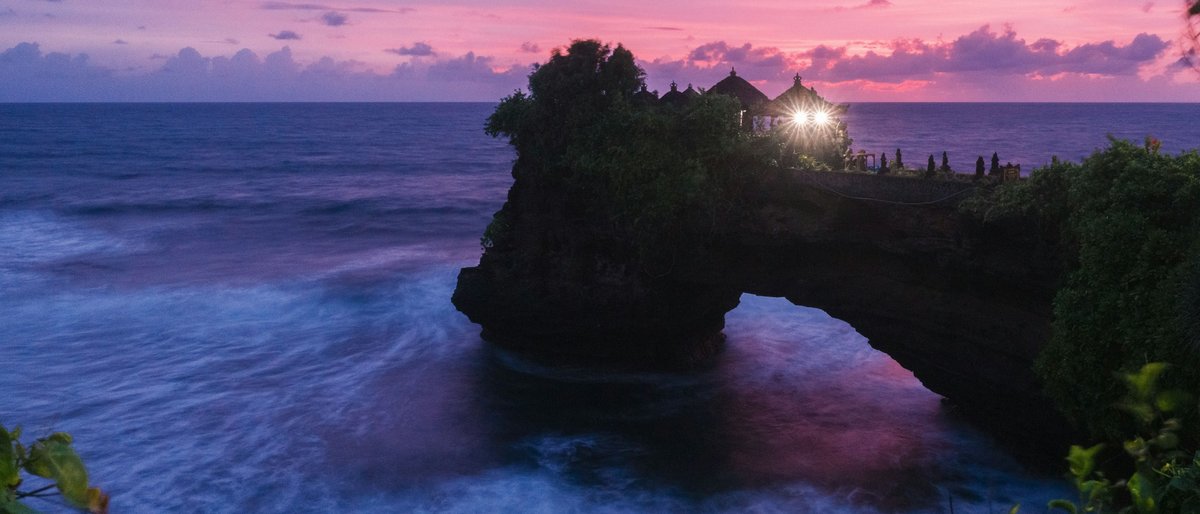
Then there's the other Bali. Ubud shuts down early by comparison — you might find a jazz trio playing in a restaurant courtyard, or a low-key bar tucked behind a yoga studio, but nobody's stumbling home at 4 AM. Sanur is quieter still. The south coast around Uluwatu has its own thing going: cliff-edge bars where the sun drops into the Indian Ocean and the bass kicks in right as the sky turns pink.
What ties it all together is a certain looseness. Bali runs on island time, and that extends to going out. Dinner might not start until 9. Pre-drinks stretch past 11. The real crowd at most clubs doesn't show up until midnight or later. Locals — both Balinese and the enormous expat community — tend to mix freely in the mid-range spots, though there's a clear economic divide between the tourist-focused venues and the warungs where off-duty bartenders actually go to unwind after their shifts.
One thing worth knowing: Bali is Hindu in a predominantly Muslim country, which gives it cultural room for alcohol and nightlife that you won't find on most other Indonesian islands. That said, the local government has been tightening regulations in recent years, around noise, closing times, and permits. Things shift. What was the hottest spot six months ago might currently be closed for renovation or operating under new ownership. The scene rewards showing up and asking around more than rigid planning.
The Bar Scene: From Poolside Cocktails to Sticky-Floor Dives
The cocktail bar movement in Bali has matured considerably. Seminyak is still the center of gravity for well-made drinks — you'll find places doing proper craft cocktails with local ingredients like galangal, pandan, and tamarind. The bartenders at the better spots tend to have trained in Singapore, Jakarta, or Melbourne, and they take the work seriously. Expect to pay somewhere in the range of 120,000 to 180,000 IDR for a well-crafted cocktail at these places, which feels expensive by local standards but cheap compared to what you'd pay in Sydney or London. Rooftop bars have become something of a Bali staple. Seminyak and Kuta have several perched above the low skyline, where you can catch sunset with a drink in hand. The south Bali cliff bars around Uluwatu and Pecatu offer a more dramatic version of the same idea — perched on limestone cliffs with the ocean crashing below. These tend to run sunset sessions with DJs and transition into proper parties on weekends. The dive bar scene is concentrated in Kuta and parts of Canggu. Kuta's version leans heavily on the Australian tourist crowd — think Bintang singlets, pool tables, and promos for buckets of cheap beer. Canggu's dives have a slightly different energy, more surfer-scruffy, with craft beer taps appearing alongside the Bintang. Wine bars exist but remain a niche. Imported wine carries heavy Indonesian tariffs, so a decent bottle will cost you significantly more than it would back home. A few Seminyak spots have curated lists, but honestly, Bali is a beer and cocktail island at heart. Bintang Pilsener is everywhere, served ice cold, and it goes down easy in the humidity. Arak — the local rice or palm spirit — shows up in traditional cocktails and is worth trying at reputable bars, though you should avoid the homemade versions sold cheaply in unmarked bottles, as methanol contamination has caused serious incidents over the years. The beach club phenomenon deserves mention here too, even though it blurs the line between bar and day club. These large venues along the coast — in Seminyak, Canggu, and the Bukit peninsula — run pool parties through the afternoon that transition into evening sessions. They tend to charge a minimum spend rather than a cover, and the music leans toward deep house and balearic beats. On weekends, the bigger ones bring in international DJs and the atmosphere shifts from lazy poolside drinking to something closer to a proper party.
Clubs: Late Starts, Loud Speakers, and the Seminyak-to-Kuta Corridor
Clubbing in Bali follows a pattern that catches some first-timers off guard. Hardly anything worth seeing happens before midnight. Locals and seasoned expats often don't leave home until 11 PM, grab dinner somewhere, and roll into clubs around 1 AM. Things peak between 1 and 3 AM, and the bigger venues might keep going until 4 or even later on weekends, depending on current permit enforcement. The main cluster of proper clubs runs along a corridor from Seminyak down through Legian into Kuta. The Seminyak end tends toward house music, tech-house, and the occasional big-name DJ visit. Production values are higher — better sound systems, more thoughtful lighting, and crowds that have put some effort into how they look. Dress codes at the more upscale Seminyak spots lean smart-casual: closed shoes for men, no singlets, no board shorts. Women have more latitude, but flip-flops will get you turned away at the door in several places. Kuta's clubs are louder, messier, and more democratic. The music bounces between EDM, hip-hop, and whatever gets the biggest reaction from a crowd that skews young and international. Dress codes are looser. The energy is less curated and more chaotic — which is either exactly what you want or exactly what you don't. Canggu has developed its own club scene more recently, though it tends to blur with the bar scene. Several venues host weekend parties that feel like clubs but operate in more open-air, industrial-style spaces. The music tends toward techno, Afro-house, and world-beat electronic. The crowd is heavily digital nomad and long-stay expat. Cover charges vary wildly. Some clubs have no cover but enforce minimum spend at tables. Others charge anywhere from 100,000 to 300,000 IDR at the door, sometimes including a drink or two. Special event nights with international DJs can push much higher. Worth noting: promoters often distribute free-entry passes for certain nights, midweek. Check around your accommodation or on local social media groups — they circulate freely. One cultural note that matters: Bali has a complicated relationship with drugs. Indonesian drug laws are severe — possession of even small amounts can carry years of imprisonment, and enforcement does happen. Undercover officers have been known to operate in and around popular clubs. This isn't a scare tactic; it's just the legal reality of the country. Stick to what's served at the bar.
Live Music: Reggae Bars, Jazz Corners, and Gamelan After Dark
Bali's live music scene is more varied than you might expect from an island mostly known for DJs and beach clubs. Reggae has deep roots here — Bob Marley's influence arrived decades ago and never really left. You'll find reggae nights scattered across Canggu, Seminyak, and even parts of Ubud, often in open-air venues where the band plays under string lights and the crowd sits on cushions or dances barefoot on packed earth. Jazz has a following too, in Ubud and Sanur. Small venues and restaurant bars host jazz combos — often a mix of expat and Indonesian musicians — on rotating weekly schedules. The playing tends to be good. Indonesia has a surprisingly strong jazz tradition, centered in Jakarta, and some of those musicians pass through Bali. Rock and indie bands play in Kuta and Denpasar, often at venues that cater more to the local Indonesian crowd than to tourists. If you venture into Denpasar for a night out — and most tourists don't, which is a shame — you'll find a rawer, more local scene. Punk and metal have followings in Bali's Balinese youth culture, and small gigs happen in venues that you'd only find through word of mouth or local social media. Traditional Balinese music — gamelan orchestras and kecak performances — happens regularly at temples and cultural venues, though these are typically evening events rather than nightlife per se. Still, catching a kecak performance at Uluwatu Temple as the sun sets, with the chorus of voices rising against the ocean backdrop, is one of those experiences that stays with you. The metallic shimmer of the gamelan instruments carries differently in the open night air than anything you'd hear inside a club. Live music nights tend to start earlier than club nights — bands often go on between 8 and 10 PM. Weekends are busiest, but mid-week jam sessions happen at several spots in Canggu and Ubud. Cover charges for live music are rare; most venues make their money on food and drinks. The crowd tends to be mellower and more mixed in age than the club scene.
Nightlife neighborhoods
-
Seminyak
The polished end of Bali nightlife. Cocktail bars with serious drink programs, upscale beach clubs, and clubs where the door staff actually look at your shoes. The streets smell like frangipani and motorbike exhaust in equal measure. Things lean fashionable without being pretentious — most of the time.
- Best for
- Cocktail bars, upscale clubbing, sunset beach clubs, date nights
- Standouts
- The main strip along Jalan Kayu Aya and the surrounding lanes hold most of the action. Petitenget area bridges into the beach club zone.
-
Kuta and Legian
Loud, cheap, and unapologetic. This is where the backpacker party circuit lives. Neon signs, drink promos scrawled on chalkboards, and the smell of sunscreen mixing with spilled beer. The energy peaks around midnight and the sidewalks get packed. It's not sophisticated, but on the right night with the right people, it delivers.
- Best for
- Budget nights out, backpacker crowds, high-energy clubs, bar crawls
- Standouts
- The stretch of Jalan Legian is the main artery. Side streets off Poppies Lane hold smaller bars and late-night spots.
-
Canggu
Surf culture meets digital nomad meets late-night party. Canggu's nightlife has a scruffy, creative edge — open-air venues with industrial decor, DJs spinning under corrugated roofs, and a crowd in board shorts and tattoos. The rice paddy views at sunset give way to surprisingly good sound systems after dark. Things are still evolving here.
- Best for
- Techno and house nights, surf-bar culture, expat mixing, weekend parties
- Standouts
- Batu Bolong and Berawa areas have the densest concentration. The old-town end toward Echo Beach tends to be slightly rougher around the edges.
-
Ubud
Mellow, early-closing, and culturally rich. Ubud's nightlife is a jazz trio in a lantern-lit courtyard, or a quiet cocktail bar where the jungle chorus of frogs and insects is louder than the music. Things wind down by 11 PM most nights. That's not a criticism — it's a different rhythm entirely.
- Best for
- Jazz, acoustic music, quiet drinks, cultural performances, early evenings
- Standouts
- Central Ubud around Jalan Monkey Forest and Jalan Raya Ubud. A few spots along the Campuhan ridge for sunset drinks.
-
Uluwatu and the Bukit Peninsula
Cliff-top bars overlooking the Indian Ocean, where the sunset is the main event and the DJ set is the encore. The salt spray rises from the waves below, the limestone glows orange in the late light, and then the party starts. Some of the best beach clubs on the island are tucked into coves down here. Getting home involves a long ride on dark roads, so plan ahead.
- Best for
- Sunset sessions, cliff bars, beach clubs, weekend DJ events
- Standouts
- The cliff-edge venues along the Uluwatu coast and around Bingin and Padang Padang beaches.
-
Sanur
The quiet side of south Bali. Sanur caters to an older, more relaxed crowd. Beachfront restaurants with live acoustic music, a cold beer at a seaside warung, maybe a gentle reggae band on the weekend. If Kuta is the younger sibling sneaking out at midnight, Sanur is the one with a good book and a glass of wine.
- Best for
- Relaxed evenings, beachfront drinks, acoustic live music, couples
- Standouts
- The beachfront promenade and Jalan Danau Tamblingan have most of the evening options.
-
Denpasar
The actual capital that most tourists skip entirely. Denpasar has a local nightlife scene that runs on a different frequency — karaoke joints, local rock venues, warungs with cold Bintang and plastic chairs. It's not glamorous, but it's genuine Balinese nightlife rather than the tourist-oriented version found elsewhere. If you want to see where people who work in the Seminyak bars actually go to unwind, this is closer to the answer.
- Best for
- Local nightlife, karaoke, live rock and indie music, authentic atmosphere
- Standouts
- Scattered throughout the city center. Ask locals for current recommendations — things shift frequently.
Safety after dark
Getting home safely is the single most important practical consideration for a night out in Bali. The roads are dangerous after dark — unlit, narrow, full of potholes, and shared with motorbikes, dogs, and the occasional ceremonial procession. Drink driving is common and enforcement is inconsistent.
Use ride-hailing apps like Grab or Gojek rather than flagging down taxis on the street. They're cheaper, trackable, and avoid the negotiation dance that sometimes ends in overcharging. That said, ride-hailing drivers can be scarce late at night in the busier nightlife areas — Grab increase pricing at 2 AM in Seminyak is a known frustration. Some clubs and bars have relationships with local drivers; ask staff if you're struggling to find a ride.
Drink spiking has been reported, as it has in nightlife districts worldwide. Keep your drink in hand, don't accept open drinks from strangers, and look out for your group. This is standard advice but it bears repeating.
The methanol poisoning risk is specific to Bali and Southeast Asia more broadly. Cheap arak — the local spirit — sold in unmarked bottles or mixed into suspiciously cheap cocktails at no-name bars has caused deaths among tourists. Stick to reputable venues. If a cocktail is dramatically cheaper than everywhere else, there might be a reason.
Petty crime around nightlife areas is mostly limited to bag snatching from motorbikes and pickpocketing in crowded clubs. Leave valuables at your accommodation. Carry only what you need — some cash, your phone, maybe a copy of your passport rather than the original.
Police checkpoints sometimes appear on main roads late at night, around Kuta and Seminyak. If you're on a motorbike, you'll need your international driving permit and the bike's registration. Fines for missing documents are common, and the process can involve on-the-spot negotiation. Another reason to use a ride-hailing service.
One more thing — the beach at night might seem romantic, but Kuta and Legian beaches after dark are not where you want to be. Poorly lit, isolated stretches attract petty criminals. Stick to lit, populated areas.
Practical tips
- Currency and Payments
- Most nightlife venues accept cash (Indonesian Rupiah) and increasingly cards, though smaller bars and warungs may be cash only. ATMs are plentiful in tourist areas but charge fees. Carrying a few hundred thousand Rupiah in cash for a night out is a good idea — it avoids the 3 AM ATM run and saves you from card surcharges that some venues tack on.
- Tipping Culture
- Tipping is appreciated but not obligatory in Bali. At bars and restaurants, rounding up the bill or leaving 5-10% is generous by local standards. Many upscale venues add a service charge of 10% plus 11% government tax (often written as ++) to the bill, in which case additional tipping is purely optional. Bartenders at cocktail bars appreciate a tip on complicated orders.
- Cover Charges and Minimum Spend
- Cover charges are inconsistent — some clubs charge them on weekends and special event nights but not midweek. Others operate on a table minimum-spend model, beach clubs and upscale spots. Ask before sitting down at a reserved table. Free-entry promotions are common; check venue social media pages or ask at your hotel.
- Dress Codes
- Seminyak's upscale venues generally expect closed shoes, no singlets, and no beachwear for men. Canggu and Kuta are much more relaxed — board shorts and sandals fly at most spots. For women, the range is wide but most mid-range and up venues expect you to have made some effort. When in doubt, smart-casual works everywhere.
- Closing Times
- Official closing times have been a moving target in recent years as the local government adjusts regulations. Currently, most venues are meant to close between 1 AM and 3 AM depending on their permit, though enforcement varies. Weekend events at certain licensed venues may run later. Ubud and Sanur close earlier — by 11 PM you'll be looking for a warung rather than a bar.
- Local Customs and Respect
- Bali is a spiritual place, and nightlife exists alongside active temples and daily ceremonies. Loud, disrespectful behavior in residential areas or near temples will not endear you to locals, and there have been increasing tensions between the tourism industry and Balinese communities about noise and conduct. Keep the party in the party zones. If you encounter a ceremony or procession — and you might, even late at night — be respectful, quiet, and give way.
FAQ
What night of the week is best for going out in Bali?
Friday and Saturday are the busiest, naturally, but some of the best nights happen midweek. Many clubs and bars run themed nights on Wednesdays and Thursdays to pull in the expat crowd, and the vibe tends to be more relaxed with shorter queues. Sunday sessions at beach clubs are also a Bali institution — they start in the afternoon and can run well into the evening.
Is Bali nightlife expensive compared to other Southeast Asian cities?
It depends entirely on where you go. Kuta is cheap by any standard — you can have a big night for the equivalent of a few dollars in drinks. Seminyak's cocktail bars and beach clubs will set you back more, though still less than comparable spots in Singapore, Bangkok's high end, or certainly any Western city. The biggest hit to your wallet tends to be table service and bottle packages at upscale clubs, which can climb steeply. Budget travelers can go out affordably; it's just a question of neighborhood.
How do I get around between nightlife areas at night?
Grab and Gojek are your best options — they're affordable and trackable through the app. Motorbike taxis (ojeks) are the fastest way through traffic but not advisable if you've been drinking. Some areas have local taxi drivers who wait outside popular venues. Renting a motorbike yourself is common but risky at night given road conditions and the likelihood of having a few drinks. If you're planning a multi-area night, consider hiring a private driver for the evening — it's surprisingly affordable and eliminates the late-night ride-hailing scramble.
Are there any nightlife areas in Bali that feel less touristy?
Denpasar is the most obvious answer — it's where Balinese people actually live and go out, and tourists rarely venture there. Parts of Canggu still have a local feel, the areas further from the main Batu Bolong strip. Sanur has a community-oriented evening scene. And some of the smaller towns between the major tourist centers have warungs and local hangouts that offer a totally different perspective on what a night out in Bali looks like.
What should I drink in Bali besides Bintang beer?
Arak cocktails at reputable bars are worth trying — arak is a traditional Balinese spirit distilled from rice or coconut palm, and good bartenders do interesting things with it alongside local ingredients like lemongrass, turmeric, and young coconut. Es kelapa (iced coconut) with a shot of arak is refreshing and simple. Craft beer has arrived in Bali with a few local breweries producing decent IPAs and pale ales. For non-drinkers, the fresh juice scene is exceptional — the tropical fruit is some of the best you'll taste anywhere.
Is it safe for solo travelers to go out at night in Bali?
Generally yes, with the usual precautions you'd take anywhere. The main nightlife areas in Seminyak, Kuta, and Canggu are busy and well-populated until late. Solo travelers should be extra cautious about drink spiking and about getting home safely — always arrange transport through an app rather than accepting rides from strangers. Joining pub crawls or hostel outings is a common way for solo travelers to have company for the night. Ubud and Sanur are safe feeling for solo evenings out, though the options are more limited.
Last verified by automated review (v1.7.1) on May 26, 2026. What is automated review?