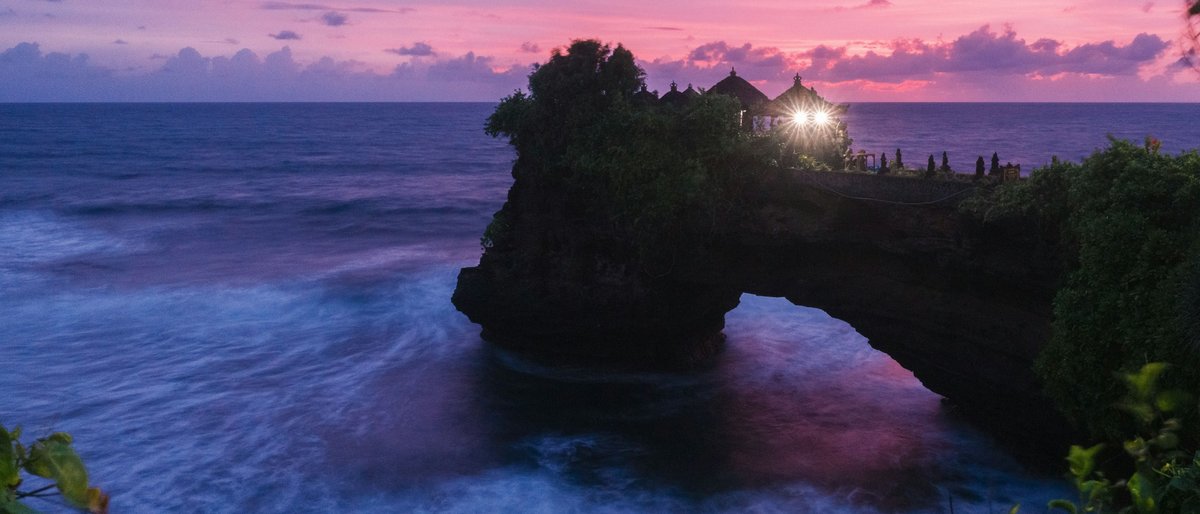
Bali isn't a city — it's an island about the size of Delaware, and that distinction matters when you're deciding where to base yourself. The southern tip is where most visitors end up, a dense sprawl of beach towns running from Kuta up through Seminyak and into Canggu along the west coast. These areas bleed into each other along Jalan Raya, the main coastal road, and the boundaries are honestly a bit fuzzy. Head inland about an hour and you reach Ubud, the cultural center, surrounded by rice terraces and river valleys. The Bukit Peninsula dangles off the south like an appendage — drier, hillier, home to the cliff-top surf breaks and luxury resorts. Over on the east coast, Sanur sits quietly doing its own thing, and if you keep driving northeast past Mount Agung, you'll find places like Amed and Sidemen that still feel like the Bali of twenty years ago. The traffic situation shapes everything here. What looks like a short distance on a map might take an hour on a scooter during peak times, so where you stay really does define your trip. Most first-timers underestimate this. Pick the wrong base and you'll spend half your holiday stuck behind a line of trucks on a single-lane road wondering where the great destination went.
Neighborhoods
-
Kuta
Kuta is loud, sticky, and relentless — and it knows it. The streets near Kuta Beach smell like sunscreen and clove cigarettes in roughly equal measure. Cheap warungs sit next to souvenir shops selling the same wooden cat carvings they've been selling since 1992. The beach itself is wide and the sunsets are legitimately good, but you'll be watching them alongside several hundred other people and a guy trying to sell you a sarong. The architecture is mostly low-rise concrete shophouses with hand-painted signs, though newer hotels keep sprouting up along the back streets. At night, the strip along Jalan Legian gets noisy with bars pumping out music until the early hours. It's scrappy, it's commercial, it's been the entry point for budget travelers for decades. To be fair, there's an honesty to Kuta — it doesn't pretend to be something it's not.
- Best for
- Budget travelers, first-time visitors who want proximity to the airport, surfers learning on gentle whitewash waves, and anyone who enjoys a rowdy night out
- Key streets
- Jalan Legian is the main drag running north-south, lined with bars, shops, and money changers. Jalan Pantai Kuta leads to the beach and the Kuta Beach memorial for the 2002 bombing. Poppies Lane 1 and Poppies Lane 2 are narrow gang (alleys) packed with cheap guesthouses, tattoo shops, and small restaurants — Poppies 2 tends to be slightly less chaotic.
-
Seminyak
Seminyak is what happens when Kuta grows up and gets a credit card. The streets are still congested — maybe worse, actually — but the shops sell linen clothing instead of Bintang singlets, and the restaurants have cocktail menus and design lighting. Jalan Kayu Aya, which everyone still calls Eat Street or Oberoi Road, is lined with places doing fusion food, and some of it is excellent. The beach here is broader and slightly less crowded than Kuta's, with beach clubs like Potato Head drawing a sundowner crowd that skews late-twenties to forties. You'll smell frangipani from the villa gardens mixed with motorbike exhaust, which is sort of the Seminyak experience in one breath. The side streets hide boutique hotels behind high walls covered in tropical plants. It's polished but not sterile — you're still in Bali, and the offerings at the corner temples still appear each morning.
- Best for
- Couples, food-focused travelers, anyone who wants nightlife options that extend beyond shot bars, and visitors who appreciate good design without needing a resort compound
- Key streets
- Jalan Kayu Aya (Eat Street) is the restaurant and boutique corridor. Jalan Petitenget runs north toward the temple of the same name — Pura Petitenget — and has become the fine-dining stretch with places like Sardine, Mama San, and Merah Putih clustered nearby. Jalan Drupadi has smaller cafes and some of the better vintage and homeware shopping.
-
Canggu
Canggu went from rice paddies to laptop great destination in about eight years, and the growing pains are visible. Half-built villas sit next to traditional family compounds. A smoothie bowl place opens next door to a grandmother's warung that's been there for forty years. The sound mix is roosters crowing, construction hammering, and lo-fi beats from yet another coworking cafe. That said, the energy is undeniable. The surf is better than Kuta — Echo Beach and Batu Bolong both have real waves — and the food scene has gotten interesting as young Indonesian and international chefs set up shop. The area spreads out more than the southern beach towns, so you'll want a scooter. Side roads are narrow, sometimes unpaved, and flood during rainy season. The sunsets from the black volcanic sand beaches are worth dealing with all of it.
- Best for
- Digital nomads, surfers, younger travelers who want a social scene without Kuta's chaos, and anyone comfortable on a scooter who doesn't mind rough roads
- Key streets
- Jalan Batu Bolong is the main artery and the social spine — cafes, surf shops, yoga studios, and a constant stream of scooters. Jalan Pantai Berawa runs toward Berawa Beach and has a cluster of beach clubs including Finn's. The Shortcut road connecting Canggu to Seminyak (Jalan Batu Mejan) passes through a stretch of rice paddies that still somehow survives.
-
Ubud
Ubud sits in the interior, about an hour north of the coast depending on traffic — and traffic through Ubud can be brutal, around the central market area. The town is split between the tourist core around Jalan Monkey Forest and the quieter surrounding villages like Penestanan, Campuhan, and Mas, which each have their own distinct feel. The central streets smell like incense and damp stone in the morning. Monkey Forest sanctuary anchors the south end, and the market dominates the north. Between them, you'll find galleries showing local painters alongside restaurants serving raw food to yoga retreat groups. The architecture is more traditional than the coast — carved stone gates, family temples behind every compound, and an aesthetic that actually feels Balinese rather than international resort. The sound at night is frogs and insects, not bass drops. Mind you, central Ubud gets crowded midday when the tour buses arrive from the coast.
- Best for
- Culture-oriented travelers, yoga and wellness seekers, anyone wanting to see rice terraces and temple ceremonies, couples looking for something quieter than the coast, and artists or writers wanting an extended stay
- Key streets
- Jalan Monkey Forest is the main tourist corridor running south to the sanctuary. Jalan Raya Ubud is the east-west road through the center, home to the Ubud Palace and the market. The Campuhan Ridge Walk starts near the Ibah hotel and follows a narrow path between two river valleys through tall grass — it's beautiful at sunrise when the mist is still low. Jalan Hanoman, parallel to Monkey Forest road, has a mellower cafe scene.
-
Sanur
Sanur is the east coast's answer to all the noise on the west side, and it takes a certain kind of traveler to appreciate it. The main beach promenade runs for several kilometers along a calm, reef-protected shoreline — the water is flat, shallow at low tide, and warm enough that you forget you're in it. The town has a sleepy, slightly dated feel. Hotels from the 1980s sit alongside newer boutique places, and the restaurant scene is decent without being trendy. Jalan Danau Tamblingan, the main strip, has enough bars and restaurants to keep you busy for a few evenings but nobody's queuing to get in. The mornings here are the thing — sunrise over the water, fishermen heading out in jukung boats, and the promenade full of joggers and locals doing tai chi. It smells like salt water and jasmine from the temple offerings. The pace is noticeably slower than anywhere on the west coast.
- Best for
- Families with small children who need calm water, older travelers who prefer quiet evenings, divers using Sanur as a base for trips to Nusa Penida and Nusa Lembongan, and anyone who's been to Bali before and wants to decompress
- Key streets
- Jalan Danau Tamblingan is the main commercial street running parallel to the beach, with restaurants, small hotels, and shops. The beachfront promenade stretches from the Inna Grand Bali Beach Hotel in the north to the Mertasari area in the south — it's flat and paved, good for cycling. Jalan Hang Tuah leads to the boat harbor for fast boats to the Nusa islands.
-
Uluwatu and the Bukit Peninsula
The Bukit is Bali's southern appendage, a limestone plateau that rises up from the coast in dramatic cliffs. It's drier and less tropical than the rest of the island — more scrubby bush than palm trees. The surf breaks here are legendary: Padang Padang, Bingin, Impossibles, and the reef at Uluwatu itself, which you access by climbing down a cave in the cliff face. The area used to be nothing but warungs on cliff edges and basic surfer accommodation, and some of that still survives at spots like Bingin. But the Bukit has also become the luxury end of Bali, with resorts and private villas perched on the cliffs offering Indian Ocean views that are hard to argue with. Pura Luhur Uluwatu, the sea temple, sits on the western tip and is worth seeing at sunset for the kecak fire dance performance, though the monkeys there are aggressive thieves — they will take your sunglasses. The wind picks up in the afternoon and you can taste the salt on your lips from the spray below.
- Best for
- Serious surfers chasing excellent reef breaks, couples wanting dramatic cliff-top settings, honeymooners willing to pay for views, and anyone who prefers dry heat to humidity
- Key streets
- Jalan Pantai Padang Padang winds down to the famous beach through a crack in the rock. Jalan Labuan Sait connects the main Bukit area to the cliff bars and Single Fin, which has become the sunset-drinks institution down here. The road to Bingin Beach involves a steep descent past warungs and guesthouses clinging to the hillside.
-
Jimbaran
Jimbaran occupies the neck of the Bukit Peninsula, just south of the airport. The bay here creates a wide, gently curved beach that catches the sunset well. It's become famous for the seafood warungs that line the sand — rows of tables with candles and fresh-grilled fish, though the experience has gotten more commercial and pricier than it once was. Behind the beach, Jimbaran village itself is still fairly traditional, with a morning fish market at the northern end that starts before dawn. The architecture is a mix of the old fishing village and newer resort development, including the big-name chains like Four Seasons and InterContinental on the hillside above. The air smells like charcoal and grilled fish most evenings. It's quieter than Seminyak or Canggu, more accessible than the Bukit, and is a decent middle ground.
- Best for
- Seafood lovers, families wanting beach access without the party scene, travelers who want to be near the airport without staying in Kuta, and visitors splitting time between the south coast and the Bukit
- Key streets
- Jalan Four Seasons (Jalan Bukit Permai) leads up to the resort area and has views over the bay. The fish market is at the northern end of Jalan Pantai Jimbaran near the Kedonganan area. The beachfront warung strip runs along the central and southern sections of the bay.
-
Nusa Dua
Nusa Dua is Bali's most controlled environment — a gated resort complex on the eastern side of the Bukit Peninsula where the roads are wide, the hedges are trimmed, and everything runs on schedule. It was purpose-built in the 1970s as a tourism development zone, and it still feels engineered rather than organic. The beaches are maintained, the water is calm and clear, and the grounds connecting the resorts are landscaped with sculptures and walking paths. It's the opposite of Canggu in every possible way. Some people find it sterile. Others find it a relief, with kids. The food options inside the complex skew toward hotel restaurants, which are fine but expensive — you'll want to venture outside the gates for anything with local character. The Pasifika Museum inside the complex has a surprisingly good collection of Pacific and Asian art that most visitors walk right past.
- Best for
- Families with young children wanting calm beaches and resort amenities, conference attendees, travelers who prefer predictability over discovery, and anyone recovering from sensory overload elsewhere on the island
- Key streets
- The main boulevard through the BTDC complex connects the major resorts. Geger Beach, at the southern end, is less resort-dominated and has a few independent warungs on the sand. Outside the gates, Jalan Pratama in Tanjung Benoa has water sports operators and more affordable restaurants.
-
Amed
Amed is technically a string of fishing villages along the northeast coast, about three hours from the airport if the roads cooperate. The landscape is stark — Mount Agung looming behind you, dry hills, and black volcanic sand beaches dropping into deep blue water. It's the Bali that people describe when they talk about how things were before development consumed the south. The diving and snorkeling here is some of the best on the island, with the Japanese shipwreck at the Amed wall and the USS Liberty wreck at nearby Tulamben drawing divers from everywhere. The pace is slow. Restaurants close by 10pm. The sound at night is waves and not much else. Accommodation ranges from basic beach bungalows to a handful of nicer boutique places, but nothing approaches resort scale. You'll taste the salt in the air constantly, and the morning light hitting Agung's slopes through the haze is the kind of thing that stops you mid-step.
- Best for
- Divers and snorkelers, travelers seeking genuine quiet, anyone wanting to escape the southern tourist belt entirely, and visitors who don't mind limited nightlife and restaurant options in exchange for peace
- Key streets
- The single coastal road — Jalan Raya Amed — runs along the coast connecting the villages of Amed, Jemeluk, Bunutan, and Lipah. Jemeluk Bay has the best snorkeling access right from shore. The road to Tulamben continues east for the Liberty wreck dive site.
FAQ
How do I decide between staying on the west coast versus Ubud?
It depends on what you want your daily rhythm to look like. The west coast — Seminyak, Canggu, Kuta — gives you beach access, nightlife, and a social scene. Ubud gives you rice terraces, temples, and cultural immersion. Most trips of a week or longer split time between both, spending three or four nights at each. The drive between them is roughly an hour without traffic, closer to ninety minutes during peak times. If you only have five days and want beach plus culture, Canggu is probably your best compromise — it has surf beaches and is closer to Ubud than the southern towns.
Is it safe to rent a scooter in Bali?
Scooters are the primary way to get around, and you'll see everyone from grandmothers to toddlers riding them. That said, the traffic in southern Bali is intense — narrow roads, no sidewalks, dogs wandering into traffic, and local driving norms that take adjustment. If you've ridden motorbikes before, you'll likely adapt within a day or two. If you haven't, Sanur and Nusa Dua are calm enough to learn, but Canggu and Seminyak during rush hour can rattle even experienced riders. An international driving permit is technically required. Wear a helmet, don't drive at night if you can avoid it, and watch the road surface — potholes appear without warning.
What's the best area for families with young children?
Sanur and Nusa Dua are the most family-suited areas. Both have calm, shallow water — the reef protection means minimal waves. Sanur has a paved beachfront promenade that works well with strollers, and the overall pace is relaxed. Nusa Dua has resort infrastructure — kids' clubs, pools, maintained beaches — but less local character. Jimbaran splits the difference with a real beach town feel and gentle water. Canggu and Uluwatu both have strong currents and waves that make them less good for small children at the water.
How far apart are these areas, and how long does travel between them actually take?
Distances in Bali are misleading because the roads are narrow and traffic in the south can be severe, between 8-10am and 4-7pm. Kuta to Seminyak is about 20 minutes. Seminyak to Canggu is 20-40 minutes depending on the route. The south coast to Ubud runs 60-90 minutes. Sanur to the airport is 30-45 minutes. Getting to Amed from the airport takes a solid three hours. Ride-hailing apps like Grab and Gojek work well in the south but coverage drops sharply north of Ubud. For longer trips, hiring a driver for the day — typically 600,000-800,000 rupiah — is common and often the least stressful option.
When is the best time of year to visit, and does it affect where I should stay?
Dry season runs roughly April through October, with June to September being the peak. Wet season — November through March — brings afternoon downpours that can be heavy but usually pass within an hour or two. The south and the Bukit Peninsula stay drier year-round. Ubud and the interior get more rain and cooler temperatures, in the evenings — you might actually want a light layer in December or January. Canggu's roads flood during heavy rain, which is worth knowing if you're there in wet season. Amed and the northeast are in Agung's rain shadow and tend to be drier than the rest of the island year-round.
Are there neighborhoods to avoid or that are overhyped?
Nothing in Bali is dangerous in the way that some cities have no-go zones, but some areas might not match your expectations. Kuta can feel overwhelming and seedy, at night around Jalan Legian — it's fine, just loud and heavily commercial. Nusa Dua might disappoint if you came to Bali for cultural immersion, since it's essentially a self-contained resort bubble. Parts of Canggu are developing so fast that what someone recommended a year ago might now be a construction site with a smoothie bowl shop next to it. Tanjung Benoa, just north of Nusa Dua, is often sold as a beach destination but is primarily a water sports staging area rather than a place you'd want to stay.
Last verified by automated review (v1.7.1) on May 26, 2026. What is automated review?