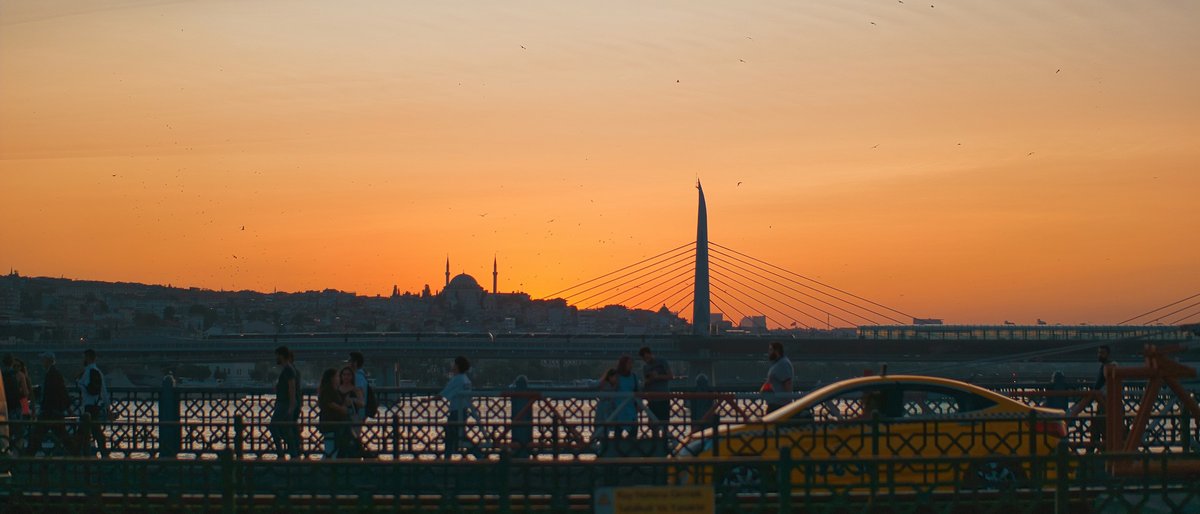
Istanbul is the only city on earth built across two continents, with the Bosphorus strait running a narrow blue line between its European and Asian halves. That geographic fact shapes everything a first-time visitor encounters: the ferry commute from Kadıköy to Eminönü that fifteen million residents treat as routine, the way the light shifts when you cross from the dense commercial hills of Beyoğlu to the quieter residential streets of Üsküdar, the constant presence of water in a city that might otherwise feel landlocked by its own mass. The historical layering is literal: you can stand in the Basilica Cistern, built by Justinian in 532, then walk ten minutes to the Grand Bazaar, which has operated as a covered market since 1461, then climb to Süleymaniye Mosque, completed in 1557, and at no point does the city feel like a museum because all of these places are still in daily functional use. A typical first day anchors in Sultanahmet, where the density of Ottoman and Byzantine architecture is highest, but the neighbourhood most visitors eventually prefer is Karaköy, where converted warehouse cafés sit alongside hardware shops that have not changed in forty years, or Balat, where painted wooden houses along the old Greek and Jewish quarters now draw a younger crowd without having lost their elderly regulars. Breakfast matters more here than in most cities: a full Turkish breakfast, spread across a dozen small plates of cheese, olives, honey, clotted cream, and eggs, can last two hours and functions as both meal and social event. The evening equivalent is a meyhane table in Asmalımescit, where rakı and meze arrive in waves and the only sensible plan is to have no plan at all. Istanbul does not reward rushing; it rewards sitting still long enough to notice what changes around you.
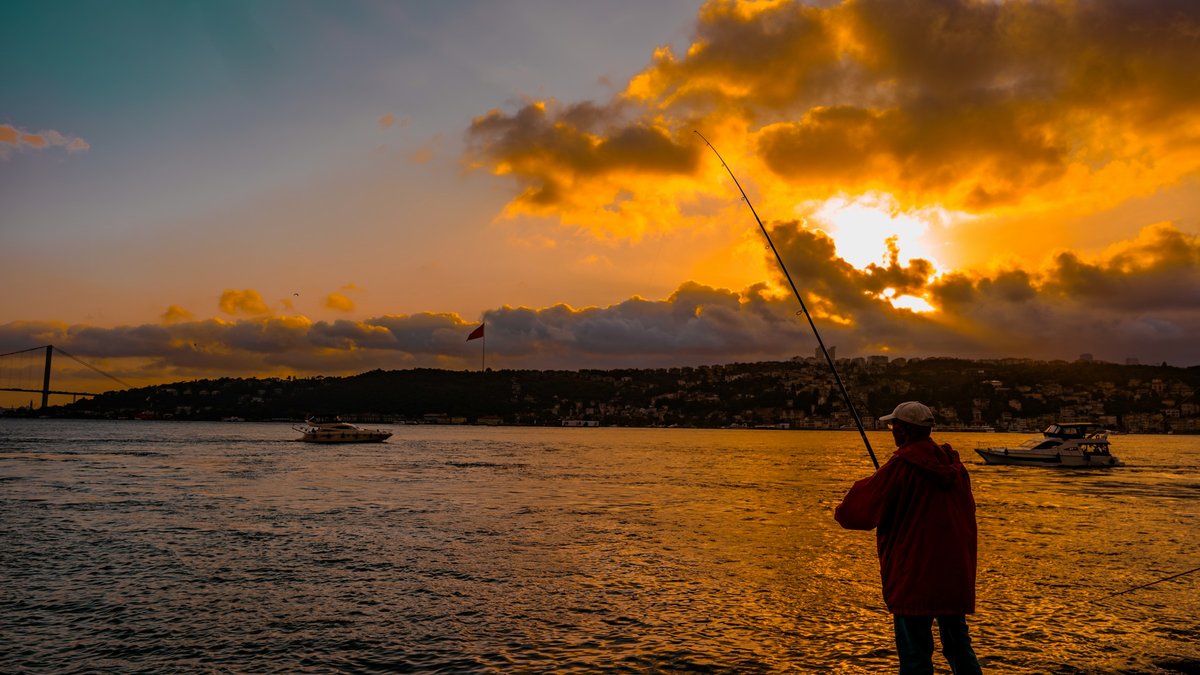
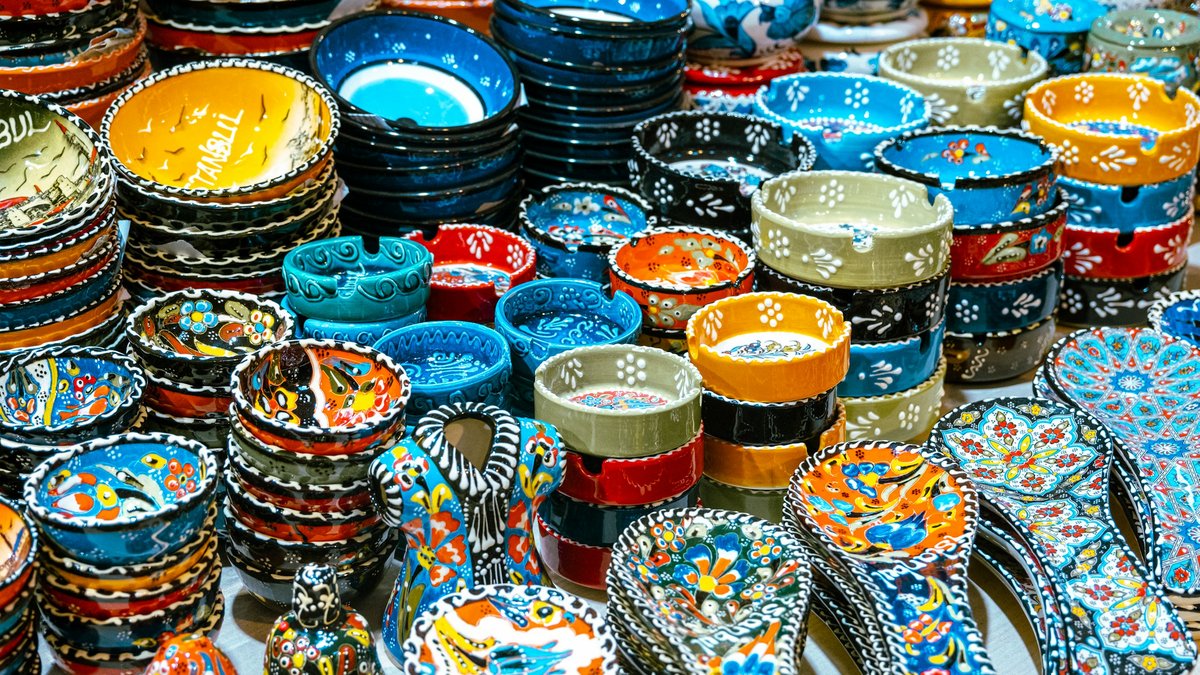
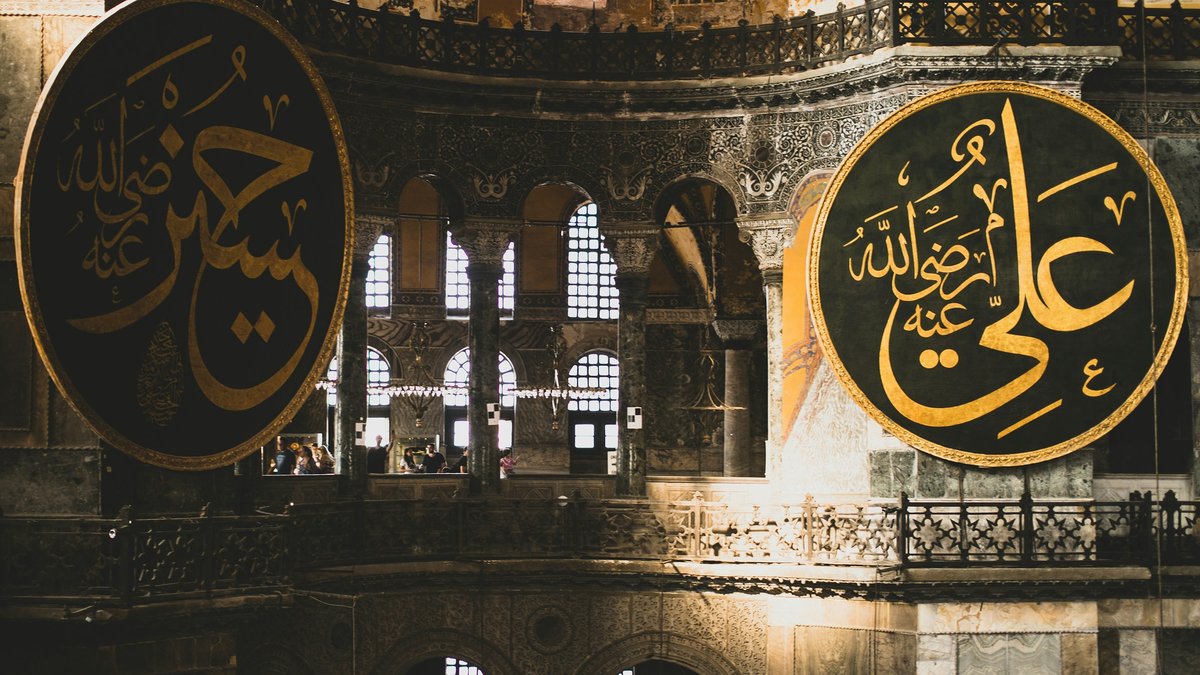
Istanbul in photos
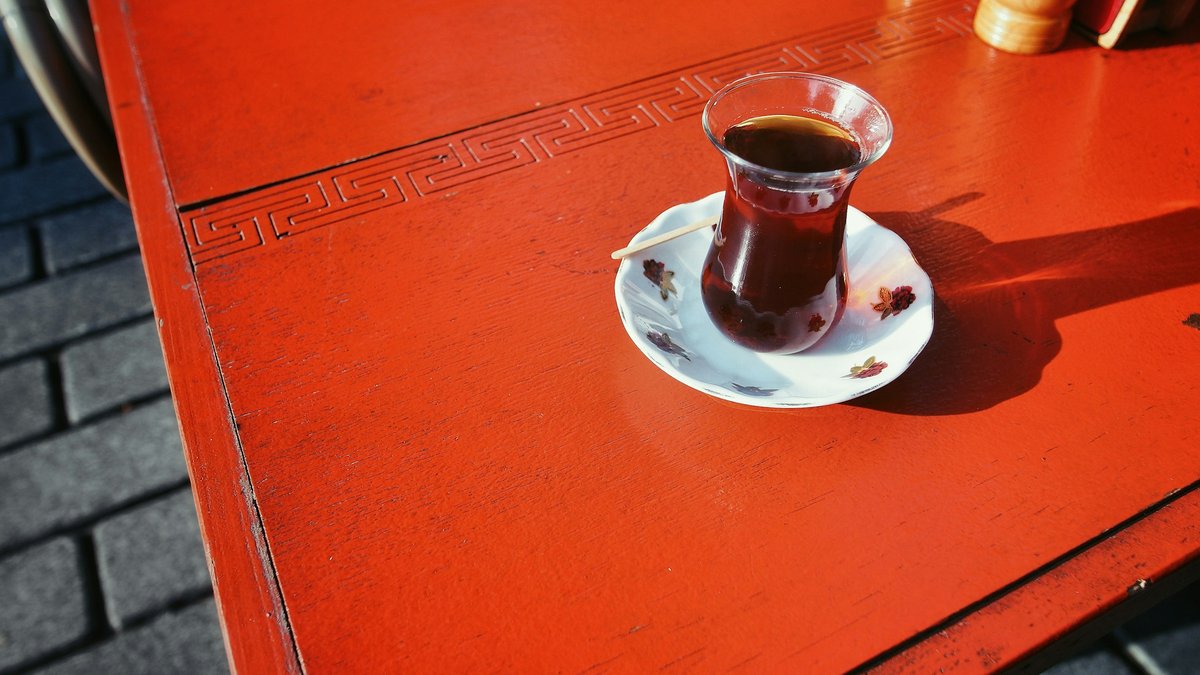
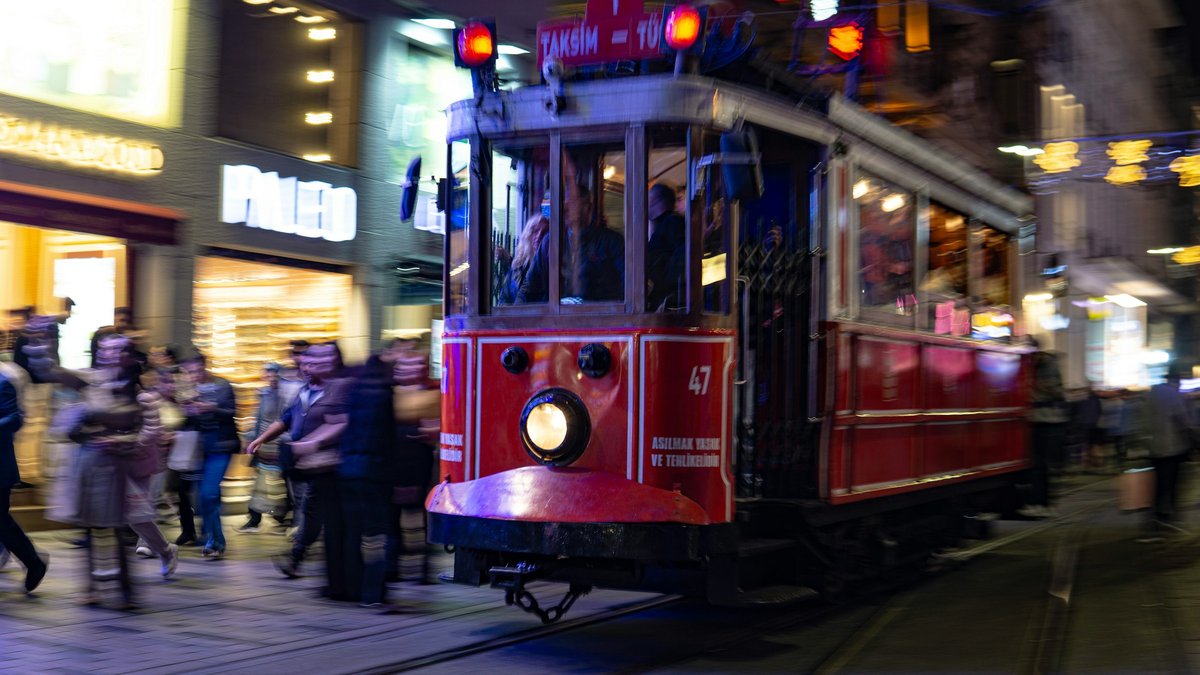
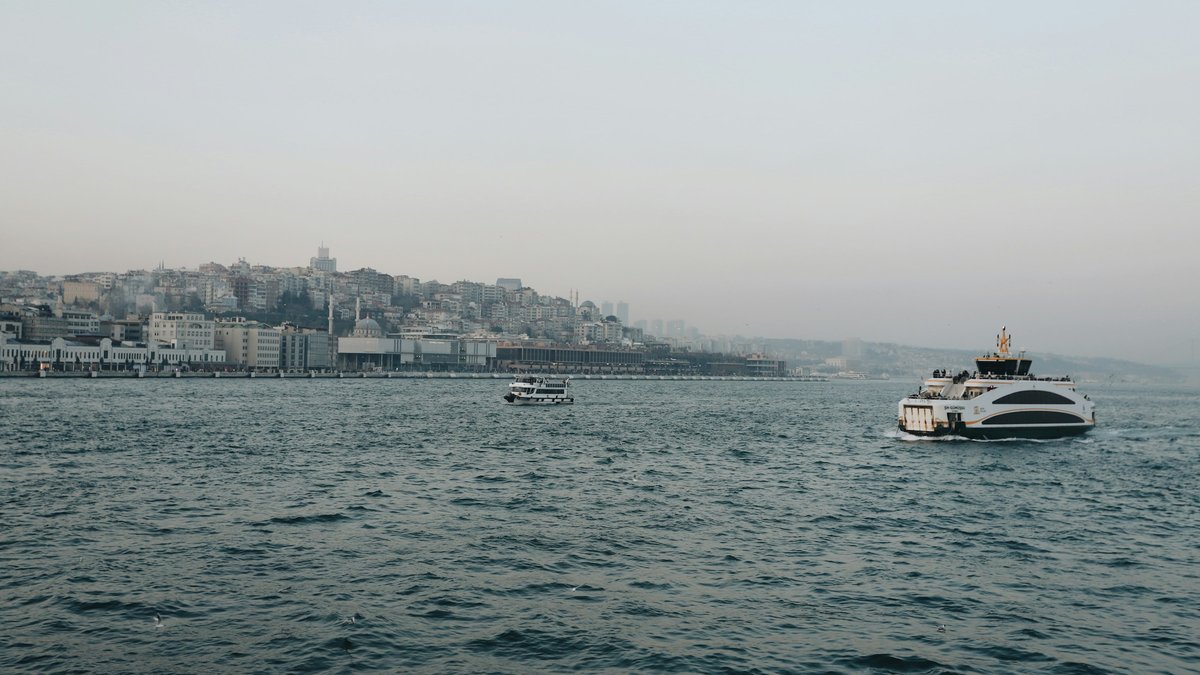
Istanbul right now
Answers about Istanbul
-
Airport to city
From Istanbul Airport (IST), take the M11 metro to Gayrettepe, then transfer to the M2 for Taksim. About 50 minutes total, under 30 TRY with an Istanbulkart. Buy the transit card from vending machines in the arrivals hall. After midnight, Havaist shuttle buses run to Taksim hourly for 140 TRY.
Read the full answer → -
Best time to visit
Go mid-April to May or mid-September to October: Istanbul highs sit between about 18 and 25°C through those months, the Bosphorus ferry decks are comfortable, and the tulips in Emirgan Park peak in April. Skip July and August, when Sultanahmet queues and humidity are at their worst, and January to February, when cold rain and the poyraz wind set in.
Read the full answer → -
Cost per day
Istanbul runs about $30/day on a tight budget (hostel dorm, street food, Istanbulkart transit), $90/day midrange (three-star in Beyoğlu, sit-down meals, two paid museums), or $300+ for five-star Bosphorus-view hotels and private airport transfers. The lira at 47.35 to the dollar currently works hard in your favor.
Read the full answer → -
Cultural etiquette
Remove shoes at every mosque entrance: the single mistake Istanbul visitors make most. Cover knees and shoulders inside; women need a headscarf (loaners available at Sultanahmet and Süleymaniye). Greet everyone with 'Merhaba' before asking anything. Accept offered tea: refusing reads as rude. Tip 5-10% at restaurants. Never criticize Atatürk; it's a criminal offence, not just a social faux pas.
Read the full answer → -
Best day trips
Büyükada tops the list: a 90-minute ferry from Kabataş to a car-free island with pine-shaded bike loops and hilltop fish restaurants. Bursa works if one of you wants İskender kebab at the original shop while the other photographs Sinan's Green Mosque. Yalova's Ottoman thermal baths are the couples' pick.
Read the full answer → -
Digital nomads
Istanbul scores 6.5/10 for digital-nomad suitability (sourced from TTDI's editorial rubric). Fiber internet runs 100-200 Mbps in newer Kadıköy and Cihangir apartments, coworking hot desks start at 4,500 TRY ($96/month) at Kolektif House, and a single nomad's all-in monthly budget sits near $1,500. The 90-day e-visa cap and lack of a dedicated remote-work visa prevent the score from going higher.
Read the full answer → -
Family-friendly
Istanbul is family-friendly: 7/10. Ferries, street cats, and Miniaturk keep kids happy, and restaurant staff tend to dote on children. Main caveat: steep hills and cobblestones make strollers miserable in Sultanahmet and Beyoğlu. Metro elevators exist but work inconsistently. Kid food is easy: plain rice, grilled chicken, and fresh-squeezed juice on every block.
Read the full answer → -
Food culture
Istanbul's food operates on a geography-first principle: what you eat depends on which shore you're standing on. Breakfast is a two-hour ritual of cheese, honey, and eggs cooked in copper. Street vendors sell simit, kokoreç, and fish sandwiches at prices that still feel unreal. The meyhane dinner, with rakı and shared meze plates, is how the city socializes.
Read the full answer → -
Getting around
İstanbulkart loaded with 200 TRY handles three days of tram, metro, ferry, and bus. The T1 tram covers Sultanahmet to Karaköy; ferries cross the Bosphorus for the same tap. BiTaksi for taxis, never flag one down without it. Walkable within neighborhoods, but the hills between them will remind you.
Read the full answer → -
How to get there
Istanbul Airport (IST), 35 km northwest of the city center, is Turkish Airlines' global hub with nonstop service from JFK, LHR, and 300+ other cities. Sabiha Gökçen (SAW) on the Asian side handles Pegasus and European budget carriers. From the US East Coast, direct flights run 10-11 hours at $600-1,200 round-trip; from London, 3.5 hours at £200-450.
Read the full answer → -
Is it safe?
Istanbul is safe enough for a solo trip, and TTDI scores its solo-traveler safety at 6/10 (see the TTDI Solo-Safety Index). Violent crime against visitors is rare, but the real costs come from taxi overcharging, the Beyoğlu bar-bill scam, pickpockets on the T1 tram, counterfeit rakı, and an earthquake risk from the North Anatolian Fault that no itinerary can remove.
Read the full answer → -
Language basics
Turkish: written in Latin script since 1928, so you can sound out signs and menus even without understanding them. English in tourist zones like Sultanahmet and Beyoğlu runs about 5/10: hotel desks and carpet shops are fluent, but taxi drivers, neighborhood restaurants, and ferry staff mostly aren't. Learn 'teşekkürler' (thanks) and 'hesap' (the bill): those two words handle most daily interactions.
Read the full answer → -
Layover guide
Yes, with 7 or more hours between flights at Istanbul Airport. The M11 metro plus T1 tram reaches Sultanahmet in roughly 85 minutes. Turkish Airlines passengers connecting on TK tickets can book a free Touristanbul guided city loop at the hotel desk in international arrivals before clearing immigration.
Read the full answer → -
LGBTQ-friendly
Istanbul scores 3/10 for LGBTQ+ friendliness (sourced from TTDI's editorial rubric). Homosexuality has been legal since Ottoman times, but Turkey offers no partnership recognition or anti-discrimination protections. A queer scene operates in Beyoğlu near Taksim Square, though it has contracted since Pride was banned. Same-sex couples should read neighborhoods carefully and stick to progressive districts.
Read the full answer → -
Where locals go
Locals in Istanbul spend their evenings on the Asian side far more than the European one: sit on the Moda seawall in Kadıköy at sunset, stock up at the Tuesday market in Hasanpaşa, drink tea at Salacak facing Kız Kulesi, and eat Sunday breakfast on Şair Nefi Sokak in Beşiktaş. For laptop mornings, Cihangir's roasters and Rami Kütüphanesi beat the Sultanahmet cafes.
Read the full answer → -
Must-see
Hagia Sophia. Not the Blue Mosque across the square. The dome sits 56 metres above you, and Byzantine mosaics still bleed through Islamic calligraphy on the same walls. Free entry since it reverted to a mosque in 2020. No reservation needed. Go at opening, before tour groups fill the nave.
Read the full answer → -
Solo travel
Istanbul has the best solo-dining culture of any major Mediterranean city. Turkish lokantas mean nobody asks 'how many?' You point at steam-tray dishes and sit where you like. The Istanbulkart covers every ferry, tram, and metro on a single tap. Beyoğlu's bar scam is the main risk to manage, but it's avoidable with basic awareness.
Read the full answer → -
This week
Istanbul this week runs on summer heat and prayer schedules. The Grand Bazaar closes Sundays. Topkapı Palace closes Tuesdays. Friday midday prayers close major mosques to tourists for roughly 90 minutes. Evenings cool along the Bosphorus, where bars in Karaköy and Beyoğlu fill by 8pm. The Soundscape Festival runs this weekend at Life Park.
Read the full answer → -
3-day itinerary
Day 1 stays in Sultanahmet: Hagia Sophia at 8:30 AM, Topkapı Palace after lunch, Grand Bazaar before close. Day 2 crosses the Golden Horn to Beyoğlu: Galata Tower early, İstiklal Caddesi on foot, dinner in Asmalımescit. Day 3 ferries to Kadıköy on the Asian side for the produce market and Çiya Sofrası, returning via Galata Bridge at sunset. About 30 kilometres total.
Read the full answer → -
What to avoid
Skip the shoe-shine drop near Galata Bridge, the 'friendly local' bar invitation in Beyoğlu, and any Sultanahmet restaurant with a photo menu and a barker outside. Taxi meters get toggled to night rate in daylight. Use Istanbul's İstanbulkart on ferries and trams instead. The Spice Bazaar's front-row stalls charge 3× what deeper vendors ask for identical spices.
Read the full answer → -
What to pack
A headscarf and knee-covering layers for mosque visits: the Blue Mosque hands out loaners but the queue costs you twenty minutes in peak season. Pack slip-on shoes (you remove them at every mosque entrance), broken-in walking shoes for steep cobblestone hills, and a windproof layer for the Bosphorus gusts that cut through everything from October to April.
Read the full answer → -
Where to stay
Beyoğlu, around the Galata Tower and down toward Karaköy, for a first trip. You're on the T1 tram line, ten minutes from Sultanahmet's mosques, surrounded by rooftop restaurants where the Bosphorus glints between buildings. Budget $80–150 mid-range, $40–70 in Fatih if you need to economize. Sultanahmet works but you'll pay a tourist premium for everything in its orbit.
Read the full answer →
Deep guides for Istanbul
-
Best Time to Visit Istanbul, by Season
Istanbul's temperature swings from February's 3.7°C lows to July's 30.2°C highs: a 26-degree range that creates wildly different cities depending on when you arrive. Here is the honest trade-off for each season, built from the actual monthly numbers, with a single best window named for each kind of traveller.
Read the guide → -
Istanbul Restaurants: What's Worth It
The splurge tier starts at a 07:30 fish terrace in Cankurtaran and ends at a 01:00 grill in Laleli. The workaday tier feeds the neighbourhood from a kuzu çevirme kitchen to a Greek-Turkish meze table. Twelve Istanbul restaurants, two tiers, each verdict built from the curated food list.
Read the guide →
Curated lists for Istanbul
accommodation
-
Best boutique hotels
Istanbul splits across two continents and its accommodation map splits just as sharply. The European bank stacks history, nightlife, and foot traffic into walkable quarters where a tram ride connects the Byzantine core to the Beyoğlu hill. The Asian side trades monument density for residential calm, ferry commutes, and lower nightly rates for equivalent room quality. Between them, the Bosphorus shoreline strings a few resort-pace neighborhoods where the water view is the product. The range runs from the café-lined streets of Kadıköy to the dockside quays of Karaköy, and the price tiers overlap more than the geography suggests: a mid-range room in Fatih near the Blue Mosque can run cheaper than its equivalent in Beşiktaş, and an Asian-side airport hotel scores higher than several European-bank competitors. The question is not which hotel, but which walking radius matches the trip you are taking: the monument corridor, the nightlife hill, the ferry-commute calm, or the waterfront retreat.
See the picks → -
Best hostels
Istanbul splits across two continents and its neighborhoods split just as sharply for the traveler deciding where to sleep. The Bosphorus is the dividing line: European Istanbul holds the historic peninsula, the commercial spine of Beyoğlu, and the waterfront quarters where ferries dock and fishermen cast lines at dawn, while the Asian side offers quieter residential streets and easier access to Sabiha Gökçen. For budget travelers searching for hostel-tier beds, the question is not whether Istanbul has cheap rooms but which cheap room puts you within walking distance of the sights you came for. Sultanahmet clusters around the mosques and museums. Taksim and its surrounding streets own the nightlife and the İstiklal pedestrian corridor. Karaköy and Kadıköy trade on waterfront character and ferry connections. The outer districts near the airports serve a specific purpose: sleep before a flight, nothing more. Price differences between neighborhoods are stark, from $29 a night in Fatih to $75 in Kadıköy, and the gap is not about quality. It is about what you trade for the location. This guide maps 10 neighborhoods by what surrounds the bed, not just what is in the room.
See the picks → -
Best luxury hotels
Istanbul's luxury hotels scatter across neighborhoods that share little besides a postal code, and choosing between them is a question of geography as much as taste. The twelve properties on this list hold luxury-tier classifications on Trip.com, with guest ratings from 8.8 to 9.5 and nightly rates from USD 209 to USD 398. Several carry indoor pools, hammams, and tennis courts; others put their investment into executive lounges, nightclubs, and rooftop restaurants. The old-city listings deliver proximity to the historical core; the rest trade monument access for recreation space and commercial energy. Each paragraph below earns its slot with sourced detail specific to that property, because the right luxury hotel in Istanbul is the one that matches the kind of stay you came for.
See the picks → -
Where to stay
Istanbul splits across two continents, and where you sleep determines which city you wake up in. The European bank runs from the Sultanahmet waterfront north through the steep lanes of Pera and Karakoy to the Bosphorus-front towers of Besiktas; the Asian side trades monuments for ferry commutes and quieter residential streets. Price tiers shift block by block: a $29 room in Fatih sits fifteen minutes on foot from a $257 suite beside the Hagia Sophia, and neither is the wrong choice if the neighborhood fits. Taksim's Istiklal corridor anchors the densest hotel cluster, but the pedestrian crush thins fast once you cross into the consulate streets south of the square. The city's tram and metro lines make the center compact enough that most travelers can choose a neighborhood by feel, not transit logistics. What matters more is the character of your particular street after dark, whether the call to prayer from the nearest minaret wakes you at dawn, and how far you walk for breakfast that is not a hotel buffet. These ten areas, ranked by inventory depth, cover the full span from airport-adjacent layover rooms to converted Ottoman mansions on the water.
See the picks →
attractions
-
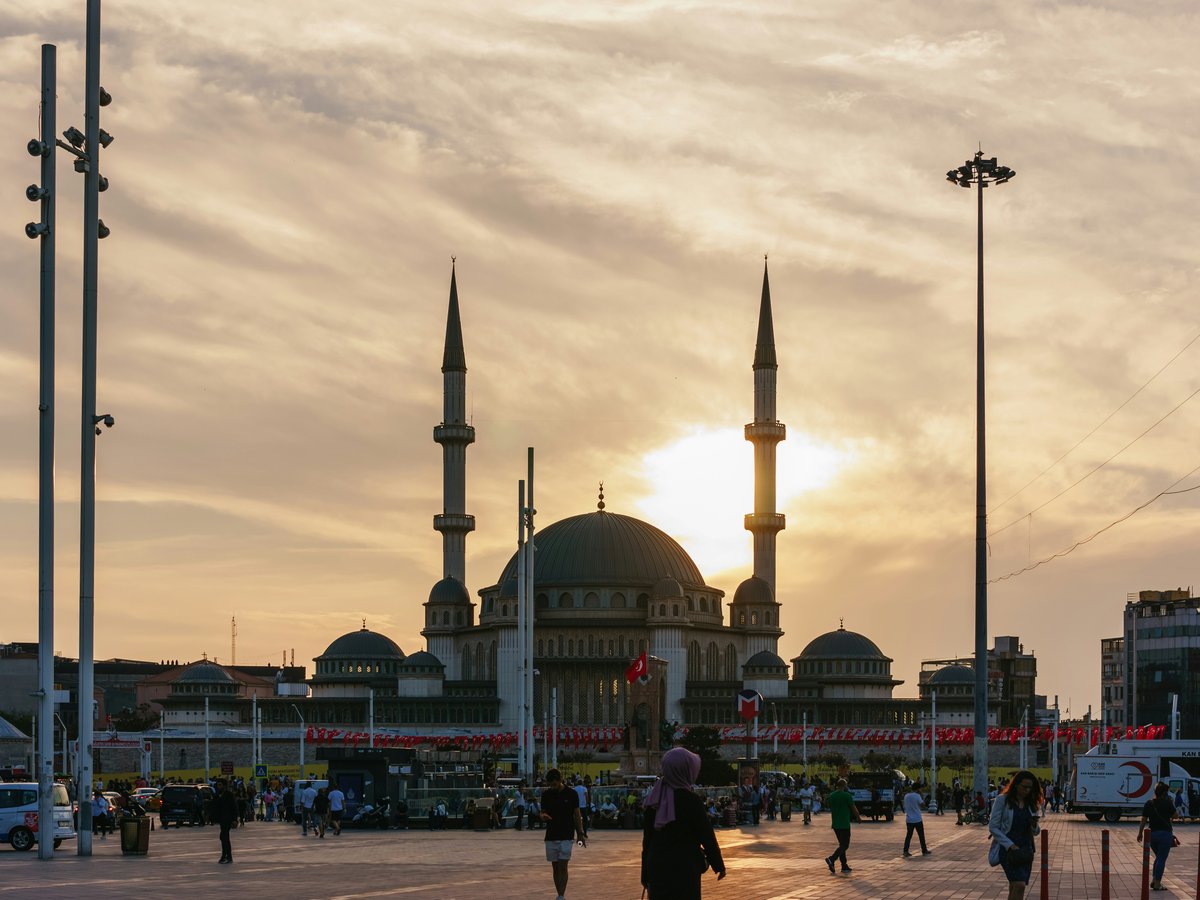
Best free attractions
Free Istanbul is not a consolation prize; it is the city arguing for itself in daylight. What follows are 12 addresses you can walk into without a ticket: parks that thread the Bosphorus, squares that have been squares since Constantinople, a miniature-scale reading of the country in one waterfront lot. None of them ask for a lira. Skip the ticketed queues that swallow half a morning; the free layer is where Istanbul behaves like Istanbul, where the retirees play backgammon, where the tulips come up in April, where a Byzantine forum sits under a tram line and nobody makes a fuss about it. This list is sequenced for a visitor who wants to read the city as a text rather than tick monuments off a checklist. Each entry is anchored to its Wikidata record and its coordinates on the map, so you can plot a day around them without guessing which Gülhane or which Taksim the guidebook meant. Bring a transit card, a bottle of water, and shoes that forgive cobbles.
See the picks → -
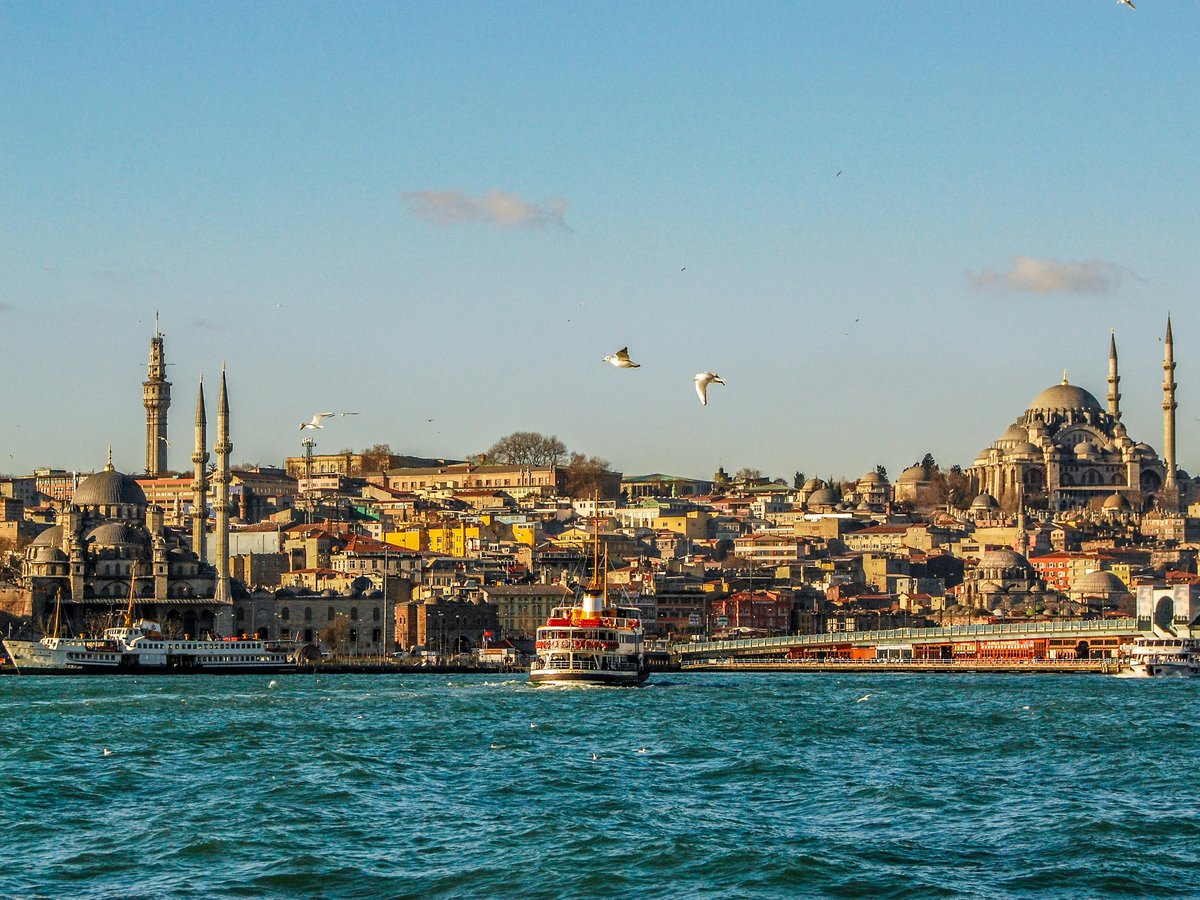
Best museums
Istanbul's best museums are mostly buildings first and collections second. The dates on this list run from AD 532 at Hagia Sophia and 1460 at Topkapı Palace all the way to 2003 at İstanbul Modern and 2012 at The Museum of Innocence, and that spread is what makes the city worth a museum-led trip: you can stand inside a palace museum in the morning, climb a tower dated to 1349 after lunch, and finish among contemporary art before dinner. This list is for visitors who would rather see fewer places properly than tick off a crowded loop. Opening days matter more here than in most cities, because Topkapı skips Tuesday, Rumeli Hisarı skips Wednesday, and several others stay shut on Monday. Plan the week around the doors, not the map. The order below mixes the obvious giants with smaller rooms that repay the detour, and each entry tells you when to arrive.
See the picks → -
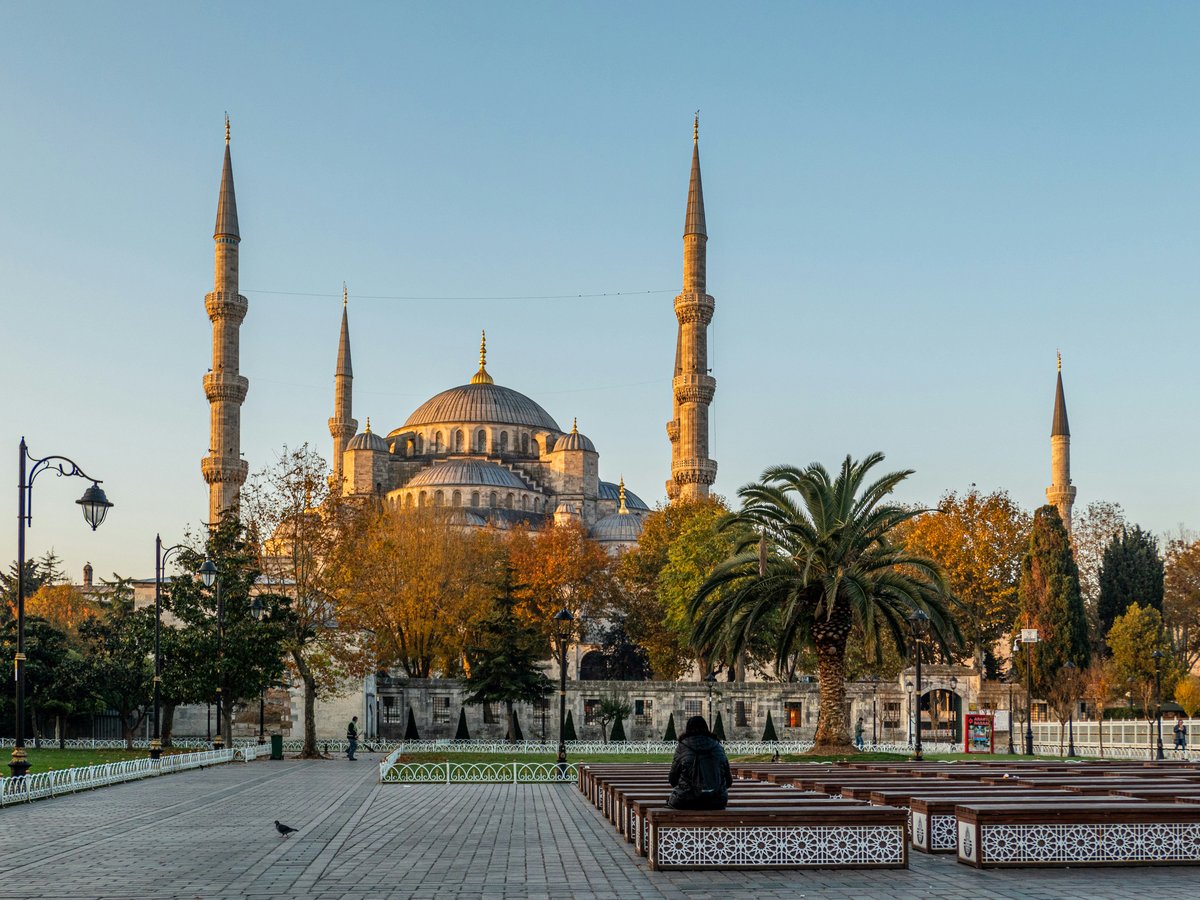
Must-see attractions
Istanbul's essential sights span more than a thousand years, and the dates are the first thing to absorb. This list opens with a mosque, museum and former church from AD 532, passes a lighthouse from 1110 and a historical tower from 1349, and ends at a food market from 1660. Several are part of UNESCO World Heritage Sites, and all of them are still in use, which is what changes how you plan. A palace museum that shuts on Tuesday, a mosque whose visiting hours come in three separate windows, a bazaar that keeps Sunday free: go by instinct and you will spend your time on the steps rather than inside. We put this list together for first-timers who want the big names done properly and for repeat visitors who want reasons to go back. Read the hours before the history. In this city, timing is what decides whether you get the building or the queue.
See the picks →
food
-
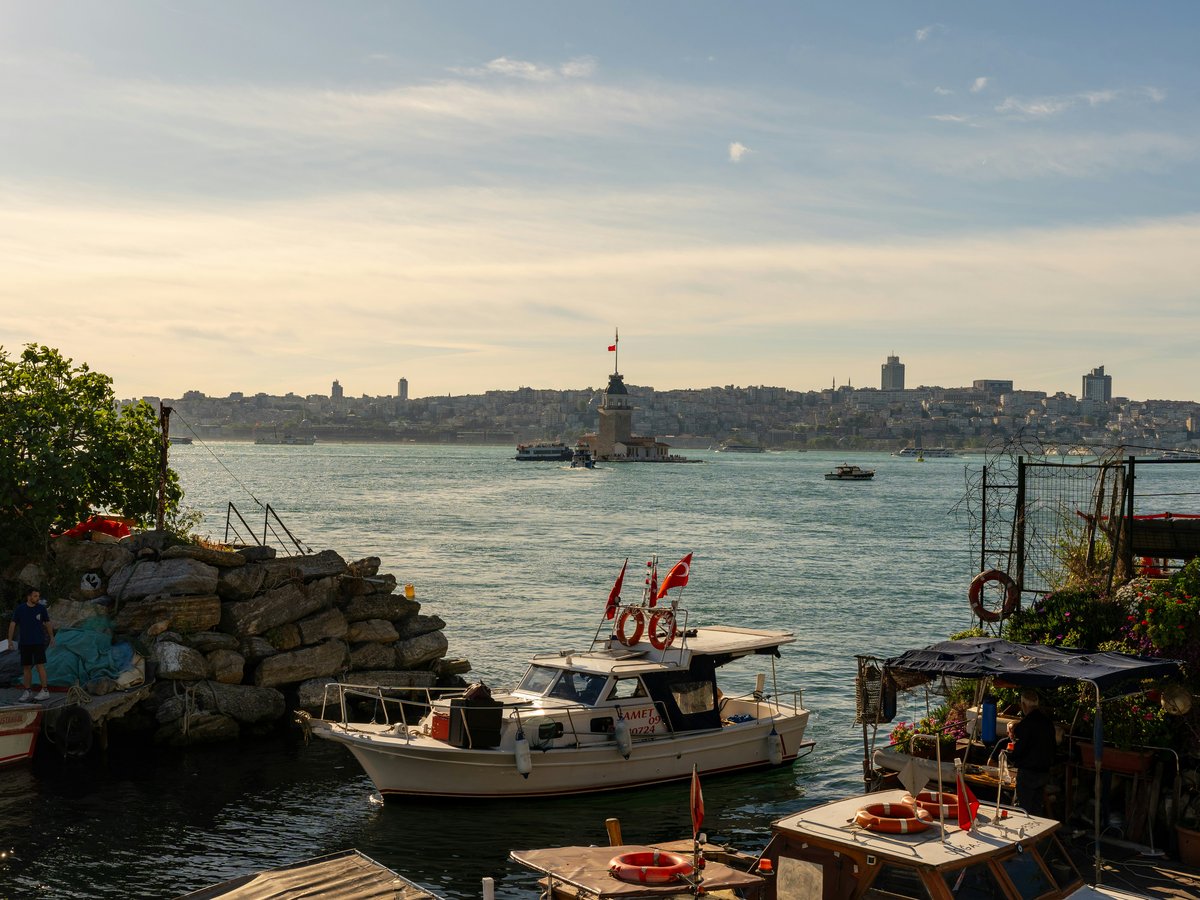
Best cafes
Istanbul does not have a single cafe culture; it has at least three, stacked on top of one another. On the historic peninsula the counters run on tea and quick bites for people on the move. In Beyoğlu and Cihangir the third-wave roasters pour single-origin filter to a crowd that treats espresso like a serious conversation. Across the Bosphorus in Üsküdar and Kadıköy the neighborhood cafes lean into breakfast that lasts three hours and reading rooms that stay open past dark. The twelve places below are picked to move a visitor across all of it, from a fish-sandwich stand on Kadırga Meydanı to a converted municipal complex beside a Sinan mosque. They are ordered by rank, not by neighborhood, so read them as a list of arguments rather than an itinerary. Every address, hour and phone number is drawn from OpenStreetMap and the venues' own sites, and cited so you can check the door before you knock.
See the picks → -
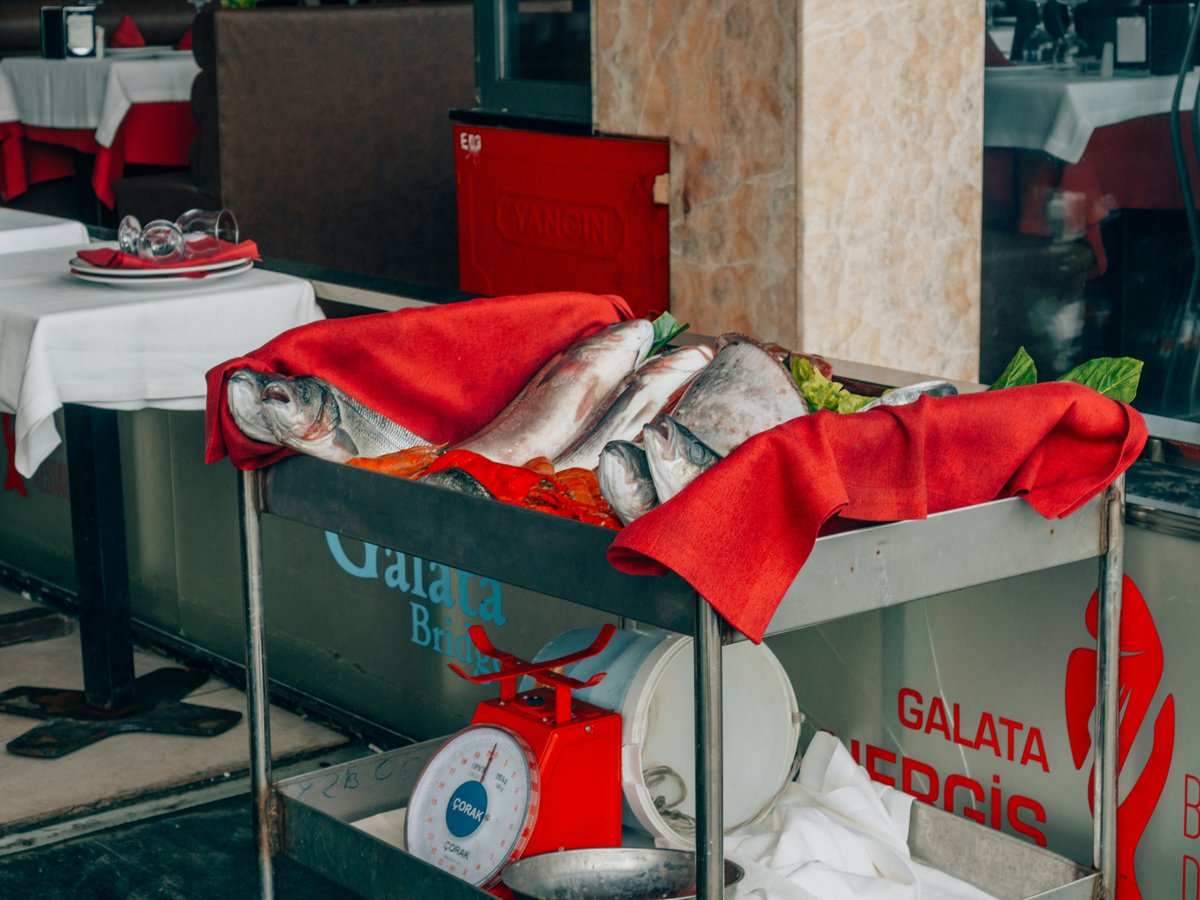
Best restaurants
Istanbul does not have a single dining scene; it has a dozen overlapping ones, split by peninsula and hill and hour. Sultanahmet's rooftops trade on the view of Hagia Sophia. Laleli feeds the traders who work the wholesale streets around Ordu Caddesi. Karaköy and Galata cook late, for the crowds spilling out of the Kuledibi bars, while the old Rum kitchens near the sea walls still turn out mezze the way Cretan grandmothers taught them. The list below stays close to the historic peninsula and the Beyoğlu side across the Horn, with two detours west toward Yeşilköy and one Indian counter that has quietly rewritten the neighbourhood's late-night rhythm. Skip the laminated-menu joints that line the tram route between Sultanahmet and the Grand Bazaar; the addresses here (a Terzihane rooftop, a Peykhane grill, a Yenigüvey courtyard) reward the fifteen extra minutes on foot. Bring cash for the small places, bring an appetite for the fish houses, and don't plan on eating before 13:00 at the ones that open then; the kitchens set their own tempo.
See the picks →
Browse by traveler type
- For foodies
Istanbul for foodies
- For families with kids
Istanbul for families
- For digital nomads
Istanbul for digital nomads
- For solo travelers
Istanbul for solo travelers
- For couples
Istanbul for couples
- For budget travelers
Istanbul on a budget
- For luxury travelers
Istanbul for luxury travelers
- For first-timers
Istanbul for first-time visitors
Book experiences in Istanbul
 Free cancellation
 Best of Istanbul 1, 2 or 3-Day Private Guided Istanbul Tour
Cruise: free cancellation.
via Viator Free cancellation
 Istanbul Bosphorus Sunset Cruise Experience on Luxury Yacht
Cruise: 2.2 hours, free cancellation.
via Viator Free cancellation
 İstanbul Mega Lüfer Dinner Cruise Bosphorus and Show - Pvt. Table
Day trip: 3 hours, free cancellation.
via Viator Free cancellation
 Istanbul Sunset Luxury Yacht Cruise Experience with Local Guide
Cruise: 2 hours, free cancellation.
via Viator Free cancellation
 Istanbul Bosphorus Sunset Luxury Yacht Cruise with Snacks
Day trip: 2.5 hours, free cancellation.
via Viator Free cancellation
 Istanbul Bosphorus Yacht Cruise with Live Guide & Asian Side Stop
Day trip: 2.5 hours, free cancellation.
via Viator Free cancellation
 Sunset Luxury Yacht Cruise With Live guide & Snacks
Cruise: 2.2 hours, free cancellation.
via Viator Free cancellation
 Enjoy Istanbul’s Bosphorus:2-Hour Daytime, Sunset & Night Cruises
Day trip: 2 hours, free cancellation.
via Viator Free cancellation
 Istanbul Bosphorus Yacht Cruise with Guide and Asian Side Stop
Day trip: 2.5 hours, free cancellation.
via Viator Free cancellation
 Private Transfer from Istanbul Airport to Fatih, Beyoglu and Besiktas
Day trip: free cancellation.
via Viator Free cancellation
 ISTANBUL BEST: Iconic Landmarks Full Day PRIVATE Guided City Tour
Day trip: free cancellation.
via Viator Free cancellation
 Istanbul Bosphorus Dinner Cruise: Live Folk Dance & DJ Experience
Cruise: 3 hours, free cancellation.
via ViatorBrowse by interest
Compare Istanbul with
Find a flight to Istanbul
Live fares to Istanbul appear here once cookies are accepted.
Last verified by automated review (v1.7.1) on . What is automated review?