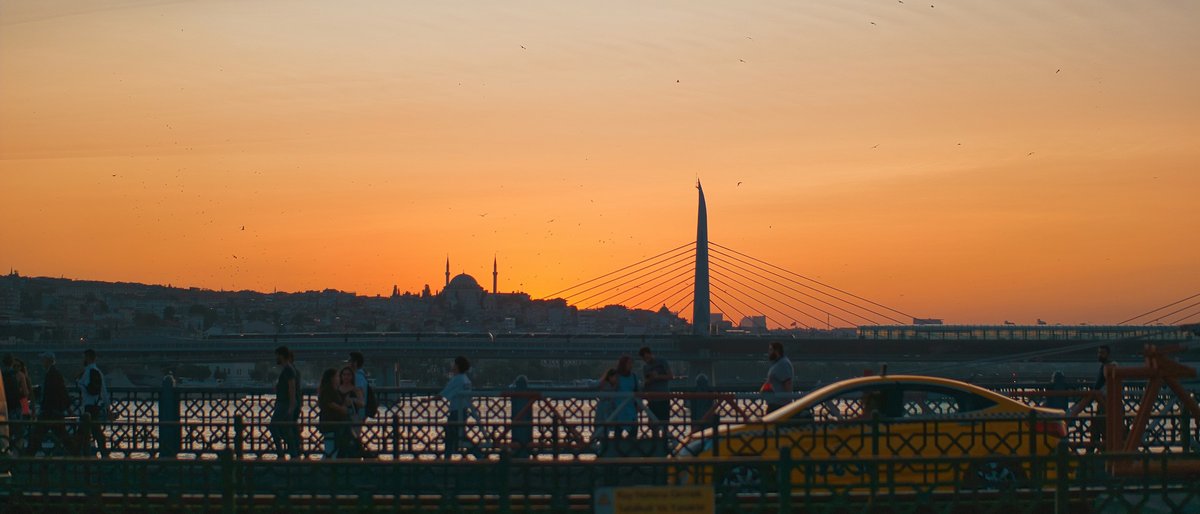
Istanbul for solo travelers
Here's Istanbul through the lens of solo travelers: the canonical questions worth asking before you book a flight, the curated lists worth opening when you want a shortcut to local expertise, and the live right-now data below ready to inform your next decision about when, where, and how to spend your time on the ground.
Istanbul for solo travelers, in numbers
- Score for solo safety
- 6.0 out of 10
- Picks on this page
- 10 places across 1 lists, led by Taksim la Marino Hotel, Yellow Bull Istanbul Hotel, Cosinus Airport Hotel
Questions solo travelers ask about Istanbul
-
Solo travel
Istanbul has the best solo-dining culture of any major Mediterranean city. Turkish lokantas mean nobody asks 'how many?' You point at steam-tray dishes and sit where you like. The Istanbulkart covers every ferry, tram, and metro on a single tap. Beyoğlu's bar scam is the main risk to manage, but it's avoidable with basic awareness.
Read the full answer → -
Getting around
İstanbulkart loaded with 200 TRY handles three days of tram, metro, ferry, and bus. The T1 tram covers Sultanahmet to Karaköy; ferries cross the Bosphorus for the same tap. BiTaksi for taxis, never flag one down without it. Walkable within neighborhoods, but the hills between them will remind you.
Read the full answer → -
Language basics
Turkish: written in Latin script since 1928, so you can sound out signs and menus even without understanding them. English in tourist zones like Sultanahmet and Beyoğlu runs about 5/10: hotel desks and carpet shops are fluent, but taxi drivers, neighborhood restaurants, and ferry staff mostly aren't. Learn 'teşekkürler' (thanks) and 'hesap' (the bill): those two words handle most daily interactions.
Read the full answer → -
Cultural etiquette
Remove shoes at every mosque entrance: the single mistake Istanbul visitors make most. Cover knees and shoulders inside; women need a headscarf (loaners available at Sultanahmet and Süleymaniye). Greet everyone with 'Merhaba' before asking anything. Accept offered tea: refusing reads as rude. Tip 5-10% at restaurants. Never criticize Atatürk; it's a criminal offence, not just a social faux pas.
Read the full answer → -
Best time to visit
Go mid-April to May or mid-September to October: Istanbul highs sit between about 18 and 25°C through those months, the Bosphorus ferry decks are comfortable, and the tulips in Emirgan Park peak in April. Skip July and August, when Sultanahmet queues and humidity are at their worst, and January to February, when cold rain and the poyraz wind set in.
Read the full answer →
Curated for solo travelers
Browse experiences
Things to do in Istanbul, by interestOther traveler types
- For foodies
Istanbul for foodies
- For families with kids
Istanbul for families
- For digital nomads
Istanbul for digital nomads
- For couples
Istanbul for couples
- For budget travelers
Istanbul on a budget
- For luxury travelers
Istanbul for luxury travelers
- For first-timers
Istanbul for first-time visitors