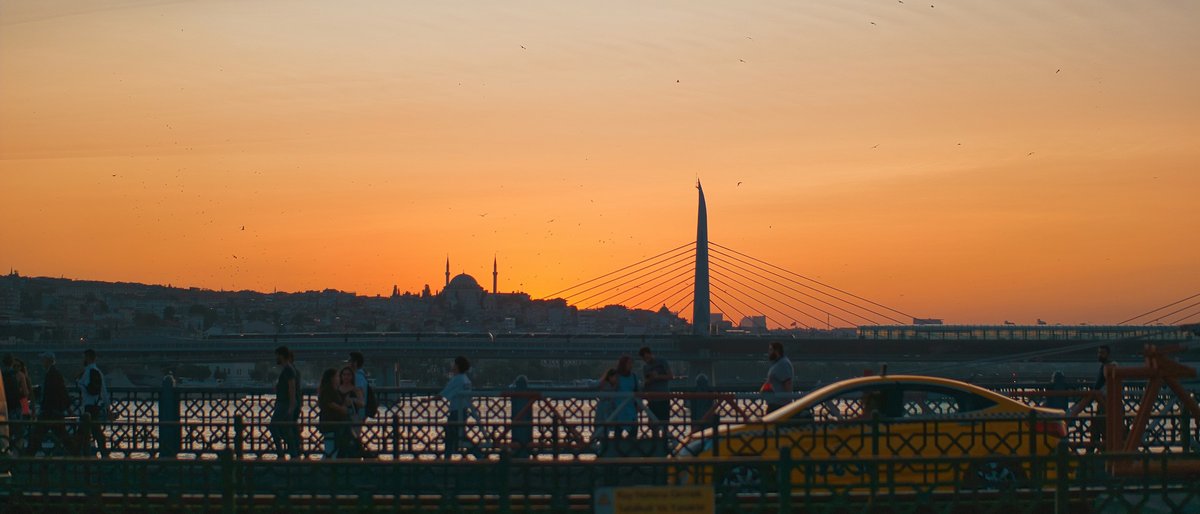
Where do locals actually go in Istanbul?
Locals in Istanbul spend their evenings on the Asian side far more than the European one: sit on the Moda seawall in Kadıköy at sunset, stock up at the Tuesday market in Hasanpaşa, drink tea at Salacak facing Kız Kulesi, and eat Sunday breakfast on Şair Nefi Sokak in Beşiktaş. For laptop mornings, Cihangir's roasters and Rami Kütüphanesi beat the Sultanahmet cafes.
Kadıköy is where a month in Istanbul makes sense, and Moda is its living room. After 6pm the rocks below Moda Sahili fill with students, couples and office workers home from Ataşehir, most holding a can of Efes or a paper cup of tea, and on lodos nights the south-west wind throws salt spray over the seawall. Moda Çay Bahçesi, on the point, pours tea in tulip glasses and tends to charge well under Beyoğlu prices. Ten minutes inland, the Kadıköy Çarşı lanes around Güneşlibahçe Sokak smell of pickle brine, fresh-ground coffee and mussels on the grill. Çiya Sofrası on that street gets tour groups now, but the fishmongers opposite are where neighbourhood cooks shop. Yeldeğirmeni, north of the ferry terminal, has the quieter cafes and the Migros branches a long stay depends on. Istanbul has very few self-service laundromats, and the kuru temizleme counters on Yeldeğirmeni's side streets wash by the kilo and usually return it the next day.
Kadıköy's Salı Pazarı in Hasanpaşa runs on Tuesdays, and that is the day to stock a flat: stallholders under the canvas roof shout tomato prices, scoop olives into bags and sell white cheese by the slab. Go early. By 2pm the produce has been picked over and the aisles smell of crushed parsley. About 20 minutes north by bus, the Salacak shore in Üsküdar faces Kız Kulesi across a few hundred metres of water. At sunset, Üsküdar families settle onto low stools there and order tea and sunflower seeds from the vendors, and the husks crackle underfoot. Across the Bosphorus the domes of Hagia Sophia and the Topkapı Palace walls go dark against the sky, and for most Üsküdar residents, that is about as close as they get to Sultanahmet in a normal week.
On the European side, Beşiktaş Çarşı is the locals' answer to Taksim Square. Şair Nefi Sokak, the breakfast street, is full by 10am on Sundays with serpme kahvaltı spreads of honey, kaymak and sucuk for two, and the clink of tea glasses bounces off the narrow walls. Check the fixture list before you book an evening there, because Beşiktaş home match nights turn the Çarşı bars loud and packed. Cihangir, above Tophane, is the better laptop morning. Kronotrop on the Firuzağa side and the tea garden beside Firuzağa Camii fill with writers and film crews before noon, the neighbourhood cats asleep on the warm steps, but after 3pm the tables shift to weekend visitors and an open laptop starts to look rude. Feriköy's Sunday antiques market in Bomonti is how Şişli residents spend a slow morning. Its Saturday organic market, in the same car park, is the better grocery run.
Most Istanbul cafes post no wifi speed, and staff will usually put up with a laptop through one or two orders. Budget roughly 300 to 400 TRY for a three-hour block, about $6 to $8 at the 16 October rate of 49.53 TRY per dollar. Rami Kütüphanesi in Eyüpsultan, a library inside the converted Rami barracks, has free desks, sockets and long opening hours, which beats any cafe on a deadline day. Istanbul's digital-nomad suitability is 6.5/10 (sourced from TTDI's editorial rubric), and the commute is a large part of that. The Kadıköy to Karaköy ferry takes about 20 minutes, and regulars treat it as a coffee break with tea and simit from the onboard counter. Bring a layer. At 8pm on 16 October it was 11.8°C and overcast at 90% humidity, and the upper deck gets raw once the sun drops. TTDI is tracking 118 events this week. A Turkish-language night like Alpay Erdem's stand-up at Kılçık Mekan is likely to be a room with almost no foreigners in it.
Where they actually go
Moda Sahili seawall
Moda, Kadıköy: Students and young couples sit on cold, damp rocks with Efes and sunflower seeds, waves slapping the breakwater while someone's phone plays Sezen Aksu. Hardly a tourist stays past dark.
Moda Çay Bahçesi
Moda, Kadıköy: Retirees play backgammon, the dice clacking on wooden boards, while tea comes in tulip glasses on plastic tables that look across the Marmara at the Princes' Islands.
Kadıköy Salı Pazarı
Hasanpaşa, Kadıköy: A canvas-roofed street market where Kadıköy grandmothers squeeze peaches and haggle loudly. It smells of wet herbs and brine, and the cheapest cotton socks in the city sit beside village cheese.
Salacak shore
Üsküdar: Families on low stools face Kız Kulesi, tea in hand and roasted corn still smelling of charcoal. At sunset, calls to prayer echo across from both shores, and almost everyone there lives within walking distance.
Şair Nefi Sokak breakfast street
Beşiktaş Çarşı: A narrow lane of kahvaltı salons where Beşiktaş fans and hungover students share long tables. Hot sucuk with eggs, sticky honey on kaymak, and an endless clatter of tea refills.
Kronotrop and the Firuzağa tea garden
Cihangir, Beyoğlu: Mornings bring screenwriters and designers with laptops, bitter filter coffee, and cats sprawled on sun-warmed steps. The mosque courtyard next door sells çay for a fraction of the roaster's prices.
Feriköy Antika Pazarı
Bomonti, Şişli: A covered car park stacked with dusty Ottoman postcards, Soviet cameras, and enamel coffee pots. Şişli residents browse with gözleme from the food corner while dealers argue prices in rapid Turkish.
Rami Kütüphanesi
Eyüpsultan: Hushed reading halls sit inside thick stone barracks walls, where university students cram for exams. Desks have sockets, the air is cool, and the courtyard café is quiet enough for a call.
Best times to visit
Moda rocks from sunset to midnight on dry evenings. Hasanpaşa market Tuesday mornings. Beşiktaş breakfast Sundays 9am to noon. Cihangir cafes weekdays before 2pm. Feriköy Saturday for food, Sunday for antiques. Salacak around sunset.
Last verified by automated review (v1.7.2) on . What is automated review?