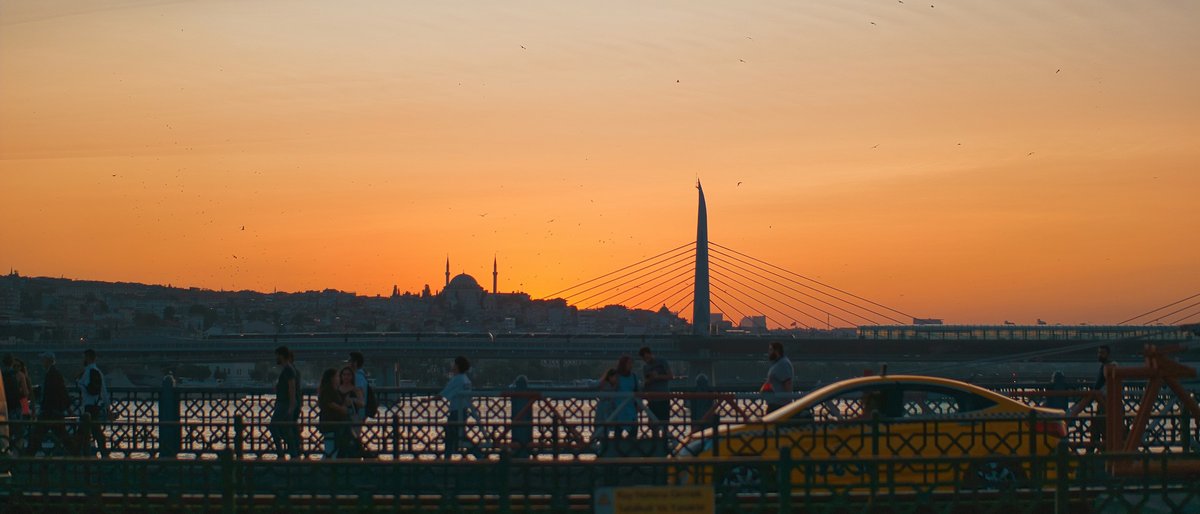
Istanbul doesn't really have a nightlife scene so much as it has several, layered on top of each other across two continents. The city stays up late: late. Dinner rarely starts before 9 PM, and the idea of heading to a bar before 11 feels almost premature to most locals. On weekends, plenty of places are still packed at 4 AM, and some neighborhoods don't quiet down until the first call to prayer drifts across the water around sunrise.
What makes going out here different from most European capitals is the sheer range. You can spend an evening drinking rakı at a meyhane in Beyoğlu while a fasıl ensemble plays old Turkish standards, then walk ten minutes and end up in an underground techno spot where nobody speaks before 2 AM. The Asian side has its own rhythm: quieter, more personal, with bars tucked into residential streets in Kadıköy where you'll hear Turkish indie rock spilling out of open windows. Mind you, alcohol prices have climbed sharply over the past few years due to heavy taxation, so locals tend to pre-game at home or at cheaper birahaneler before moving on to cocktail spots. That said, the creative energy here is hard to match. Istanbul's bartenders, DJs, and musicians operate in a city that sits between cultures, and you can feel that tension (productive, restless) in the way people go out here.
The Bar Scene: From Rooftop Panoramas to Sticky-Floored Birahaneler
Istanbul's cocktail bar culture has matured considerably over the past decade. Karaköy and the streets around Beyoğlu now have a solid concentration of places doing serious drinks: think house-made syrups, local botanicals, bartenders who care about ice. The better cocktail bars tend to be small, often holding maybe 40 people, and they get full fast on Friday and Saturday nights. Expect to pay somewhere north of 400-500 TL for a well-made cocktail at the higher-end spots, which stings, but the craft is legitimate. Rooftop bars are a thing here, and for good reason. The skyline (minarets, the Bosphorus, container ships sliding past) is impressive after dark. You'll find rooftop spots scattered across Beyoğlu, Karaköy, and parts of the Old City. Worth noting: many of the best-known ones cater heavily to tourists and charge accordingly. The ones locals frequent tend to be less polished, maybe just a terrace on top of a han with plastic chairs, but the view is the same and the beer costs half as much. For something rougher around the edges, the old-school birahaneler (beer halls, basically) are still hanging on in neighborhoods like Kadıköy and parts of Beyoğlu. Fluorescent lighting, Efes on tap, sunflower seed shells on the floor, men arguing about Galatasaray. They're not trendy. They smell like cigarette smoke and spilled beer. But they're honest, and they've been part of the city's drinking culture for generations. Wine bars have started appearing too, in Cihangir and Karaköy. Turkish wine from regions like Thrace and Cappadocia is better than most visitors expect: the Öküzgözü and Boğazkere grapes produce reds with real character. A decent bottle at a wine bar will run you less than you'd pay for comparable quality in Western Europe, which is one of the few remaining bargains in Istanbul drinking.
Clubbing in Istanbul: Late Starts, Long Nights, and the Bosphorus Bass
The club scene here runs on its own clock. Nobody shows up before midnight, and peak hours are roughly 1 AM to 4 AM. Some places keep going until 6 or 7 on weekends. If you arrive at a club at 11 PM, you'll be drinking alone under harsh lighting while staff finish setting up. Just don't. Electronic music dominates, and Istanbul has quietly become one of the more interesting cities in the region for techno and house. Local DJs pull from Turkish psychedelia, Anatolian folk samples, and Middle Eastern rhythms alongside the standard Berlin-influenced sound. The result is something that feels distinctly Istanbul: heavy bass, melodic flourishes, a certain darkness. You'll find dedicated techno nights in warehouse-style venues around Karaköy, and smaller spots in Kadıköy on the Asian side doing deep house and experimental stuff. That said, mainstream Turkish pop (and its club-oriented cousin, Turkish pop-arabesque) still fills the biggest venues. These are the places with bottle service tables, where groups of friends order a bottle of rakı or vodka and split it. The energy is different: louder, more theatrical, people singing along to every word. If you don't know the music, you might feel a bit lost, but the crowd energy is infectious. Dress codes vary. The upscale Bosphorus-front clubs tend to be strict, no sneakers, no shorts, collared shirts preferred for men. Smaller underground spots in Beyoğlu or Kadıköy are the opposite: jeans and a t-shirt, nobody checking. Door policies at the bigger clubs can be opaque. Groups of men without women sometimes get turned away. Couples and mixed groups generally have an easier time. This isn't unique to Istanbul, but it's more pronounced here. A word on pricing: cover charges fluctuate wildly depending on the night and who's playing. Some smaller venues are free entry on weeknights. The big-name clubs can charge significant covers on weekends, if a well-known DJ is booked. Drinks inside clubs are expensive by local standards: expect to pay a premium over what you'd spend at a standalone bar.
Live Music: Fasıl Nights, Indie Rock, and Everything Between
Istanbul's live music scene might be the most underrated in the region. The range is staggering: traditional fasıl ensembles playing Ottoman-era compositions, psychedelic rock bands channeling 1970s Anatolian sounds, jazz trios in basement clubs, punk shows in squatted buildings. Meyhanes (the traditional Turkish taverns) are where you'll encounter fasıl music. A small ensemble, typically featuring an oud, a kanun (zither), a violin, and a vocalist, moves between tables playing Turkish classical and folk songs. The crowd joins in. Rakı flows. Plates of meze keep arriving. This isn't background music: it's participatory, emotional, sometimes melancholic. The best meyhane nights happen on Thursdays, Fridays, and Saturdays in the backstreets of Beyoğlu, around Nevizade Sokak and the surrounding alleys. To be fair, some meyhanes near İstiklal Caddesi have become tourist-focused, but step a block or two off the main drag and you'll find places where the crowd is almost entirely local. The indie and alternative scene gravitates toward Kadıköy on the Asian side. The Barlar Sokağı area ("Bar Street") has a dense cluster of small venues hosting rock, punk, ska, and experimental acts on most nights. Weeknights can be surprisingly good; Thursday is a strong night for live acts. The bands tend to be local, the crowds young, and the cover charges modest or nonexistent. Jazz has a dedicated following here too. Istanbul has produced some serious jazz musicians, and the city's jazz clubs (concentrated in Beyoğlu and Nişantaşı) host both Turkish and international acts. The jazz calendar fills up during festival season in summer. One thing to know: live music venues in Istanbul have faced increasing pressure from noise regulations and licensing issues over the past several years. Venues close and reopen under new names. The scene is resilient but somewhat unstable: check current listings before heading out, as your six-month-old guidebook might be wrong.
Nightlife neighborhoods
-
Beyoğlu (Taksim / İstiklal axis)
The gravitational center of Istanbul nightlife. İstiklal Caddesi itself is crowded and chaotic: street musicians, chestnut vendors, millions of people. But the side streets and alleys branching off it hold most of the city's best bars, meyhanes, and small music venues. The further you get from the main avenue, the more interesting things become. Cihangir, just downhill, skews artsy and bohemian.
- Best for
- Bar-hopping, meyhane dinners with live fasıl, cocktail bars, and small live music venues
-
Karaköy
Once a gritty port district, now one of Istanbul's more polished nightlife zones. Converted warehouses and old hans house cocktail bars, rooftop spots, and occasional club nights. The architecture is heavy stone and iron, and the Bosphorus is right there: you can smell the salt water between venues. It can feel a bit curated, but the quality of the bars is consistently high.
- Best for
- Cocktail bars, rooftop drinks with Bosphorus views, weekend club nights
-
Kadıköy (Asian Side)
The heart of Istanbul's alternative and indie scene. Younger, scruffier, and significantly cheaper than the European side. The Barlar Sokağı area is dense with small bars and live music spots: you can hear three different bands from the same intersection. The Moda waterfront is calmer, good for a quieter drink. Getting here means a ferry ride from Eminönü or Karaköy, which is itself one of the best parts of the night: cold spray, lit-up mosques reflected in the water, tea from the onboard vendor.
- Best for
- Live rock and indie music, cheap beer, late-night bar-hopping on the Asian side
-
Kuruçeşme / Ortaköy (Bosphorus Strip)
The big-money nightlife strip along the European shore of the Bosphorus. This is where the large-scale clubs and summer venues cluster. Open-air, right on the water, with the bridge lit up overhead. The crowd skews wealthy and dressed up. Table service with bottle reservations is the norm at the bigger places. It's a different Istanbul: more glamorous, more exclusive, and significantly more expensive.
- Best for
- Big club nights, open-air summer parties, Bosphorus-front venues
-
Nişantaşı / Teşvikiye
Istanbul's upscale shopping district has a nightlife personality to match: polished wine bars, cocktail lounges, and restaurants that turn into late-night scenes after the kitchen closes. The crowd is older, better-dressed, and spending more. Not the wildest night out, but if you want a well-made drink in a quiet room with good design, this is the neighborhood.
- Best for
- Wine bars, upscale cocktail lounges, after-dinner drinks
-
Balat / Fener
These historic neighborhoods on the Golden Horn have become increasingly popular with a creative, younger crowd. The nightlife here is low-key: think small wine bars in painted Ottoman houses, occasional pop-up events in courtyards, and the kind of place where the owner pours your drink and sits down to talk. Things close earlier here than in Beyoğlu. Not a party destination, but a good one for a relaxed evening.
- Best for
- Low-key wine bars, conversation-paced evenings, creative crowd
Safety after dark
Istanbul is generally a safe city for going out at night, but some common sense applies. Stick to well-lit, populated areas when walking: the side streets of Beyoğlu can get quiet quickly once you step less touristy. Taxi scams are the most common issue after dark: drivers taking long routes, rigged meters, or quoting inflated flat rates. Use BiTaksi or similar ride-hailing apps whenever possible: the fare is calculated in advance and you avoid the negotiation entirely. The city's public transit shuts down around midnight, so plan your return accordingly.
Drink spiking, while not widespread, has been reported in tourist-heavy areas around Taksim. The classic scam involves a friendly stranger (often claiming to be a local wanting to practice English) leading you to a bar where you're presented with an enormous bill at the end of the night, sometimes backed by intimidation. This mostly happens on or near İstiklal Caddesi. If someone you just met is steering you to a specific venue, be cautious.
For women going out: Istanbul's nightlife is mixed-gender and women go out freely, but unwanted attention can be more persistent than in Northern European cities. Going out in groups helps. The neighborhoods with a younger, more progressive crowd (Kadıköy, Cihangir, Karaköy) tend to feel more comfortable.
Keep your phone and wallet secure in crowded venues. Pickpocketing happens in the same places it happens everywhere: packed bars, club dance floors, busy streets at 3 AM. Nothing unusual, just be aware.
Practical tips
- Tipping at bars
- Tipping is appreciated but not as rigidly expected as in some countries. Rounding up the bill or leaving 10-15% at sit-down venues is standard. At a bar, leaving a few lira per drink or rounding up is fine. Nobody will chase you down for not tipping, but bartenders remember who tips, same as anywhere.
- Rakı etiquette
- Rakı is Turkey's national spirit, and there's a ritual to it. It's served with water and ice on the side: you add the water first, which turns it cloudy white (the "lion's milk"). Sipping it alongside meze is the tradition. Shooting rakı is considered odd. If someone invites you to share a rakı table, it's a warm gesture: accept it.
- Alcohol availability and hours
- Turkey has restrictions on alcohol sales from retail shops after 10 PM, but bars and restaurants can serve all night as long as they're licensed. During Ramadan, some venues in more conservative neighborhoods may close or reduce service, though nightlife districts like Beyoğlu, Kadıköy, and Karaköy operate largely as usual. Alcohol is sold year-round.
- Getting home late
- The metro and tram stop running around midnight. After that, your options are taxis, ride-hailing apps like BiTaksi, or dolmuş (shared minibus) routes if you're lucky. The ferry schedule to the Asian side ends relatively early: check the last departure time before you head to Kadıköy, or you'll be paying for a long taxi ride over the bridge.
- Cover charges and reservations
- Smaller bars and meyhanes rarely charge a cover. Clubs vary: some are free early or on weeknights, while weekend covers at bigger venues can be steep. For popular clubs, having a table reservation (which usually requires a minimum spend on bottles) can bypass the door entirely. Check venue social media pages for current pricing: it changes frequently.
- Smoking culture
- Turkey has indoor smoking bans, and they're technically enforced, but compliance varies. Many bars have outdoor terraces or courtyards where smoking is constant. If smoke bothers you, stick to enclosed indoor areas at venues that enforce the ban, or choose rooftop and open-air spots where the breeze clears things out.
FAQ
What time should I go out in Istanbul?
Dinner at 9 PM is normal. Bars start filling around 11 PM. Clubs are empty before midnight and don't peak until 1-2 AM. If you're heading to a meyhane for rakı and fasıl music, 9 or 10 PM is right. Arriving anywhere too early just means drinking alone while staff set up.
Is Istanbul nightlife expensive?
It depends heavily on where you go. A beer at a birahane in Kadıköy might be 80-100 TL, while a cocktail at a high-end Beyoğlu bar could be 500 TL or more. Bosphorus-front clubs with bottle service can run into serious money. Alcohol taxation in Turkey is among the highest in Europe, so drinking out is never cheap, but the Asian side and simpler spots on the European side are meaningfully more affordable.
Can I go out in Istanbul during Ramadan?
Yes. Nightlife in the main entertainment districts (Beyoğlu, Kadıköy, Karaköy) continues largely as normal during Ramadan. Istanbul is a secular city with a varied population, and bars and clubs in nightlife areas stay open. That said, some restaurants may adjust hours, and it's respectful to be aware that many people around you are fasting during the day.
Is the Asian side worth crossing for nightlife?
Kadıköy is one of the best nights out in Istanbul, for live music and cheap, unpretentious bars. The ferry ride itself is a highlight: about 20 minutes across the Bosphorus with the city lit up on both sides. Just watch the return ferry schedule. The last one leaves earlier than you'd expect, and a taxi back over the bridge at 3 AM is a long, expensive ride.
What do locals drink in Istanbul?
Rakı with meze is the traditional evening drink and still common at meyhanes. Beer (Efes and Bomonti are the main Turkish brands) is the default at casual bars. Turkish wine, reds from Thrace and Central Anatolia, has been gaining ground. Cocktail culture is growing fast in the bigger cities. At clubs, vodka and whisky bottles for table service are standard for groups. Tea, of course, is served everywhere, all the time, even at 2 AM.
How do I get from the European side to the Asian side at night?
Ferries run from Eminönü and Karaköy to Kadıköy, but the last departure is typically around 11 PM on weekdays, slightly later on weekends: check the IDO or Şehir Hatları schedule for exact times. After that, your options are a taxi over the bridge (expensive, 30-40 minutes depending on traffic) or the Marmaray commuter rail, which runs later than the ferries and passes under the Bosphorus. BiTaksi is your best bet for a fair-priced late-night taxi.
Last verified by automated review (v1.7.1) on . What is automated review?