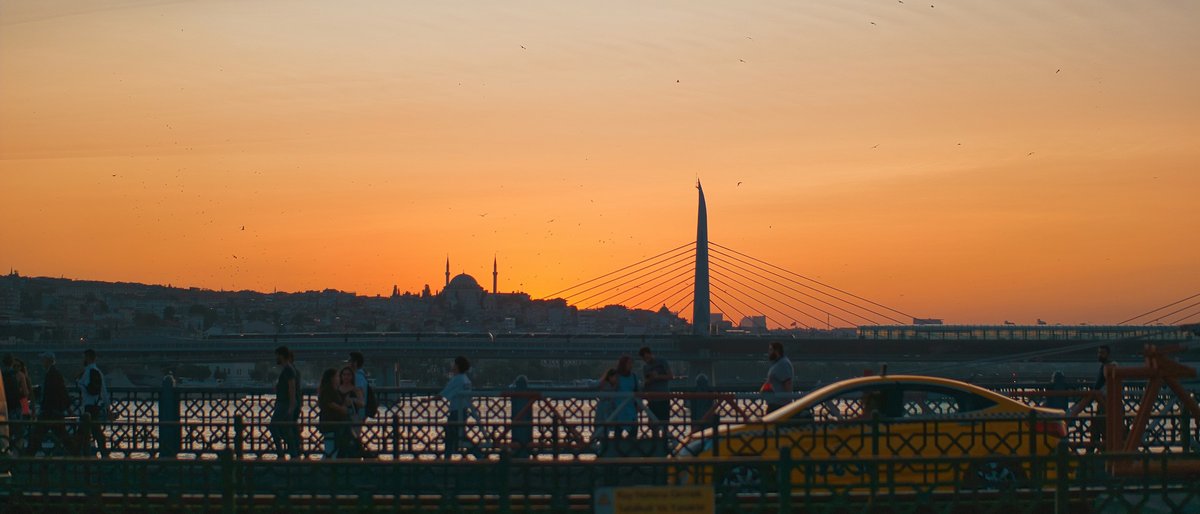
Istanbul sits at a crossroads that has shaped trade for centuries, and that history still pulses through the city's commercial life. This is a place where you can buy hand-knotted silk carpets from a fourth-generation dealer in the morning, pick up cheap socks from a street vendor at lunch, and browse Turkish designer fashion by evening. The shopping culture here tends to be social: expect tea offered during negotiations, long conversations about quality and provenance, and a general pace that rewards patience over efficiency. What makes Istanbul distinctive is the sheer range. Leather goods, ceramics, textiles, copperwork, spices, olive oil soaps, gold jewelry: much of it is still produced locally or regionally, not imported from factories overseas. The Grand Bazaar gets all the attention, but locals will tell you the real finds are often elsewhere: in the back-street workshops of Beyoğlu, the fabric wholesalers around Mahmutpaşa, or the weekend antique dealers near Çukurcuma. Mind you, Istanbul is also a thoroughly modern retail city. Shopping malls are everywhere (the city has more of them than most European capitals) and international brands compete alongside Turkish chains. But the stuff worth writing home about tends to come from the older commercial districts, where craft and commerce still overlap.
Shopping districts
-
Grand Bazaar and Surrounds (Kapalıçarşı)
mixed: tourist-inflated inside the bazaar, wholesale prices in surrounding streetsThe Grand Bazaar itself is a large covered market with over 4,000 shops, and it can feel overwhelming on first visit. The interior lanes have a loose organization (jewelry tends to cluster in one area, leather in another, carpets in another) but the boundaries blur. Prices inside the bazaar are generally inflated for tourists, though the quality of goods at established dealers can be high. What many visitors miss is the network of hans (old caravanserais) and side streets radiating outward. The lanes running downhill toward Eminönü, around Mahmutpaşa Yokuşu, are where Istanbul's wholesale textile trade happens. You'll find bolts of fabric, household linens, and clothing at significantly lower prices than inside the bazaar itself. The atmosphere shifts from tourist spectacle to working commercial district within a few blocks.
Best for: Carpets, jewelry, leather goods, ceramics, and textiles if you know how to negotiate or venture beyond the main lanes
-
İstiklal Caddesi and Beyoğlu
mid-range to upscale, with pockets of budget shopping on side streetsİstiklal is Istanbul's main pedestrian avenue, stretching from Taksim Square down to the Tünel funicular. It has changed character over the years: some of the old bookshops and record stores have given way to fast-fashion chains, but it still has personality. The side streets are where things get interesting. Çukurcuma, a few blocks off İstiklal, is the antiques and vintage district: narrow lanes lined with shops selling Ottoman-era objects, mid-century furniture, old cameras, and Soviet-era curiosities. Mis Sokak and the Fish Market passage (Balık Pazarı) have a scrappy charm. The overall feel is younger and more bohemian than the historic peninsula, though gentrification has been creeping steadily uphill for years now.
Best for: Vintage finds, books, music, independent boutiques, and people-watching between purchases
-
Nişantaşı
luxuryThis is Istanbul's polished shopping district, roughly equivalent to Milan's Quadrilatero or London's Mayfair in ambition if not quite in scale. Abdi İpekçi Caddesi is the main artery, lined with international luxury brands and high-end Turkish designers. The neighborhood has a different energy from the bazaar areas: quieter sidewalks, more curated window displays, better coffee. Turkish fashion labels like Vakko and Beymen have flagship stores here. Worth noting: some of the Turkish designers showing in Nişantaşı boutiques produce distinctive work that draws on Ottoman textile traditions without being costumey about it. You might also stumble across smaller galleries and concept stores tucked into the residential side streets.
Best for: Turkish and international designer fashion, high-end home goods, and a sense of how wealthy Istanbul shops
-
Kadıköy (Asian Side)
budget to mid-rangeKadıköy has a loyal following among locals who prefer the Asian side's slightly slower pace. The main market area, centered on the streets around the fish market and Güneşlibahçe Sokak, mixes produce stalls with specialty food shops, coffee roasters, vinyl record stores, and independent clothing boutiques. The neighborhood has an artsy, slightly countercultural vibe: more tattoo parlors and craft beer spots than you'd find in Sultanahmet. Tuesday's street market (the Salı Pazarı) draws crowds from across the Asian side. The ferry ride over from Eminönü is half the experience: you get thirty minutes on the Bosphorus for practically nothing.
Best for: Specialty food, vinyl records, independent fashion, and experiencing how Istanbul shops when tourists aren't around
-
Arasta Bazaar (Sultanahmet)
mid-range to upscaleA much smaller, calmer alternative to the Grand Bazaar, the Arasta Bazaar sits just behind the Blue Mosque in a row of restored Ottoman shops. It was originally built to fund the mosque's upkeep. The selection leans toward ceramics, textiles, and small souvenirs, and while prices are still aimed at visitors, the quality tends to be more consistent than what you'd find from random Grand Bazaar vendors. The atmosphere is less frantic: you can examine things without being pulled into three shops simultaneously. Some of the ceramic dealers here work directly with Kütahya and İznik workshops, which matters if you care about provenance.
Best for: Ceramics, quality textiles, and a less chaotic bazaar experience near the main tourist sights
-
Bağdat Caddesi (Asian Side)
mid-range to upscaleRunning for several kilometers along the Sea of Marmara on the Asian side, Bağdat Caddesi is Istanbul's other major shopping boulevard. It tends to attract a well-heeled local crowd rather than tourists: partly because it is a long way from the historic center. Turkish mid-range and upscale brands dominate, alongside familiar international names. The street has a suburban feel compared to İstiklal, with wider sidewalks and more car traffic. On weekends, families stroll and window-shop here. It is not a destination for traditional crafts, but if you want to see how middle-class and upper-middle-class Istanbulites shop for everyday clothes and homewares, this gives an honest picture.
Best for: Turkish retail brands, homewares, and a sense of everyday Istanbul consumer culture away from tourist zones
Markets
-
Grand Bazaar (Kapalıçarşı)
covered bazaarThe obvious one, and still worth visiting even if you buy nothing. The bazaar has operated on this site since the 1460s and currently houses somewhere around 4,000 shops across more than 60 covered streets. It can feel like a theme park of commerce at peak hours, but early mornings (on weekdays) still have a working-market quality. Carpet dealers, gold merchants, leather shops, and ceramic vendors dominate. The quality varies wildly, so knowing what you want before you go helps. Some of the interior hans, like Zincirli Han, are quieter spots where you can watch craftspeople at work. The key is getting off the main thoroughfares and into the quieter back lanes.
Monday through Saturday, roughly 9:00 to 19:00. Closed Sundays and public holidays.
-
Spice Bazaar (Mısır Çarşısı)
food and spiceSmaller and more focused than the Grand Bazaar, the Spice Bazaar sits near the Galata Bridge in Eminönü. The interior stalls sell spices, dried fruits, Turkish delight, teas, and saffron, though the saffron quality varies, so buy from established stalls if that matters to you. The surrounding streets are arguably more interesting for food shopping: Hasırcılar Caddesi has dried goods wholesalers, and the lanes behind the bazaar are packed with shops selling cheese, olives, honey, and sucuk (Turkish sausage). The smell alone is worth the detour: roasted nuts, ground coffee, and dried herbs competing for your attention. It tends to be less overwhelming than the Grand Bazaar, partly because it is much smaller.
Daily, roughly 8:00 to 19:30. Some stalls close earlier on Sundays.
-
Çukurcuma Antiques Quarter
antiques and fleaNot a single market but a neighborhood of antique and vintage dealers clustered in the winding streets between İstiklal Caddesi and the Bosphorus. The shops range from serious dealers with Ottoman calligraphy and antique carpets to junk shops piled with old radios, brass lamps, Soviet-era binoculars, and faded postcards. Prices are negotiable at most places. The neighborhood has a slightly melancholy beauty: crumbling Art Nouveau facades alongside freshly renovated cafés. Sundays seem to bring out more of the smaller dealers, though there is no fixed schedule. This is the kind of place where you browse without a plan and end up carrying home something you had no idea you wanted.
Most shops open daily, roughly 10:00 to 19:00. Some smaller dealers keep irregular hours.
-
Kadıköy Produce Market
food and produceThe central market area in Kadıköy is a daily affair, but it peaks on Tuesdays when the Salı Pazarı street market develops along the surrounding blocks. The permanent market streets are lined with fishmongers, butchers, cheese sellers, and produce vendors. You will find stacks of white cheese in brine, barrels of olives in every cure imaginable, and the kind of ripe tomatoes that remind you what tomatoes are supposed to taste like. Even if you are not buying groceries, the sensory experience is striking: the briny smell of fresh fish, vendors calling out prices, the crunch of walnuts being cracked for samples. Several shops also sell excellent Turkish coffee, ground to order.
Daily for permanent shops. Tuesday street market (Salı Pazarı) is the big event.
-
Horhor Antique Market
flea and antiquesA multi-story building in Aksaray packed with small antique and secondhand dealers. It is less polished than Çukurcuma and more of a genuine flea-market experience: dusty, disorganized, and full of surprises. You might find Ottoman coins, old Turkish movie posters, vintage jewelry, or furniture that needs work. The dealers tend to be more relaxed about negotiation than their counterparts in tourist-facing areas. It has been under various threats of renovation and closure over the years, so checking its current status before making a special trip is not a bad idea. That said, when it is open, it feels like one of the last places in central Istanbul where genuine rummaging is still possible.
Daily except Sundays, roughly 9:00 to 18:00. Some dealers keep shorter hours.
-
Sahaflar Çarşısı (Booksellers' Market)
books and printsTucked between the Grand Bazaar and Beyazıt Mosque, this small courtyard market has been selling books since Ottoman times. You will find secondhand Turkish literature, old maps, calligraphy prints, miniature paintings, and the occasional rare book in English or French. It is calm and scholarly compared to the bazaar chaos just steps away. The dealers tend to know their stock well and can point you toward specific interests. A nice place to linger, if you have any interest in Ottoman history or Islamic art. Prices for decorative prints and miniatures are generally reasonable compared to the tourist shops.
Daily roughly 8:30 to 19:00, though individual stalls vary.
-
Bomonti Makers Market
artisan and makersA more recent addition to Istanbul's market scene, this periodic artisan market appears at the Bomontiada cultural complex in Şişli. Local makers sell ceramics, jewelry, leather goods, printed textiles, and small-batch food products. The vibe is distinctly contemporary: closer to a Brooklyn flea market than a traditional Turkish bazaar. It tends to draw a younger, design-conscious crowd and runs on select weekends rather than daily. Worth checking social media for current dates. The surrounding Bomontiada complex has restaurants and event spaces that make it a pleasant half-day outing.
Select weekends: check Bomontiada's social media for upcoming dates.
Souvenirs worth bringing home
Skip the mass-produced fez-and-evil-eye magnets and focus on things Istanbul produces well. Turkish ceramics (İznik-style tiles with their distinctive cobalt blue and tomato red) make striking gifts, though genuine hand-painted pieces from Kütahya or İznik workshops cost more than the factory-stamped versions. The difference is visible once you know what to look for: slight irregularities in the brushwork, depth of color, weight of the piece. Olive oil soap from the Aegean coast, from brands sourced through Thrace, is another solid choice: light, fragrant, and easy to pack. Turkish cotton towels (peshtemals) are still made in small workshops, the hammam-style ones with hand-tied fringe. They are lighter and quicker-drying than typical Western towels, and the good ones age beautifully. For food, dried spice blends like pul biber (Aleppo-style pepper flakes), sumac, and isot pepper travel well. Turkish delight from an established producer: the stuff made with real pistachios and rosewater, not the rubbery blocks sold to tourists: is in a different category entirely. Leather goods remain a local strength, though quality ranges enormously; the better workshops in and around the Grand Bazaar will customize bags or jackets if you have time for a fitting. Copperwork (coffee pots, trays, small bowls) comes from a tradition that goes back centuries. The hand-hammered pieces from workshops near the bazaar have a warmth that machine-made versions lack. One more thing: Turkish tea glasses and saucers, the tulip-shaped ones you see everywhere, make simple and unmistakably local gifts. They cost almost nothing and somehow capture the whole ritual of Turkish tea in a single object.
Practical tips
- Bargaining
- Bargaining is standard in bazaars and traditional markets, but not in shopping malls, chain stores, or most modern boutiques. In the Grand Bazaar, the opening price is often double what the seller expects to receive: sometimes more for carpets and leather. A reasonable approach is to show genuine interest, name a price you would pay, and be willing to walk away. Walking away is not a bluff; it is how negotiation works here. Tea will likely be offered. Accept it: it is hospitality, not a sales trap, though it does make leaving harder. In Kadıköy's food market or local neighborhood shops, prices are generally fixed. Trying to haggle at a fish stall or produce vendor will just get you confused looks.
- Tax Refunds
- Turkey offers VAT refunds for purchases above a certain threshold at participating shops: look for 'Tax Free Shopping' signs or ask the vendor. You will need to get a tax-free form stamped at the shop, then present it at the airport customs desk before you check your bags. The refund process at Atatürk or Istanbul Airport can be slow, so arrive with extra time if you are claiming. Not every shop participates, and the minimum spend per receipt has changed over the years, so confirming the current threshold at time of purchase is worth doing. The refund is typically around 8-10 percent of the purchase price after processing fees.
- Opening Hours
- Bazaars and traditional markets generally open around 9:00 and close between 18:00 and 19:00. The Grand Bazaar closes on Sundays. Shopping malls keep longer hours, typically 10:00 to 22:00 daily, including weekends. Small shops in neighborhoods like Beyoğlu and Kadıköy often open late morning (11:00 or even noon) and stay open into the evening. During Ramadan, hours can shift, with some shops closing earlier in the afternoon and reopening after iftar. Friday midday might see some closures near mosques.
- Payment Methods
- Credit and debit cards are widely accepted in malls, chain stores, and many bazaar shops. Visa and Mastercard work almost everywhere that takes cards. That said, carrying Turkish lira in cash is still important for smaller market vendors, street sellers, and neighborhood shops. ATMs are plentiful, though your bank may charge foreign transaction fees. Some Grand Bazaar dealers will quote prices in euros or dollars: this is common but you will usually get a slightly better deal paying in lira. Contactless payment has become widespread since the pandemic.
- Shipping and Customs
- Carpet and antique dealers in the Grand Bazaar are experienced at shipping internationally, and most will arrange it for you. Get a written receipt that includes a description of the item and its declared value. For antiques, be aware that Turkey has strict export laws: items over 100 years old may require a museum clearance certificate. Reputable dealers understand this process and can guide you through it. For smaller items, packing them in your luggage is usually simpler and cheaper.
- Avoiding Scams
- The most common issue is being steered to a specific shop by a friendly stranger who strikes up conversation near tourist sites: they earn a commission, which gets added to your price. It is not dangerous, just expensive. In the bazaars, watch for synthetic fabrics sold as silk, machine-made carpets described as handmade, and Turkish delight that is mostly sugar and starch. Asking questions about where and how something was made tends to separate knowledgeable dealers from those just moving product. If a price seems far too good for what is claimed, trust that instinct.
FAQ
Is the Grand Bazaar worth visiting or is it just a tourist trap?
It is both, honestly. The main lanes that tourists walk down have inflated prices and aggressive sellers, but the bazaar is enormous and the back streets still function as a real commercial market. If you go early on a weekday and wander away from the main paths, you will find workshops, quiet dealers, and a very different atmosphere. Carpet buyers who do their research can still find quality pieces. The trick is going with some knowledge of what you want rather than wandering in to browse aimlessly.
Where do Istanbul locals shop for clothes?
Malls, mostly. İstinyePark, Zorlu Center, and Kanyon are popular with the upscale crowd. Bağdat Caddesi on the Asian side draws a steady local following for Turkish retail brands. For younger, trend-conscious shoppers, the independent boutiques around Kadıköy and the side streets off İstiklal still have a following. The massive outlet malls on the city outskirts also draw weekend crowds looking for deals on Turkish and international brands.
What is the best area for buying Turkish carpets?
The Grand Bazaar remains the main market, though you will pay for the convenience and the atmosphere. Some buyers prefer seeking out dealers in Sultanahmet or Beyoğlu who operate from quieter shops: the overhead is lower, so prices can be more reasonable. Wherever you buy, ask about the carpet's origin, materials, and whether it is hand-knotted or machine-made. A good dealer will explain the differences and let you compare. Taking your time over several visits is normal for significant purchases.
Can I use US dollars or euros in Istanbul shops?
In tourist areas like the Grand Bazaar, Sultanahmet, and some İstiklal shops, many vendors will accept dollars or euros. However, the exchange rate they apply usually favors them, so you will typically get better value paying in Turkish lira. ATMs are easy to find throughout the city. For malls and chain stores, Turkish lira and credit cards are the standard.
How do I know if Turkish ceramics are genuine handmade pieces?
Genuine hand-painted İznik or Kütahya ceramics have slight variations in the brushwork: small irregularities that come from a human hand. The colors tend to have more depth, and the pieces are generally heavier. Factory-made versions look uniform and perfect, which is the giveaway. Ask the seller where the piece was made and whether they can tell you about the workshop. Established dealers in the Arasta Bazaar and the better Grand Bazaar shops will explain the provenance and may even show you photos of the workshops they source from.
Is it safe to buy gold jewelry in Istanbul?
Turkey has a strong gold trade, and the jewelry sold in the Grand Bazaar's gold district (Kuyumcular Çarşısı) is generally reliable: gold content is stamped and regulated. Prices are often calculated by weight based on the daily gold rate, plus a markup for craftsmanship. Getting quotes from a few different dealers for similar pieces is a reasonable approach. For high-value purchases, sticking with established shops that have been operating for years gives some additional assurance.
Last verified by automated review (v1.7.1) on . What is automated review?