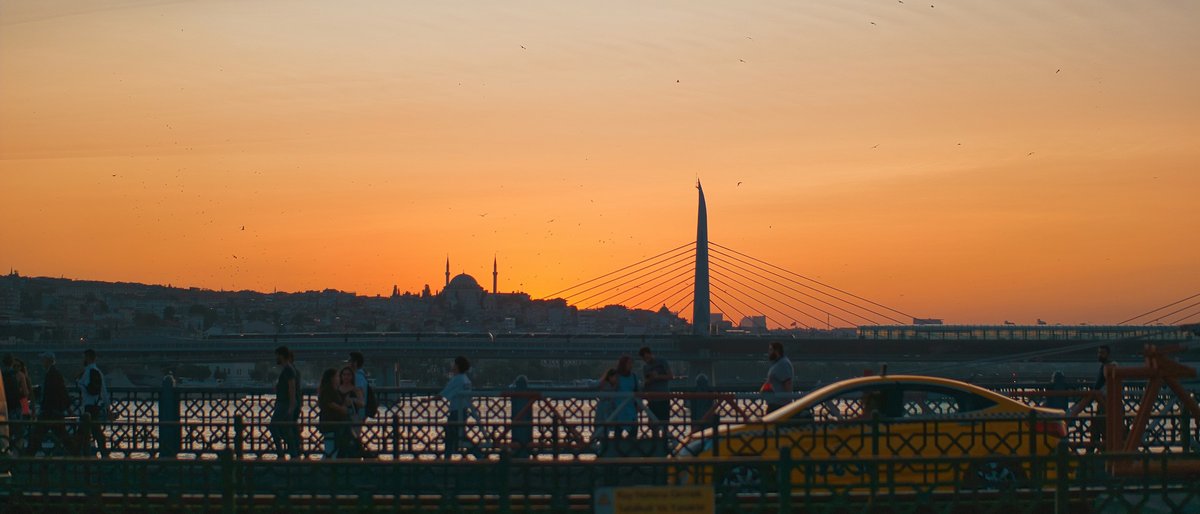
Is Istanbul good for digital nomads in 2026?
Istanbul scores 6.5/10 for digital-nomad suitability (sourced from TTDI's editorial rubric). Fiber internet runs 100-200 Mbps in newer Kadıköy and Cihangir apartments, coworking hot desks start at 4,500 TRY ($96/month) at Kolektif House, and a single nomad's all-in monthly budget sits near $1,500. The 90-day e-visa cap and lack of a dedicated remote-work visa prevent the score from going higher.
Kadıköy is where most long-stay nomads end up, and for good reason. The Asian side has quieter streets, 100-Mbps Türk Telekom fiber in most post-2010 buildings, and a Migros or Carrefour within walking distance of nearly any flat. A furnished one-bedroom on Moda Caddesi runs 25,000-40,000 TRY ($530-$850) per month on 3-month terms. Cihangir on the European side has the cafe density and the Bosphorus views from your laptop screen, but the narrow streets amplify motorbike noise from about 7 AM onward, and older Ottoman-era buildings sometimes top out at 30 Mbps VDSL. Beşiktaş sits close to both ferry terminals and the Metrobüs, but Friday nights near the fish market get loud enough to rattle windows. Skip Sultanahmet entirely for anything longer than a weekend. Tourist-priced groceries, spotty infrastructure in pre-Republic buildings, and landlords who quote in euros instead of lira.
Kolektif House in Şişhane runs 4,500 TRY ($96) per month for a hot desk, with 200-Mbps symmetric fiber and 24/7 access. The rooftop has a clear line of sight to the Golden Horn. Workinton has 8 locations across the city. The Levent branch is the most corporate, while the Nişantaşı one feels more startup-adjacent, at around 5,000-7,000 TRY ($106-$149) monthly. Impact Hub Istanbul in Beyoğlu charges 3,500 TRY ($75) for community membership with 10 days of desk access per month. For the budget-conscious, SALT Galata is a free research library inside a converted 19th-century Ottoman bank on Bankalar Caddesi. No membership, no purchase requirement, and the WiFi tested at 80 Mbps in early 2026. It closes at 7 PM and the marble floors make every footstep echo. Cafe-working is viable at places like Kronotrop in Cihangir (tested 60 Mbps, no purchase pressure for 3-4 hours) or Walter's Coffee Roastery in Moda, though the latter fills by noon on weekends.
Monthly all-in for a single nomad in Kadıköy sits around $1,500. That breaks down to roughly $700 for a furnished apartment on a 3-month lease via Sahibinden.com (not Airbnb), $100 for coworking, $350 for food heavy on lokanta lunches at 150-250 TRY per plate with evening cooking from Migros, $35 for Istanbulkart transit loads, and $80 for the Turkcell unlimited data SIM. The rest goes to weekend Bosphorus ferry rides and the occasional raki at a meyhane in Kadıköy's Barlar Sokağı. Avoid Airbnb for stays longer than 2 weeks. Istanbul hosts routinely claim '100 Mbps fiber' while delivering 15 Mbps VDSL over a shared router in a pre-1980 building. Sahibinden.com lets you message landlords directly, haggle the rate, and verify the Türk Telekom line before signing. At 47 TRY to the dollar as of July 2026, Istanbul is very cheap for anyone earning in USD or EUR. Inflation still runs above 40% annually, so landlords adjust prices every 2-3 months. Lock the monthly rate on your lease.
Turkey's e-visa gives most passport holders 90 days within a 180-day period, and it costs $50-60 online through evisa.gov.tr. There is no dedicated digital nomad visa as of mid-2026. If you want longer, a short-term residence permit (ikamet) requires proof of roughly $500/month income and a notarized lease. Processing at Istanbul's İl Göç İdaresi in Fatih takes 6-8 weeks and involves at least 2 in-person appointments. The common workaround is a border trip to Thessaloniki by 5-hour bus or Tbilisi by 3-hour flight at around $100 round trip. That said, Turkish immigration has gotten stricter about repeated 90-day entries since late 2025. If your plan depends on resetting the clock more than twice, budget for the ikamet paperwork instead. Turkish bank accounts require a tax ID (vergi numarası), which you can get at any vergi dairesi in 30 minutes with your passport. Most nomads skip this and rely on Wise or Revolut cards, which work at roughly 95% of Istanbul merchants.
Kadıköy's older grid segments still see power outages about once a month, lasting 2-4 hours. A UPS for your router costs 1,500 TRY ($32) at MediaMarkt in the Nautilus mall. Summer humidity hits 80-85% from June through September, and air conditioning in older apartments means a wall-mounted unit that struggles above 35°C. The call to prayer from the nearest mosque starts at 4:30 AM in July, and you will hear it through single-pane windows. Foam earplugs from Watsons in Kadıköy cost around 50 TRY. The food is what keeps nomads returning to Kadıköy year after year. A simit from a street cart costs 10 TRY ($0.21). Lunch at Çiya Sofrası, the best regional Turkish kitchen in the city by most accounts, runs 200-350 TRY ($4-7) for a full spread of southeastern Anatolian dishes you will not find on the European side. The tea culture means every meeting, every waiting room, every landlord negotiation involves a tulip glass of çay at 15-25 TRY. You will drink 6 a day.
Composite of cafe + coworking download speeds and reliability.
Apartment, coworking membership, food, and transit at a comfortable level.
Coworking spaces
- Kolektif House Şişhane
- Kolektif House Levent
- Workinton Levent
- Workinton Nişantaşı
- Workinton Maslak
- Impact Hub Istanbul
- SALT Galata
Visa options
90-day e-visa ($50-60, evisa.gov.tr) for most nationalities within a 180-day window. No dedicated digital nomad visa as of 2026. Short-term residence permit (ikamet) for longer stays requires ~$500/month income proof and a notarized lease, with 6-8 weeks processing at İl Göç İdaresi in Fatih.
Last verified by automated review (v1.7.2) on . What is automated review?