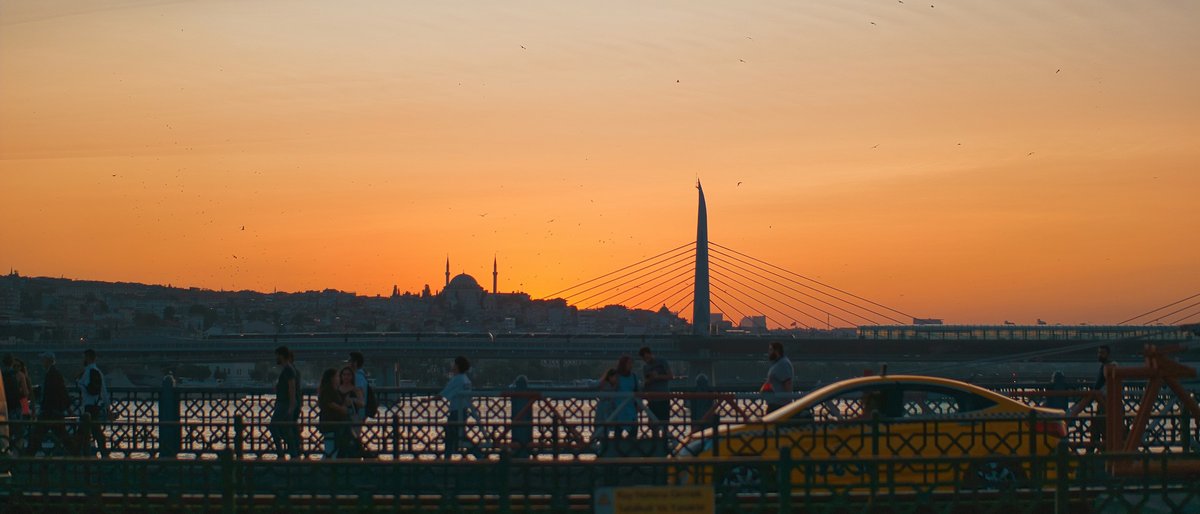
Is Istanbul LGBTQ-friendly?
Istanbul scores 3/10 for LGBTQ+ friendliness (sourced from TTDI's editorial rubric). Homosexuality has been legal since Ottoman times, but Turkey offers no partnership recognition or anti-discrimination protections. A queer scene operates in Beyoğlu near Taksim Square, though it has contracted since Pride was banned. Same-sex couples should read neighborhoods carefully and stick to progressive districts.
Istanbul is a city where a same-sex couple's experience changes block by block. The streets around İstiklal Avenue feel like southern Mediterranean Europe on a warm evening. Rooftop terraces fill with couples sharing meze and raki, and nobody at the neighboring tables looks twice. Walk 20 minutes southeast toward the streets behind Sultan Ahmed Mosque and the social temperature shifts. The tourist crowds there focus on cameras and kebabs, not on who is dining together, but the residential side streets are more conservative. That split is the core reality for queer travelers here. The progressive pockets are warm without performance. The conservative pockets are not hostile for show. Both exist, and they sit 15 minutes apart on foot.
For accommodation, the Pera Palace Hotel on Meşrutiyet Caddesi has been hosting unconventional guests since Agatha Christie stayed in Room 411 in the 1930s. Same-sex couples report no friction there. The Vault Karaköy, a 5-minute walk from the Galata Bridge, puts you in the right neighborhood for evening plans and treats a double booking as exactly that. W Istanbul in Beşiktaş offers the corporate-chain anonymity that is its own kind of comfort. Budget pensions in Sultanahmet are less predictable. The double-bed question sometimes gets a pause, sometimes a shrug. Worth noting that booking platforms showing "one king bed" do more work than an in-person request at smaller guesthouses.
The political climate has tightened over the past decade. Government rhetoric toward LGBTQ+ rights has grown harder, and that filters into media and public discourse. For visitors, the practical effect is less about direct danger and more about atmosphere. You won't see rainbow flags in shop windows the way you might in Lisbon's Príncipe Real or Berlin's Schöneberg. The queer spaces that remain are more discreet than defiant. Doors are sometimes unmarked. That discretion is protective, not ashamed. A same-sex couple visiting for 3 or 4 days will likely have a smooth, enjoyable trip if you stay in Beyoğlu, Karaköy, or Kadıköy and follow the same street-awareness instincts you would use in any large city.
For dinner together, Mikla on the top floor of the Marmara Pera Hotel serves New Anatolian cooking with a terrace that looks straight across the Golden Horn. Dinner for two runs about 4,000 to 5,000 TRY, roughly $85 to $106 at current rates. The staff won't blink at any couple configuration. For something cheaper and louder, the fish restaurants along the Karaköy waterfront sell grilled levrek for 300 to 400 TRY, and you eat at plastic tables with salt air off the Bosphorus and ferry horns in the background. The pergola tables at Çiçek Pasajı on İstiklal have been pouring since 1876, and the noise and crush of the passage make it the kind of place where nobody is watching you because there is too much else to see.
Composite of legal status, social acceptance, and visible scene.
Legal status
Same-sex relations are legal
Same-sex relations have been legal in Turkey since 1858, but no discrimination or hate-crime protections exist, pride events have been banned in Istanbul since 2015 with police intervention, and state censorship of LGBTQ+ content has applied since then. Legality on paper coexists with a restrictive climate.
Verified against equaldex.com and en.wikipedia.org .
The scene
The scene concentrates in Beyoğlu, within a 10-minute walk of Taksim Square. Tek Yon on Sıraselviler Caddesi is the longest-running gay bar, open since the early 2000s. Love Dance Point draws Friday and Saturday crowds after midnight. Bear Bar near Galata Tower pulls an older demographic. Venue turnover is high. Check sosyalgay.com or local Instagram accounts before going, because addresses shift without notice.
Safety notes
Same-sex couples holding hands in Beyoğlu or Kadıköy will likely go unremarked. The same gesture in Fatih, Üsküdar, or conservative Asian-side residential streets draws stares and sometimes verbal hostility. Avoid public affection near mosques or outside the tourist corridor. Hotel staff at international chains and Beyoğlu boutiques tend to be professional and unbothered.
Last verified by automated review (v1.7.2) on . What is automated review?