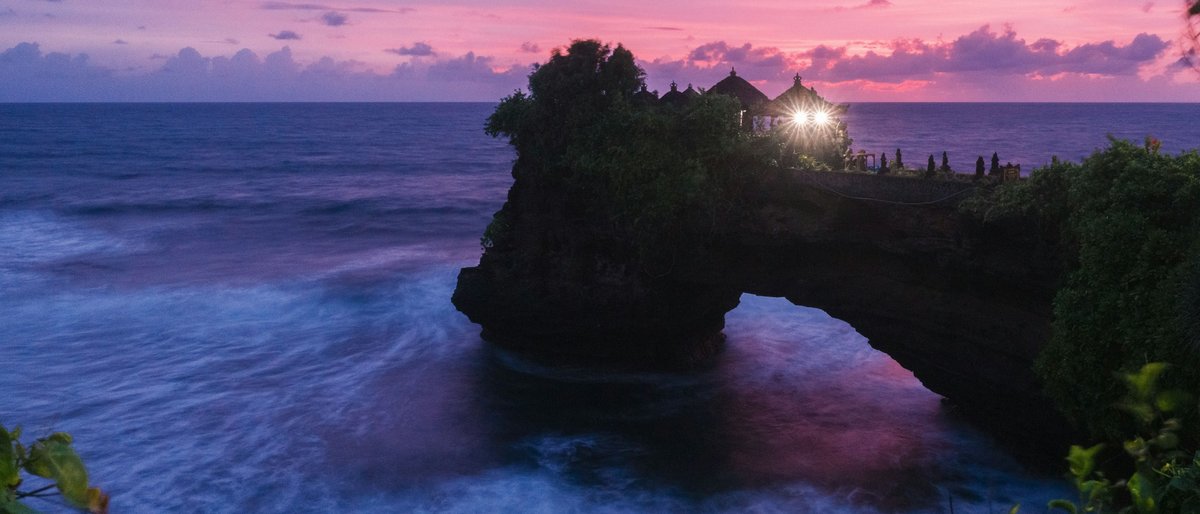
Where do locals actually go in Bali?
Skip Canggu's laptop-farm cafes and Ubud's smoothie-bowl strip. Balinese locals spend evenings at Denpasar's Pasar Badung night stalls, Sunday mornings at Sanur's Sindhu beach warung row, and ceremony-day afternoons at their banjar community halls. Gianyar Night Market after 5pm draws families from across the regency. You won't find wifi at any of these places. That's the point.
Most remote workers in Bali live inside a corridor that runs from Canggu through Seminyak to Ubud, and that corridor has about as much to do with Balinese daily life as the Las Vegas Strip has to do with Nevada ranching. The actual population center is Denpasar — over 700,000 people, zero coworking spaces marketed in English, and the kind of traffic that makes you understand why everyone rides scooters. Pasar Badung, the four-story central market on Jalan Gajah Mada, is where Balinese families buy ceremonial offerings, spices by the kilo, and fabric for temple clothes. The ground floor smells like turmeric and wet concrete at 6am. By 4pm the upper floors shut down and the night-food stalls outside fire up — grilled corn with chili-lime salt, babi guling rice plates for 25,000 IDR (about $1.50), and es daluman that tastes like pandan-flavored grass jelly because that is what it is.
Sanur is the closest thing to a Balinese neighborhood that's still comfortable for a multi-month stay. The beachfront promenade fills with local families after 5pm — kids on bikes, old men fishing off the seawall, teenagers eating bakso from cart vendors whose broth steam you can smell three stalls away. Warung Mak Beng on Jalan Hang Tuah has served the same fried fish and sambal plate since the 1940s. No menu. You sit, you get fish, you pay 50,000 IDR. The crowd is retired Balinese couples and construction workers on lunch break, not backpackers. Sindhu Night Market (Pasar Sindhu, open nightly from about 5pm) runs a full block of satay smoke and nasi campur stalls where pointing at what you want works better than any phrase book.
Gianyar Night Market, about 40 minutes northeast of the nomad belt, is where Balinese families go on weekend evenings. The market opens around 4pm but hits its rhythm after 6 — the smell of roasting sate lilit (minced fish pressed onto lemongrass sticks) fills the parking lot before you even see the stalls. Babi guling here costs roughly 20,000 IDR per plate, which is about $1.17 at current rates. Mind you, this is a wet market town, not a tourist town. No English menus, no card payments, no wifi. The heat is thick even after sunset — low thirties with humidity that sticks your shirt to the plastic chair. That said, if you've spent two weeks eating at Canggu cafes paying 85,000 IDR for avocado toast, sitting at a metal table under bare fluorescent tubes eating the best roast pork on the island for a dollar recalibrates your sense of what Bali costs.
The ceremony calendar shapes everything. Balinese Hindus observe roughly 60 ceremony days per year, and on those days entire villages shut down. Warungs close, roads block for processions, and the gamelan music from temple compounds carries for blocks — a metallic, layered sound that's nothing like the spa-soundtrack version played at resort lobbies. Galungan and Kuningan (ten-day cycle, happens twice a year) are when you'll see the tallest penjor bamboo poles lining every road and families in full white temple dress. The banjar — the neighborhood civic council — is where Balinese social life actually happens, and you won't find it on Google Maps. Each banjar has a meeting hall where community decisions get made, ceremonies get organized, and, worth noting, the local gamelan orchestra practices most evenings between 7 and 9pm. If you hear it from your rental, walk toward the sound. Nobody will mind.
Where they actually go
Pasar Badung
Denpasar — Four-story market that smells of turmeric and marigold offerings at dawn. Construction workers and housewives haggling over spices by 7am. Night food stalls fire up outside after 4pm with babi guling and grilled corn.
Warung Mak Beng
Sanur — Single-dish fried fish warung open since the 1940s. No menu. Plastic tables, retired couples and laborers eating the same 50,000 IDR plate in near-silence. The sambal is sharp enough to clear your sinuses.
Pasar Sindhu Night Market
Sanur — Satay smoke and nasi campur stalls running a full block nightly. Local families at shared metal tables, cash only, loudest between 6 and 9pm. Point at what you want.
Gianyar Night Market
Gianyar — Weekend family destination 40 minutes from the nomad belt. Sate lilit on lemongrass sticks, babi guling for 20,000 IDR, bare fluorescent lights over plastic chairs. No English menus anywhere.
Pantai Mertasari
Sanur — Wide dark-sand beach where Denpasar families picnic on Sunday afternoons. Kite vendors, grilled-corn carts, clusters of warungs with zero English signage and cold Bintang for 15,000 IDR.
Lapangan Puputan Badung
Denpasar — City-center park where office workers buy lunch from warung carts at midday. Joggers circle the monument at 6am, families spread mats on weekend evenings. The air smells like clove cigarettes and fried tofu.
Pasar Ubud (before 7am)
Ubud — Before 8am it is Balinese women buying canang sari supplies — frangipani petals, banana-leaf wrappers, incense sticks. The tourist-market version does not start until later. Wet stone floors, temple-offering colors everywhere.
Best times to visit
Pasar Badung: 5-8am for produce, after 4pm for night food. Sanur promenade: daily after 5pm. Gianyar Night Market: weekends 6-9pm. Ceremony days (check Bali calendar apps) transform every village — follow the gamelan sound.
Last verified by automated review (v1.5.J.2) on May 11, 2026. What is automated review?