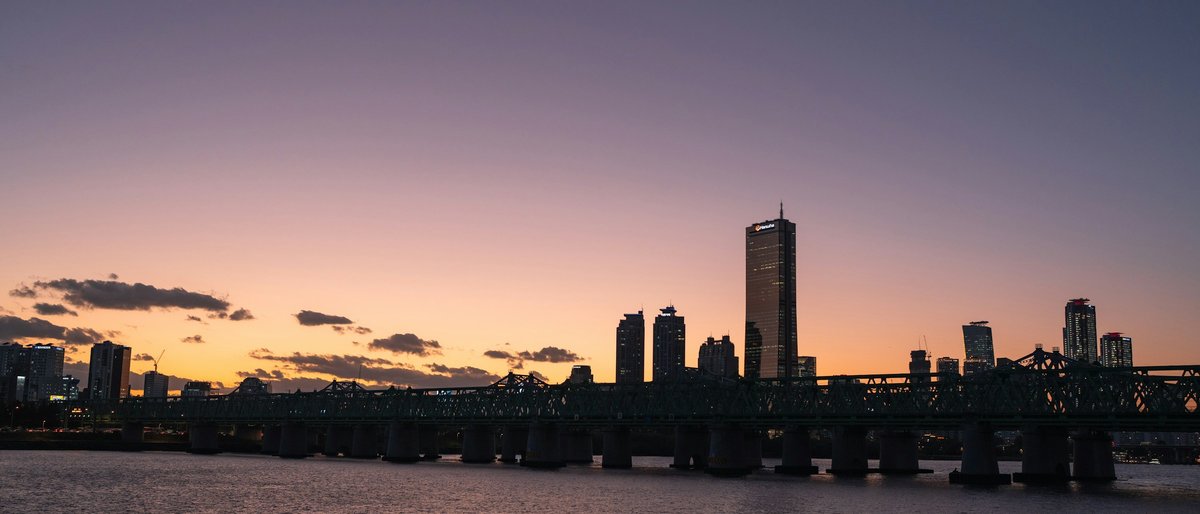
Seoul on a budget
Seoul has 32 budget-tier hotels in the Trip.com pool from US$17 a night. The 2 lists picked for budget travelers in Seoul carry 22 places. D.A.L Premium Capsule Hotel(WOMAN/MAN ONLY), Hotel Drip&Drop, Myeongdong and Simple Stay Hotel lead the picks.
Seoul for budget travelers, in numbers
- Picks on this page
- 22 places across 2 lists, led by D.A.L Premium Capsule Hotel(WOMAN/MAN ONLY), Hotel Drip&Drop, Myeongdong, Simple Stay Hotel
- budget-tier hotels
- 32 in the Trip.com poolfrom US$17 a night
Questions budget travelers ask about Seoul
-
Cost per day
Seoul runs about ₩63,000 ($45) per day on a tight budget. That covers a hostel dorm in Jongno-gu, three meals from convenience stores and market stalls, and subway rides on a T-money card. The National Museum of Korea costs nothing. Midrange sits near ₩155,000 ($110), and hotels around Myeongdong eat most of the difference.
Read the full answer → -
What to avoid
Skip the flat-fare taxi pitch at Incheon, Myeongdong's overpriced cosmetics strip, and the tourist-priced restaurants flanking Gyeongbokgung's main gate. Take the AREX Express to Seoul Station instead of a cab. Eat deeper inside Gwangjang Market, past the entrance stalls. Bukchon Hanok Village enforces quiet hours in its residential lanes, so time your visit accordingly.
Read the full answer → -
Getting around
Seoul's subway does 90% of the work: nine numbered lines plus several extensions reach every neighborhood a visitor needs. Buy a T-money card at any convenience store (2,500 KRW deposit, load 20,000 for three days), tap in and out, and use Kakao T for late-night taxi gaps when the metro stops at midnight.
Read the full answer → -
Airport to city
Take the AREX Express from Incheon (ICN) to Seoul Station: 9,500 won ($6.40), 43 minutes, departing every 30 to 40 minutes from 5:15am to 10:50pm. Transfer to Seoul Metro lines 1 or 4 for your final stop. After the last train, KakaoTaxi to most central neighborhoods runs 55,000 to 75,000 won ($37–51) including tolls.
Read the full answer → -
Food culture
Seoul eats on a schedule built around shared tables and banchan that never stop coming. Breakfast is a bowl of sullungtang from a counter open since 4am. Lunch is fast: office workers clear kimchi-jjigae in twelve minutes. Dinner stretches past midnight, wrapped around soju and grilled pork belly where exhaust fans roar overhead.
Read the full answer →
Curated for budget travelers
-
Best hostels
Seoul spreads its hostel inventory across neighborhoods that feel like separate cities. The market corridors around Dongdaemun run all night and sleep cheap; the heritage lanes of Insadong and Bukchon quiet down early and cost more for the calm. Myeong-dong puts the subway interchange and the shopping density within a few blocks of your door, while the university strips north of the river trade tourist convenience for local prices and Korean barbecue joints that outnumber foreigners. Yeouido, the finance island on the Han, empties after office hours and hands budget travelers a clean room with no crowd. Incheon's airport corridor exists for the layover, not the trip, but earns its place when your flight lands past midnight. The range runs from $17 capsule beds to $58 renovated doubles, and the best-rated hostels sit in the cheapest zones, not the most famous ones. This list maps ten neighborhoods by where the inventory clusters, what sits within walking distance, and which type of traveler each area rewards. Seoul's subway does the heavy lifting between them; the question is not how to get around, but where to wake up.
See the picks → -
Best free attractions
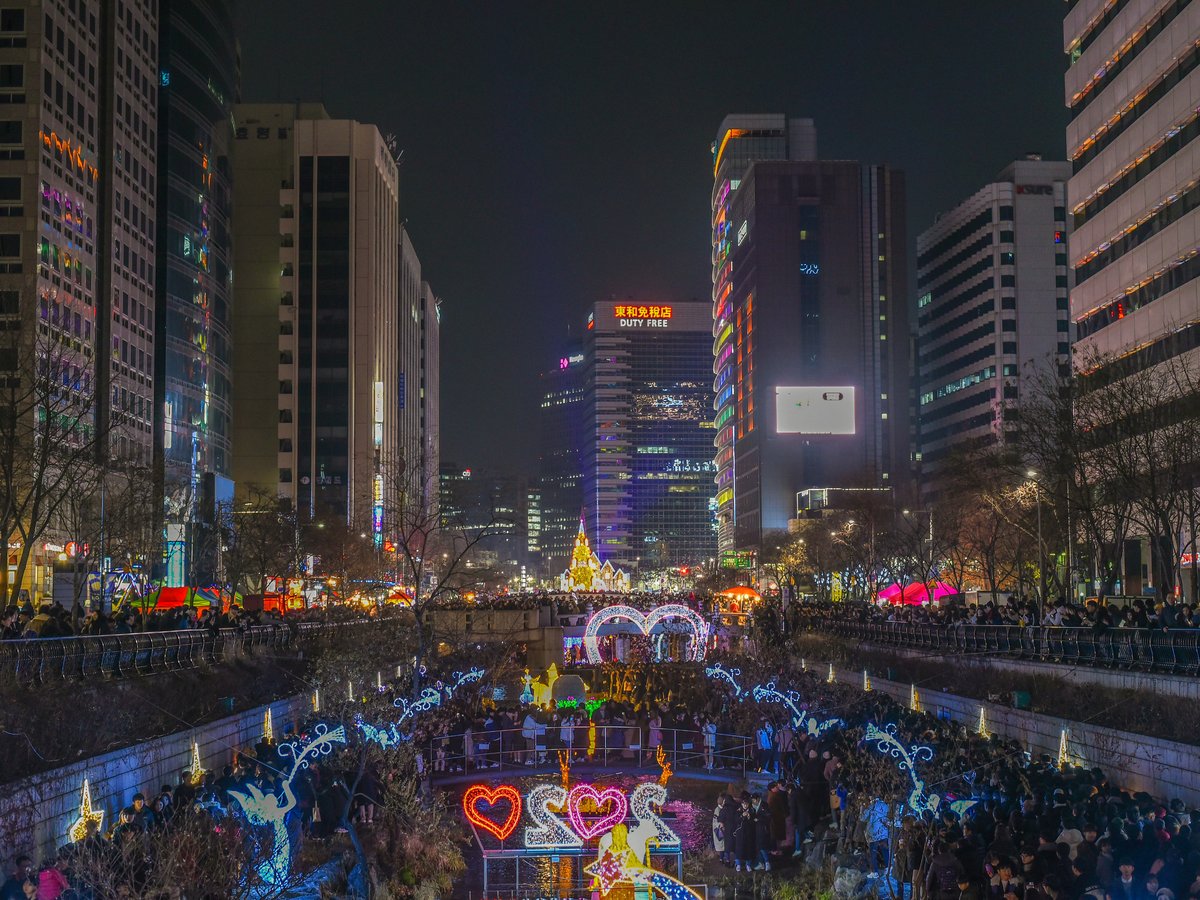
Seoul's free public realm is unusually generous for a capital of its size, and it rewards a visitor who plans a day around it. The city's parks, plazas, and one restored stream sit inside the same downtown grid as the palaces, which means an itinerary of nothing but free ground is walkable: Cheonggyecheon, Gwanghwamun Plaza, and Seoul Plaza cluster within a few blocks of one another. Push a little further and you reach elevated walkways, riverside forests, and memorial grounds tied to the country's independence history. The 12 entries below are ordered for a traveller who wants character over checklist: the downtown stream and squares first, then the neighbourhood parks that locals use, then the wilder outer-belt ground of Seongdong-gu and beyond. Everything here costs nothing to enter. Bring water, a transit card, and shoes you can walk in for a full day.
See the picks →