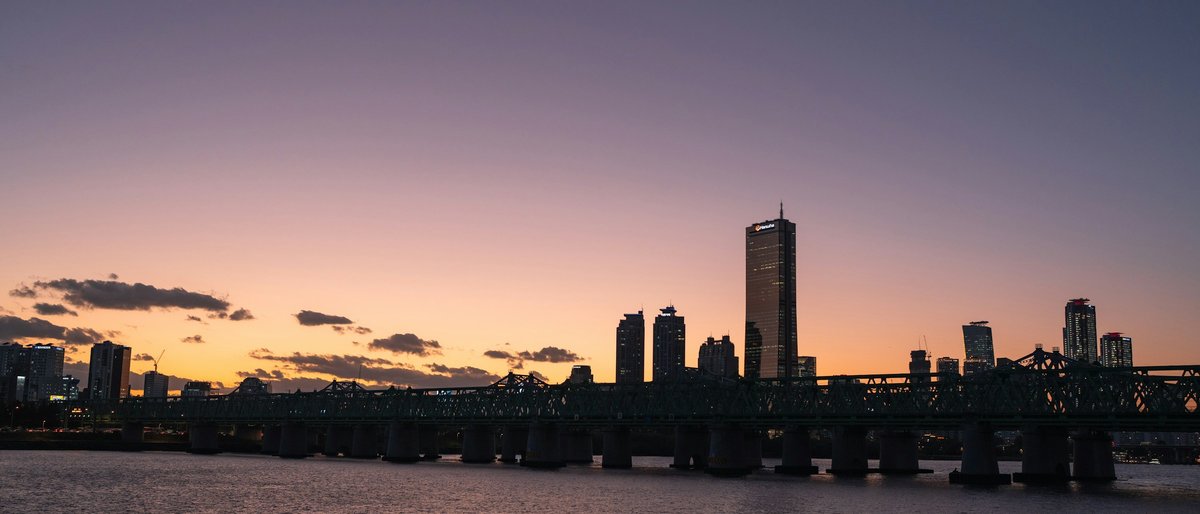
Seoul's must-see list is dominated by the Joseon dynasty's built inheritance, and that shapes how a visitor should read the city. Five palaces sit within a walkable ring in central Seoul, alongside the former presidential residence at 청와대로 1, the surviving south gate of the old fortress wall, and a Buddhist pagoda that predates most of what surrounds it. The list is not a highlight reel of unrelated attractions; it is a compact argument about how a capital layered court, wall, and worship into a single grid, then draped a communications tower, a design plaza, and an arts centre over the top. It is for the visitor who wants to understand Seoul as a system, not tick a skyline photo. Read in rank order, walk in geographic clusters. The palaces reward a slow morning; the tower and the plaza reward an evening; the church and the pagoda ask a quieter kind of attention. Every claim below is grounded in a verified source, and the addresses are given in Korean because that is what a taxi driver reads.
-
1 Gyeongbokgung
서울특별시 종로구 사직로 161The Joseon dynasty's principal palace, the anchor of central Seoul
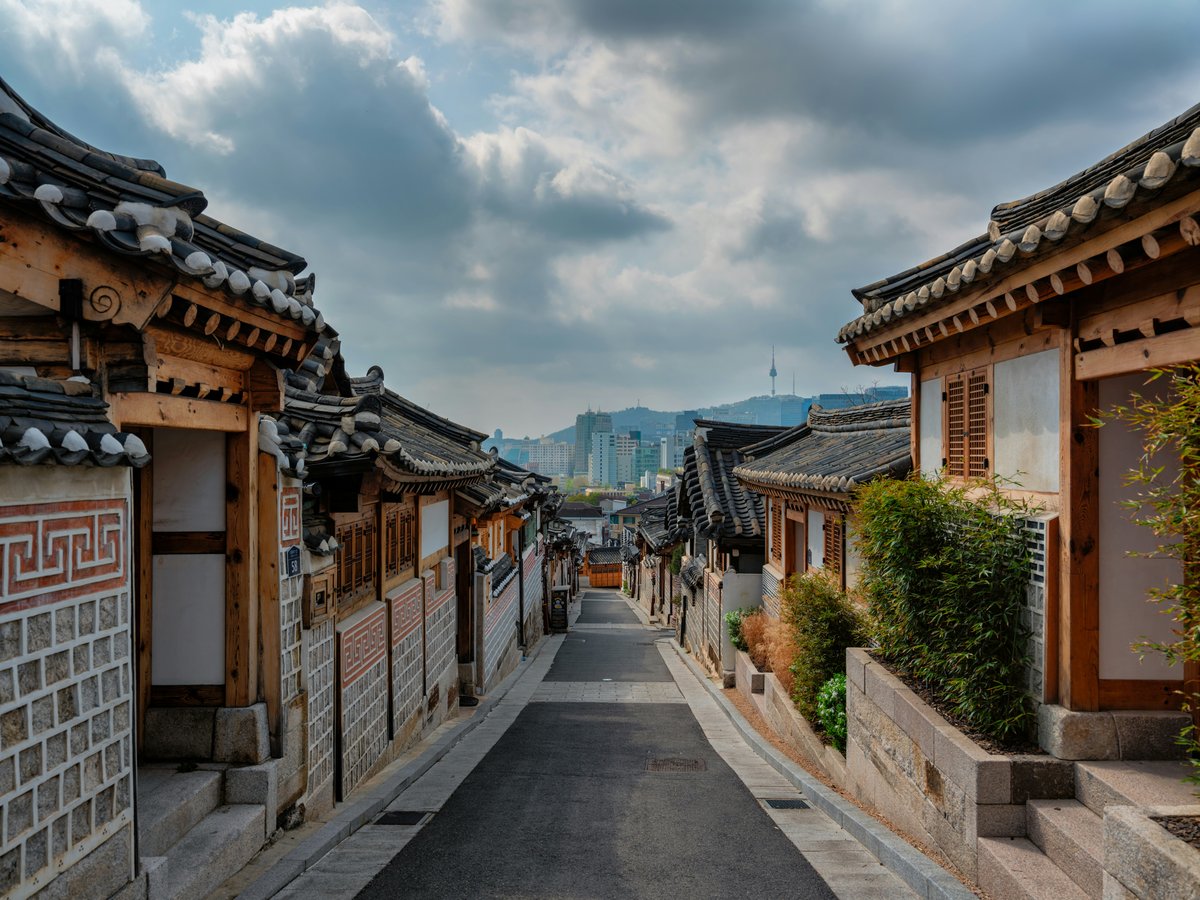
At 사직로 161 in 종로구, Gyeongbokgung is the palace most visitors treat as the default and, unusually, they are right to. Skip the reflex to bounce between three palaces in an afternoon; this one earns a slow morning by itself, and the compound is wide enough to absorb a crowd without feeling herded. The coordinates sit at 37.5799, 126.9768, which puts the main gate on the northern axis of the old city grid, and the walk in from the south is deliberate: the courtyards open in sequence, not all at once. The official site at royal.khs.go.kr publishes the current schedule, and the switchboard at +82-2-738-9171 answers in Korean; check both before you go. Locals know to enter early, before the tour buses land.
-
2 Changgyeonggung
서울특별시 종로구 창경궁로 185The quieter eastern palace, walked as a pair with Changdeokgung
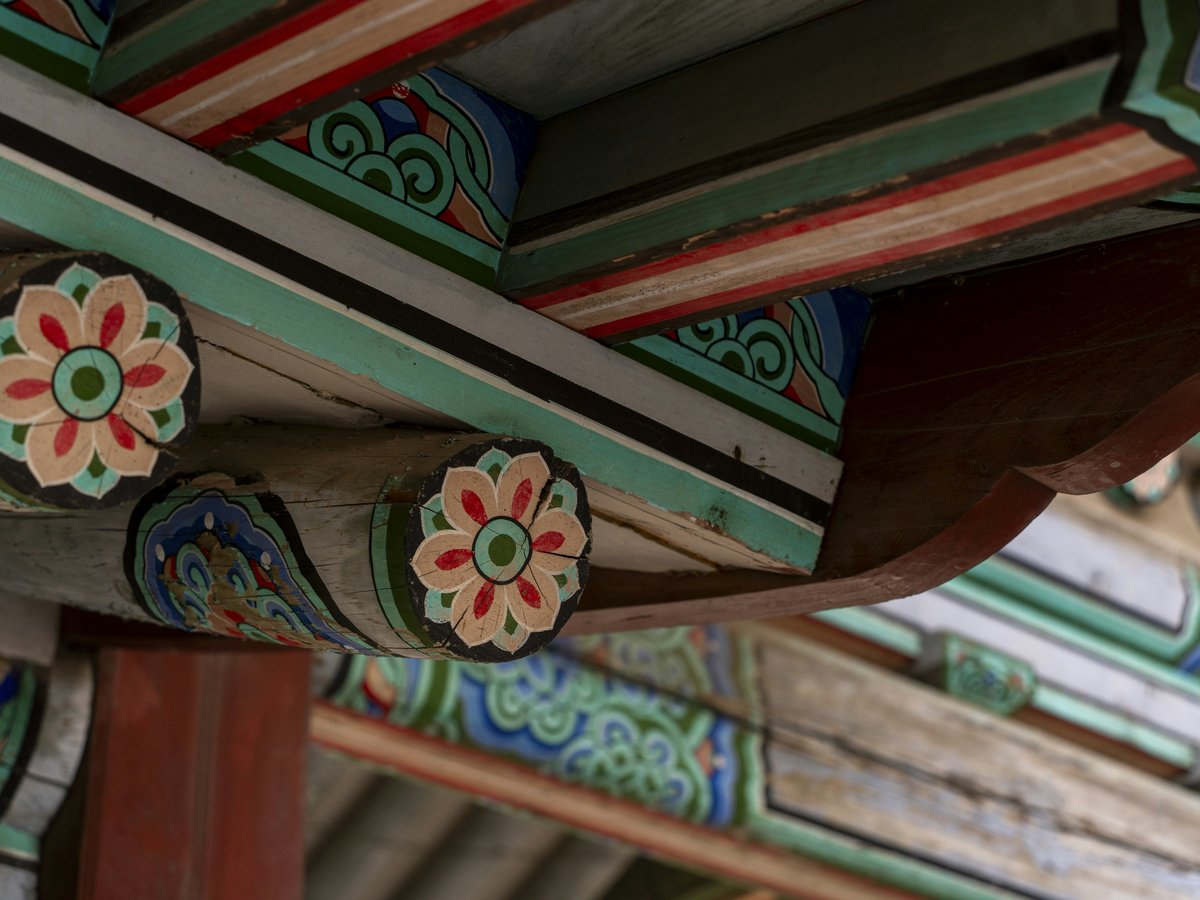
Light spills across the ponds of Changgyeonggung, at 창경궁로 185 in 종로구, long before the coach parties arrive. Locals prefer this palace to the more photographed neighbour to the west, and the reason is spatial: the grounds sit at 37.5784, 126.9960, sharing a wall with Changdeokgung, so a single ticket-and-walk stitches the two together without a taxi in the middle. The official site is cgg.cha.go.kr, and it is worth reading the current opening hours there rather than trusting a third-party aggregator. Don't bother with the palace-hop bus tours; the walk from Changdeokgung's back wall to Changgyeonggung's front takes ten minutes and shows you a strip of Seoul the bus route hides. Go on a weekday morning, and the ponds are yours.
-
3 Changdeokgung
서울특별시 종로구 율곡로 99The palace Joseon kings preferred to live in
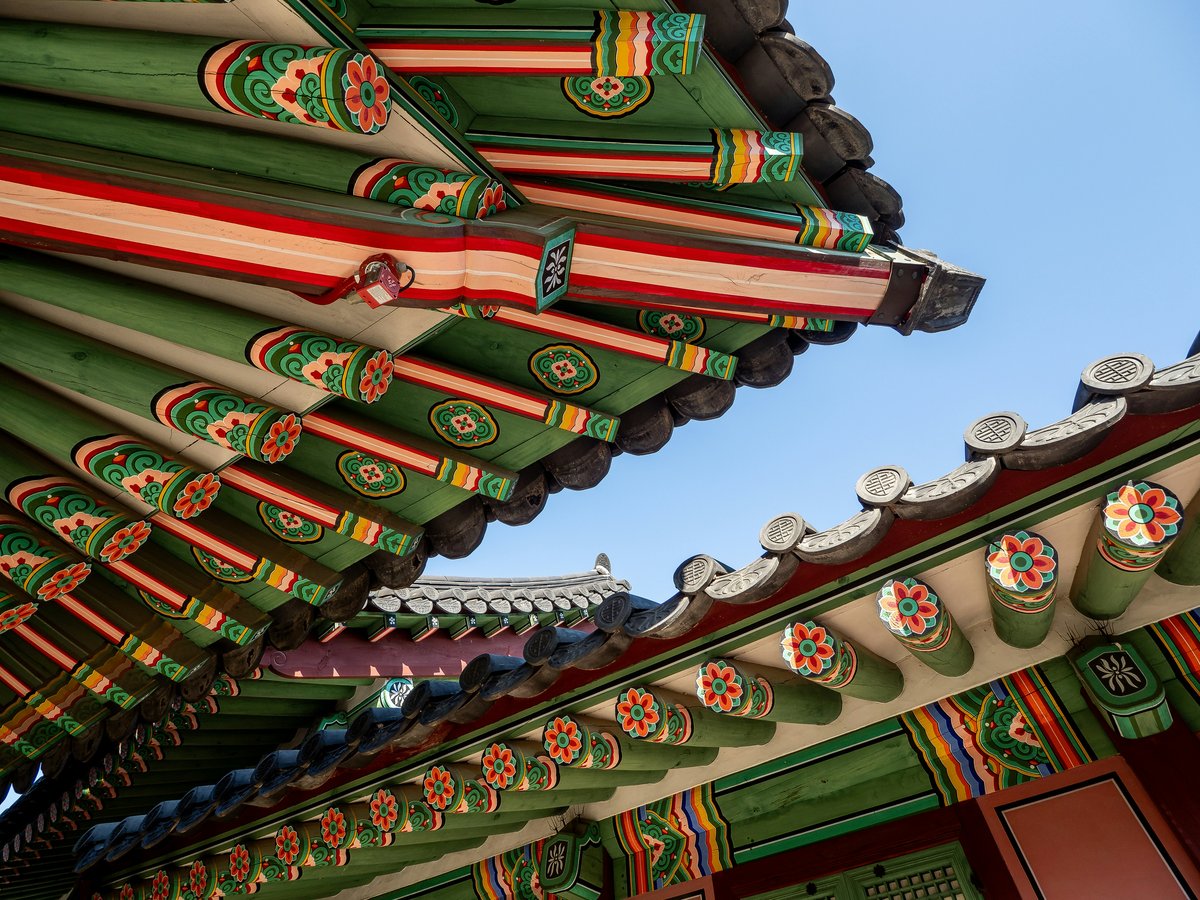
The compound at 율곡로 99 in 종로구 rewards patience in a way its neighbours do not. Changdeokgung's geometry makes the case: the buildings are set into the terrain at 37.5794, 126.9917 rather than flattened on top of it, so a walk through the grounds climbs and turns rather than marching in straight lines. Skip the tendency to treat this as a checkbox after the larger palace to the west; the two are architectural opposites and they read best if you give this one its own hour. Locals go for the rear garden, which sits behind the main halls and is entered on a timed ticket; the crowd thins the moment you cross that gate. Enter early, and the courtyards belong to you.
-
4 Blue House
서울특별시 종로구 청와대로 1The former presidential residence, now open to visitors
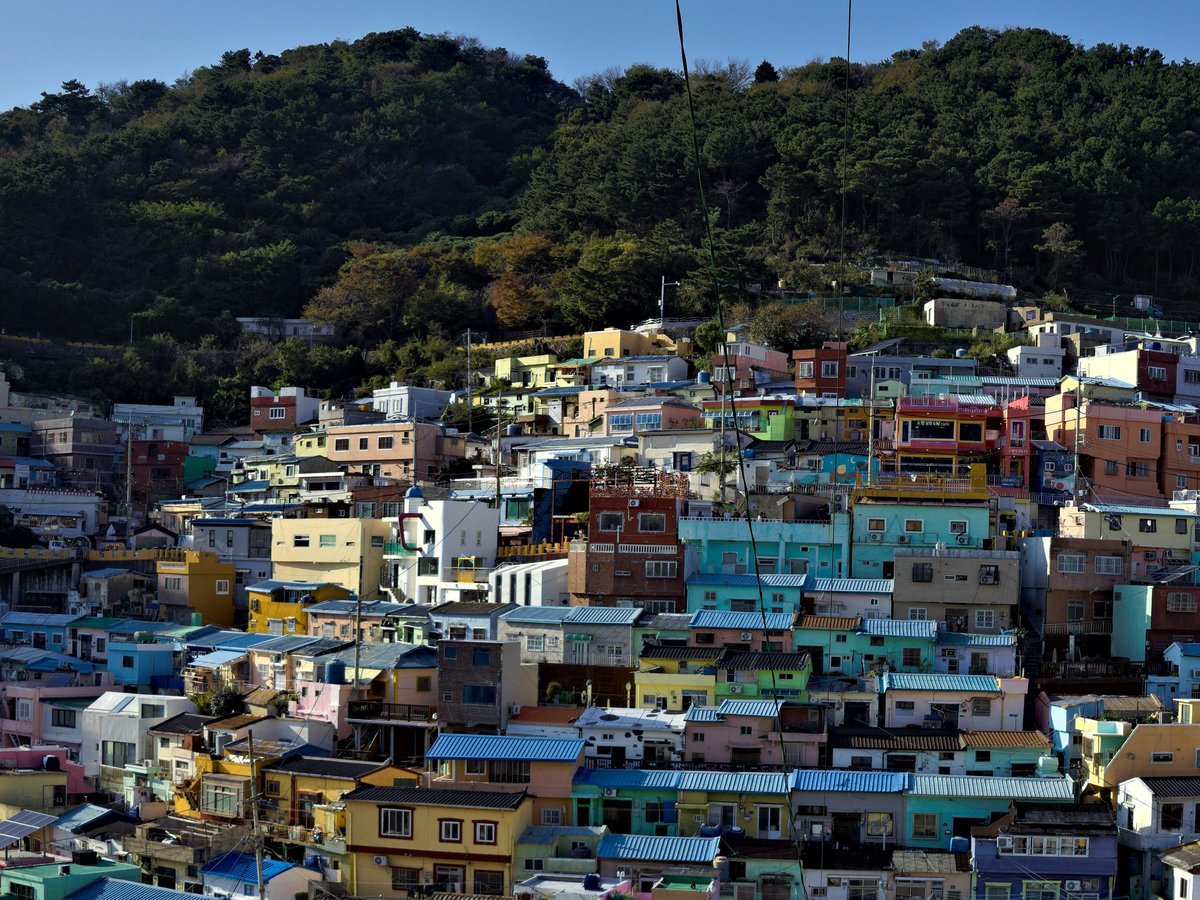
At 청와대로 1 in 종로구, the Blue House is a working piece of political geography rather than a monument. It was the official residence of the president of South Korea: a matter-of-fact way of saying that until recently a visitor could not stand where you now stand. The compound sits at 37.5867, 126.9749, directly north of the main palace, and the alignment is not accidental; the two sites read as a single north-south axis running through central Seoul, and walking that axis on foot is the best way to understand how the city stacks court, government, and gate. Don't bother with the shuttle tours that treat this as a quick photo stop; give it an hour, and read the grounds as an argument about power and access.
-
5 Deoksugung
서울특별시 중구 세종대로 99The palace wedged into modern downtown, best walked at dusk
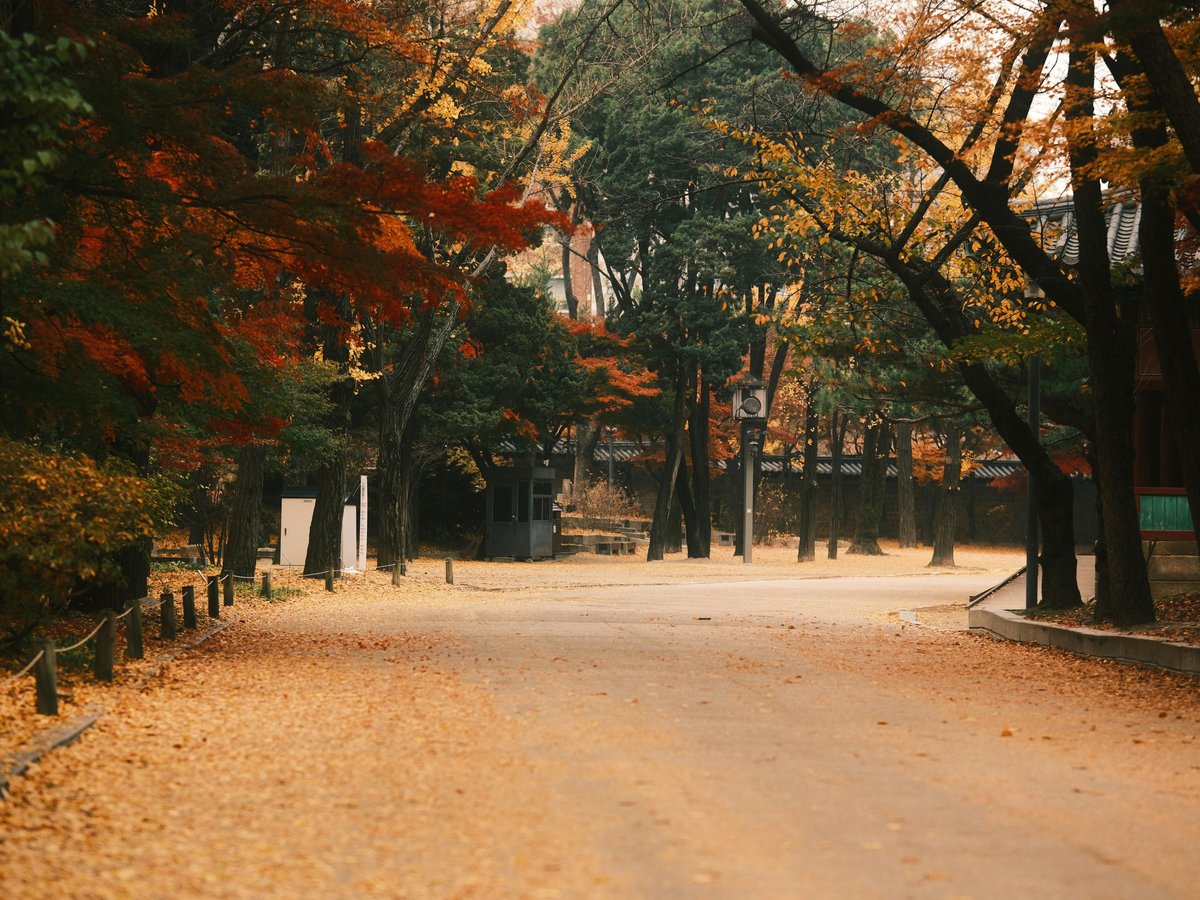
The stone wall along 세종대로 99, in 중구, is the giveaway: Deoksugung is the palace the modern city grew around rather than away from, and the collision reads best on foot. The grounds sit at 37.5661, 126.9750, a short walk south of the main royal axis, and the mismatch of scales (low tiled roofs, tall office towers behind them) is the point. Locals head here in the late afternoon, when the office windows go copper and the palace lanterns come on together. Skip the impulse to lump this in with the two big palaces to the north; the character is different, the crowd is different, and half an hour of quiet reading here is worth two hours of shuffling elsewhere. Enter through the main gate; leave through the back, and the walk out is half the visit.
-
6 Namsan Seoul Tower
atop Namsan, at 37.5512, 126.9883The communications tower that doubles as the city's orientation platform
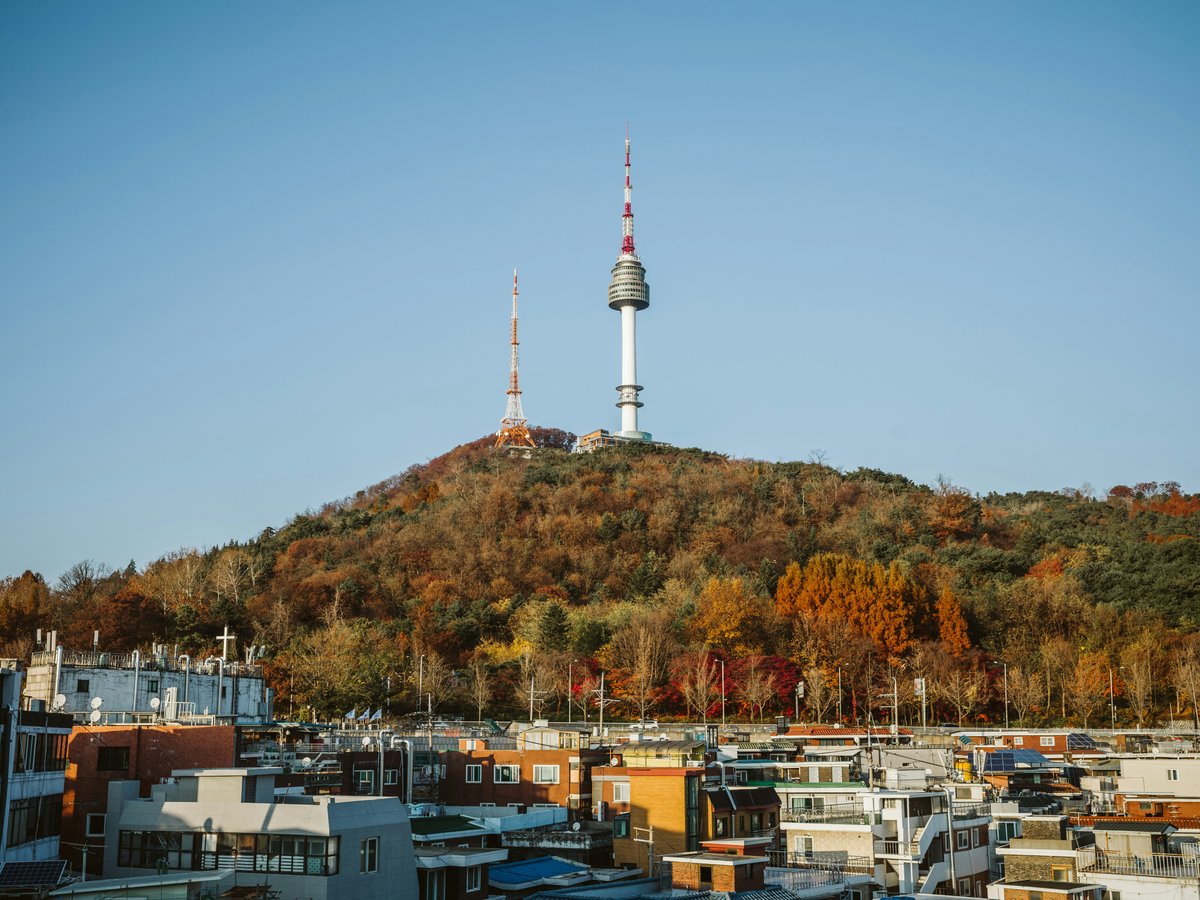
The ridge above Namsan sits at 37.5512, 126.9883, and the communications tower on top of it is the reason to climb. Namsan Seoul Tower is the piece of infrastructure most visitors read as a viewpoint, and they are right to; the platform is the fastest way to see how the palace grid, the river, and the mountains fit together. The official site at seoultower.co.kr carries the current hours and ticketing, and it is worth checking rather than trusting third-party listings. Skip the cable-car queue at peak weekend hours; the walk up through the park is 20 minutes on a good path, cooler in summer, and the view arrives earned rather than delivered. Go at the hour before sunset; the light on the palace tile roofs to the north is why you came.
-
7 Gyeonghuigung
서울특별시 종로구 새문안로 45The fifth of the Five Grand Palaces, and the least visited
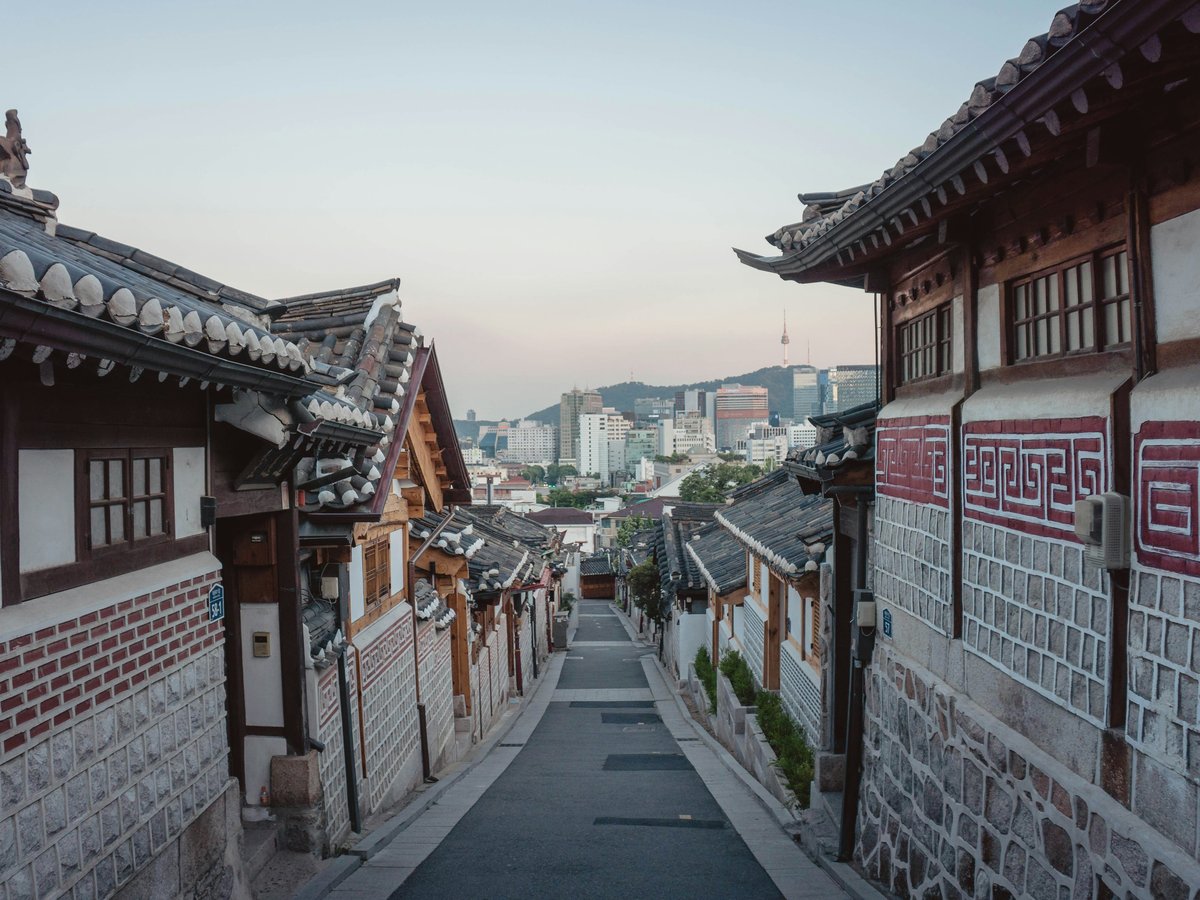
At 새문안로 45 in 종로구, Gyeonghuigung (literally the Palace of Serene Harmony) is one of the Five Grand Palaces built by the Joseon Dynasty. It also happens to be the one the tour buses skip, which is exactly why to come. The grounds sit at 37.5714, 126.9681, a short walk west of the main royal axis, and the compound is a fraction of the size of its more famous neighbours. Don't bother trying to slot this into the same morning as three other palaces; give it 45 minutes on its own, and the emptiness is the experience. Locals know it as a lunchtime park more than a tourist attraction, and reading it that way (a piece of a working neighbourhood that happens to be several hundred years old) gets closer to the truth than the palace-hop itinerary.
-
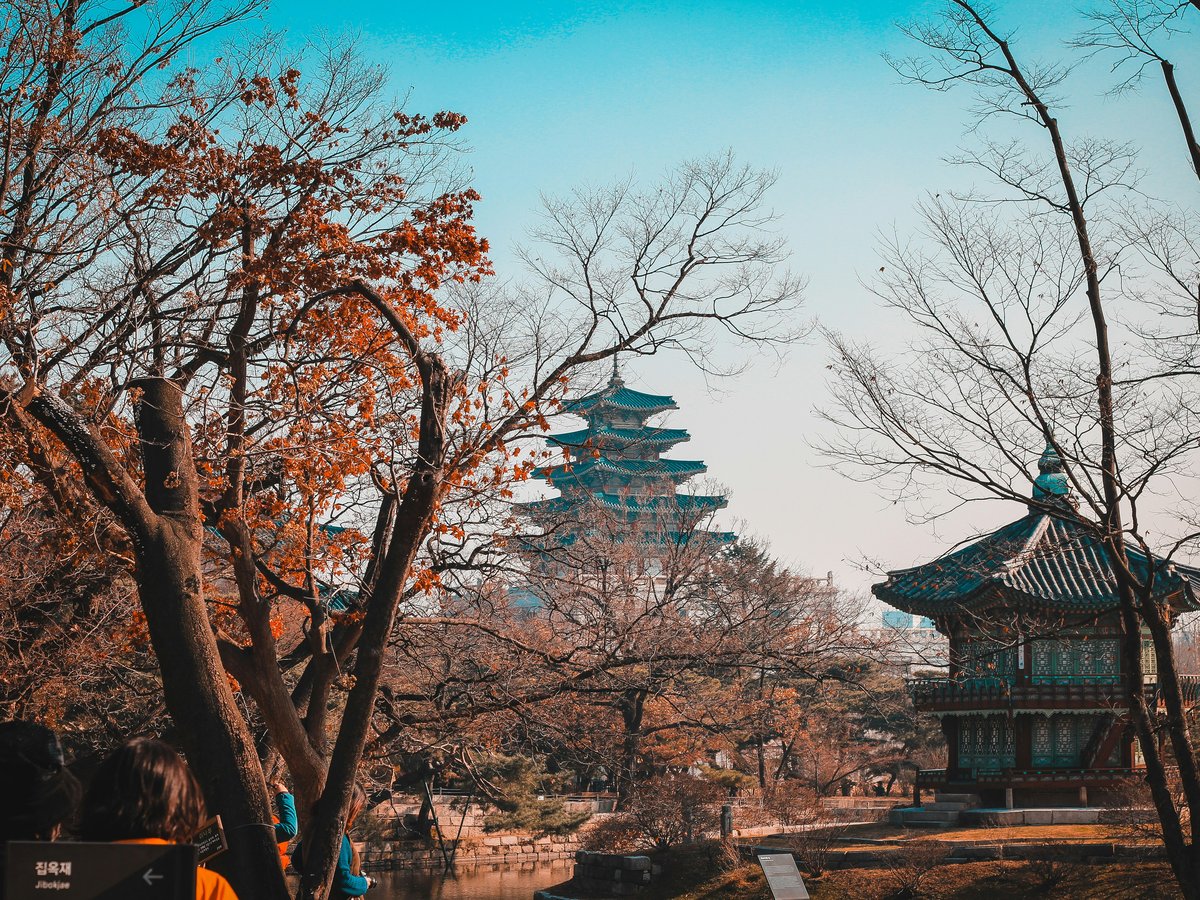
8 Namdaemun
central Seoul, at 37.5600, 126.9753The main gate of the old fortress wall, one of the Four Great Gates
Traffic rolls past Namdaemun at 37.5600, 126.9753, and the gate stands in the middle of it, unbothered. This is the main gate of Seoul fortress: one of the Four Great Gates, one of the Eight Gates of Seoul, part of the Fortress Wall of Seoul, and the description matters because it tells you what you are looking at: an intact piece of a city wall the rest of which the modern grid swallowed. Skip the instinct to treat this as a quick photograph and keep walking; give it ten minutes from the far side of the crossing, and the scale of the roof against the office blocks behind it makes the argument. Locals cross under it every morning without looking up. That is the point; you are the one who came to see it.
-
9 Yoido Full Gospel Church
Yeouido, at 37.5310, 126.9233A Pentecostal church of a scale that changed how Seoul thinks about worship
The service hall on Yeouido sits at 37.5310, 126.9233, and the scale of it is the reason to go. Yoido Full Gospel Church is a Pentecostal church, and treating it as merely a large auditorium misreads why it belongs on a must-see list; the size of the congregation and the choreography of a Sunday morning are a piece of contemporary Seoul that a palace itinerary otherwise misses. The English-language site is at english.fgtv.com, and it is the right place to check the service schedule before you go rather than turning up cold. Don't bother trying to visit outside a service; the building empty is a building. Locals attend, they do not tour. Go on a Sunday morning, sit quietly at the back, and read the room; it is a piece of the city no palace can tell you.
-
10 Dongdaemun Design Plaza & Park
eastern central Seoul, at 37.5669, 127.0094A building that reads as a piece of infrastructure, not a photo backdrop
The curved shell at 37.5669, 127.0094 pulls the eye long before you know what it is. Dongdaemun Design Plaza & Park refuses to be summarised: calling it an architecture landmark undersells the surrounding market ecosystem it anchors. The official site at ddp.or.kr publishes the exhibition and market schedule that determines whether an evening here is worth the metro ride; check it before you commit. Skip the reflex to shoot the exterior and leave; the plaza works as civic infrastructure, a place people cross on their way to and from the surrounding markets, and reading it that way is the difference between a photo stop and an hour well spent. Go in the evening, when the shell glows from within and the markets around it wake up.
-
11 Wongaksa Pagoda
서울특별시 종로구 종로 99 탑골 공원A stone pagoda in Seoul, and the reason to visit a small city park
In the middle of 탑골 공원, at 종로 99 in 종로구, the pagoda rises out of a park most visitors walk past. Wongaksa Pagoda sits at 37.5717, 126.9880 in central Seoul, and the fact that a monument of this age sits inside a working neighbourhood park rather than behind a fence is the whole story. Don't bother trying to build a half-day around it; give it 20 minutes on the way between two other stops, and read it as evidence of how casually the city carries its older layers. Locals treat the park as a rest stop, not a shrine. That is the correct posture; sit for ten minutes, look up, and leave.
-
12 Sejong Center
central Seoul, at 37.5725, 126.9756An arts centre in Seoul worth reading a programme for
The plaza around the main hall sits at 37.5725, 126.9756, on the same central axis as the main palace to the north. Sejong Center is an arts centre that earns its slot on a 12-item list because a city is more than its dynasty; the programme here is where contemporary Seoul argues with itself, and reading a night of it is worth more than another palace photograph. The English programme is published at sejongpac.or.kr, and the honest advice is to look at what is on rather than showing up for the building. Skip the impulse to add this as a facade shot on a palace-crawl morning; buy a ticket to something, sit through it, and let the evening tell you what the daytime itinerary could not.
Last verified by automated review (v1.7.2_accom-wave-192-20260903064423) on . What is automated review?