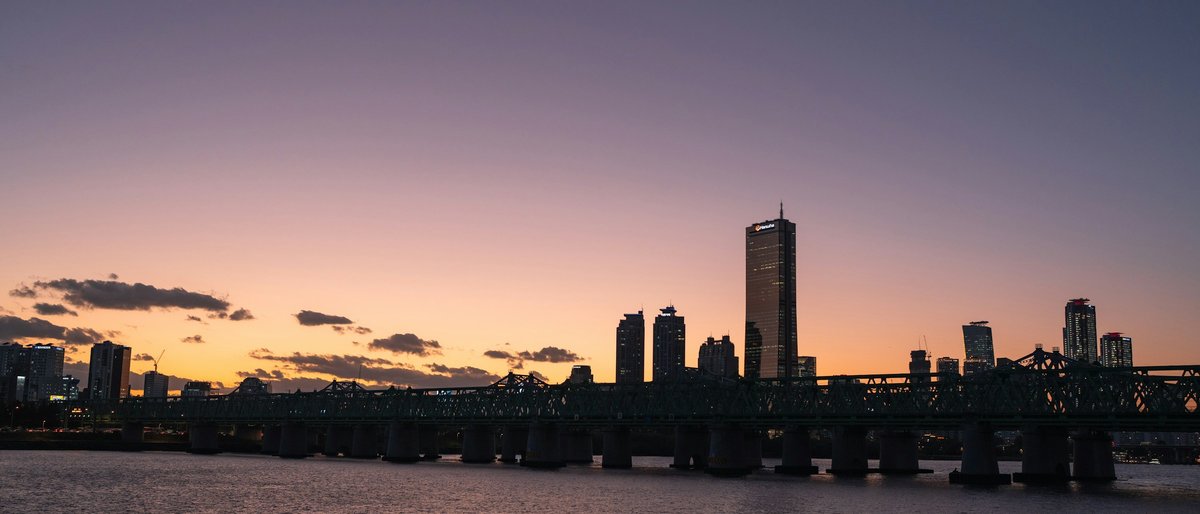
Seoul for solo travelers
Seoul scores 9.0 out of 10 for solo safety, 6th of the 130 cities TTDI measures. The 1 list picked for solo travelers in Seoul carries 10 places. D.A.L Premium Capsule Hotel(WOMAN/MAN ONLY), Hotel Drip&Drop, Myeongdong and Simple Stay Hotel lead the picks.
Seoul for solo travelers, in numbers
- Score for solo safety
- 9.0 out of 106th of 130 cities
- Picks on this page
- 10 places across 1 lists, led by D.A.L Premium Capsule Hotel(WOMAN/MAN ONLY), Hotel Drip&Drop, Myeongdong, Simple Stay Hotel
Questions solo travelers ask about Seoul
-
Solo travel
Seoul is a 9/10 for solo travel: possibly the best city in East Asia for it. The honbap (eating alone) culture means restaurants actively design for single diners, the subway runs clean and safe until midnight with full English signage, and Korean social norms around solo activities have shifted so far that honsul (drinking alone) bars are now a recognized business category.
Read the full answer → -
Getting around
Seoul's subway does 90% of the work: nine numbered lines plus several extensions reach every neighborhood a visitor needs. Buy a T-money card at any convenience store (2,500 KRW deposit, load 20,000 for three days), tap in and out, and use Kakao T for late-night taxi gaps when the metro stops at midnight.
Read the full answer → -
Language basics
Korean: written in Hangul, a phonetic alphabet you can learn to sound out in roughly two hours. English proficiency in Seoul's tourist zones runs about 6/10: solid around Itaewon and the Gangnam station corridor, thin at traditional markets like Gwangjang and with most taxi drivers. Learn "annyeonghaseyo" (hello) and "kamsahamnida" (thank you): politeness registers here matter more than fluency.
Read the full answer → -
Cultural etiquette
Bow slightly when greeting, deeper for elders or formal situations. Never write a name in red ink. Receive objects from older people with both hands. Tipping is uncommon and will likely confuse your server. Remove shoes before entering homes, temple halls, and traditional restaurants with floor seating. Seoul's subway priority seats stay empty even on packed rush-hour trains.
Read the full answer → -
Best time to visit
Mid-October through early November, or late April into May. Autumn gives you three to four weeks of dry, crisp air and maple color across Bukhansan and the palace grounds: a longer, more reliable window than cherry-blossom season. Spring is warmer but shorter, with yellow-dust days. Skip July and August: monsoon heat is suffocating.
Read the full answer →