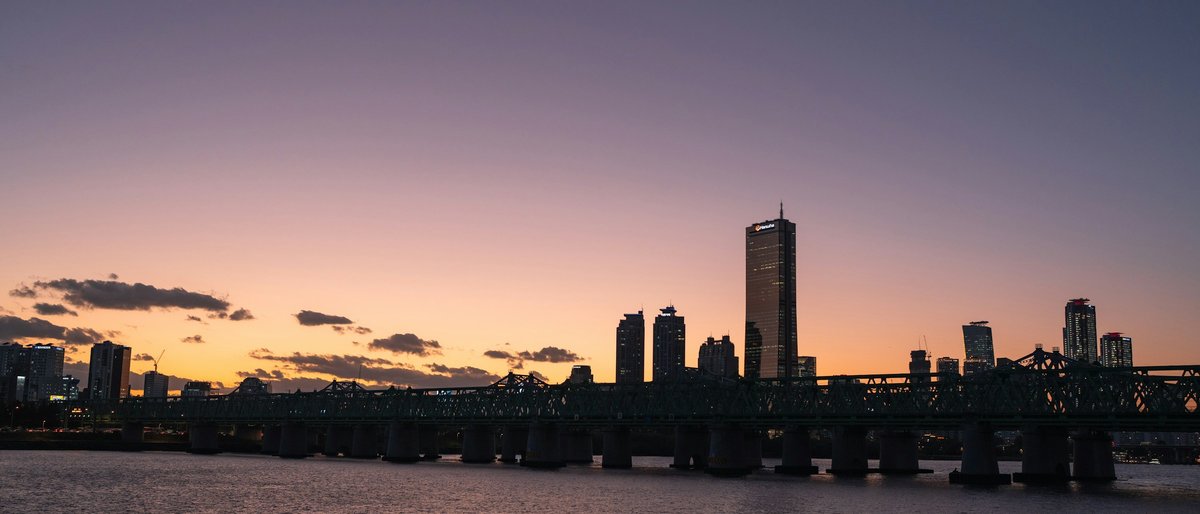
Seoul for families
Seoul scores 8.0 out of 10 for families, 45th of the 130 cities TTDI measures. The 3 lists picked for families in Seoul carry 36 places. Gyeongbokgung, Changgyeonggung and Changdeokgung lead the picks.
Seoul for families with kids, in numbers
- Score for families
- 8.0 out of 1045th of 130 cities
- Picks on this page
- 36 places across 3 lists, led by Gyeongbokgung, Changgyeonggung, Changdeokgung
Questions families with kids ask about Seoul
-
Family-friendly
Seoul is family-friendly: 8/10. The subway has elevators at nearly every station, kid cafes are a local institution, and Korean comfort food (kimbap, mild jjajangmyeon) solves most picky-eater standoffs. Summer humidity is the main challenge with small children, and older hanok neighborhoods involve steep stair climbs that defeat strollers. The infrastructure here is built with kids in mind.
Read the full answer → -
Is it safe?
Seoul scores 9 out of 10 for solo-traveler safety (see the TTDI Solo-Safety Index). Violent crime against tourists is near zero. The risks that affect visitors are hidden cameras in public restrooms, bar-tab scams at certain Itaewon bars, and taxis skipping the meter past midnight. Dial 112 for police, 119 for medical, both with English-speaking operators.
Read the full answer → -
What to pack
Pack slip-on shoes: you'll remove them at temples, hanok guesthouses, and most barbecue restaurants. Seoul's spring swings between 8°C and 24°C with occasional fine-dust days, so bring layers and a KF94 mask. Leave skincare and umbrellas behind; Korean drugstores sell better products for less. Bring a portable charger: your phone dies fast here.
Read the full answer → -
Getting around
Seoul's subway does 90% of the work: nine numbered lines plus several extensions reach every neighborhood a visitor needs. Buy a T-money card at any convenience store (2,500 KRW deposit, load 20,000 for three days), tap in and out, and use Kakao T for late-night taxi gaps when the metro stops at midnight.
Read the full answer → -
Best time to visit
Mid-October through early November, or late April into May. Autumn gives you three to four weeks of dry, crisp air and maple color across Bukhansan and the palace grounds: a longer, more reliable window than cherry-blossom season. Spring is warmer but shorter, with yellow-dust days. Skip July and August: monsoon heat is suffocating.
Read the full answer →
Curated for families with kids
-
Must-see attractions
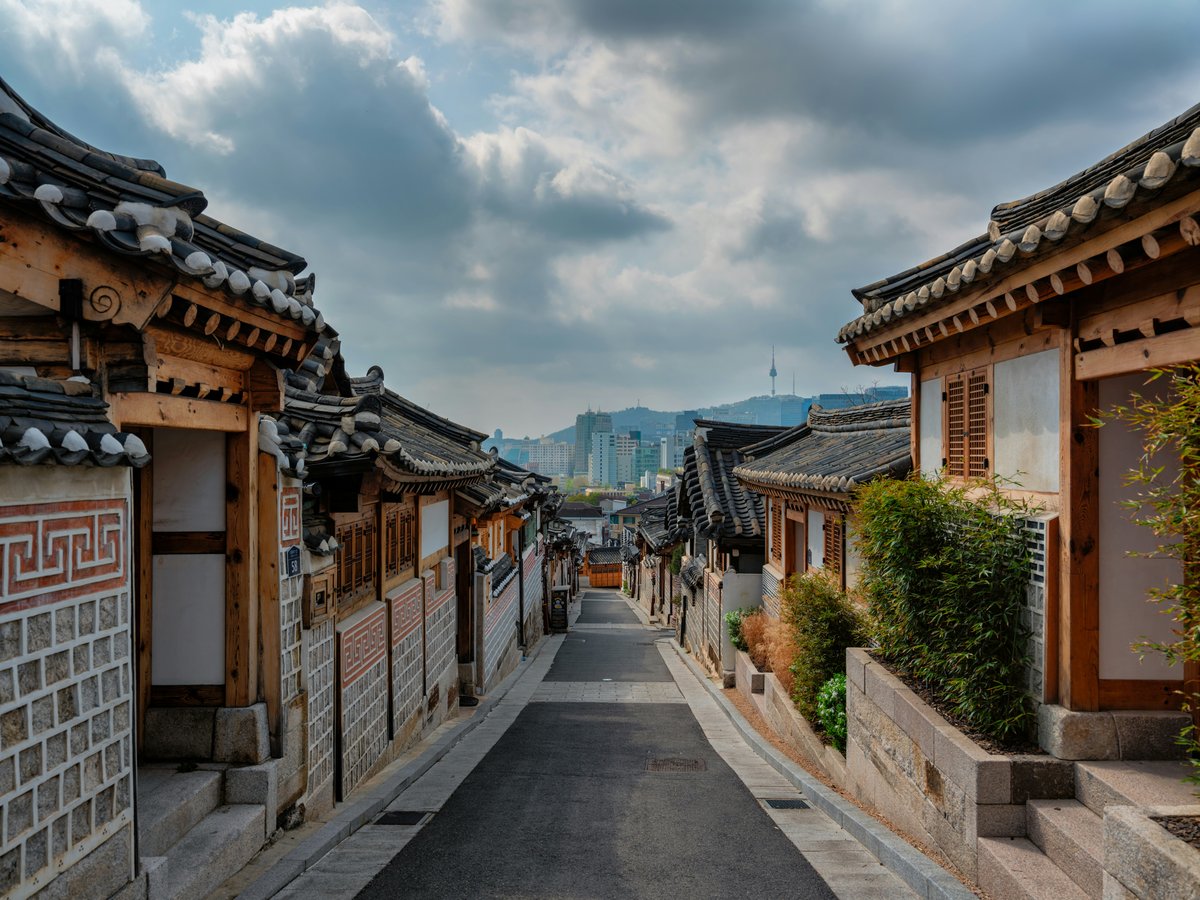
Seoul's must-see list is dominated by the Joseon dynasty's built inheritance, and that shapes how a visitor should read the city. Five palaces sit within a walkable ring in central Seoul, alongside the former presidential residence at 청와대로 1, the surviving south gate of the old fortress wall, and a Buddhist pagoda that predates most of what surrounds it. The list is not a highlight reel of unrelated attractions; it is a compact argument about how a capital layered court, wall, and worship into a single grid, then draped a communications tower, a design plaza, and an arts centre over the top. It is for the visitor who wants to understand Seoul as a system, not tick a skyline photo. Read in rank order, walk in geographic clusters. The palaces reward a slow morning; the tower and the plaza reward an evening; the church and the pagoda ask a quieter kind of attention. Every claim below is grounded in a verified source, and the addresses are given in Korean because that is what a taxi driver reads.
See the picks → -
Best free attractions
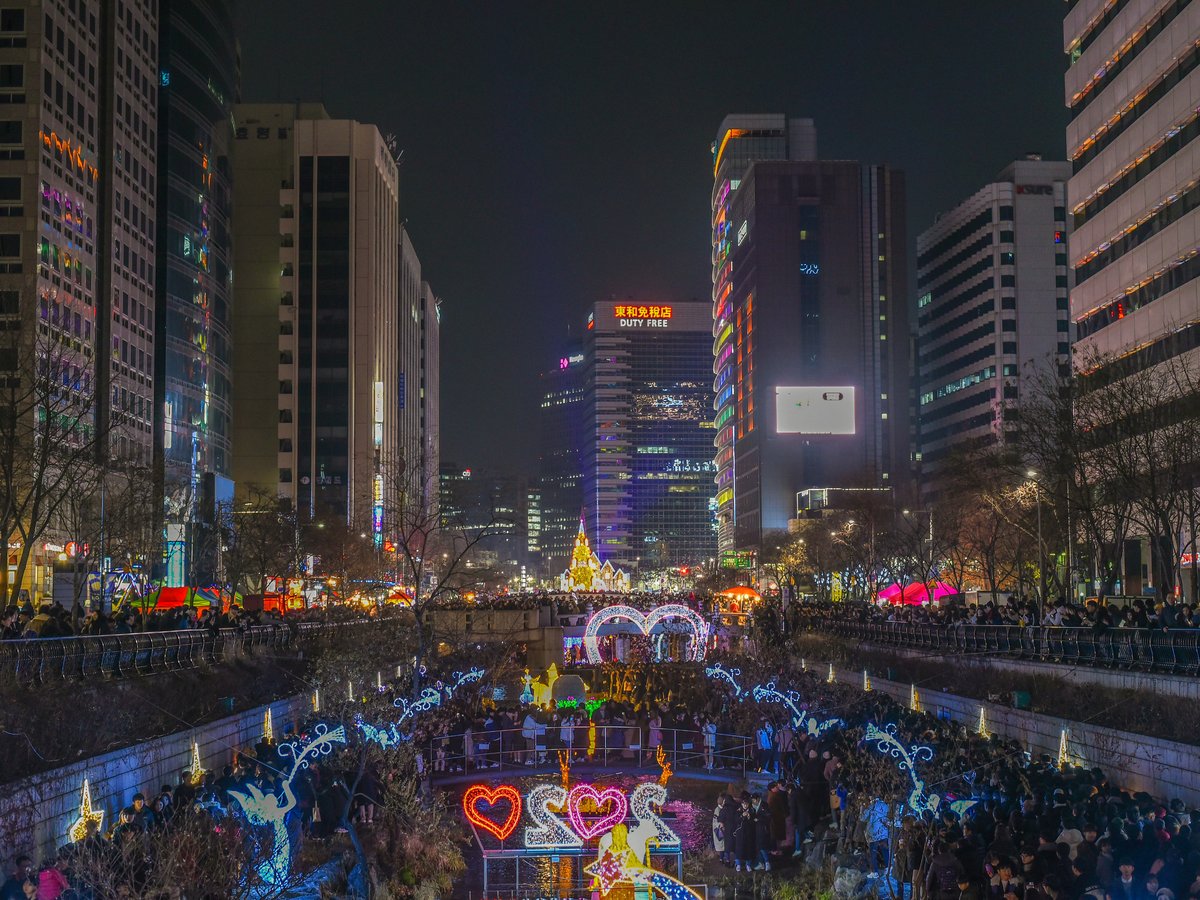
Seoul's free public realm is unusually generous for a capital of its size, and it rewards a visitor who plans a day around it. The city's parks, plazas, and one restored stream sit inside the same downtown grid as the palaces, which means an itinerary of nothing but free ground is walkable: Cheonggyecheon, Gwanghwamun Plaza, and Seoul Plaza cluster within a few blocks of one another. Push a little further and you reach elevated walkways, riverside forests, and memorial grounds tied to the country's independence history. The 12 entries below are ordered for a traveller who wants character over checklist: the downtown stream and squares first, then the neighbourhood parks that locals use, then the wilder outer-belt ground of Seongdong-gu and beyond. Everything here costs nothing to enter. Bring water, a transit card, and shoes you can walk in for a full day.
See the picks → -
Best museums
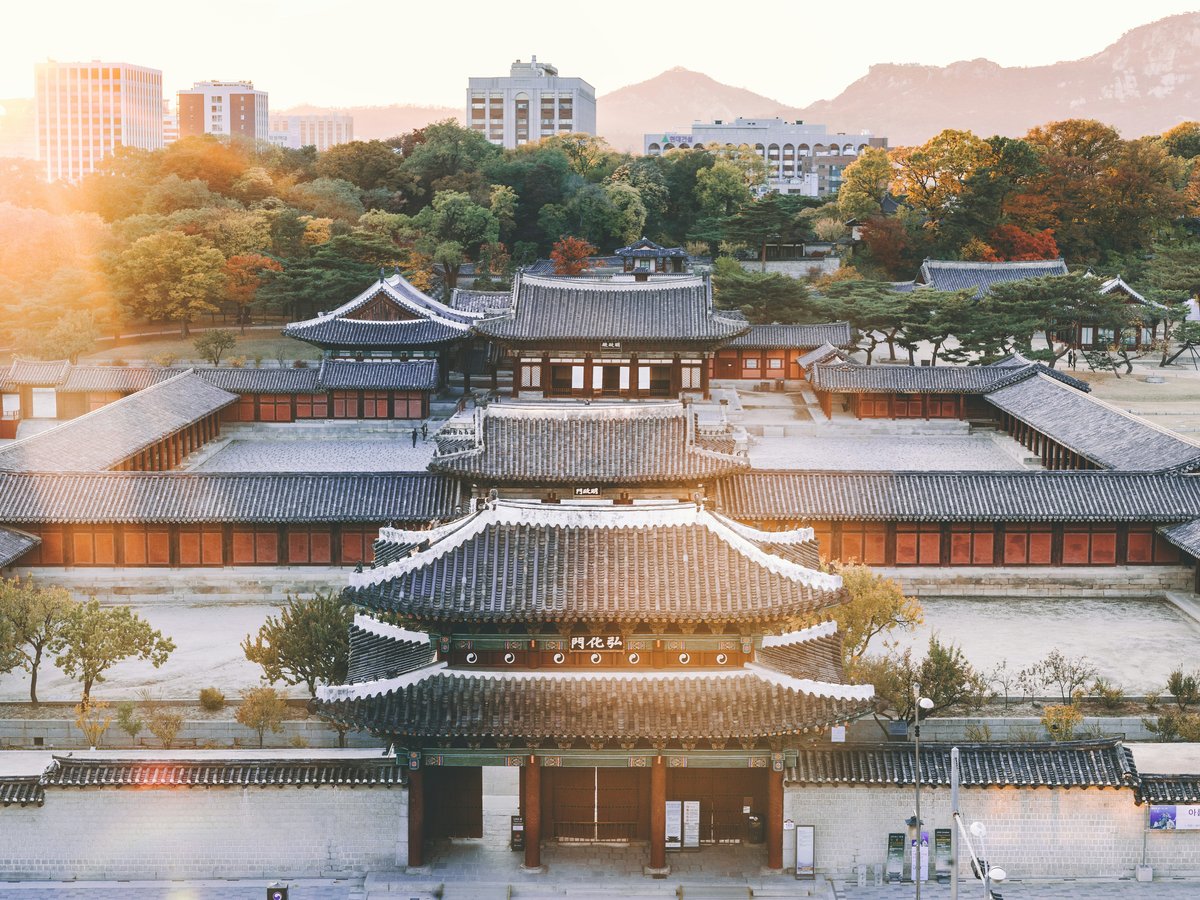
Seoul's museums are not a single circuit. They scatter across Yongsan riverside, the Jongno palace belt, Pyeongchang-dong's hillside, a Gangnam basement mall, a converted downtown tourism office, and a hidden lane in Buam-dong, and the range of what they hold is wider still: royal celadon, the Hangeul alphabet, kimchi crocks, cosmetics jars, colonial-era ledgers, contemporary canvases, paper. The city rewards a visitor who treats museums as neighbourhood anchors rather than a checklist, pairing one collection with the walk that leads to it. The twelve below are chosen for that reason. Skip the reflex of a single blockbuster day at Yongsan; the smaller houses pay back the same hours with more surprise. Every address, coordinate and site below is grounded in a verified record, so you can plan a route without a guidebook. Read each entry for what it does that its category alone would not predict, then build the day the collections argue for.
See the picks →