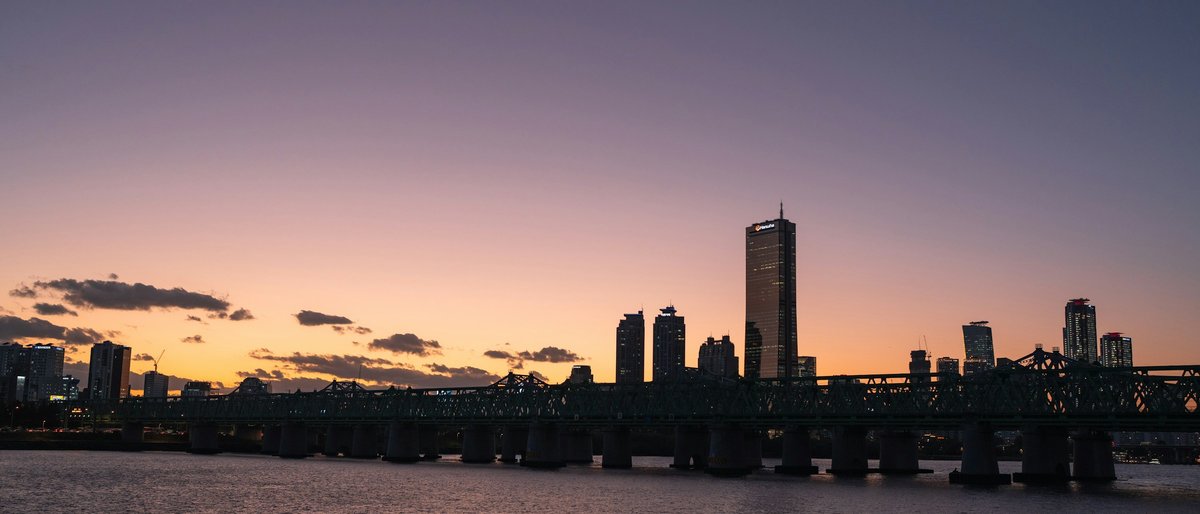
What's happening in Seoul this week?
Seoul runs on a Tuesday closure cycle for its main palace. Gyeongbokgung closes Tuesday, not Monday, so plan your first full day around that. This week falls deep in changma monsoon season with afternoon rain most days. Namdaemun Market stays open seven days a week. Hongdae's nightlife district peaks Friday and Saturday past 4am.
Seoul trips up first-timers with its Tuesday closure rule. Gyeongbokgung, the 1395 Joseon-dynasty palace in Jongno-gu, shuts every Tuesday while most cities in Asia close their government sites on Monday. The Gwanghwamun gate guard ceremony runs at 10am and 2pm every other day of the week. You'll hear the drums across Sejong-daero before the procession comes into view, low resonant hits that bounce off the stone walls. Wednesday and Thursday mornings are the sweet spot for palace visits, when Geunjeongjeon's courtyards go quiet enough that the loudest thing is gravel underfoot. Deoksugung near City Hall station closes Monday instead, so stagger your palace days across the week rather than cramming them into one afternoon.
Namdaemun Market, named for the 1396 fortress gate at its south end, opens around 11am for retail shoppers and keeps going past midnight when wholesale buyers take over. Gwangjang Market in Jongno is the better first stop for food. The bindaetteok vendors on the central aisle start frying mung bean pancakes around 10am, and by noon the smell of sesame oil and hot batter fills the covered hall. A plate costs about 5,000 KRW, around $3.40 at current rates. Thursday through Saturday nights are when the pojangmacha tents along Cheonggyecheon fill with office workers sharing soju and odeng (fish cake skewers) in sticky 28°C air. Sunday mornings, Myeongdong stays quiet until past noon. Seoul has a large churchgoing population, and the first half of Sunday belongs to them.
Right now Seoul is deep in changma, Korea's monsoon season. Current readings show 25°C overnight with humidity at 98%, and daytime feels closer to 32°C with the heat index. Rain cells tend to build between 2pm and 5pm most afternoons. You'll likely duck into a GS25 or CU convenience store at least once a day to wait one out. Namsan Seoul Tower has stood 236 meters up on Namsan mountain since 1975, and rainy afternoons cut its foot traffic roughly in half. Underground Seoul is the real move during the wet hours. The COEX Mall in Gangnam and its Starfield Library stay cool around 22°C, and the Euljiro underground shopping arcade runs nearly a kilometer beneath the street.
Hongdae, the university district around Line 2's Hongik University station, stays quiet Monday through Wednesday. Thursday the live-music clubs on Eoulmadang-ro start filling, and by Friday the main pedestrian strip has street performers keeping things going until 4am or later. Itaewon, north of Yongsan on Line 6, spreads its crowds more evenly since it draws from the nearby hotel district and foreign-resident community. For a weeknight dinner with manageable crowds, Ikseon-dong's narrow alleys near Jongno-3-ga station have the best options right now. Galbi-jjim (braised short rib) runs about 18,000 KRW per portion. Doenjang jjigae, the fermented soybean stew whose sharp earthy scent fills those alleys, goes for around 4,000 KRW a bowl.
No verified events are listed for this week. We publish only events we can confirm against an official source, never guesses.
Last verified by automated review (v1.7.2) on . What is automated review?