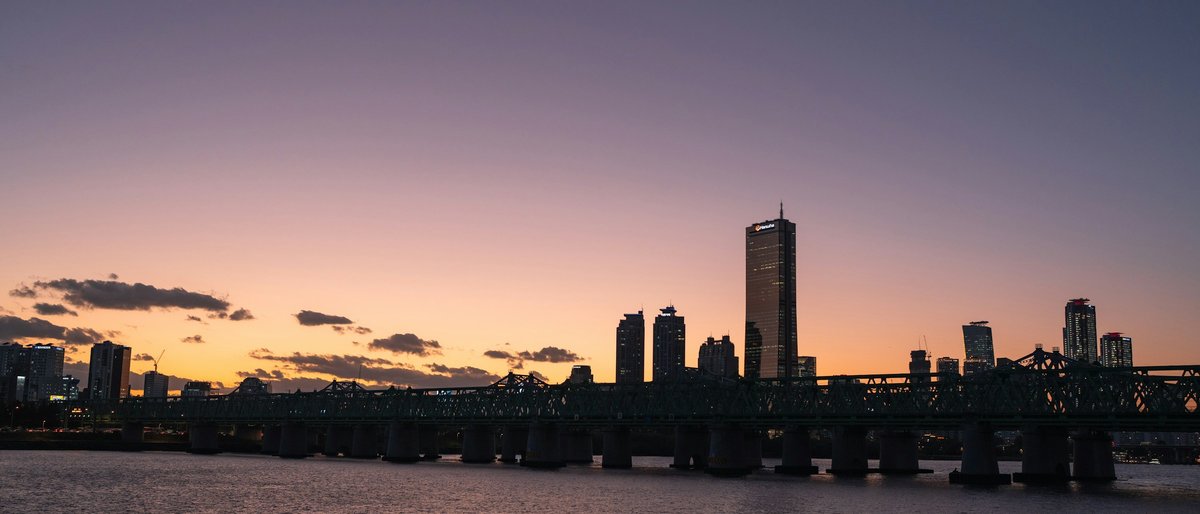
Seoul is split by the Han River into two halves that locals still talk about like rival siblings. North of the river (Gangbuk) holds the old city: palaces, temple grounds, narrow alley neighborhoods where grandmothers sell tteok from shopfronts that haven't changed in decades. South of the river (Gangnam) is the Seoul that went up in the 1980s and never stopped building: wide boulevards, glass towers, underground shopping arcades that stretch for what feels like kilometers. The subway system ties it all together, and honestly, you can get almost anywhere in under 40 minutes. But where you base yourself still matters, because each neighborhood runs at its own speed and keeps its own hours. Jongno wakes up early and quiets down by ten. Hongdae doesn't really start until midnight on weekends. Gangnam hums with a corporate rhythm on weekdays, then empties out. The trick is matching your energy to the right district. One thing worth knowing: Seoul's neighborhoods tend to cluster in pockets. You'll find that Bukchon, Samcheong-dong, Insadong, and Ikseon-dong are all within walking distance of each other north of the river, while Hongdae, Yeonnam-dong, and Mangwon-dong bleed into one another on the western side. Picking one base and radiating outward tends to work better than hopping around. The city rewards walking more than most people expect: the scale is human once you're off the main roads.
Neighborhoods
-
Jongno / Bukchon Hanok Village
This is Seoul's oldest continuously lived-in neighborhood, and it still feels that way. Bukchon sits on the slope between Gyeongbokgung and Changdeokgung palaces: two royal compounds bookending a grid of narrow lanes lined with traditional hanok houses, their dark curved rooftops stacked up the hillside. The pace here is slow by Seoul standards. You'll hear the creak of wooden gates, smell sesame oil drifting from small restaurants at lunchtime, and catch the sound of a gayageum being practiced somewhere behind a wall. It's quiet at night. Mind you, the main tourist lanes ( Bukchon 5-gil and 8-gil) get packed by mid-morning with visitors taking photos. But step one block off the path and it's just residents going about their day. The architecture gives everything a low, grounded feel: nothing over two stories, lots of stone and dark timber.
- Best for
- History-focused travelers, couples wanting a calm base, photographers, anyone who prefers early mornings to late nights
- Key streets
- Bukchon-ro 11-gil for the classic tiered hanok view down toward Namsan Tower. Samcheong-dong-gil runs along the eastern edge and is lined with small galleries, tea houses, and a few good restaurants. Yulgok-ro connects you straight to Anguk station. Gye-dong, just below the main tourist lanes, has a quieter residential feel with a handful of independent cafes.
-
Ikseon-dong
Ikseon-dong is tiny: really just a handful of alleyways tucked behind Jongno 3-ga station. But it packs a lot into that small footprint. The hanok here are different from Bukchon: lower, more tightly packed, and almost all converted into cafes, wine bars, small restaurants, and vintage clothing shops. The lanes are narrow enough that you can touch buildings on both sides if you stretch your arms. On weekday afternoons it has a drowsy, almost Mediterranean feel: warm stone, dappled light through the eaves, the hiss of espresso machines. Weekends are a different story. It gets shoulder-to-shoulder crowded, along the main east-west lane. The smell of freshly griddled hotteok and roasting coffee beans is constant. It still has a few holdout residents: older folks who've been there for decades, sitting in their courtyards while twenty-somethings queue for croissants next door.
- Best for
- Couples, design-conscious travelers, anyone who likes discovering small independent shops and doesn't mind crowds on weekends
- Key streets
- The main lane runs roughly east-west from the Jongno 3-ga station exit: you can't miss it, just follow the foot traffic. Supyo-ro 28-gil is the spine. The perpendicular alleys heading north are where the quieter, more interesting spots tend to hide. Donhwamun-ro 11na-gil on the eastern edge connects you toward Tapgol Park.
-
Hongdae
Hongdae takes its name from Hongik University, the art school at its center, and that DNA still runs through the neighborhood even as it's gotten more commercial over the years. The streets around the main gate are loud: buskers performing choreographed K-pop routines, speakers thumping from clothing stores, groups of friends shouting over each other outside bars. The energy is young and relentless, on Friday and Saturday nights when it doesn't wind down until 5 or 6 AM. To be fair, Hongdae has layers. The streets closest to the station (exit 9, the main drag) are the most tourist-saturated. But walk ten minutes northwest toward Donggyo-dong and things calm down: independent record shops, small live music venues, ramen places run by one person. The architecture is a mishmash: ugly concrete buildings from the 70s and 80s covered in neon signage, with the occasional mural or art installation wedged into an alley. It's not pretty in a conventional sense. But it has a pulse.
- Best for
- Solo travelers in their 20s and 30s, nightlife seekers, live music fans, anyone who wants to be in the thick of Seoul's youth culture
- Key streets
- Eoulmadang-ro is the central pedestrian street: the busking and street performances happen here. Wausan-ro leads uphill toward the university and has smaller, more independent bars. Jandari-ro connects Hongdae to Yeonnam-dong and has a good run of restaurants. For live music, check the clubs clustered along the streets just south of the playground park: venues like Mudaeruk and FF are in this pocket.
-
Yeonnam-dong
Yeonnam-dong sits just west of Hongdae, separated by Gyeongui Line Forest Park: a converted rail corridor that now runs as a long, narrow green strip with benches and cafes along its edges. The neighborhood has a residential quietness that Hongdae lost years ago. Low-rise apartment blocks, small independent restaurants, and cafes that seem to appear and disappear every few months. The food scene is good here: less performative than Hongdae, more focused on the cooking. You'll smell garlic and doenjang from the Korean restaurants, and there's a noticeable cluster of Southeast Asian and Japanese spots too. On warm evenings, the park fills with couples and small groups sitting on the grass with convenience store beer and fried chicken. The light through the trees is soft. It has a neighborhood feel that's increasingly rare in central Seoul.
- Best for
- Couples, food-focused travelers, anyone who wants proximity to Hongdae's nightlife without sleeping in the middle of it, remote workers who need daytime quiet
- Key streets
- Yeonnam-ro is the main commercial street. Donggyo-ro 46-gil has a good run of small restaurants. Gyeongui Line Forest Park is the spine: walk its full length from Hongdae to Gajwa and you'll pass through the whole neighborhood. The streets between the park and Seongmisan-ro have the most local, least touristy feel.
-
Itaewon / Hannam-dong
Itaewon has always been Seoul's most international neighborhood, originally because of its proximity to the Yongsan military base. The base is largely gone now, and the area is in a strange transition. Some blocks feel half-empty: shuttered restaurants, 'for lease' signs in windows. Other blocks are thriving, the stretch along Itaewon-ro between the station and the Hamilton Hotel, and the Hannam-dong side heading east toward the Blue Square theater. The food is the main draw. You'll find proper Ethiopian injera at Itaewon's east end, legit Mexican tacos near Noksapyeong station, hand-pulled noodles, Nigerian suya, and some of Seoul's best craft beer bars. The terrain is hilly: prepare your calves. Hannam-dong, just uphill and east, has gone upscale: boutique shops, the Leeum Museum of Art, expensive brunch spots. The two areas feel quite different despite being a fifteen-minute walk apart.
- Best for
- International food lovers, LGBTQ+ travelers (Homo Hill area near the fire station remains a hub), museum-goers, anyone who wants easy access to varied cuisines without hunting all over the city
- Key streets
- Itaewon-ro is the main artery. Usadan-ro is the hilly southern stretch that's become a creative pocket: small galleries, ceramics studios, and independent cafes wedged into old buildings. Bogwang-ro near Noksapyeong station has the Mexican and Middle Eastern food cluster. In Hannam-dong, Daesagwan-ro leads up toward the Leeum Museum and has several high-end Korean restaurants.
-
Gangnam Station Area
Gangnam-daero, the main boulevard, is wide and corporate: think glass office towers, chain restaurants at street level, and an underground shopping arcade that runs for blocks beneath the road. At street level it's fast-paced and loud: traffic, construction, pop music from storefronts. The side streets reveal more. The alleys behind the main boulevard, toward Seocho, are packed with Korean BBQ joints, office worker lunch spots, and noraebang (karaoke rooms) that fill up after 9 PM. This is where Seoul's white-collar workforce spends its money. The food tends to be reliable rather than exciting: there are exceptions, but Gangnam rewards knowing where to look. Worth noting: the Gangnam station area and Apgujeong/Cheongdam are both 'in Gangnam-gu' but feel completely different. This entry is about the station area specifically: the commercial core.
- Best for
- Business travelers, K-pop fans (several entertainment company headquarters are nearby), anyone who wants efficient subway access and doesn't mind a corporate atmosphere
- Key streets
- Gangnam-daero is the main north-south boulevard. Teheran-ro runs east-west and is Seoul's startup and tech corridor: Samsung, COEX, and dozens of tech companies line this stretch. The alley network between Gangnam-daero and Yeoksam-ro has the best concentration of Korean BBQ and office worker restaurants. Garosu-gil in nearby Sinsa-dong is the tree-lined street with boutiques and brunch cafes that gets all the Instagram attention.
-
Apgujeong / Cheongdam-dong
This is Seoul's luxury district, and it doesn't try to hide it. Cheongdam-dong in particular is lined with flagship stores for every major fashion house: Dior, Chanel, Louis Vuitton, all in architect-designed buildings that compete for attention. The streets are wide and comparatively quiet; people here drive rather than walk. Apgujeong Rodeo Street has a different feel: slightly younger, more Korean fashion brands, and a cafe culture that runs on aesthetic. Dessert cafes with elaborate plating, galleries doubling as coffee shops, that sort of thing. The neighborhood is also Seoul's plastic surgery corridor: you'll see clinics on nearly every block, along Apgujeong-ro. The food scene skews expensive but there's genuine quality: some of Seoul's best sushi, French restaurants, and high-end Korean tasting menus are here.
- Best for
- Luxury shoppers, fashion-focused travelers, anyone with a generous food budget who wants Seoul's high-end dining scene, K-beauty tourists visiting dermatology clinics
- Key streets
- Apgujeong Rodeo Street (Apgujeong-ro 50-gil area) is the main fashion and cafe strip. Cheongdam-dong's Dosan-daero has the luxury flagship stores. Seolleung-ro 158-gil, tucked behind the main roads, has several of Seoul's best omakase sushi spots. The area around Dosan Park is quieter and has some good independent restaurants.
-
Seongsu-dong
Seongsu-dong was a light industrial district (shoe factories, printing workshops, metalworking shops) and you can still see that past in the sawtooth rooflines and raw concrete buildings. Over the past five or six years, it's become Seoul's go-to neighborhood for pop-up stores, concept cafes, and creative studios. The conversion feels organic in places and forced in others. Some buildings keep their industrial character: exposed pipes, factory loading doors repurposed as cafe entrances, the faint smell of machine oil mixing with pour-over coffee. Others have been gutted and rebuilt as generic Instagram-bait spaces. That said, the good spots here are good. The cafe scene is arguably Seoul's most interesting right now: places experimenting with single-origin Korean roasters, natural wine pairings, unusual pastry programs. On weekdays it's relatively calm. Weekends bring crowds, along the main Seongsu-dong streets near Ttukseom station.
- Best for
- Design and architecture enthusiasts, specialty coffee obsessives, anyone interested in Seoul's creative industries, couples looking for a less conventional base
- Key streets
- Seongsui-ro is the main road. Yeonmujang-gil (sometimes called Seongsu Cafe Street) has the densest concentration of converted-factory cafes. Achasan-ro 11-gil has several interesting galleries and studios. Seoul Forest is a short walk east and has a green escape: the deer enclosure is free and oddly peaceful. The streets south of Seongsui-ro toward the Han River still have working shoe factories alongside the new cafes.
-
Euljiro / Cheonggyecheon
Euljiro is Seoul at its most layered. The main road is unremarkable: banks, insurance offices, the usual central business district feel. But duck into the alleys south of Euljiro 3-ga station and you're in a different world. This is Seoul's old industrial heart: tiny metalworking shops, printing presses, lighting fixture wholesalers, hardware stores stacked floor to ceiling. The sound of grinding metal and the smell of ink still hang in the air. Over the past few years, a wave of bars and cafes has moved into these alleys, often sharing walls with the workshops. You might be drinking a craft cocktail while a welder works on the other side of a partition wall. It's become one of Seoul's most talked-about nightlife areas, though it still feels rough around the edges. The Cheonggyecheon stream runs along the northern boundary: a restored urban waterway that's pleasant for walking, at night when it's lit up.
- Best for
- Bar-hoppers who like their nightlife gritty rather than polished, urban exploration enthusiasts, photographers, anyone who appreciates the collision of old industry and new culture
- Key streets
- Euljiro 3-ga and 4-ga's back alleys are where the magic happens: the blocks between Euljiro and Cheonggyecheon, roughly from Supyo-ro to Mareunnae-ro. Nogari Alley near Euljiro 3-ga station is the famous dried fish and beer street: cheap, loud, and full of character. Sewoon Sangga, the long elevated shopping complex, has been partly renovated and houses maker spaces alongside old electronics vendors.
-
Jamsil / Songpa
Jamsil is family Seoul. Lotte World (the indoor theme park) anchors the neighborhood, and the Lotte World Tower, currently South Korea's tallest building, looms over everything. The area around the tower has been developed into a massive shopping and entertainment complex with an aquarium, a concert hall, and more restaurants than you could try in a month. Seokchon Lake wraps around the base and is pretty, during cherry blossom season in early April when the trees along its banks go pink. The residential areas spreading east into Songpa are quiet, orderly, and overwhelmingly apartment-block: the kind of neighborhood where families push strollers and retirees do morning tai chi in the parks. The Olympic Park, built for the 1988 Games, is a short bus ride east and has wide open lawns, sculpture gardens, and an outdoor concert venue that hosts big acts.
- Best for
- Families with children, anyone wanting a calm residential base with easy subway access, cherry blossom season visitors, concert-goers heading to Olympic Park venues
- Key streets
- Jamsil-ro runs past Lotte World and Seokchon Lake. Olympic-ro connects to Olympic Park. Songpa-daero has the main commercial strip with restaurants and shops geared toward local families. The lakeside walking path around Seokchon Lake is about 2.5 kilometers and flat: good for morning runs. Bangi-dong, south of Olympic Park, has a cluster of excellent budae-jjigae (army stew) restaurants that locals travel across the city for.
FAQ
Which Seoul neighborhood is best for first-time visitors?
Jongno (the area around Bukchon, Insadong, and Ikseon-dong) tends to be the most rewarding base for a first visit. You're walking distance from the major palaces, the traditional neighborhoods, and several good food streets, and both Line 3 and Line 1 connect you to the rest of the city quickly. The area is calm at night, which some people find boring, but it means you can explore Hongdae or Itaewon for nightlife and come back to a quiet base. Hotels here range from hanok guesthouses to modern mid-range options near Anguk station.
Is it better to stay north or south of the Han River?
For most visitors, north of the river (Gangbuk) is the better choice. That's where the historic sites, the densest concentration of interesting neighborhoods, and most of the nightlife are clustered. South of the river has Gangnam's shopping, Jamsil's family attractions, and Seongsu-dong's cafe scene, but it can feel spread out and more car-dependent. That said, if you're in Seoul for business meetings in the Teheran-ro corridor or visiting someone in Gangnam, staying south makes practical sense. The subway connects everything regardless: it's more about what you want outside your door.
How walkable is Seoul between neighborhoods?
More walkable than most people expect, at least within clusters. You can walk from Gyeongbokgung through Bukchon to Ikseon-dong in about 30 minutes. Hongdae to Yeonnam-dong is a ten-minute stroll through the park. Itaewon to Hannam-dong is 15 minutes uphill. Between clusters, though, you'll want the subway: walking from Hongdae to Gangnam would take well over an hour. The subway is clean, cheap, well-signed in English, and runs until roughly midnight, with night buses covering the late-night gaps on major routes.
Where should I stay for the best food scene in Seoul?
That depends on what you're after. For Korean food variety (traditional, modern, street food) Jongno and the Euljiro area are hard to beat. Gwangjang Market alone could occupy several meals. For international food, Itaewon still has the widest range despite its recent rough patch. For trendy cafes and the current food moment, Seongsu-dong and Yeonnam-dong are where Seoul's food scene is currently most active. Hongdae has quantity but quality is inconsistent: lots of places optimized for turnover rather than cooking. Honestly, Seoul's subway makes it easy to eat anywhere regardless of where you sleep, so don't stress this too much.
Is Seoul safe for solo travelers at night?
Seoul is one of the safest major cities you'll visit. Walking alone at night, even in quieter residential neighborhoods, is generally not a concern. The subway is safe at all hours it operates. Hongdae, Itaewon, and Gangnam's nightlife areas get rowdy on weekends (mostly alcohol-related) but violent crime targeting visitors is extremely rare. Standard city awareness applies: watch your belongings in crowded areas, be cautious with drink offers from strangers in nightlife districts. Solo female travelers consistently rate Seoul as one of the more comfortable cities in Asia for getting around independently.
When is the best time of year to visit Seoul's neighborhoods?
Late September through early November is likely the sweet spot: the air is dry and cool, the ginkgo trees along the main boulevards turn gold, and the summer humidity has broken. Spring (mid-April through May) is the other peak, with cherry blossoms around Seokchon Lake and along the Yeouido waterfront in early April. Summer is hot, humid, and punctuated by monsoon rains in July: still well visitable, but outdoor walking gets draining. Winter is cold and dry, with temperatures regularly dropping below minus 10 Celsius in January, though the heated floors in Korean restaurants and the underground shopping arcades make it bearable. Each season changes the feel of the neighborhoods noticeably: Yeonnam-dong's park is a different place in October than in August.
Last verified by automated review (v1.7.1) on . What is automated review?