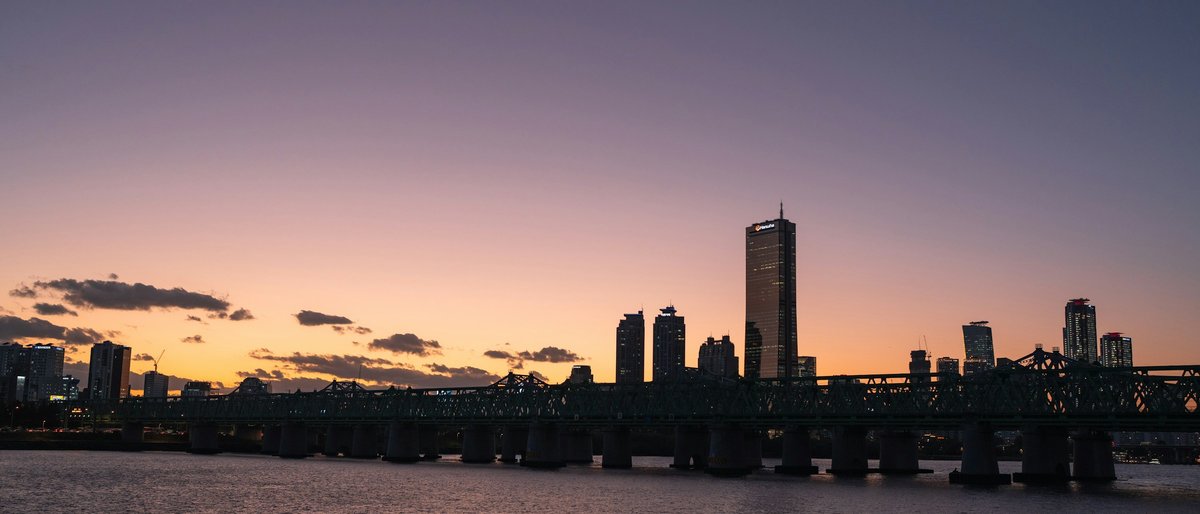
Is Seoul LGBTQ-friendly?
Seoul rates 4.5 out of 10. South Korea has no marriage equality, no anti-discrimination law covering sexual orientation, and same-sex affection still draws stares outside Itaewon. The scene concentrates around Itaewon's Homo Hill and the older Jongno 3-ga district. Couples are unlikely to face hostility in Seoul's tourist zones, but discretion remains the prevailing social norm.
The social picture in Seoul splits along generational lines. Polling by Gallup Korea has consistently shown younger adults far more supportive of same-sex relationships than older generations, though no national survey has yet crossed the 50% threshold. The influential Protestant church lobby, representing roughly 20% of South Korea's population, has organized counter-rallies at Seoul Pride every year since 2015. The courts have moved faster than the legislature. A 2023 precedent on same-sex partner benefits opened a narrow legal crack, but the National Assembly has killed successive anti-discrimination bills since the first was tabled in 2007. Walk down Gyeongnidan-gil on a Saturday night and Seoul feels progressive. The National Assembly's voting record tells a different story. Taiwan legalized same-sex marriage in 2019. Thailand followed in 2025. South Korea's path, if it arrives, likely runs through the courts rather than parliament.
Seoul's queer scene has two centers that feel nothing alike. Itaewon's Homo Hill fills the tight alleys branching off Usadan-ro between Noksapyeong and Itaewon stations. Trunk is the reliable starting point, a small space with warm lighting and decent cocktails where the crowd skews late twenties. Shortbus stays open latest and gets loud after midnight, bass rattling the glassware. Queen draws a mixed crowd with drag nights on weekends. The second center is Jongno 3-ga, which runs older, almost entirely Korean-speaking, and much more discreet. The bars in Jongno sit up narrow staircases behind unmarked doors. Cigarette smoke drifts down the stairwells. Muffled karaoke leaks through thin walls. Regulars have been drinking in these same rooms for 20 years or more. If you don't speak Korean you'll still be welcomed at Jongno's bars, but the vibe is local watering hole, not international club night. Seoul Queer Culture Festival fills Seoul Plaza each July, drawing over 100,000 people despite organized counter-protests along the perimeter.
Hotels in Itaewon and Hannam-dong tend to be the most comfortable base for queer couples. Grand Hyatt Seoul sits above Itaewon station with double rooms starting around ₩250,000 per night. For something smaller, boutique guesthouses along Usadan-ro put you within walking distance of Homo Hill. Front desk staff at Seoul's international hotels are professionally neutral and won't comment on your booking. Itaewon and Hongdae are the neighborhoods where same-sex couples walk arm-in-arm without drawing glances. Near Gyeongbokgung or Bukchon, brief hand-holding is fine, but extended public affection of any kind reads as unusual in Korean social context. On apps, Grindr has a presence but skews toward hookups. Jack'd tends to have a stronger following among Korean users. Tinder Seoul is active and runs younger. For community, @queerkorea on Instagram posts event listings. Download KakaoTalk before arriving. It is South Korea's dominant messaging app and the way you'll coordinate with anyone local. Save your hotel's address in Korean on your phone, since taxi drivers in Seoul often can't read romanized street names.
Seoul's best shared experiences aren't explicitly queer-coded, but they're completely queer-comfortable. The rooftop bar at Signiel Seoul on the 79th floor of Lotte World Tower serves two at a window table overlooking the Han River at sunset. Book for around 7 PM in summer and expect cocktails starting at ₩30,000 each. For a quieter evening, the wine bars on Hannam-dong's side streets have the low-lit, unhurried feel that works for a real conversation. Try Le Chamber for natural wines in a space that seats maybe 20. Jjimjilbangs, the Korean bathhouses like Dragon Hill Spa in Yongsan, are gender-segregated, which simplifies things for same-sex couples who want the full spa ritual. Dragon Hill's sequence runs hot pools, cold plunge, salt room, then sleeping on heated stone floors in matching linen shorts. The steam smells faintly of cedar, the silence is enforced, and the whole experience costs under ₩20,000 per person.
Composite of legal status, social acceptance, and visible scene.
Legal status
Same-sex relations are legal
Same-sex relations are legal for civilians in South Korea, though the Military Criminal Act still penalizes conduct between servicemen. There is no marriage recognition; courts have granted spousal health-insurance coverage since 2024. No nationwide discrimination protections exist and discretion is the social norm outside queer districts like Itaewon.
Verified against equaldex.com and en.wikipedia.org .
The scene
Itaewon's Homo Hill, the alleys off Usadan-ro near Noksapyeong Station, holds foreigner-friendly bars like Trunk, Queen, and Shortbus for late-night dancing. Jongno 3-ga runs older, Korean-speaking, and discreet, with narrow staircase bars where regulars know each other by name. Seoul Queer Culture Festival fills Seoul Plaza each July, drawing 100,000+ despite organized counter-protests at the perimeter.
Safety notes
Couples are safe in Seoul's tourist districts. Holding hands in Itaewon or Hongdae draws zero attention. Near palaces or Bukchon, expect occasional stares but nothing threatening. Korea's social default around queerness is studied non-acknowledgment rather than hostility, a cultural silence that reads as cold but keeps you physically safe.
Last verified by automated review (v1.7.2) on . What is automated review?