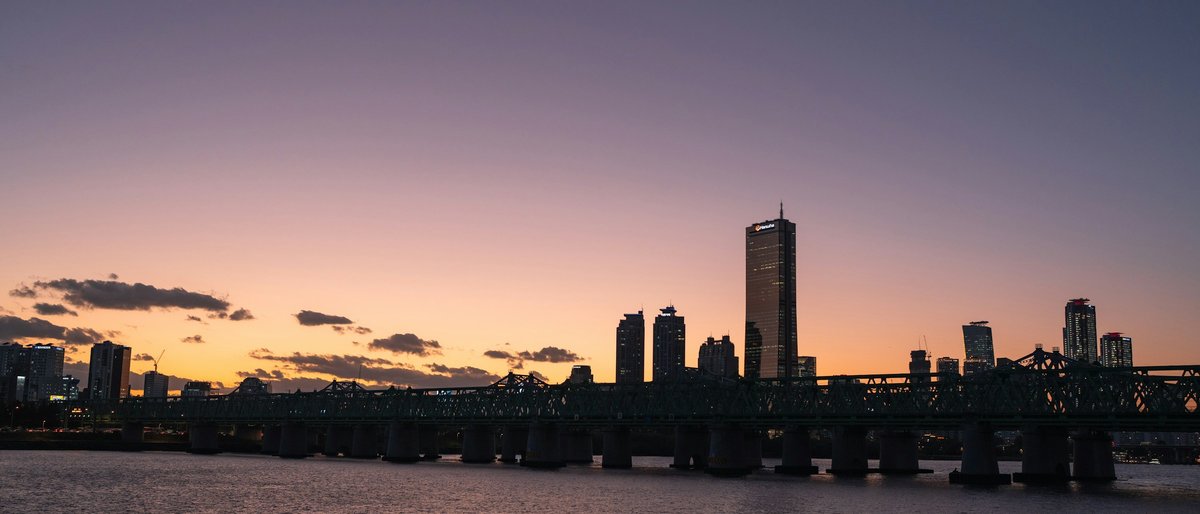
Seoul doesn't really sleep. That's not a figure of speech: the subway shuts down around midnight, but the city keeps running on soju, cheap beer, and a collective understanding that going home before 2 AM is, frankly, a bit early. The nightlife here operates on its own clock. Dinner bleeds into drinks at a hof (Korean beer hall), which turns into noraebang (karaoke), which somehow leads to a 4 AM bowl of haejangguk at a soup shop full of people in the same blurry state. There's a rhythm to it, and once you fall into that rhythm, the hours just dissolve.
What makes Seoul's after-dark culture distinct is how social it is. Drinking alone is fine (there are plenty of spots for that) but the default mode is group drinking. Rounds of soju with coworkers. Bottles of whisky split at a table in Gangnam. The hoesik, the company dinner that turns into a second and third round at different bars, is still a fixture of Korean work culture, though younger Koreans seem to be pushing back on it a bit these days. You'll notice that the energy in Seoul's nightlife districts tends to build in waves: the after-work crowd fills the restaurants and beer halls by 7 PM, cocktail bars pick up around 10, and the clubs don't come alive until midnight or later.
The city also has range. Itaewon's winding alleys offer something for nearly every taste, Hongdae stays loud and young, Gangnam runs sleek and expensive, and quieter neighborhoods like Yeonnam-dong or Seongsu-dong have carved out their own low-key scenes. You can spend a fortune at a rooftop bar overlooking the Han River or drink cheap makgeolli at a pojangmacha: one of those orange tent bars that line certain streets, where you sit on plastic stools and eat fried chicken feet while traffic hums past. Both experiences are part of the same city.
The Bar Scene: From Soju Tents to Speakeasies
Seoul's bar culture has changed a lot in the past decade. Cocktail bars have multiplied across the city, in Itaewon, Hannam-dong, and parts of Gangnam. The Korean cocktail scene has earned genuine international recognition: several Seoul bars have appeared on the Asia's 50 Best Bars list in recent years. These tend to be small, dimly lit rooms where bartenders work quietly and the drinks lean toward precision. Expect Korean ingredients showing up in unexpected places: soju-based cocktails, makgeolli infusions, barley tea syrups, sesame, perilla leaf. The attention to detail can be notable. That said, most Koreans still drink beer and soju on a regular night out. The hof (a casual beer hall, often with fried chicken or dried squid on the table) remains the backbone of Korean drinking culture. Cass and Hite are the domestic lagers you'll see everywhere, though craft beer has made serious inroads. Itaewon and Gyeongnidan-gil were early craft beer hotspots, and now you'll find tap houses scattered across most major neighborhoods. Rooftop bars exist, in Gangnam and along the Han River, but they tend to be pricey and sometimes feel more like Instagram sets than places where people hang out for hours. The better rooftop experiences are often at smaller buildings in Itaewon or Seongsu-dong, where the view is incidental rather than the whole point. Wine bars have been quietly growing in popularity, in Hannam-dong and Seongsu-dong. These tend to attract a slightly older crowd (late twenties and up) and the natural wine movement has a solid foothold here. Some double as small restaurants. For something more traditionally Korean, seek out a makgeolli bar. Makgeolli is milky rice wine, mildly sweet, slightly fizzy, and usually served in bowls or copper kettles alongside jeon (savory pancakes). The combination of warm pajeon and cold makgeolli on a rainy Seoul night is one of those small pleasures that sticks with you. Ikseon-dong and Jongno have some well-regarded spots. Dive bars exist too, though they look different here than in Western cities. Think fluorescent-lit rooms with laminated menus, metal chopsticks, and a TV playing baseball in the corner. The charm is in the lack of pretension. You point at what you want, the soju arrives, and that's it.
The Club Scene: Late Starts, Long Nights
Clubbing in Seoul follows its own schedule. Most clubs open around 10 PM, but showing up before midnight means you'll likely be standing in a mostly empty room. Things tend to peak between 1 and 4 AM, and some spots keep going until 6 or even 8 in the morning. Friday and Saturday are the big nights, obviously, but Thursday has its own energy as well: in Hongdae and Gangnam. The genre landscape is broad. EDM and hip-hop dominate the larger clubs, in Gangnam and Hongdae. K-pop influenced dance music has its own category: you'll hear remixed versions of chart hits blended with house beats. Hongdae tends to skew younger, louder, and more experimental; you'll find techno nights, indie DJ sets, and genre-blending events alongside the bigger commercial clubs. Gangnam's club scene runs more polished and bottle-service oriented, with dress codes that lean smart-casual at minimum. Speaking of dress codes: they vary quite a bit. The bigger Gangnam clubs might turn you away for sneakers or overly casual clothing. Hongdae is far more relaxed; jeans and a decent top will get you in most places. Itaewon falls somewhere in between. As a general rule, Koreans tend to dress up for a night out more than you might expect, so looking put-together helps regardless of where you're headed. Cover charges are common at clubs, typically ranging from around 10,000 to 30,000 won depending on the night and the venue. Many covers include a drink or two, which softens the cost. Some clubs in Gangnam charge more on weekends and for special DJ events. Worth noting: some clubs still operate on a system where entry can be selective, for groups of men without women. This is more common at the flashier Gangnam spots and less of an issue in Hongdae or Itaewon. One thing that surprises first-time visitors is how much drinking happens inside the clubs. Tables with bottles of whisky or vodka are standard: Koreans often buy a bottle to share rather than ordering individual drinks at the bar. This table culture means the dance floor and the drinking area are more intertwined than in many Western clubs.
Live Music: Indie Basements and Bigger Stages
Hongdae is the historic heart of Seoul's indie music scene, and while the neighborhood has gotten more commercial over the years, the live venues are still there. Small basement clubs (some holding fewer than a hundred people) host local bands most nights of the week. The genres run from indie rock and shoegaze to punk, post-rock, and Korean folk-influenced singer-songwriter sets. Friday and Saturday nights are the busiest, but weeknight shows can be surprisingly good and far less crowded. The local indie scene in Korea is distinctive. Bands tend to blend Western genres with Korean lyrical sensibilities in ways that feel natural rather than forced. The audience at these shows is usually young, attentive, and quiet during performances: a contrast to the louder bar-show culture you might be used to elsewhere. Jazz has a dedicated following in Seoul. There are several long-running jazz clubs scattered across the city, in Itaewon and parts of Jongno. These tend to be intimate rooms with good acoustics and a more mature crowd. Some serve food, most serve drinks, and the music is often excellent: Seoul attracts both strong local jazz musicians and international acts passing through. For bigger acts, Seoul's concert scene has grown considerably. Large venues and arenas host K-pop concerts, international tours, and music festivals. But the more interesting experiences for nightlife purposes are the mid-sized venues and the small club circuit. The energy in a packed Hongdae basement with a band you've never heard of playing their hearts out (sweat on the low ceiling, the bass humming through the concrete floor) that's a specific Seoul experience worth having. Weekend nights are the safest bet for catching live music, but check listings ahead of time. Many venues post schedules on Instagram or Korean platforms like Naver. Cover for small live shows is usually modest: somewhere around 5,000 to 15,000 won, sometimes with a drink included.
Nightlife neighborhoods
-
Hongdae (Hongik University Area)
Young, loud, and packed on weekends. Hongdae's streets fill up with buskers, street food vendors, and groups of university students moving between bars and clubs. The energy is a little chaotic: music spilling out of open doors, neon signs stacked on top of each other, the smell of tteokbokki and fried food mixing with cigarette smoke. It's gotten more touristy over the years, but the side streets still hold plenty of local spots. Things get progressively wilder as the night goes on, and by 2 AM the main strip is a sea of people.
- Best for
- Budget nightlife, indie music, clubbing, bar-hopping on foot
- Standouts
- The area around Hongdae Playground is the center of gravity, with small live music clubs, dance clubs, and countless bars branching off in every direction.
-
Itaewon
The most internationally varied nightlife district in Seoul. Itaewon has long been the go-to area for expats, and that influence shows in the range of bars and restaurants. You'll find craft beer spots next to cocktail bars next to hookah lounges next to Korean BBQ joints. The neighborhood winds up a hill, with Haebangchon (HBC) at the top offering a quieter, more local-feeling alternative. Itaewon's energy is more relaxed than Hongdae: less frantic, more conversational. The crowd skews slightly older and more international.
- Best for
- Cocktail bars, international crowd, craft beer, varied food-and-drink combinations
- Standouts
- The area along the main Itaewon-ro strip and the alleys branching off it hold the densest concentration. Gyeongnidan-gil, just south, has a quieter wine bar and cafe scene.
-
Gangnam
Money. Gangnam's nightlife runs on bottle service, dress codes, and a general sense that appearance matters. The clubs are bigger and flashier, the bars more polished, and the clientele tends to be better dressed. It can feel exclusive in ways that are both appealing and off-putting depending on your mood. The side streets around Gangnam Station and Sinnonhyeon Station have a huge density of bars, karaoke rooms, and late-night restaurants. Expect higher prices across the board.
- Best for
- Upscale clubbing, bottle service, late-night Korean BBQ, seeing how Seoul's money goes out
- Standouts
- The area between Gangnam Station and Sinnonhyeon Station is the main corridor, with clubs and bars stacked vertically in multi-story buildings.
-
Hannam-dong
Seoul's current darling for the cocktail-and-wine crowd. Hannam-dong sits adjacent to Itaewon but feels distinctly more curated: boutique shops, gallery spaces, and restaurants that wouldn't look out of place in Brooklyn or East London. The bars here tend to be smaller, quieter, and more focused on the drink itself. It's where you go when you want a well-made cocktail and a conversation you can hear.
- Best for
- Cocktail bars, wine bars, date nights, a more polished evening out
- Standouts
- Concentrated around the Hannam-dong main street and the blocks between Itaewon and Hangangjin stations.
-
Seongsu-dong
Seoul's answer to Williamsburg or Shoreditch: former industrial warehouses and factories repurposed into cafes, galleries, and bars. The nightlife here is relatively newer compared to Hongdae or Itaewon, and it leans more toward the wine-bar-and-craft-cocktail end of things. The crowd tends to be creative types, designers, and young professionals. It's not a raging party neighborhood, but it has a certain cool, unhurried energy after dark. Weeknights can be surprisingly pleasant here.
- Best for
- Natural wine bars, creative crowd, relaxed drinking, converted warehouse spaces
- Standouts
- The streets around Seongsu Station and the former factory blocks along Yeonmujang-gil.
-
Jongno (Jongno 3-ga)
This is old Seoul drinking culture, and it's still very much alive. Jongno 3-ga (often shortened to Jong-sam) is packed with small, often decades-old bars, pojangmacha-style eateries, and Korean-style pubs that cater to an older crowd. It's also home to a significant LGBTQ+ bar scene, in the alleys around Nagwon-dong. The atmosphere is unpretentious and distinctly Korean: plastic chairs, shouted orders, the clatter of soju glasses being refilled. There's a warmth to it that the newer neighborhoods don't quite replicate.
- Best for
- Traditional Korean drinking culture, LGBTQ+ nightlife, soju and anju (drinking snacks), a glimpse of Seoul before the gentrification wave
- Standouts
- The alleyways behind Tapgol Park and the Nagwon-dong area are where most of the action clusters.
-
Apgujeong and Cheongdam
Even more upscale than Gangnam proper. This is where K-pop celebrities, models, and the wealthy tend to go out. The bars and clubs are sleek, sometimes bordering on sterile, and the door policies can be selective. Bottle service is the norm rather than the exception. It's a fascinating window into a particular slice of Korean culture, but it's not for everyone, and it's certainly not cheap. The area has also become a magnet for high-end dining, so pairing dinner with drinks is a natural move here.
- Best for
- Celebrity spotting, luxury nightlife, high-end cocktails, people-watching at its most polished
- Standouts
- Cheongdam-dong's main boulevard and the surrounding side streets hold most of the upscale venues.
Safety after dark
Seoul is, by most measures, a remarkably safe city after dark. Violent crime against visitors is rare, and it's common to see people (including women) walking alone through nightlife districts at 3 or 4 AM. That said, common sense still applies.
Getting home is the main logistical challenge. The subway stops running around midnight (the last trains vary by line, but roughly between 11:30 PM and midnight). After that, your options are taxis, ride-hailing apps like Kakao T, or night buses (called ollubeo or N-bus routes). Taxis are plentiful but can be hard to flag down on busy weekend nights, near Hongdae and Gangnam: expect competition and potential increase pricing on Kakao T during peak hours. The night buses run set routes through major nightlife areas and are cheap, but you'll need a T-money card and some familiarity with the routes.
Drink spiking, while not as commonly reported here as in some Western cities, is not unheard of. Keep your drink close in crowded clubs, in areas with heavy tourist traffic. The bigger concern for most visitors is simply overdrinking: soju goes down deceptively easy, and the Korean drinking culture of pouring for each other means your glass rarely stays empty. Pace yourself.
Scams targeting tourists are relatively rare but do pop up, mainly around Itaewon. The classic version involves being invited to a bar by friendly strangers, only to receive a massively inflated bill at the end. If someone you just met is insistently steering you toward a specific venue, trust your instincts.
One more thing: if you're out late and need to sober up, the Korean solution is haejangguk; hangover soup. There are 24-hour soup restaurants near every major nightlife district, and a bowl of spicy ox-blood soup or bean sprout soup at 5 AM is practically a local institution.
Practical tips
- Tipping
- Korea does not have a tipping culture. Don't tip at bars, restaurants, or clubs: it can cause confusion. The price on the menu is the price you pay. Service charges are occasionally added at high-end establishments, but this is rare.
- Soju etiquette
- When drinking with Koreans, there are a few customs worth knowing. Pour for others, not yourself: someone at the table will refill your glass, and you should do the same for them. When an older person pours for you, receive the glass with both hands. When drinking in front of someone older, turn slightly away as a sign of respect. These aren't rigid rules among friends, but showing you know them earns genuine appreciation.
- Cover charges and entry
- Many bars don't charge covers, but clubs almost always do: typically 10,000 to 30,000 won. The cover usually includes one or two drinks. Some venues, in Gangnam, charge more on weekends or for special events. Cash and card are both accepted at most places, though a few smaller bars are still cash-only.
- Ordering and payment
- At Korean bars and restaurants, you often order by pressing a call button on the table or flagging down staff: don't wait for someone to come to you. Payment is usually handled at the register when you leave, not at the table. Splitting bills is uncommon in traditional Korean drinking culture: one person typically pays the whole thing, and someone else covers the next round or the next venue. Among younger Koreans and in international settings, splitting is becoming more normal.
- Late-night food
- Eating after drinking is embedded in Korean nightlife. Chimaek (chicken and beer) is the default combo, but you'll also find late-night tteokbokki stalls, pojangmacha tent bars serving seafood and stews, and 24-hour restaurants near every major nightlife area. Many Korean BBQ restaurants stay open until 2 or 3 AM, and some run all night. The food is half the experience.
- Language
- English proficiency varies widely. In Itaewon and tourist-heavy areas, you'll generally get by fine. In Hongdae and Gangnam, younger staff at bars and clubs often speak some English. In more local neighborhoods like Jongno 3-ga, expect minimal English, but pointing at menus and basic gestures work, and Google Translate handles Korean reasonably well. Learning a few Korean drinking phrases goes a long way: 건배 (geonbae) means cheers, and 한 잔 더 (han jan deo) means one more glass.
FAQ
What time does nightlife in Seoul typically start and end?
The after-work crowd fills restaurants and beer halls from around 7 PM. Cocktail bars and lounges pick up closer to 10 PM. Clubs don't really get going until midnight and often run until 5 or 6 AM, sometimes later on weekends. Many Korean BBQ restaurants, convenience stores, and soup shops operate 24 hours, so there's always somewhere to go regardless of the time.
Is Seoul nightlife safe for solo travelers?
Generally, yes. Seoul is one of the safer major cities in the world for going out alone, including for women. Streets stay busy and well-lit in nightlife districts until the early morning hours. Standard precautions still apply: watch your drink in clubs, be cautious with strangers who aggressively invite you somewhere, and have a plan for getting home after the subway stops.
Do I need to speak Korean to enjoy Seoul nightlife?
Not necessarily, but it helps. In international areas like Itaewon, English is widely spoken. In Hongdae and Gangnam, you can usually get by with some English and gestures. In more local neighborhoods, expect a language barrier, but Koreans are often patient and willing to help, and translation apps bridge most gaps. Learning basic drinking phrases and polite expressions makes a noticeable difference in how warmly you're received.
What should I wear when going out in Seoul?
Koreans tend to dress up for nights out more than you might expect, in Gangnam and Cheongdam. Smart-casual is a safe baseline: clean shoes, fitted clothes, and some effort. Hongdae is more forgiving: streetwear and sneakers are fine. The bigger Gangnam clubs may turn you away for very casual attire. When in doubt, lean slightly more dressed-up than you think necessary.
How much does a night out in Seoul typically cost?
It depends heavily on where you go. A casual night in Hongdae (a few rounds of soju and beer with food at a hof) might run 20,000 to 40,000 won per person. Cocktail bars charge roughly 15,000 to 25,000 won per drink. Club covers range from 10,000 to 30,000 won with drinks included. A bottle-service evening in Gangnam can easily clear several hundred thousand won. Street food and convenience-store beer are always there as a budget backstop.
What is the legal drinking age in Seoul, and are IDs checked?
The legal drinking age in South Korea is 19 by international age (which corresponds to the year you turn 19). ID checks are not as consistently enforced as in some Western countries (many bars and restaurants don't check at all) but clubs and some stricter venues may ask for identification, if you look young. Carry your passport or a copy of it when going out, just in case.
Last verified by automated review (v1.7.1) on . What is automated review?