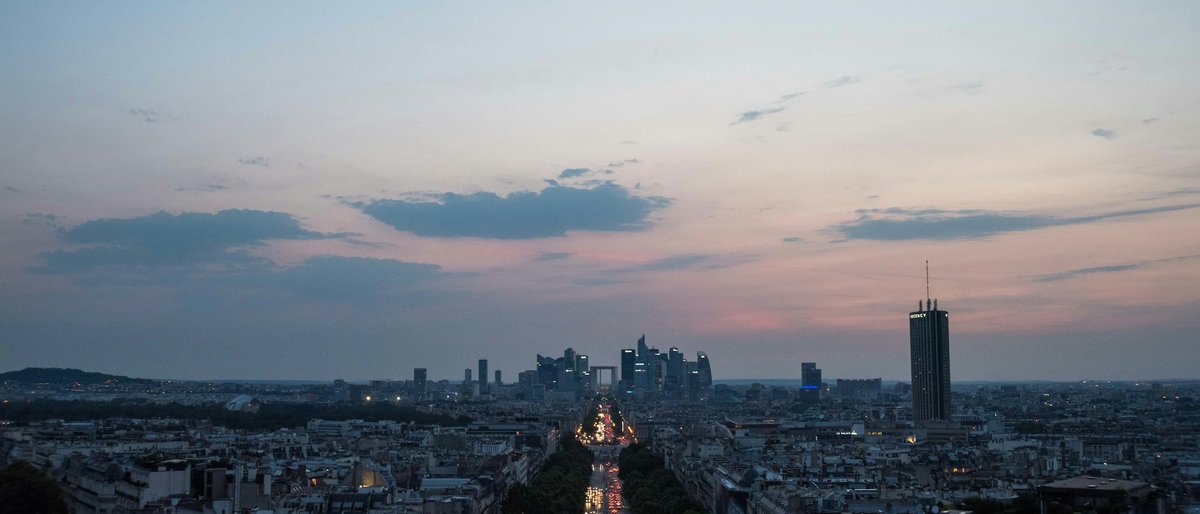
Paris has a relationship with shopping that goes well beyond commerce: it's woven into how the city thinks about itself. This is where the concept of the department store was more or less invented, where fashion houses still operate from the same ateliers they opened a century ago, and where a neighborhood fromagerie might have a more devoted following than any boutique. What makes shopping here distinctive isn't just the luxury end, though that's obviously here in force. It's the depth of craft tradition. Perfumers, chocolatiers, leather workers, stationery makers: these trades still thrive in Paris partly because Parisians themselves are fussy consumers who'd rather pay more for something well-made than settle. You'll find that the city's shopping tends to organize itself by neighborhood, each with its own personality and price bracket. The grand boulevards and the Right Bank luxury triangle get all the attention, but some of the most interesting finds are in the Marais's independent boutiques, the vintage shops along the Canal Saint-Martin, or the covered passages that have been quietly operating since the 1800s. Mind you, the pace is different from what you might expect. Shops open later, close for lunch in smaller neighborhoods, and Sunday trading is still limited outside tourist zones. The French approach to retail has a certain unhurried quality: browsing is expected, and a good shopkeeper will leave you alone until you're ready.
Shopping districts
-
Triangle d'Or: Avenue Montaigne, Rue du Faubourg Saint-Honoré, Avenue George V
luxuryThis is the concentration of major fashion houses: Dior, Chanel, Louis Vuitton, Saint Laurent, Hermès. The buildings themselves tend to be beautiful, with many brands occupying renovated hôtels particuliers. The sidewalks are wide, the doormen are polished, and the whole area has a hushed, almost reverential atmosphere. It can feel intimidating if you're just browsing, though most houses are well welcoming to curious visitors. Worth noting: Rue du Faubourg Saint-Honoré also has the Élysée Palace, so you'll see security presence alongside the window displays.
Best for: High fashion, couture houses, flagship designer boutiques, and anyone who wants to see where the global luxury industry lives
-
Le Marais: Rue des Francs-Bourgeois, Rue de Turenne, Rue Vieille du Temple
mid-range to highThe Marais is where fashion-conscious Parisians who aren't chasing logos tend to shop. The streets are narrow and medieval, lined with a mix of French independent designers, curated concept stores, and some international brands that chose the Marais over the Champs-Élysées for the credibility. Rue des Francs-Bourgeois is the main artery, but the side streets reward wandering: you'll stumble across small jewelry designers, perfumers working from tiny storefronts, and vintage dealers mixed in with contemporary fashion. Sunday shopping is possible here, which is unusual for Paris.
Best for: Independent French designers, concept stores, vintage clothing, artisan jewelry, and browsing without the formality of luxury districts
-
Saint-Germain-des-Prés: Boulevard Saint-Germain, Rue de Rennes, Rue du Cherche-Midi
mid-range to luxuryThe Left Bank's main shopping quarter still carries some of its literary, intellectual reputation, though the independent bookshops have been largely replaced by fashion brands. That said, it's a different mood from the Right Bank: more understated, slightly more bohemian in aspiration if not always in reality. Rue du Cherche-Midi is good for food shops, including the bakery that locals argue makes the best baguette in Paris. The department store Le Bon Marché sits at the district's southern edge and remains the most Parisian of the grands magasins: less crowded, more curated.
Best for: Le Bon Marché and La Grande Épicerie, upscale French fashion, gourmet food shopping, bookshops around Odéon
-
Haussmann: Boulevard Haussmann, around Opéra
mixed: budget to luxury all under one roofThis is department store territory. Galeries Lafayette and Printemps sit side by side on Boulevard Haussmann, both in gorgeous Belle Époque buildings worth visiting for the architecture alone: the stained glass dome at Galeries Lafayette is striking. The area gets extremely crowded, with tour groups, and the shopping experience can feel hectic. To be fair, the stores carry an enormous range under one roof, and the food halls at Galeries Lafayette (on the ground floor of the men's building) are excellent for edible gifts. The rooftop terraces at both stores offer free panoramic views of the city.
Best for: Department store shopping, beauty and perfume counters, food halls, panoramic rooftop views, and getting a broad cross-section of French brands in one trip
-
Les Passages Couverts: Galerie Vivienne, Passage des Panoramas, Passage Jouffroy
mixed: mostly moderate, some specialty items at collector pricesParis has a network of nineteenth-century covered arcades, mostly clustered on the Right Bank between Palais-Royal and Grands Boulevards. These glass-roofed passageways are lined with small, often eccentric shops: vintage postcard dealers, antique cane merchants, stamp collectors, old-school toy shops. Galerie Vivienne is the most photogenic, with its mosaic floors and neoclassical columns. Passage des Panoramas tends toward philately and vintage prints. They're not places for efficient shopping so much as for getting pleasantly lost in another century. Some passages are a bit worn at the edges. That's part of the appeal.
Best for: Vintage finds, antique prints, specialty collectors' items, beautiful architecture, and rainy-day browsing
-
Rue de Rivoli and Les Halles: Châtelet area
budget to mid-rangeThe stretch of Rue de Rivoli near Châtelet and the Forum des Halles mall represent the more accessible, high-street side of Paris shopping. You'll find the usual international chains here (Zara, H&M, Uniqlo) at standard European prices. Les Halles itself was controversially rebuilt and the new Canopée structure still divides opinion. It's not the most atmospheric shopping experience, but it's practical, well-connected by metro, and open on Sundays. The streets branching off toward Étienne Marcel tend to have more interesting independent shops.
Best for: High-street fashion chains, practical everyday shopping, and browsing without a luxury budget
-
Canal Saint-Martin and Rue de Marseille
moderateThe area around Canal Saint-Martin has become the neighborhood of choice for young Parisian designers and creative studios. The shops here tend to be small and personal: a ceramicist selling from her workshop, a guy screen-printing tote bags, that sort of thing. Rue de Marseille and Rue Beaurepaire have a good concentration. The vibe is relaxed, almost village-like on weekday mornings. Prices are reasonable for handmade goods. You might find it quieter than expected, which is the point.
Best for: Handmade goods, emerging French designers, ceramics, independent bookshops, and a neighborhood feel away from tourist circuits
Markets
-
Marché aux Puces de Saint-Ouen (Clignancourt)
flea and antiqueThe largest antique and flea market in the world, or at least it makes a strong claim to the title. Large across several distinct sub-markets: Vernaison for small vintage items and bric-a-brac, Biron for high-end antiques, Dauphine for art and photography, Serpette for mid-century furniture. It can feel overwhelming on first visit, and the area immediately outside the market gates is a bit rough around the edges with unofficial sellers and persistent hawkers. Once inside the proper market halls, the quality improves dramatically. Budget at least half a day. The restaurants within the market are decent, for a long lunch break between browsing sessions.
Saturday, Sunday, and Monday, roughly 9:00 to 18:00, though some dealers open later and close earlier. Monday is quieter.
-
Marché d'Aligre
food and fleaTucked behind the Bastille in the 12th arrondissement, this is one of the few markets that still feels local. The outdoor section along Rue d'Aligre has produce vendors, cheese sellers, and butchers who cater to the neighborhood: prices are notably lower than equivalent markets in wealthier arrondissements. The covered Marché Beauvau inside has higher-end food stalls. On weekends, a small flea market sets up alongside the food vendors, with dealers selling old crockery, vintage linens, and random curiosities. The smell of roasting chickens from the rotisseries tends to settle over the whole street.
Tuesday through Sunday mornings, typically 7:30 to 13:30. The Sunday flea component is the liveliest.
-
Marché Bastille
foodOne of the biggest open-air food markets in Paris, stretching along Boulevard Richard-Lenoir. Thursday mornings are busy but manageable; Sunday mornings are packed. The vendors cover everything: seasonal produce from Île-de-France farms, North African spices, rotisserie poultry, stacked wheels of Comté, oyster shuckers working through mounds of Fines de Claire. It's a sensory overload in the best sense: the cold salt smell of the oyster stands, the warmth radiating from the crêpe makers, vendors calling out prices. A good place to assemble a picnic and eat along the canal.
Thursday and Sunday mornings, roughly 7:00 to 14:30.
-
Marché aux Fleurs: Île de la Cité
flower and plantThe flower market on Île de la Cité has been operating since 1808, tucked between Notre-Dame and the Conciergerie. On weekdays it's primarily flowers, plants, and garden supplies: orchids, seasonal blooms, potted herbs. The iron-and-glass pavilions are beautiful in morning light. On Sundays it historically expanded to include a bird market, though that section has been scaled back in recent years. It's small enough to visit in twenty minutes, and the setting next to the Seine makes it feel like stepping into an older Paris.
Daily, approximately 8:00 to 19:30. Sunday bird market section currently limited.
-
Marché des Enfants Rouges
food and prepared mealsLikely the oldest covered market in Paris, dating to the early 1600s, hidden in the upper Marais. It's small (more of a covered food court than a traditional market) but the food stalls are good. You'll find Moroccan couscous, Japanese bento, Italian pasta, and classic French dishes all served from tiny counters with shared seating. It gets crowded at lunchtime, on weekends, and the aisles are narrow enough that navigating with a bag becomes a negotiation. Come hungry, come early if you want a seat.
Tuesday through Sunday, roughly 8:30 to 20:00. Closed Monday.
-
Marché aux Puces de la Porte de Vanves
fleaSmaller and more manageable than Saint-Ouen, the Vanves flea market runs along Avenues Georges Lafenestre and Marc Sangnier in the 14th. The dealers here skew toward affordable vintage: old postcards, silverware, linens, vintage jewelry, secondhand books. It's the sort of place where you might find a brass candlestick for a few euros or a first-edition paperback for pocket change. The atmosphere is low-key and browsing-friendly. Dealers tend to be more open to casual conversation than at the bigger markets. Get there early for the best picks: by noon, vendors start packing up.
Saturday and Sunday mornings, approximately 7:00 to 14:00. Best selection before 10:00.
Souvenirs worth bringing home
Skip the Eiffel Tower keychains and miniature Arc de Triomphes: the Parisian things to bring home are mostly edible or artisanal. French butter and cheese obviously won't travel well unless you're heading straight home, but vacuum-packed items from La Grande Épicerie or a fromagerie can work for short flights. Fleur de sel from Guérande or Île de Ré makes a practical, lightweight gift that's distinctly French. Mustard from a shop like the Maille boutique near Place de la Madeleine comes in stone crocks that look good on a shelf. Chocolate is where Paris really distinguishes itself: the chocolatiers here work at a level that's difficult to find elsewhere. Look for individual boxes from established maisons rather than bulk tourist packs. French perfume is an obvious choice, but consider smaller niche houses over the global brands you can buy at any airport. The Palais Royal area has several independent perfumers who blend house-exclusive scents. Laguiole knives, while technically from the Auvergne, are sold by specialist dealers in Paris and make a beautiful, long-lasting gift, though check your airline's rules before packing one. Stationery and notebooks from traditional papeteries are lightweight and distinctly French. Vintage prints and old maps of Paris from the bouquinistes along the Seine can be lovely, though quality varies wildly between stalls: take your time and inspect before buying. Tea from Mariage Frères or a tin of candied chestnuts (marrons glacés) in autumn are the kind of gifts that feel specific to having been in Paris rather than generic travel souvenirs.
Practical tips
- Bargaining
- Fixed-price shops do not bargain, full stop. At flea markets like Saint-Ouen and Vanves, polite negotiation is expected and welcome: starting at roughly 20 percent below the asking price is reasonable. Cash helps your position. At food markets, prices are generally fixed, though vendors sometimes round down near closing time or throw in an extra piece of fruit. The key word is polite: aggressive haggling is considered rude and will likely backfire.
- Tax Refunds (Détaxe)
- Non-EU residents can claim a VAT refund on purchases over a minimum threshold (currently around 100 euros) from participating stores. The shop will provide a détaxe form: some now use the Pablo electronic system, which you validate at the airport before check-in. Allow extra time at the airport for this process, at Charles de Gaulle where the customs desk can have long queues. Department stores often have dedicated détaxe desks that handle the paperwork on the spot. Keep your purchases unused and accessible in case customs asks to see them.
- Opening Hours
- Most shops open between 10:00 and 11:00 and close around 19:00 to 19:30. Sunday closures are still widespread, though the Marais, Champs-Élysées, and designated tourist zones are exceptions. Many small shops close for part of August: independents and family-run businesses. Department stores keep longer hours, often staying open until 20:00 or 20:30, with late-night shopping on Thursdays at some locations. Markets are morning affairs; arrive early for the best selection.
- Payment Methods
- Contactless card payment is nearly universal in Paris now, even at market stalls. Visa and Mastercard are accepted everywhere; American Express somewhat less so at smaller shops. Having some cash is still useful at flea markets and very small vendors. Apple Pay and Google Pay work widely. Tipping in shops is not expected. One thing that catches visitors off guard: some smaller shops still have minimum card purchase amounts, usually around five euros.
- Sales Seasons
- France regulates its sales periods: the winter soldes typically run from early January through mid-February, and the summer soldes from late June through late July. Discounts during these periods are genuine and can be substantial, often 30 to 70 percent off. Outside these periods, you won't see widespread discounting at French shops the way you might in other countries. The first day of soldes tends to draw crowds, but the deeper discounts come in the later weeks when shops want to clear remaining stock.
- Getting Purchases Home
- For bulky items like furniture from the flea markets, most serious dealers at Saint-Ouen can arrange shipping: some work with specific logistics companies that handle customs and international delivery. For fragile items, the department stores offer international shipping services. If you're carrying things yourself, note that many French shops will gift-wrap purchases for free if you ask, which also helps protect items in your luggage. For wine, invest in a proper padded wine suitcase or ask the caviste to pack bottles securely: checked luggage allowances on European flights tend to be generous enough for a case or two.
FAQ
Is the Champs-Élysées worth visiting for shopping?
Honestly, the Champs-Élysées has become mostly international chains and flagship stores you'd find in any major city: Zara, Nike, Sephora, the Louis Vuitton flagship. It's a spectacle and worth walking once for the avenue itself, but locals rarely shop there. The side streets running off the Champs toward the Triangle d'Or are where the more interesting retail begins. If you only have time for one shopping area, the Marais or Saint-Germain will give you a much better sense of Parisian style.
Are the bouquinistes along the Seine worth stopping at?
The green bookstalls along the quays are a protected UNESCO heritage tradition, and some still sell interesting old books, vintage prints, and antique maps. That said, a fair number have shifted toward tourist souvenirs: magnets, postcards, cheap prints. The best stalls tend to be on the Left Bank between Pont Saint-Michel and Pont des Arts. Browse without expectation and you might find something beautiful; go with specific hopes and you might be disappointed. The experience of flipping through boxes along the river is itself the point.
What is La Grande Épicerie and is it worth visiting?
La Grande Épicerie is the food hall attached to Le Bon Marché department store in Saint-Germain. It's essentially a curated supermarket for French gourmet products: oils, vinegars, chocolates, preserves, wines, cheeses, prepared foods. The selection is extraordinary and it's a reliable place to find well-packaged edible gifts. Prices are higher than a regular supermarket, naturally, but the quality control means you're unlikely to buy anything disappointing. The prepared food counters are also a good option for a quick, high-quality lunch.
When is the best time of year to shop in Paris?
The January sales (soldes) offer the best deals on French fashion, but the city is cold and grey. Late September and October might be the sweet spot: new autumn collections are in, the summer crowds have thinned, the weather is usually mild, and the markets are full of autumn produce. Spring is lovely for browsing but doesn't have seasonal price advantages. Avoid the last two weeks of August if you're targeting independent shops, as many close entirely for the annual vacation.
Do I need to speak French to shop in Paris?
In tourist areas, department stores, and luxury boutiques, English is widely spoken and you'll have no trouble. At markets and in neighborhood shops, a basic bonjour and merci go a long way: starting any interaction in French, even if you switch to English immediately, is considered polite and will noticeably improve how you're received. Flea market dealers often speak enough English for transactions. The one place where language can be a real barrier is negotiating at markets, where a few French numbers and phrases help considerably.
Is Paris expensive for shopping compared to other European cities?
It depends entirely on what you're buying. Luxury goods can be cheaper in Paris than in many other cities, after the tax refund: designer handbags and perfume are often priced lower at their home maisons than at international retail. Everyday items and high-street fashion are broadly comparable to London or Berlin. Food markets are good value, outside the wealthiest arrondissements. Where Paris does sting is in the middle ground: a casual lunch near a tourist area or a coffee in Saint-Germain will cost noticeably more than equivalent cities in southern or eastern Europe.
Last verified by automated review (v1.7.1) on . What is automated review?