
New York's public squares and parks do more for a visitor's day than most ticketed attractions, and this list is built from them. Three of the twelve are National Historic Landmarks: Central Park, Union Square and the New York Botanical Garden, with dates running from Bryant Park's 1842 to the High Line's 2009, so a single walking day can cover most of the city's public history. The list covers four boroughs: most entries are Manhattan squares, with Flushing Meadows–Corona Park in Queens, Prospect Park in Brooklyn and the botanical garden in the Bronx making up the rest. It is for visitors who would rather walk than queue, and who think a bench in the right square counts as an itinerary. Two entries are gardens with their own gates and calendars, so check their official sites before you set out. Comfortable shoes and a tolerance for crowds are all the rest require.
-
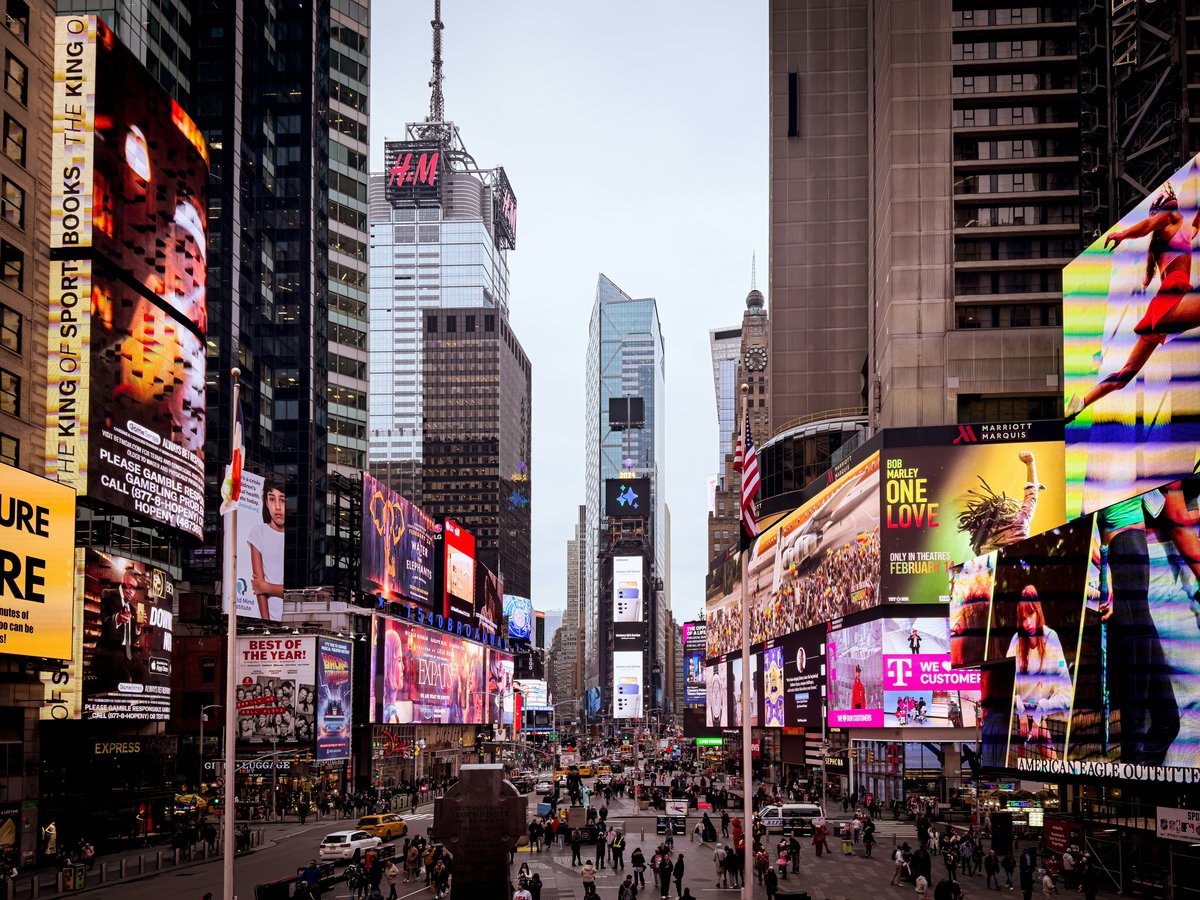
1 Times Square
Broadway, 10036A short stop on Broadway to take in the square, then moving on
Every visitor ends up at Times Square eventually, so arrive on your own terms at Broadway in the 10036 postal code. It is a neighborhood and a square in Manhattan at once, and its story as a square goes back to 1905. Skip the sit-down chains that ring any famous square, stand on the pavement, look around properly, and leave before the crowd decides your pace for you. Late evening is the kindest hour, when the commuters have gone home and you can stand still without being walked into. Treat it as a stop of a few minutes, not an evening, and spend the hours you save in the parks further down this list. Check the official site before you go.
Dates from 1905
-
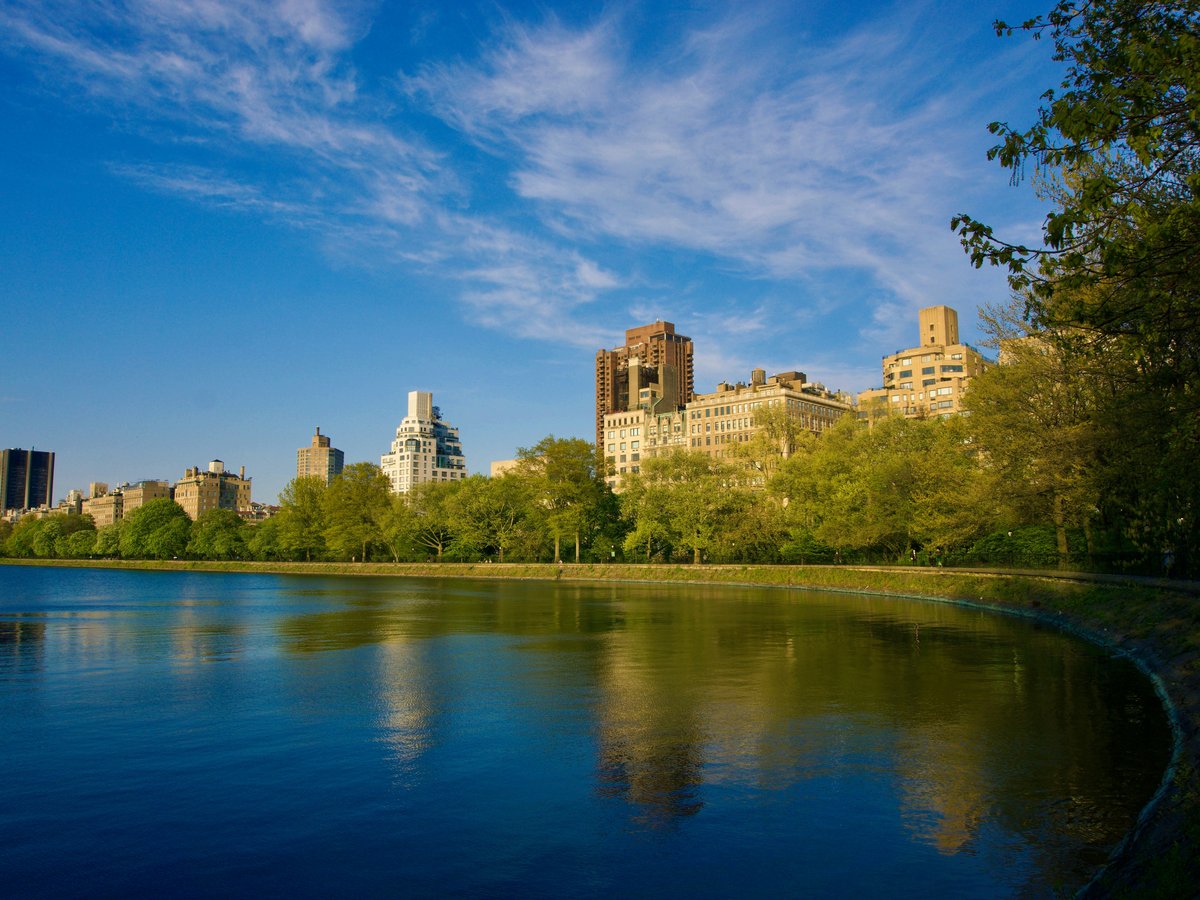
2 Central Park
Long walks through the National Historic Landmark park at the center of Manhattan
Central Park keeps its hours from 06:00 to 01:00, so the question is never whether you can get in, just where to start. It is the public park at the center of Manhattan, dating from 1856 and now a National Historic Landmark. Skip the paid rides around the edges; the park rewards walking, and the further you get from the corners, the quieter it becomes. Pick a direction, leave the map in your pocket, and turn back when your legs ask you to. Close to the 06:00 opening is the best time to go, when the paths belong to the people who live here and the light is still low.
Dates from 1856 · National Historic Landmark
Hours: 06:00-01:00
-
3 Madison Square and Madison Square Park
11 Madison Avenue, New York, NY 10010A square-and-park pairing open from 06:00 to 23:00
At 11 Madison Avenue, NY 10010, Madison Square Park is the square to sit in rather than pass through. Both a square and a park in Manhattan, it is open from 06:00 to 23:00, so it works as well for breakfast as after dinner. The plazas built for photographs are not the ones that hold you; this one is built for sitting, and the benches reward anyone who brings a coffee and no plan. Come at the start or the end of a working day, when the square fills and empties with its regulars, and you will get a truer read on the city than any viewing deck offers. Check the official site before you go.
Hours: 06:00-23:00
-
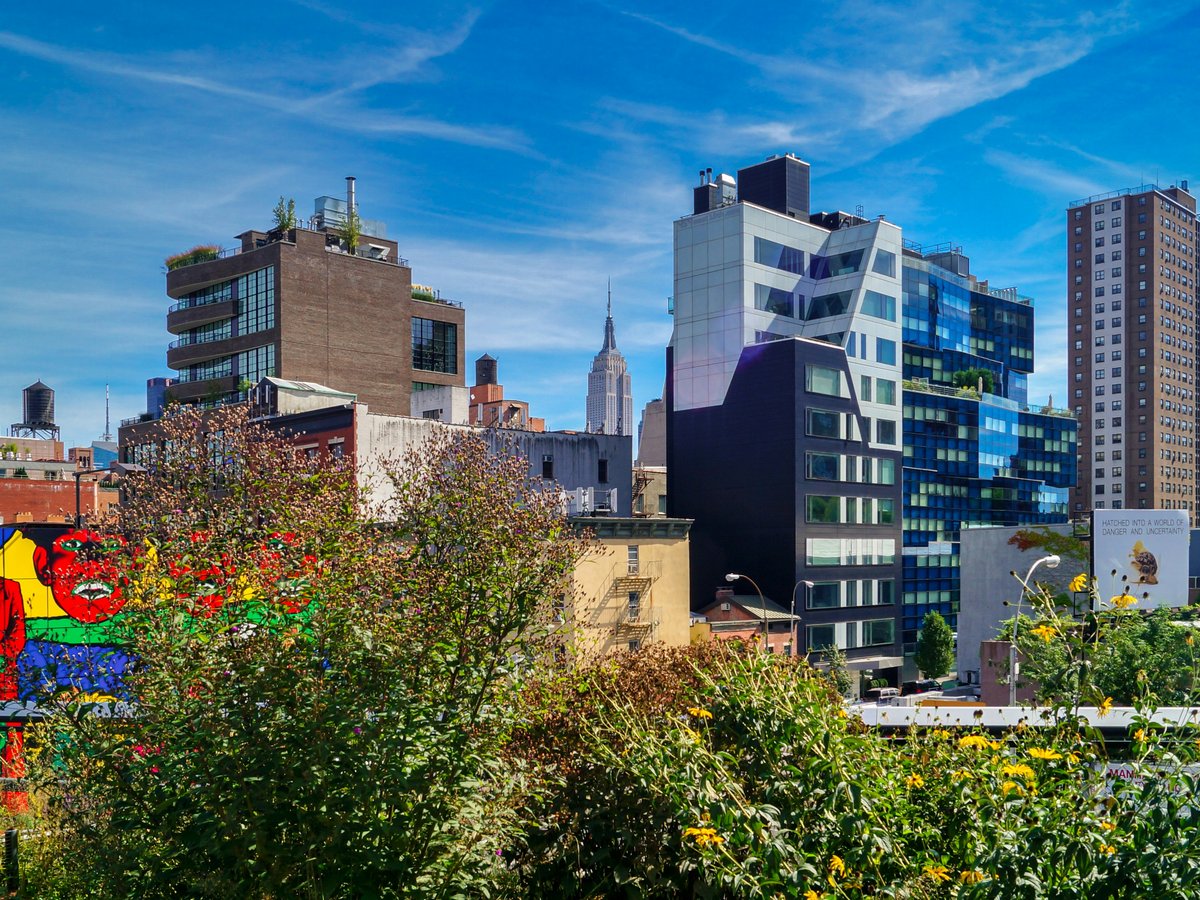
4 High Line
525 West 23rd Street, New York, 10011A walk along an urban park built on an elevated section of disused railroad
Since 2009 the High Line has been an urban park on an elevated section of disused railroad, and it is still the most original walk in Manhattan. The mapped address is 525 West 23rd Street, 10011, and hours run 07:00 to 19:00 every day. Avoid the midday crowd, when the path slows to the pace of the slowest phone; go close to the 07:00 opening and you will walk it rather than queue along it. The point is the vantage: you look down into the streets from above, which no sidewalk can give you. Plan your exit before dusk, since the gates follow that 19:00 close. Check the official site for any changes.
Dates from 2009
Hours: Mo-Su 07:00-19:00
-
5 Union Square
201 Park Avenue South, New York, NY 10003Sitting in a square that is also a National Historic Landmark
The square at 201 Park Avenue South, NY 10003, captures the city's habit of meeting in public. Union Square is a neighborhood and a square in Manhattan and a National Historic Landmark, which is more history than most people cutting across it ever pause to register. Most treat it as a crossing, and that's reasonable as far as it goes, but we'd say to sit on a bench long enough to watch the square at work: arrivals, departures, arguments and reunions, all in the open. It is not a place to linger for hours, but it is one of the best places in Manhattan to read how the city uses its public space. Its official page sits on the city parks website.
National Historic Landmark
-
6 Flushing Meadows–Corona Park
United Nations Avenue South, 11368A half day in a large public park in Queens
Out in Queens, on United Nations Avenue South in the 11368 postal code, Flushing Meadows–Corona Park is the long trip on this list that pays you back. It is a large public park in Queens, dating from 1939. The assumption to drop is that open space in New York belongs to Manhattan alone; the scale out here resets your sense of the city. Bring water, wear proper shoes, and give it half a day rather than an hour, because a park this size punishes anyone who rushes. Go on a weekday if you want room to roam, and on a weekend if you want to see the borough at leisure.
Dates from 1939
-
7 Herald Square
6th Avenue, New York, NY 10001A short pause in a Manhattan square on 6th Avenue
Traffic rattles past Herald Square on 6th Avenue, NY 10001, and the square makes no effort to drown it out. It is a neighborhood and a square in Manhattan, best treated as a pause rather than a destination. Not worth the detour on its own, but if you are already walking 6th Avenue and need a minute from the pavement crush, take a seat. Come for the people-watching, the city at full speed with nobody performing for you, then move on before the noise wins. It is the opposite of a postcard, which is exactly why it belongs on a list like this. Its official page sits on the city parks website.
-
8 New York Botanical Garden
2900 Southern Boulevard, Bronx, NY 10458A National Historic Landmark botanical garden in the Bronx
The New York Botanical Garden at 2900 Southern Boulevard, Bronx, NY 10458 is a botanical garden in the Bronx, dating from 1891 and designated a National Historic Landmark. It opens Tuesday through Sunday, 10:00 to 18:00, and Monday is not included, so plan around it. Locals make for it when Manhattan gets too loud, and they are right to: the trip north buys you a day at a different pace. Arrive near the 10:00 opening, walk slowly, and leave the garden map for later. Check admission on the official site before you travel, because a garden with its own gates sets its own terms.
Dates from 1891 · National Historic Landmark
Hours: Tu-Su 10:00-18:00
-
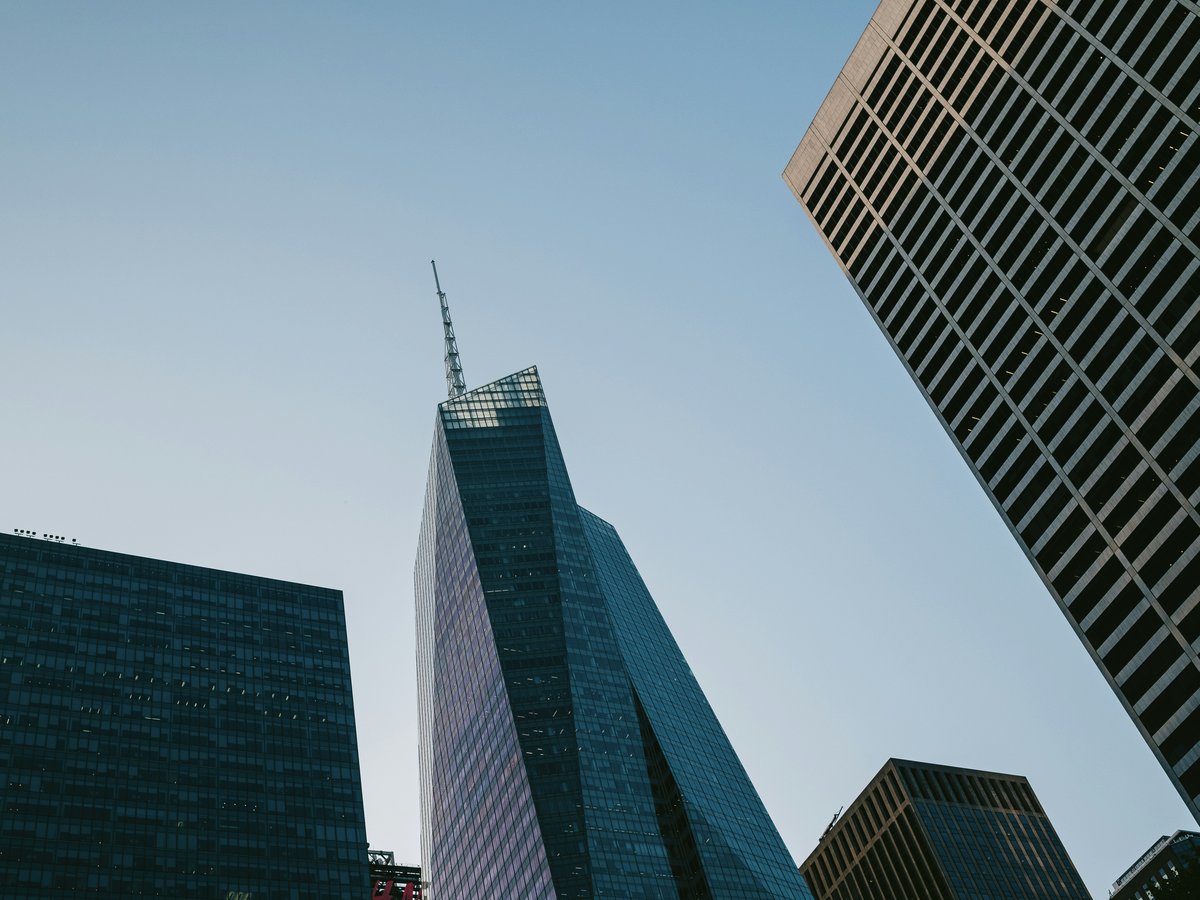
9 Bryant Park
Lunch or a late evening sit in a park open 07:00 to 23:00
If you have one lunch hour in Manhattan, spend it in Bryant Park, a public park in the borough open 07:00 to 23:00 every day, dating from 1842 and listed as a contributing property on the National Register of Historic Places. Skip the sandwich chains with nowhere to sit; carry your lunch here and eat it outdoors like the office workers do. The late close at 23:00 makes it as good after an evening out as before one, and a park that stays open that late feels generous in a city of closing times. Go early for quiet, go at noon for the crowd, and decide which one you came for.
Dates from 1842 · National Register of Historic Places contributing property
Hours: Mo-Su 07:00-23:00
-
10 Prospect Park
A day in Brooklyn's National Register-listed public park
Brooklyn's Prospect Park dates from 1867 and is listed on the National Register of Historic Places, and the subway ride out is the best investment on this list. Locals swear by it over the busier Manhattan lawns, and after an afternoon here you will understand why: there is room to spread out, nobody is selling you anything, and the day slows to the pace of the people around you. Bring a blanket and something to read, and let the afternoon run long. For questions before a visit, the listed number is +1 (718) 965-8951.
Dates from 1867 · National Register of Historic Places listed place
-
11 East River Park
FDR Drive, New York, NY 10009A run or ride in a Lower East Side park on FDR Drive
Bring a bike or running shoes to East River Park, mapped on FDR Drive, NY 10009, a park in the Lower East Side of New York City that suits anyone who wants to move rather than sit. Skip the polished waterfront walks built for photographs; this is a working neighborhood park, and it is better for it. Anyone staying in the 10009 postal area has it as a backyard, and visitors from further afield get a version of the city that most itineraries skip. Go early, keep moving, and finish with breakfast nearby. The official page sits on the city parks website.
-
12 Brooklyn Botanic Garden
A slow morning in a Brooklyn botanical garden dating from 1910
Plan a slow morning at Brooklyn Botanic Garden, a botanical garden in Brooklyn. Dating from 1910, a garden with that many seasons behind it rewards anyone who comes back more than once. Not worth the trip if you plan to sprint through it; this is a place for walking slowly, sitting down, and noticing what has changed since your last visit. Pair it with a day in Brooklyn and not a dash from Manhattan, and give it the unhurried hours a garden in its second century, open since 1910, deserves. Check hours and admission on the official site before you go, since a garden with its own gates sets its own calendar.
Dates from 1910
Last verified by automated review (v1.7.2_fame1017d-1015-213-20261017113344) on . What is automated review?