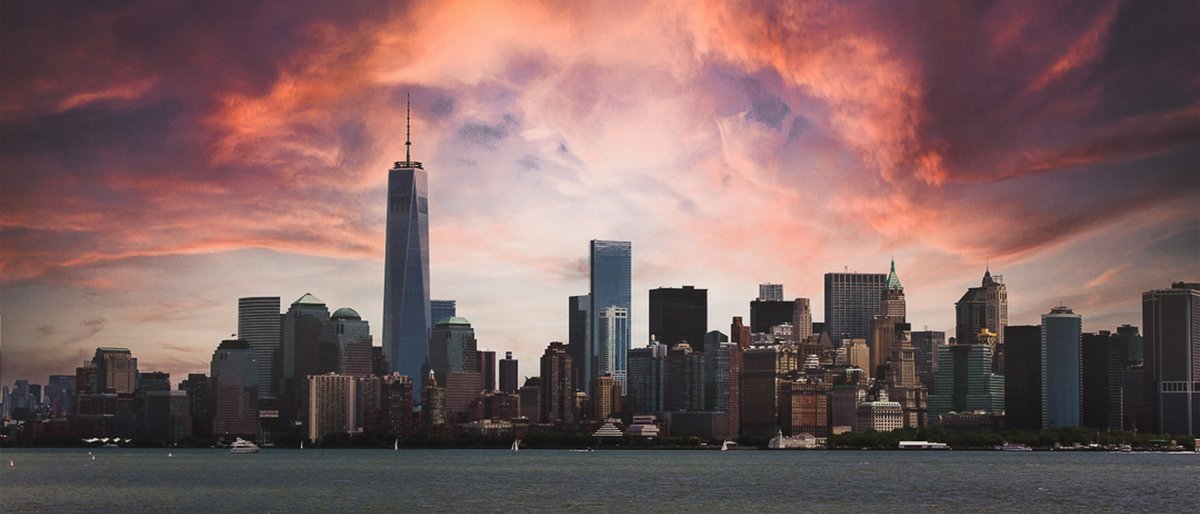
New York doesn't really have a closing time, not in the way most cities do. Bars technically shut at 4 AM, which already puts the city in rare company, but the truth is that the night just shifts shape after that. Someone's always pouring drinks somewhere, whether it's a members-only spot in a Chinatown basement or a diner counter in Bushwick where the bourbon appears from under the register. The city's nightlife personality is hard to pin down because there isn't one scene: there are dozens, layered on top of each other, sometimes in the same building. You might find a quiet wine bar on the ground floor, a hip-hop club on the second, and a jazz trio playing on the roof. That sounds like a joke, but it's happened more than once.
What tends to surprise first-time visitors is how neighborhood-driven the whole thing is. Going out in the West Village feels nothing like going out in Bushwick, which feels nothing like going out in Midtown. Locals rarely cross borough lines for a night out: you pick your neighborhood and you commit. The subway runs 24 hours, which matters more than you'd think. It means the night doesn't have a hard cutoff the way it does in London or Tokyo. People drift. They start with dinner at 9, hit a bar at 11, maybe a club at 1, and end up eating dollar pizza at 3:30 while arguing about whether the DJ was good or just loud.
One thing worth noting: New York nightlife has gotten expensive. A cocktail in Manhattan can cost more than a decent lunch, and even a draft beer at a sit-down bar isn't cheap anymore. That said, the range is enormous. You can blow through a week's budget at a bottle-service club or nurse cheap cans all night at a proper dive. The city rewards people who know where to look.
The Bar Scene: From Speakeasies to Corner Dives
New York's cocktail bar culture has been going strong since the early 2000s revival, and at this point it's embedded in the city's identity. The Lower East Side and West Village remain the spiritual home of the craft cocktail, with bars tucked behind unmarked doors, inside phone booths, and through the back of taco joints. The speakeasy thing started as a novelty but has settled into something more genuine: these are legitimately good bars that happen to be hidden. Expect to pay a premium per drink at the higher end. The bartenders tend to take their work seriously, sometimes a little too seriously, but the results are usually worth it. If you order a vodka soda at a place with a 40-ingredient menu, you might get a look. Dive bars are still the backbone of the city, though they're disappearing faster than anyone would like. The East Village, Hell's Kitchen, and parts of Brooklyn still have the real thing: sticky floors, cheap cans of beer, a jukebox that hasn't been updated since 2008, and a crowd that ranges from construction workers to off-duty actors. Cash-only is still common. The beauty of a good New York dive is that nobody cares who you are or what you're wearing. You sit, you drink, you talk to whoever's next to you or you don't. Rooftop bars have multiplied across Manhattan and Brooklyn, in neighborhoods like the Meatpacking District, Williamsburg, and Long Island City. The views can be impressive: the skyline from across the East River at sunset has a way of stopping conversation mid-sentence. That said, many rooftop spots lean heavily on the view and less on the drinks. Prices run high, waits can be long on warm-weather weekends, and some enforce dress codes that feel more Miami than New York. The better ones tend to be attached to hotels and open seasonally. Wine bars have had a quiet boom, natural wine spots in Brooklyn and the Lower East Side. The vibe at these places tends toward low lighting, small plates, and a crowd that skews slightly older than the cocktail bar demographic. You'll hear a lot of talk about skin-contact wines and minimal intervention: the scene takes itself fairly seriously, but in a way that's more welcoming than it sounds. A glass won't break the bank at most spots, and the staff are generally happy to guide you if you're not sure what you're looking for.
The Club Scene: Genre, Door Policy, and the 2 AM Question
New York's club scene is currently in a strong period, though it looks quite different from the mega-club era of the 2000s. The city has leaned hard into electronic music over the past decade, with a particular strength in house and techno. Brooklyn is the center of gravity here: warehouses and repurposed industrial spaces in neighborhoods like Bushwick, East Williamsburg, and Ridgewood host parties that can run well past sunrise. The crowd at these events tends to be serious about the music, dressed down rather than up, and generally unbothered by VIP culture. Manhattan still has its share of bottle-service clubs, in the Meatpacking District and Chelsea, where the dress code is stricter and the price of entry (both literal and figurative) runs higher. Cover charges vary widely depending on the night and the venue, and table minimums at the splashier spots can climb fast on a Saturday night. The crowd is often a mix of finance workers, tourists, and people who enjoy that particular energy. To be fair, some of these places book good DJs, so dismissing them entirely would be unfair. Door policy varies enormously. Brooklyn warehouse parties are generally first-come, first-served, though some of the more established venues have bouncers who exercise discretion. In Manhattan, the velvet-rope tradition is still alive at certain clubs: arrive in a group of all men and you might wait a while. The honest advice is to go with a mixed group, arrive before midnight, and don't argue with the door. It rarely helps. Peak hours shift depending on the scene. Manhattan clubs tend to fill up between midnight and 1 AM, while Brooklyn parties often don't hit their stride until 2 AM or later. Some of the more underground events start at midnight and don't peak until 4 or 5 in the morning. Hip-hop and R&B nights tend to peak earlier, around midnight to 2 AM, while the techno crowd operates on a different clock entirely. One thing that has changed: the city's cabaret law was repealed in 2017, which means dancing is now legal in every bar. That sounds absurd, but for decades New York technically required a license for dancing. The repeal has opened up smaller venues to host dance nights without worrying about fines, which has been good for the scene overall.
Live Music: Jazz Basements, Rock Clubs, and Everything Between
New York remains one of the best cities on earth for live music, and that's not really debatable. The depth and range of what's happening on any given night is staggering. You could see a jazz quartet in a Greenwich Village basement, a punk band in a Bushwick DIY space, a gospel choir in Harlem, and a classical ensemble at Lincoln Center: all on the same Tuesday. Jazz is still the city's signature sound in many ways. The Village has been the spiritual home of jazz since the mid-20th century, and several of the legendary clubs are still operating. The tradition is real: you can hear musicians who studied under musicians who played with the greats. Most jazz clubs charge a cover plus a drink minimum, which adds up but feels fair once you're inside. The sound in these small rooms is something else entirely. You're close enough to see the sweat on the pianist's forehead, close enough to feel the bass in your chest. The indie and rock scene has migrated steadily into Brooklyn over the past two decades. Williamsburg and Bushwick have the highest concentration of small to mid-size venues, and on any given weekend night you can stumble into three or four shows within walking distance. The DIY spirit is still alive in converted lofts and warehouses, though the rising cost of rent keeps pushing things further out along the L train. Manhattan still has some storied rock venues, but Brooklyn is where the energy lives now. Hip-hop is woven into the city's fabric in a way that goes beyond just live shows. Open mics, freestyle nights, and rap battles still happen in bars across the boroughs: Harlem and the Bronx carry the deepest roots, but you'll find nights dedicated to the genre from Bed-Stuy to the Lower East Side. The energy at a packed hip-hop night in a small venue is hard to replicate anywhere else. Bodies pressed together, the bass rattling the walls, someone in the crowd who can rap getting pulled up on stage. Mind you, the live music calendar in New York is overwhelming by design. On a typical Friday, there might be hundreds of shows happening across the five boroughs. Checking listings ahead of time is practically required: pick a neighborhood, scan what's on, and let the night develop from there.
Nightlife neighborhoods
-
Lower East Side
The Lower East Side still carries the grit of its punk and immigrant past, even as sleek cocktail bars have settled in alongside the bodegas. Narrow streets, neon signs flickering, and the faint smell of dumplings drifting from around the corner. The energy here tends to run younger and louder as the night goes on.
- Best for
- Cocktail bars, late-night dancing, bar-hopping on foot
-
West Village
Cobblestone streets, brownstones, and a quieter kind of cool. The West Village has been a nightlife neighborhood since the jazz age and it still draws people who want conversation over volume. Piano bars, intimate jazz rooms, and wine spots with candlelit tables. The pace is slower here: deliberately so.
- Best for
- Jazz, wine bars, date nights, low-key cocktail spots
-
Williamsburg
Williamsburg's nightlife has matured past its early hipster reputation into something broader. Rooftop bars along the waterfront look back at the Manhattan skyline, while deeper into the neighborhood you'll find live music venues, natural wine bars, and dance spots that keep going until the early hours. The crowd is creative-industry heavy and tends to dress like it.
- Best for
- Rooftop drinks, indie concerts, late-night dancing
-
Bushwick
The warehouse district energy is real: raw concrete spaces, murals on every other wall, and a nightlife scene that doesn't really wake up until well after midnight. The crowd here comes for the music, electronic and experimental sounds. Expect less polish and more substance. The smell of spray paint and cigarette smoke hangs in the air on weekend nights.
- Best for
- Warehouse parties, techno and house music, underground events
-
East Village
A little scrappier than its neighbor to the south, the East Village is still home to some of the city's best dive bars and punk-adjacent venues. The streets buzz with a particular kind of chaos on weekend nights: groups spilling out of izakayas, the thump of a bass line escaping from a basement door, someone arguing passionately about nothing on a stoop.
- Best for
- Dive bars, punk and rock shows, late-night eating between rounds
-
Harlem
Harlem's nightlife carries a weight of history that most neighborhoods can't touch. Jazz clubs that have been operating for generations sit alongside newer cocktail spots and supper clubs. Sunday gospel brunches blur into afternoon drinks. The energy here is warm and communal: less about being seen, more about being together.
- Best for
- Jazz, gospel brunches, supper clubs, hip-hop heritage
-
Meatpacking District
The Meatpacking District is Manhattan's most polished nightlife zone: bottle service, velvet ropes, and crowds dressed to be noticed. The old meatpacking warehouses have long since been converted to high-end clubs and hotel rooftop bars. It's not for everyone, but on a warm summer night the outdoor terraces fill up with a buzzy, dressed-up energy that's distinctly New York.
- Best for
- Upscale clubs, hotel rooftop bars, bottle service
Safety after dark
New York is generally safe for a night out, but common sense still applies. Stick to well-lit, populated streets: most nightlife neighborhoods have plenty of foot traffic even at 3 AM, but quieter industrial blocks in Brooklyn can feel isolated between venues. The subway runs all night, though service gets less frequent after midnight; rideshare apps are the go-to for most people heading home late. Keep your phone and wallet in a front pocket, in crowded bars and clubs. Drink spiking does happen, so keep your glass in sight and don't accept drinks from strangers. If a deal seems too good to be true (someone on the street offering discount club entry, for instance) it likely is. Times Square at night attracts its share of hustlers and scam artists, but the actual nightlife neighborhoods tend to be straightforward. Trust your instincts: if a place or a situation feels off, leave.
Practical tips
- Tipping
- Tipping is non-negotiable in New York. A dollar per beer, a couple of dollars per cocktail, or roughly 20 percent of your tab: bartenders remember good tippers, and in a crowded bar that memory translates directly into faster service.
- Cover charges
- Cover charges vary wildly depending on venue, night of the week, and who's performing. Weeknights are often free entry at most bars. Clubs and live music venues almost always charge, with weekend prices running higher. Check ahead online: many venues list their door fees.
- Hours
- Most bars serve until 4 AM, which is the legal last call. Clubs with the right permits can sometimes push later. Things tend to pick up around 10 or 11 PM at bars, and midnight or later at clubs. Showing up at a Brooklyn warehouse party before 1 AM means you'll likely have the dance floor mostly to yourself.
- IDs and door policy
- Bring a valid photo ID, even if you're clearly well past 21, most venues will card you at the door. Foreign passports work, though a few bouncers may squint at unfamiliar documents. A driver's license or passport card is the smoothest option.
- Getting around
- The subway is your best friend for getting between neighborhoods, and it runs 24 hours. Late-night service can be spotty though, so check the MTA app for real-time arrivals. Rideshares increase heavily between 1 and 3 AM on weekends: if you can time your exit slightly earlier or later, your wallet will thank you.
- Reservations
- Cocktail bars and wine bars increasingly take reservations, on Friday and Saturday nights. Walk-ins are still possible, but you might wait. For popular spots, booking a day or two ahead through their website or Resy is worth the small effort.
FAQ
What time do bars close in New York?
Last call is legally at 4 AM across the city, which makes New York one of the latest-closing cities in the US. Most bars will start wrapping up around 3:30 AM, though some wind down earlier on quieter weeknights. The night doesn't necessarily end at 4 either: after-hours spots and late-night diners keep things going for those who aren't ready to call it.
Is New York nightlife expensive?
It can be, but the range is enormous. A night out in Manhattan's cocktail bars or bottle-service clubs adds up quickly, while a crawl through Brooklyn dive bars or East Village pubs is far more forgiving on the budget. In general, Brooklyn tends to be somewhat cheaper than Manhattan, and weeknights are easier on the wallet than weekends. Pregaming before heading out is a time-honored local tradition for a reason.
What should I wear going out in New York?
It depends entirely on where you're going. Brooklyn warehouse parties and dive bars are casual: jeans, sneakers, a t-shirt, you're fine. Manhattan cocktail bars and upscale clubs tend to expect something sharper: dark jeans or trousers, decent shoes, no athletic wear. A few of the more exclusive spots enforce a dress code, so checking ahead is worthwhile. The general rule is that New Yorkers dress in black and rarely overdress.
Do I need to make reservations for bars?
For most bars, no: walk-ins are still the norm. The exception is popular cocktail bars and wine bars on Friday and Saturday nights, where reservations through platforms like Resy have become common. If there's a specific place you're set on visiting, booking ahead saves you from standing in a queue on the sidewalk.
Is the subway safe to take late at night?
The subway is generally safe late at night, on busier lines and in Manhattan. Stay aware of your surroundings, keep to well-populated cars, and stand near the platform edge closest to the operator's booth if the station is quiet. That said, many people opt for rideshares after a late night out, when heading to less central neighborhoods.
What is the legal drinking age and do bars check ID?
The legal drinking age is 21, and yes, bars and clubs check ID consistently, even if you look well over the age. Bring a government-issued photo ID every time you go out. Foreign passports are accepted, though a passport card or driver's license tends to speed things up at the door.
Last verified by automated review (v1.7.1) on . What is automated review?