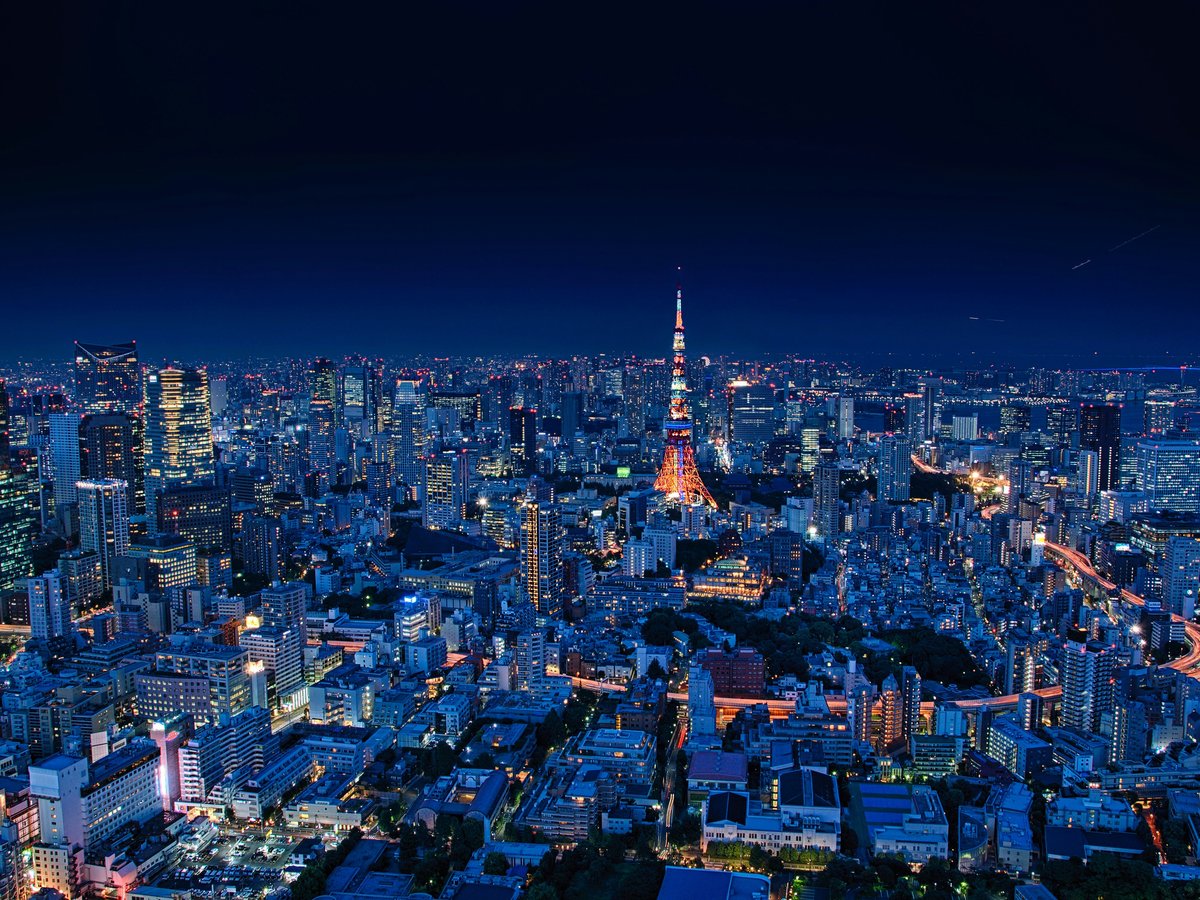
Tokyo's essential sights do not cluster in one old quarter; they scatter across a city that keeps rebuilding itself around a few fixed points. The oldest on this list, Sensō-ji Temple, dates from AD 645; the newest tower, Tokyo Skytree, from 2012. Between them sit two Shinto shrines, two Buddhist temples, a state guest house, the main residence of the Emperor of Japan, a mosque and the seat of the Roman Catholic Archdiocese of Tokyo. Several carry national heritage designations, from Tokyo Tower's registration as a Tangible Cultural Property to Hamarikyu Gardens' listing as a Historic Site. This list is for the visitor who wants the city's spine before its side streets: the places that show how Tokyo sees itself, as religious, imperial and modern all at once. Opening hours vary considerably: Sensō-ji closes at 17:00 and Meiji Jingū at 16:00 in winter, while Tokyo Tower stays open to 23:00. Do the shrines and temples in the morning and keep the towers for after dark.
-
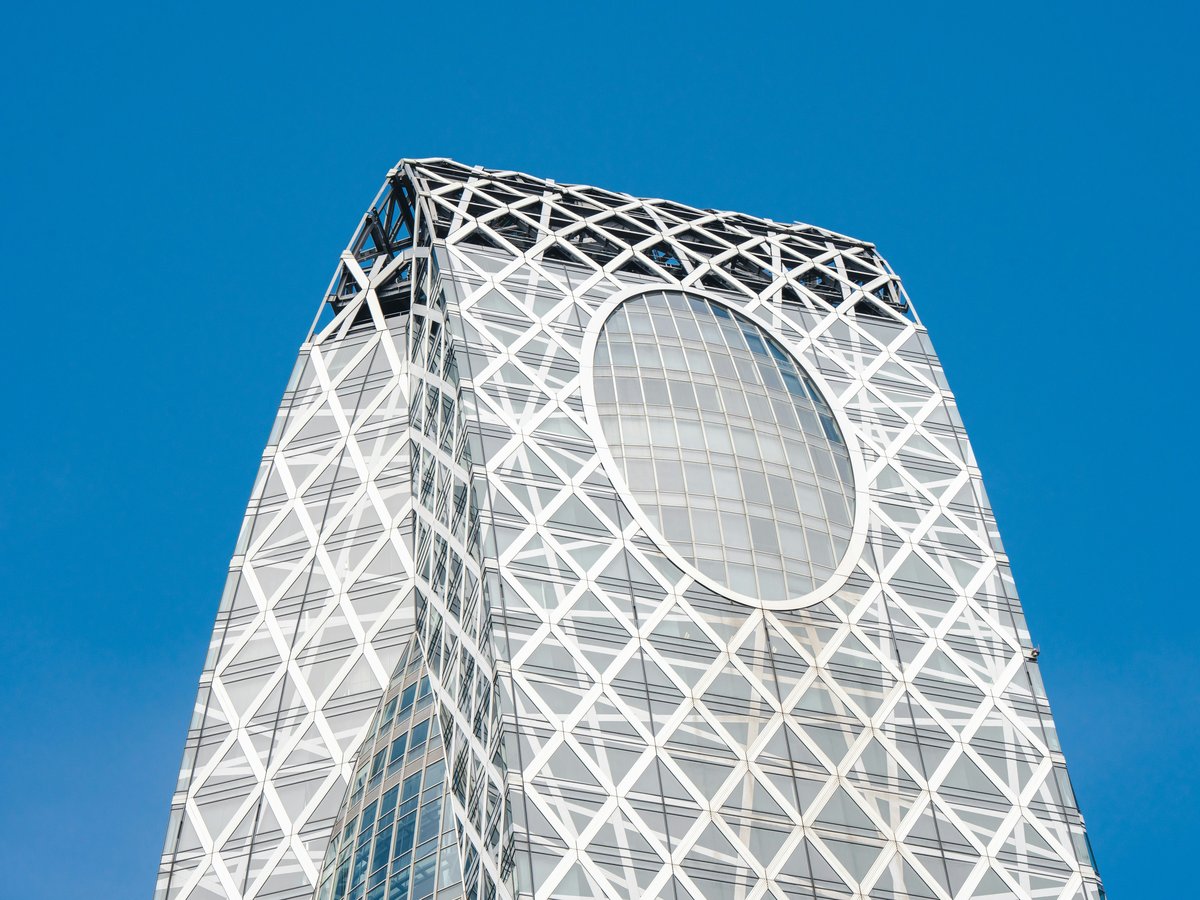
1 Mode Gakuen Cocoon Tower
A 2008 building in Tokyo worth seeing for its exterior alone
Among the modern buildings on this list, Mode Gakuen Cocoon Tower is the one that rewards simply standing and looking: a building in Tokyo, dating from 2008. Skip the bus-window skyline tours that turn it into a blur; take this one in on foot, from whatever angle the street gives you. The name tells you who claims it, and its official page sits under the Mode Gakuen facilities listings, so check there before you assume any part of the interior is open to visitors. Plan around the exterior. A building from 2008 rarely earns a place beside shrines and temples in a city this old, but this one earns it on its silhouette alone and on how strange it still looks next to its neighbours.
Dates from 2008
-
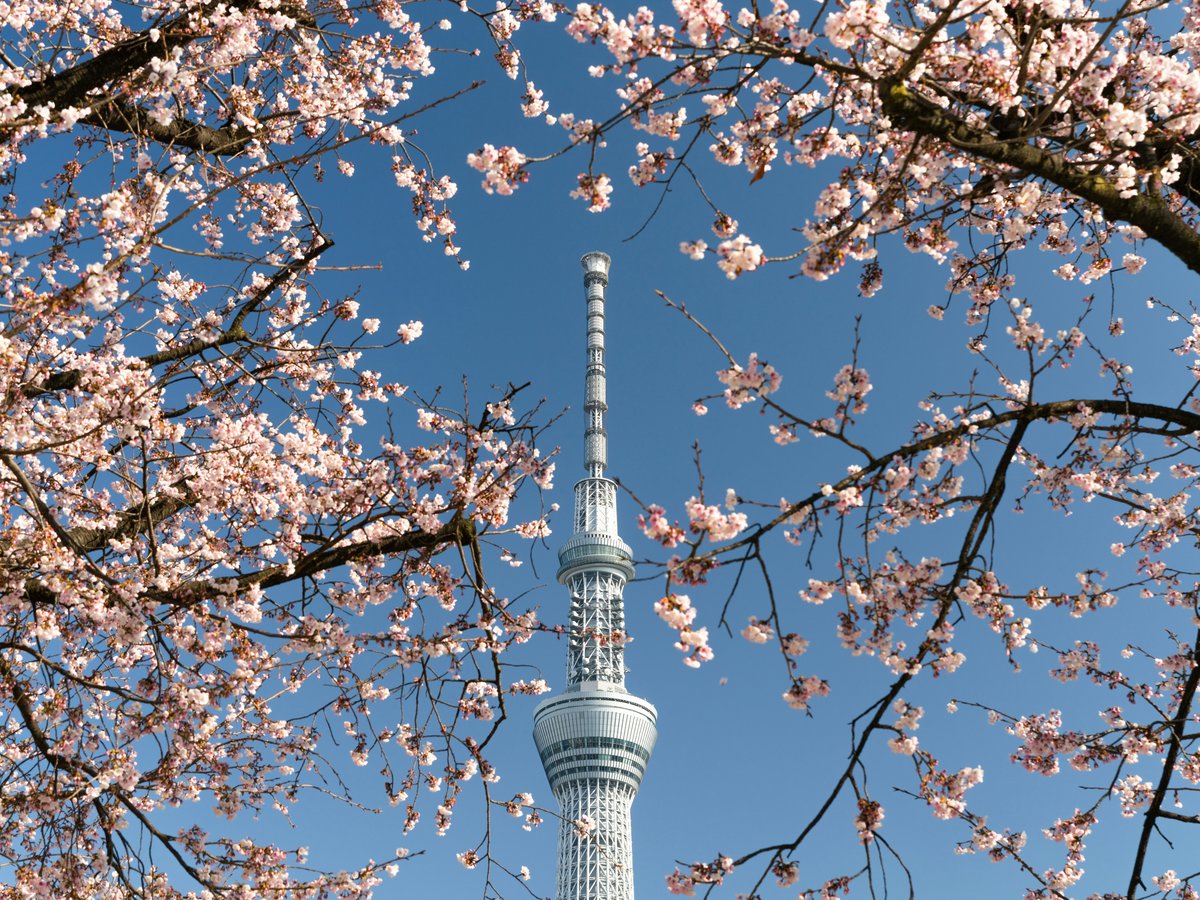
2 Tokyo Skytree
東京都墨田区押上一丁目1番1号A tower from 2012 that is open until 22:00, so you can go up late
Tokyo Skytree runs 08:00 to 22:00 every day, and choosing your hour within that window is the whole decision. The tower dates from 2012 and stands at 東京都墨田区押上一丁目1番1号. Midday is worth skipping, because that slot fills with everyone else who had the same idea. The locals go late, in the final stretch before 22:00, when the city below has switched itself on. That is the version of Tokyo worth the trip up. Book through the official site rather than turning up cold, since the posted hours are a guide, not a promise. Then give yourself longer up there than you think you need.
Dates from 2012
Hours: Mo-Su 08:00-22:00
-
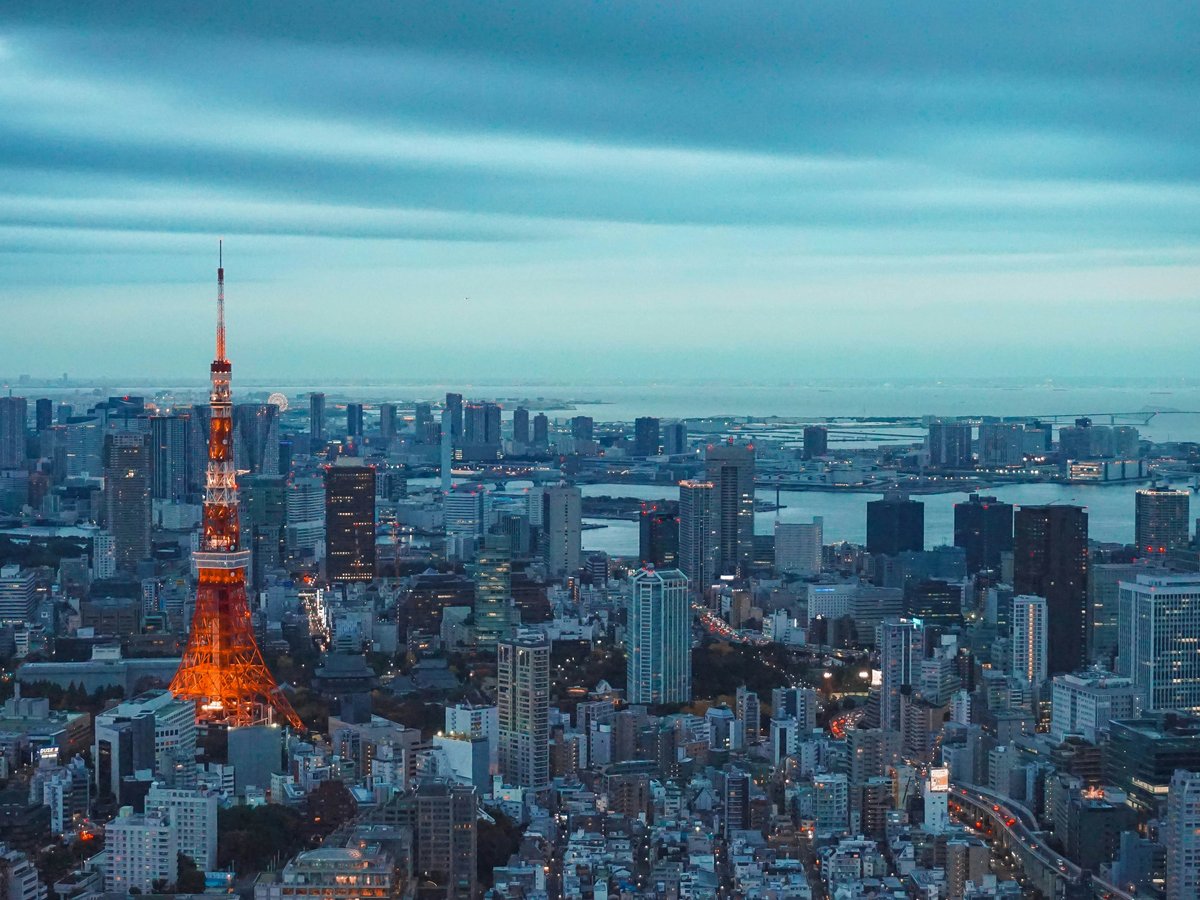
3 Tokyo Tower
東京都港区芝公園4-2-8A 1957 tower registered as a Tangible Cultural Property of Japan, open until 23:00
Dating from 1957, Tokyo Tower holds something no newer tower can buy: registration as a Tangible Cultural Property of Japan. Find it at 東京都港区芝公園4-2-8, open 09:00 to 23:00 daily. If you get a single visit, skip the daytime and come after dark, when the tower earns its reputation, and the 23:00 close leaves room for an early dinner first. It is a tower in Tokyo that the country has put on its heritage register, which tells you how much it matters here. Check the official site for current opening details before you set out, then take the climb slowly.
Dates from 1957 · Registered Tangible Cultural Property of Japan
Hours: Mo-Su 09:00-23:00
-
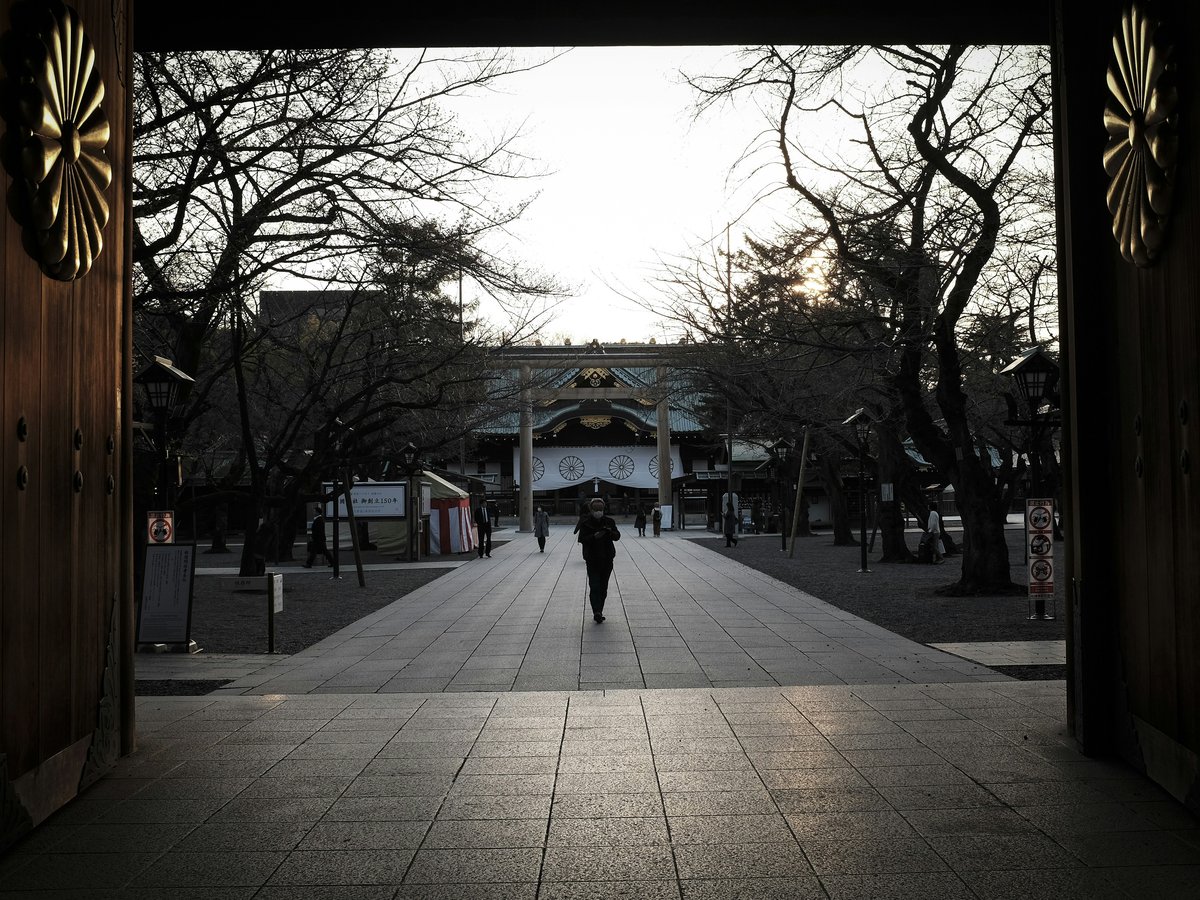
4 Yasukuni Shrine
東京都千代田区九段北3-1-1Shinto shrine grounds dating from 1869, open from 06:00
Yasukuni Shrine, at 東京都千代田区九段北3-1-1, opens its grounds at 06:00 and closes at 18:00. A Shinto shrine dating from 1869, it asks something of visitors before they walk in: read the shrine's own English pages and form your own view of what it commemorates. The tour-group pace does not suit this place. The first hour after 06:00 is the quiet one, and that quiet is worth arriving for. Walk without hurrying, and leave before the day gets busy. This is not a postcard stop, and it should not be treated as one.
Dates from 1869
Hours: Mo-Su 06:00-18:00
-
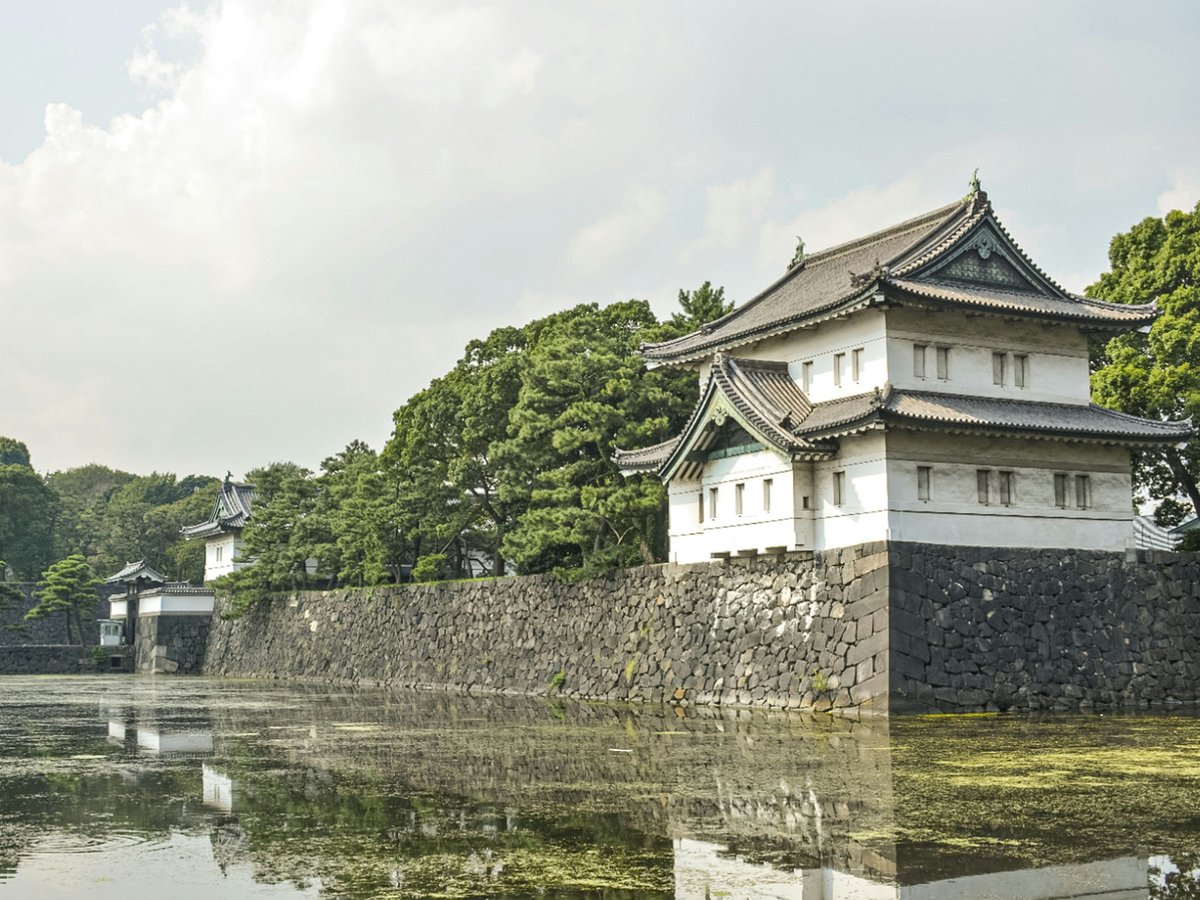
5 Tokyo Imperial Palace
〒100-8111 東京都千代田区千代田1番1号The main residence of the Emperor of Japan, dating from 1868
Behind the address 〒100-8111 東京都千代田区千代田1番1号 sits Tokyo Imperial Palace, the main residence of the Emperor of Japan, dating from 1868. The word to hold onto is residence. Don't arrive expecting a palace you can roam like a museum: it is a home first and a sight second, and what you can see depends on the official visitor arrangements, which the guide page sets out. Read that before you plan a morning around it. Treat the visit as a lesson in how the state presents itself through distance and restraint, and it becomes one of the most revealing hours you can spend in the city.
Dates from 1868
-
6 Sensō-ji Temple
111-0032 東京都台東区浅草2-3-1A Buddhist temple dating from AD 645, best visited in the early hours after 06:00
From 06:00, Sensō-ji Temple wakes before most of the city, and those early hours are the ones to claim. It is a Buddhist temple at 111-0032 東京都台東区浅草2-3-1, dating from AD 645, and it draws crowds to match that pedigree. Skip the late-morning crush: the locals come close to 06:00, before the day's visitors arrive, and leave with the place largely to themselves. Closing is at 17:00, so starting in the afternoon leaves you less time than you might think. Check the official site for anything that changes the usual routine before you set your alarm.
Dates from AD 645
Hours: Mo-Su 06:00-17:00
-
7 Akasaka Palace
東京都港区元赤坂二丁目1番1号A state guest house designated an Important Cultural Property of Japan
As a state guest house in Japan, Akasaka Palace is a working building first, and that shapes any visit you might plan. It stands at 東京都港区元赤坂二丁目1番1号 and is designated an Important Cultural Property of Japan. Don't bother turning up on a whim: a building the state uses to host its guests runs to its own schedule, so confirm public access before you build a day around it. When it is open to you, take your time. This is the rare sight where the building's day job matters more than its age, and seeing where the country receives its guests is a different kind of sightseeing from a temple or a tower.
Important Cultural Property of Japan
-
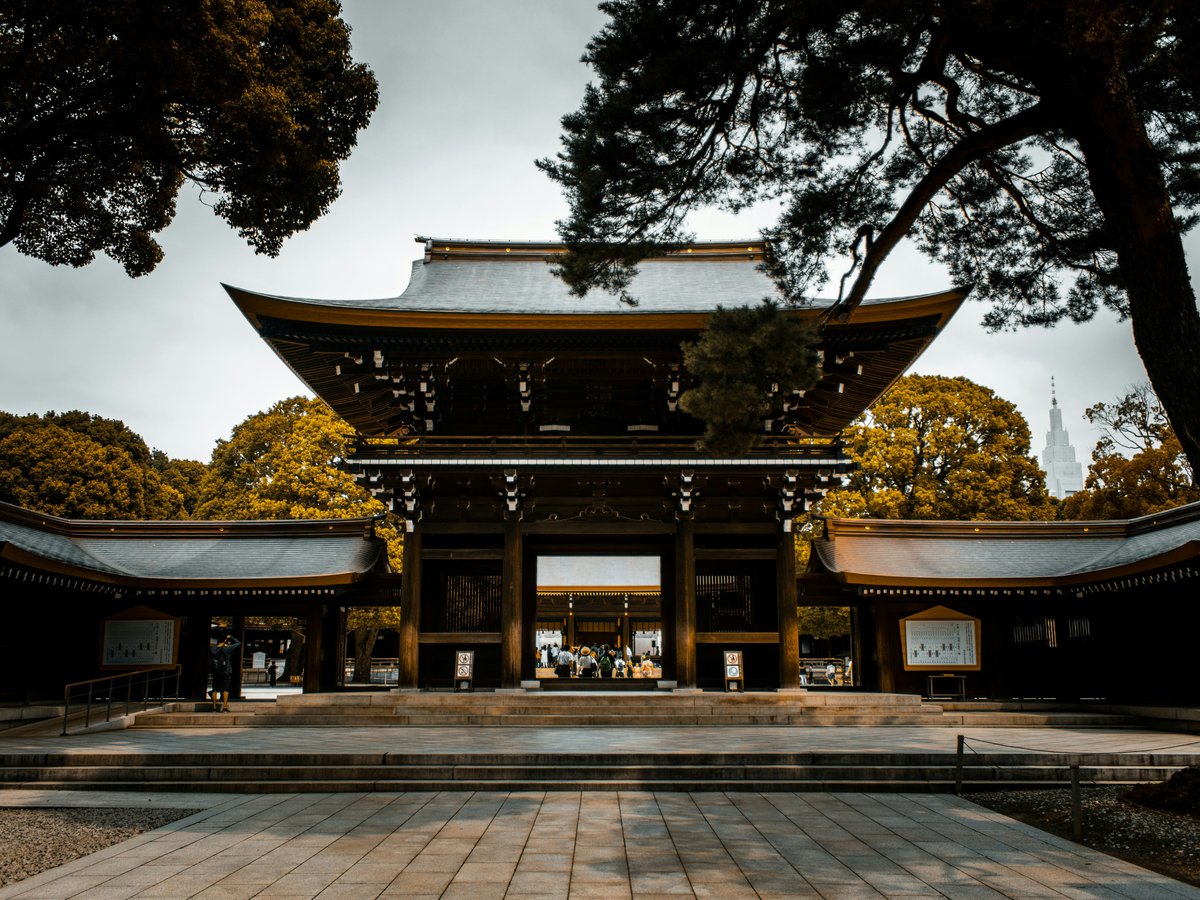
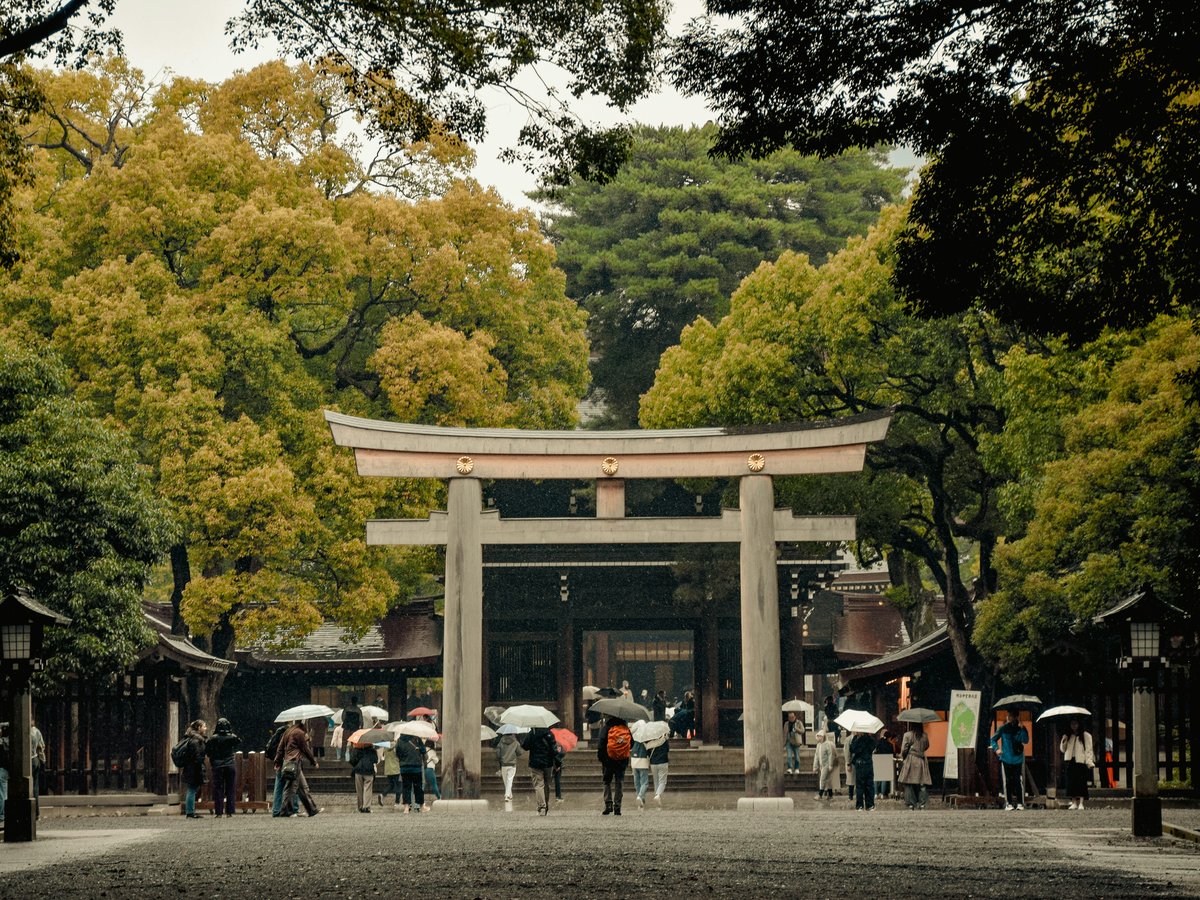
8 Meiji Jingū
A 1920 Shinto shrine designated an Important Cultural Property of Japan
The most useful fact about Meiji Jingū, a Shinto shrine dating from 1920 and designated an Important Cultural Property of Japan, is the hours: 09:00 to 16:00 from November to February, stretching to 16:30 from March to October. Skip the late-afternoon arrival in winter; turn up near 16:00 and you will be walking out almost as soon as you walk in. Locals prefer the first hour after 09:00, when a visit can be slow and unhurried. For anything the hours above don't cover, call +81-3-3379-5511 or check the official site before you go.
Dates from 1920 · Important Cultural Property of Japan
-
9 Tokyo Mosque
A mosque in Japan dating from 2000
On a list dominated by shrines and temples, Tokyo Mosque stands apart: a mosque in Japan, dating from 2000. A building from 2000 earns its place here because it widens your sense of who worships in Tokyo, and how. A hurried walk-through squeezed between other sights will give you almost nothing. This is a working place of worship, and it rewards a visitor who slows down, dresses with care, and observes the courtesies. Check the mosque's own site before you go, so your visit fits around its day instead of interrupting it. Leave time to sit quietly and look, because the visit gives back what you bring to it.
Dates from 2000
-
10 Hamarikyu Gardens
東京都中央区浜離宮庭園1-1A park in Chuo listed as a Historic Site of Japan
Listed as a Historic Site of Japan, Hamarikyu Gardens is a park in Chuo at 東京都中央区浜離宮庭園1-1, open 09:00 to 17:00 every day except for a year-end closure from December 29 to January 1, so plan any winter trip around that. Skip the manicured pocket parks wedged between office blocks; this one carries a national designation and feels like ground with a past, not landscaping. Give it a morning: arrive near 09:00 and leave yourself time to sit. Questions go to +81-3-3541-0200 or the official page.
Historic Site of Japan
-
11 St. Mary's Cathedral
The seat of the Roman Catholic Archdiocese of Tokyo, dating from 1964
St. Mary's Cathedral, the seat of the Roman Catholic Archdiocese of Tokyo, dates from 1964. A cathedral from that year is a modern answer to a very old type of building, and that is the reason to come. Skip the wedding-chapel imitations that borrow a cathedral's look as a photo backdrop; this is the real seat of an archdiocese, with all the seriousness that implies. Visit as you would any working cathedral: quietly, and outside service times where you can. Check the archdiocese's English site before you go. It makes a strong case that sacred space can be fully modern and still feel sacred.
Dates from 1964
-
12 Zōjō-ji Temple
東京都港区芝公園4-7-35A Buddhist temple dating from 1393, an Important Cultural Property with grounds open around the clock
At 東京都港区芝公園4-7-35, Zōjō-ji Temple has no closing time at all; its grounds are mapped as open around the clock. A Buddhist temple dating from 1393, it is designated an Important Cultural Property of Japan. Locals know that the around-the-clock access is the temple's quiet gift. Come early or late, once the day's visitors have thinned out, and the grounds are yours; skip the midday rush, when everyone seems to arrive at once. Check the official site for anything inside the grounds that keeps its own hours, then come back at a time of day you choose for yourself.
Dates from 1393 · Important Cultural Property of Japan
Hours: 24/7
Last verified by automated review (v1.7.2_fame1017d-1015-184-20261017063507) on . What is automated review?