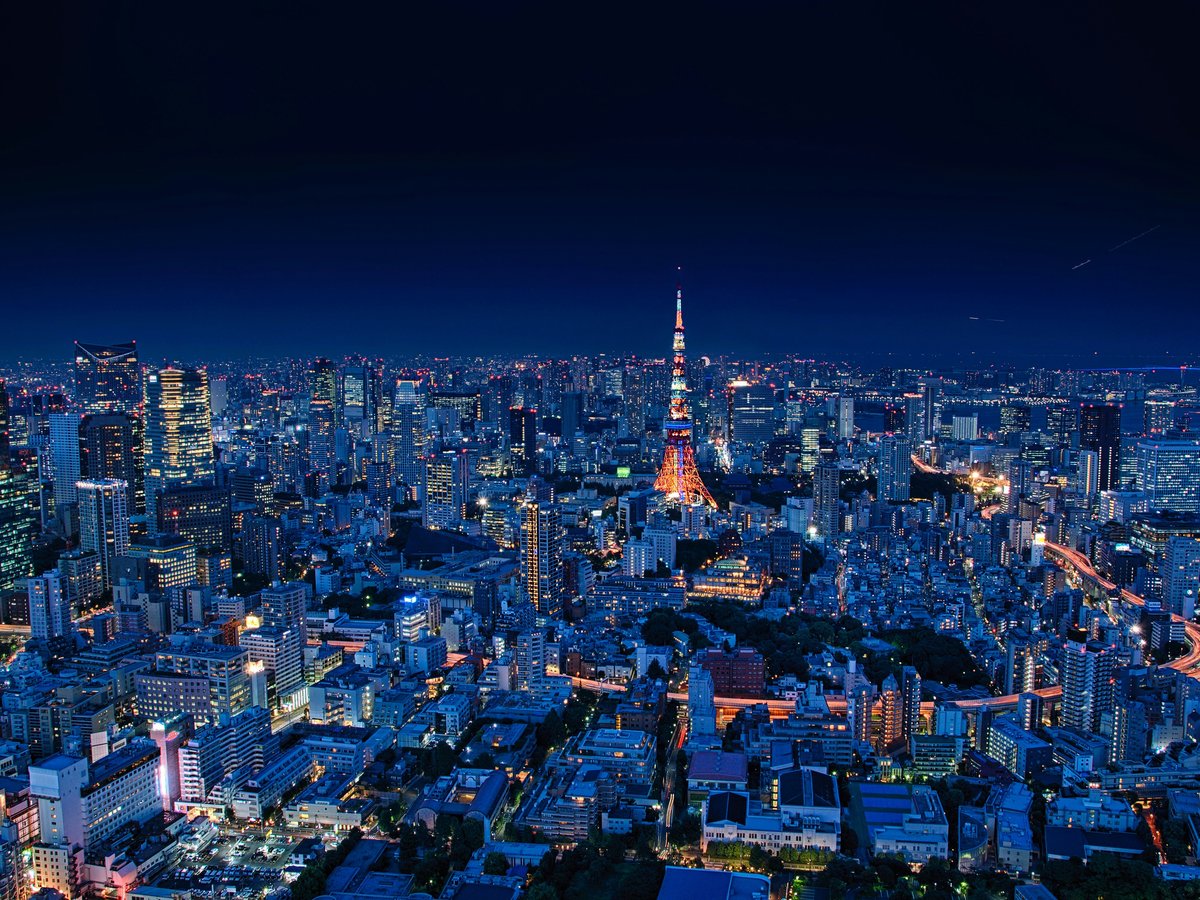
Top 10 eSIM providers for Tokyo in 2026
Airalo takes the top spot for Tokyo in 2026, largely because its Japan plans ride on NTT Docomo's network: the carrier with the deepest underground coverage across Tokyo Metro and Toei Subway tunnels. The tie-breaker over Holafly is per-GB pricing: Airalo's 3GB plan currently runs about 40% cheaper for short trips.
Tokyo's deep, multi-line subway makes coverage the factor to watch, but per-gigabyte cost and how cleanly the eSIM activates count for just as much, and hidden fees that only surface after purchase cost points. In Tokyo, network quality matters more than most cities because you'll spend serious time underground. The Tokyo Metro system alone has thirteen lines, and Toei adds four more. NTT Docomo and au (KDDI) both have solid tunnel coverage now, but SoftBank still drops in deeper stations like Roppongi-itchome and some of the older Ginza Line platforms. Any provider routing through SoftBank gets dinged on the coverage axis. Per-GB pricing varies wildly, from under ¥300 per gig on budget MVNOs to ¥1,200 or more on premium unlimited plans. Activation ease separates the QR-scan-and-go providers from ones requiring app downloads, identity verification, or (worst case) a physical pickup at Narita or Haneda.
The mistake I see most often: buying an unlimited plan for a four-day trip. Tokyo has free Wi-Fi at nearly every konbini (7-Eleven, FamilyMart, Lawson) plus JR East stations and most Starbucks locations. If you're staying in Shinjuku or Shibuya and mainly need maps and translation apps, a 3-5GB plan covers it with room to spare. The second trap is activating too late. Some eSIMs need a data connection to finish setup, which means you're standing in the Narita Express queue trying to connect to the airport's sluggish free Wi-Fi. Install and activate before you leave home. One subtlety to watch: a few providers still advertise Japan coverage but route through a Hong Kong or Singapore node, adding 30-50ms of latency. Not a dealbreaker for messaging, but you'll feel it on video calls from your hotel in Asakusa.
Your usage pattern might point away from Airalo. If you're staying longer than two weeks, Mobal or IIJmio's tourist plans tend to work out cheaper, since Airalo's per-GB cost advantage flattens on larger data buckets. Digital nomads working out of cafes in Shimokitazawa or coworking spaces in Nakameguro who need reliable tethering should look at Holafly's unlimited plan instead; Airalo's fair-use throttling can kick in during sustained hotspot use. And if you want a local Japanese phone number for restaurant reservations in Ginza or booking tickets to teamLab Borderless in Odaiba, you'll need Mobal or Sakura Mobile: most pure eSIM providers give you data only, no voice number.
One more thing to keep in mind: 5G coverage in Tokyo is still patchy outside the Yamanote Line loop as of early 2026. Providers advertising 5G access are technically correct (you'll catch it around Shibuya Crossing, Tokyo Station, and parts of Ikebukuro) but the moment you head to quieter residential areas or take the Chuo Line out toward Kichijoji, you're back on 4G LTE. That's perfectly fine for travel use. Don't pay a premium for 5G-specific plans unless you have a concrete reason. The 4G networks here are fast enough that most visitors won't notice the difference while navigating Tsukiji Outer Market or finding directions to a ramen spot in Ebisu.
Current plans for Japan, priced
Prices verified from the partner's live catalog. eSIMs cover the whole country, so every plan below works city-wide.
How much does a 5 GB Japan eSIM cost?A 5 GB Japan travel eSIM costs $10.00 from Airalo, with 7 days of validity. That is the cheapest 5 GB plan in the partner catalog, verified October 20, 2026.
| Plan | Data | Validity | Price | $ / GB | Get this plan |
|---|---|---|---|---|---|
| 1 GB Japan travel eSIM valid for 3 daysBest for a short trip | 1 GB | 3 days | $4.00 | $4.00 | Get plan |
| 3 GB Japan travel eSIM valid for 3 days | 3 GB | 3 days | $7.50 | $2.50 | Get plan |
| 3 GB Japan travel eSIM valid for 7 days | 3 GB | 7 days | $8.00 | $2.67 | Get plan |
| 5 GB Japan travel eSIM valid for 7 days | 5 GB | 7 days | $10.00 | $2.00 | Get plan |
| 5 GB Japan travel eSIM valid for 15 days | 5 GB | 15 days | $10.50 | $2.10 | Get plan |
| 5 GB Japan travel eSIM valid for 30 days | 5 GB | 30 days | $11.00 | $2.20 | Get plan |
| 10 GB Japan travel eSIM valid for 7 days | 10 GB | 7 days | $17.00 | $1.70 | Get plan |
| 10 GB Japan travel eSIM valid for 15 days | 10 GB | 15 days | $17.50 | $1.75 | Get plan |
| 10 GB Japan travel eSIM valid for 30 days | 10 GB | 30 days | $18.00 | $1.80 | Get plan |
| 20 GB Japan travel eSIM valid for 15 daysBest value | 20 GB | 15 days | $24.00 | $1.20 | Get plan |
| 20 GB Japan travel eSIM valid for 30 days | 20 GB | 30 days | $25.00 | $1.25 | Get plan |
| Unlimited GB Japan travel eSIM valid for 3 days | Unlimited | 3 days | $11.50 | – | Get plan |
| Unlimited GB Japan travel eSIM valid for 5 days | Unlimited | 5 days | $17.00 | – | Get plan |
| Unlimited GB Japan travel eSIM valid for 7 days | Unlimited | 7 days | $26.50 | – | Get plan |
| Unlimited GB Japan travel eSIM valid for 10 days | Unlimited | 10 days | $34.50 | – | Get plan |
| Unlimited GB Japan travel eSIM valid for 15 daysBest for heavy data | Unlimited | 15 days | $48.00 | – | Get plan |
| Unlimited GB Japan travel eSIM valid for 30 days | Unlimited | 30 days | $69.00 | – | Get plan |
The full list
-
Airalo Japan eSIM
NTT Docomo network means consistent coverage from the Narita Express through Tokyo Metro tunnels to Asakusa street level. QR activation takes under two minutes with no app required. Per-GB pricing sits roughly 40% below unlimited competitors for trips under a week: the clear value leader for short stays.
Visit Airalo Japan eSIM -
Holafly Japan Unlimited
Unlimited data with no throttle cap: the pick for heavy users tethering laptops in Shimokitazawa cafes or streaming from hotel rooms in Shinjuku. Rides on KDDI's au network, which holds solid even in deeper Toei Oedo Line stations where SoftBank-backed providers tend to wobble.
-
Ubigi Japan eSIM
Dual-network routing across Docomo and SoftBank gives reliable fallback coverage around Odaiba's bayside area where single-carrier plans sometimes drop. Activation is instant QR with no identity check: handy if you land at Haneda and want connectivity before clearing arrivals.
-
Mobal Japan Travel eSIM
Japan-focused provider that includes a local Japanese phone number: rare for eSIMs and genuinely useful for booking restaurants in Ginza or confirming hotel reservations by phone. Docomo-backed coverage performs well across the entire Yamanote Line corridor.
-
Sakura Mobile Tourist eSIM
Tokyo-based company with English-language support during JST business hours, so you can call a real person if something goes wrong. SoftBank network coverage holds up well above ground around Ueno and Akihabara, though it still dips in some older Metro tunnel sections.
-
IIJmio Travel eSIM
Established Japanese MVNO offering sharp multi-week pricing: the cost-per-day drops hard on 15- and 30-day plans, ideal for digital nomads rotating between coworking spaces in Nihonbashi and weekend trips along the Tokaido Shinkansen corridor. Docomo network backbone.
-
Nomad eSIM Japan
Clean app-based activation and transparent pricing with no hidden renewal fees. Coverage rides on KDDI, performing well along the Chuo Line corridor from Tokyo Station out to Kichijoji. Solid mid-range pick if Airalo's Japan plans happen to be sold out for your dates.
-
Saily Japan eSIM
Newer entrant from the NordVPN team with a built-in VPN bundled into the plan: a convenience if you're connecting to open Wi-Fi hotspots near Ikebukuro Station or JR East kiosks. KDDI network, though plan flexibility is currently limited to a few fixed data buckets.
-
Maya Mobile Japan
Straightforward per-day pricing structure works well for short layovers or weekend trips: if you're only passing through Narita or spending two nights near Shibuya, you won't overpay for unused data sitting in a larger monthly bucket. Docomo routing.
-
aloSIM Japan
Budget-tier pricing for light data users who primarily need maps and messaging around the Asakusa-Ueno tourist corridor. SoftBank routing means underground Metro coverage is the weakest in this list, but above-ground performance through Taito and Sumida wards is adequate for casual use.
Last verified by automated review (v1.7.2) on . What is automated review?