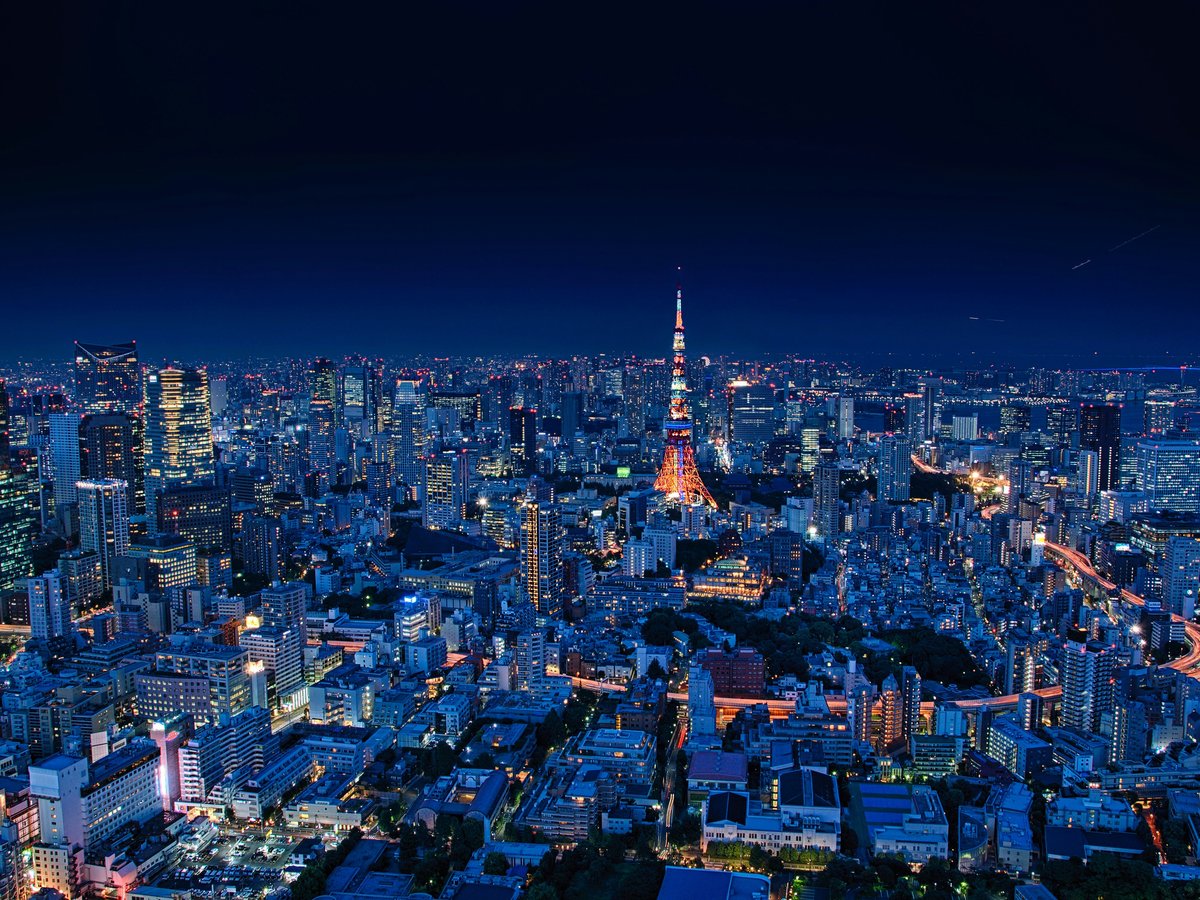
Tokyo for couples
Magic Spice (マジックスパイス): soup curry, ordered by heat level, in the Tokyo room of a Sapporo-born style. Most of the picks for couples in Tokyo sit in Odaiba and Central Tokyo; seven of them stay open past 21:00, so evenings run late.
Tokyo for couples, in numbers
- Picks on this page
- 22 places across 2 lists, led by Grand Nikko Tokyo Daiba, Hotel New Otani Tokyo the Main, Mitsui Garden Hotel Ginza-Gochome
- Posted hours
- 8 picks post hours earliest 08:00, latest 24:00; 1 open by 09:00, 7 past 21:00
Questions couples ask about Tokyo
-
3-day itinerary
Day 1 east: Senso-ji at dawn, Ueno Park, Yanaka's old lanes. Day 2 west: Meiji Shrine, Harajuku, Shibuya Sky, yakitori in Shinjuku's Omoide Yokocho. Day 3 central: Tsukiji Outer Market at 7 AM, Hama-rikyu Gardens, Ginza depachika, Tokyo Station Ramen Street. Each day clusters in one zone: two train rides, not ten. About 28 kilometres of walking total; bring broken-in shoes.
Read the full answer → -
Must-see
Senso-ji in Asakusa, before 7am. Tokyo's oldest temple, founded in 645 AD, opens at dawn with no ticket and no reservation. At that hour, sandalwood incense drifts across near-empty courtyards and the only sound is pigeons settling on wet flagstones. The compound is a 3-minute walk from Asakusa Station on the Ginza Line.
Read the full answer → -
Food culture
Tokyo's food culture runs on precision and timing. Lunch sets between 11:30 and 1:30 deliver ¥1,000 meals from kitchens that charge triple at dinner. Ramen, sushi, yakitori, and tonkatsu each have dedicated specialists: single-dish restaurants where the cook has done one thing for decades. Convenience stores serve better grab-and-go food than most sit-down restaurants elsewhere. Skip the tourist zones; eat where the train lines end.
Read the full answer → -
Where locals go
Tokyo locals drink, bathe and shop along the Chuo and Odakyu lines, far from Shibuya Crossing. A month-long stay starts to feel like living here at four places: Koenji's Kosugiyu bathhouse and the yakitori bars under the JR tracks, Sangenjaya's Sankaku Chitai after 8pm, Shimokitazawa's Bonus Track on weekday afternoons, and Togoshi Ginza's 1.3 km shopping street for groceries.
Read the full answer → -
Where to stay
Shinjuku west side for a first trip: you're on top of the busiest train station in the world, which means every line in Tokyo connects here with one transfer or fewer. Budget ¥12,000–25,000 ($75–157) for a clean business hotel. Asakusa if you want temple bells at dawn and ¥6,000 ($38) guesthouses, but the last subway leaves around midnight.
Read the full answer →
Curated for couples
-
Best boutique hotels
Tokyo's hotel map splits into zones that barely resemble each other after dark. The neon corridors around Shinjuku and Ikebukuro run loud past midnight; the institutional blocks near Suidobashi empty by nine. Between them, Ginza's department-store grid, Ueno's temple precincts, and Odaiba's waterfront mall district each pull a different kind of traveler. Price gaps track geography more than quality: a 9.3-rated room near Tokyo Dome asks about $91 a night, while a comparable score in Shinjuku costs $189. The Yamanote Line ties most of these neighborhoods together within half an hour, so the real question is not how far you are from any particular sight but what surrounds you when you step outside at eleven at night or seven in the morning. Shinagawa and Kawasaki skew toward Haneda arrivals. Central Tokyo's old grand-hotel tier around Akasaka still holds a 9.4 at the New Otani. Ueno and Asakusa offer the strongest value per rating point in the city. These ten neighborhoods, ranked by hotel density, each carry a mid-range pick that earned its score from verified guest stays.
See the picks → -
Best restaurants
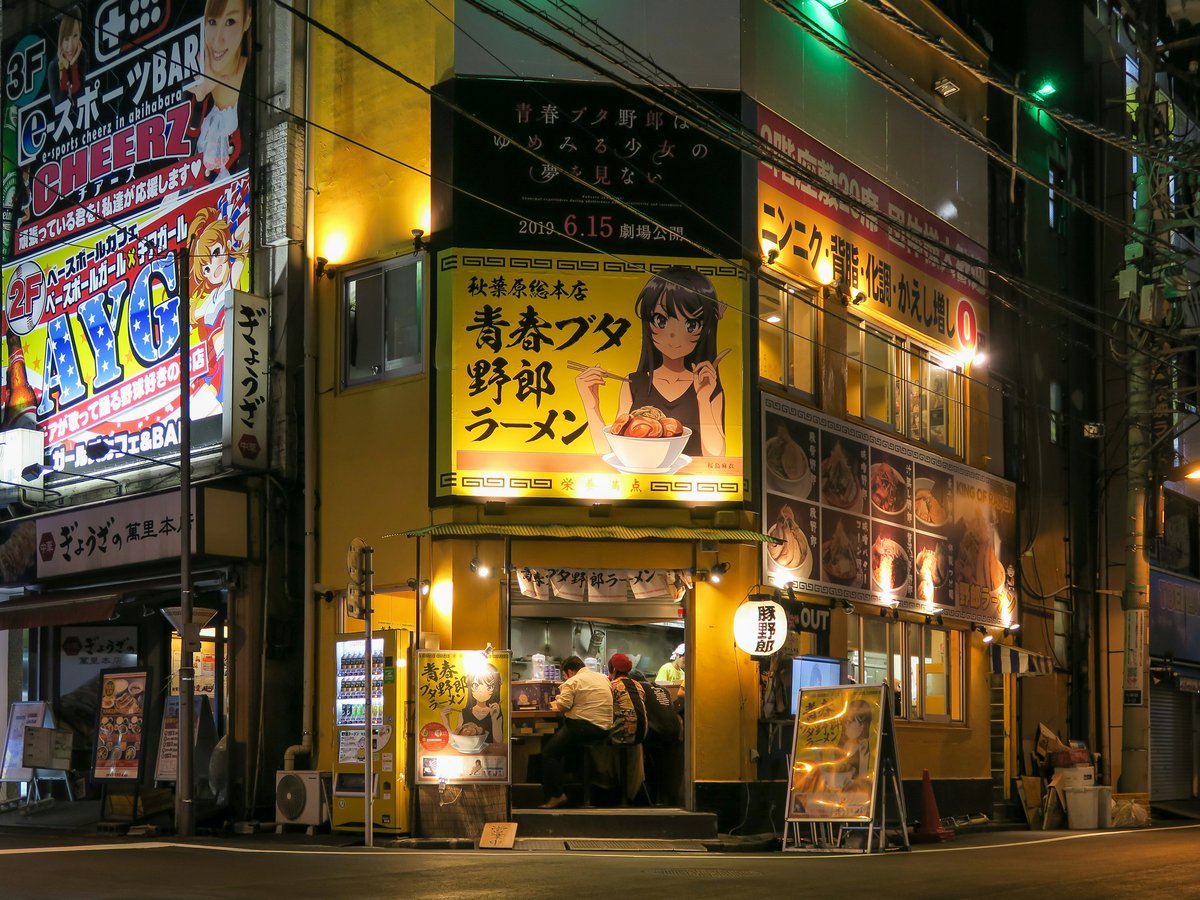
Tokyo eats on every axis at once: a soup-curry counter in Shimokitazawa opens the same hour as a Ginza-adjacent sushi room, and both are ten minutes from an all-night family restaurant on a suburban corner. This list stays out of the Michelin-tasting-menu conversation on purpose. It is twelve rooms across Setagaya, Suginami, Nakano, Shibuya, Meguro and Shinjuku: soup curry, ramen, yakiniku, sushi, Genghis-Khan mutton, dining-labo lunch, a 24-hour Italian chain, a 15:00-cutoff donburi window; where the useful question is not what a critic scored but when the door opens, what neighborhood you are standing in, and whether you eat before the next train. Read it as a working map of dinner: pick the ward you are in, check the hours, and go. The cuisines and postcodes are drawn from OpenStreetMap records for each address; everything else is a local editor's read on when and why to walk in.
See the picks →