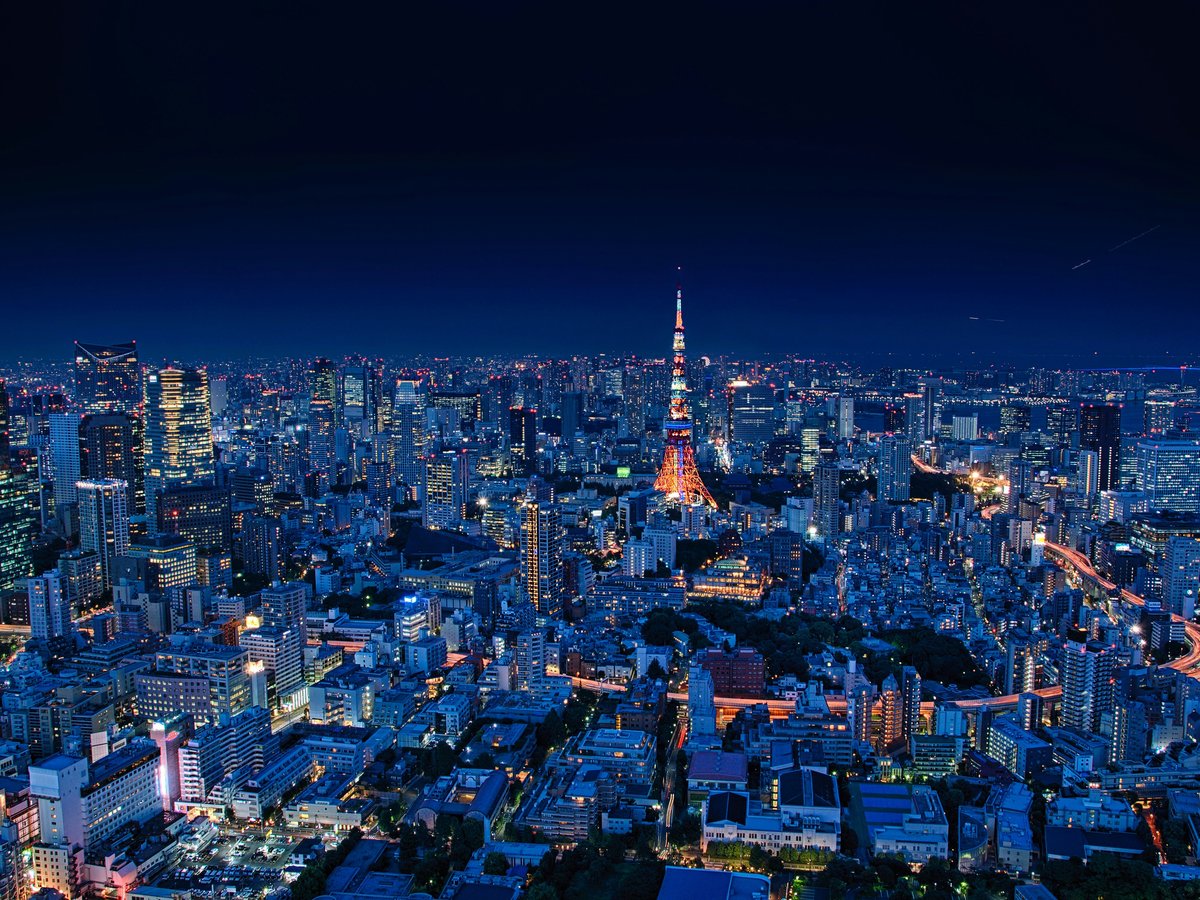
What's the food culture in Tokyo?
Tokyo's food culture runs on precision and timing. Lunch sets between 11:30 and 1:30 deliver ¥1,000 meals from kitchens that charge triple at dinner. Ramen, sushi, yakitori, and tonkatsu each have dedicated specialists: single-dish restaurants where the cook has done one thing for decades. Convenience stores serve better grab-and-go food than most sit-down restaurants elsewhere. Skip the tourist zones; eat where the train lines end.
Tokyo runs on a lunch-set economy. Between 11:30 and 1:30, restaurants that charge ¥3,000 at dinner serve the same kitchen's output for ¥1,000-1,200 as a teishoku; a main, rice, miso soup steaming in a lacquer bowl, pickles, sometimes a small salad. This is not a tourist discount. This is how office workers in Marunouchi and Nihonbashi eat every day, trays sliding across communal counters. Miss the window and you're paying triple for the same fish. Breakfast is light: thick toast and a hand-drip coffee at a kissaten, or an onigiri from Lawson grabbed at the station. Nobody sits down for eggs at 8am. Dinner starts at 6pm for families, closer to 8 for after-work groups at izakaya, and the real late shift (ramen counters, gyudon chains, yakitori under the Yurakucho tracks) kicks in after 10pm and runs past 2am.
Every Tokyo neighborhood has a food identity, and eating only in Shinjuku or Shibuya is like judging New York by Times Square. Koenji, twenty minutes west on the Chuo line, is where young chefs open six-seat restaurants with ¥800 lunch plates because the rent is a third of Ginza's. Meguro and Ebisu split the best ramen corridor: Afuri's yuzu shio in Ebisu is pale gold broth with a sharp citrus bite, and Fuunji's tsukemen line in Shinjuku starts before the doors open. For sushi, the Tsukiji outer market still draws crowds, but prices have crept up with the tourist traffic: a chirashi that runs ¥2,000 at a neighborhood counter in Koenji or Shimokitazawa costs ¥4,000-5,000 there for comparable fish. Monjayaki (Tokyo's answer to Osaka's okonomiyaki) belongs to Tsukishima. The batter hits the hot iron, sizzles, and turns into a gooey, cheese-pulling mess you scrape off with a tiny metal spatula. Monja Street runs three blocks; pick any shop with a line of locals.
The hardest part of eating well in Tokyo is not finding good food: it's getting through the door. High-end sushi and tempura restaurants take reservations by phone only, in Japanese, often a month out. Your hotel concierge can sometimes handle this, but for places like Saito, Sugita, or Harutaka, you likely need a Japanese-speaking contact or a concierge service like Pocket Concierge, which charges ¥500-2,000 per booking. Tabelog, not Google Maps, is how locals rate restaurants: the platform scores on a scale where 3.0 is average (per Tabelog's published scoring methodology), so a 3.5 is legitimately good, while Google's inflated ratings make a 4.2 meaningless. For menus, Google Translate's camera mode handles katakana and hiragana well enough, but kanji-heavy menus at traditional spots still trip it up. Point-and-order works at most casual places. And the plastic food models in restaurant windows (those painted wax replicas) exist so you can drag the staff outside and point at what you want.
Do not dismiss convenience store food. This might be the most important sentence in this guide. A ¥150 onigiri from 7-Eleven: rice pressed around seasoned salmon flake, the nori wrapper kept separate so it stays crisp until you pull the tab: is better than most grab-and-go food anywhere in Europe. Lawson's karaage-kun fried chicken, FamilyMart's egg sandwiches with the crusts trimmed off, the rotating seasonal items: these are not gas-station compromises. They cost under $1. Department store basements (depachika) occupy the opposite end of the spectrum. The B1 floor of Isetan in Shinjuku or Mitsukoshi in Nihonbashi is a tasting lap: wagashi from Toraya, fresh mochi still warm from the press, bento boxes packing sashimi-grade fish into lacquer compartments for ¥1,500-2,500. Go at 7pm when the price stickers change. Everything that needs to sell before close gets marked down 20-50%, and the quality hasn't moved.
After midnight, Tokyo feeds you differently. The izakaya order (beer first, then edamame and tsukune, then heavier plates as the night wears on) is a social ritual, not just a meal. In Omoide Yokocho beside Shinjuku station, ten-seat yakitori counters grill chicken hearts, skin, cartilage, and thigh over bincho-tan charcoal. The smoke fills the narrow alley and clings to your clothes for days. Each skewer runs ¥100-200. You sit elbow-to-elbow with salarymen loosening their ties, and nobody cares that you don't speak Japanese, just point at the laminated photo menu. When the izakaya closes, ramen is the final stop. Find any shop with a ticket vending machine outside the door. Feed the machine ¥1,000, press the button with the picture that looks right, hand the ticket to the cook. The noodles arrive in ninety seconds, scalding hot, slurped loud because that's how you cool them down.
Signature dishes
-
Shoyu ramen
Clear chicken-and-dashi broth seasoned with soy sauce, thin wavy noodles, chashu pork, menma bamboo shoots, nori. Tokyo's original ramen style: lighter than Kyushu tonkotsu, built on clarity rather than richness. A lunch counter standard across the city, ¥850-1,200.
-
Edomae-zushi
Nigiri sushi pressed by hand over seasoned rice, the fish often aged or cured rather than served raw: an Edo-period technique that became the global template. A neighborhood counter serves eight pieces for ¥1,500; a Ginza omakase runs ¥30,000 for the same species handled differently.
-
Tsukemen
Cold thick noodles served separately from a concentrated dipping broth: often tonkotsu-gyokai (pork bone and dried fish). Invented in 1961 at Taishoken in Higashi-Ikebukuro. You dip, slurp, and finish by adding soup-wari (broth thinner) to drink the dregs.
-
Monjayaki
Runny batter with cabbage, seafood, and cheese scraped off a communal griddle with a small metal spatula called a hagashi. Tsukishima's Monja Street has thirty-plus shops. The texture is intentionally gooey: closer to melted cheese than a pancake. Tokyo's own.
-
Yakitori
Chicken parts (thigh, skin, heart, cartilage, liver) skewered and grilled over bincho-tan charcoal, seasoned with salt (shio) or sweet soy glaze (tare). Best under the Yurakucho train tracks where smoke fills the narrow alleys and skewers cost ¥100-200 each.
-
Tonkatsu
Thick-cut pork loin or tenderloin (hire), panko-breaded and deep-fried until the crust shatters. Served with shredded cabbage, rice, miso soup, and a dark Worcestershire-style sauce. Tonki in Meguro and Maisen in Omotesando set the standard. ¥1,200-1,800 for a set.
-
Soba
Hand-cut buckwheat noodles served cold on a bamboo mat (zaru soba) with a dark tsuyu dipping sauce, or hot in broth. The slightly gritty bite distinguishes Tokyo soba from the softer udon of Osaka. Best at a standing-eat counter near the station. ¥500-900.
Meal times
Breakfast is light and quick: toast or onigiri before 9am. Lunch peaks between 11:30 and 1:30. Dinner starts at 6pm for families, 8pm for after-work groups. Late-night eating runs past 2am in most neighborhoods.
Tipping
Tipping is not practiced and can cause confusion. The price on the menu is what you pay. Some high-end restaurants add a 10% service charge automatically.
Dietary notes
Vegetarian and vegan options remain limited outside dedicated spots: dashi (fish stock) hides in most broths and sauces. Halal-certified restaurants have grown but cluster in Shinjuku and Asakusa. Gluten-free is tricky since soy sauce contains wheat. Allergy cards in Japanese help at most places.
Go deeper into Tokyo
Cooking classes in Tokyo
 Free cancellation
 Sushi Making Tokyo Roll and Authentic Japanese Sushi Class
Cooking class: 1.7 hours, free cancellation.
via Viator Free cancellation
 Tokyo Sushi Making Class in Tsukiji with Professional Chef
Cooking class: 1.5 hours, free cancellation.
via Viator Free cancellation
 Make Sushi and Create Unforgettable Memories in Tokyo
Cooking class: 1.7 hours, free cancellation.
via Viator Free cancellation
 Easy Ramen making experience in Kabukicho, Shinjuku
Cooking class: 1 hour, free cancellation.
via Viator Free cancellation
 Tokyo Tsukiji Fish Market Tour Sushi Making class with Pro Chef
Cooking class: 4 hours, free cancellation.
via Viator Free cancellation
 Ramen & Gyoza Cooking Class in Tokyo with Local Supermarket Visit
Cooking class: 2.5 hours, free cancellation.
via Viator Free cancellation
 Sake Tasting Masterclass in Shinjuku (8+ Varieties with a Pro)
Cooking class: 2 hours, free cancellation.
via Viator Free cancellation
 Tokyo: Shibuya Ramen Making - From Scratch to Your Own Bowl!
Cooking class: 1.5 hours, free cancellation.
via Viator Free cancellation
 Tokyo Washoku 4-hour Cooking Class: From Market to Table
Cooking class: 4 hours, free cancellation.
via Viator Free cancellation
 Popular Sushi Making Class in Asakusa
Cooking class: 1.5 hours, free cancellation.
via Viator Free cancellation
 Popular Sushi Making Class near Tokyo Tower
Cooking class: 1.5 hours, free cancellation.
via Viator Free cancellation
 Tea Ceremony Experience at Tokyo Asakusa
Cooking class: 1 hour, free cancellation.
via ViatorLast verified by automated review (v1.5.J.2) on . What is automated review?