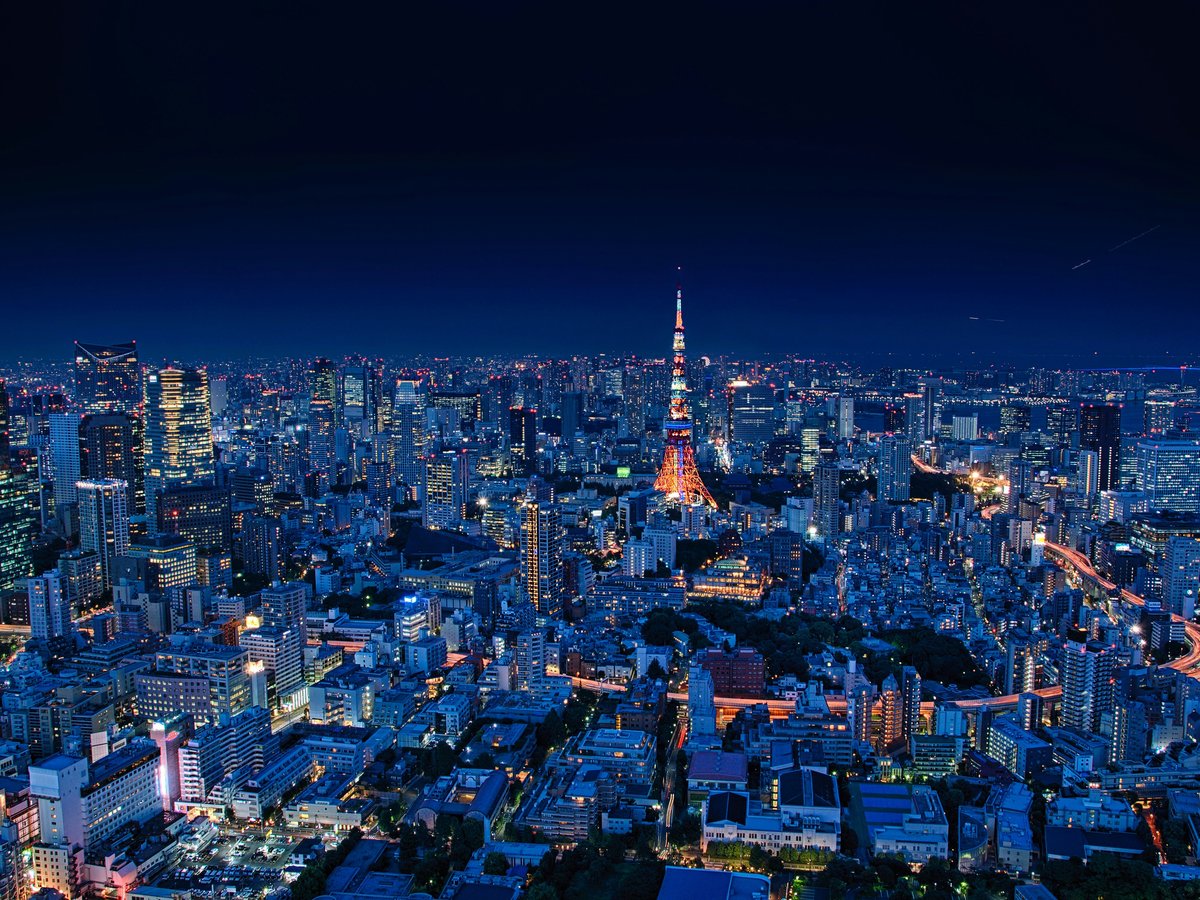
Is Tokyo safe?
We score Tokyo 9.5 out of 10 for solo travellers (see the TTDI Solo-Safety Index), about as high as any major city reaches. Violent crime against visitors is rare. The risks worth knowing are touts and spiked drinks in Kabukicho and Roppongi, groping on rush-hour trains, and earthquakes. Dial 110 for police, 119 for an ambulance.
The one way a solo visitor reliably gets hurt in Tokyo is by following a tout. Men on Kabukicho's Central Road and around Roppongi Crossing will offer you a cheap bar, a girls' bar, or a 3,000-yen all-you-can-drink deal, and the bill that follows can run past 100,000 yen, about 630 US dollars at this week's rate of 158.6 yen to the dollar. The US Embassy has warned of cases where the drink was spiked and the card was charged repeatedly. Our rule for Shinjuku and Roppongi is blunt: never enter a Tokyo bar that someone on the pavement led you to. Golden Gai, a few minutes' walk east of that strip, is a different animal. Its six alleys smell of cigarette smoke and grilled chicken skin, most bars seat 6 to 8 people, and a posted cover of 500 to 1,000 yen is normal there, not a scam. Solo drinkers get talked to at those counters, which is the fastest cure for a lonely first night in Shinjuku.
Groping, called chikan, is the risk solo women ask us about most, and it is real on packed commuter trains between about 7:30 and 9:30 on weekday mornings. The JR Saikyo Line into Shinjuku and Shibuya has the worst reputation. Most major lines run a women-only car in that window, marked by pink signs on the platform floor, and we would use it without a second thought. On the Ginza Line at 14:00 the carriage is quiet enough to hear the door chime. Last trains leave the big Yamanote Line stations between roughly midnight and 1:00, with service restarting around 5:00. Miss it and a taxi is the safe fallback, with a flag fall of about 500 yen and a 20 percent surcharge from 22:00 to 5:00. Shinjuku to Asakusa at 1:30 will likely cost 5,000 to 6,000 yen. The streets you walk at that hour are lit by humming vending machines and watched from koban, the small police boxes outside stations such as Shibuya's Hachiko exit.
Where you sleep matters less in Tokyo than in most capitals, but we still steer solo travellers toward Asakusa, Ueno and Yanaka over a hotel inside Kabukicho. Ueno Imperial Grant Park and the lanes behind Senso-ji are calm by 21:00, and the walk from Asakusa Station smells of soy and charcoal from the senbei grills until the shutters rattle down. Business chains such as Toyoko Inn and Dormy Inn sell single rooms, often 8,000 to 14,000 yen, so you are not paying for an empty second bed. Dinner alone is easy in Tokyo at counter seats: Ichiran's ramen booths, standing soba bars inside JR stations and the yakitori counters of Omoide Yokocho all take one person, though Omoide Yokocho stalls often add a 300 to 500 yen table charge. Kaiseki and high-end sushi rooms in Ginza frequently refuse bookings for one, and a hotel concierge phoning a Ginza counter on your behalf will succeed more often than an online form, in our experience.
The risk no police box can fix is the ground under Tokyo. The city feels tremors in most months, and typhoons can still arrive in October, when evenings like tonight sit near 21°C with 85 percent humidity and the air feels damp on your arms. Install the Japan Tourism Agency's Safety Tips app for English quake and storm alerts before you land at Haneda or Narita. Late October brings one crowd problem: Shibuya Ward has banned street drinking around the station from 18:00 to 5:00 since October 2024 and asks visitors to stay away from Hachiko square on Halloween night, a request we think is worth honouring. For company without a 20-person coach, a small-group food walk in Shimokitazawa or Kichijoji usually caps at 8 to 10 people, and many charge solos no supplement. If something does go wrong, the Japan Visitor Hotline on 050-3816-2787 answers in English 24 hours a day.
Emergency number: 110
Official travel advisories
Normal precautions the most cautious of 3 government assessments
- Government of CanadaLevel 1Take normal security precautions View advisory
- UK Foreign OfficeLevel 1No FCDO travel restriction View advisory
- US State DepartmentLevel 1Exercise Normal Precautions View advisory
Verified from the issuing governments' own feeds.
Areas to avoid
- Kabukicho side streets when led by a tout (Shinjuku)
- Roppongi Crossing bars after midnight
- Ikebukuro North Exit late at night
- Dogenzaka love-hotel hill in Shibuya after the last train
- Hachiko square, Shibuya, on Halloween night
Common concerns
- Touts steering solo visitors into bars with inflated bills in Kabukicho and Roppongi
- Drink spiking followed by repeated card charges in Roppongi and Kabukicho
- Groping (chikan) on weekday rush-hour trains, with the JR Saikyo Line the worst offender
- Missing the last train around midnight to 1:00 and paying a 20 percent night taxi surcharge
- Earthquakes and autumn typhoons
- Cover and table charges at small bars in Golden Gai and Omoide Yokocho
- High-end Ginza restaurants that refuse bookings for one
Last verified by automated review (v1.7.2) on . What is automated review?